Everything commercial plant shops, botanical importers, and boutique nurseries need to know about importing Indonesian tropical flora legally and safely.
Start here
The export desk, in three pages
The commercial and regulatory pages the guides below keep referring to.
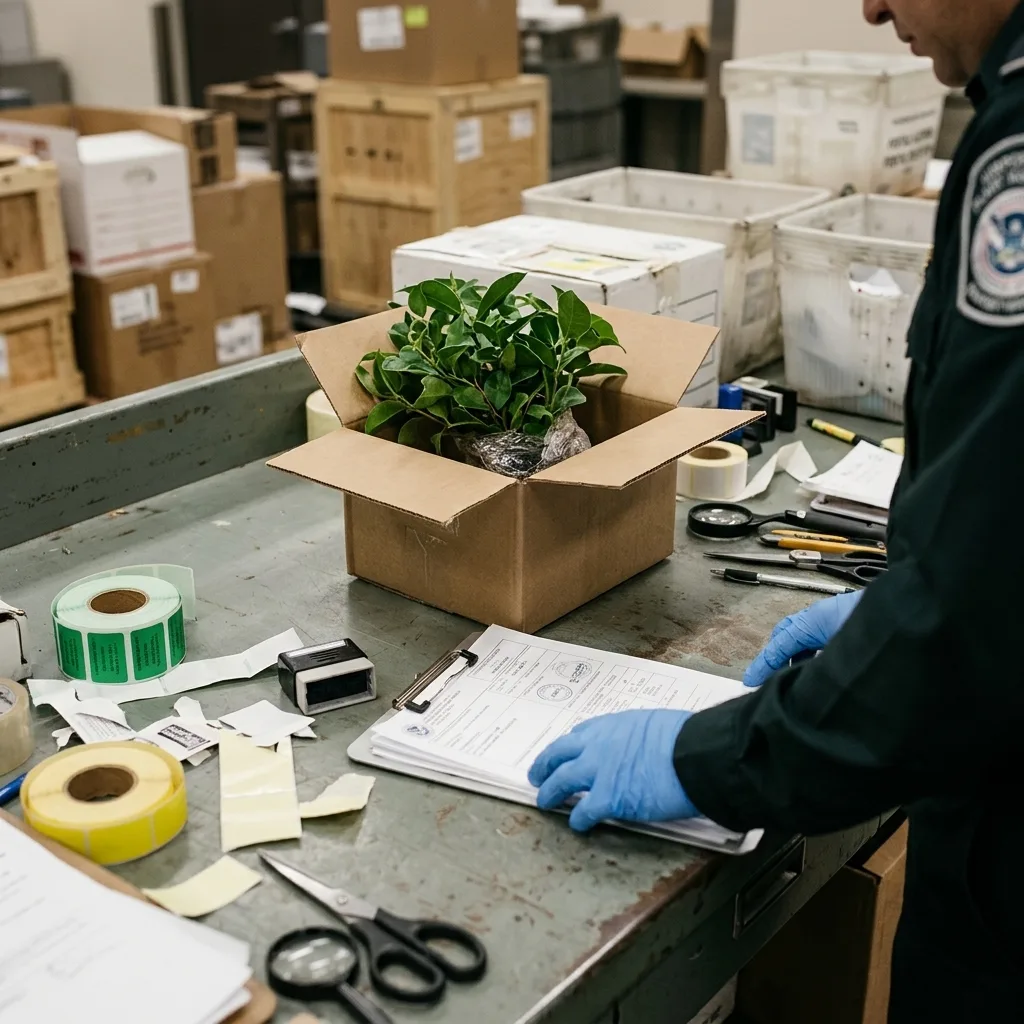
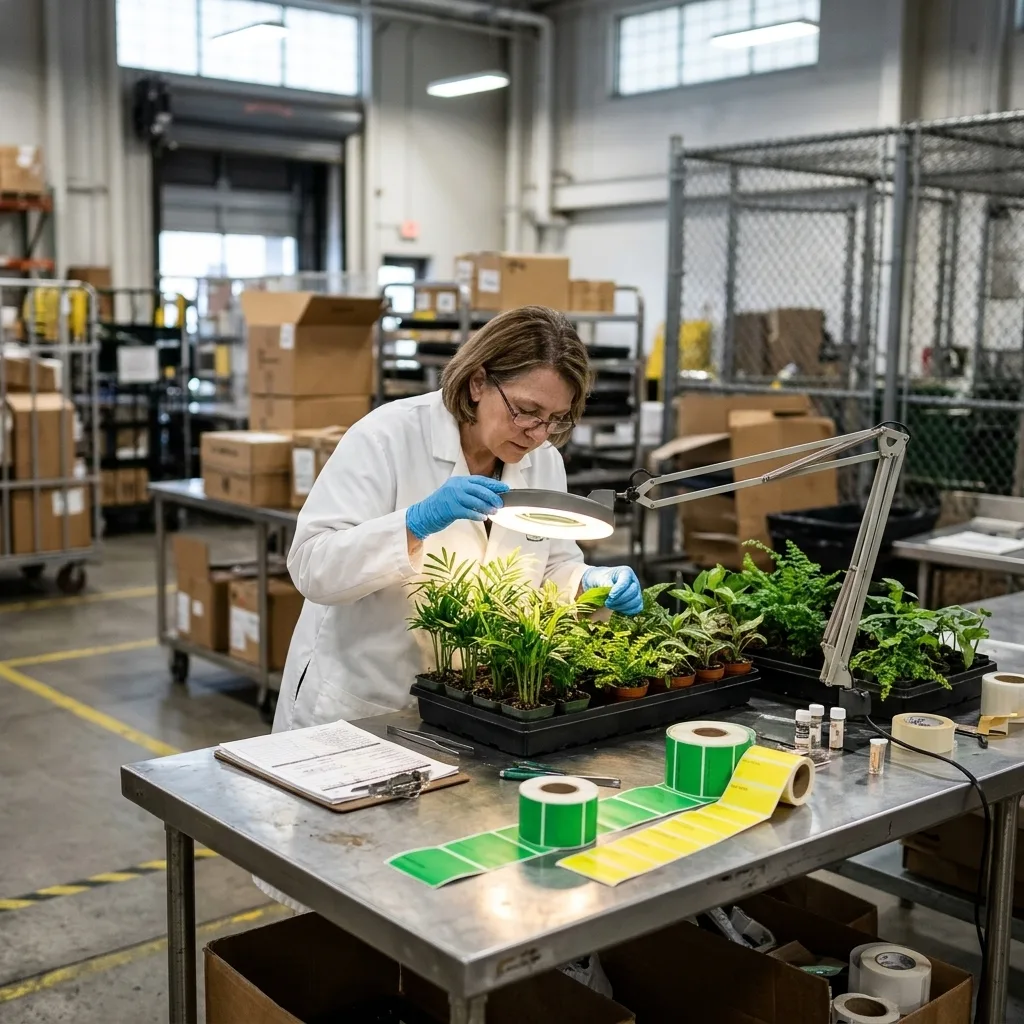
Navigating US Department of Agriculture plant import rules: when permits are mandatory, how to obtain eFile clearance, and how green-and-yellow shipping labels route shipments through Plant Inspection Stations.
Everything European plant businesses need to know about Regulation (EU) 2016/2031, electronic CHED-PP pre-notifications, and seamless Dutch, German, and French customs clearance.
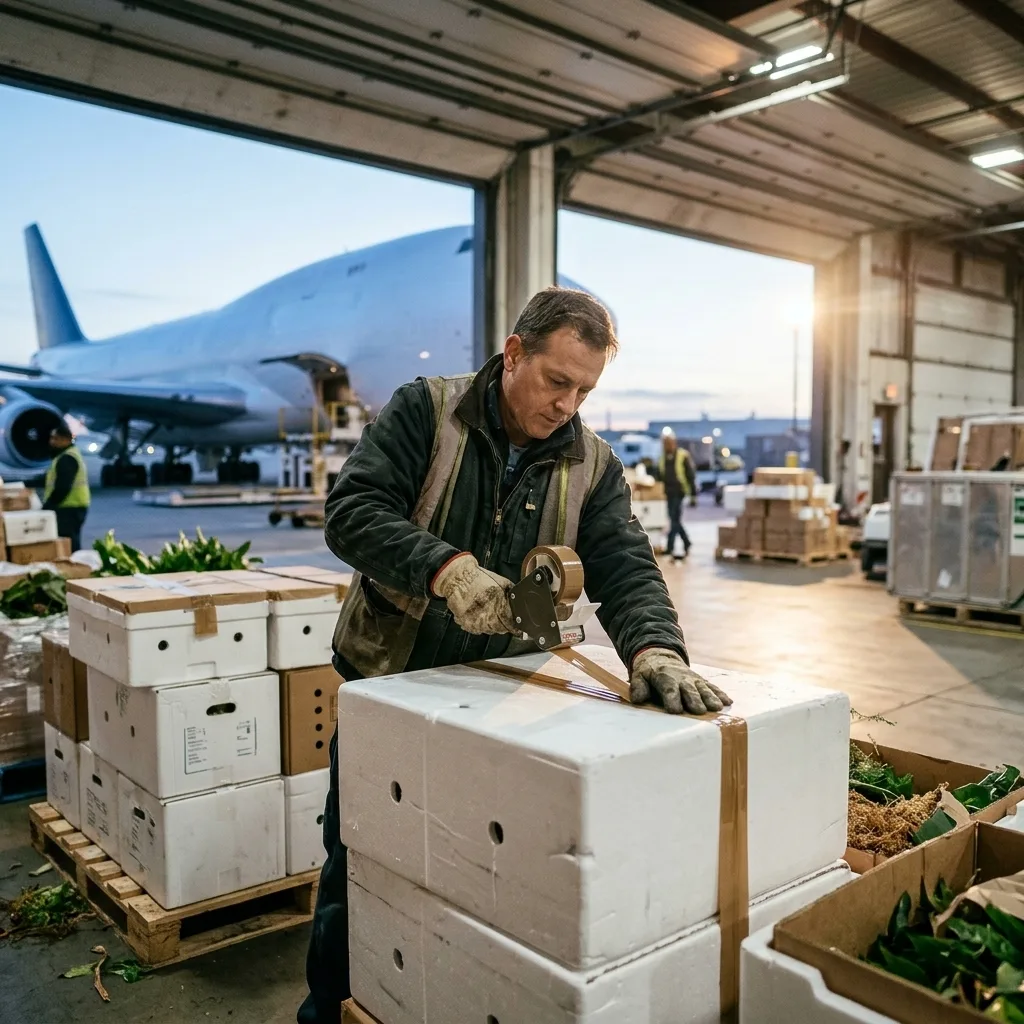
How Foliaria engineers export containers to maintain a 18°C–26°C interior microclimate even when ambient temperatures in transit hubs like Leipzig or Cincinnati plummet below freezing.
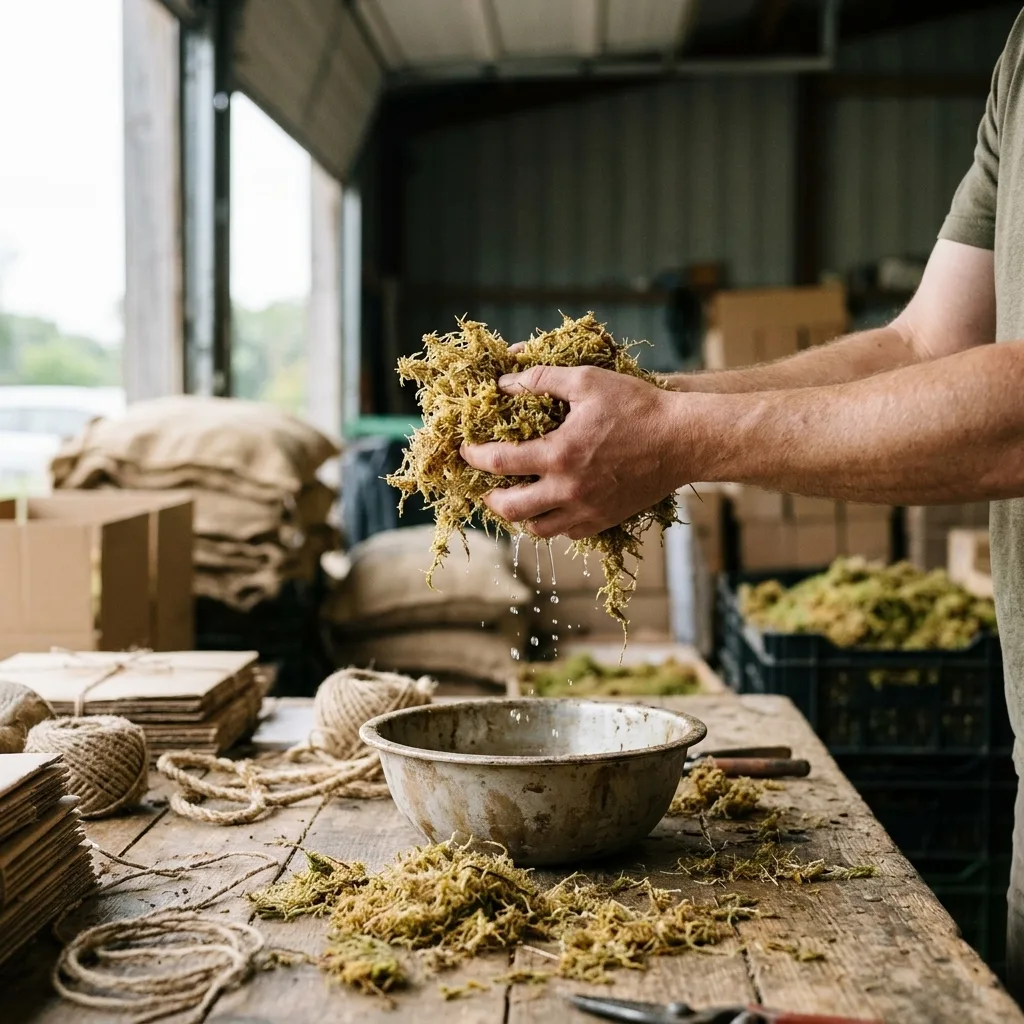
The critical difference between soggy moss and optimal moisture equilibrium. Why squeezing moss until zero free water drips is the single most important defense against Pythium decay in air cargo.
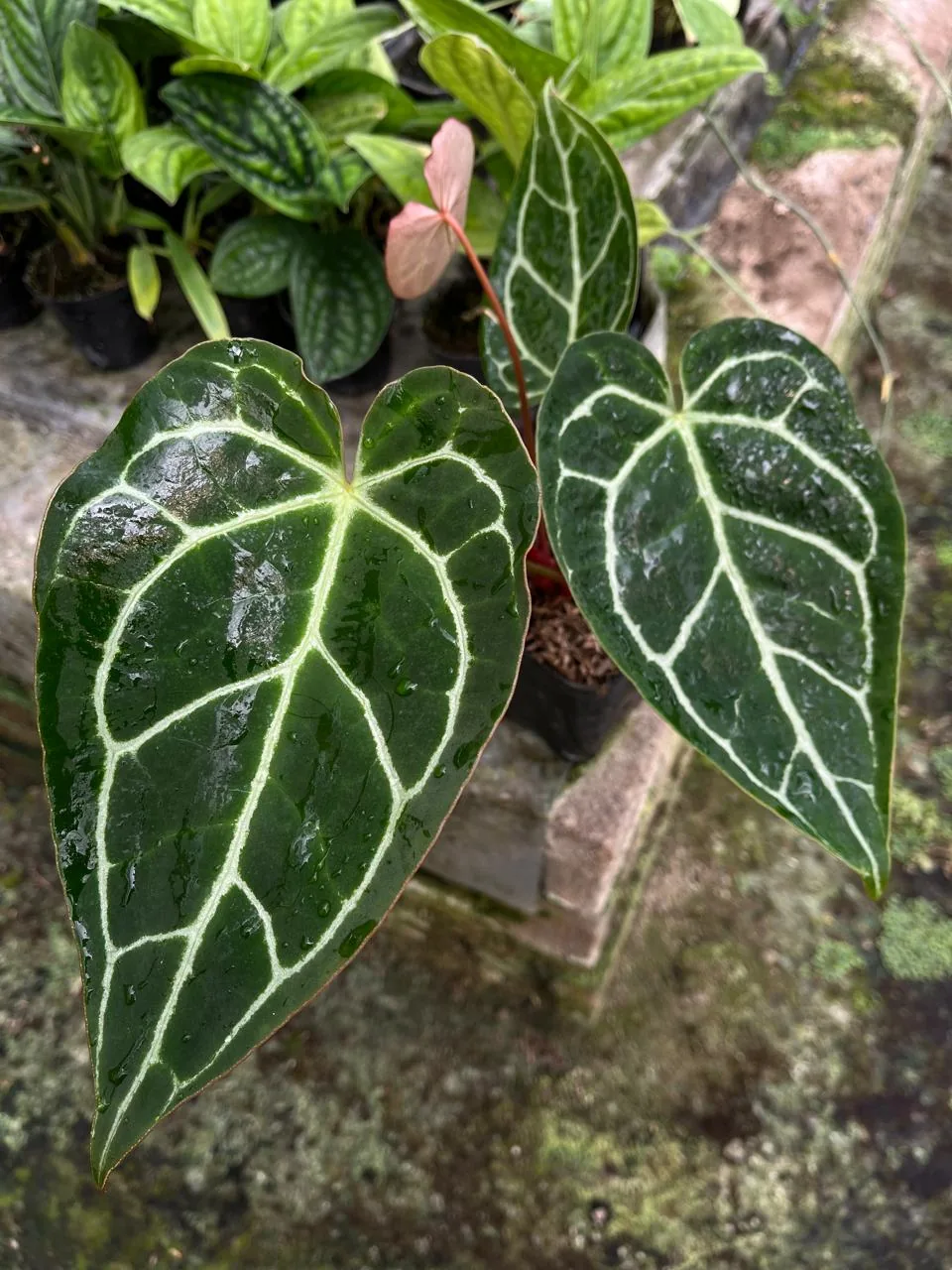
Why dark velvety Anthuriums command the highest retail margins in US/EU plant shops, how to identify genuine Indonesian cultivars, and how to source Grade A+ specimens.
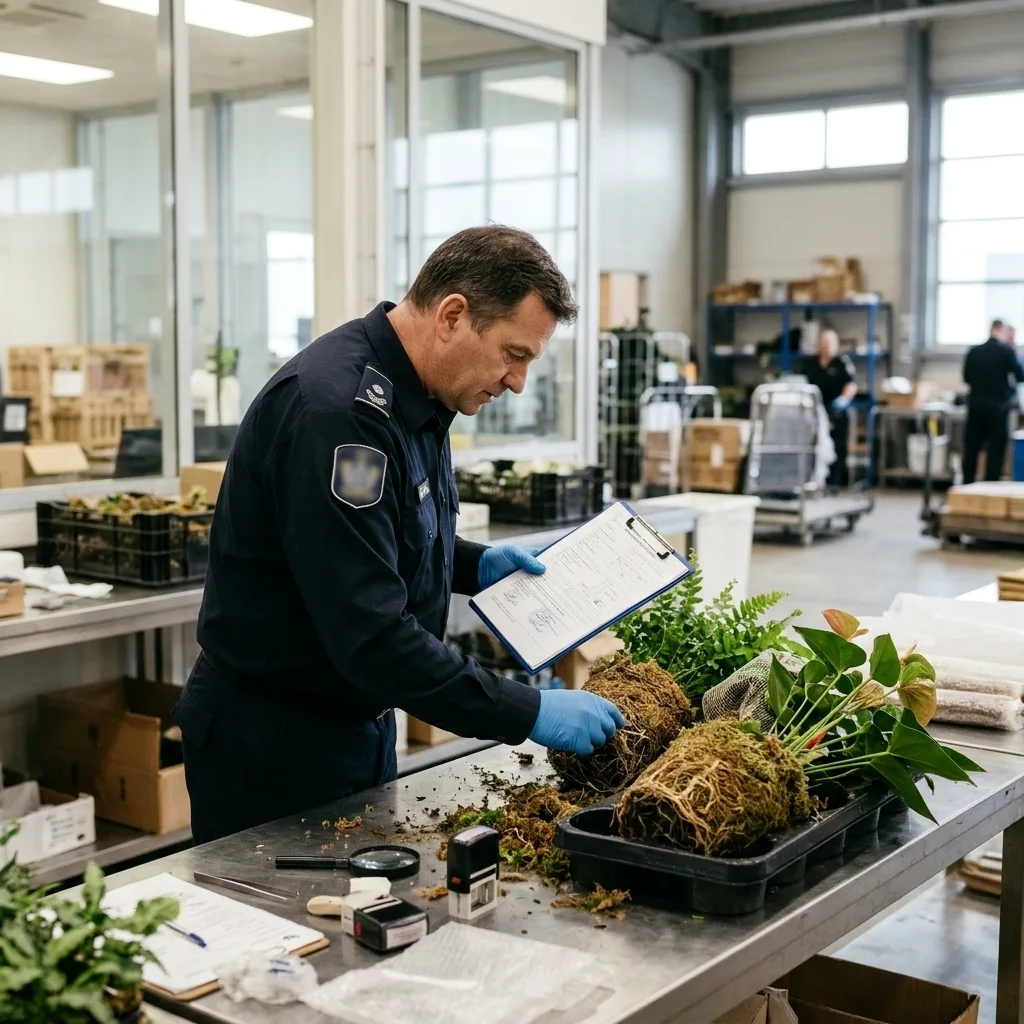
Why international agricultural inspectors have zero tolerance for organic soil particles, and how our 3-stage pressurized hydrodynamic cleaning process removes 100% of substrate before inspection.
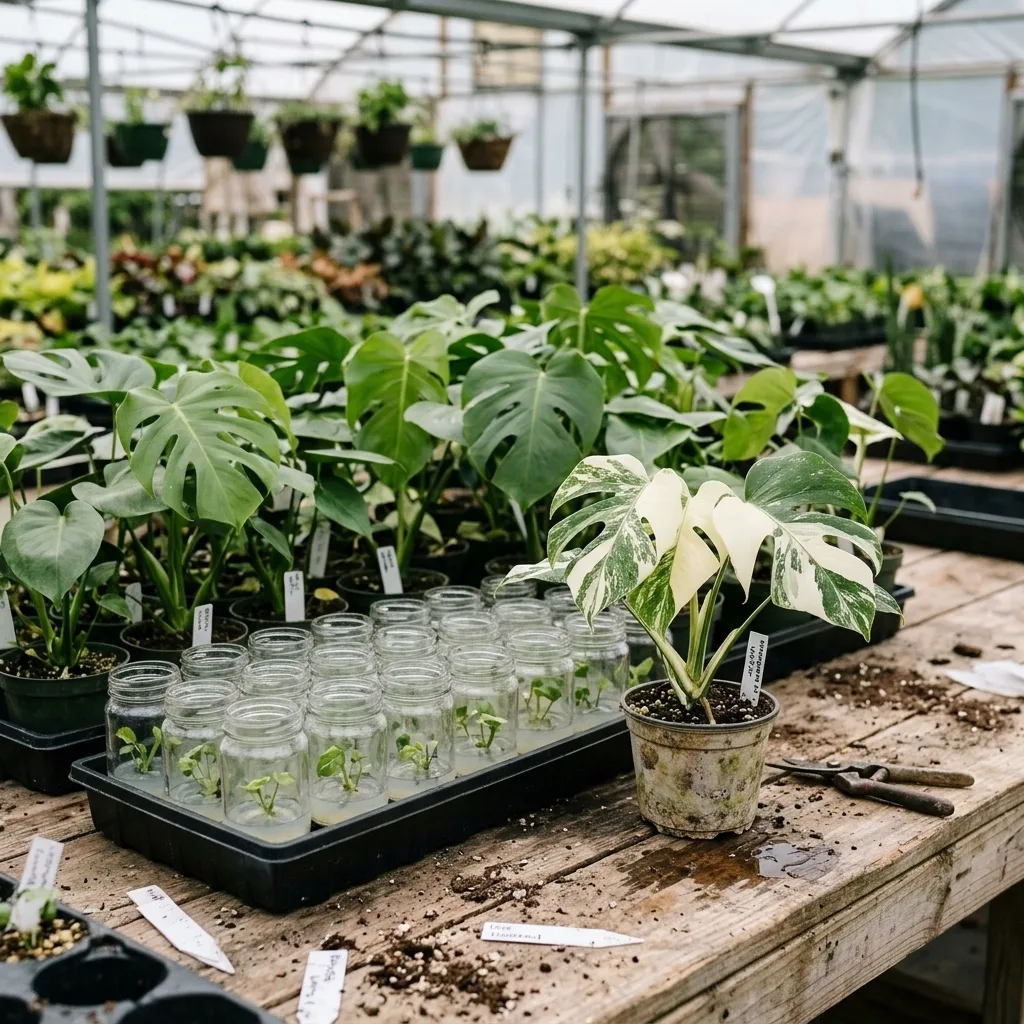
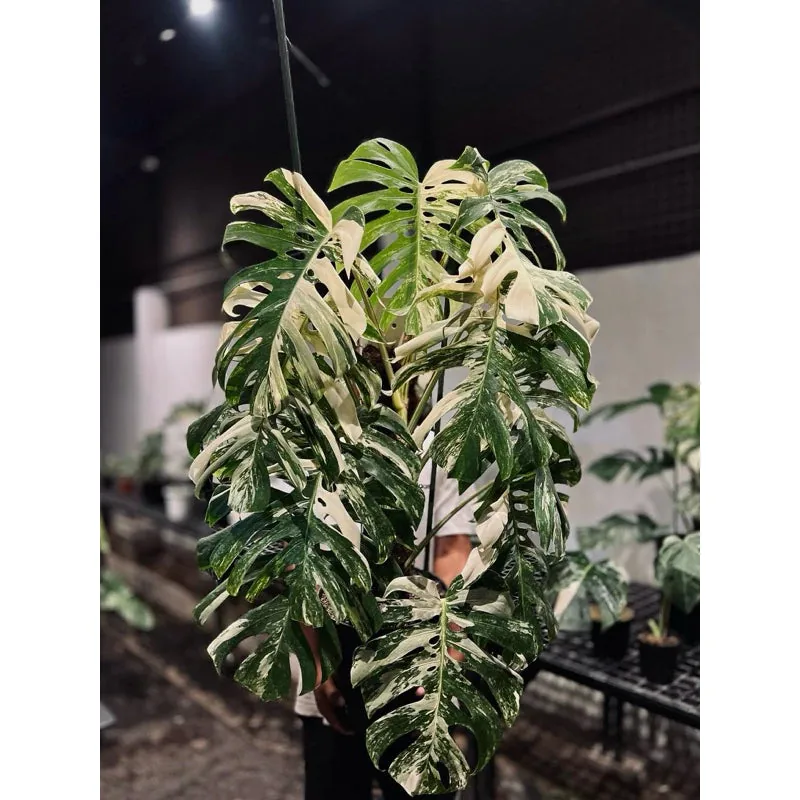
How commercial buyers can distinguish between stable meristematic chimeras and temporary chemical variegation, and why authentic Indonesian sport variegations hold their value.
The critical first 48 hours dictate long-term survival. Avoid the common mistakes that cause buyer disputes and learn the exact steps to revive stressed root systems.
Understanding the Convention on International Trade in Endangered Species, distinguishing between wild poaching and licensed nursery cultivation, and ensuring zero-risk customs entry.
A transparent breakdown of how international airfreight is billed by volumetric weight (L x W x H / 5000), why fixed costs dominate small consignments, and how to eliminate unexpected fees.
How USDA Plant Inspection Stations (PIS) process imported botanical air cargo: routing consignments through Miami, JFK, LAX, or Atlanta using PPQ 508 labels, biosecurity screening steps, and eliminating hold risks through strict bare-root washing.
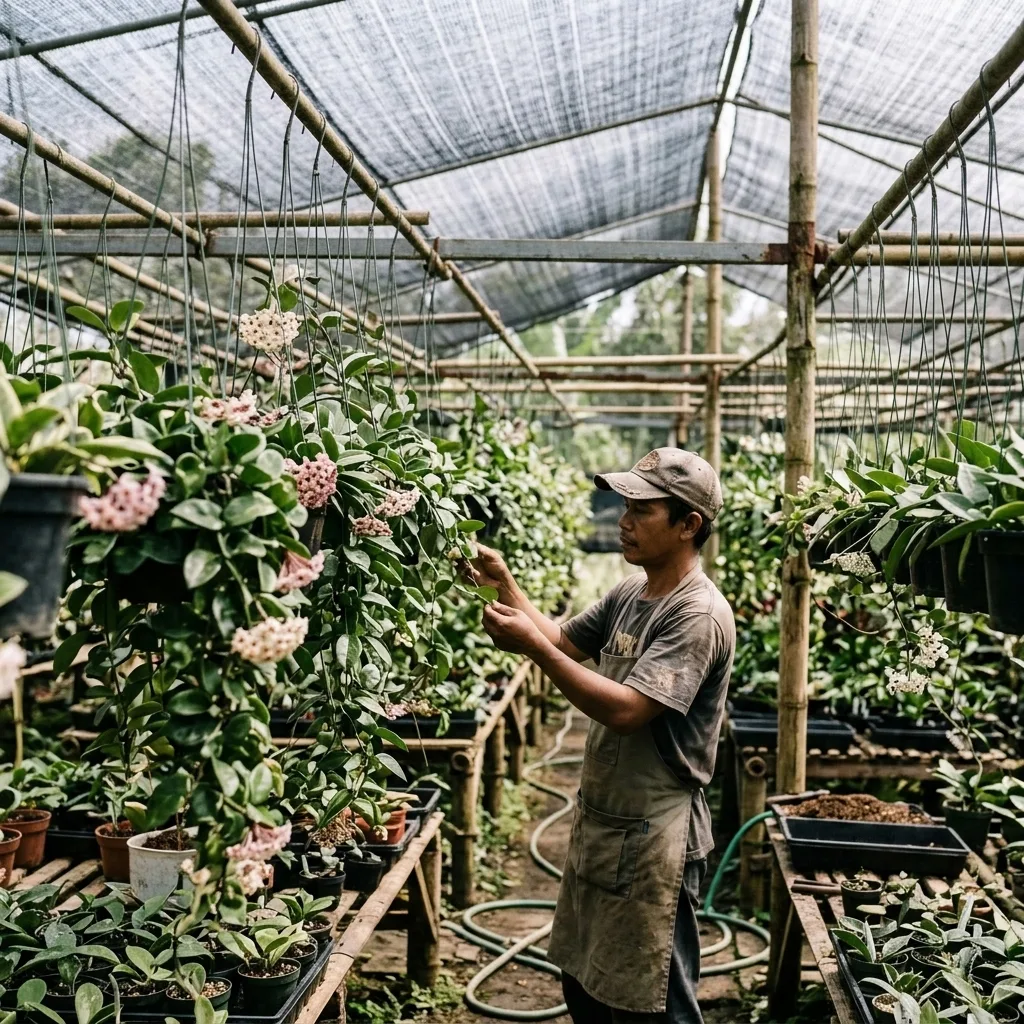
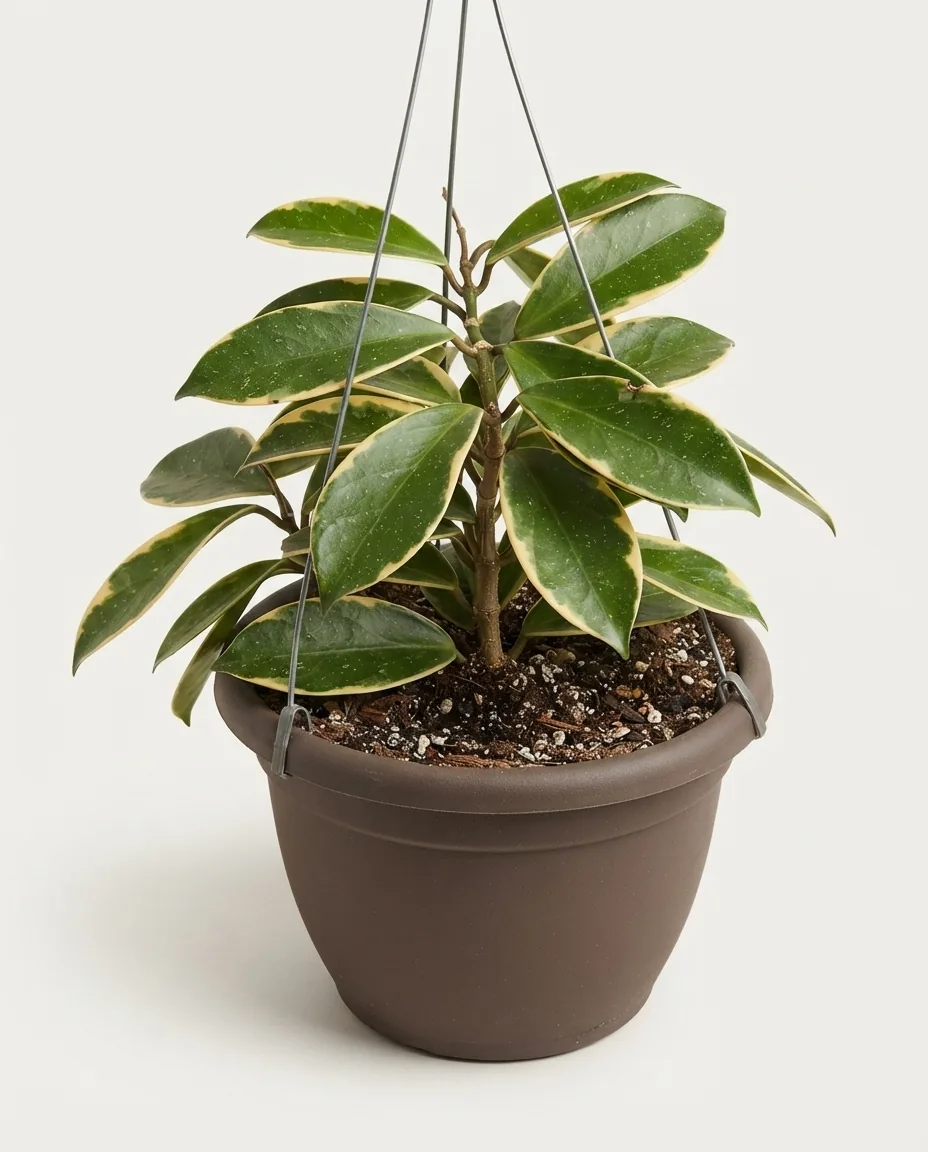
Why Hoya exhibits the highest transit tolerance among Indonesian export flora, how to structure procurement contracts around cutting and node counts rather than container size, and how to verify indigenous Malesian species provenance.
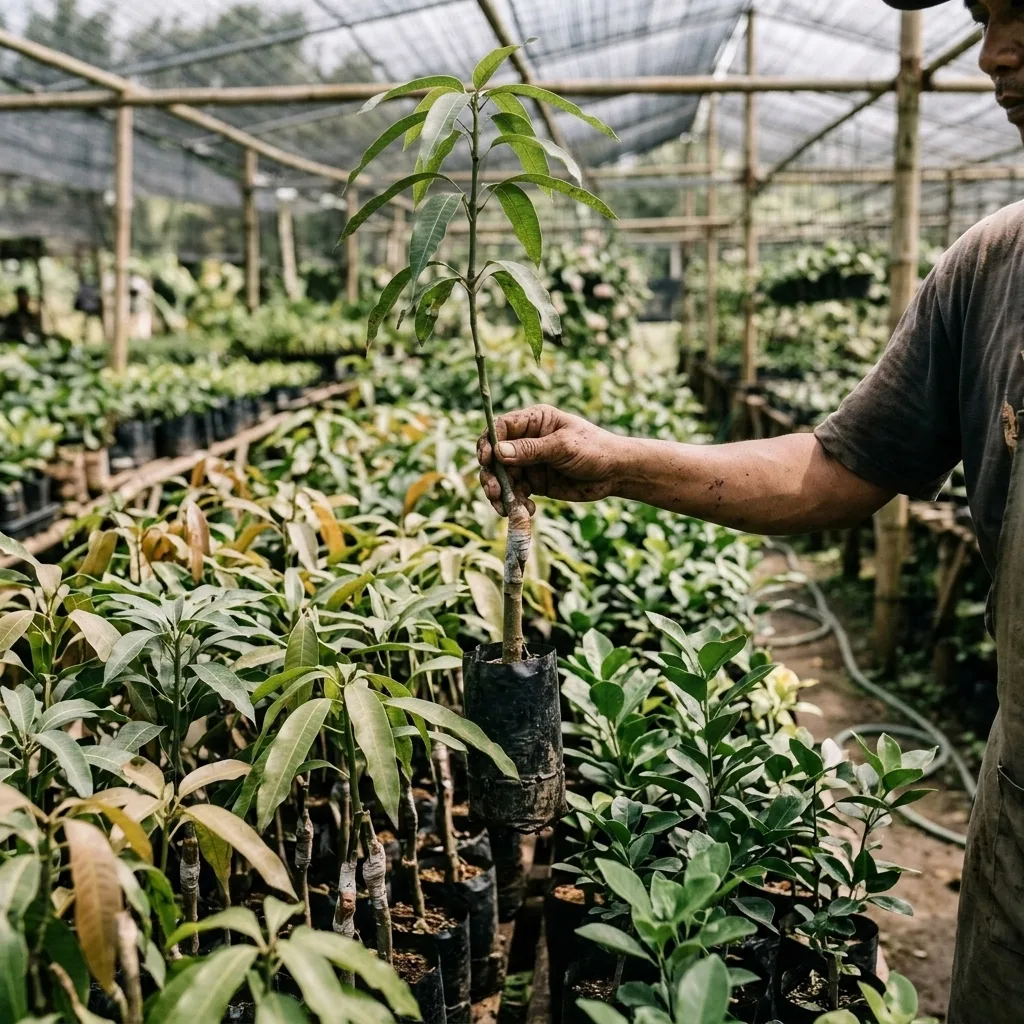
Why importing live tropical fruit and tree germplasm requires distinct biosecurity protocols from ornamental foliage: agricultural risk profiles, genus-level admissibility verification, post-entry quarantine considerations, and transit physics for woody rootstocks.
A rigorous evaluation of air cargo versus ocean freight for international live plant consignments. Evaluates metabolic respiration in transit, volumetric weight cost drivers, reefer container risks, and the strict biological criteria governing mode choice.
A clear technical guide on the two core documents required for international botanical trade: why an origin Phytosanitary Certificate cannot substitute for a destination Import Permit, who is legally responsible for each, and the required sequence of issuance.
Browse our complete live export catalog of acclimatized tropical houseplants, hoyas, and rare Indonesian aroids with certified Barantan phytosanitary documentation.