EU TRACES-NT CHED-PP for Plant Importers
How Regulation (EU) 2016/2031 and a TRACES-NT CHED-PP declaration work for live plant consignments, from Barantan e-Phyto to border control post clearance.
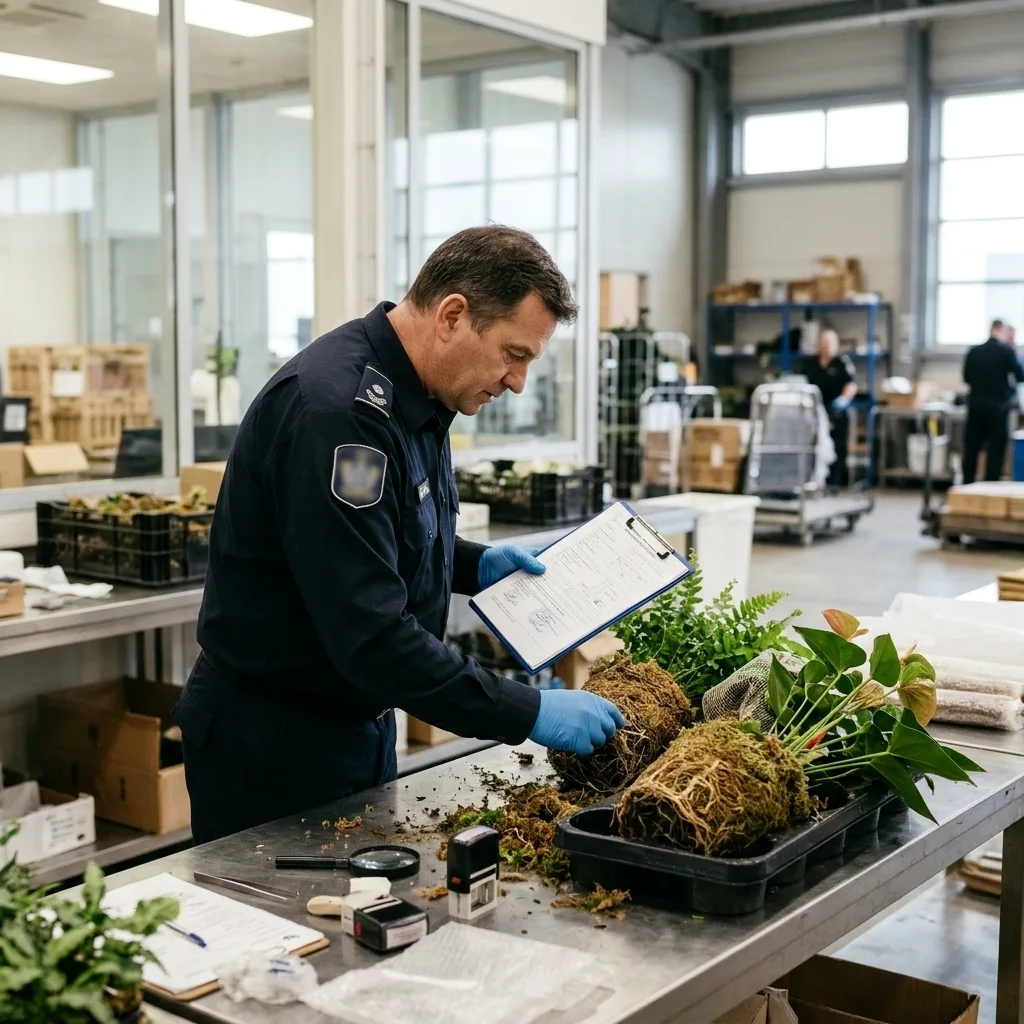
Since the implementation of Regulation (EU) 2016/2031 on protective measures against pests of plants, all live plants entering the European Union from third countries—regardless of order volume—require an official Phytosanitary Certificate and mandatory pre-notification via TRACES-NT (Trade Control and Expert System New Technology).
What is CHED-PP (Common Health Entry Document)?
Before a botanical air-cargo shipment arrives at an EU Border Control Post (BCP) like Amsterdam Schiphol (AMS), Frankfurt (FRA), or Paris Charles de Gaulle (CDG), the European registered importer or their licensed customs broker must create a CHED-PP entry inside TRACES-NT. This document links the tracking number (AWB) to the exporting country's e-Phyto barcode.
High-Risk Plant Exceptions and Prohibited Taxa
Most Indonesian tropical indoor foliage—including *Anthurium*, *Philodendron*, *Monstera*, *Alocasia*, *Scindapsus*, and *Hoya*—are admissible into the EU with standard phytosanitary certification. Importers must verify that their requested species are not listed under the EU High-Risk Plants Regulation (Commission Implementing Regulation (EU) 2018/2019) or Annex VI of Regulation (EU) 2019/2072.
How Foliaria Supports EU Buyers
Foliaria generates electronic pre-flight documents 48 hours before aircraft dispatch from Surabaya (SUB) or Jakarta (CGK). We deliver digital copies of the Barantan Phytosanitary Certificate (including the verified QR barcode) directly to your inbox and WhatsApp desk, enabling your customs broker to lodge the CHED-PP well in advance of flight touchdown.
Continue with the commercial pages
The regulatory and commercial detail behind this guide, in the pages buyers actually work from.
- How to import plants from IndonesiaThe full document-to-door sequence: bare-root preparation, Barantan certification, destination permits, inspection and arrival.
- Wholesale import FAQMinimums, mixing, payment, paperwork, freight and arrival condition, answered in one place.
- Export compliance protocolsWhat Foliaria prepares before dispatch, and what the importer has to clear on their side.
Source These Plants Wholesale
Explore export-ready specimens in our Tropical Houseplants hub with phytosanitary inspection guaranteed.
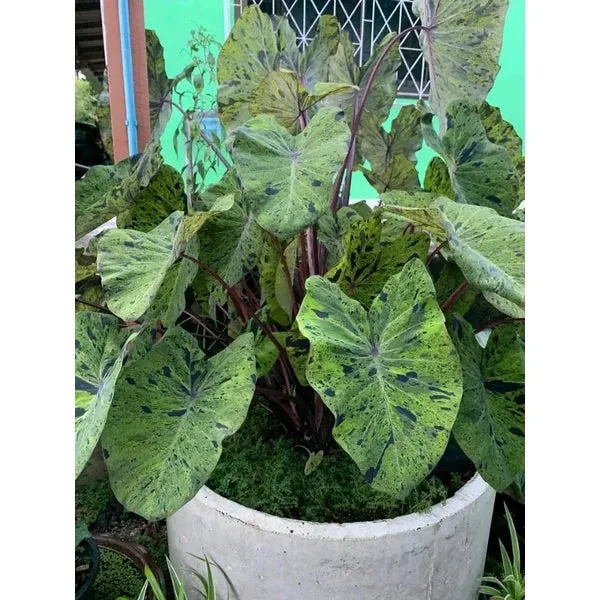
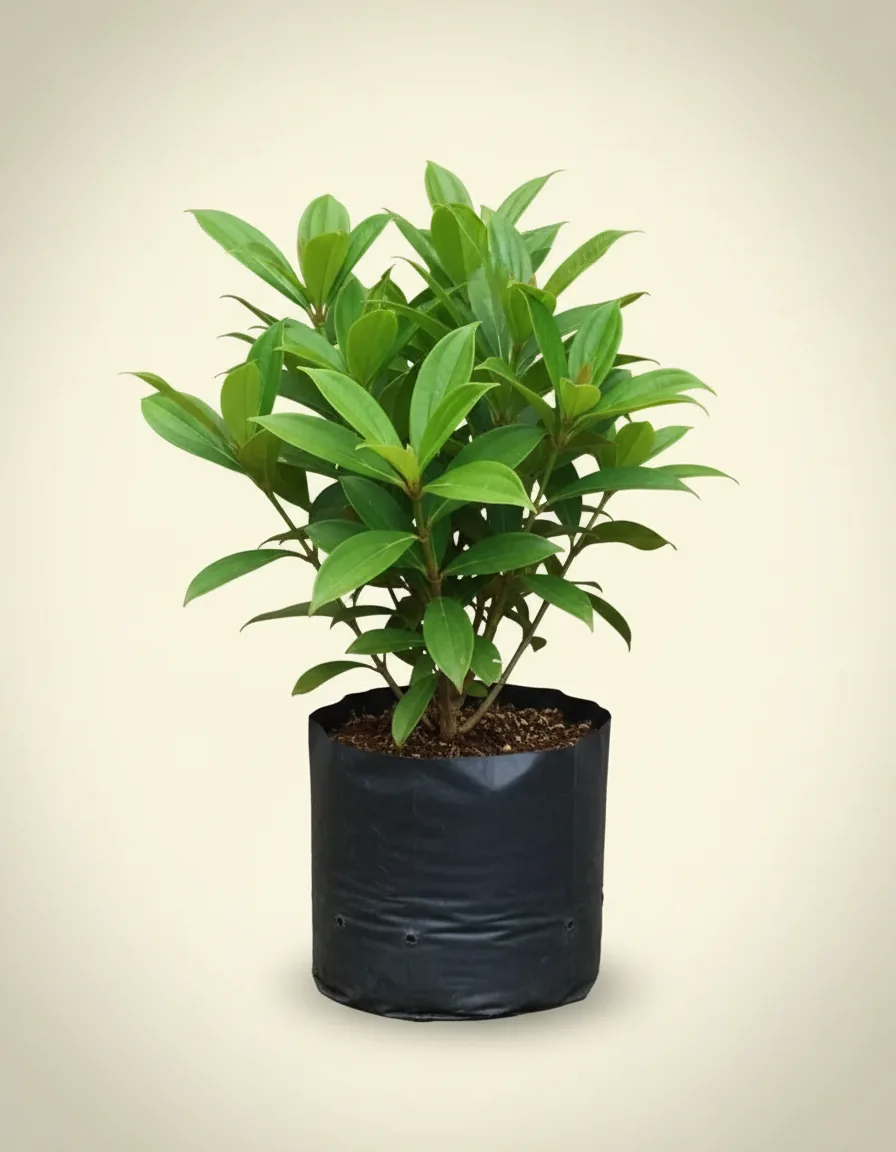
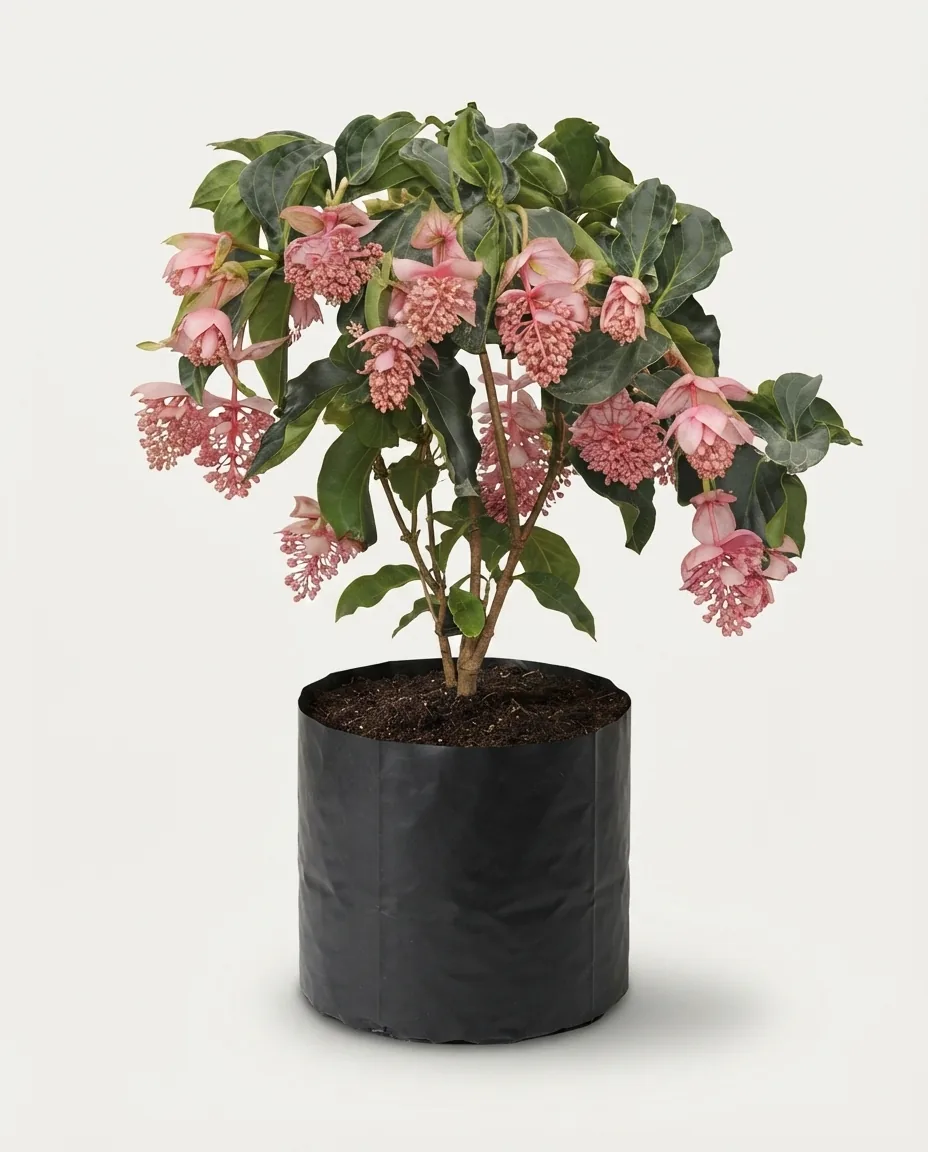
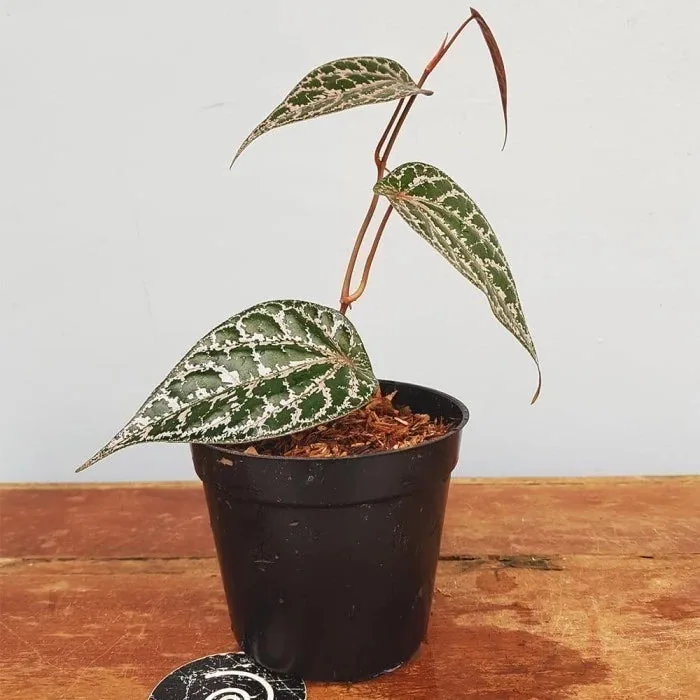
Export-Grade Cultivars Discussed in This Guide
Related Guides & Protocols
Continue exploring international plant export and care manuals.
Phyto Certificate vs Import Permit
A clear technical guide on the two core documents required for international botanical trade: why an origin Phytosanitary Certificate cannot substitute for a destination Import Permit, who is legally responsible for each, and the required sequence of issuance.
Tropical Fruit Tree Import Regulations
Why importing live tropical fruit and tree germplasm requires distinct biosecurity protocols from ornamental foliage: agricultural risk profiles, genus-level admissibility verification, post-entry quarantine considerations, and transit physics for woody rootstocks.
US Plant Inspection Station Guide
How USDA Plant Inspection Stations (PIS) process imported botanical air cargo: routing consignments through Miami, JFK, LAX, or Atlanta using PPQ 508 labels, biosecurity screening steps, and eliminating hold risks through strict bare-root washing.
Build Your Export Consignment
Volume pricing from 30 plants (-3%), rising with order size. 100% bare-root clean with verified Barantan phytosanitary certificates.