Biosecurity6 min read
CITES Appendix II: Indonesian Plant Exports
Understanding the Convention on International Trade in Endangered Species, distinguishing between wild poaching and licensed nursery cultivation, and ensuring zero-risk customs entry.
16 export-ready lines in this category, dispatched bare-root from East Java with a Barantan Phytosanitary Certificate per consignment. Buyer profile: fern specialists, plant boutiques, rare-foliage collectors.
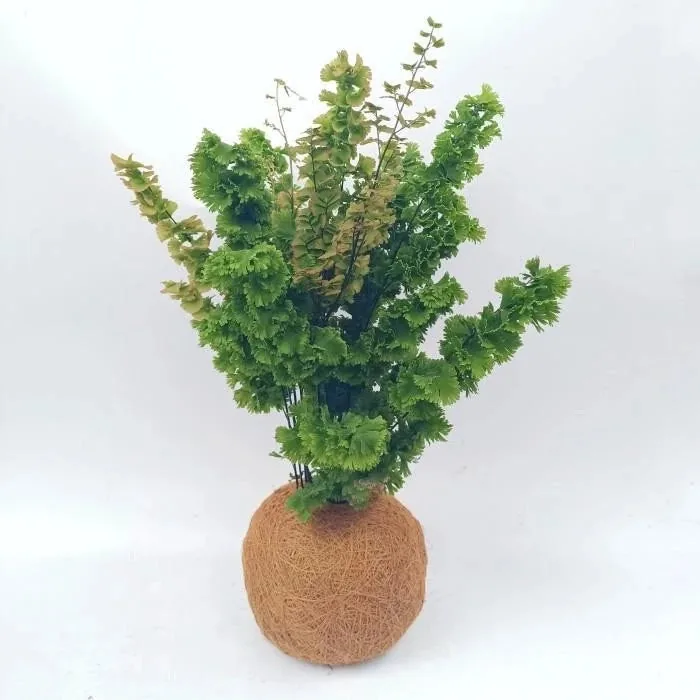
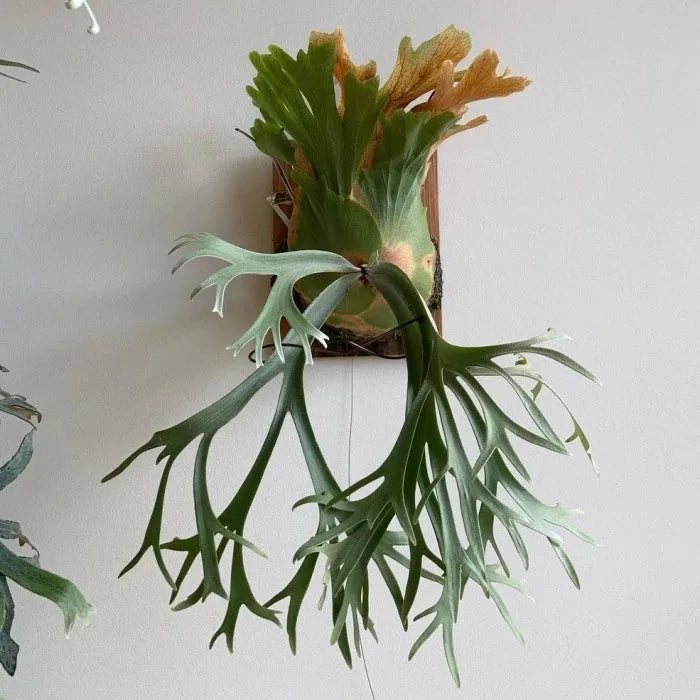
Platycerium staghorn ferns have shield fronds covering the root area and projecting fertile fronds; Asplenium and Adiantum offer different forms for fern collections. Epiphytic growth describes where a plant grows, not how well it tolerates root disturbance. Ask whether a specimen is mounted, how its roots attach, and what removal of the mount or growing medium would involve.
Fern moisture needs vary with species, maturity, frond texture and root condition. Staghorn shield fronds collect water and debris, so ferns cannot be treated as a group with no capacity to retain water. Review protection of the growing point, root moisture, ventilation and frond support together; inspect the root area for retained substrate and signs of decay without treating normal brown shield fronds as proof of disease.
Platycerium is not listed in the CITES Appendices effective 5 March 2026. Listings for certain tree ferns do not extend to all ferns. Confirm the exact identity, source and destination requirements for the offered plant: absence from CITES does not remove phytosanitary checks or national conservation controls. Request available propagation and origin records rather than inferring cultivated origin from a photograph.
Sources for the guidance above
These 2 selected product pages include reviewed explanations of published research, with source links and limits on applying the findings to an offered plant. Use them alongside the care guides; confirm current plant condition with the export desk.
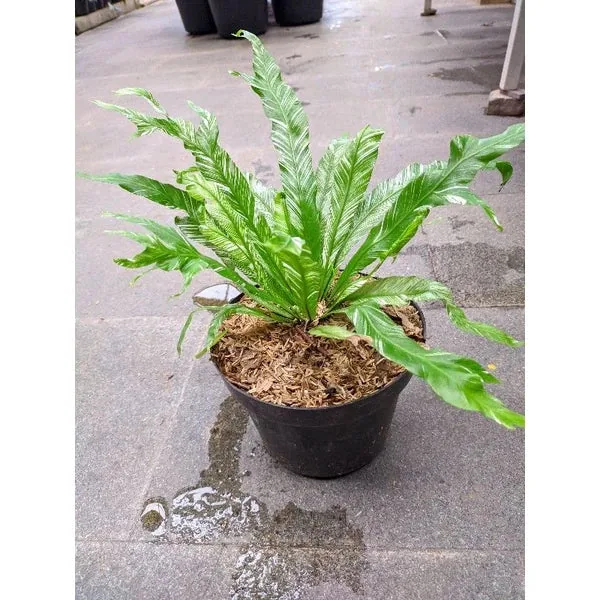
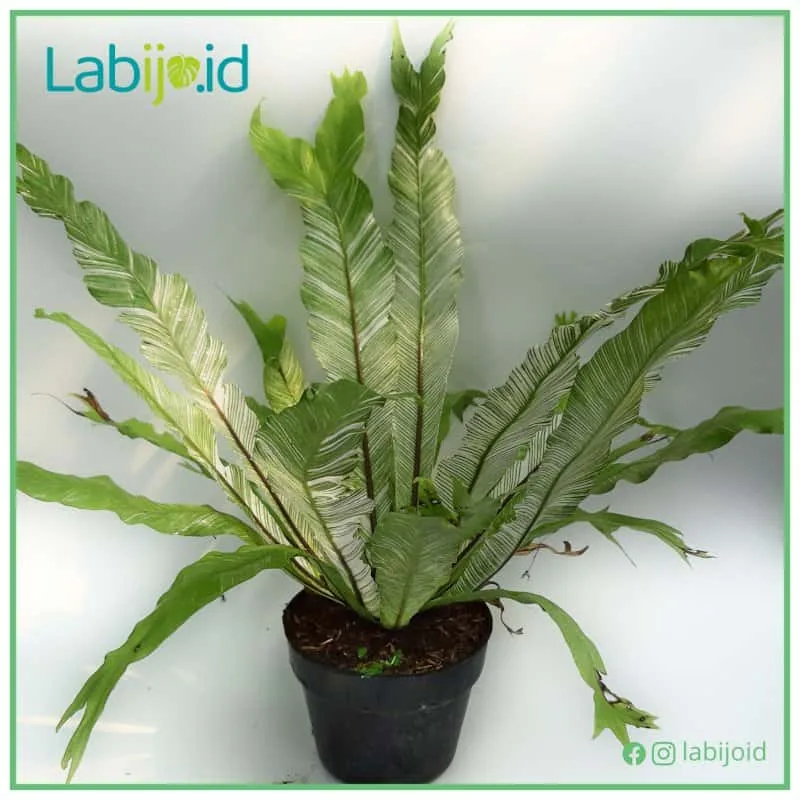
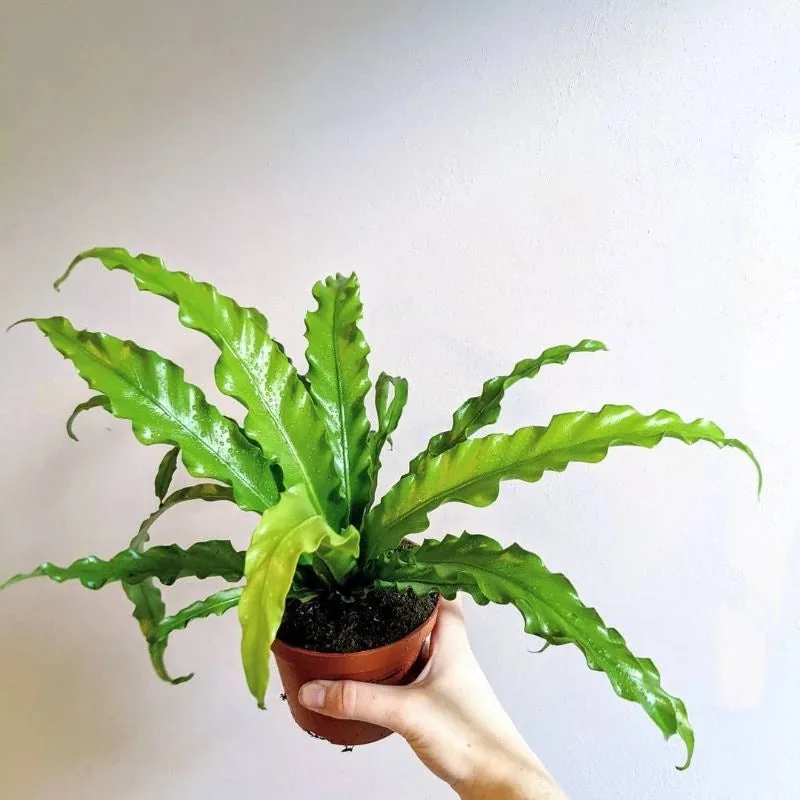
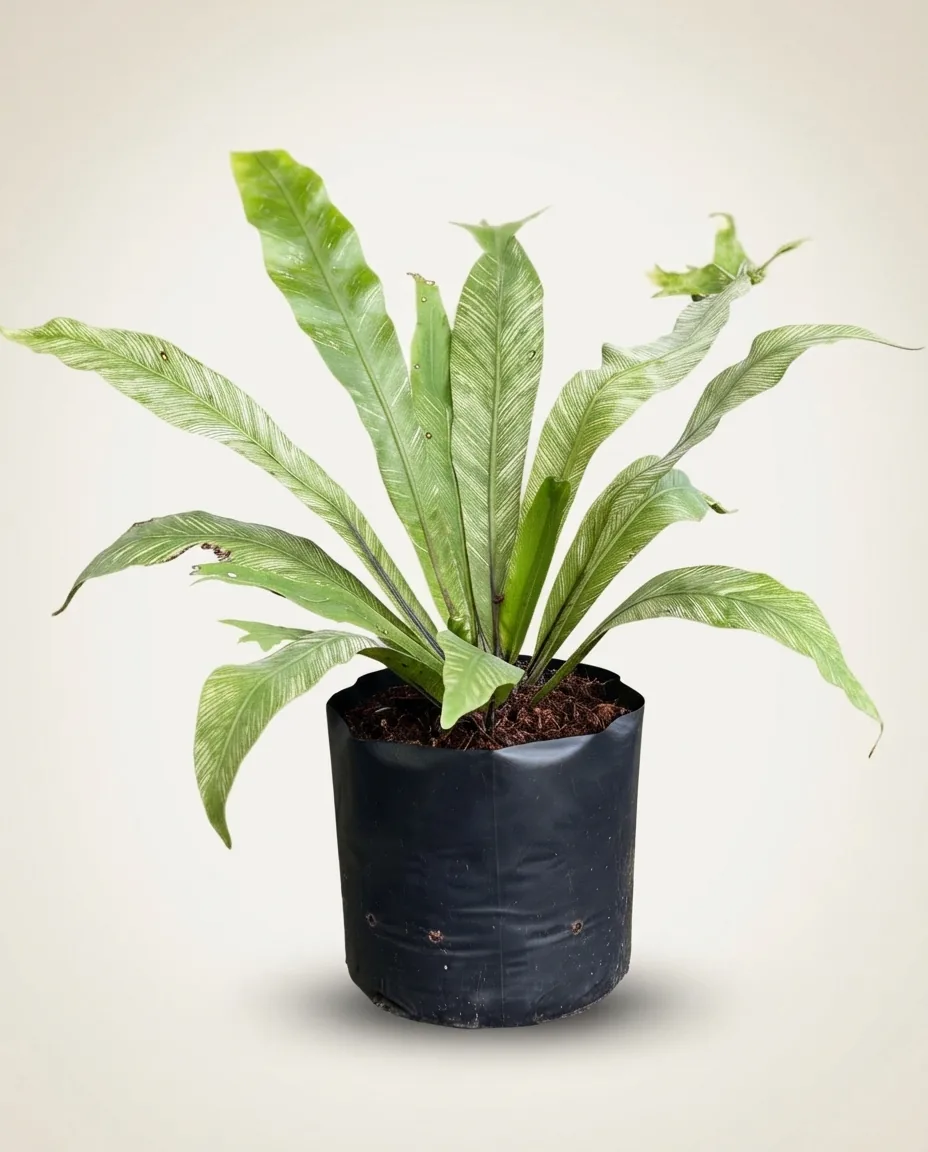
Asplenium Nidus · Ferns & Platycerium
A greenhouse experiment helps explain why feeding cannot compensate for a persistently dry root zone. A separate forest survey asks whether the fern’s appearance can indicate habitat degradation. These studies answer different questions about growing conditions and what a photograph can reveal.
Platycerium Ridleyi · Ferns & Platycerium
Spore culture and regeneration from juvenile leaf tissue are documented routes for producing this fern. Their developmental stages matter when asking what a supplier means by a propagated plant, especially whether it is already established outside laboratory culture.
Displaying all 16 specimens available for wholesale consignment.
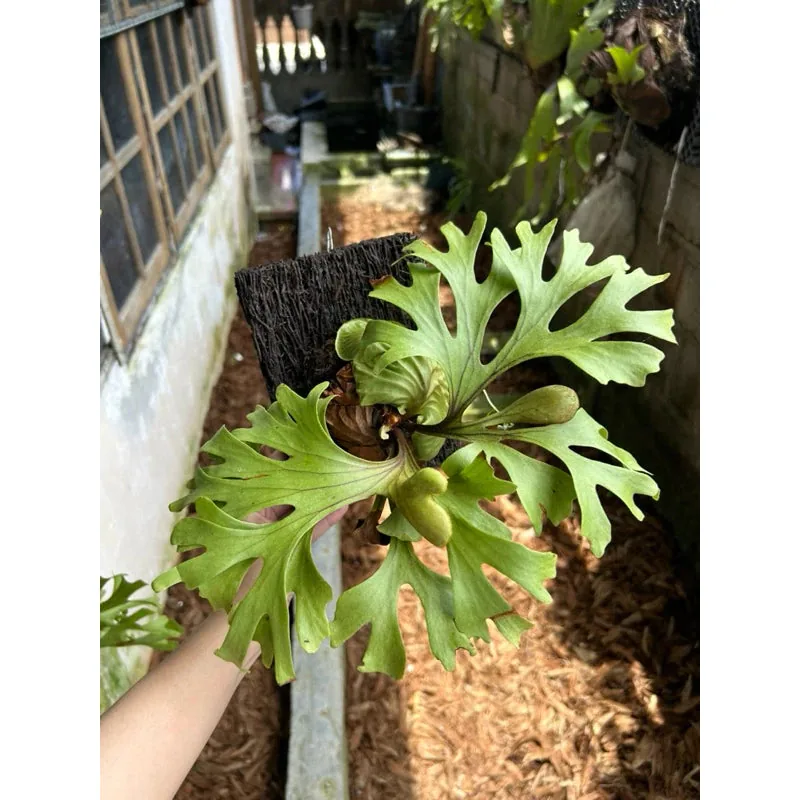
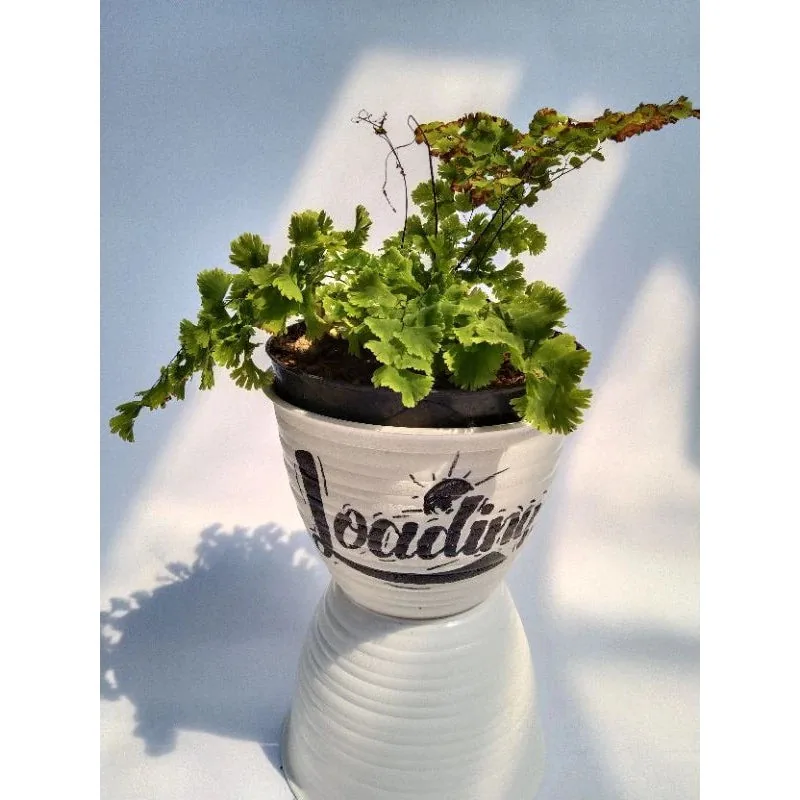
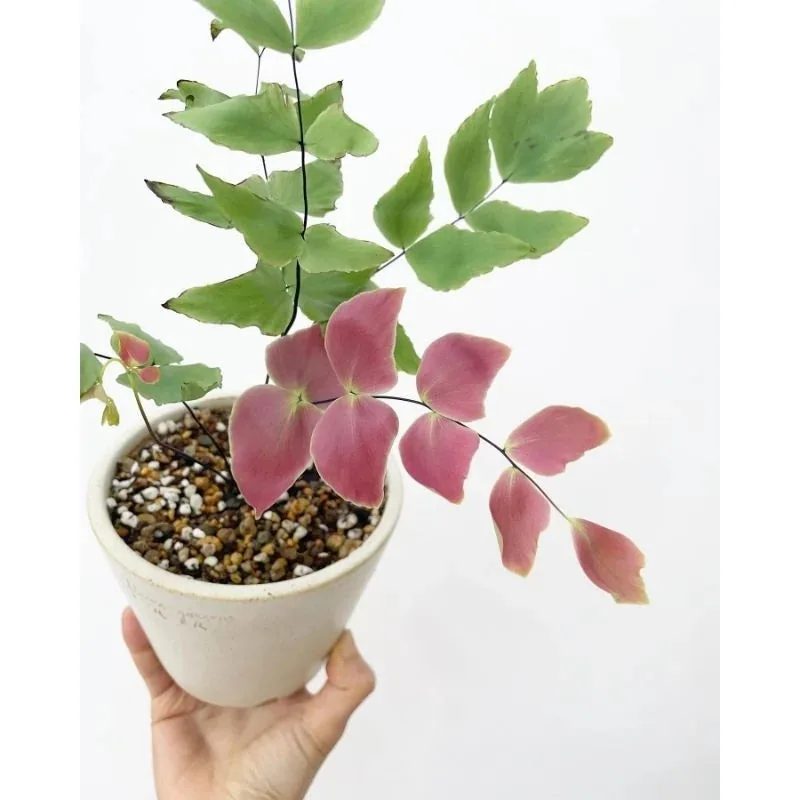
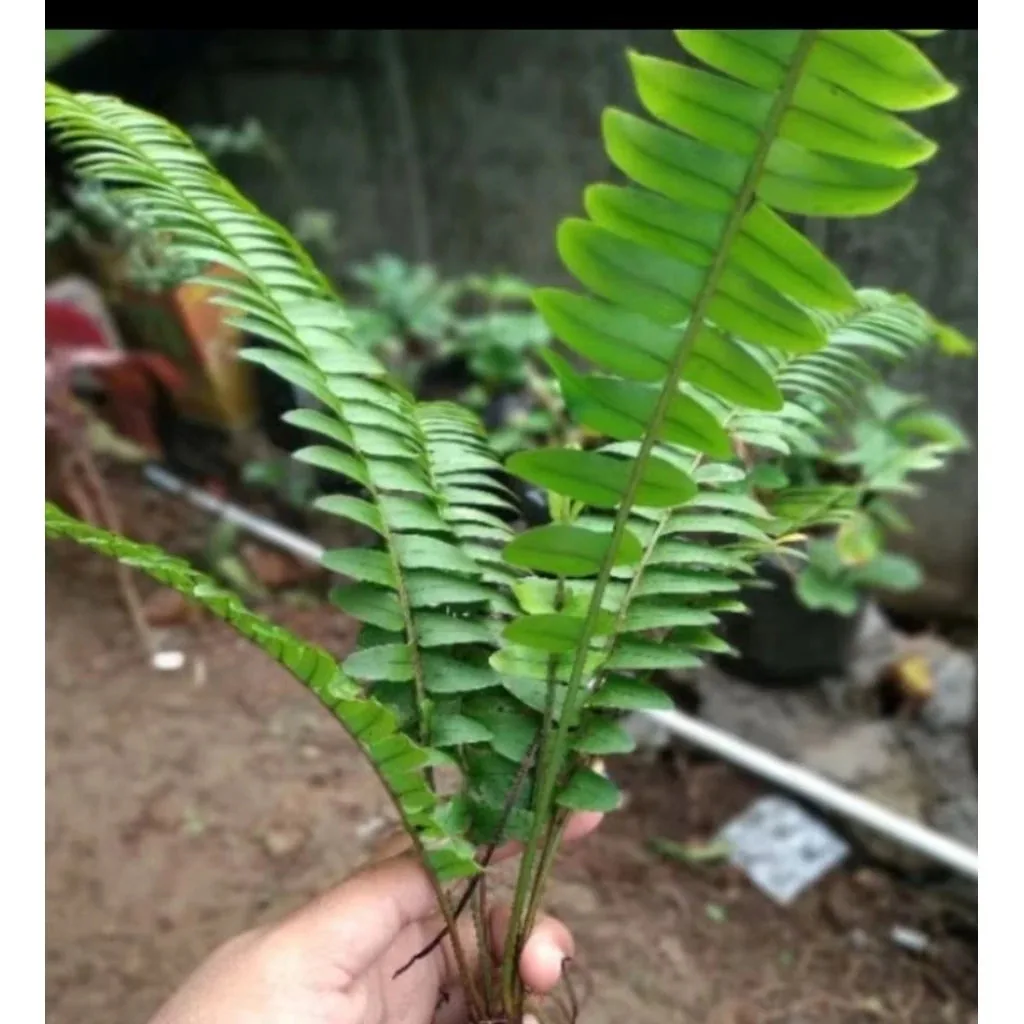
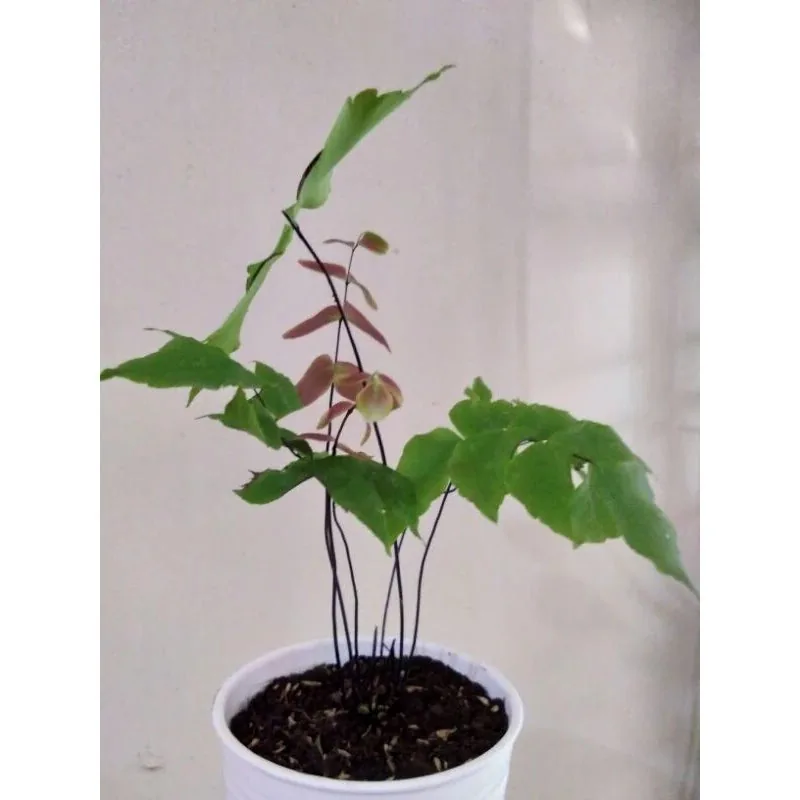
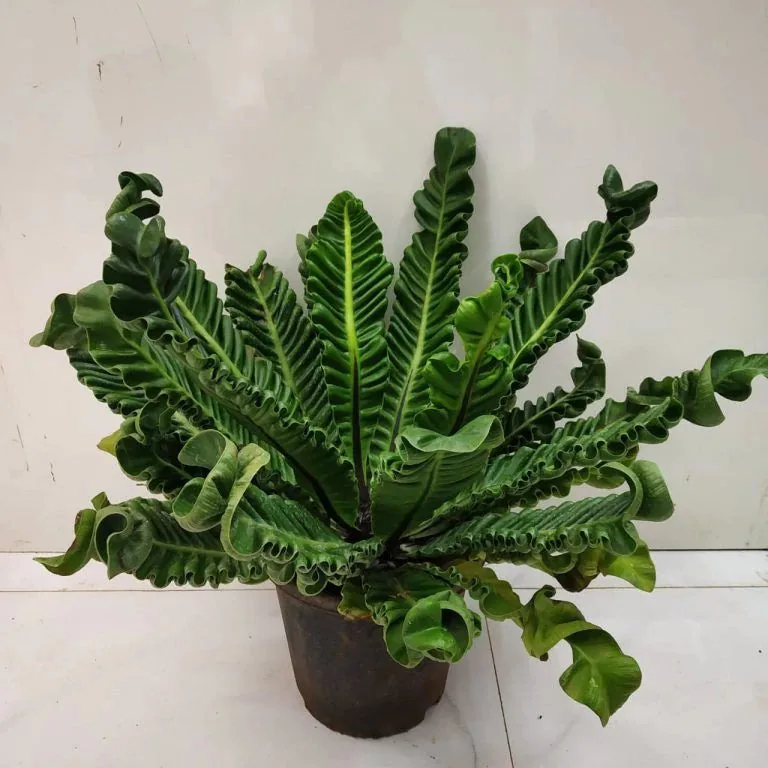
Export protocols, biosecurity compliance, and logistics documentation relevant to ferns & platycerium.
Understanding the Convention on International Trade in Endangered Species, distinguishing between wild poaching and licensed nursery cultivation, and ensuring zero-risk customs entry.
The critical first 48 hours dictate long-term survival. Avoid the common mistakes that cause buyer disputes and learn the exact steps to revive stressed root systems.
The critical difference between soggy moss and optimal moisture equilibrium. Why squeezing moss until zero free water drips is the single most important defense against Pythium decay in air cargo.
Every ferns & platycerium consignment is 100% soil-eliminated, dipped, and wrapped in sterile Chilean sphagnum before Barantan inspection.
Compliance dossier →USDA APHIS permitting, the 12-plant exemption boundary, PPQ 587 and Green & Yellow labels.
US import guide →Regulation (EU) 2016/2031, TRACES-NT CHED-PP pre-notification, and e-Phyto certification.
EU import guide →