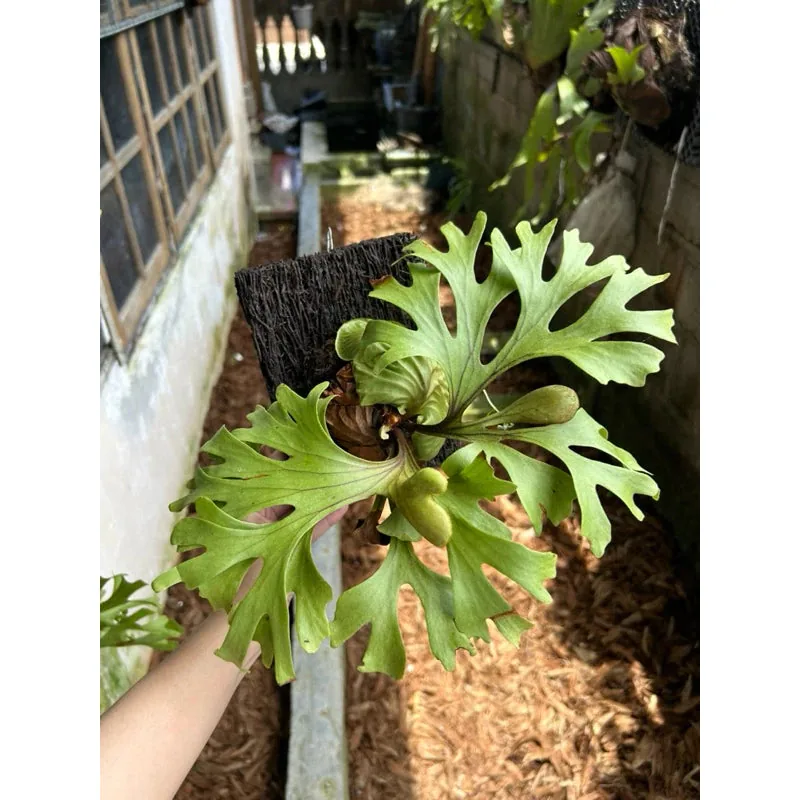
Direct Indonesian Nursery Sourcing
Acclimatized under controlled shadehouse nursery facilities in Java & Sumatra, Indonesia. Zero unverified wild-poaching.
Platycerium Ridleyi
Platycerium ridleyi
Platycerium Ridleyi (Platycerium ridleyi) is catalogued under the Polypodiaceae family in the genus Platycerium, and ships from Java & Sumatra, Indonesia at $17.00 USD per plant FOB, export grade A+. Catalogue acclimatization difficulty is rated Connoisseur Collector.
Identification, research and what to check before buying ↓Care guide for Platycerium Ridleyi →
Platycerium ridleyi Christ · Polypodiaceae
The accepted name in the GBIF Backbone Taxonomy, the plant taxonomic backbone.
Protologue citation: Christ. (1909). In: Ann. Jard. Bot. Buitenz. II, Suppl. 3: 8, T. 2.
A protologue is the original description of a species. It provides the naming context and diagnostic characters to compare when checking a plant’s identity. Other studies address their own research questions; their findings need to be read in that context before applying them to cultivation or the offered stock.
- In Vitro Regeneration of Platycerium ridleyi Christ. Sporophytes via Homogenized Green Globular Bodies — New Zealand Journal of Crop and Horticultural Science (2026)
- A New Record of the Fern Platycerium Ridleyi Christ — The Sarawak Museum Journal (2004)
- The First Record of Platycerium ridleyi in Sumatera — American Fern Journal (1982)
Taxonomy from the GBIF Backbone Taxonomy, retrieved 2026-10-22. Open the backbone record.
Rated Connoisseur Collector from the catalogue category and display name alone. Ask the supplier for the stock-specific acclimatization protocol for this consignment before ordering.
What propagation research tells a ridleyi buyer
Spore culture and regeneration from juvenile leaf tissue are documented routes for producing this fern. Their developmental stages matter when asking what a supplier means by a propagated plant, especially whether it is already established outside laboratory culture.
Platycerium ridleyi · Reviewed on
Spore viability and an established fern are different stages
The 2018 culture experiment compared full- and half-strength Murashige and Skoog media with different benzylaminopurine treatments. Its abstract reports that prothalli first appeared at six weeks, but further development occurred only on half-strength medium without added growth regulator. Rhizoids appeared on those prothalli at 24 weeks. (เยาวพา จิระเกียรติกุล, ภาณุมาศ ฤทธิไชย, พรชัย หาระโคตร, บุญญฤทธิ์ นิลวรณ์ & เจิมอรุณ อุทัยแจ่มศรีผล, 2018)
For buyers: Ask whether a spore-grown offer is an established sporophyte with its own fronds and roots. Successful early spore culture does not describe the maturity of a sale plant; developmental stage is a more useful specification than a propagation label alone.
Scope: Only the English abstract was reviewed. Prothalli are gametophytes, and their rhizoids are not evidence of mature sporophyte roots. These laboratory timings do not predict household propagation or shipping recovery.
Leaf-derived regeneration depends on the culture conditions
Liao and Lu’s 2026 abstract describes inducing green globular bodies from juvenile leaves, then regenerating sporophytes from homogenized tissue. A smaller tissue inoculum outperformed larger inocula, and activated charcoal improved regeneration further. The abstract also reports complete survival in its peat acclimatization trial, including plants transferred without pre-existing roots. (Yue Ken Liao & Hsueh Fu Lu, 2026)
For buyers: Tissue culture is a documented production route. Ask whether the offered plant has completed acclimatization and is growing in nursery conditions; laboratory regeneration and an established mounted plant are distinct purchasing stages.
Scope: The publisher-deposited abstract was accessible through Crossref; the full paper was not. Trial size and acclimatization duration were not available there. Its reported survival is not an export survival rate or a reason to remove roots from a purchase.
Use the registry to interpret the whole plant
The World Platycerium Society registry describes a solitary species without normal pups, strongly ribbed shields enclosing the roots, and upright fertile fronds with separate spore-bearing lobes. It describes mature shields as usually green. (World Platycerium Society, 2026)
For buyers: Request a whole-plant view and close photographs of shields and fertile fronds. Clarify any offer described as a pup or division and ask for its actual propagation history.
Scope: This registry is secondary botanical and cultivation context. It does not authenticate the offered plant or supply experimental evidence for a watering interval or transit window.
Putting the research into practice
Our buying interpretation is to ask two linked questions: how was this plant propagated, and how far has it progressed into ordinary nursery conditions? The spore experiment followed gametophyte development, while the regeneration study produced sporophytes from cultured leaf-derived tissue. Those are different stages and production routes. For the offered plant, request its propagation history, time outside culture and current root and shield photographs. Confirm how its root chamber will be supported after arrival, particularly if dispatched unmounted. The WPS registry provides secondary identification context for the solitary crown and ribbed shields; the experimental findings below come from the journal abstracts. Neither production method by itself establishes the condition of the Botanical Product available for your Export Consignment.
Supplier-reported facts
- Catalogue item
- Platycerium Ridleyi
Still to confirm with the supplier
- Confirm spore-grown or tissue-cultured origin, current dimensions, rooting and establishment outside laboratory culture. The reviewed supplier grade A+ does not specify these details.
- Request current photographs of the crown, shields and roots, and confirm mounted or unmounted dispatch, packing and route. These sources establish no species-specific export recovery deadline.
References
- Effect of Culture Media on Gametophytic Growth of Platycerium ridleyi Spores under Aseptic Condition
เยาวพา จิระเกียรติกุล, ภาณุมาศ ฤทธิไชย, พรชัย หาระโคตร, บุญญฤทธิ์ นิลวรณ์ & เจิมอรุณ อุทัยแจ่มศรีผล (2018). Thai Science and Technology Journal.
Reviewed from: Abstract only
- In Vitro Regeneration of Platycerium ridleyi Christ. Sporophytes via Homogenized Green Globular Bodies
Yue Ken Liao & Hsueh Fu Lu (2026). New Zealand Journal of Crop and Horticultural Science.
Reviewed from: Abstract only
- Platycerium ridleyi registry — secondary botanical context
World Platycerium Society (2026). WPS Registry WPS-P-000014 (undated; reviewed 2026).
Reviewed from: Full text
“Full text” records the version our editors read. It does not mean the publisher offers free public access; some articles require a subscription.How we review and explain sources.
Botanical and ethnobotanical information on this page is provided for horticultural reference only. It is not medical advice and is not a substitute for professional medical guidance.
International Trade Compliance & Regulatory Guidance
Catalog regulatory tags represent informational screening indicators only and do not constitute an advance permit, clearance, or government certification. Import requirements vary by taxon, consignment volume, and destination authority; buyers should confirm requirements with their destination plant health agency or our export desk prior to order.
USDA APHIS Guidance (7 CFR 319.37)
Screening reflects general admissibility guidelines under USDA APHIS regulations. Actual entry requirements depend on current taxon manuals, port routing (such as PIS Miami, JFK, LAX), and permit category (PPQ 587). Buyer must verify applicable permit and labeling requirements with USDA APHIS or our export desk before ordering.
Indonesian Agricultural Quarantine (Barantan)
Consignments must be submitted for PPK (Pemeriksaan Karantina Tumbuhan) inspection by Badan Karantina Indonesia prior to export dispatch. Phytosanitary certificates are issued only upon successful official examination; catalog tags are screening indicators and do not constitute an advance certificate guarantee.
EU TRACES-NT & CHED-PP (Reg 2016/2031)
European Union plant health directives require CHED-PP pre-notification in TRACES-NT and arrival through designated Border Control Posts (such as AMS or FRA). Importers should confirm current high-risk lists, quarantine status, and member state rules before ordering.
Export Packaging & Root Preservation Standard
Growing guidance & dispatch checks
World Platycerium Society — Platycerium ridleyi registry — Synthesizes documented morphology, solitary growth and propagation evidence with linked references. It does not establish export survival or a household recovery schedule.
Spore Morphology of Platycerium and Its Implications — Supports the diagnostic value of Platycerium ridleyi spore ornamentation. It is a taxonomic study, not a care or transit trial.
Source-backed care guidance; retain the source limits below. Nursery conditions must be confirmed for the offered stock and are not measured care tolerances. Inspect roots and foliage on arrival, document concerns, and ask the export desk for stock-specific watering and acclimatization advice.
Related Species in Ferns & Platycerium
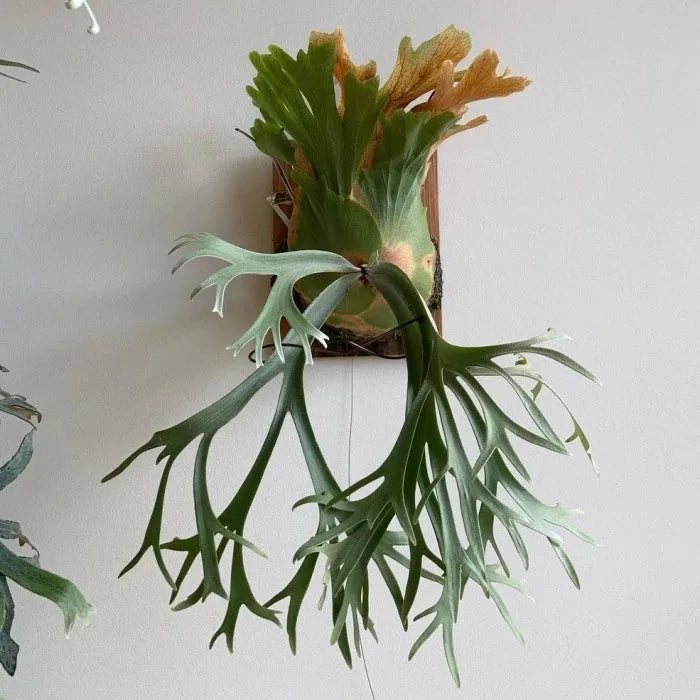
Platycerium Willinckii
Origin: Java & Sumatra, Indonesia
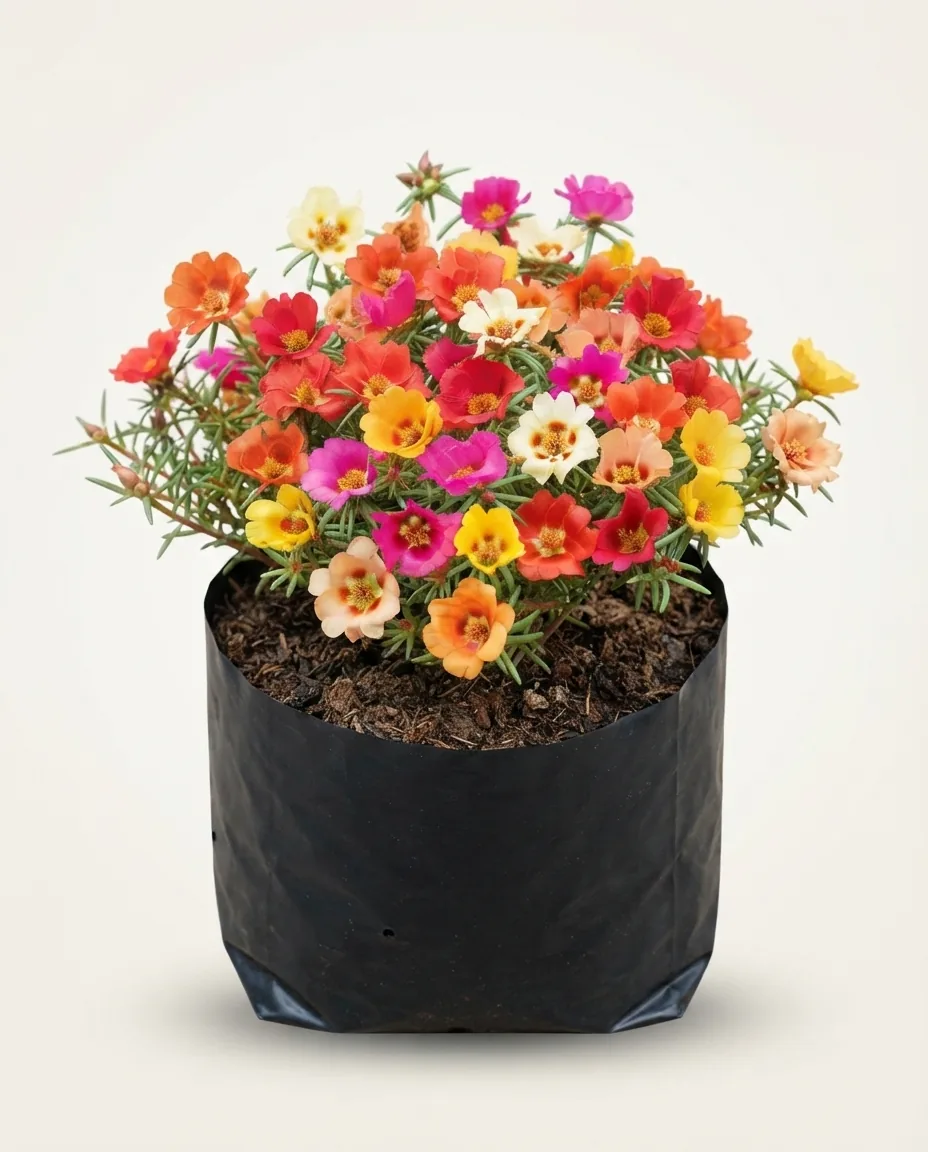
Rosa Grandiflora Moss Roses
Origin: Java & Sumatra, Indonesia
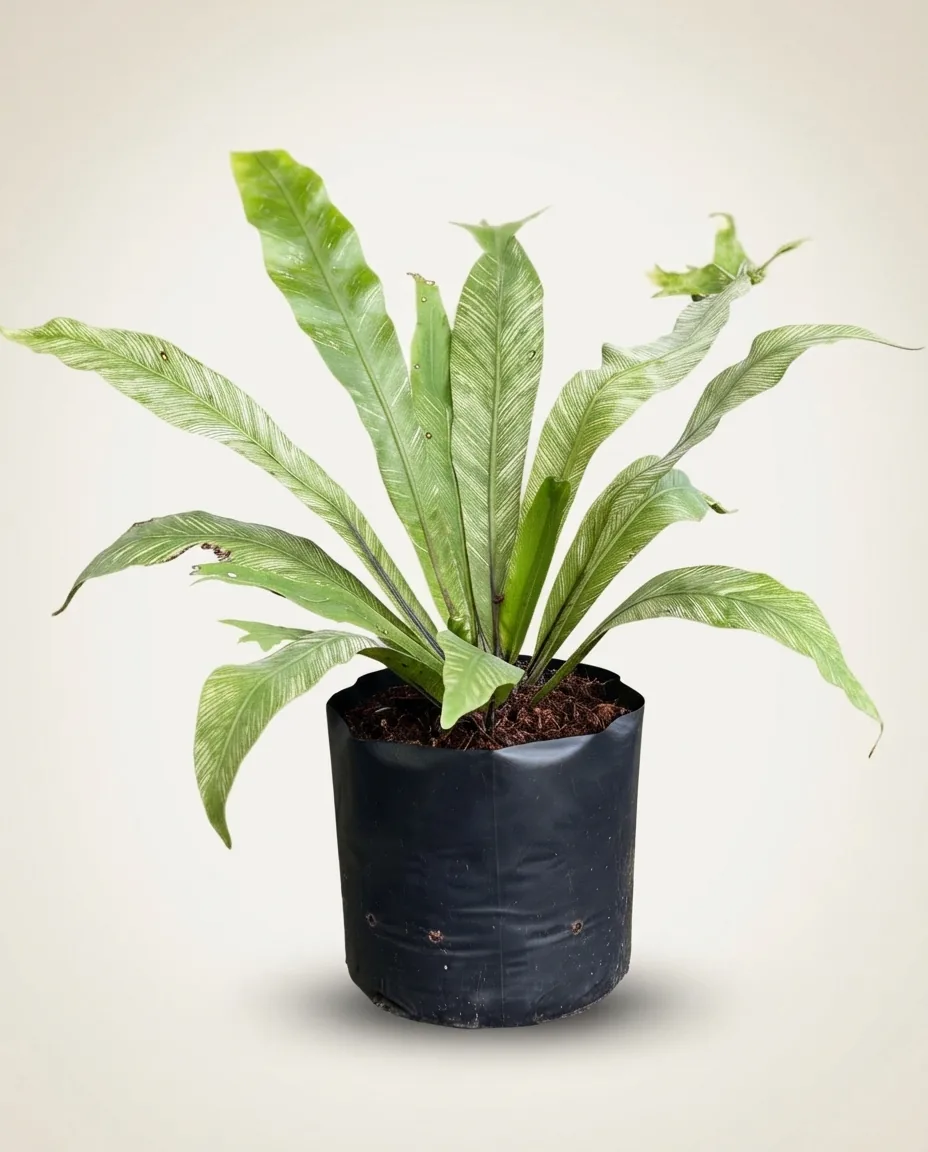
Asplenium Nidus
Origin: Java & Sumatra, Indonesia
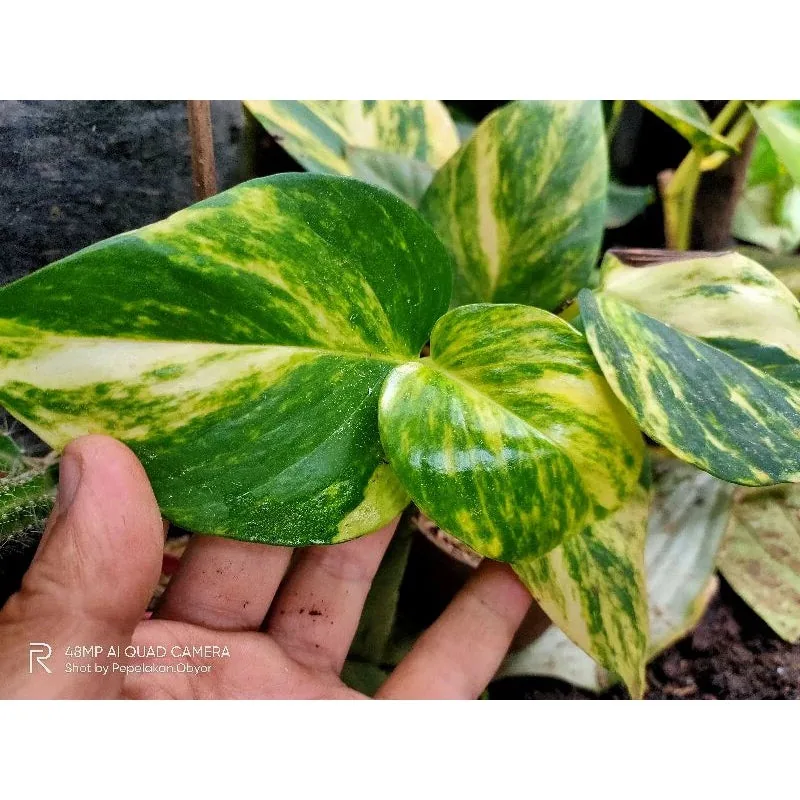
Asplenium Nidus Yellow Variegated
Origin: Java & Sumatra, Indonesia
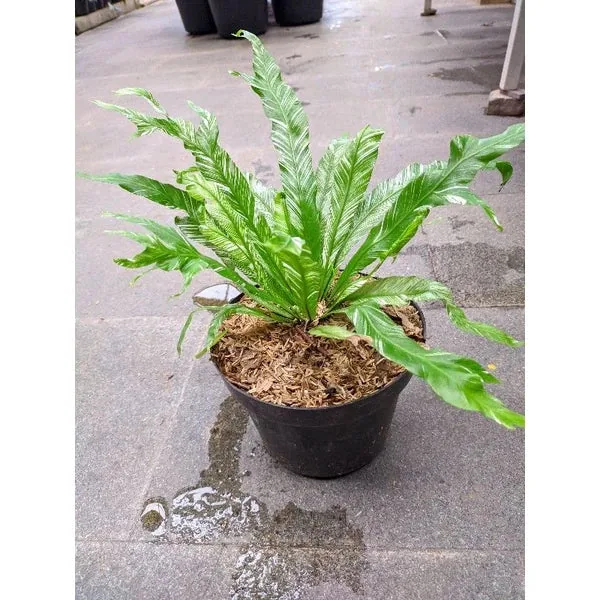
Asplenium Nidus White Variegated
Origin: Java & Sumatra, Indonesia
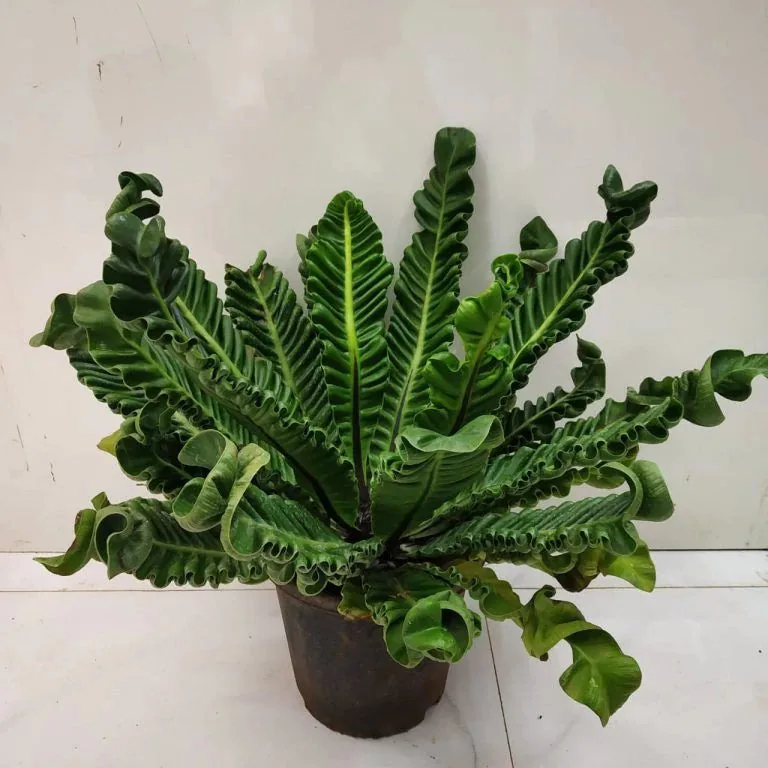
Asplenium Lasagna
Origin: Java & Sumatra, Indonesia