Biosecurity6 min read
CITES Appendix II: Indonesian Plant Exports
Understanding the Convention on International Trade in Endangered Species, distinguishing between wild poaching and licensed nursery cultivation, and ensuring zero-risk customs entry.
14 export-ready lines in this category, dispatched bare-root from East Java with a Barantan Phytosanitary Certificate per consignment. Buyer profile: landscape contractors, botanical gardens, specimen collectors.
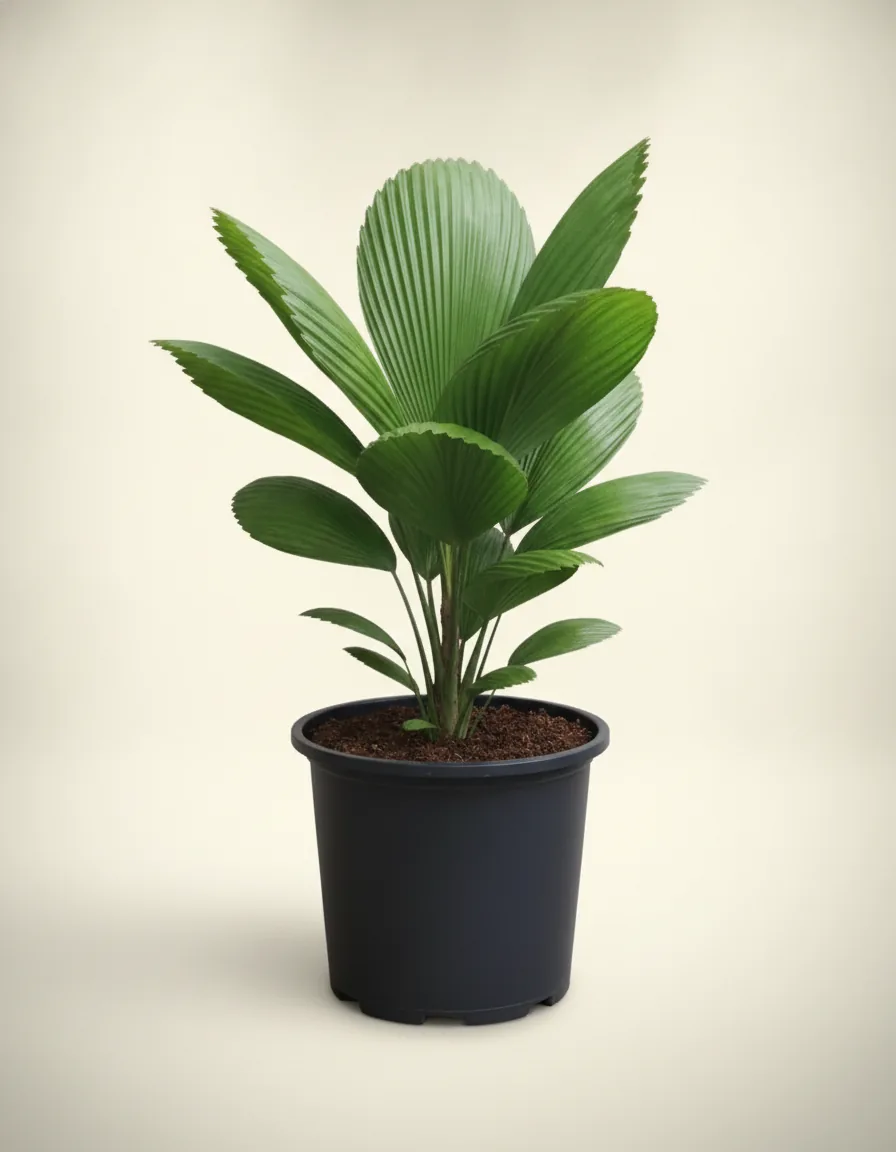
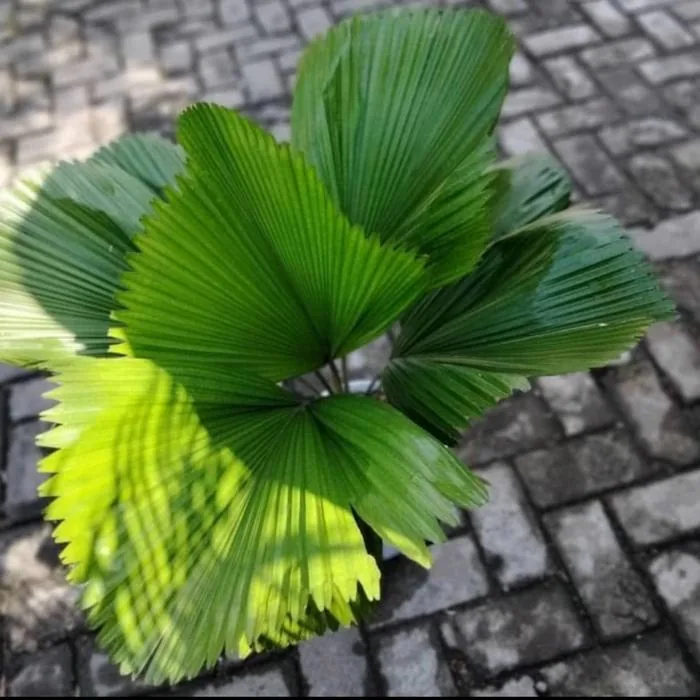
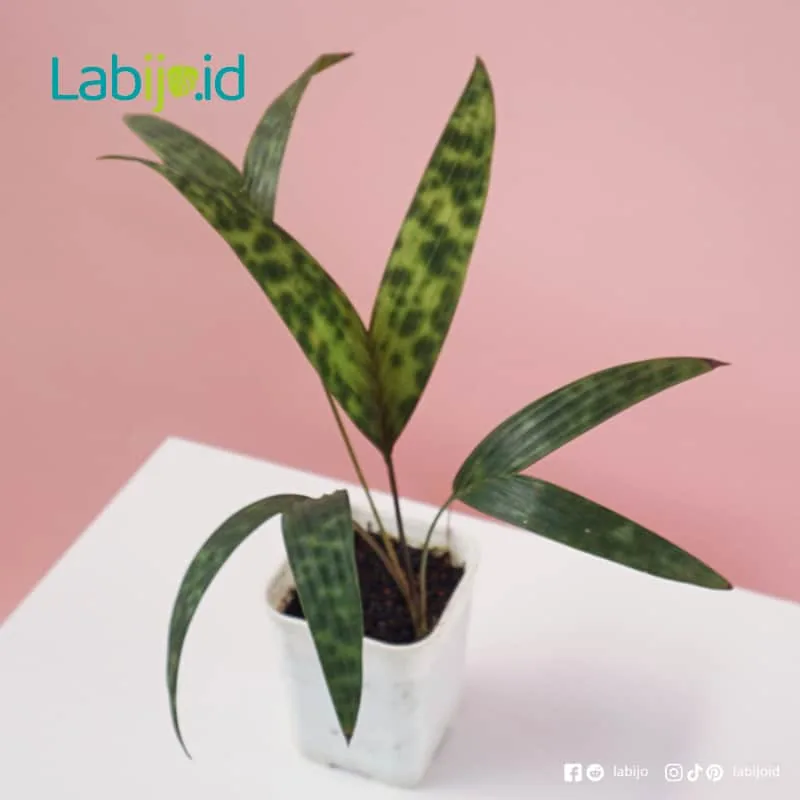
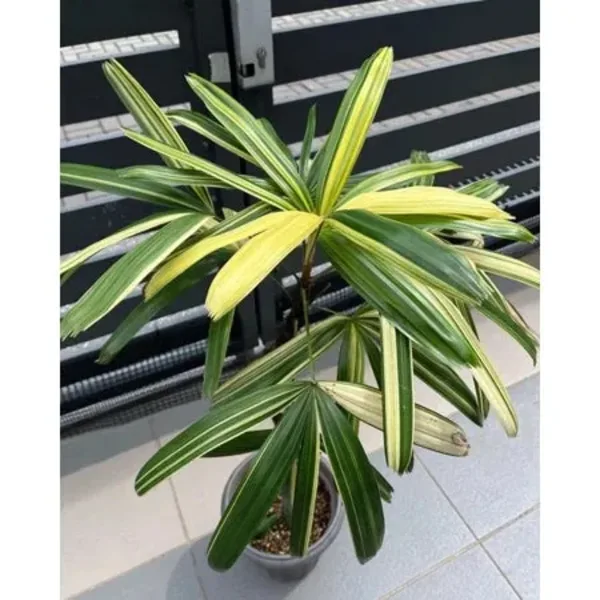
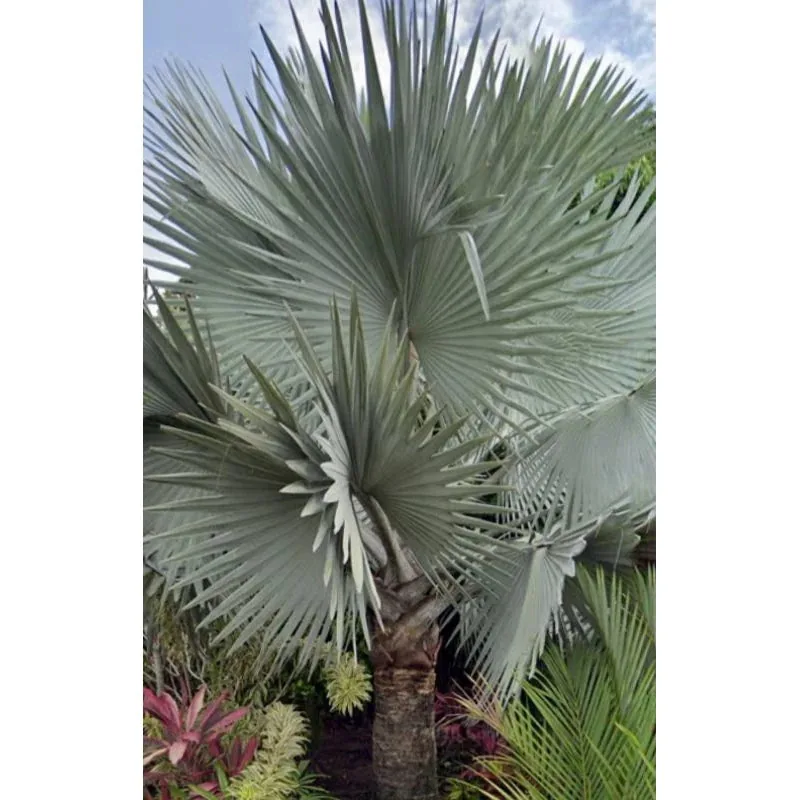
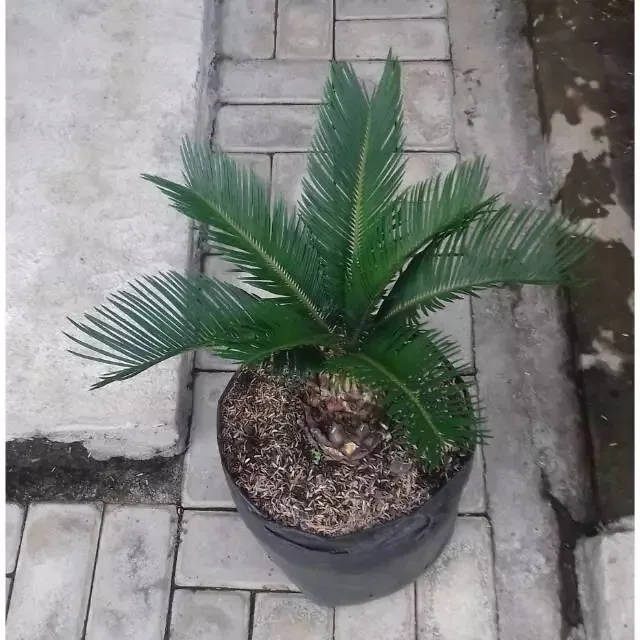
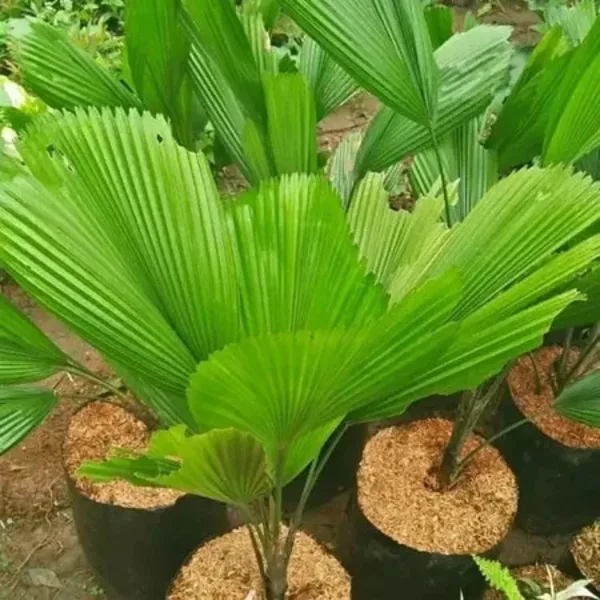
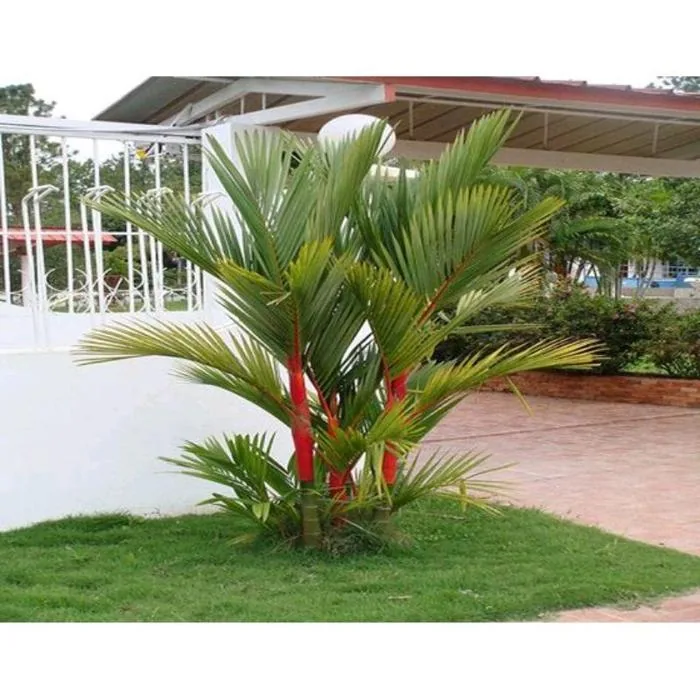
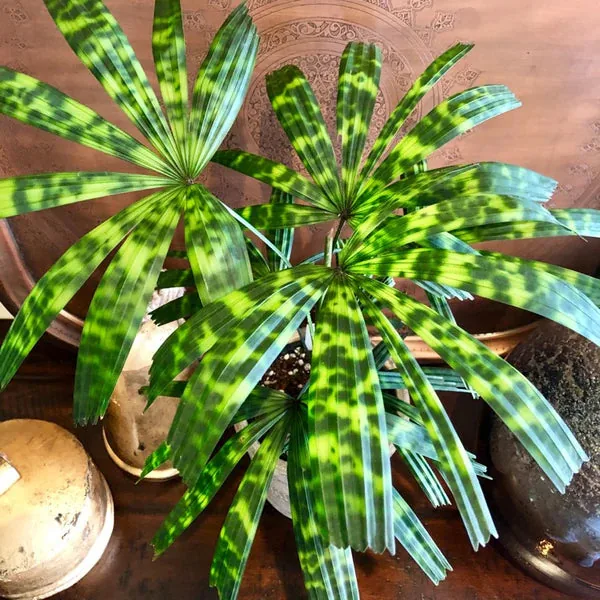
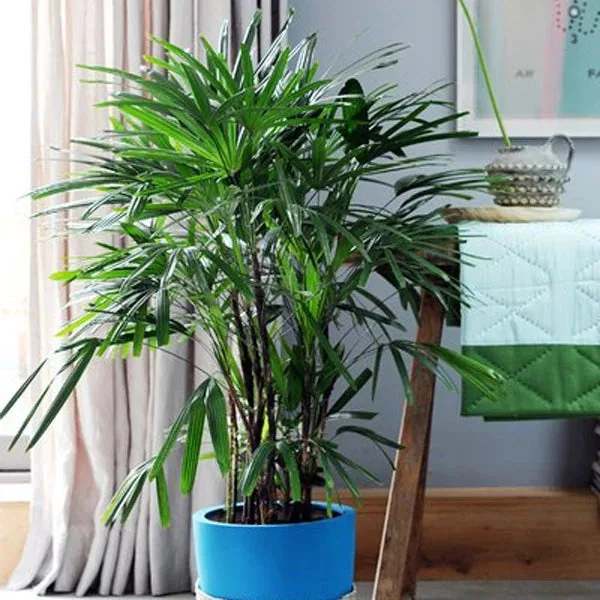
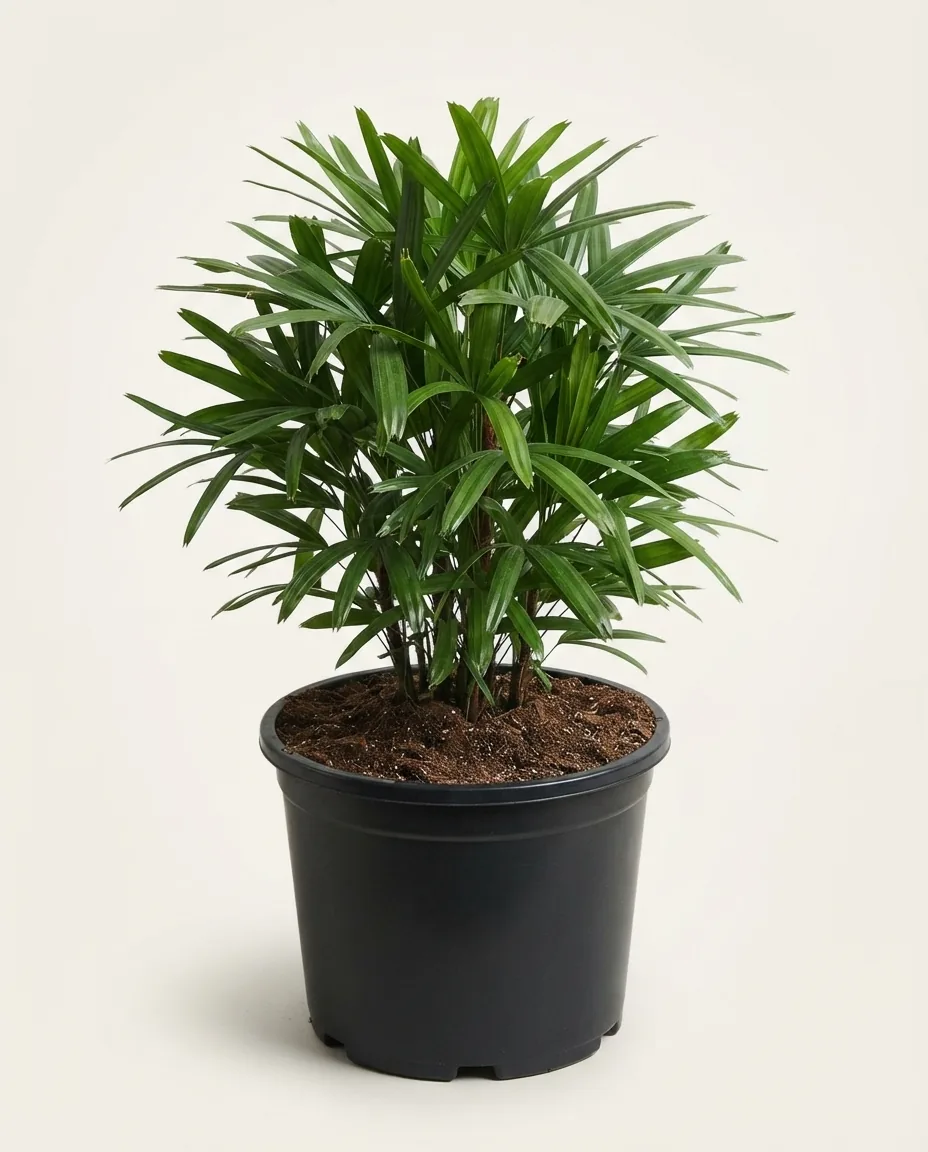
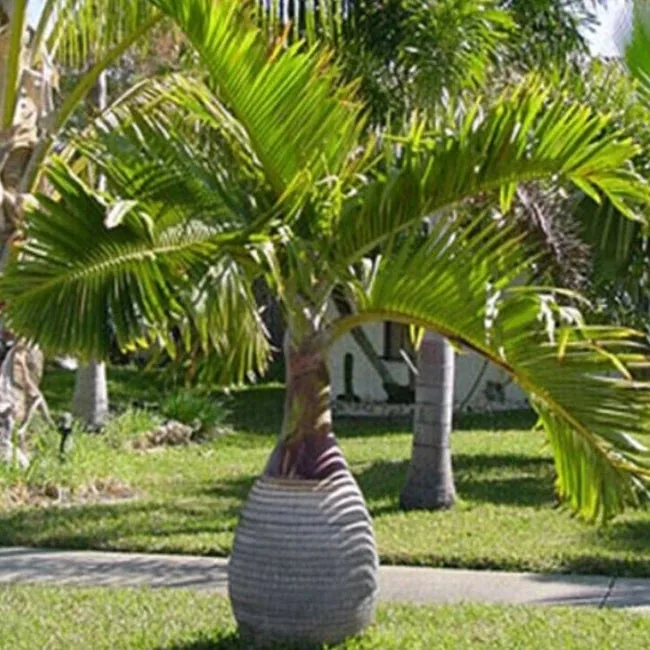
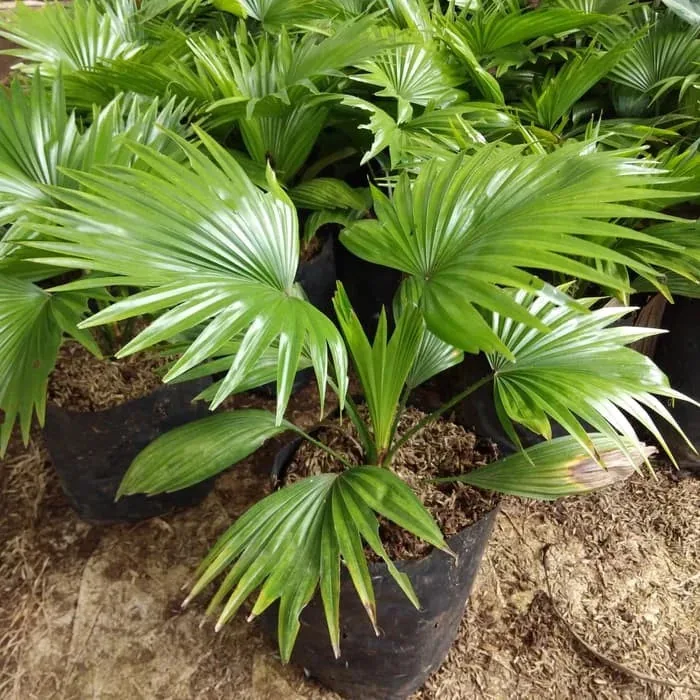
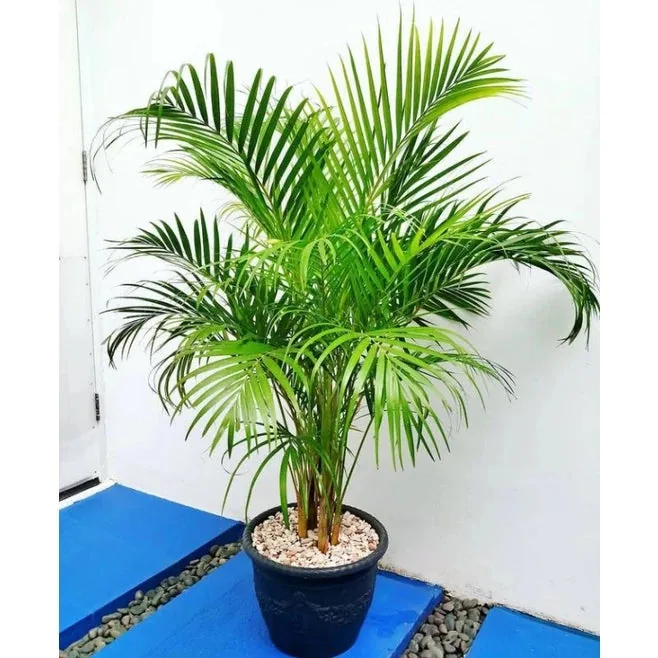
Licuala palms and cycads such as Zamia and Cycas supply architectural foliage in distinct plant groups. Compare species, current height, crown spread and stem development against the intended display. A juvenile can differ substantially from a mature specimen in appearance and handling, so use photographs of the offered size rather than a mature landscape example alone.
For specimen orders, review root dimensions, crown clearance and protection of the growing point before comparing freight. Ask how roots will be prepared and supported and whether leaves or a new flush can fit without damaging compression. Packed weight and carton size both matter; neither a universal freight share nor a single root-handling method can be assumed across palms and cycads.
Most Cycas and Zamia species are in CITES Appendix II; Cycas beddomei and Zamia restrepoi are Appendix I exceptions in the 2026 Appendices. Appendix II normally requires export documentation, while a CITES import permit depends on destination law. Appendix I has stricter controls, with special provisions for qualifying artificially propagated plants. Confirm the species, source status and applicable CITES documents with the authorities alongside separate plant-health entry requirements.
Sources for the guidance above
Displaying all 14 specimens available for wholesale consignment.
Export protocols, biosecurity compliance, and logistics documentation relevant to exotic palms & cycads.
Understanding the Convention on International Trade in Endangered Species, distinguishing between wild poaching and licensed nursery cultivation, and ensuring zero-risk customs entry.
A transparent breakdown of how international airfreight is billed by volumetric weight (L x W x H / 5000), why fixed costs dominate small consignments, and how to eliminate unexpected fees.
Why international agricultural inspectors have zero tolerance for organic soil particles, and how our 3-stage pressurized hydrodynamic cleaning process removes 100% of substrate before inspection.
Every exotic palms & cycads consignment is 100% soil-eliminated, dipped, and wrapped in sterile Chilean sphagnum before Barantan inspection.
Compliance dossier →USDA APHIS permitting, the 12-plant exemption boundary, PPQ 587 and Green & Yellow labels.
US import guide →Regulation (EU) 2016/2031, TRACES-NT CHED-PP pre-notification, and e-Phyto certification.
EU import guide →