Commercial Catalog7 min read
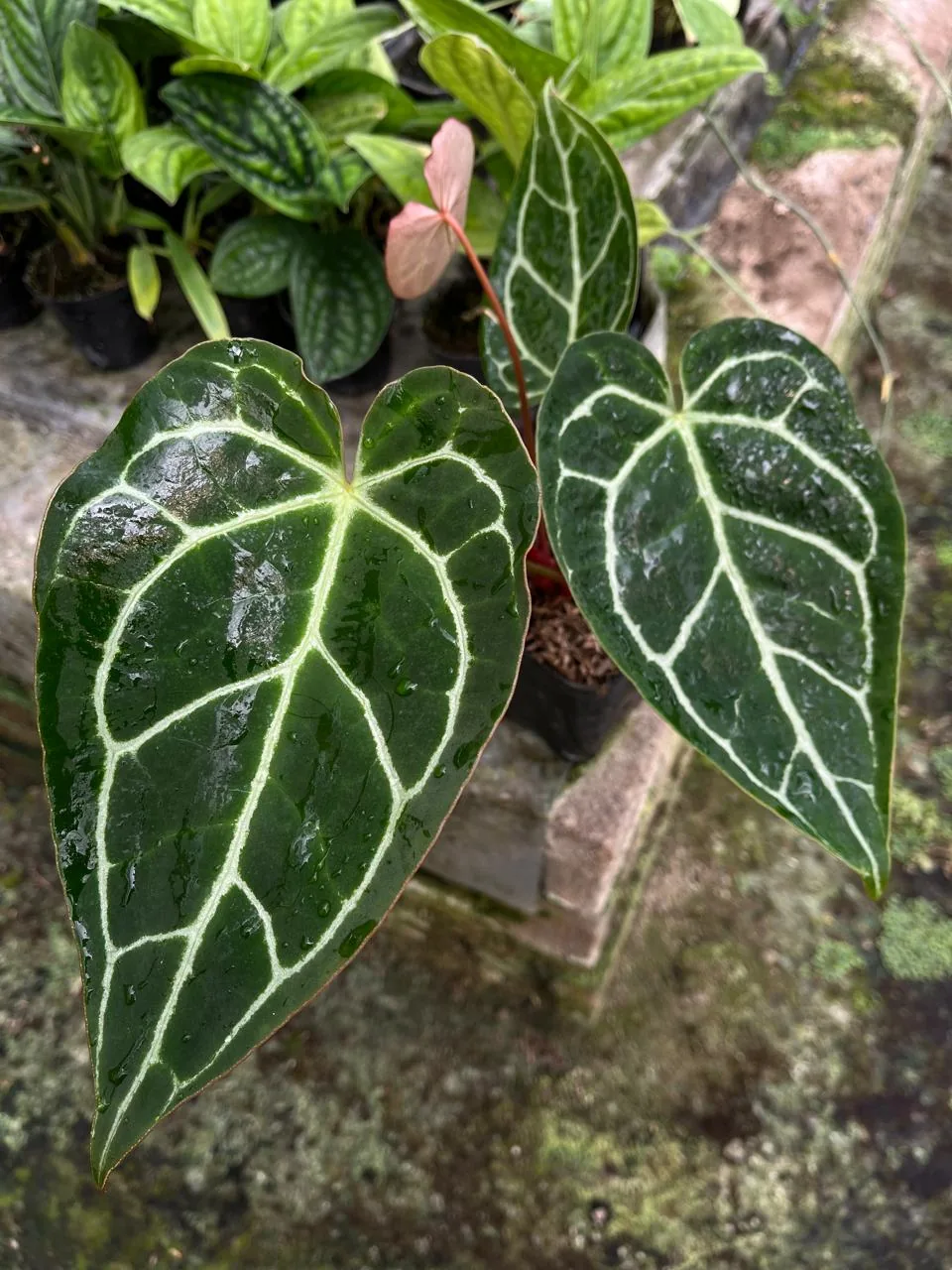
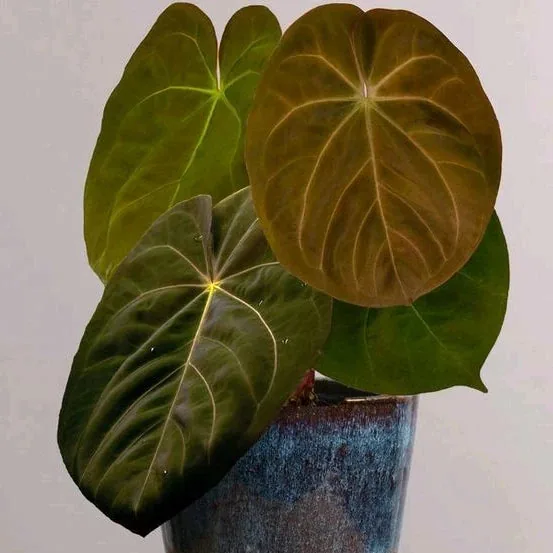
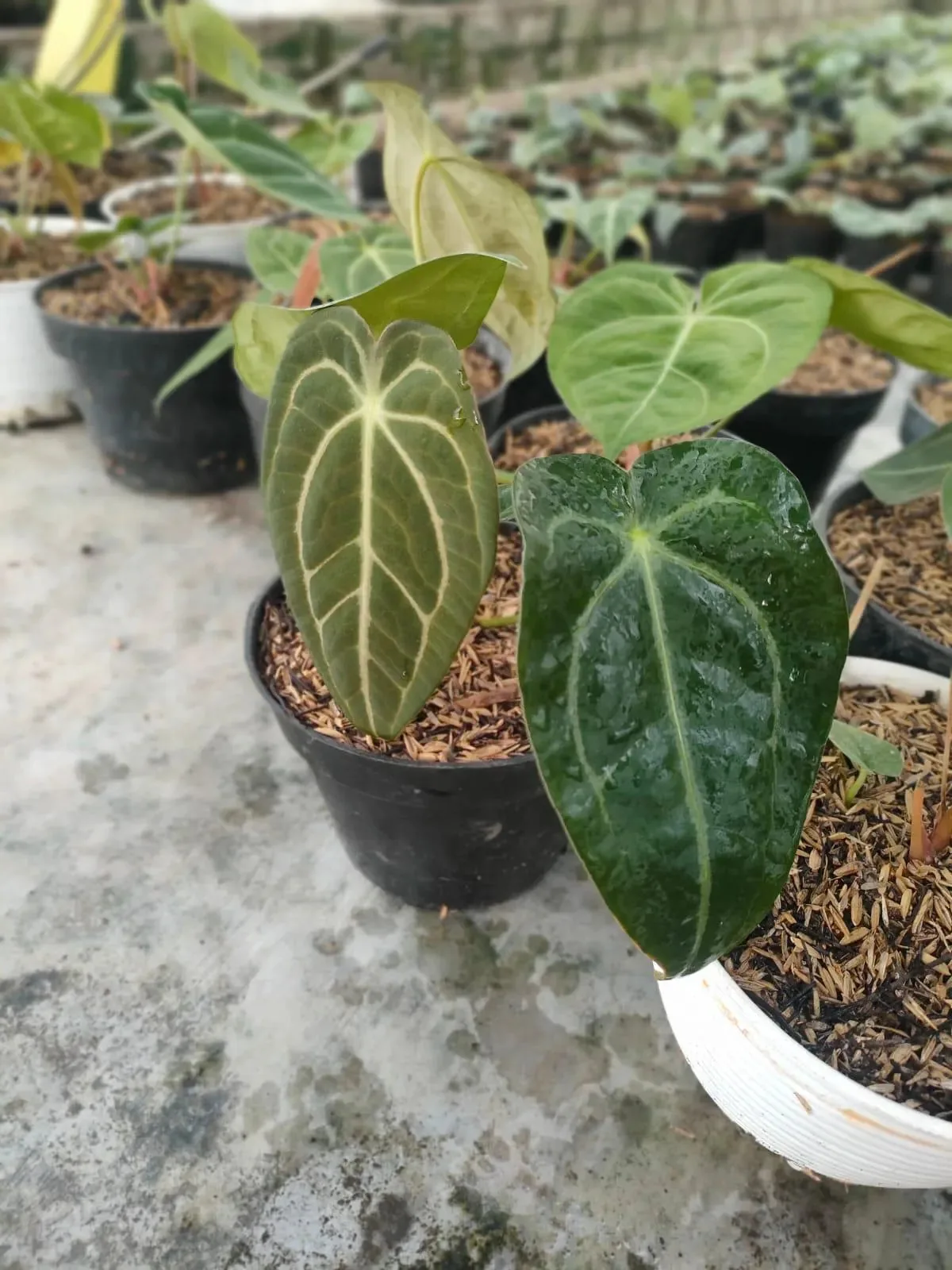
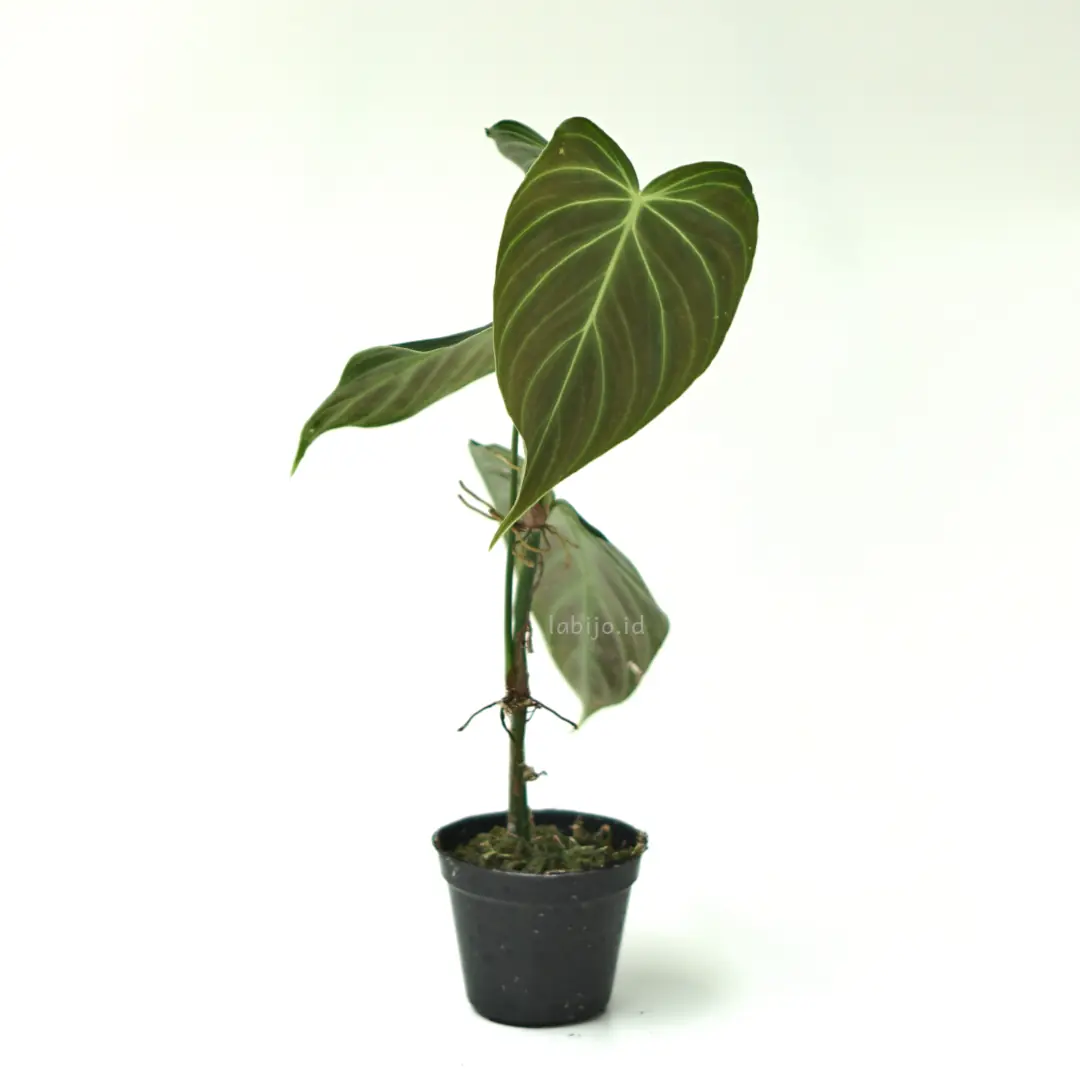
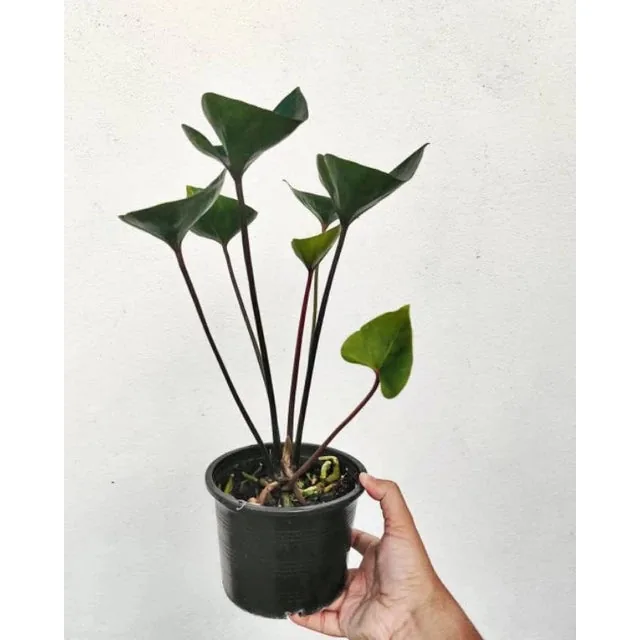
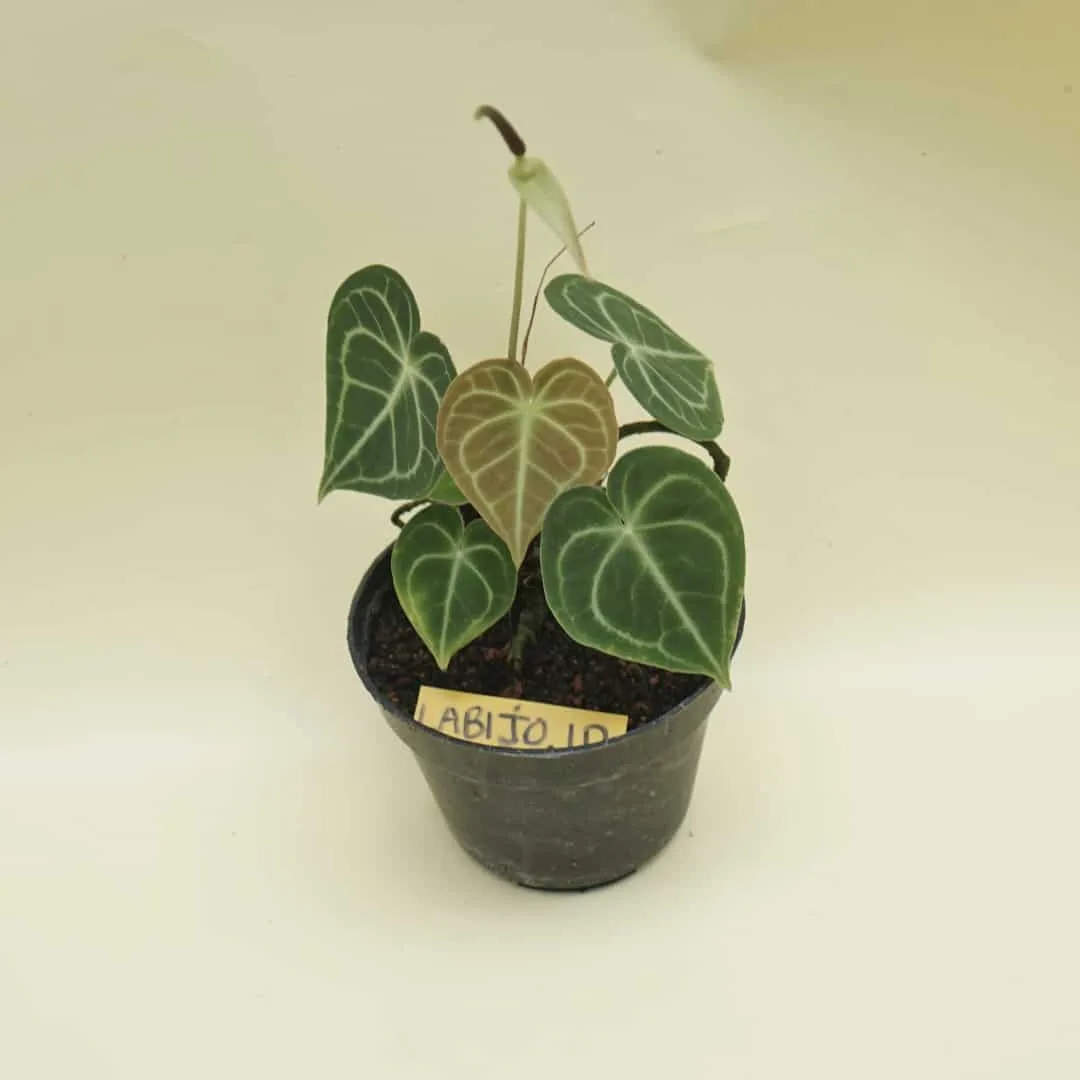
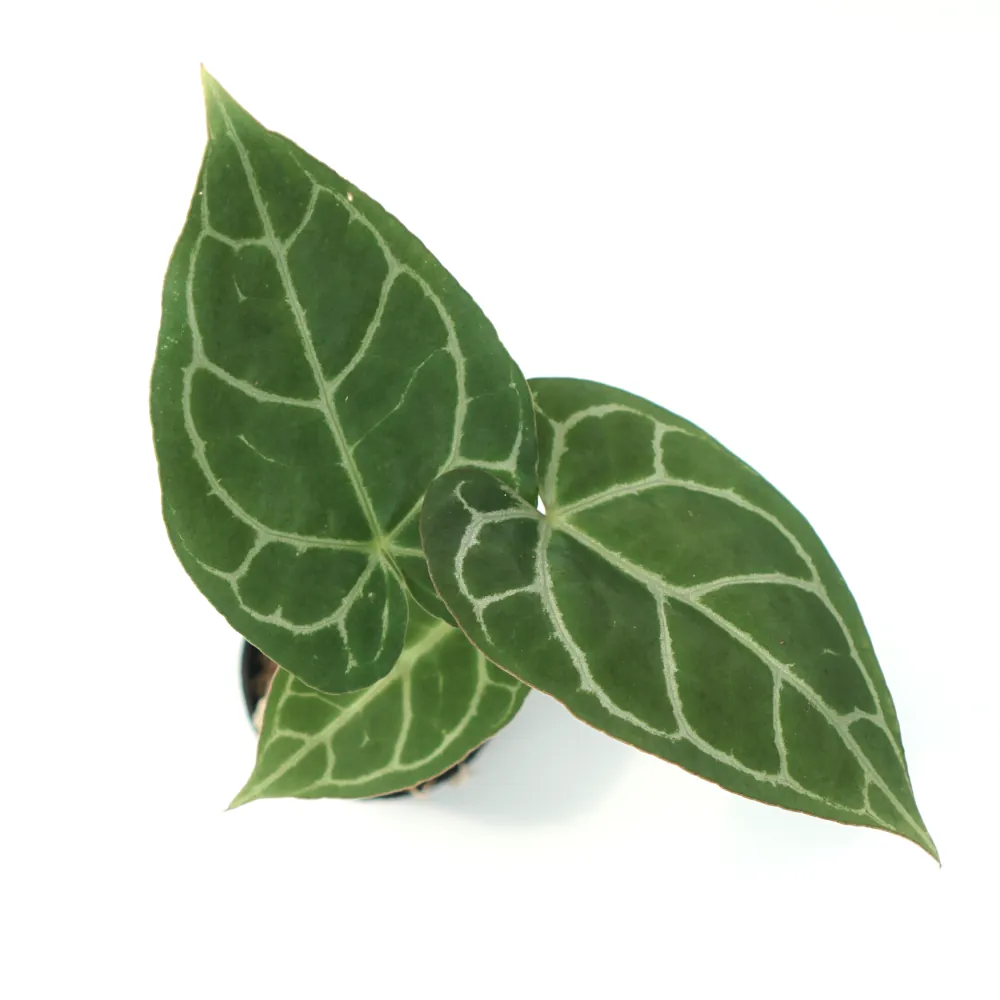
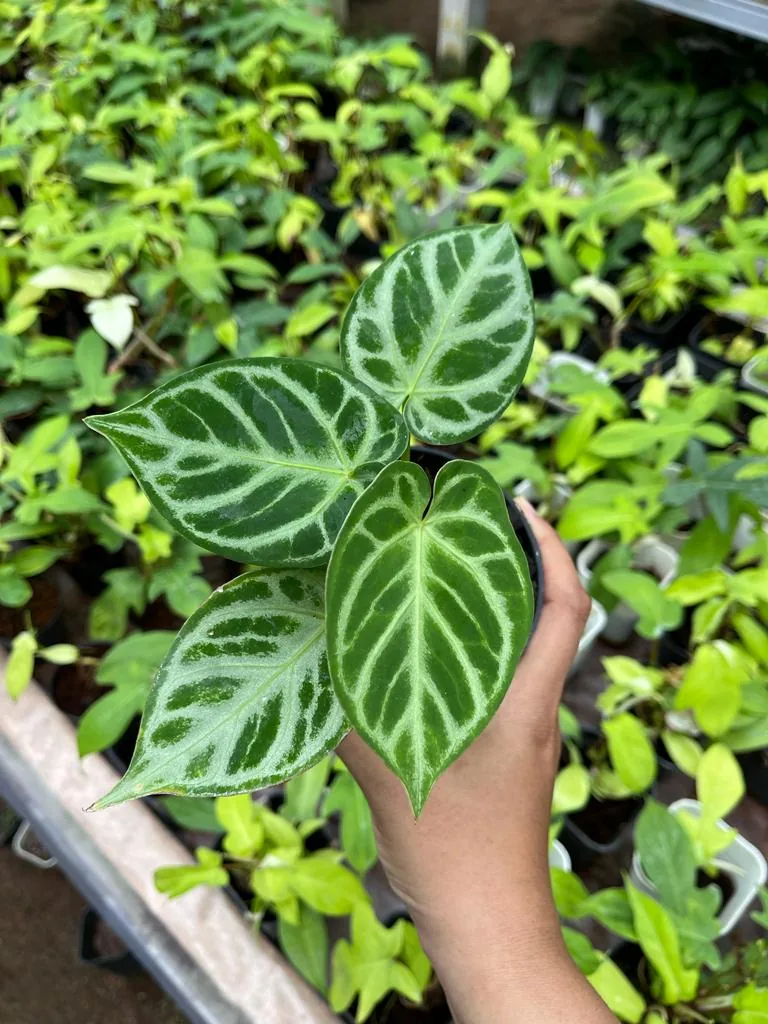
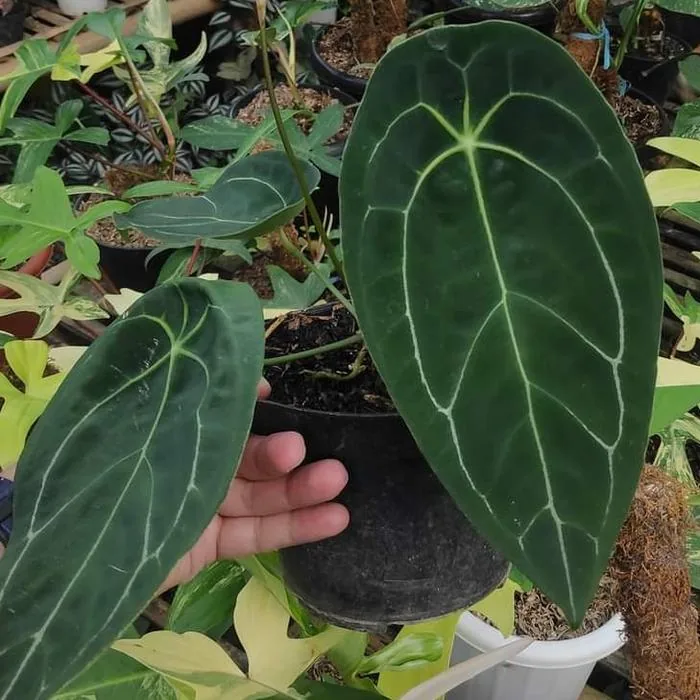
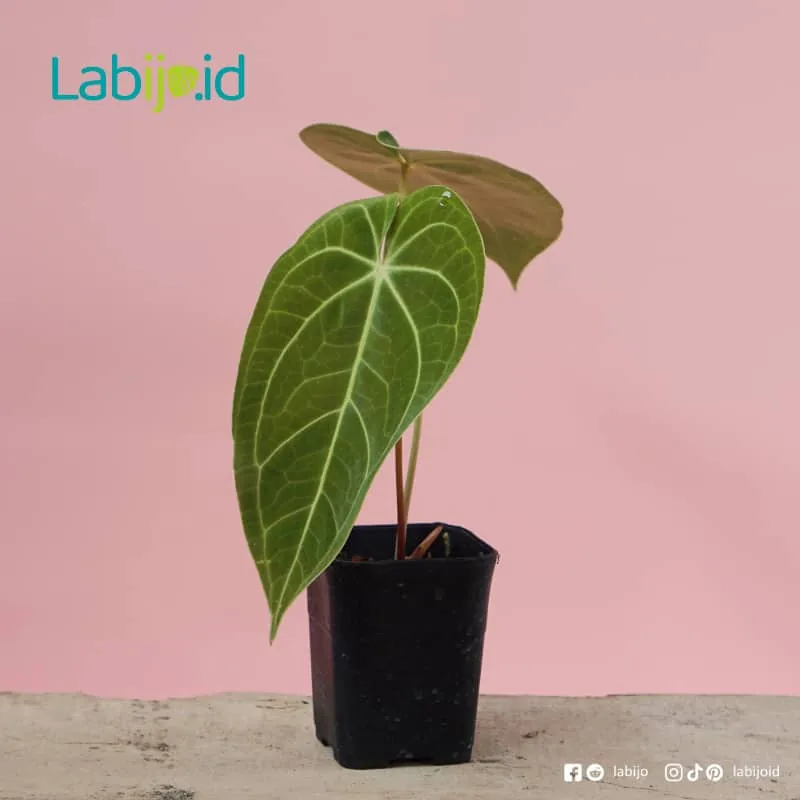
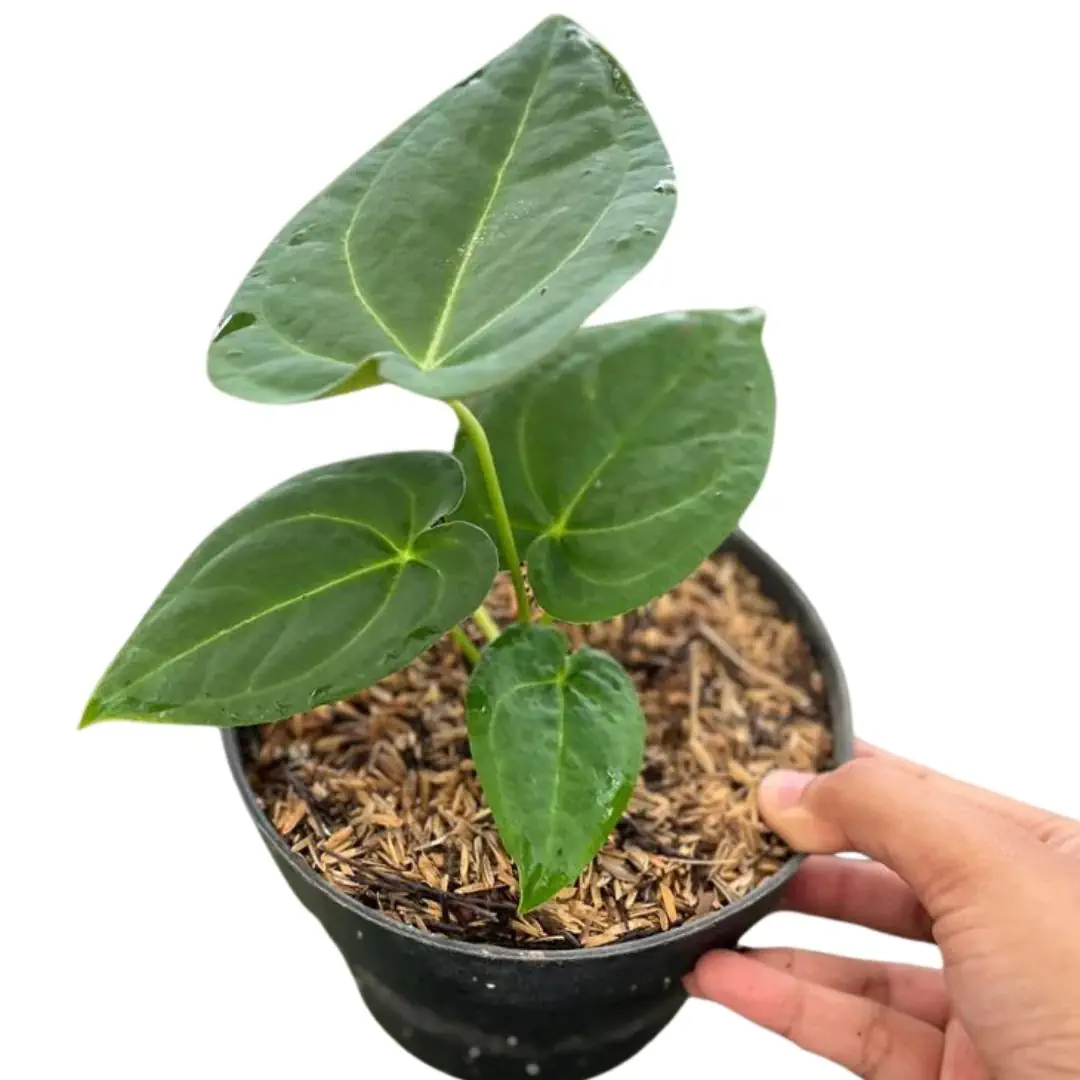
Anthurium Dark Forms: Wholesale Sourcing
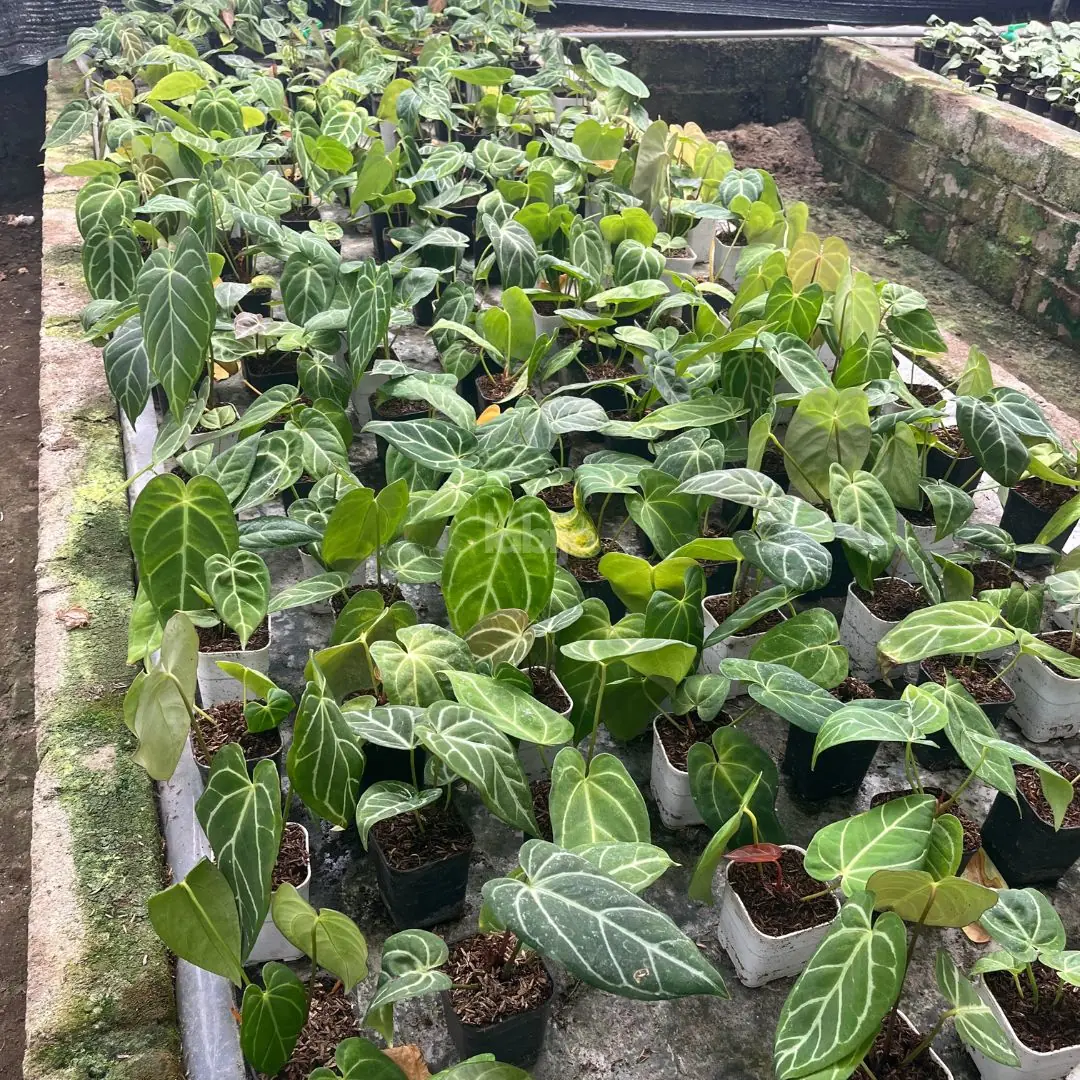
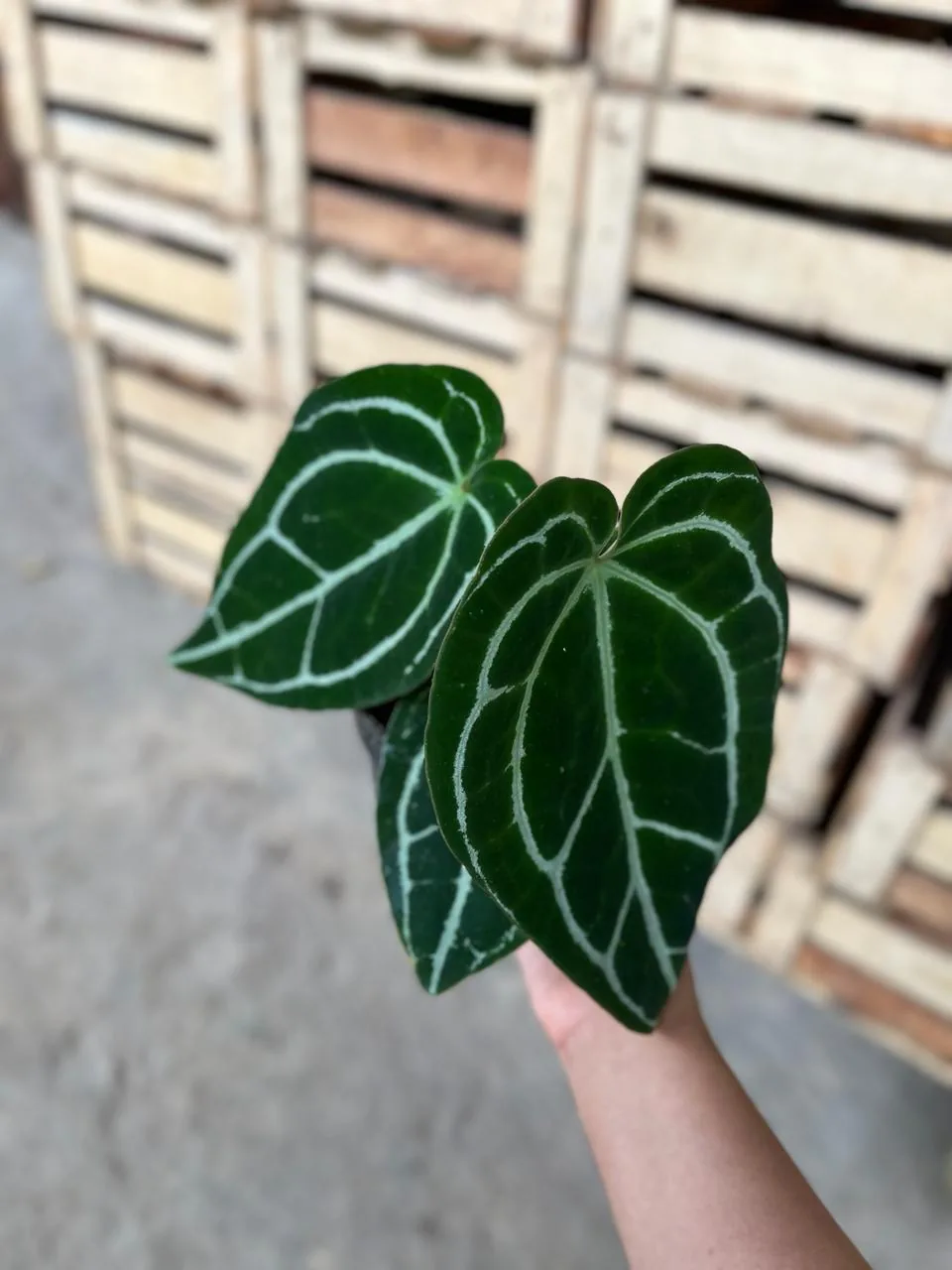
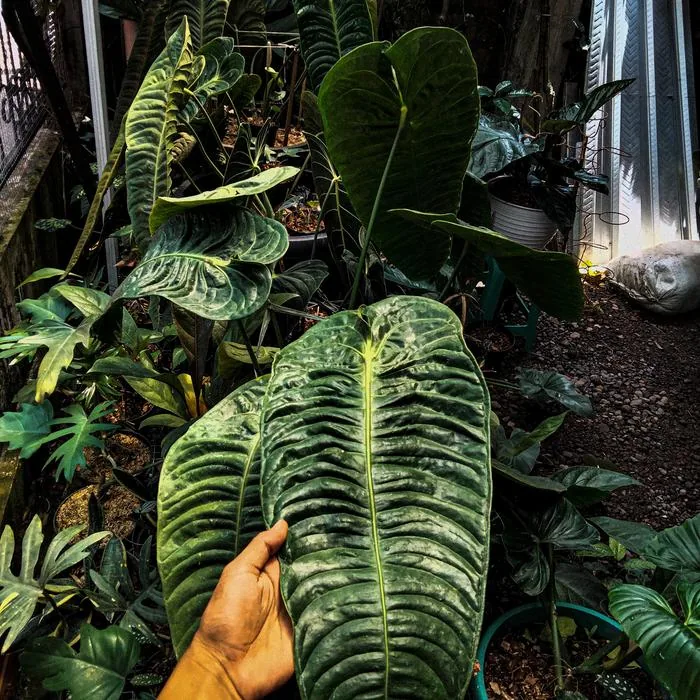
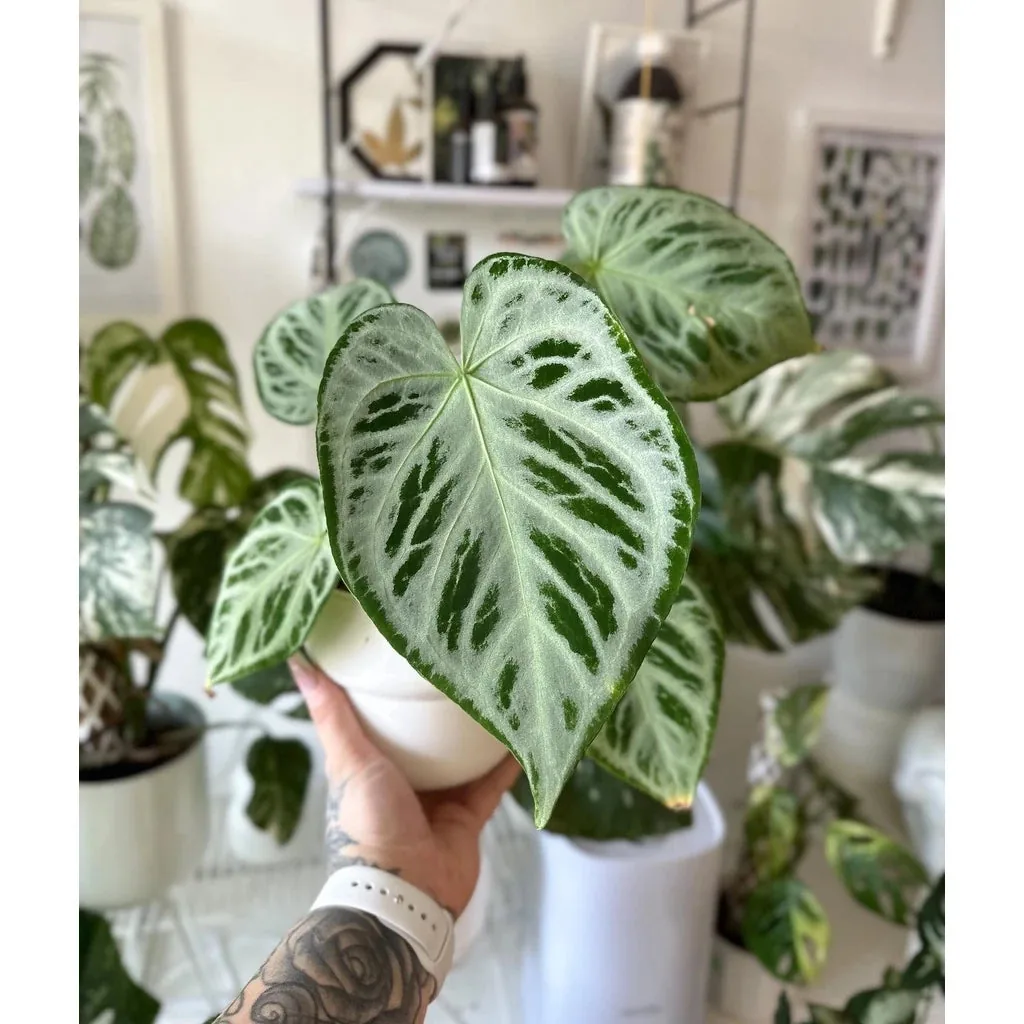
Why dark velvety Anthuriums command the highest retail margins in US/EU plant shops, how to identify genuine Indonesian cultivars, and how to source Grade A+ specimens.
228 export-ready lines in this category, dispatched bare-root from East Java with a Barantan Phytosanitary Certificate per consignment. Buyer profile: collector nurseries, rare-plant retailers, variegation specialists.
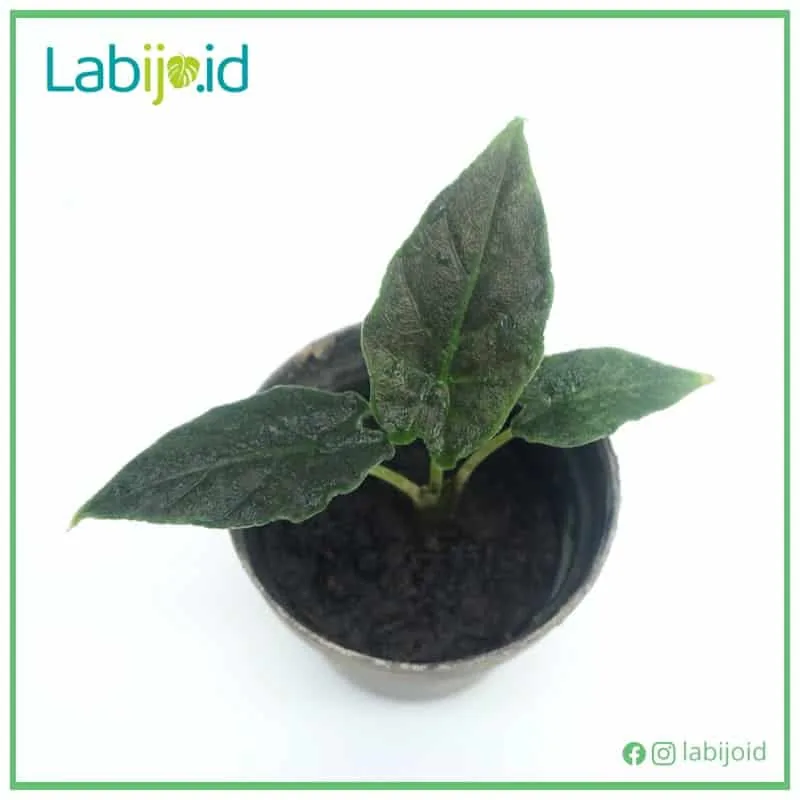
Aroids in this category include Alocasia, Philodendron, Anthurium, Scindapsus, Epipremnum and Rhaphidophora. Compare the exact species or cultivar, growth habit and maturity when choosing stock: a climbing cutting, a compact juvenile and a mature specimen can serve different retail or collection needs even when sold under similar foliage names.
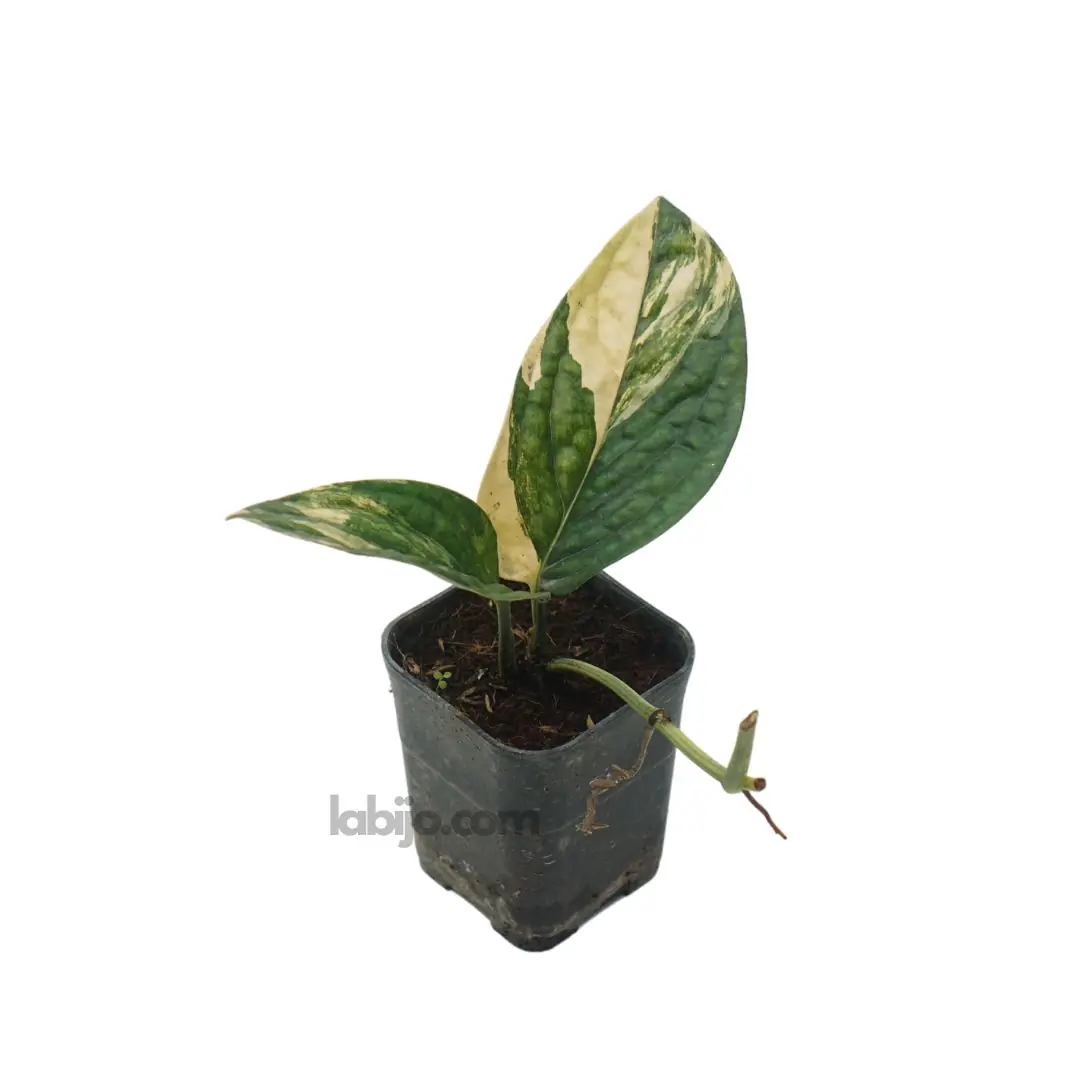
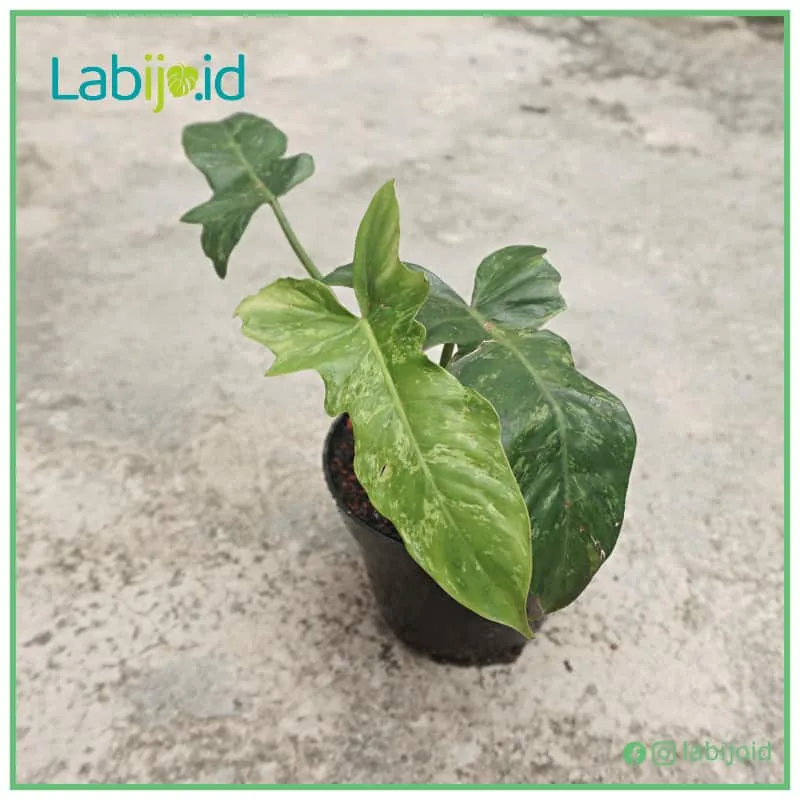
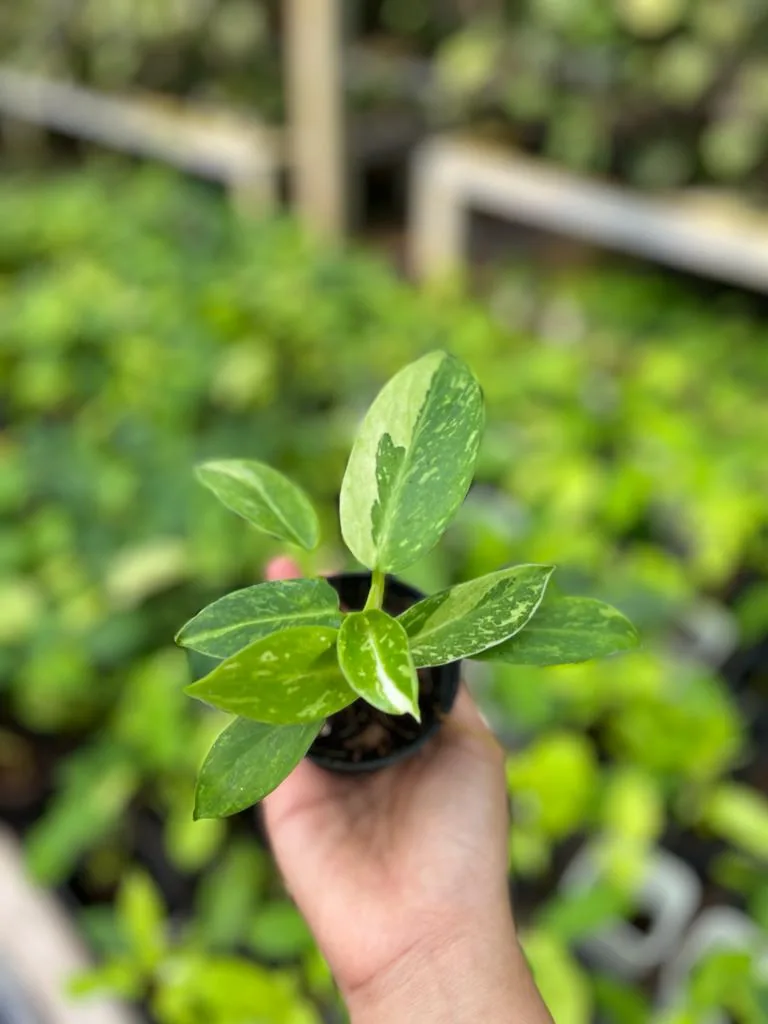
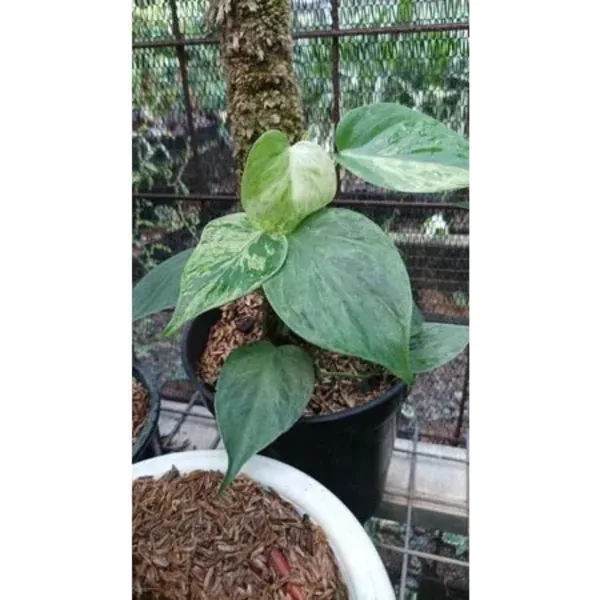
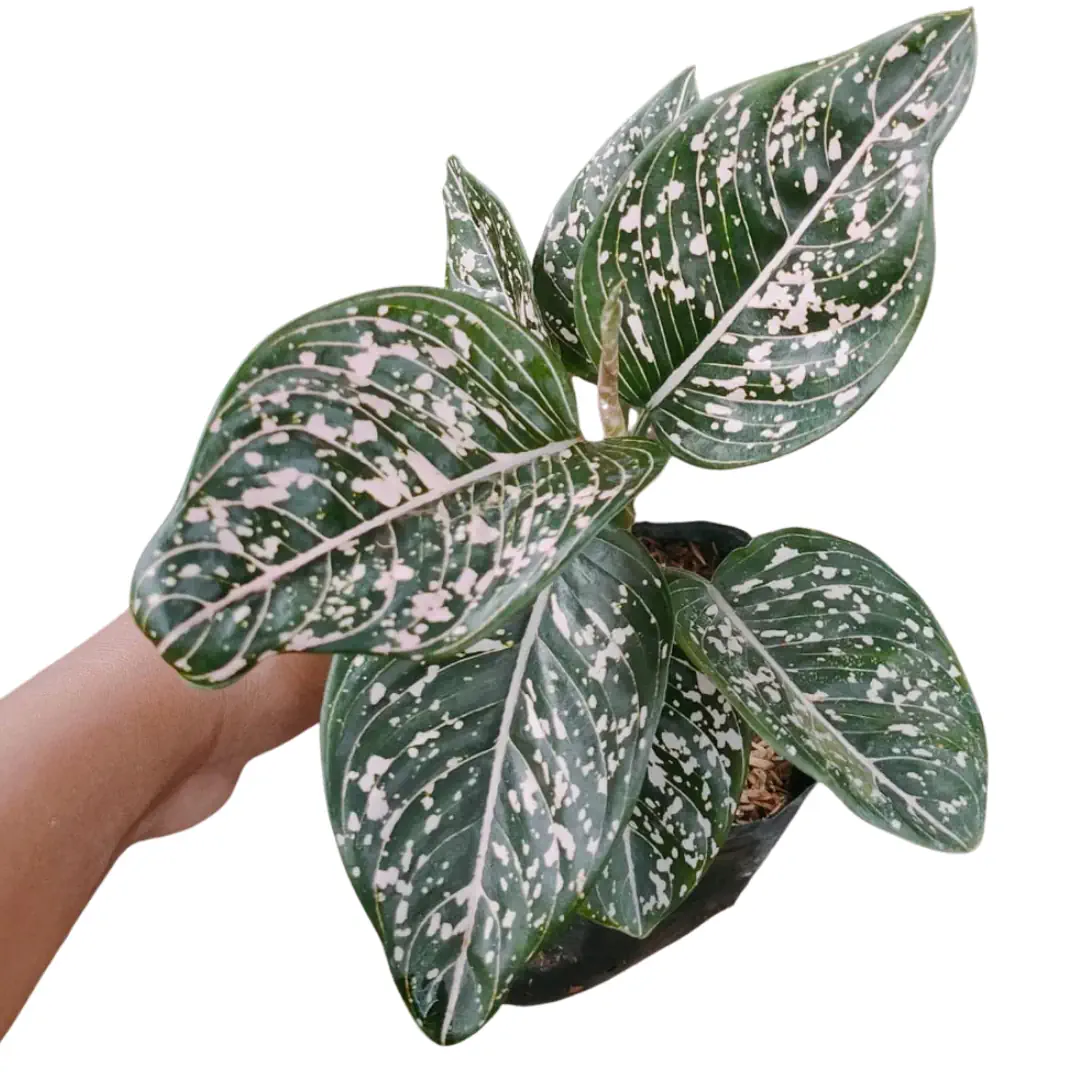
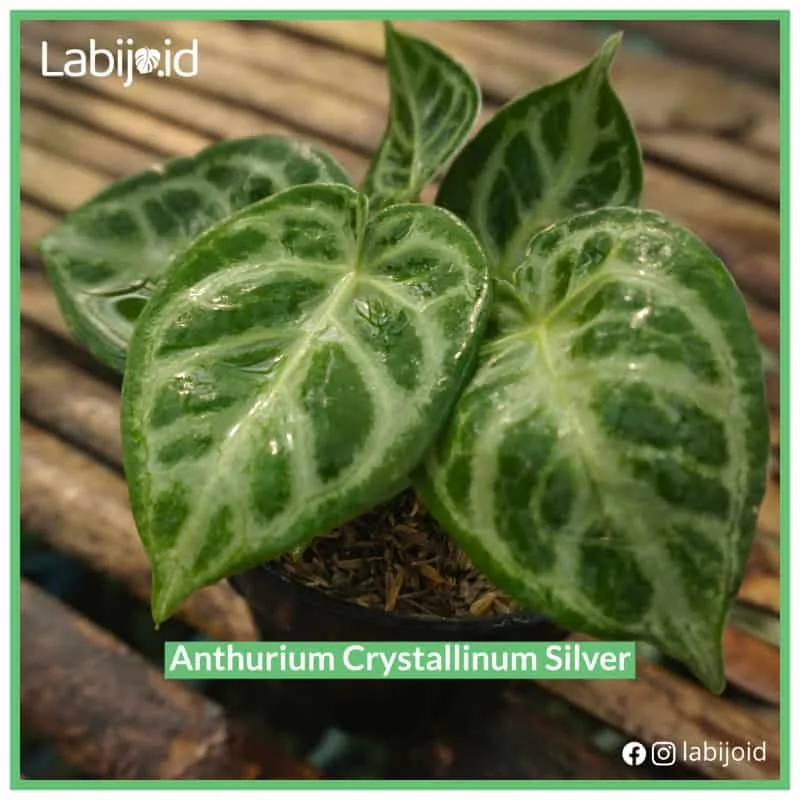
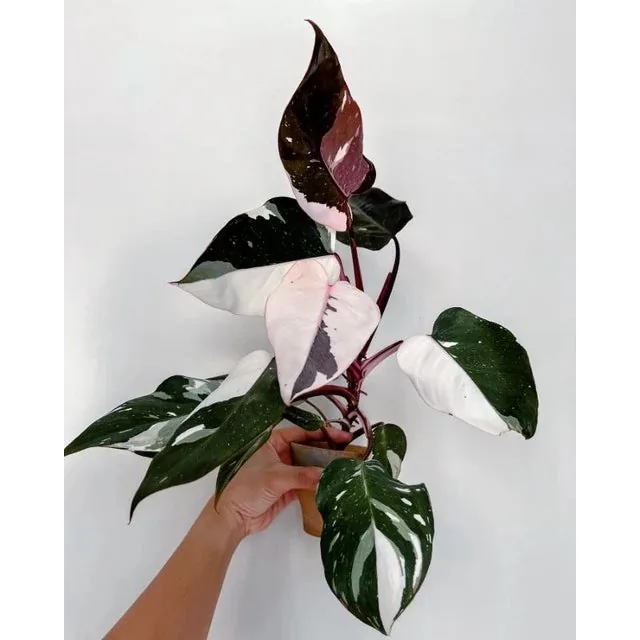
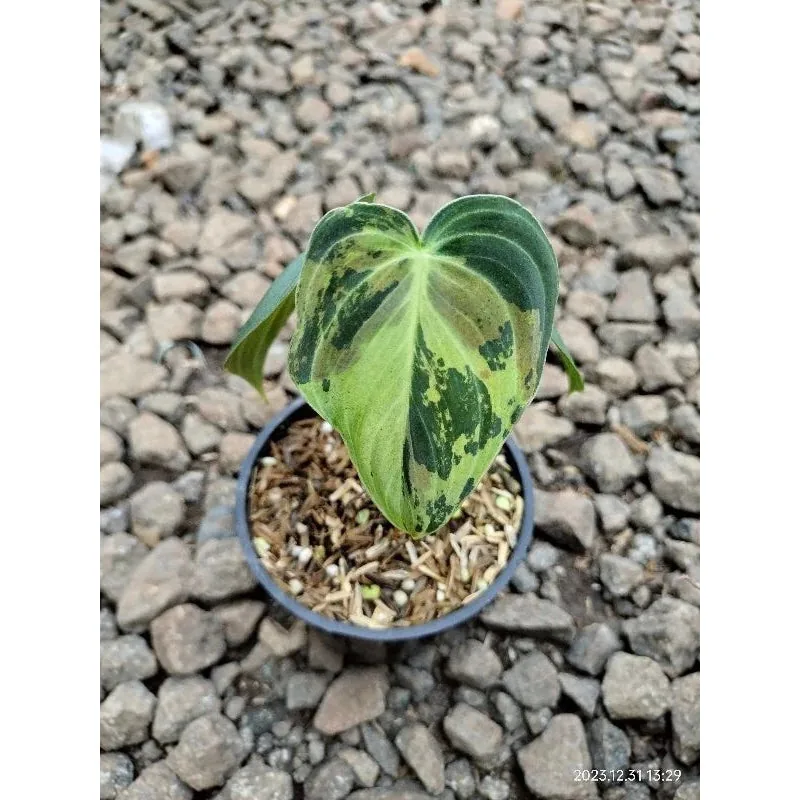
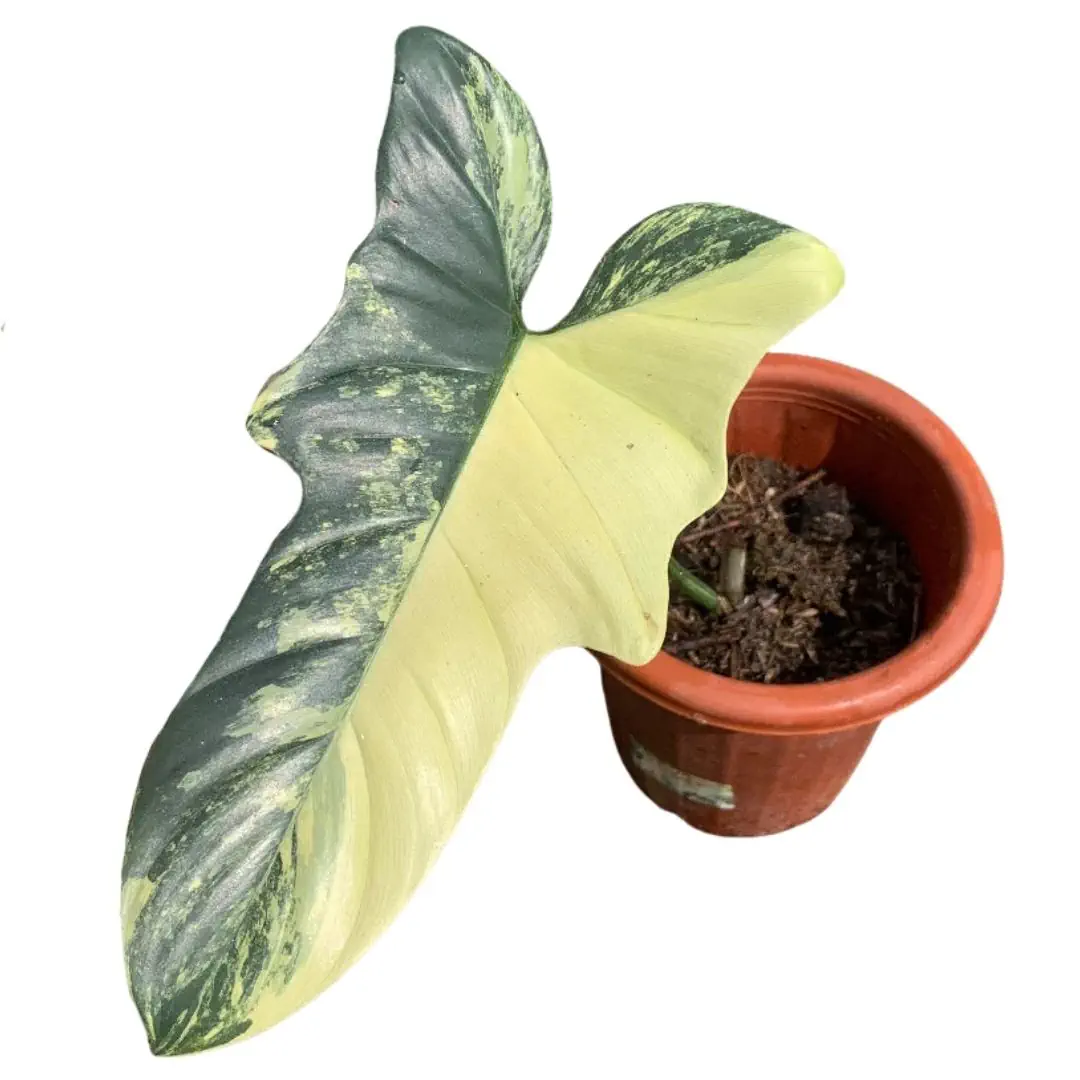
For variegated selections, request photographs of the offered plant, including recent leaves, the stem and growing point. Ask how the plant was propagated and what evidence supports its cultivar identity. Leaf colour alone does not establish provenance or future stability; some variegated plants can revert, and propagation method alone does not predict arrival condition.
Packing review should start with the actual root system and foliage. Ask whether roots are established, whether the plant was recently divided or repotted, and how petioles, growing points and emerging leaves will be protected during Bare-Root Treatment. Root moisture, ventilation and physical support need to suit the specimen; genus alone is not a reliable transit ranking.
Sources for the guidance above
These 4 selected product pages include reviewed explanations of published research, with source links and limits on applying the findings to an offered plant. Use them alongside the care guides; confirm current plant condition with the export desk.
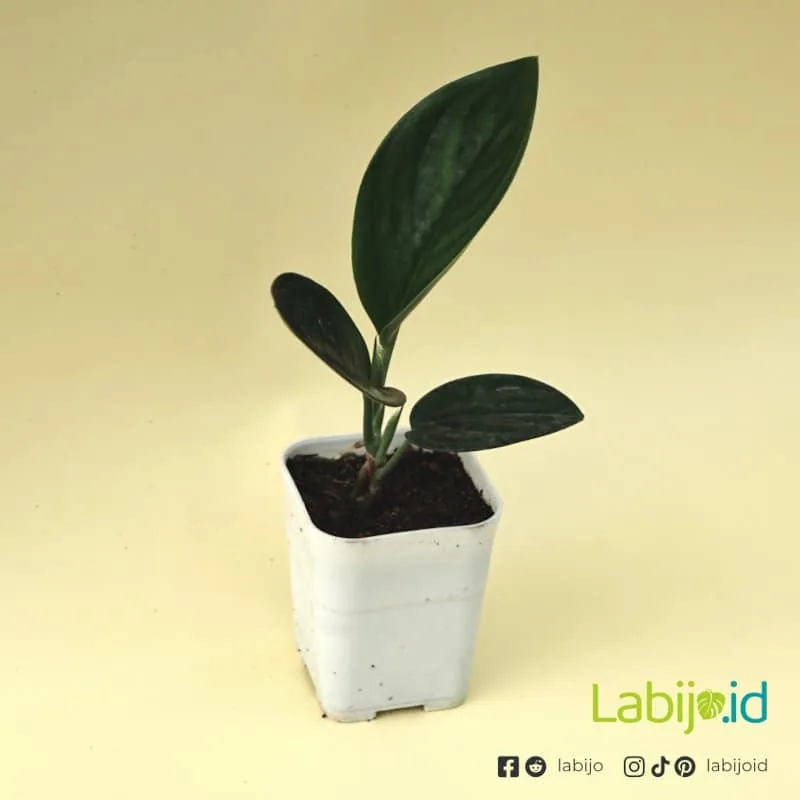
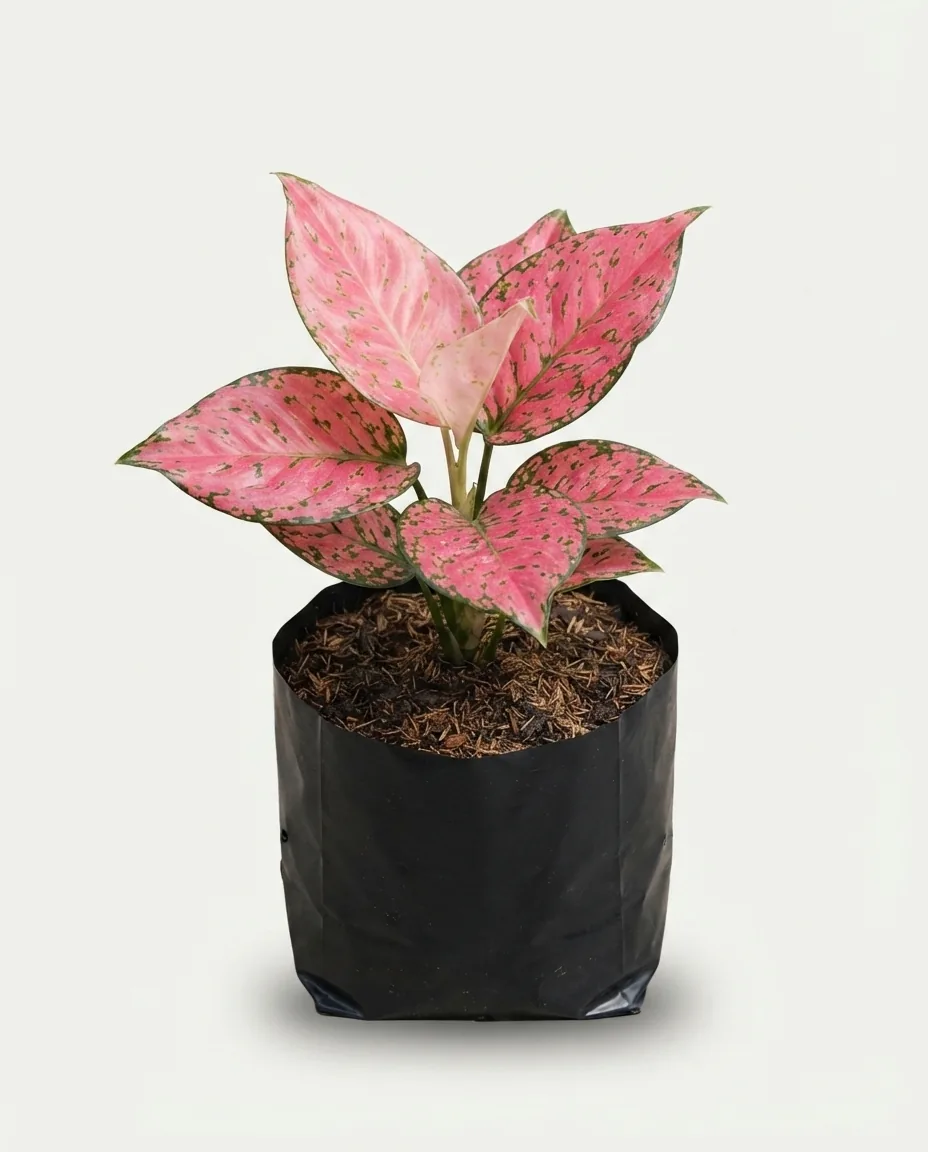
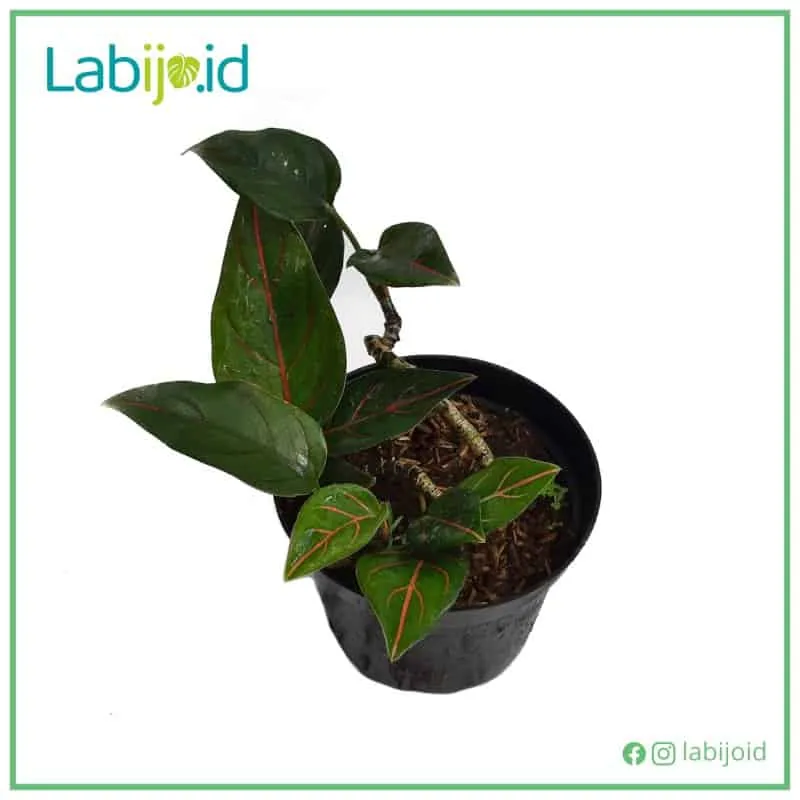
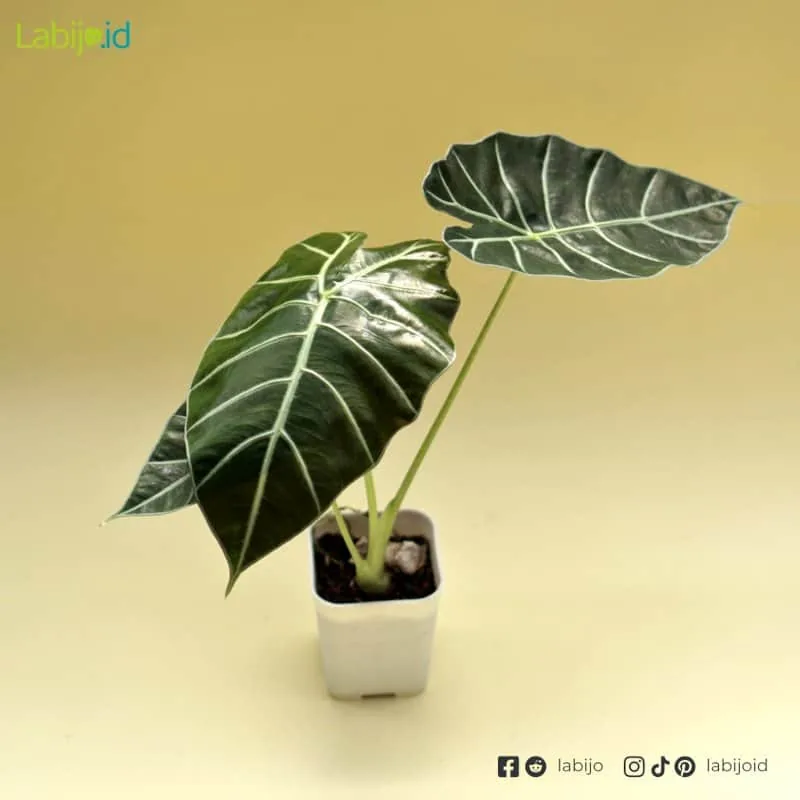
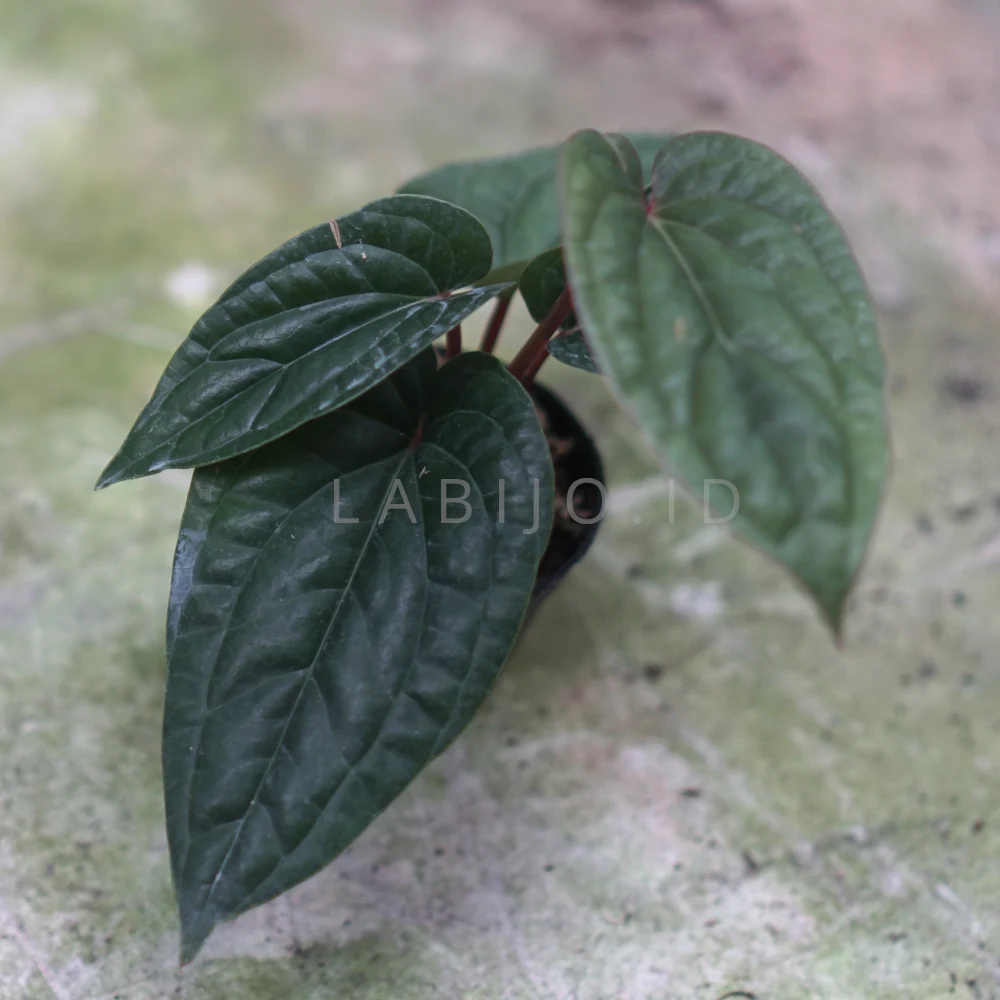
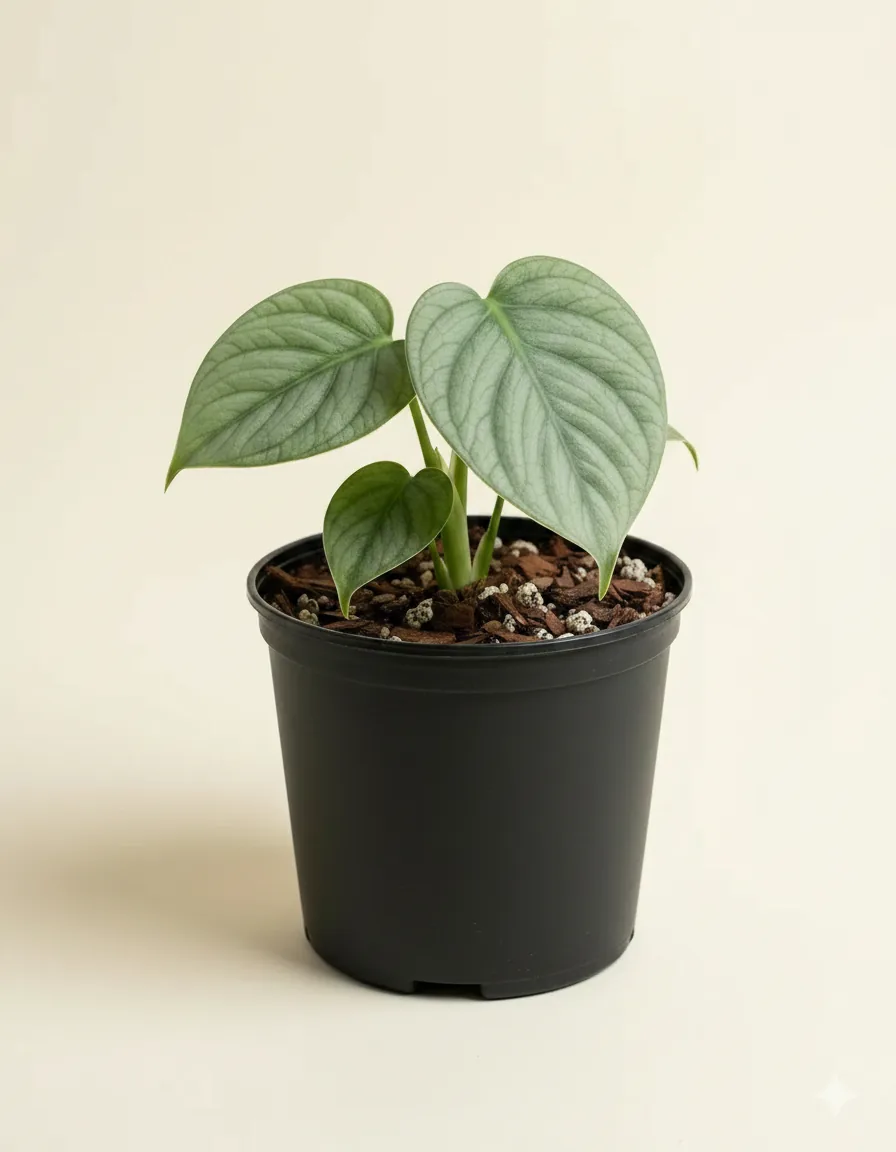
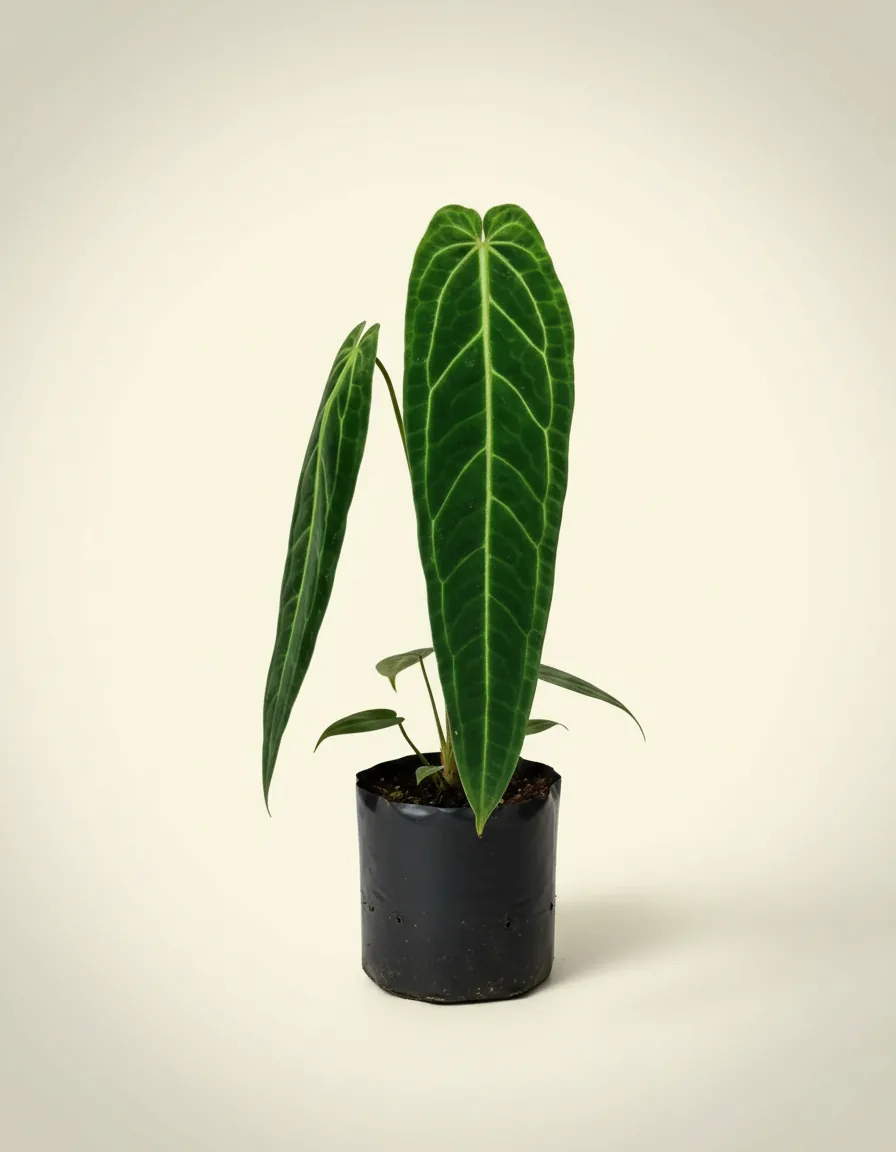
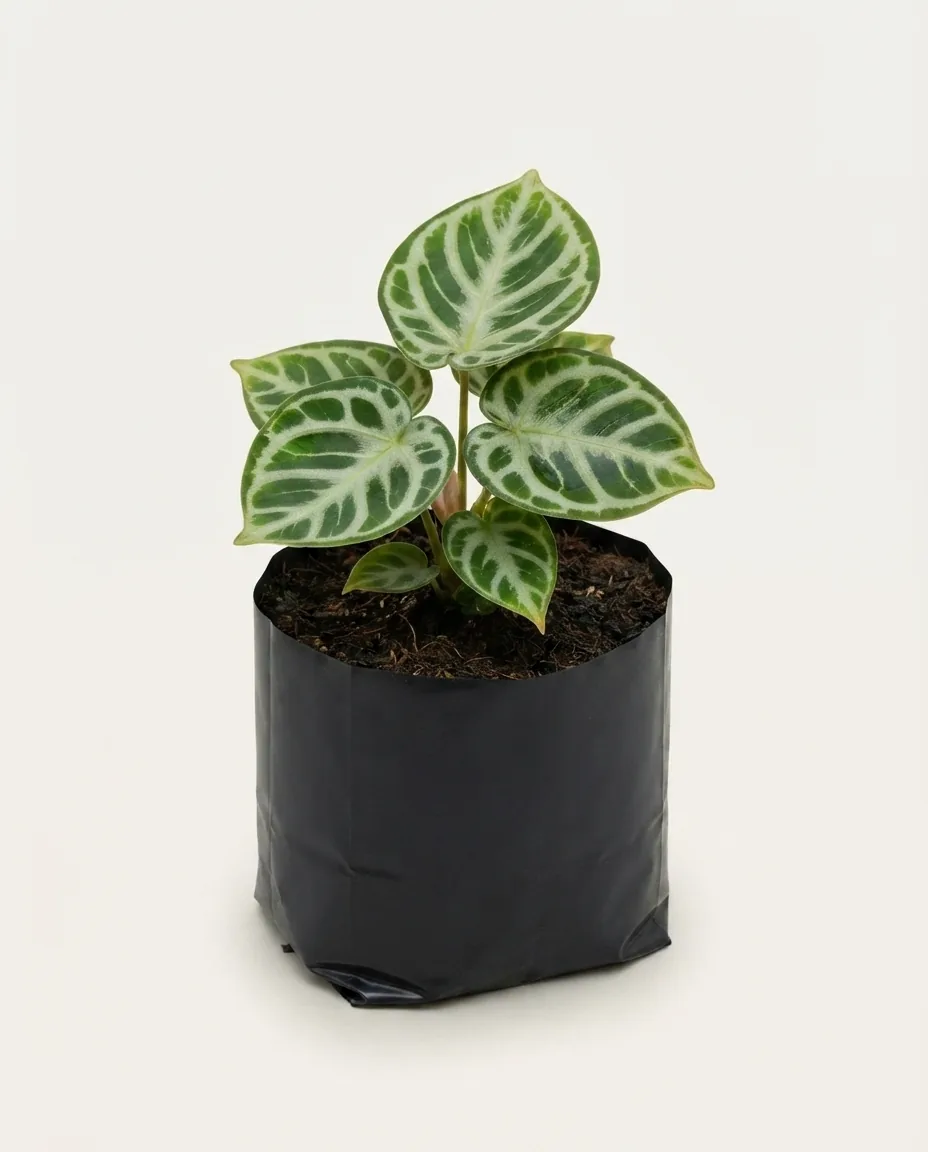
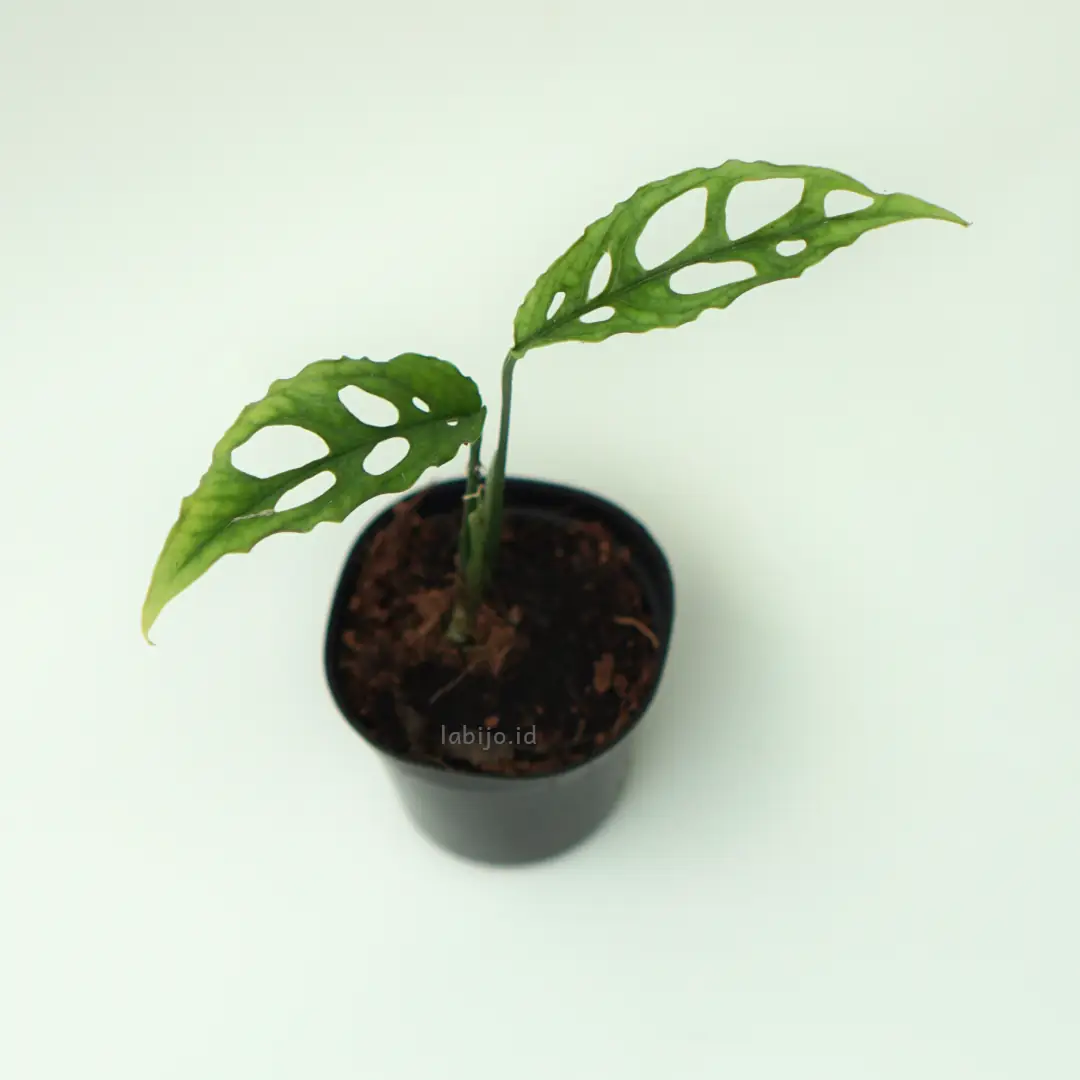
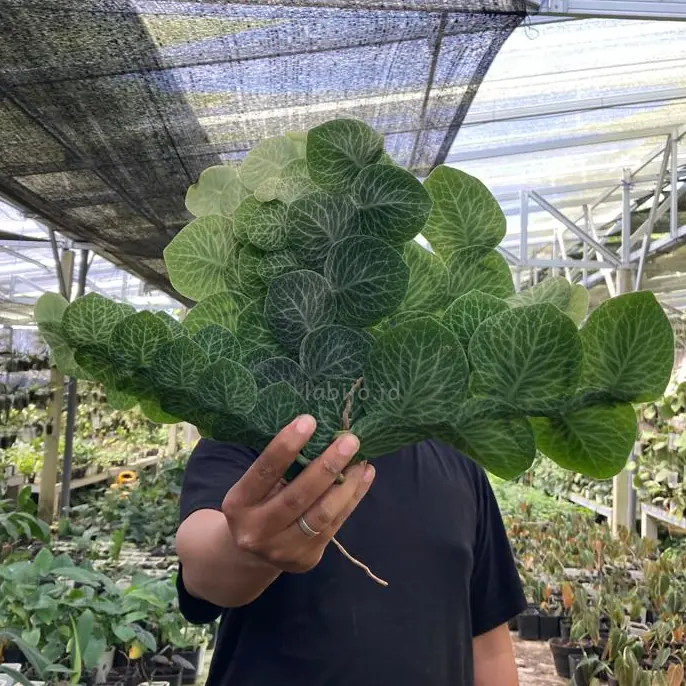
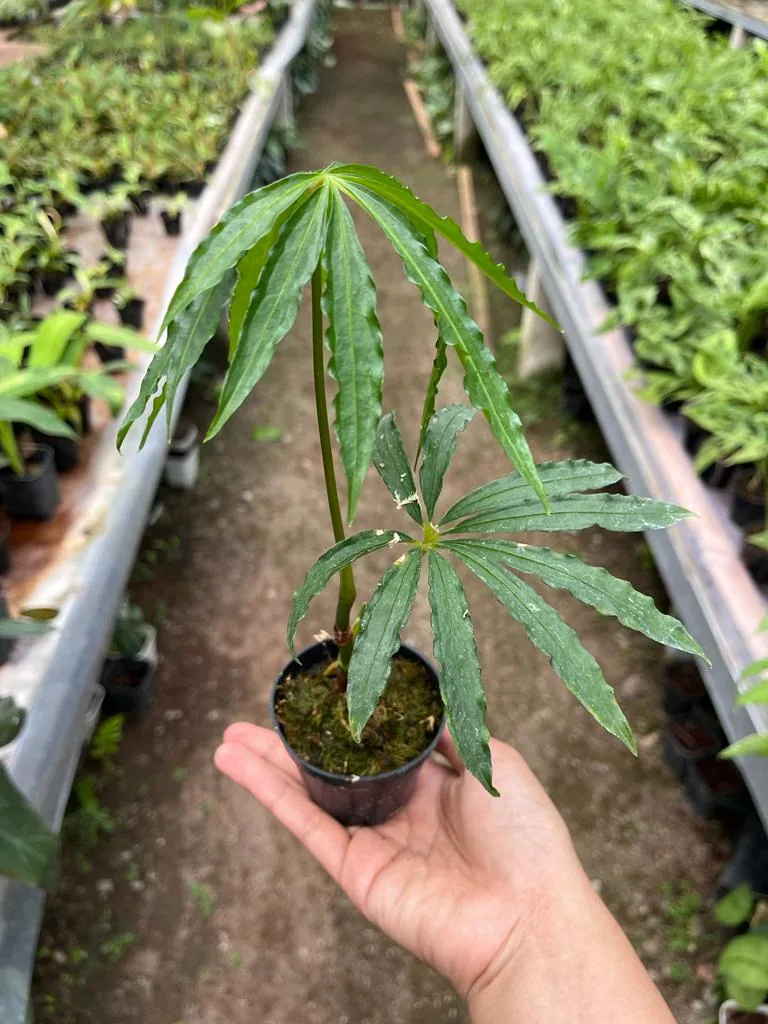
Anthurium Magnificum · Aroids & Rare Foliage
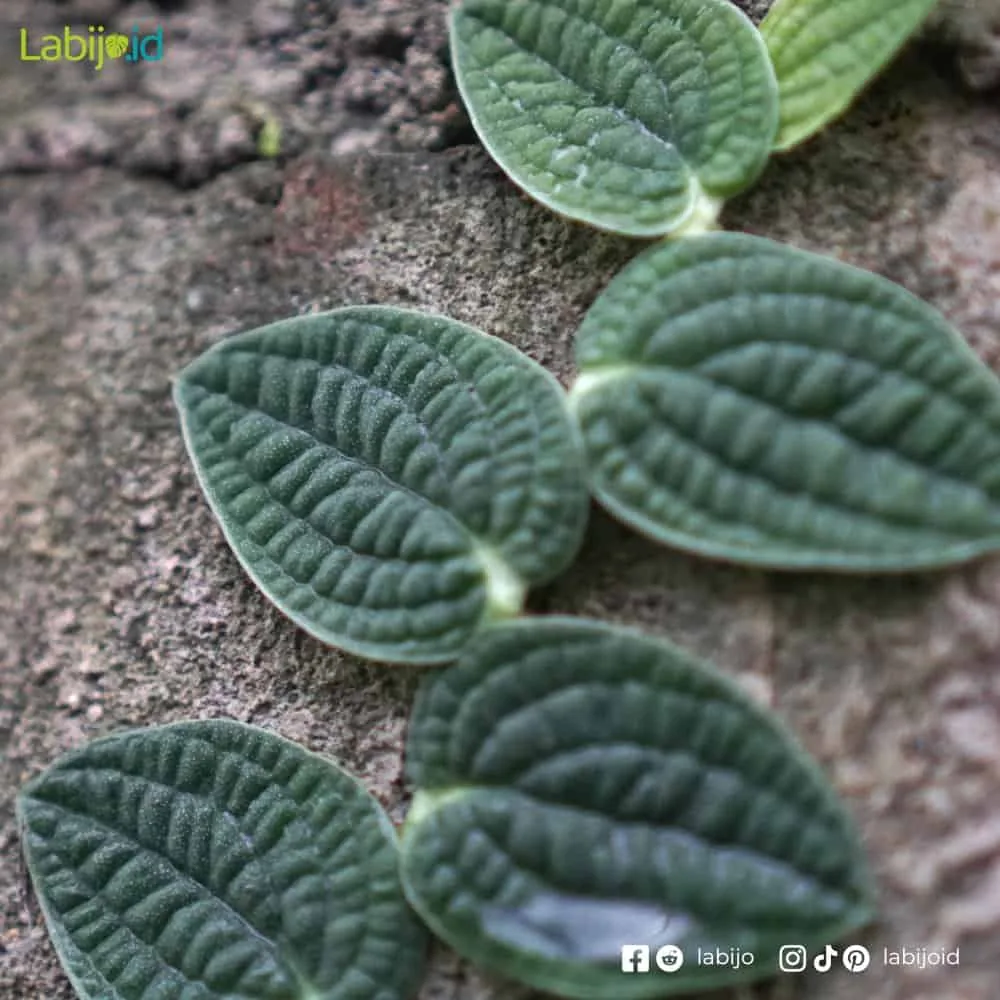
Two studies follow different stages of laboratory propagation: forming callus from plant tissue, then growing regenerated shoots. Together they explain why a tissue-culture plant has a production history that matters when choosing its next growing environment.
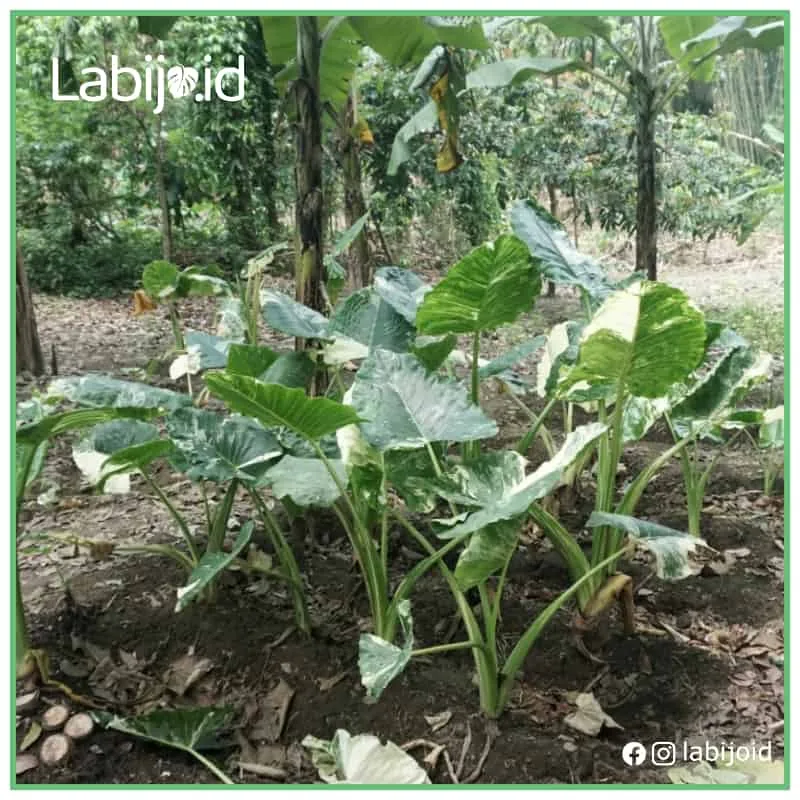
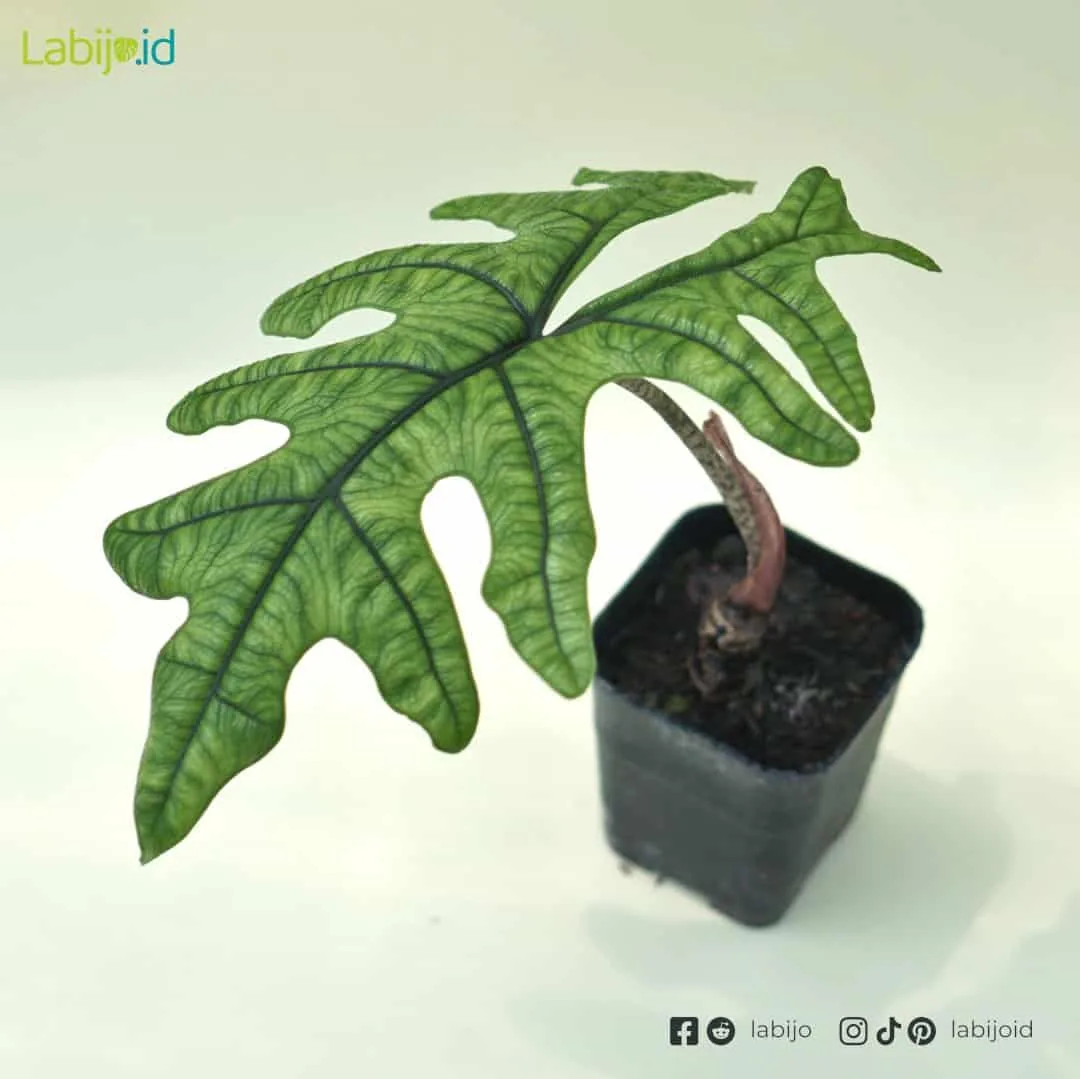
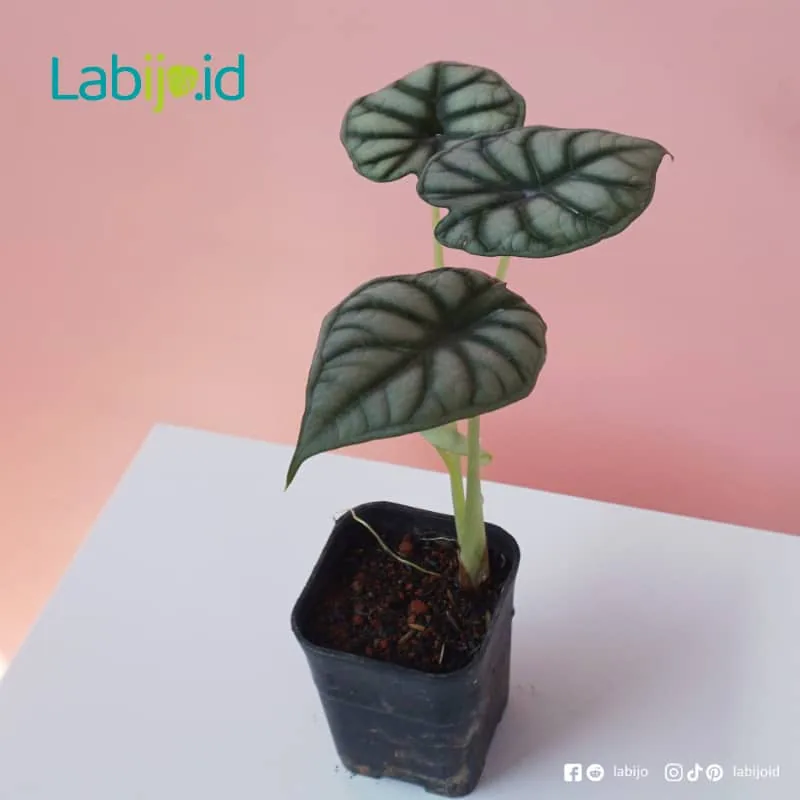
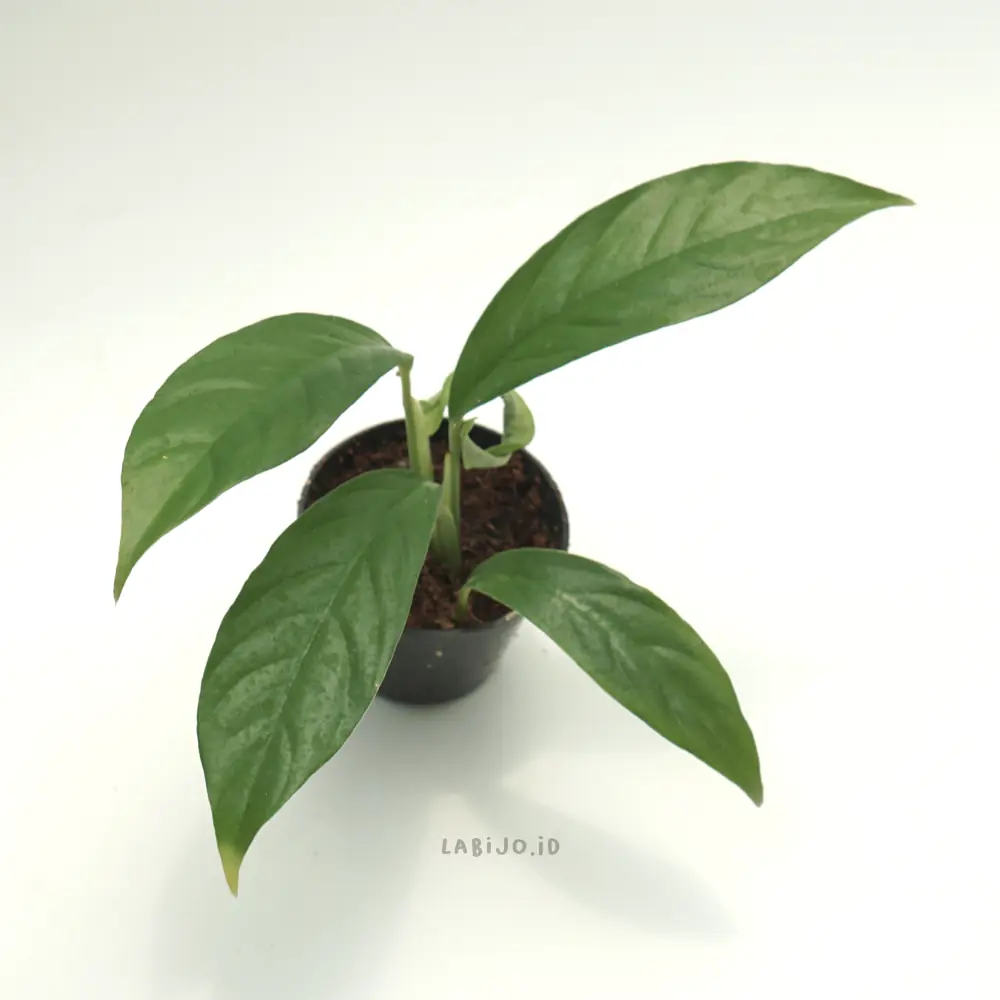
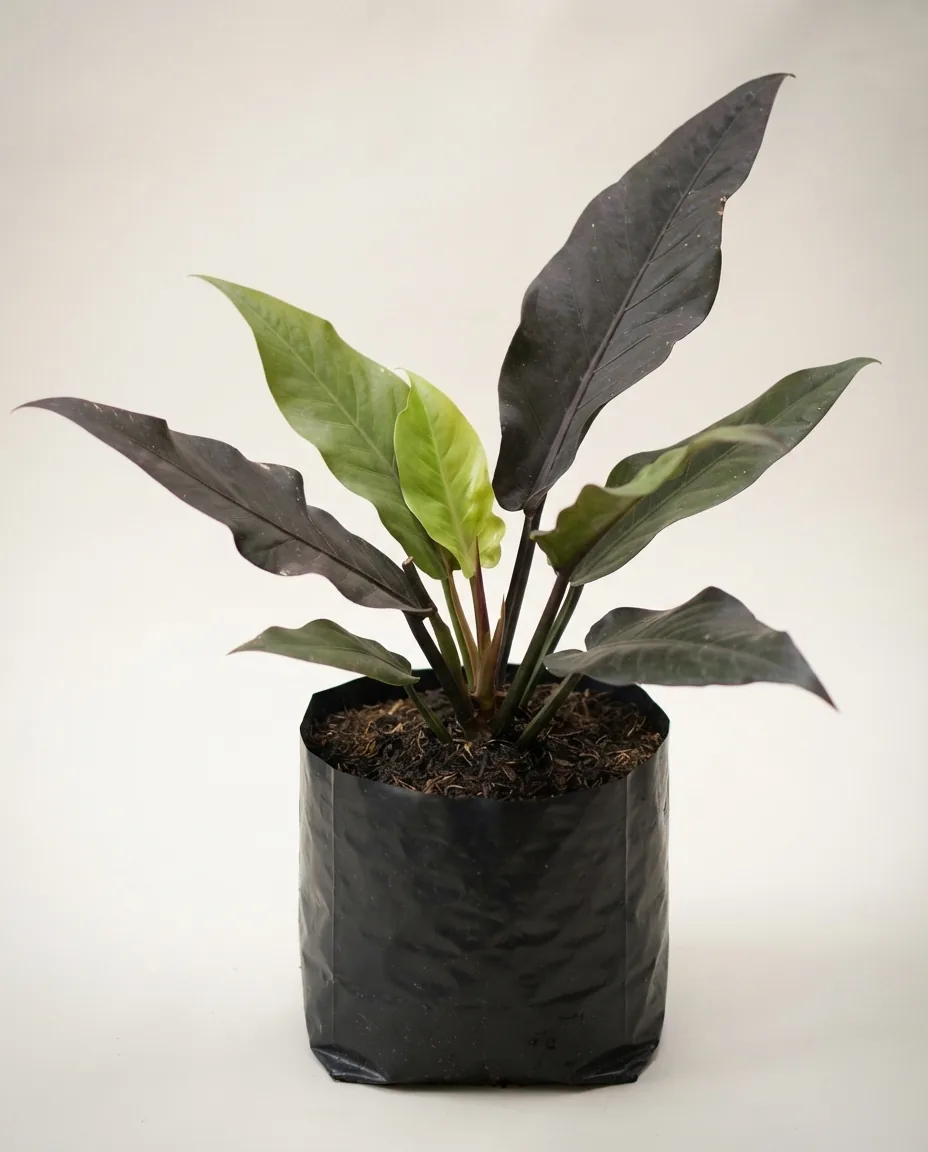
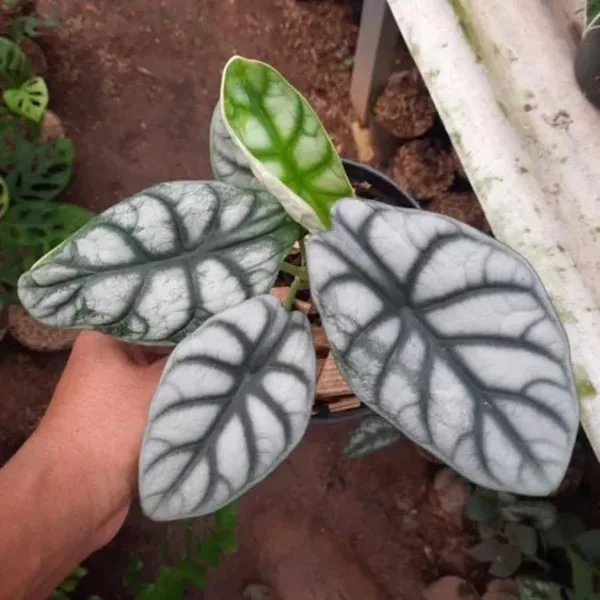
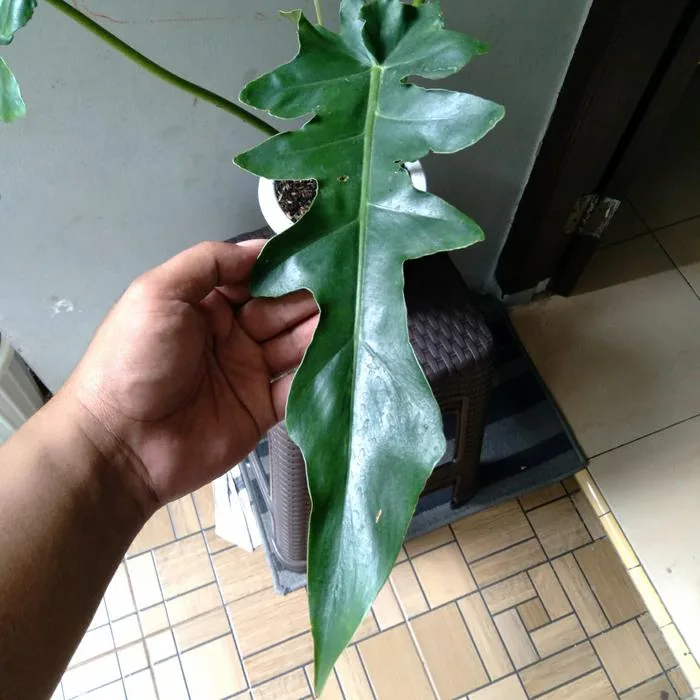
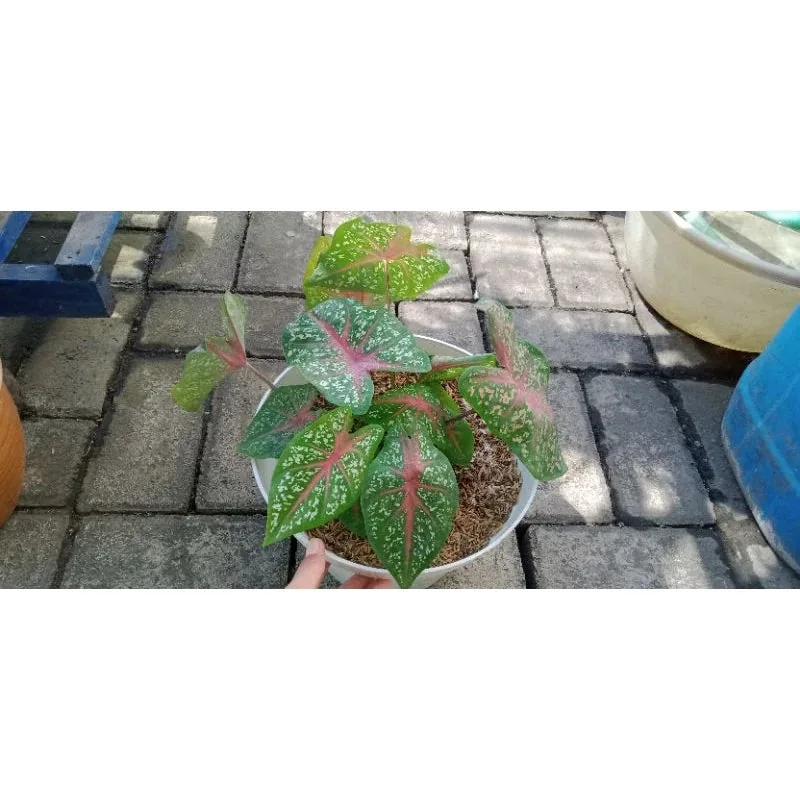
Alocasia Jacklyn · Aroids & Rare Foliage
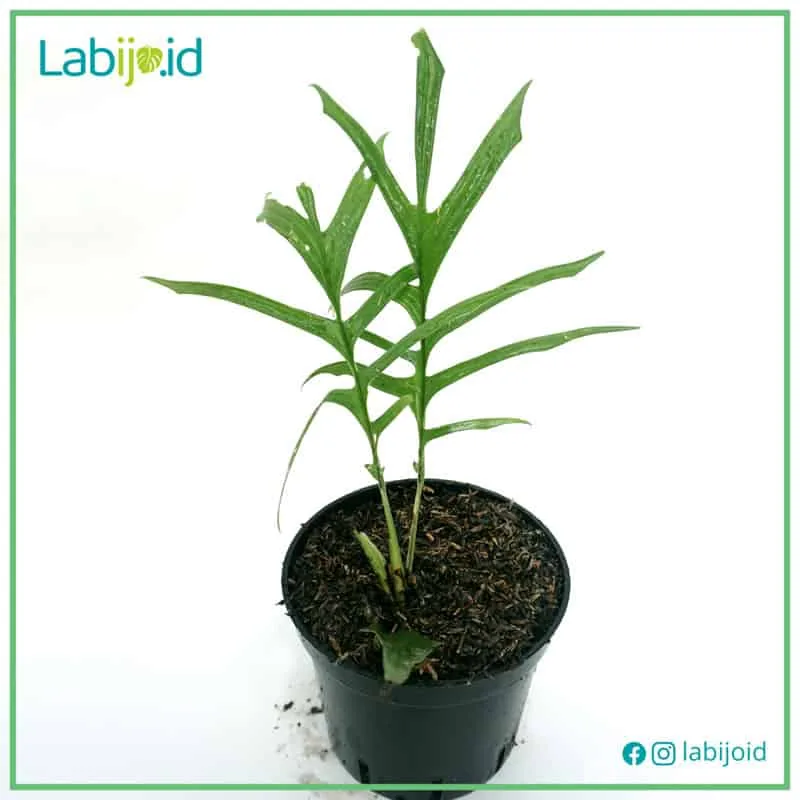
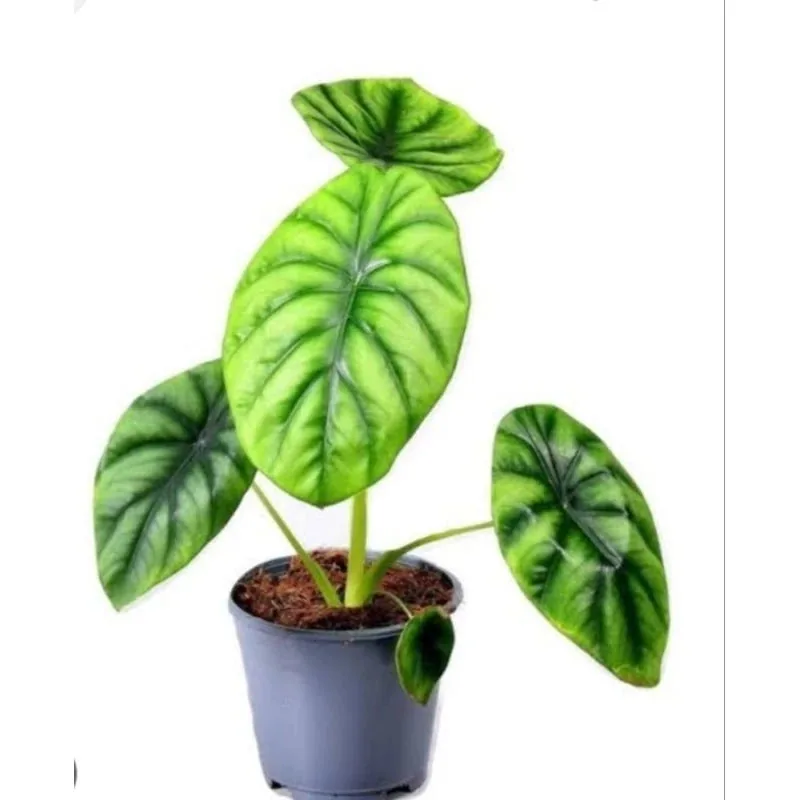
Alocasia tandurusa (widely known in the horticultural trade as "Alocasia Jacklyn") is an extraordinary endemic aroid native to the island of Sulawesi, Indonesia. It was formally described in 2022, distinguishing it from related Malesian species.
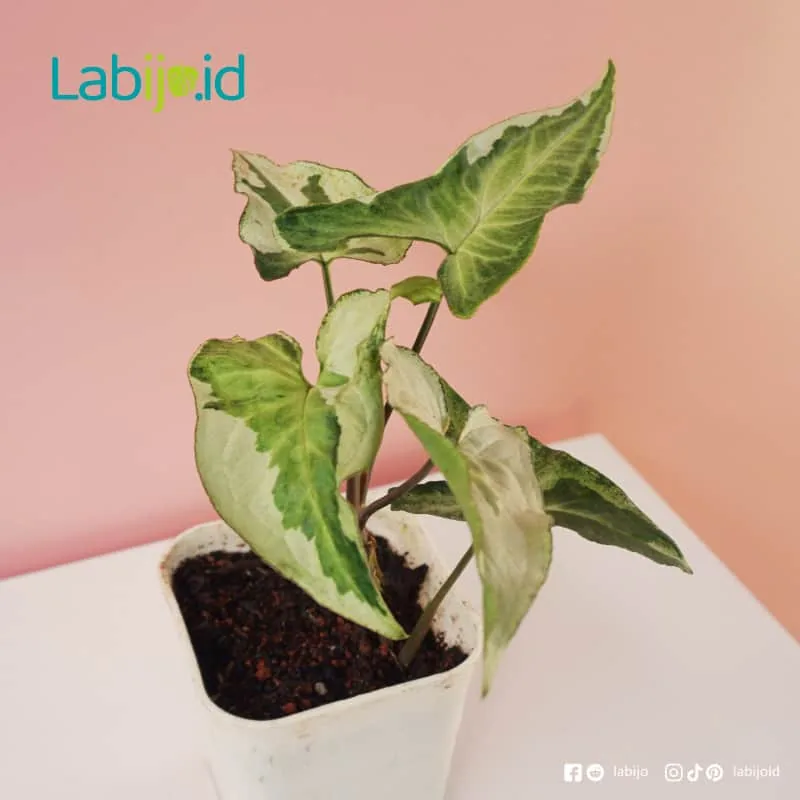
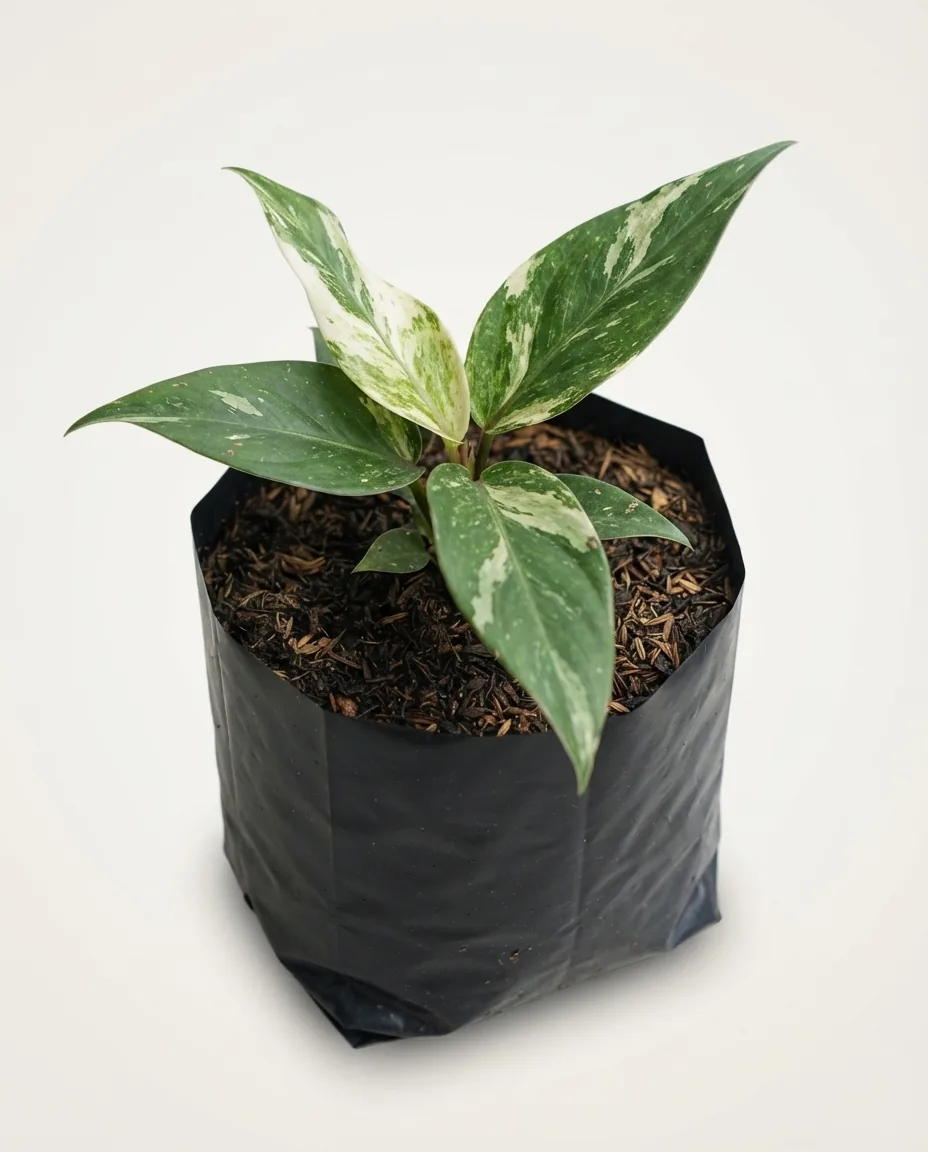
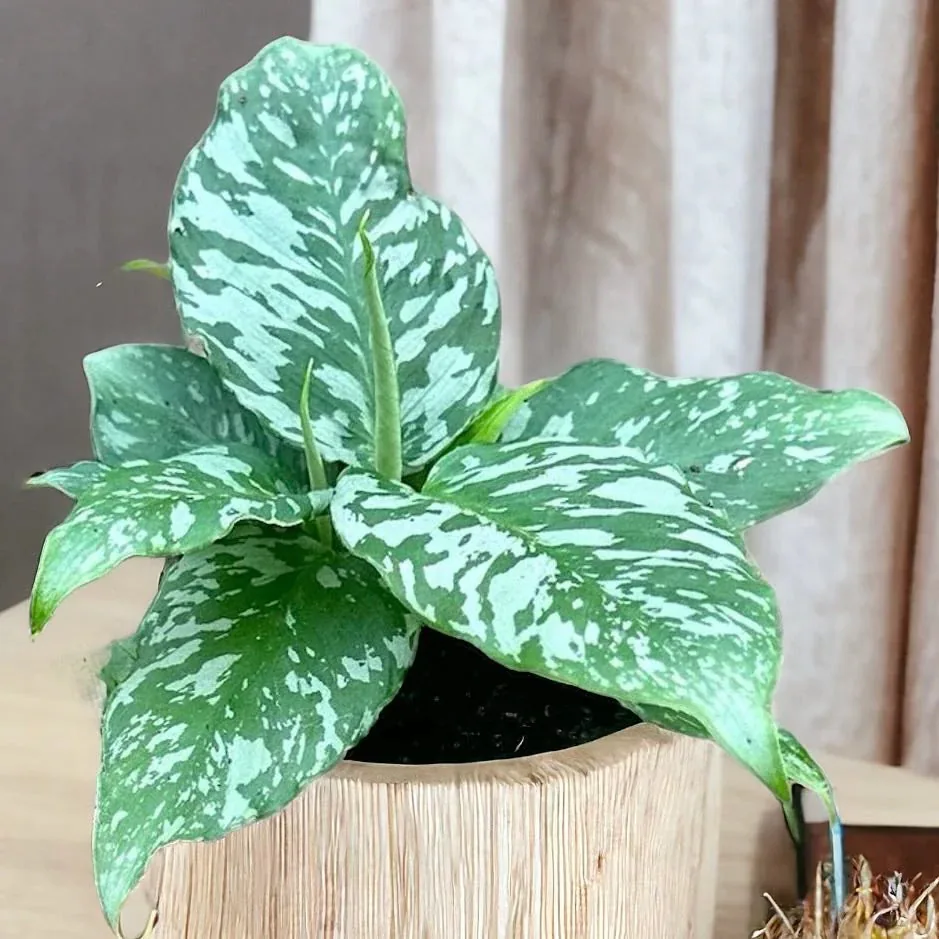
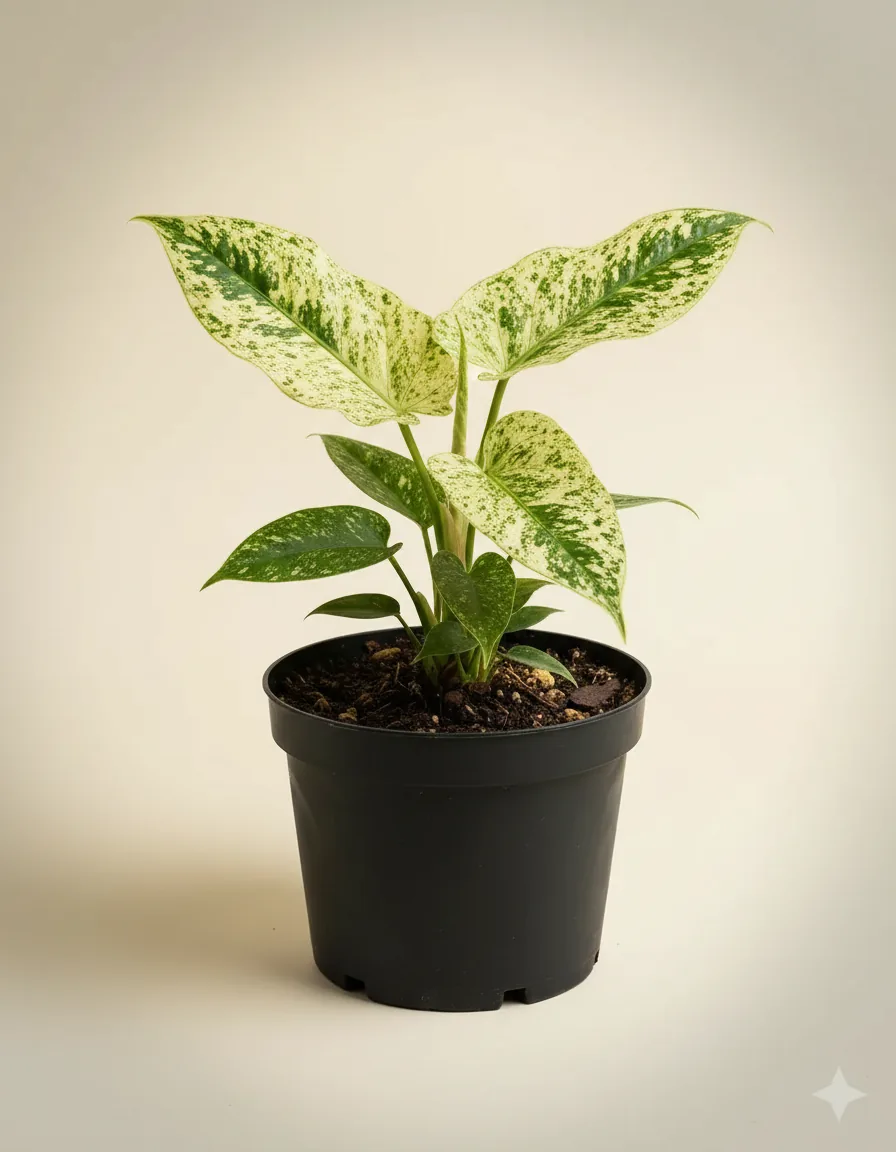
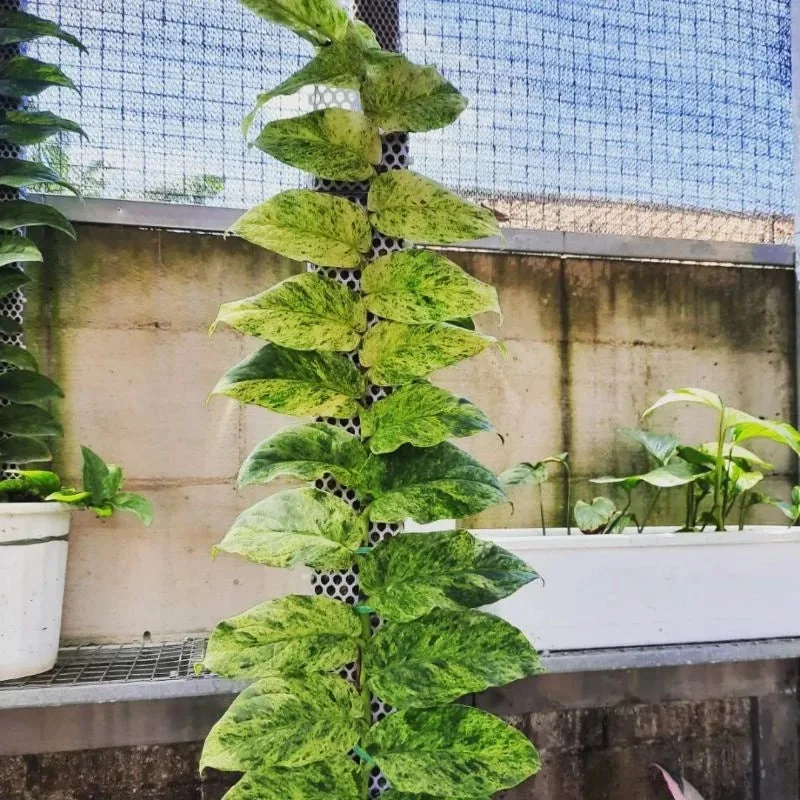
Syngonium Albo · Aroids & Rare Foliage
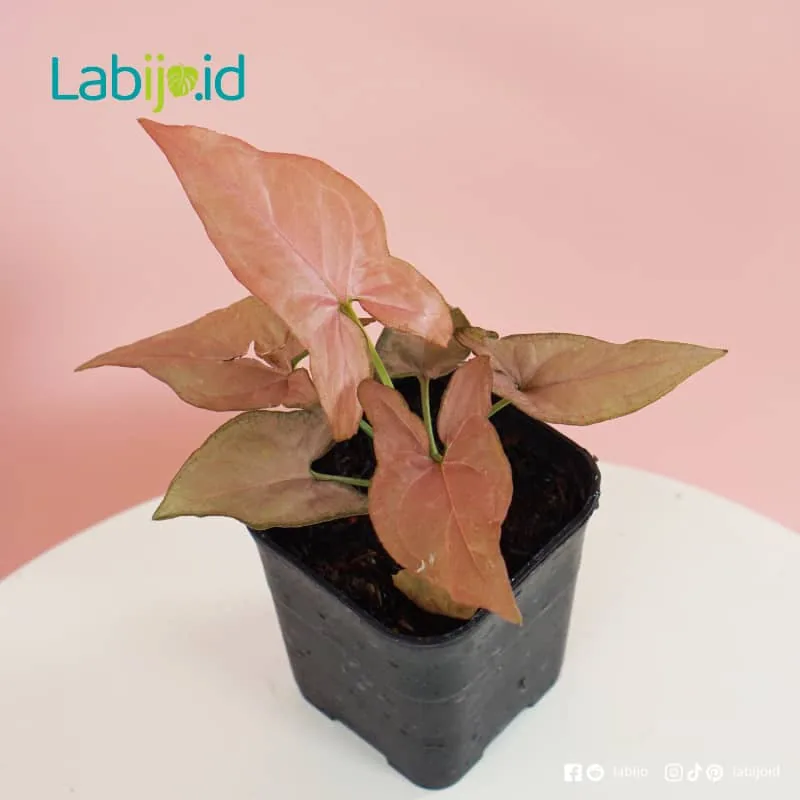
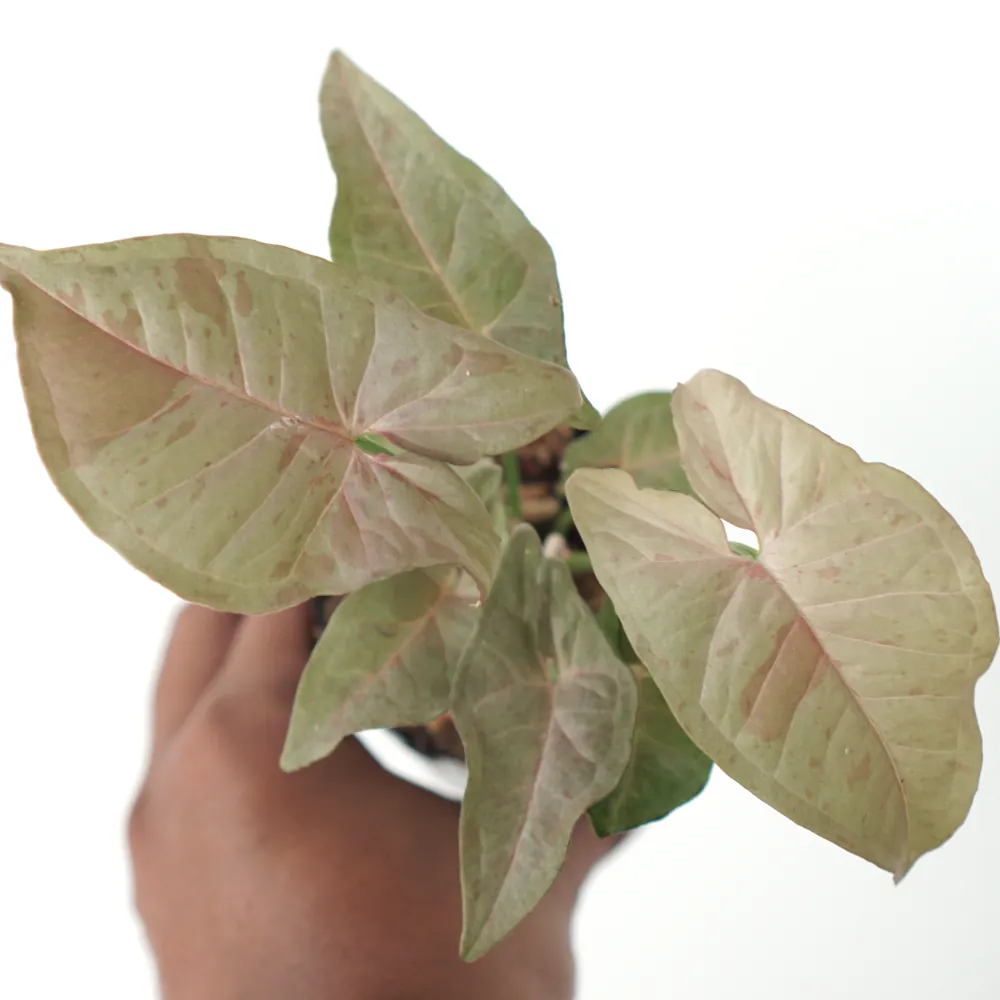
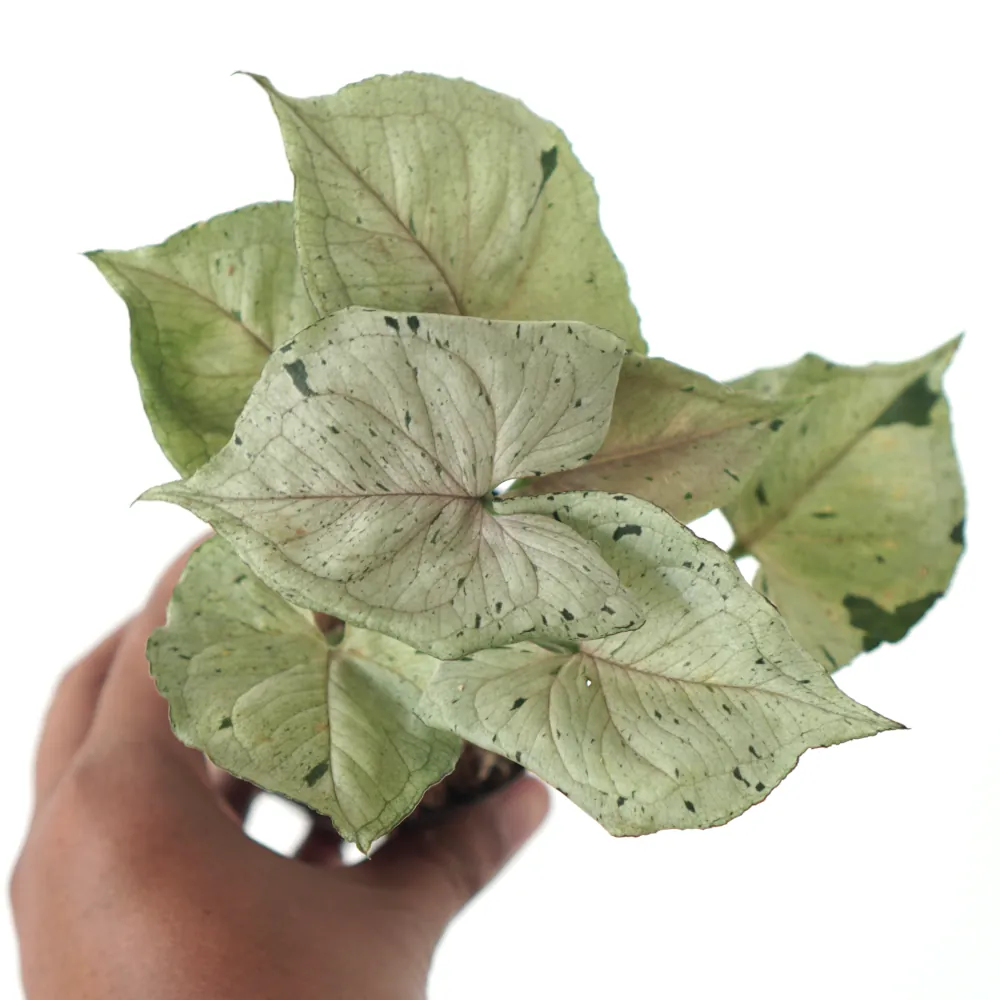
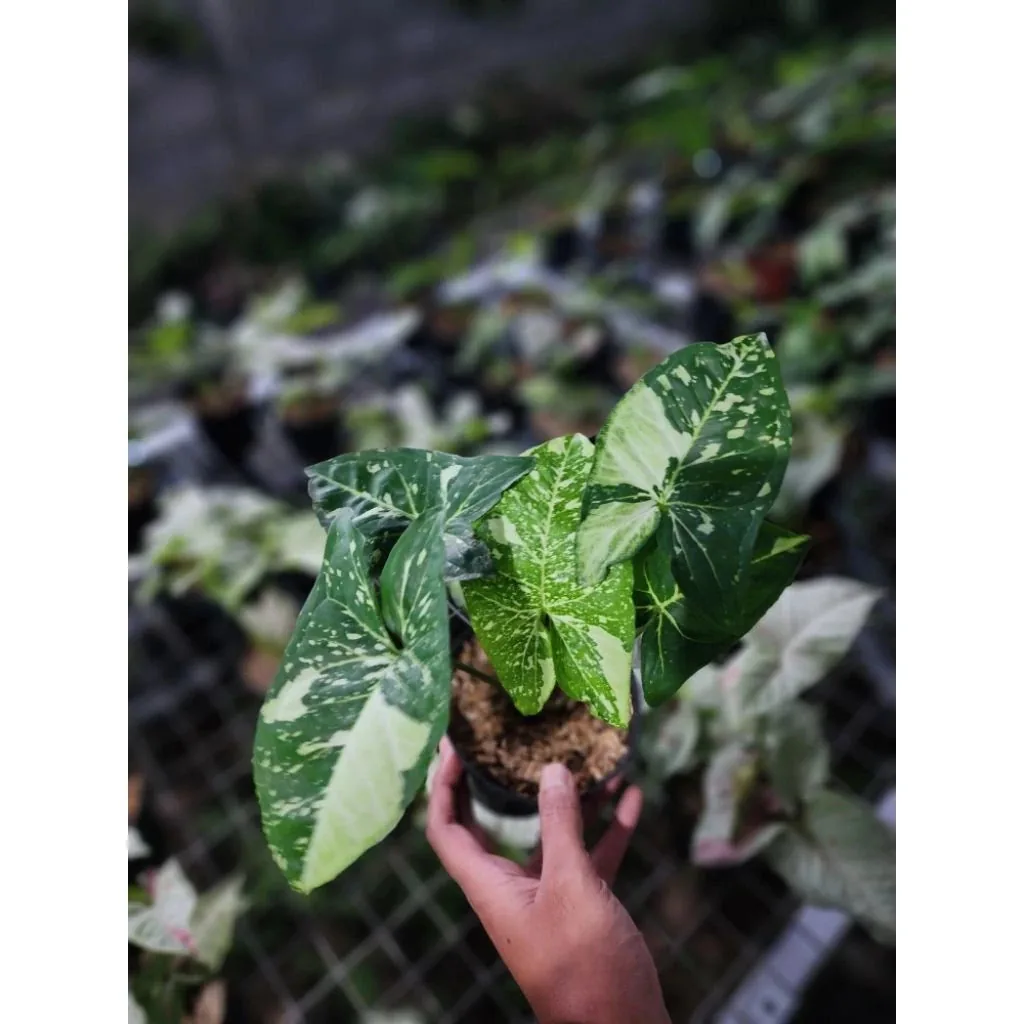
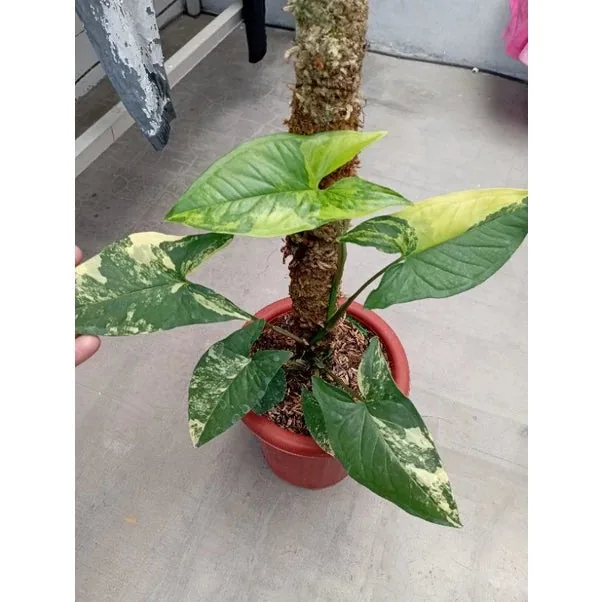
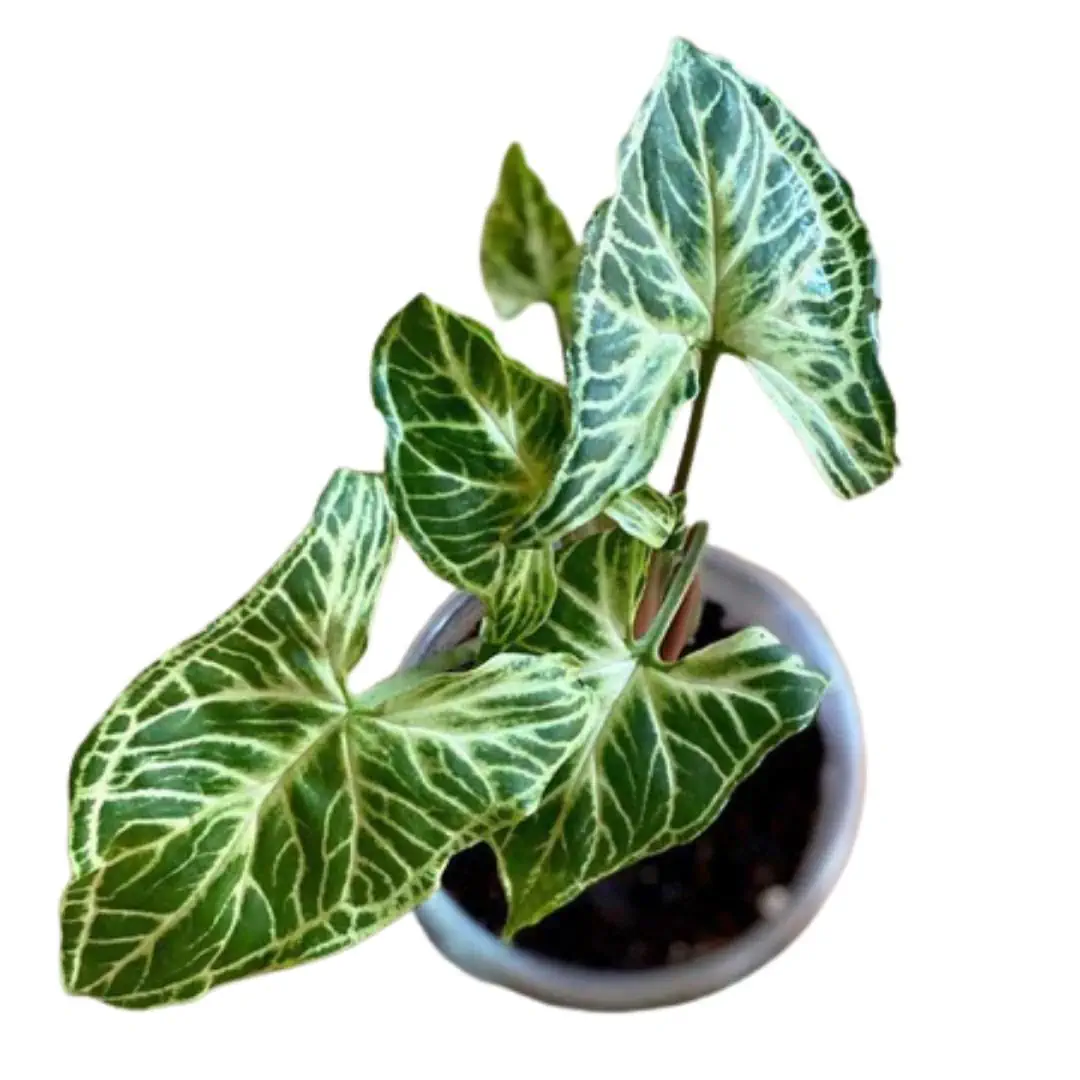
Syngonium podophyllum cv. Albo-Variegatum is a periclinal chimeric cultivar characterized by striking white and emerald green sectoral variegation across arrowhead-shaped leaves. Botanical and horticultural literature explains chimeric stability and propagation practices.
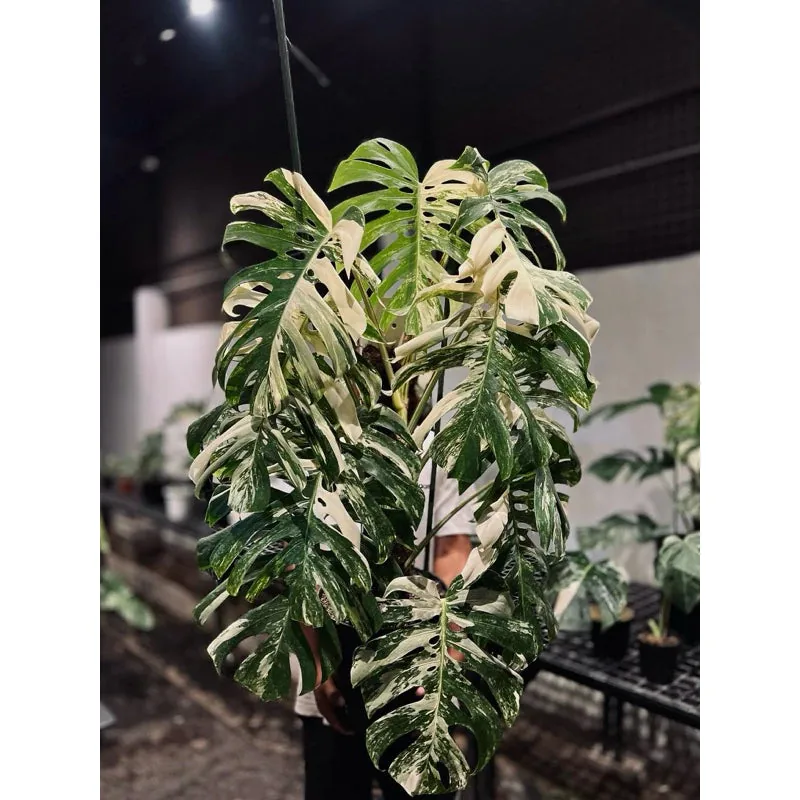
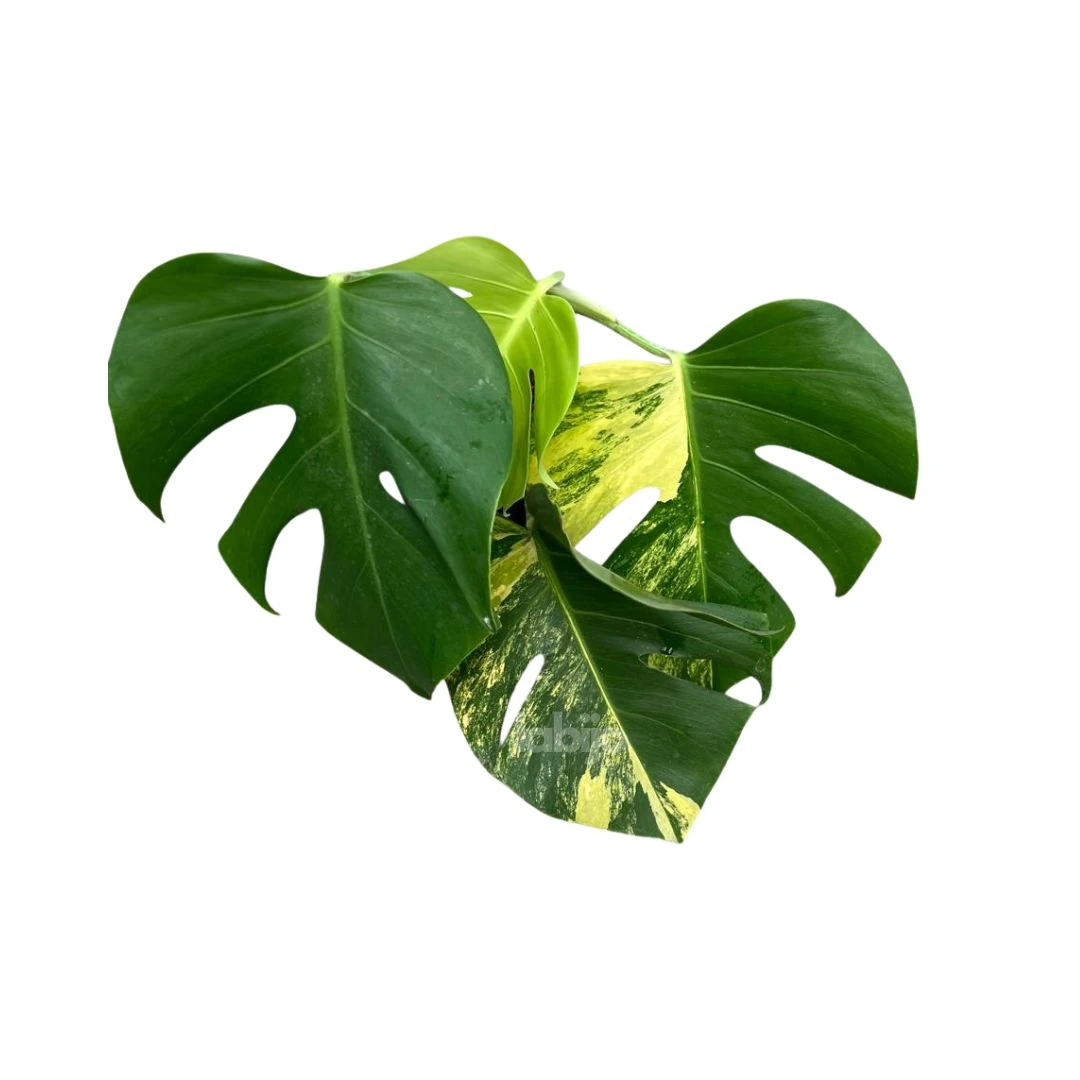
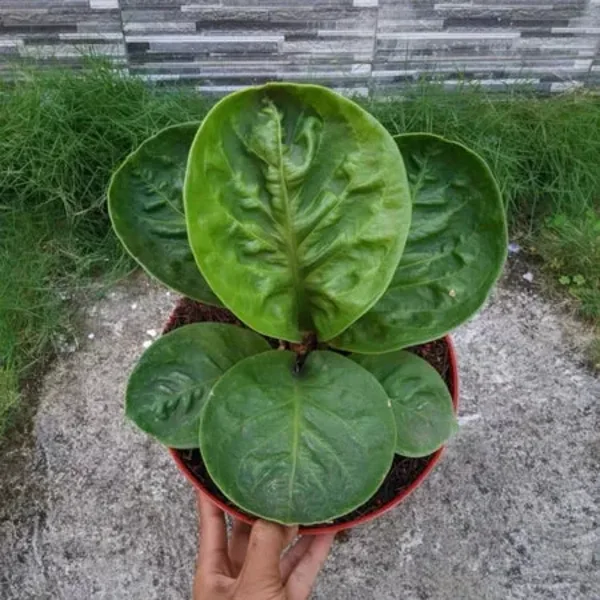
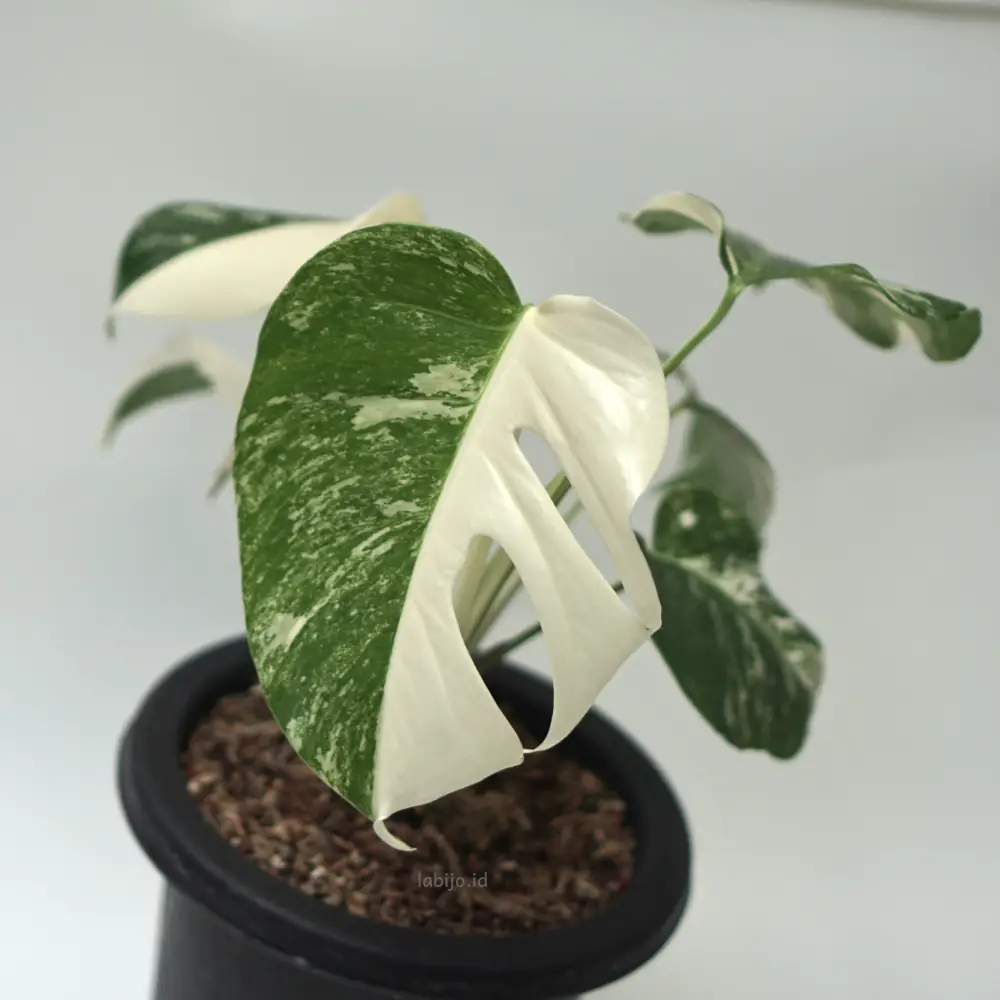
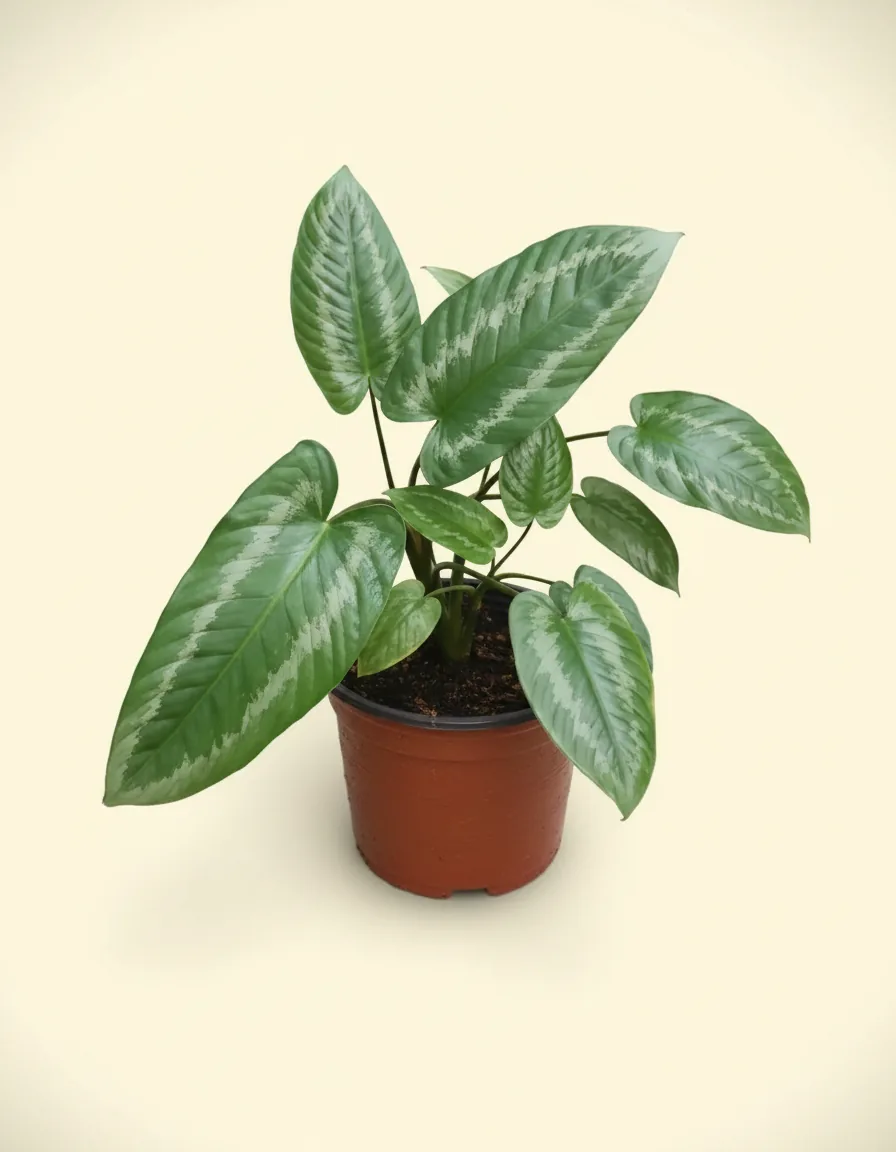
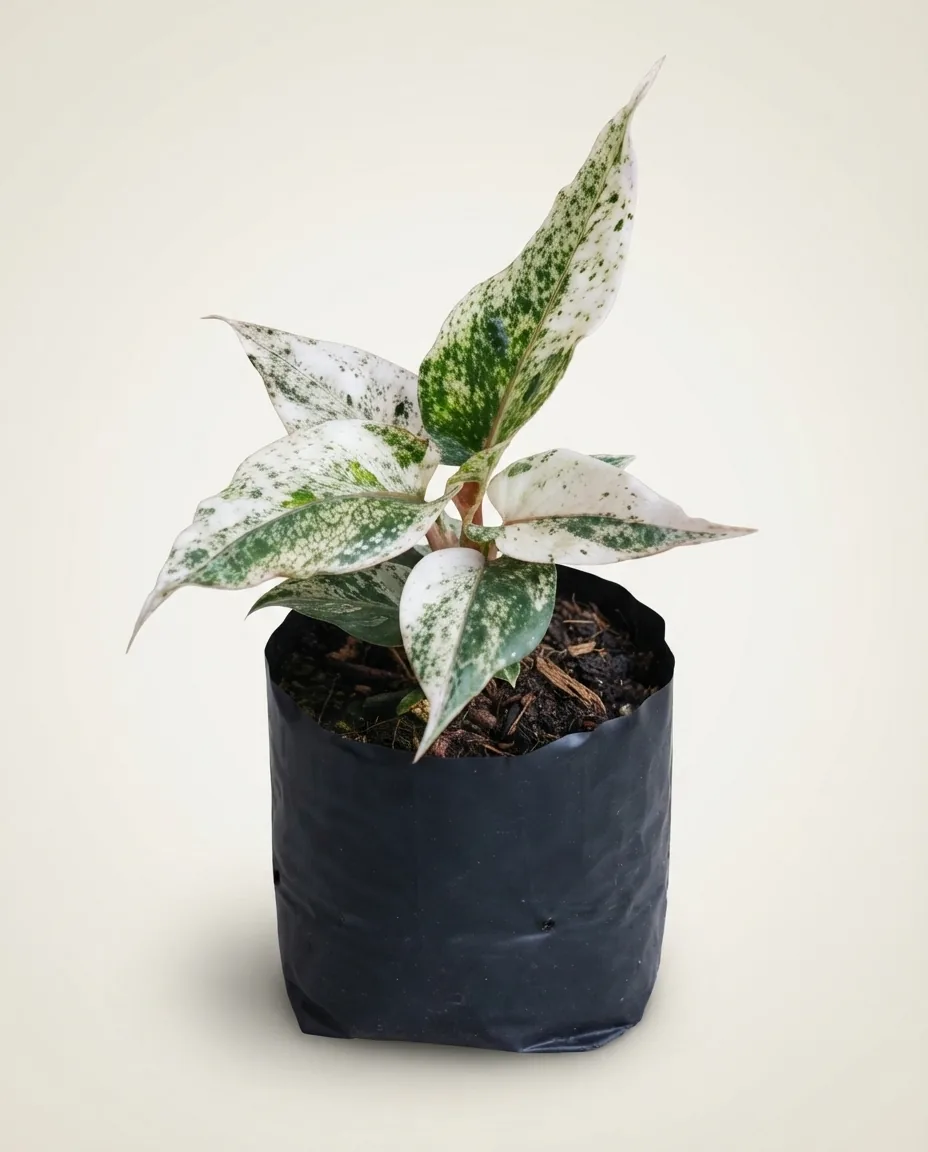
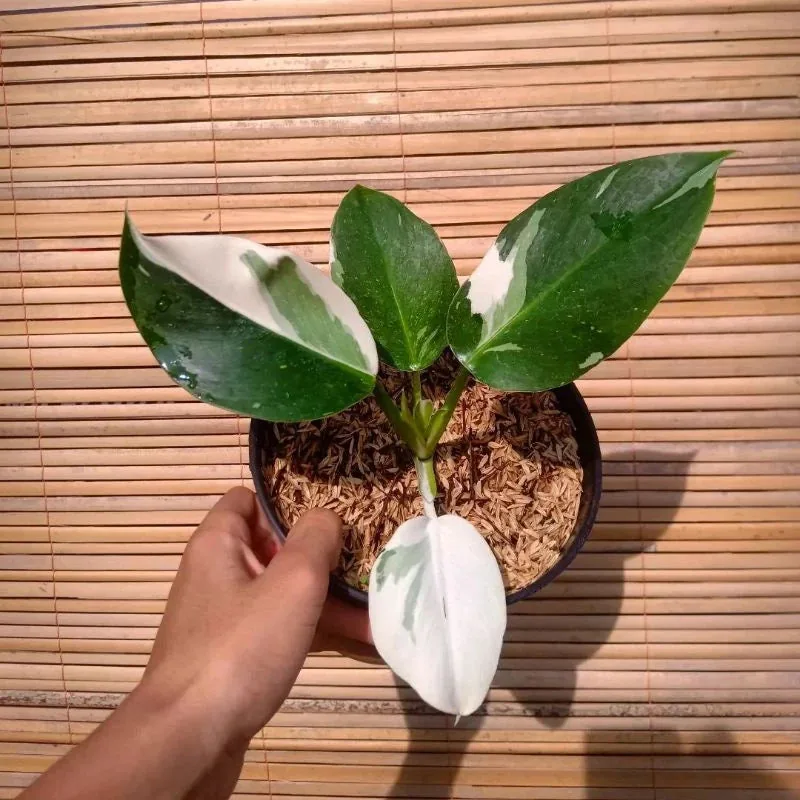
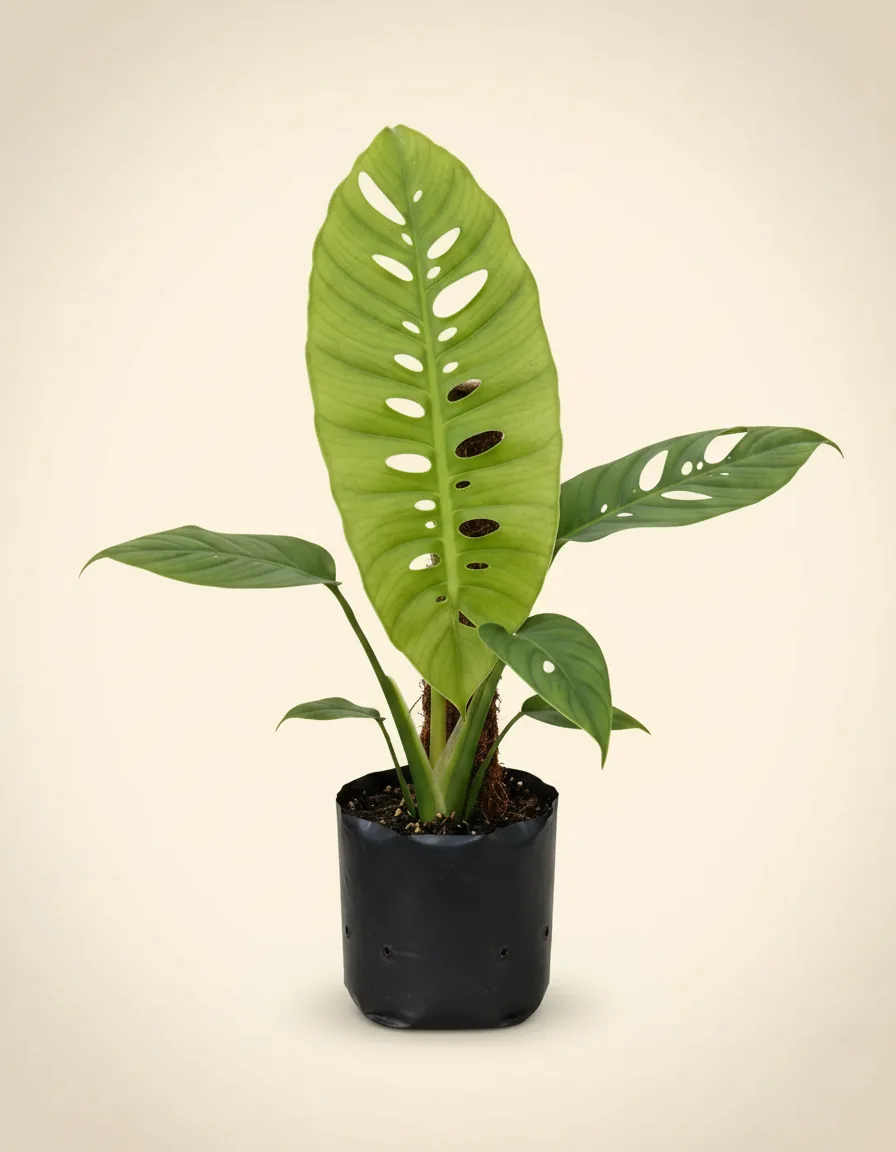
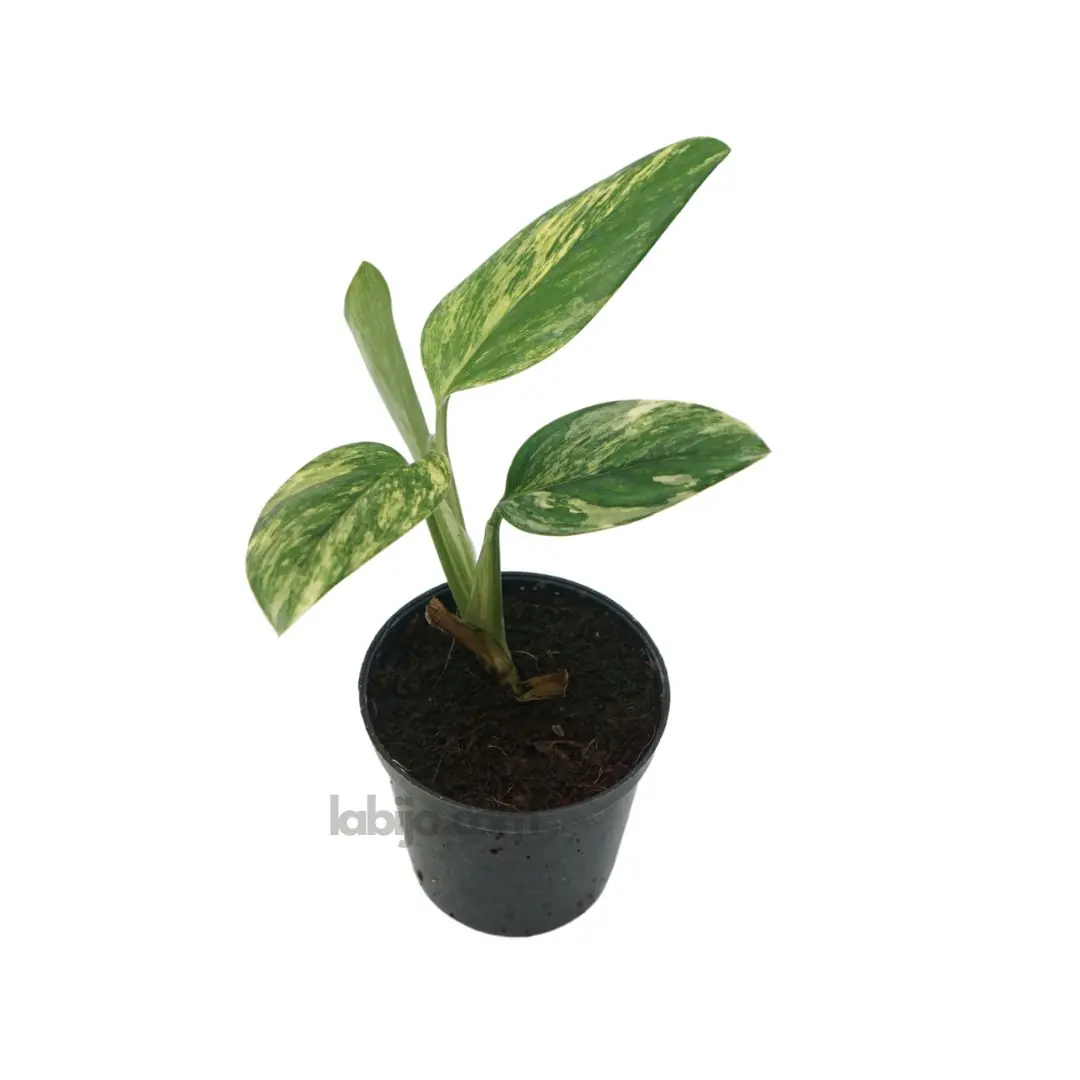
Monstera Deliciosa Albo · Aroids & Rare Foliage
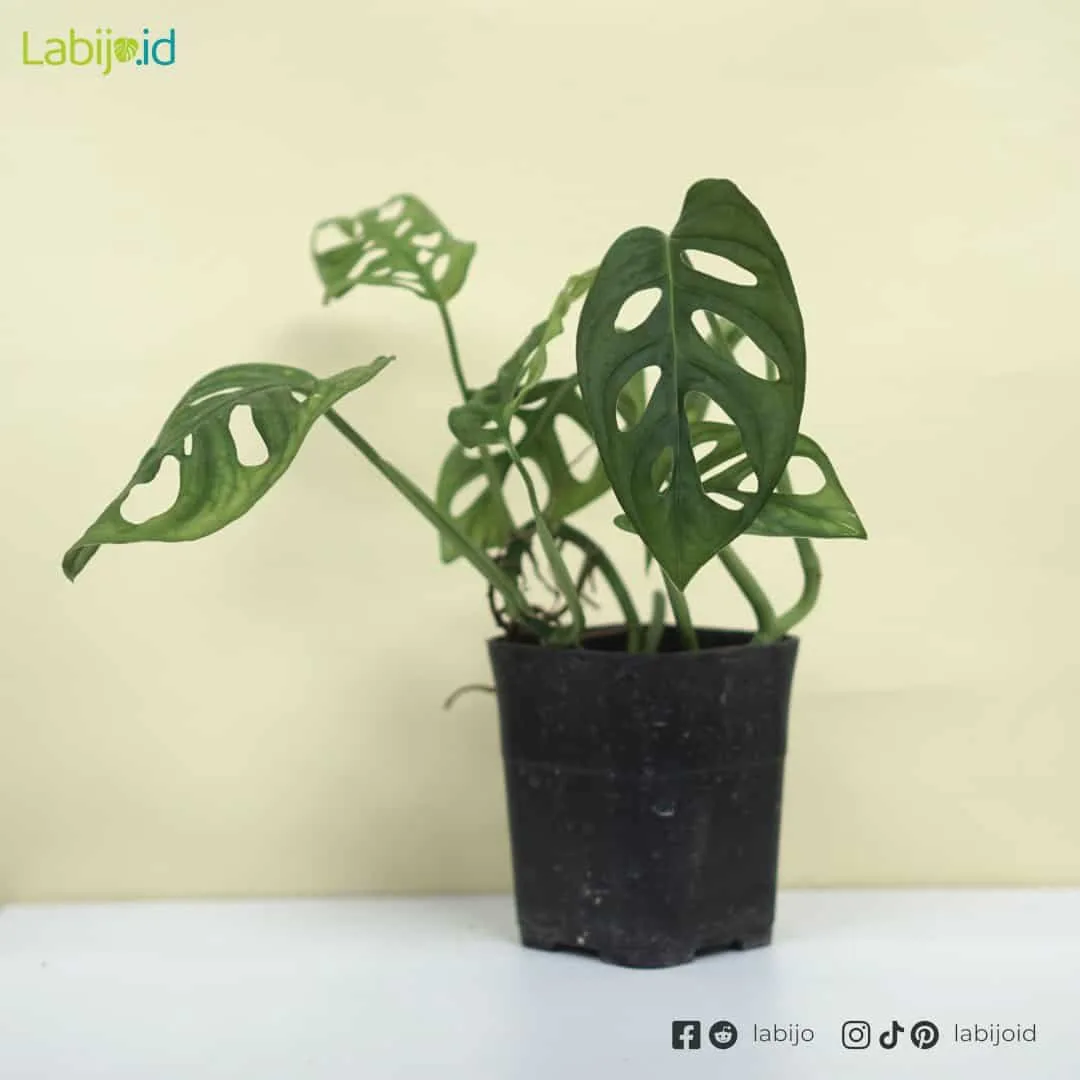
Leaf holes, leaf maturity and white variegation answer different buying questions. A study of Monstera deliciosa helps explain variation in leaf structure, while the details of this Albo plant still need to be checked against the offered specimen.
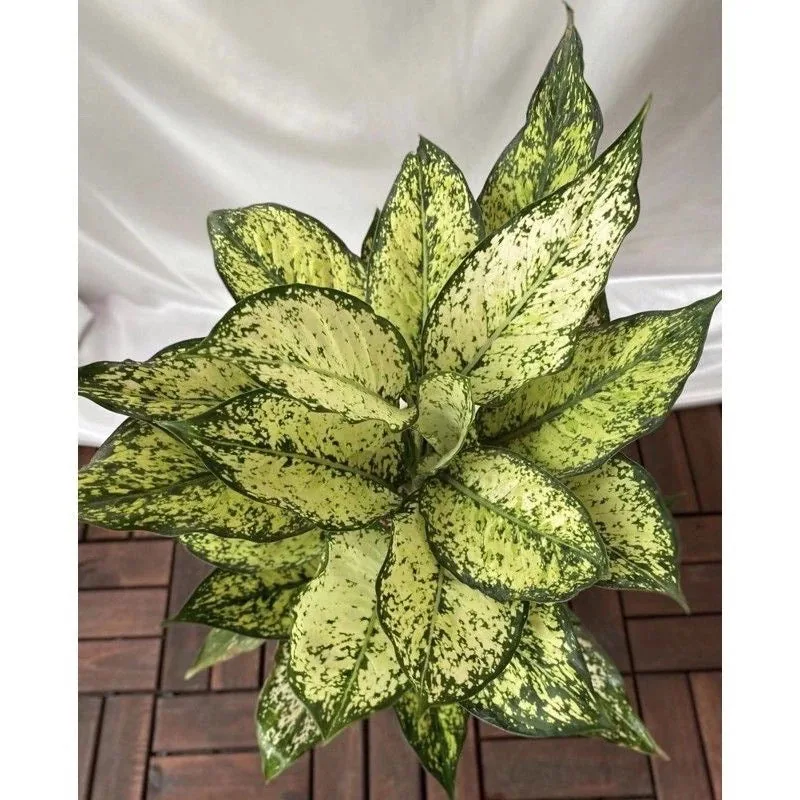
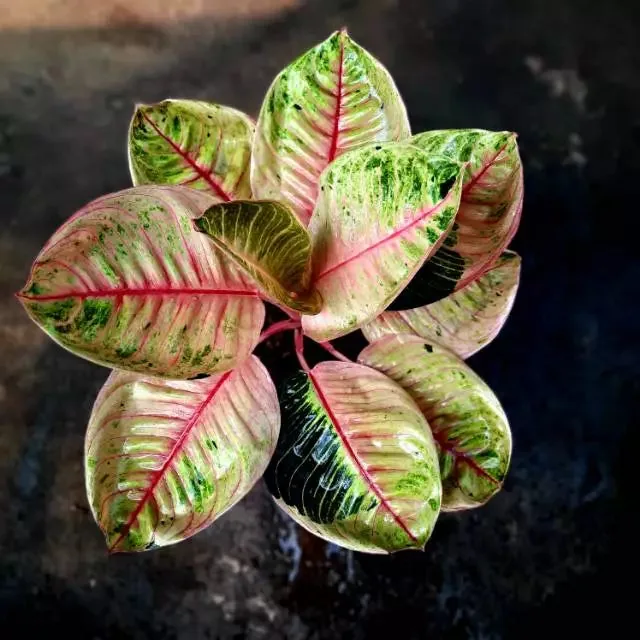
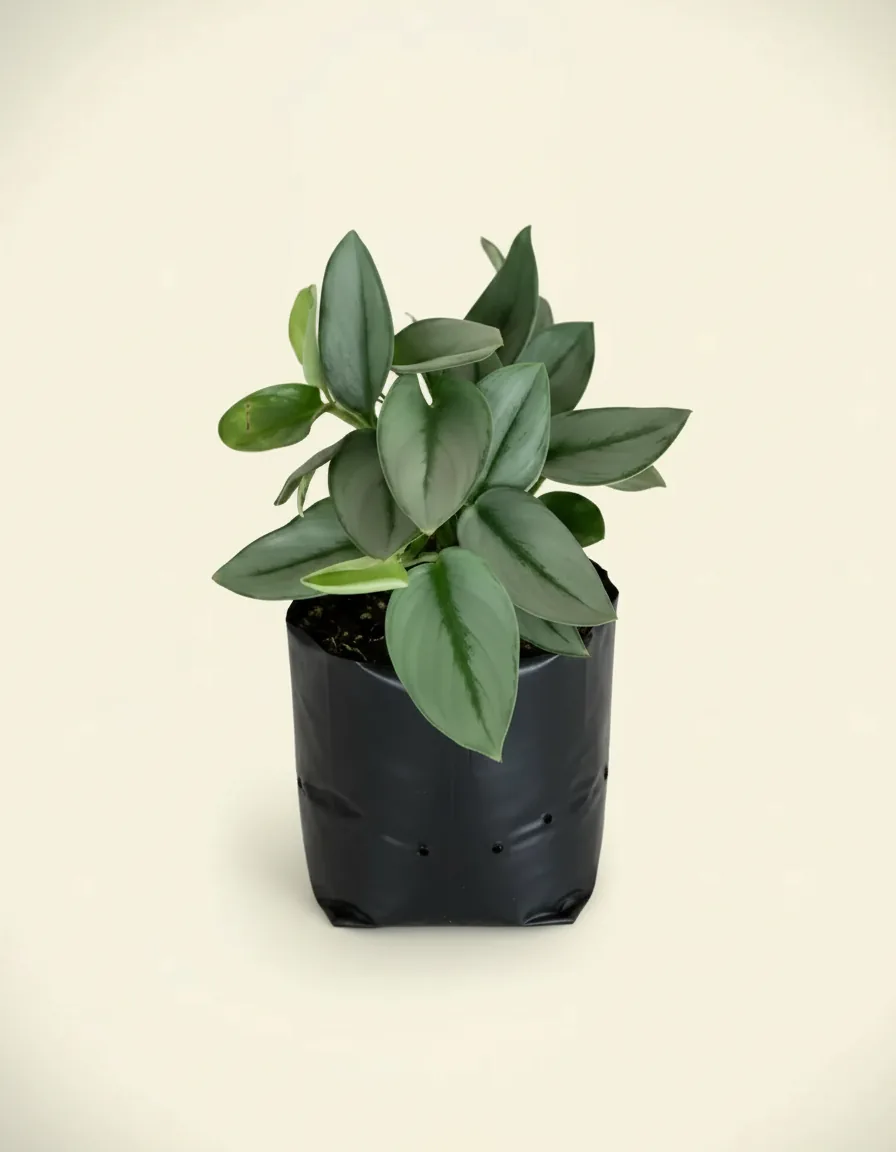
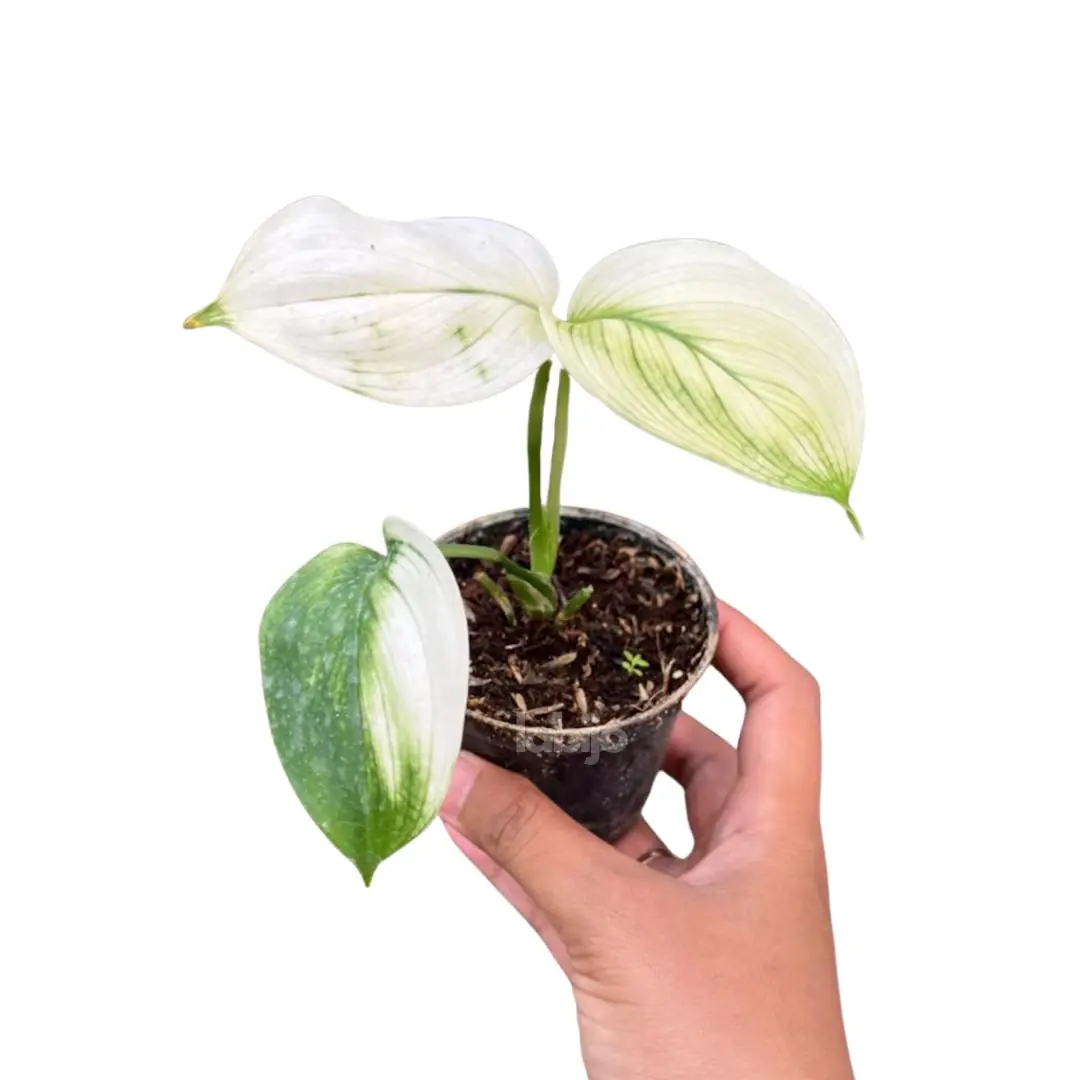
Displaying all 228 specimens available for wholesale consignment.
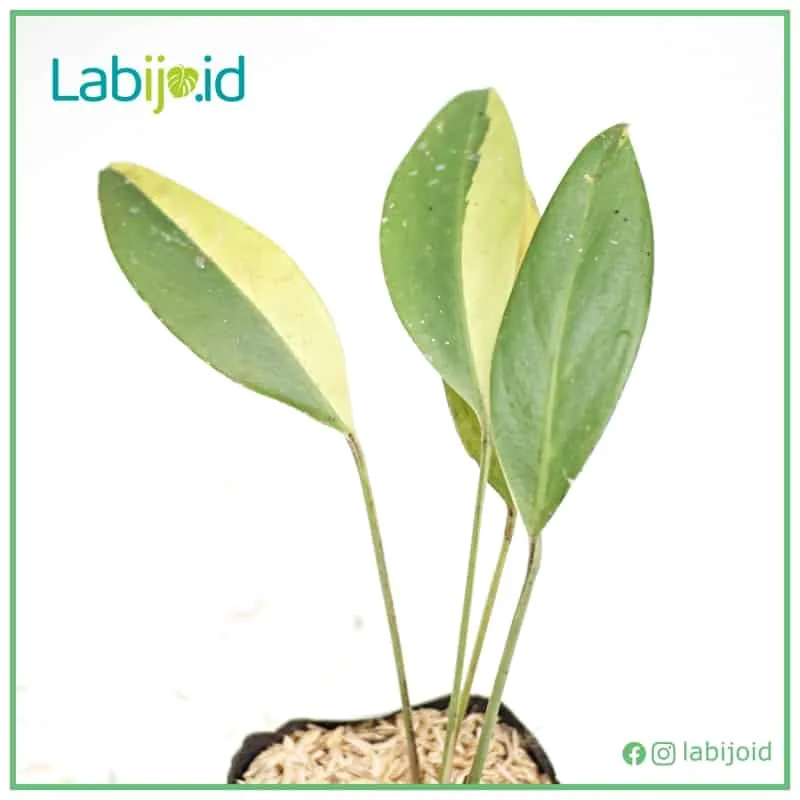
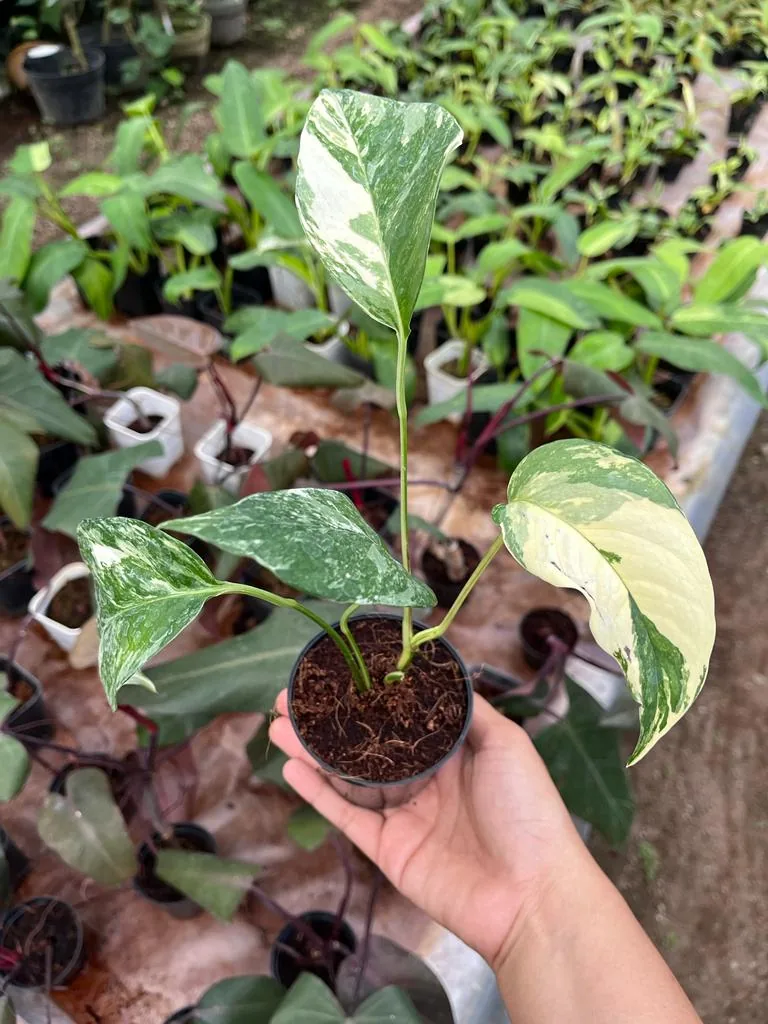
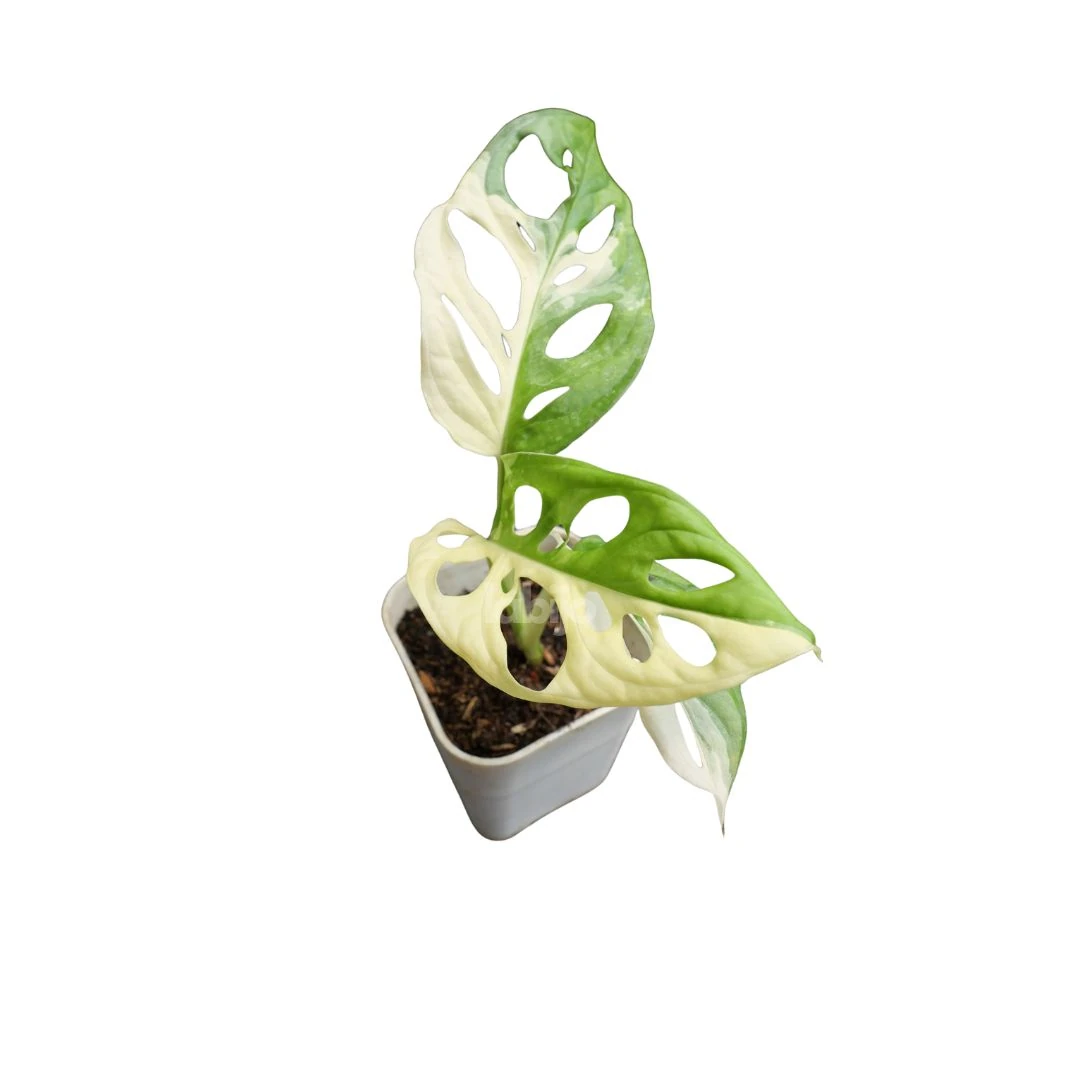
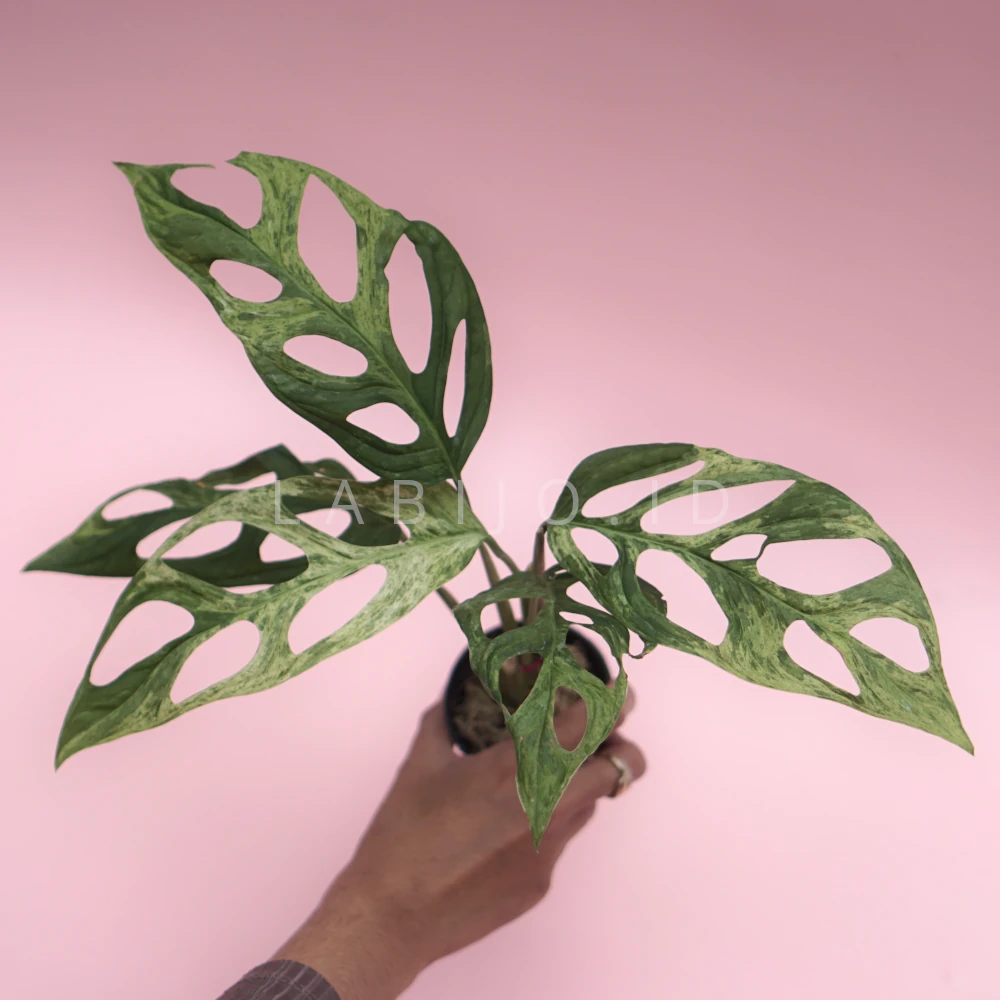
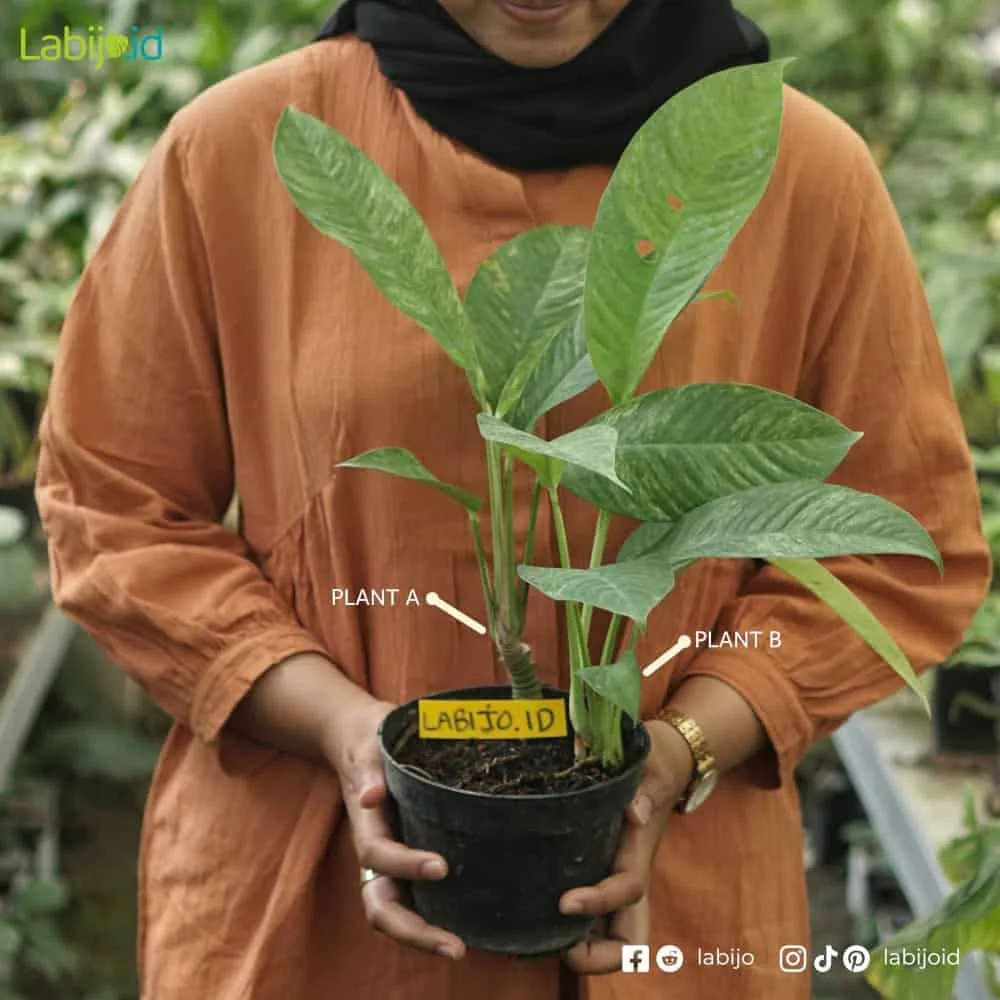
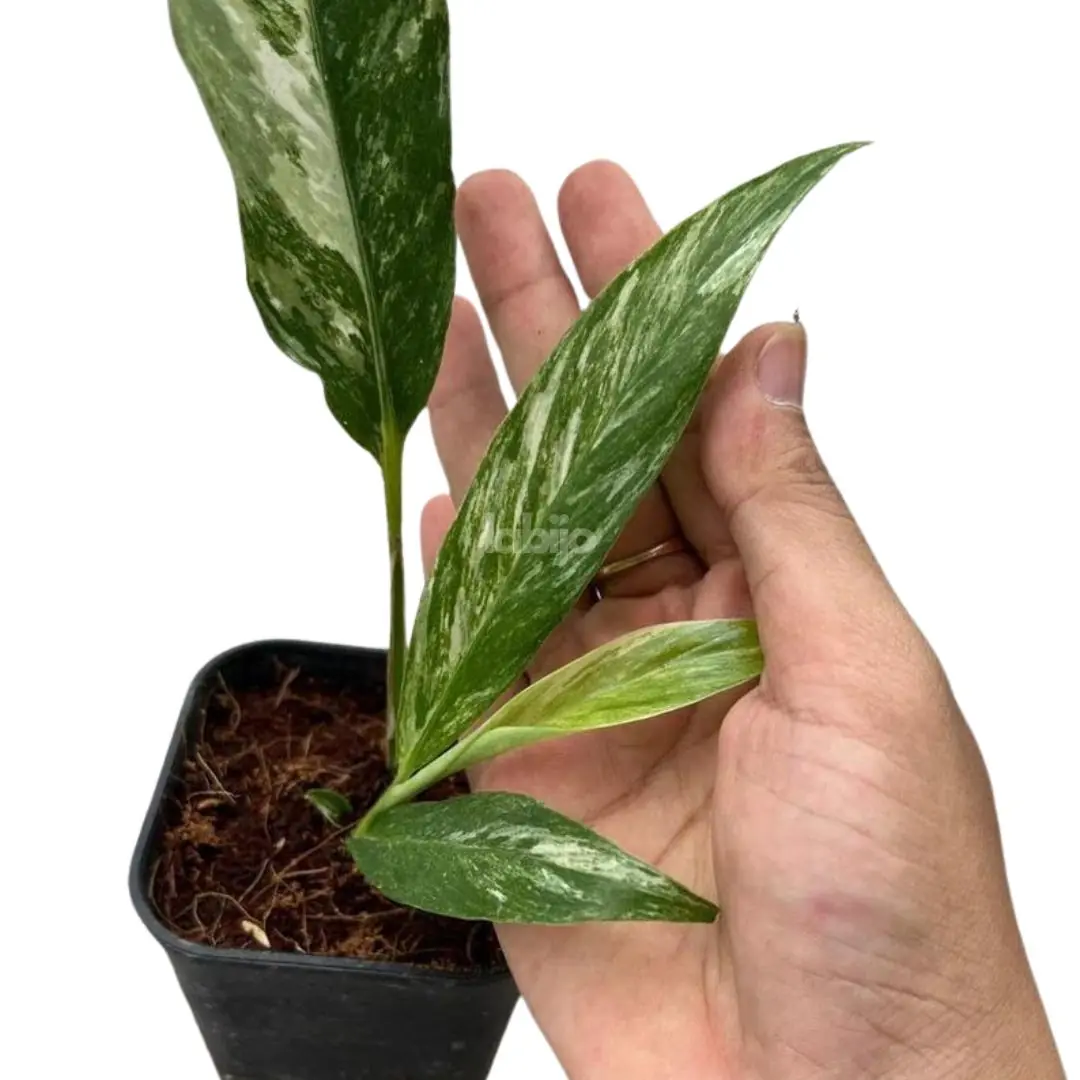
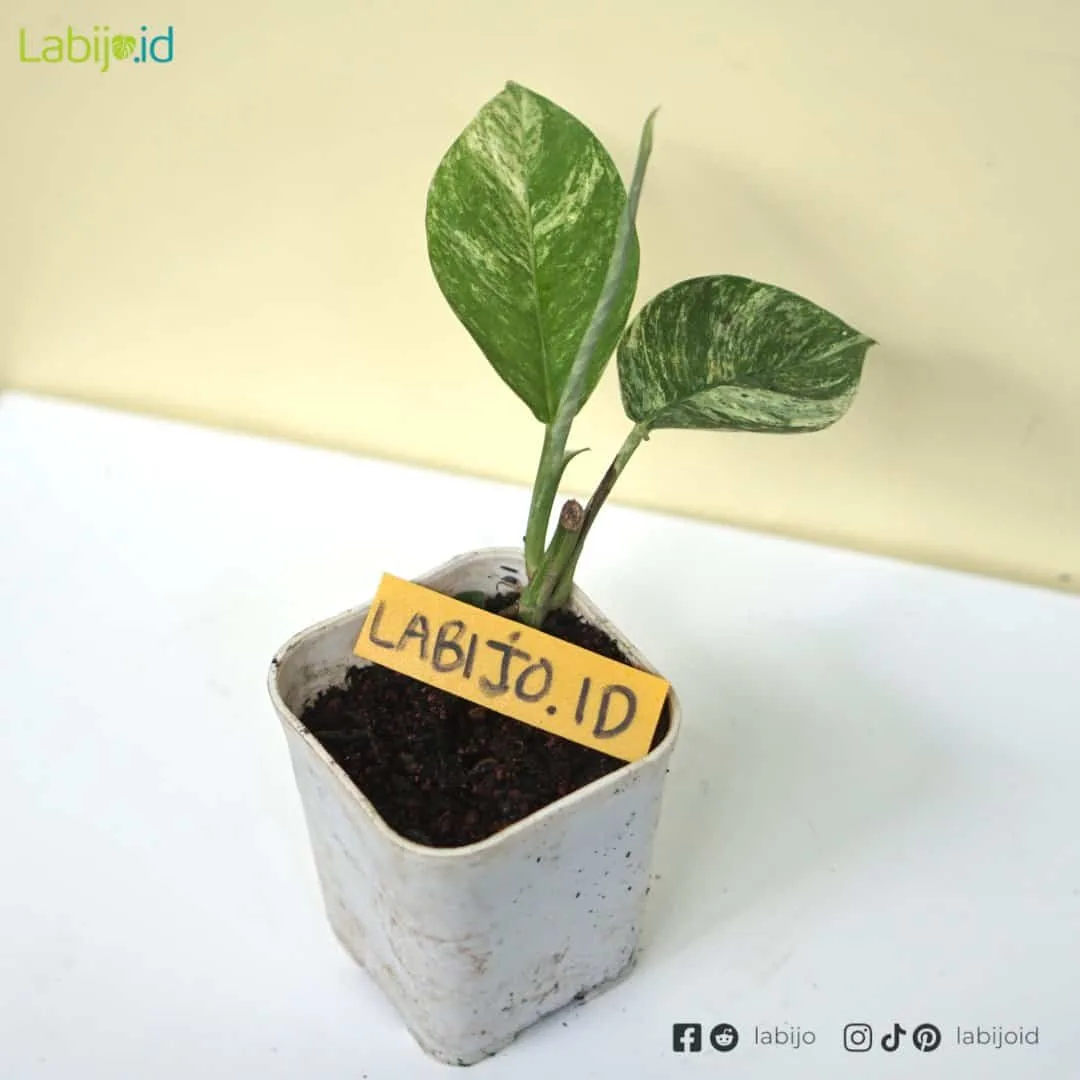
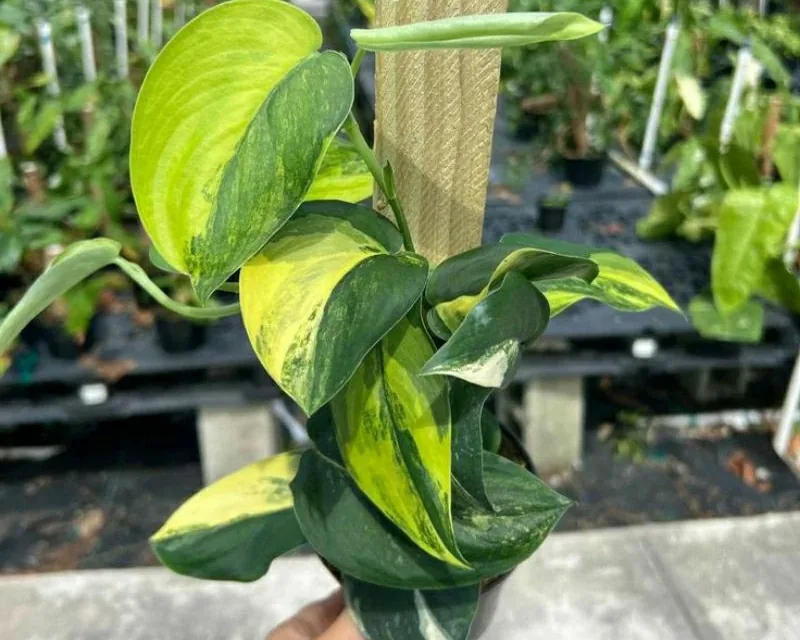
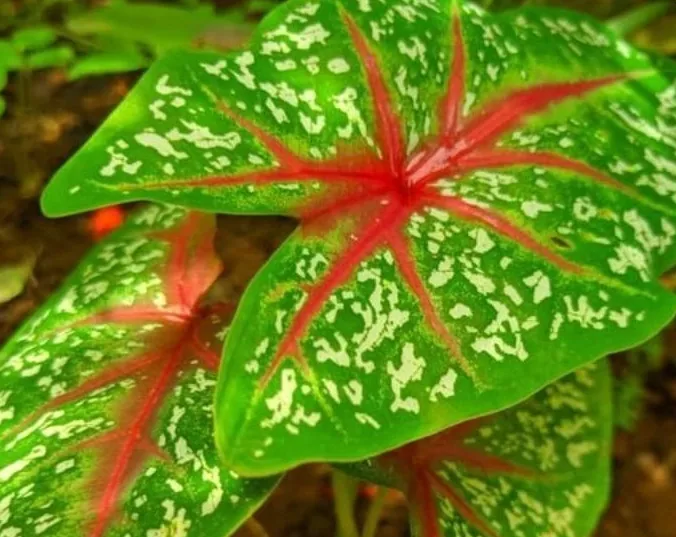
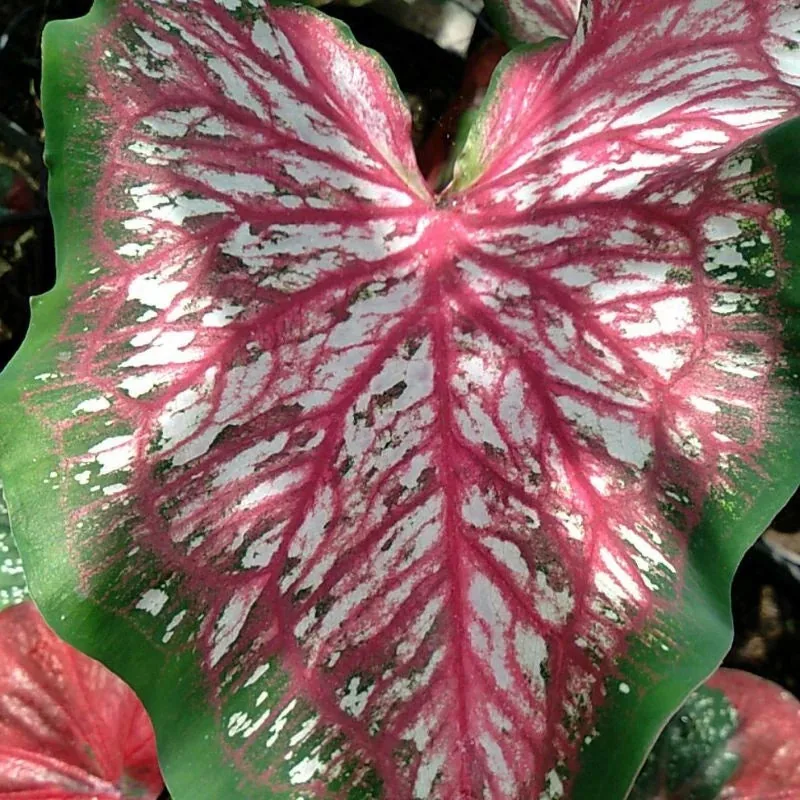
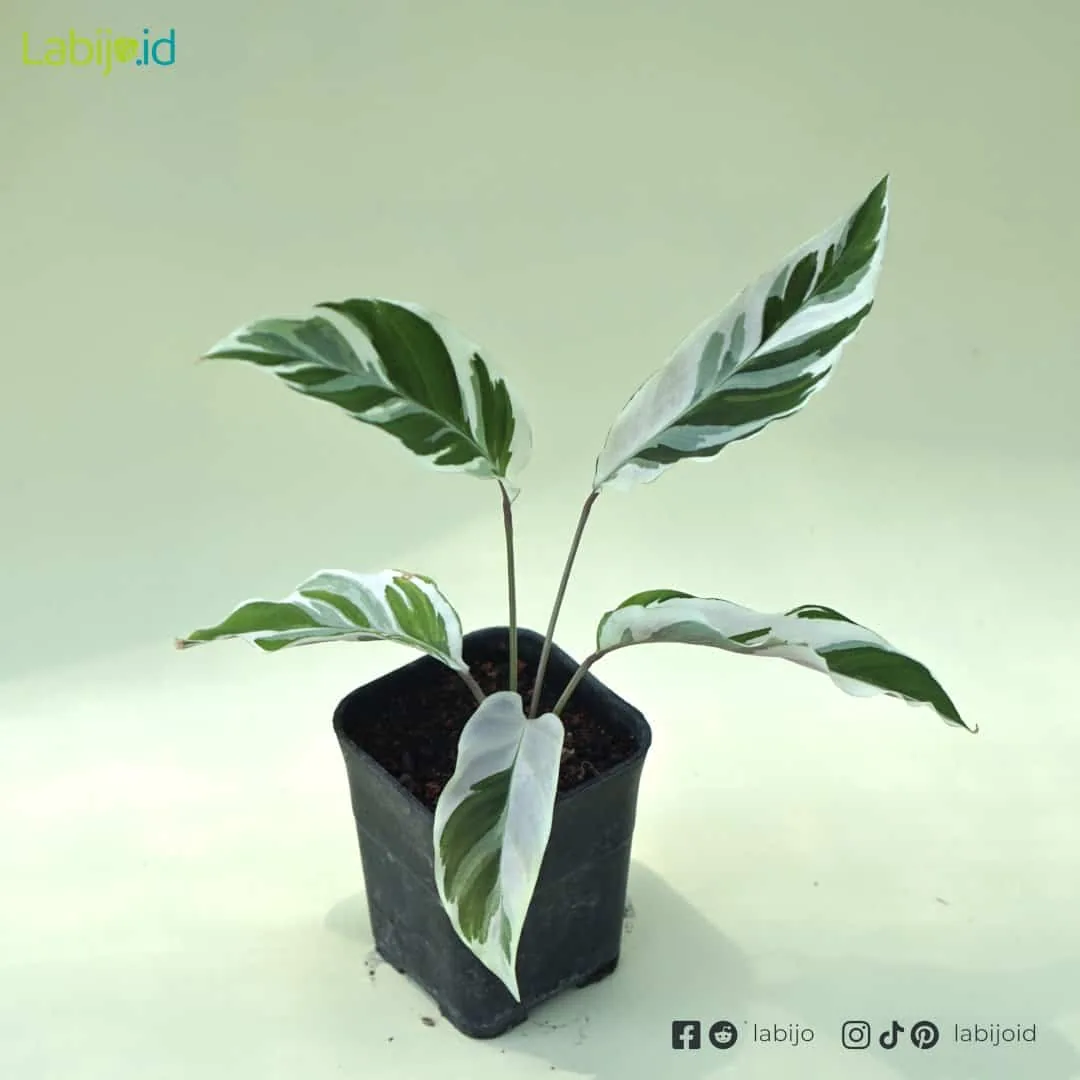
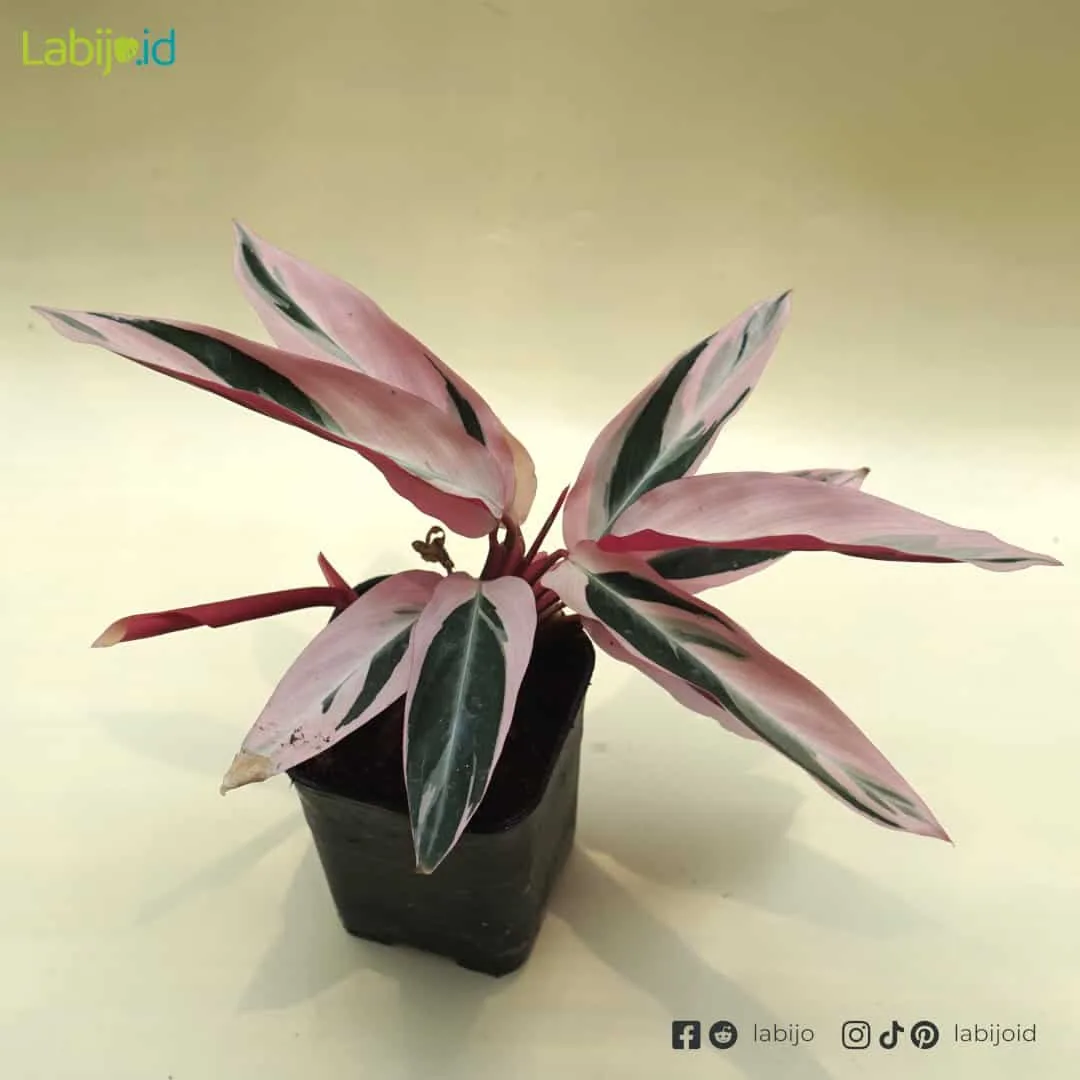
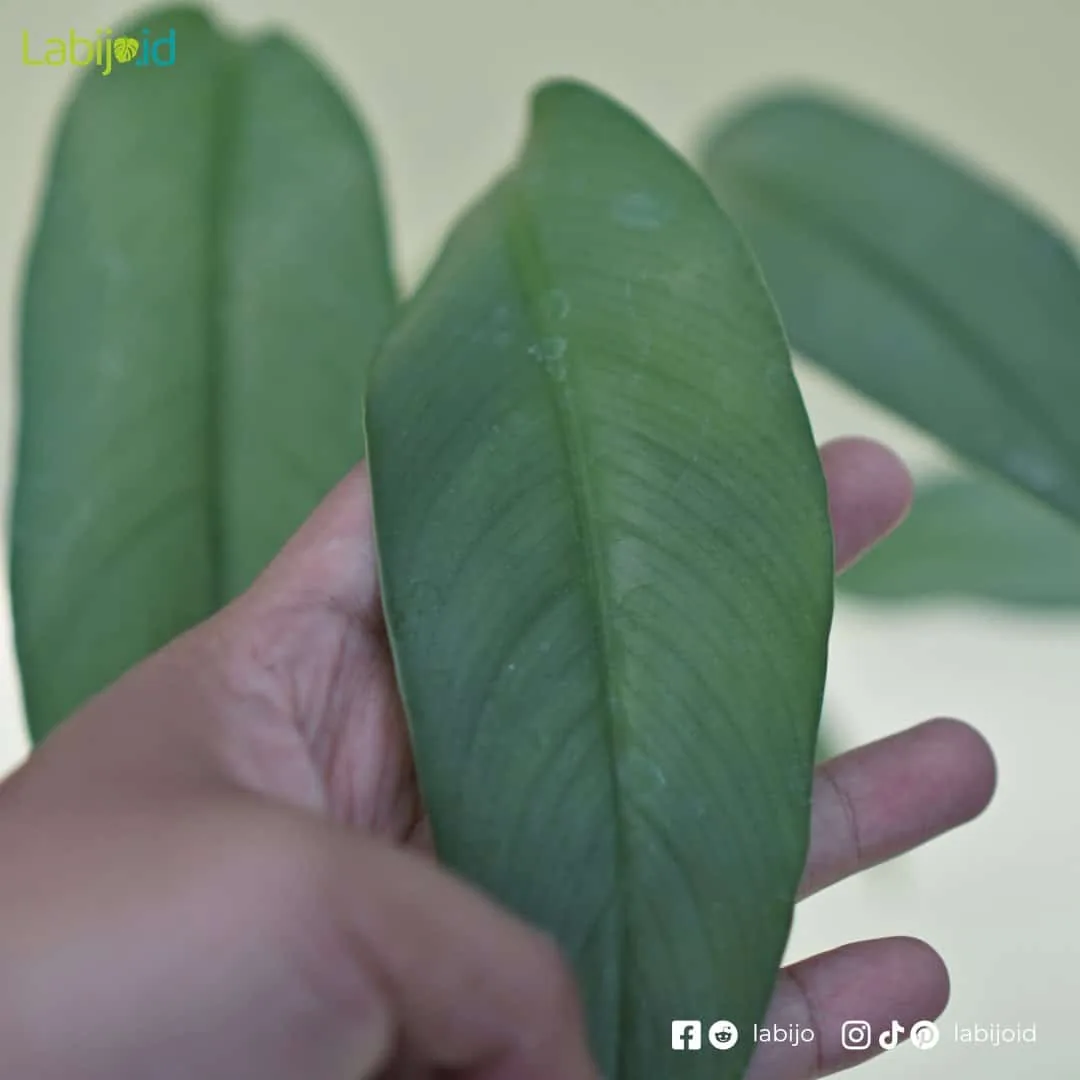
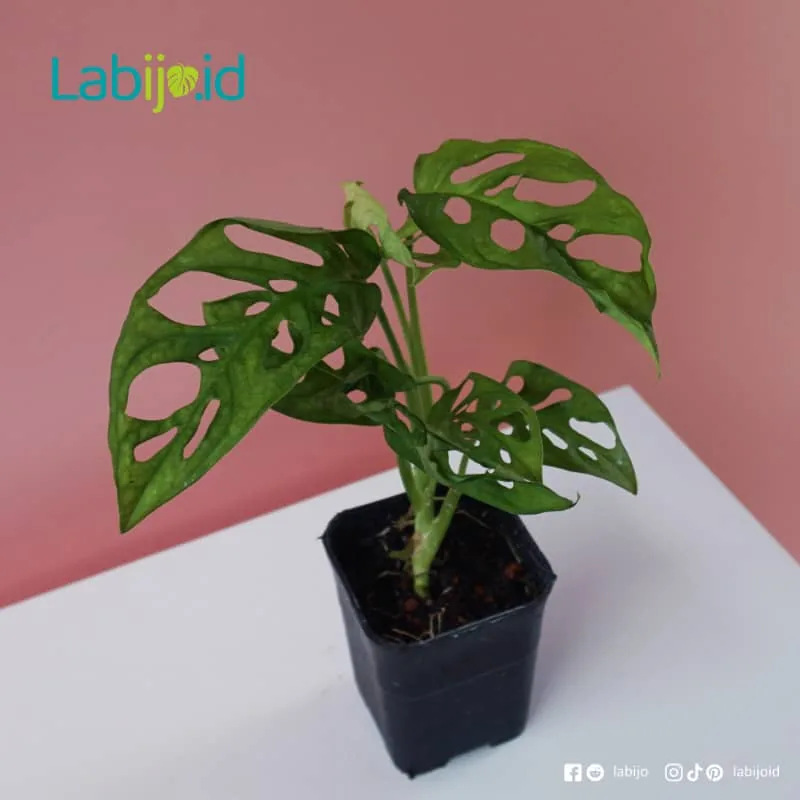
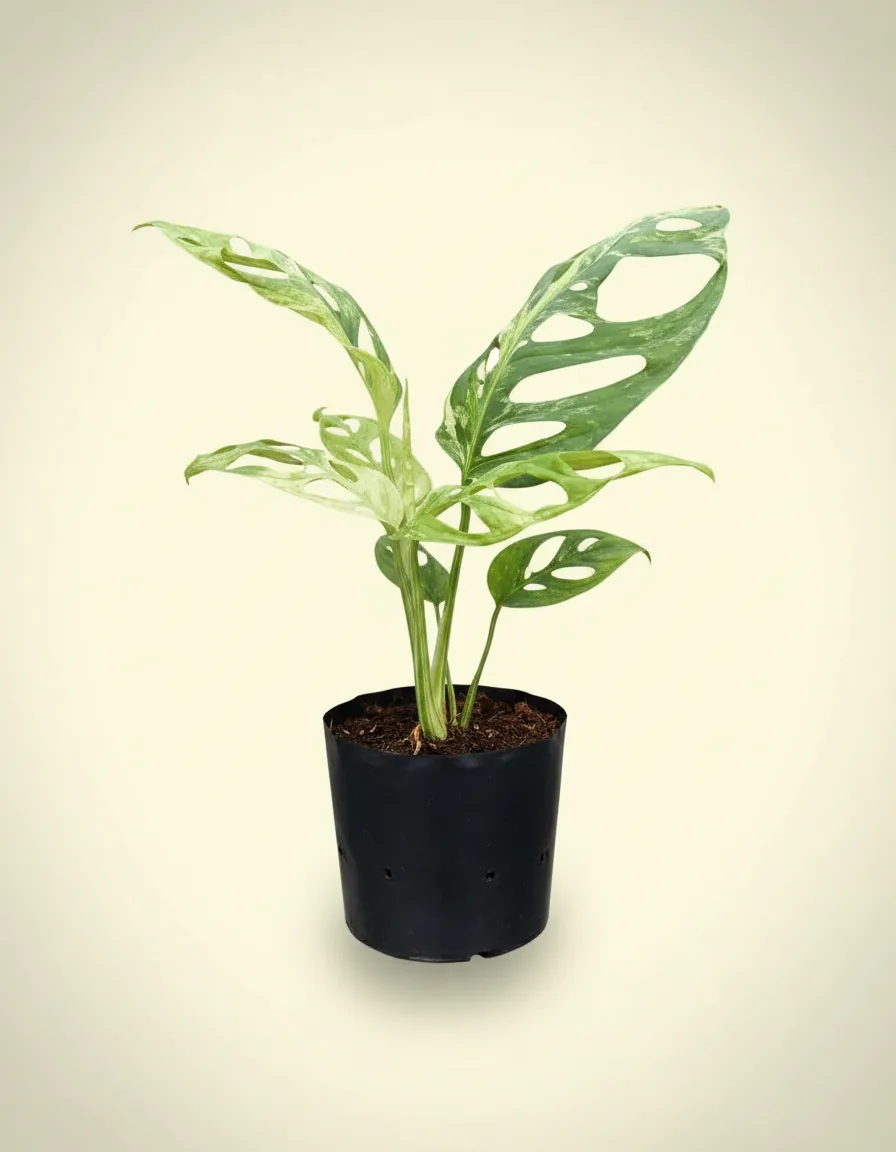
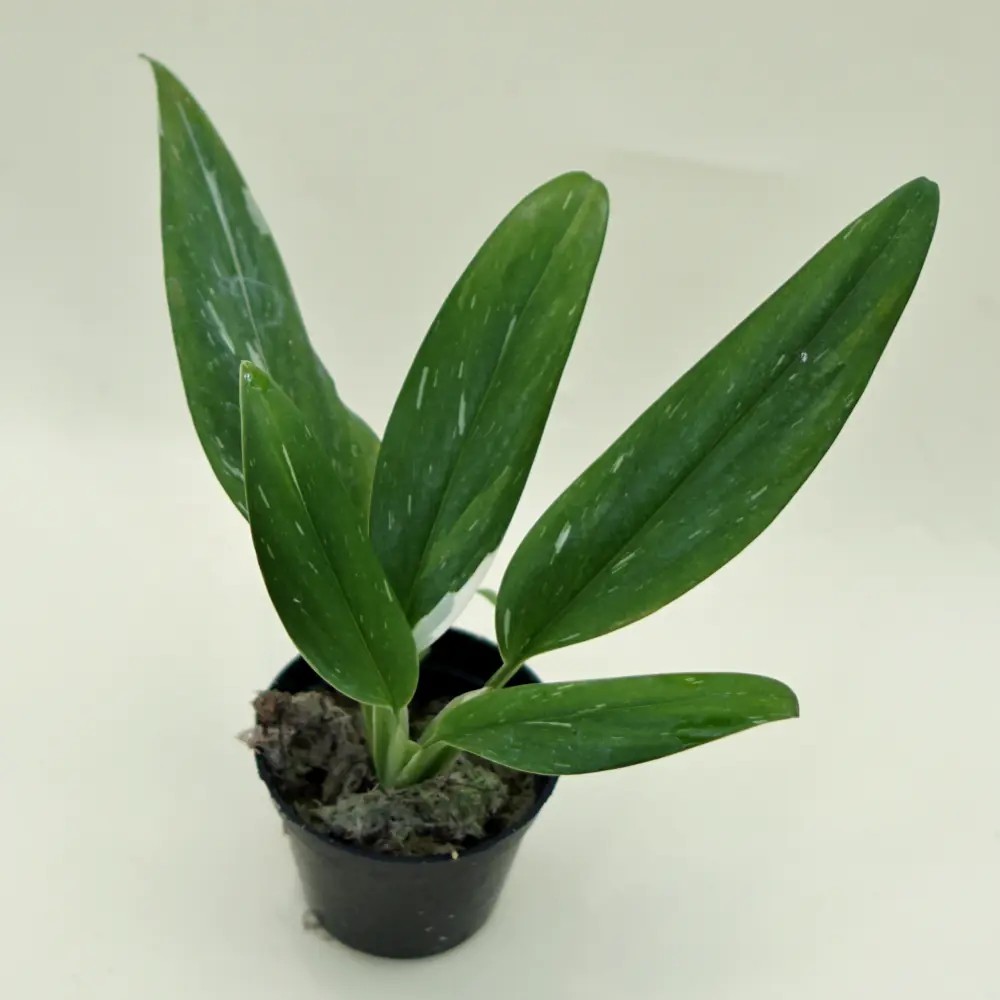
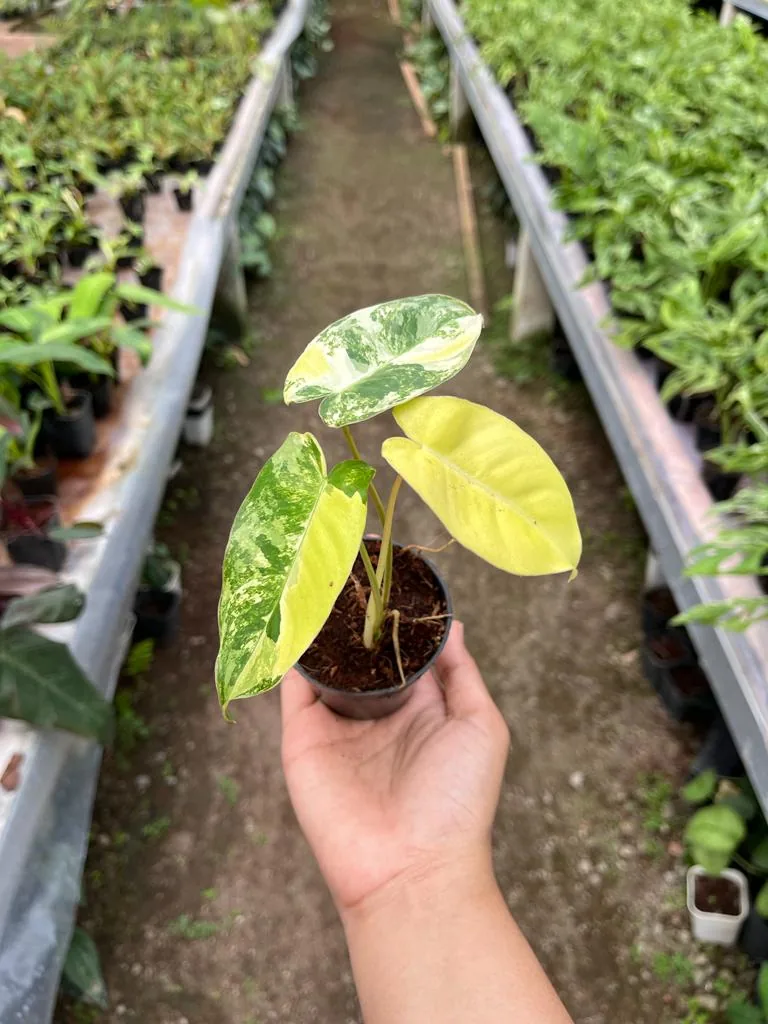
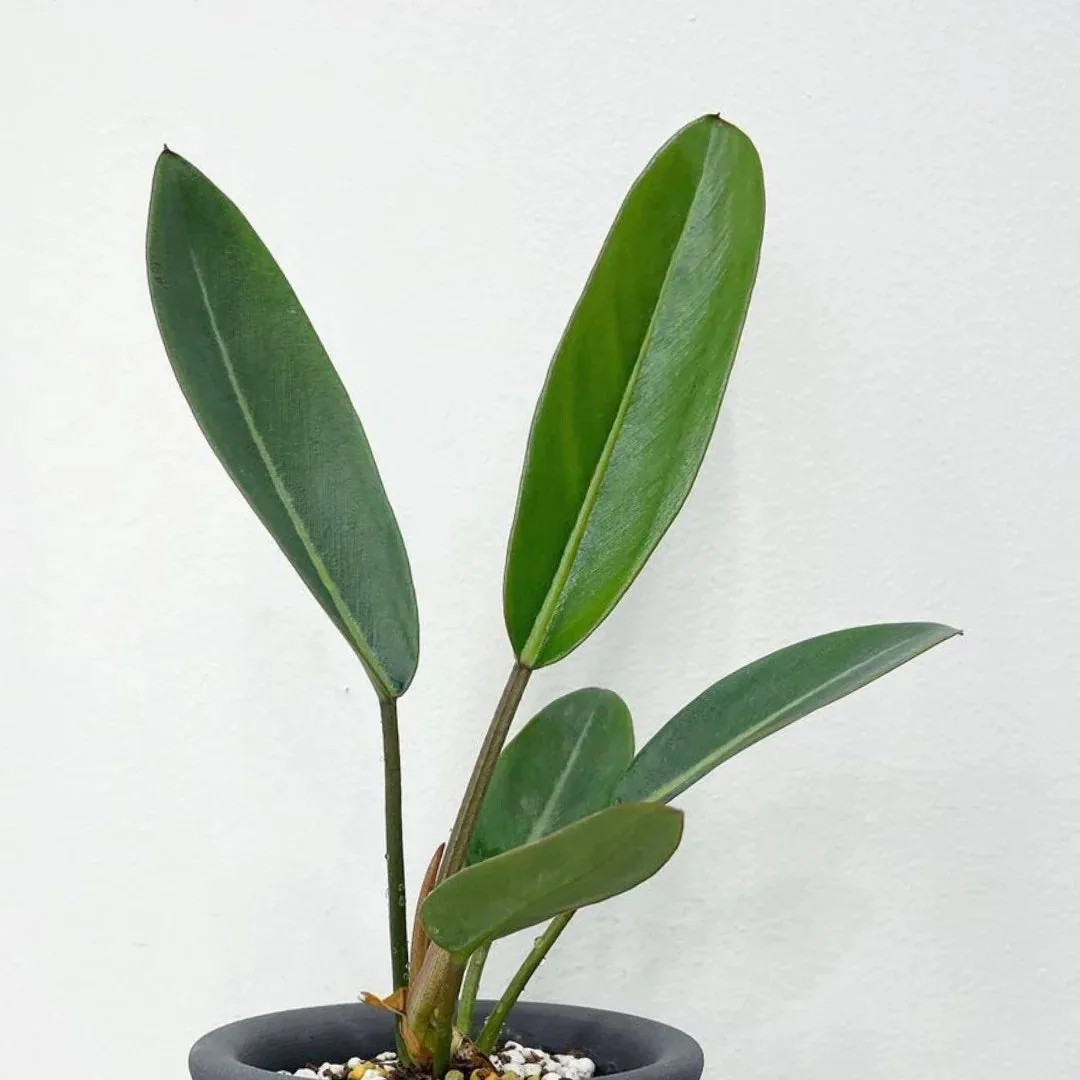
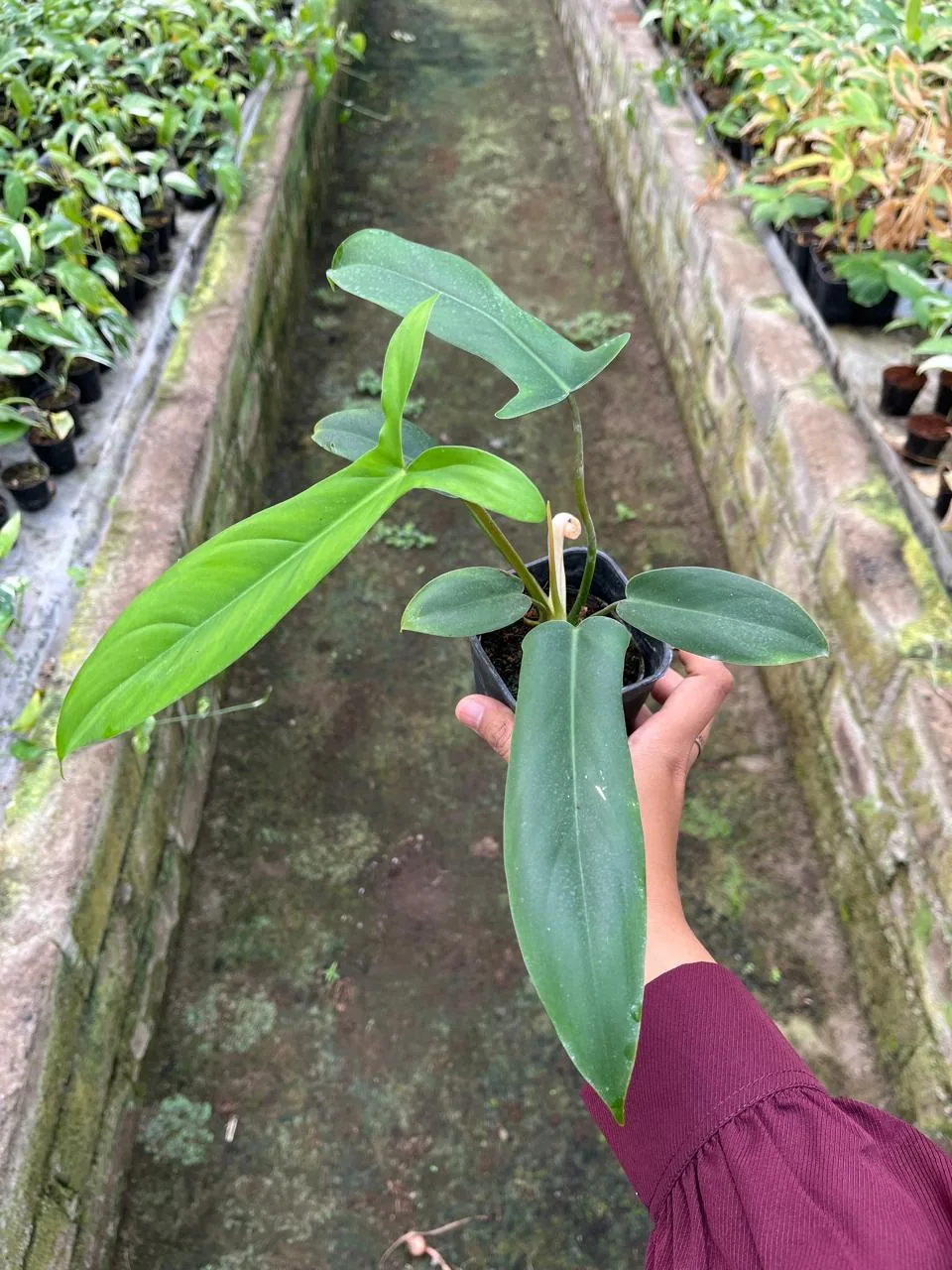
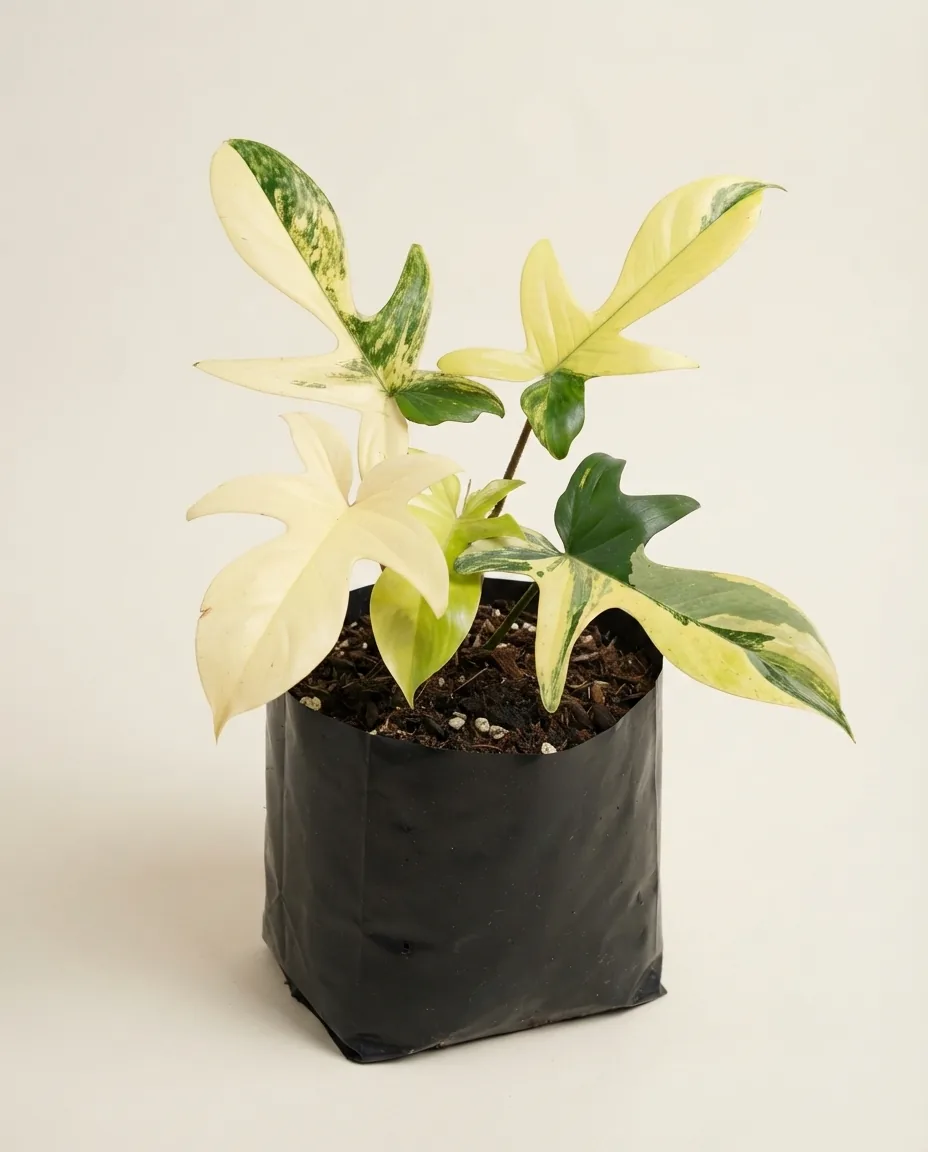
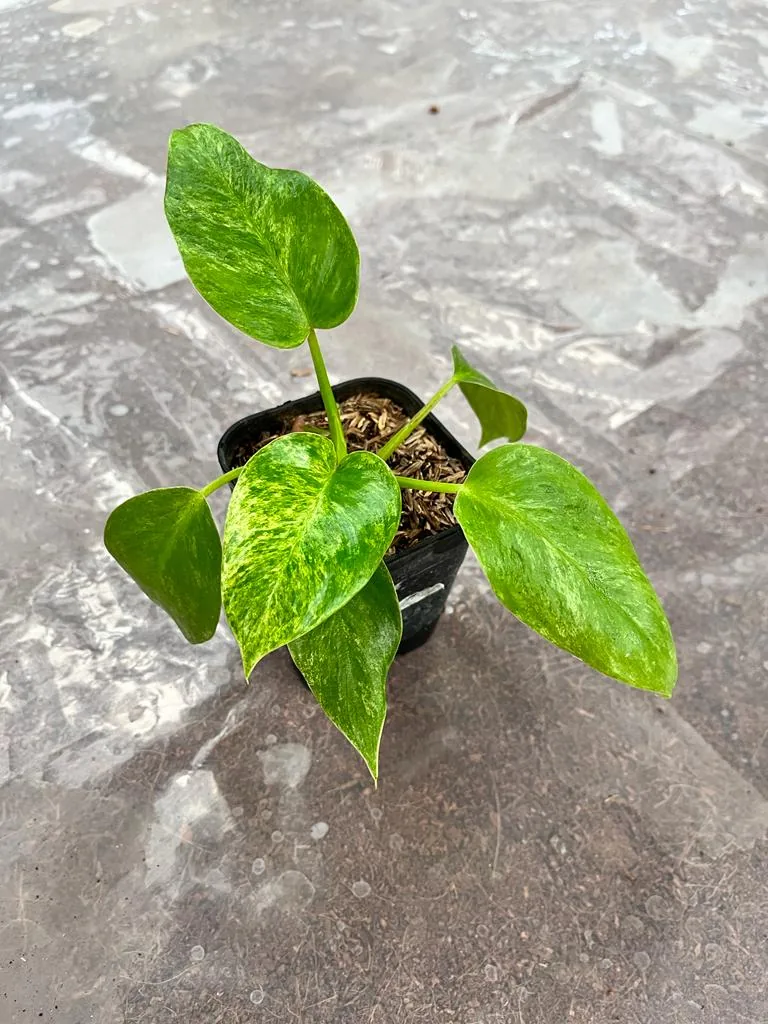
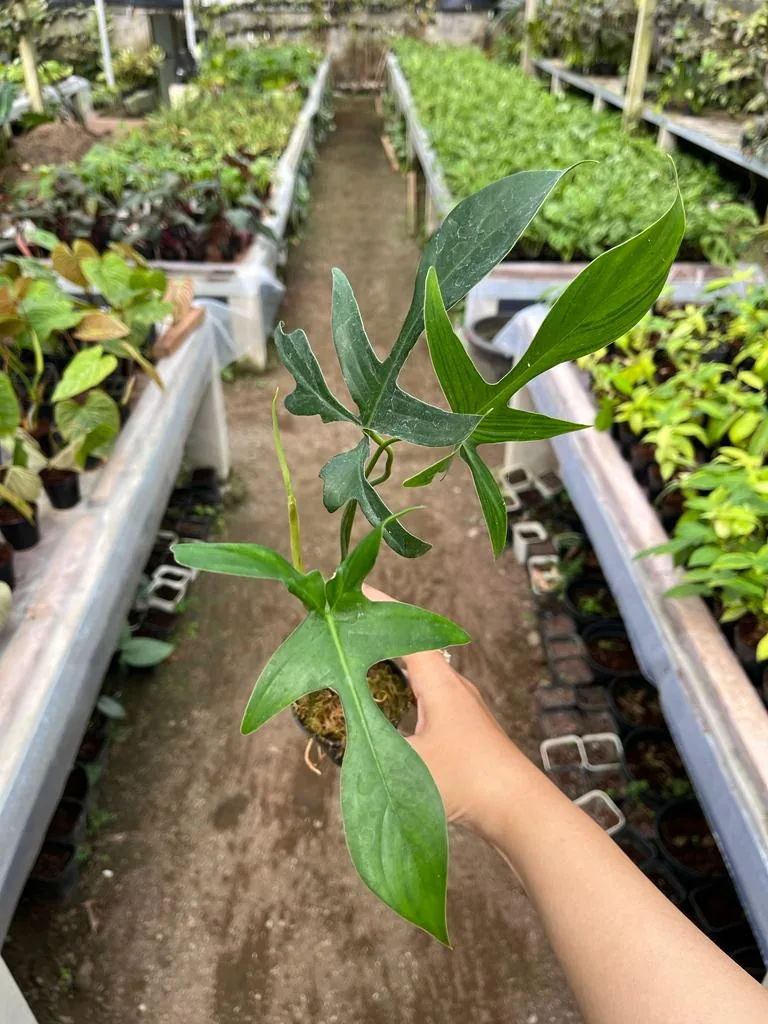
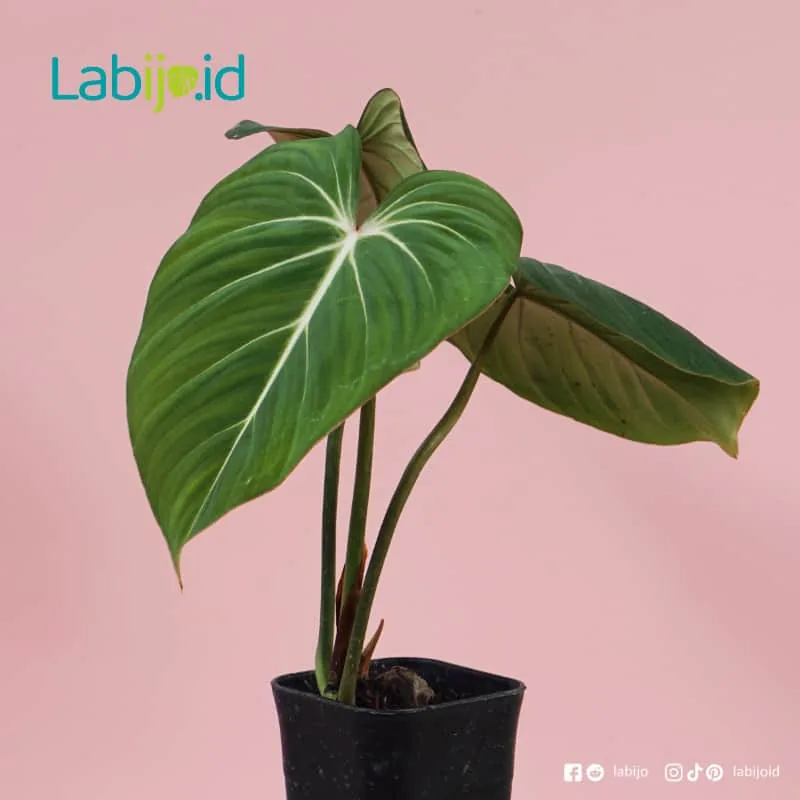
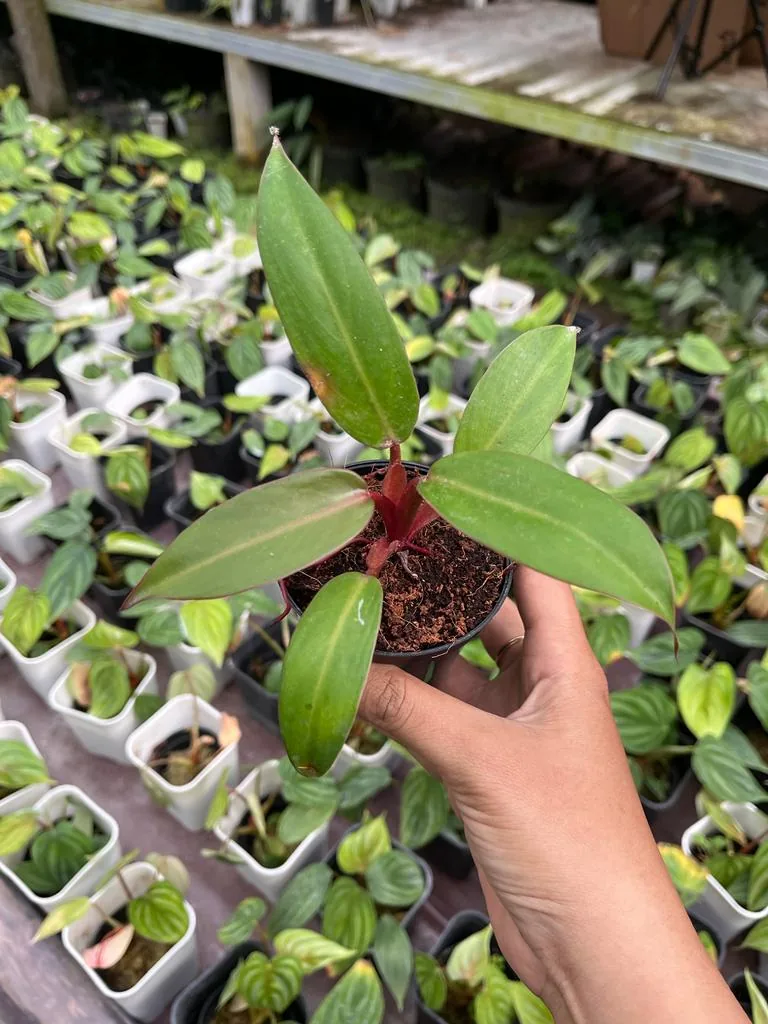
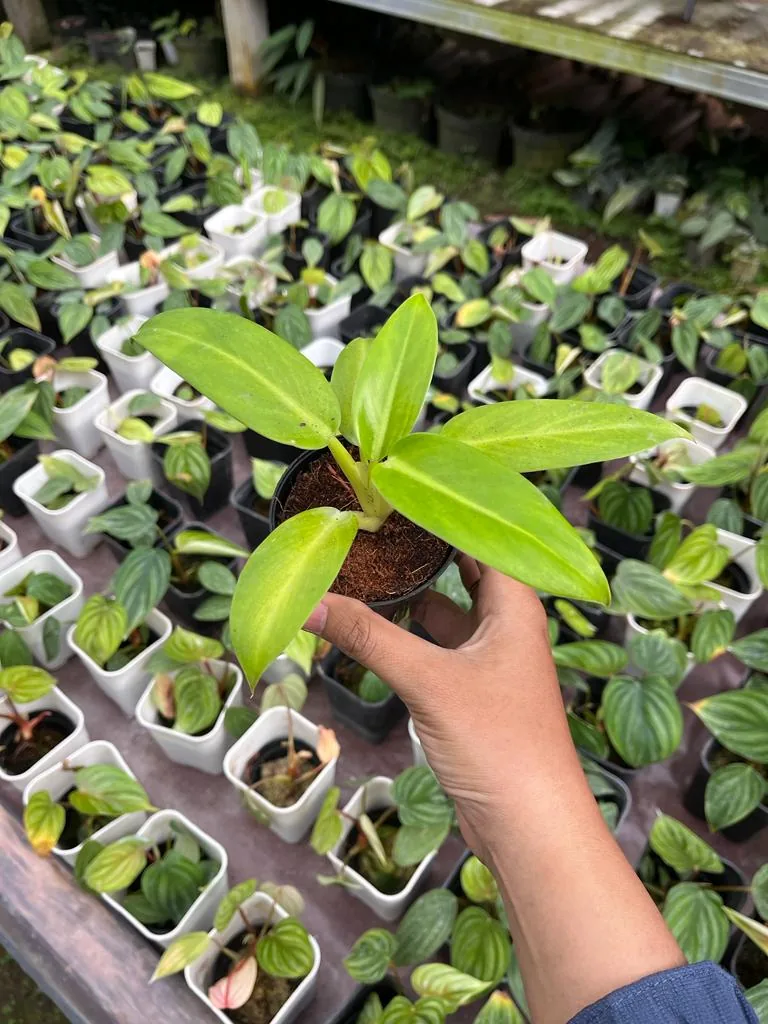
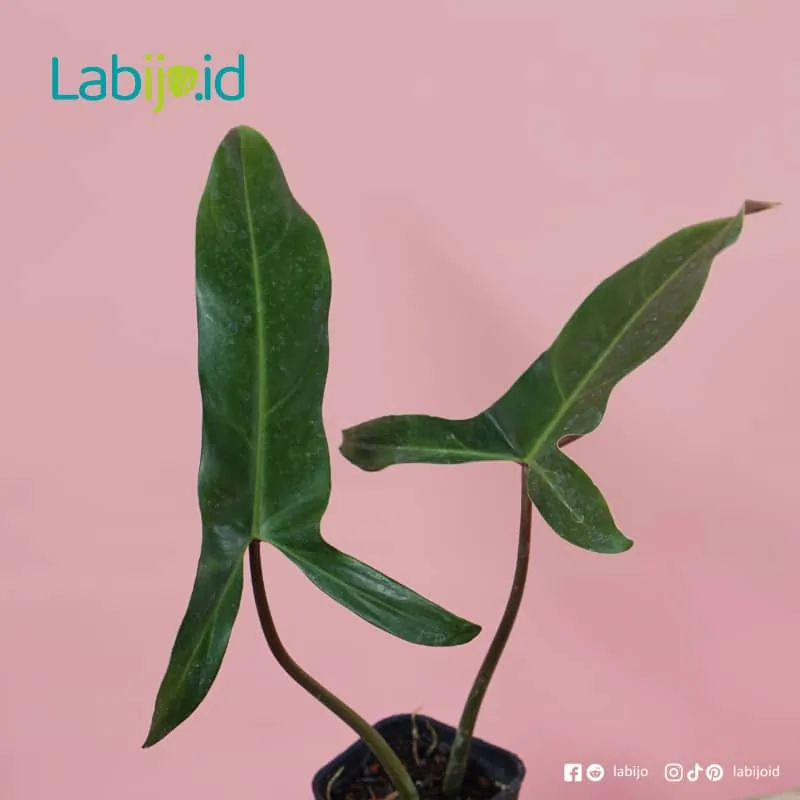
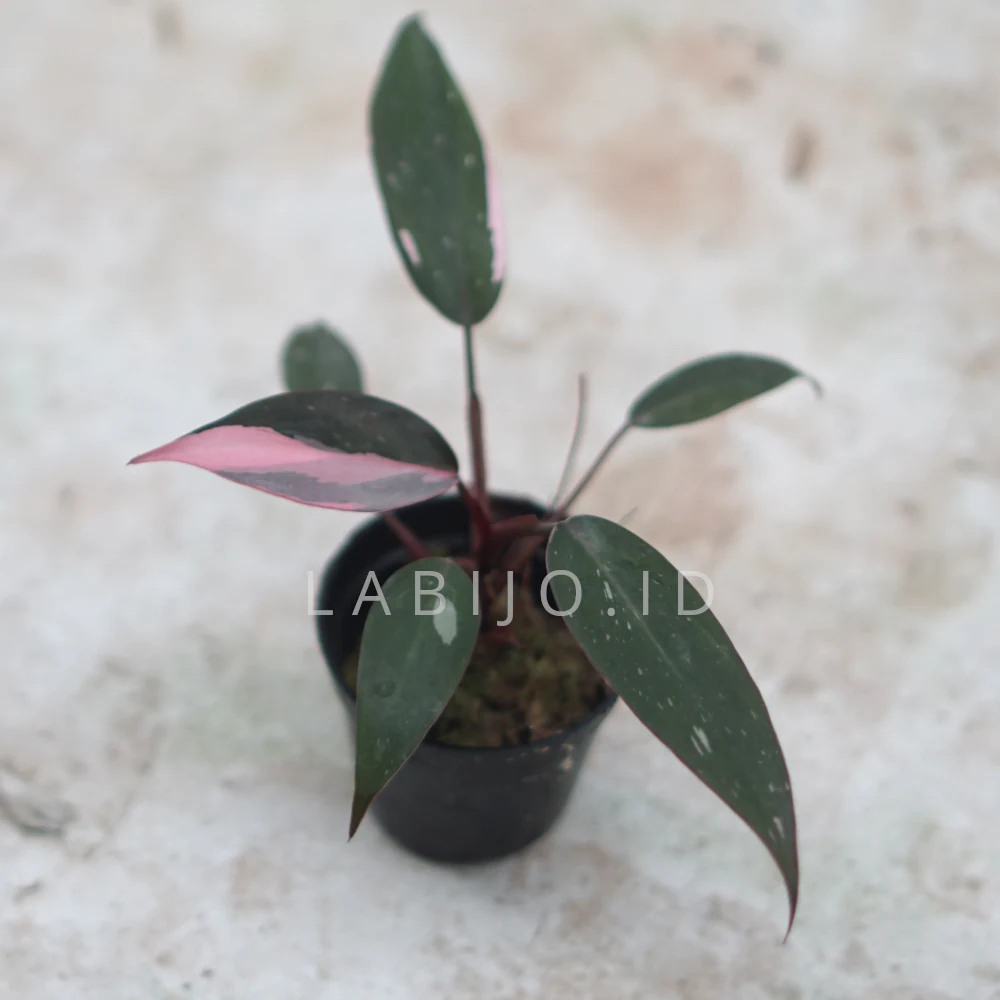
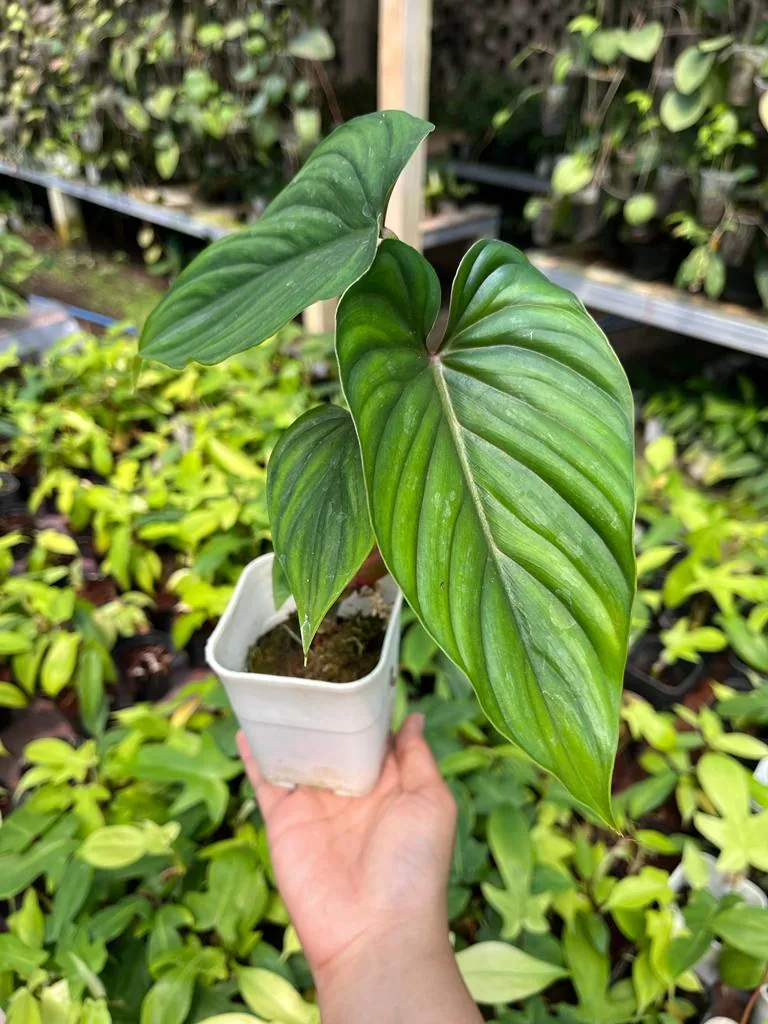
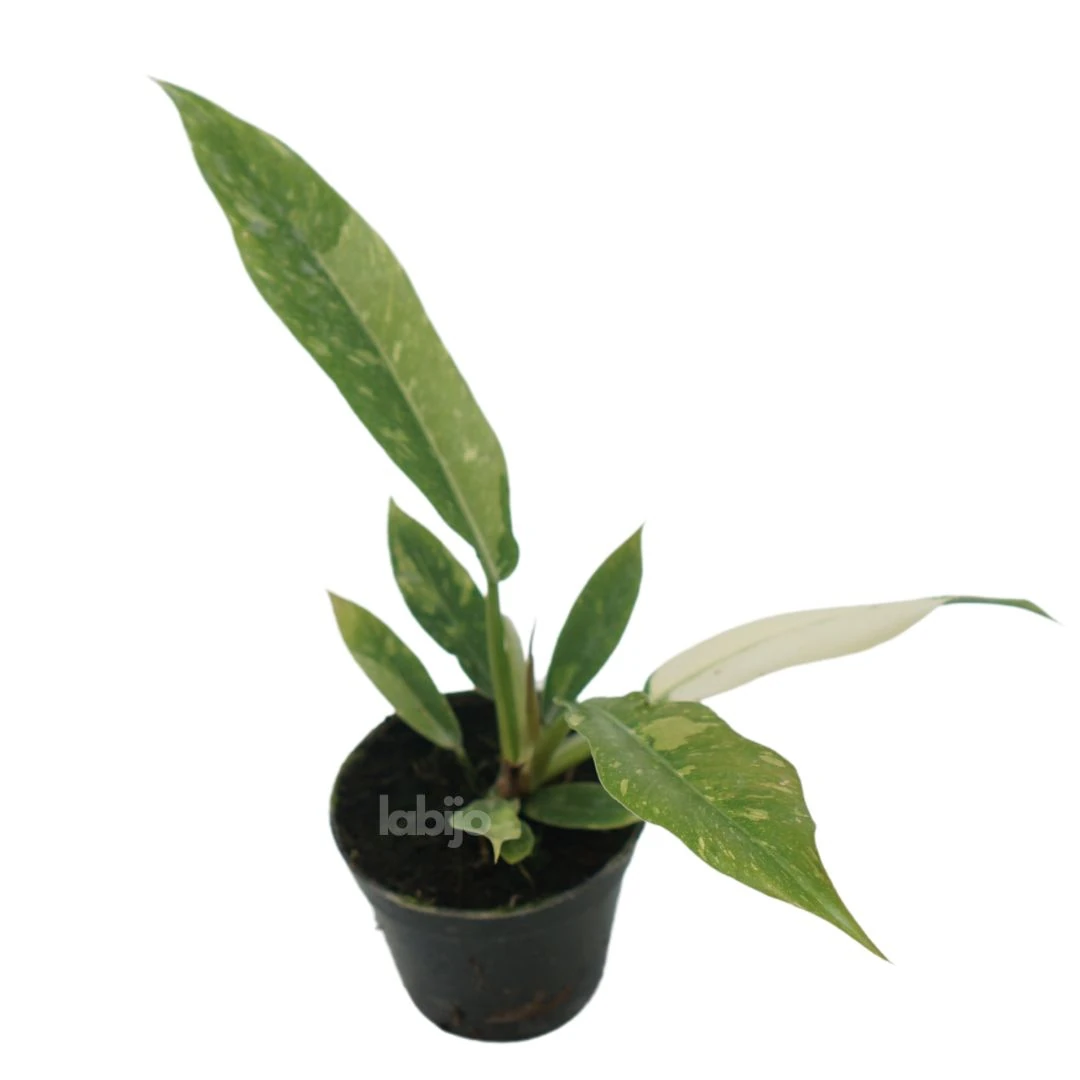
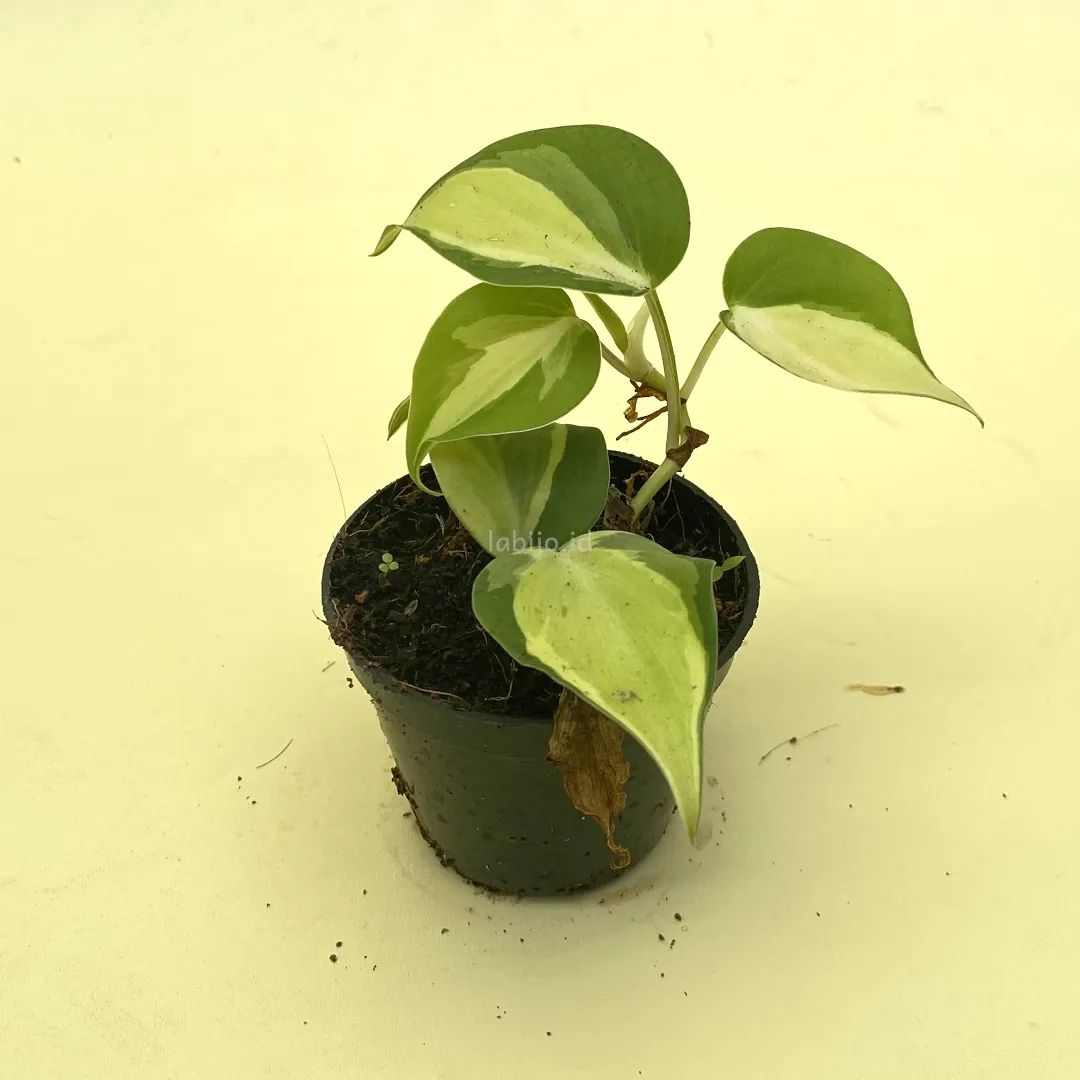
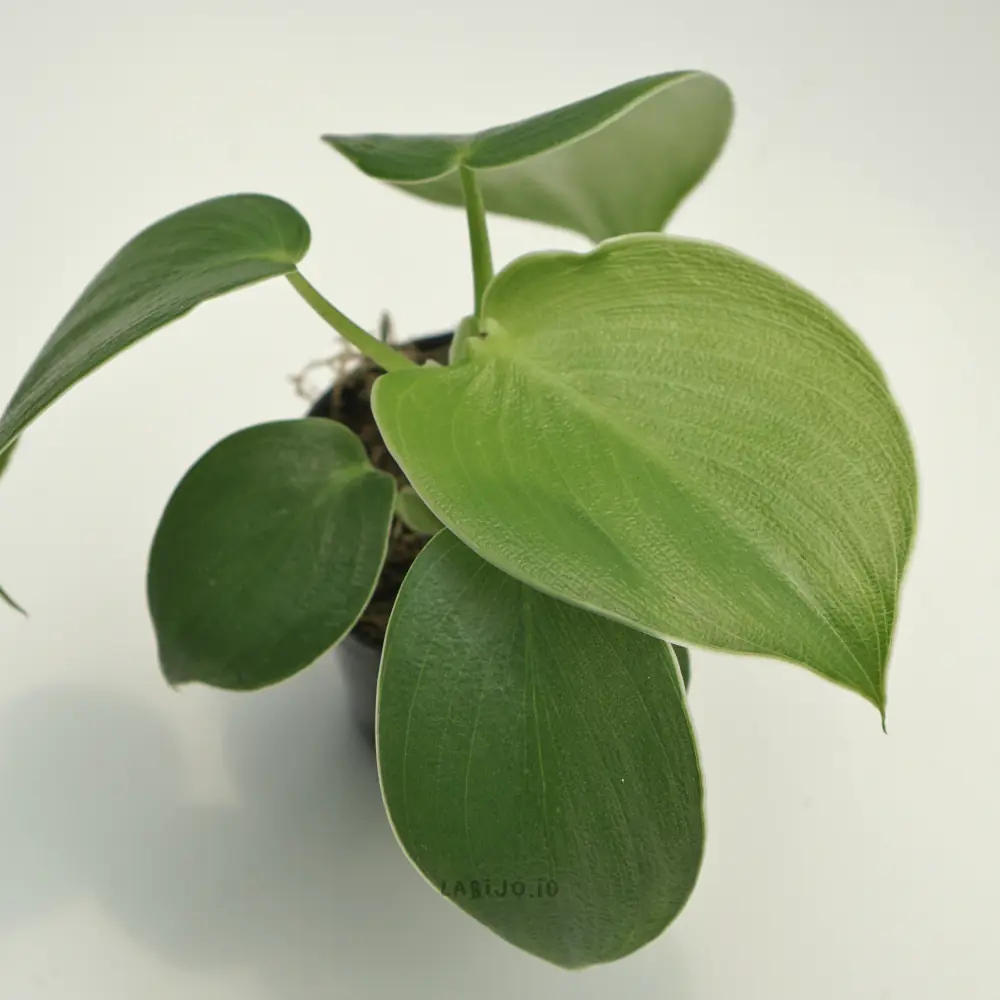
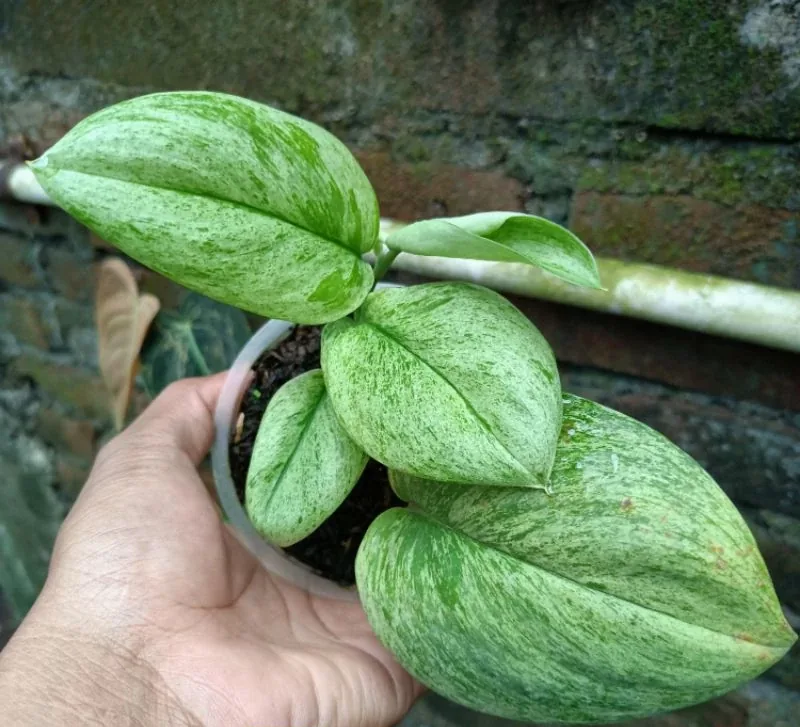
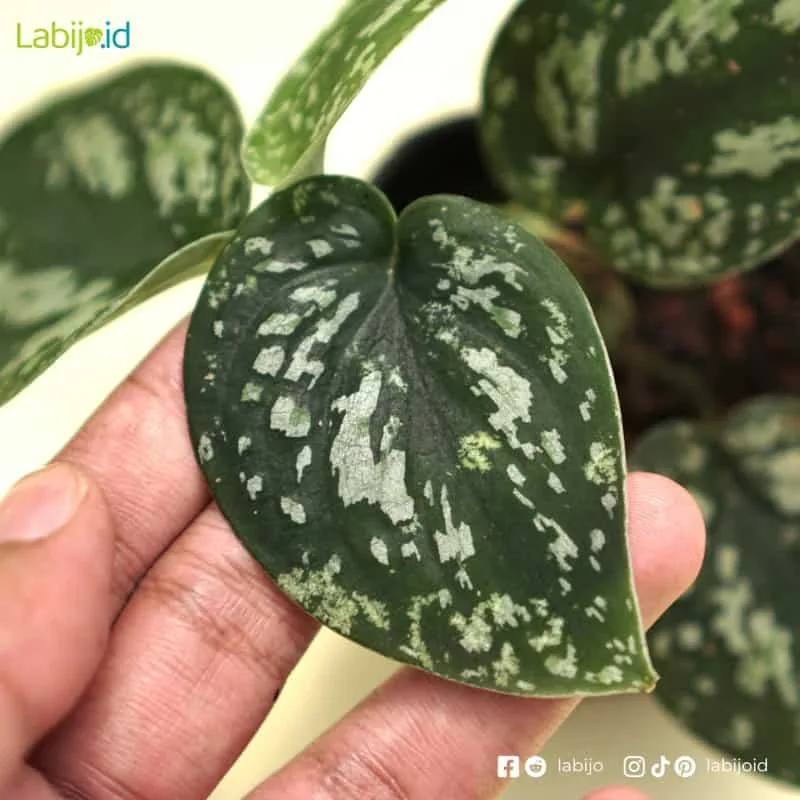
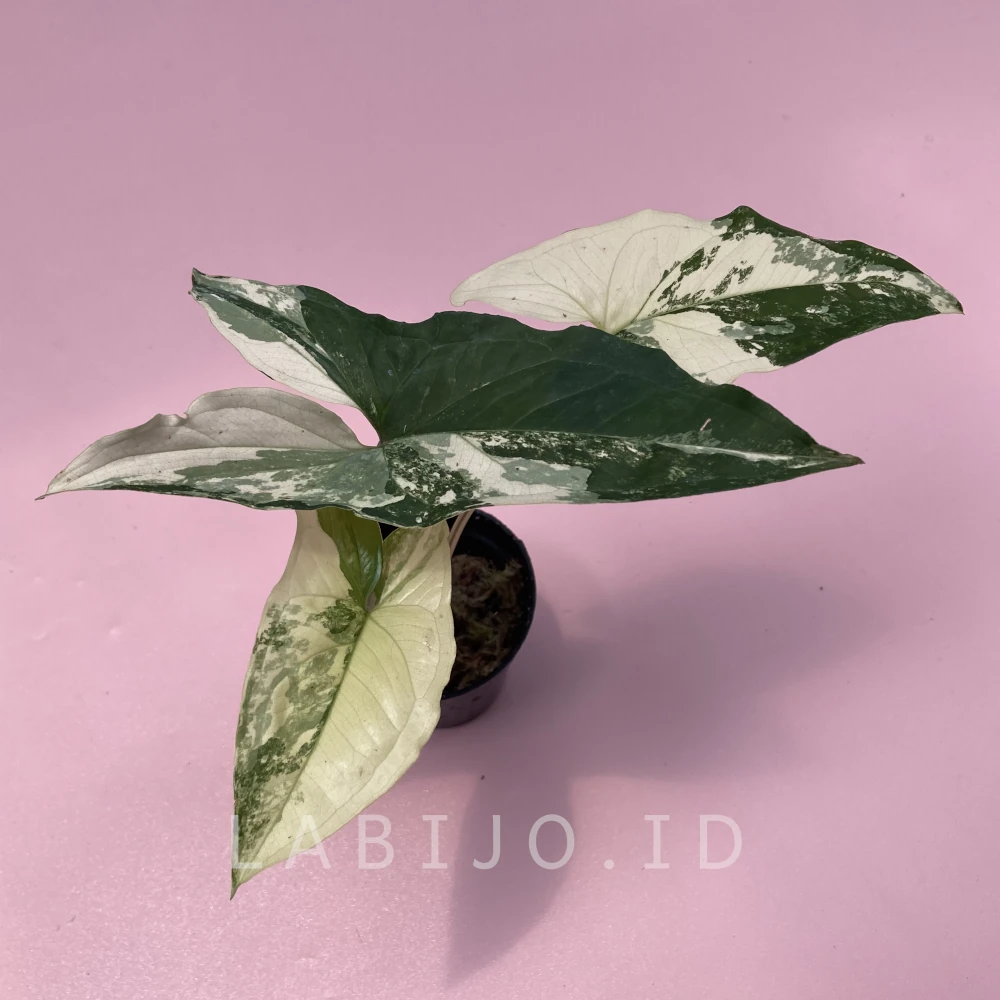
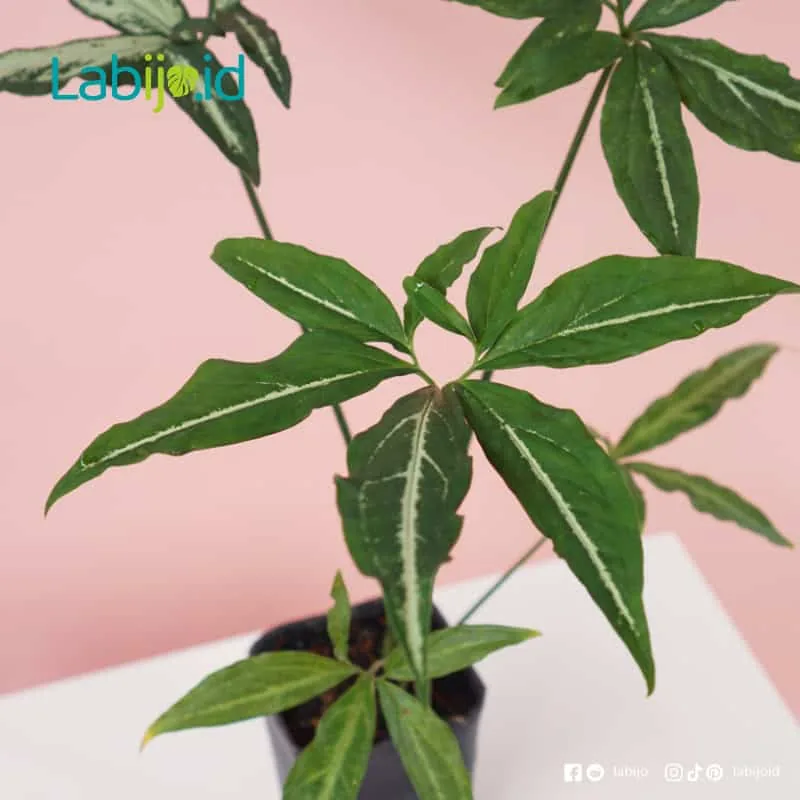
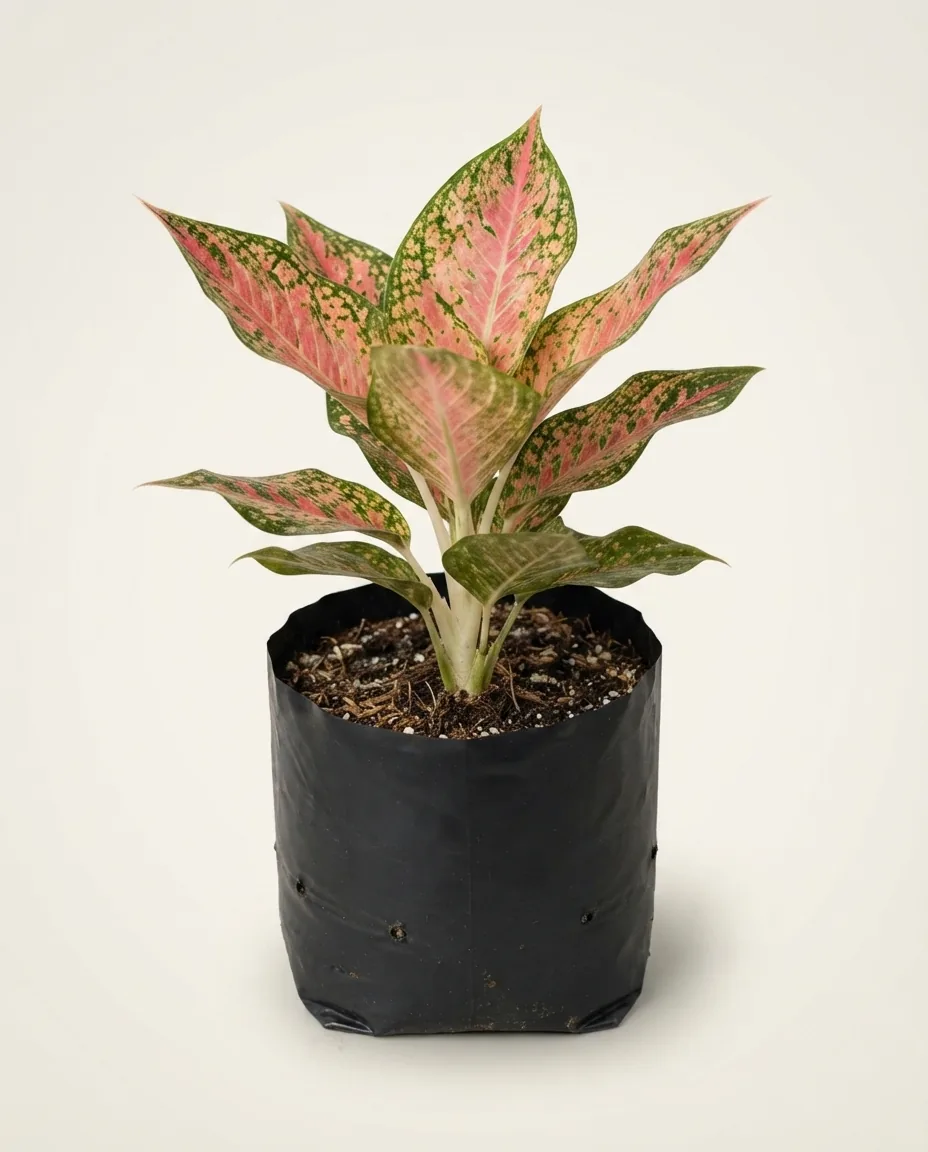
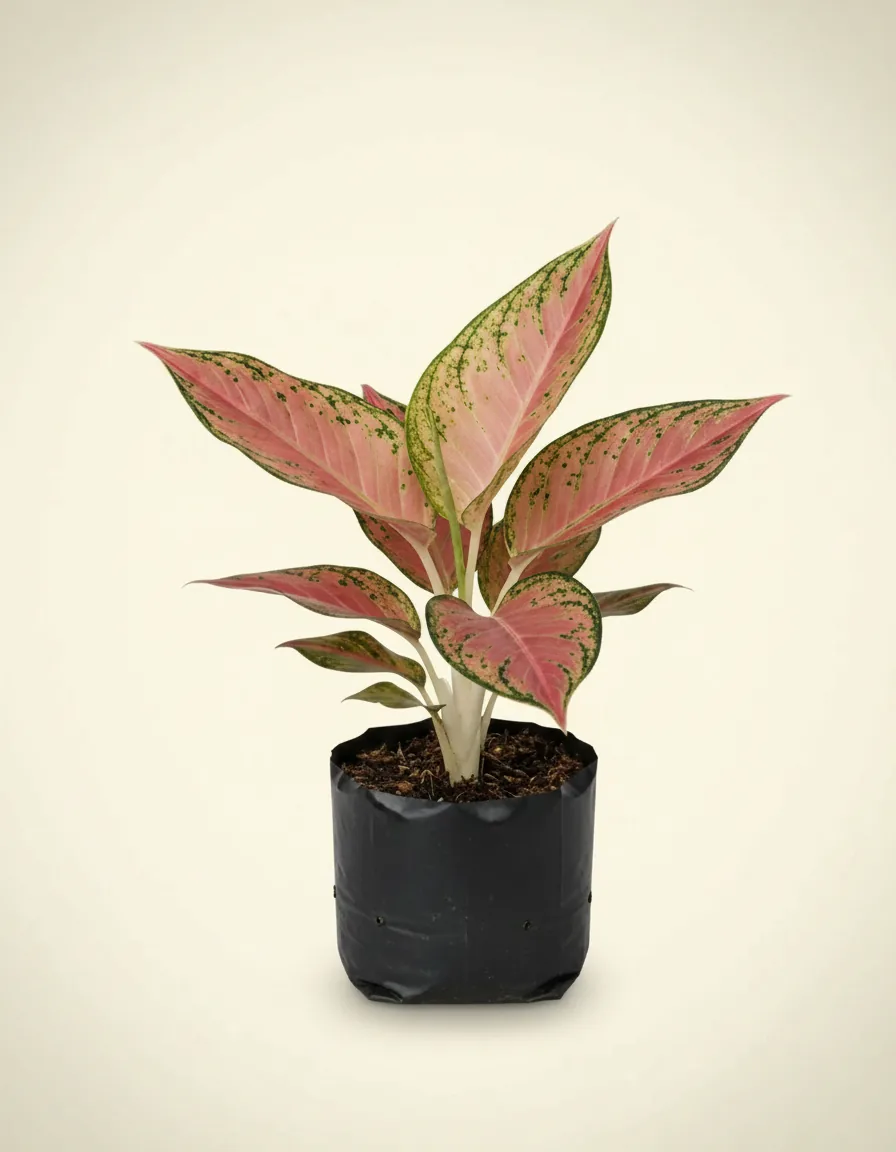
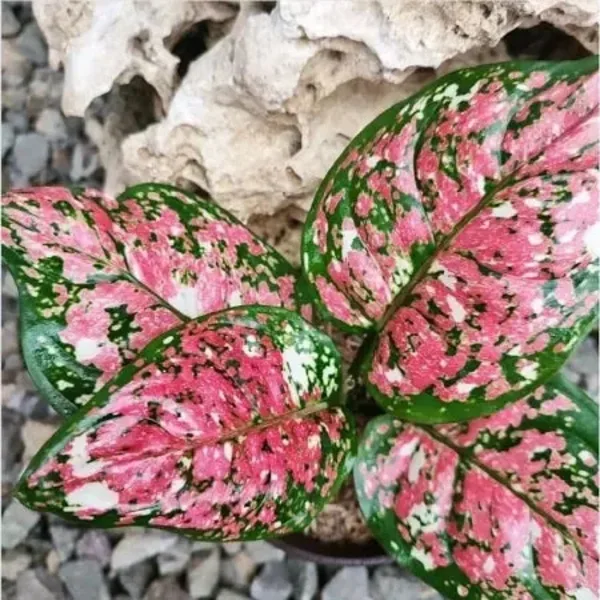
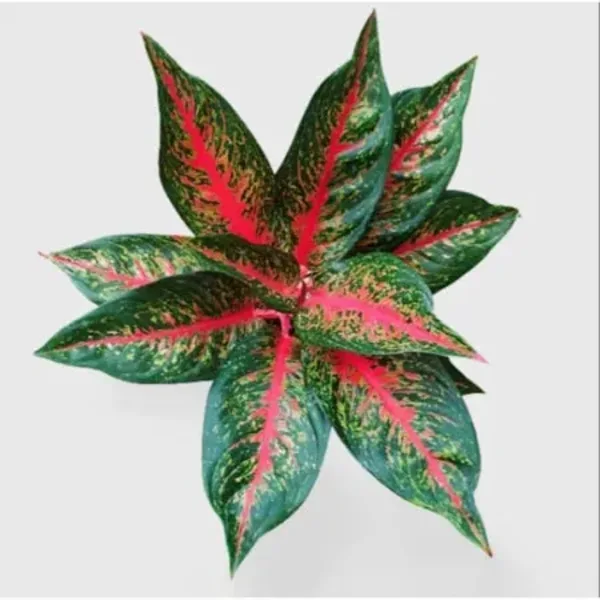
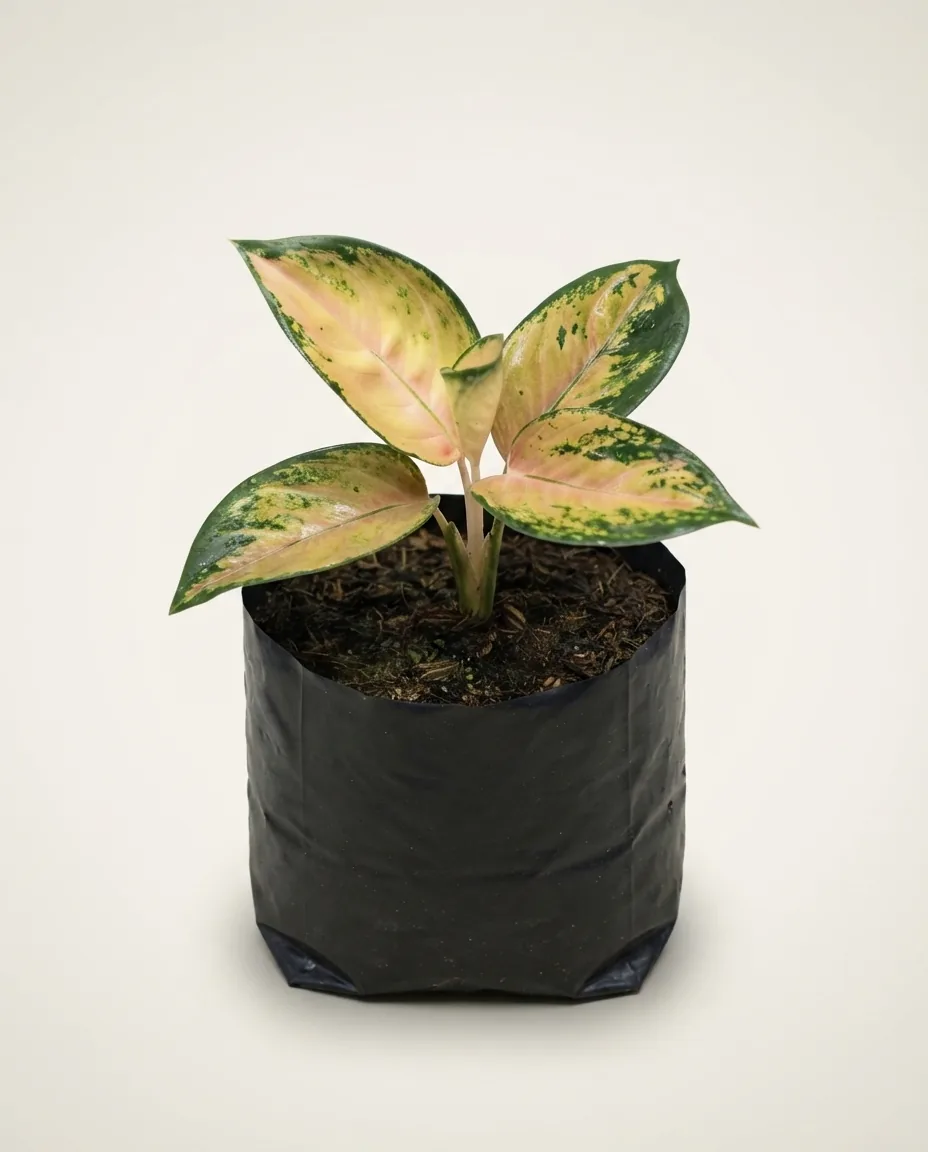
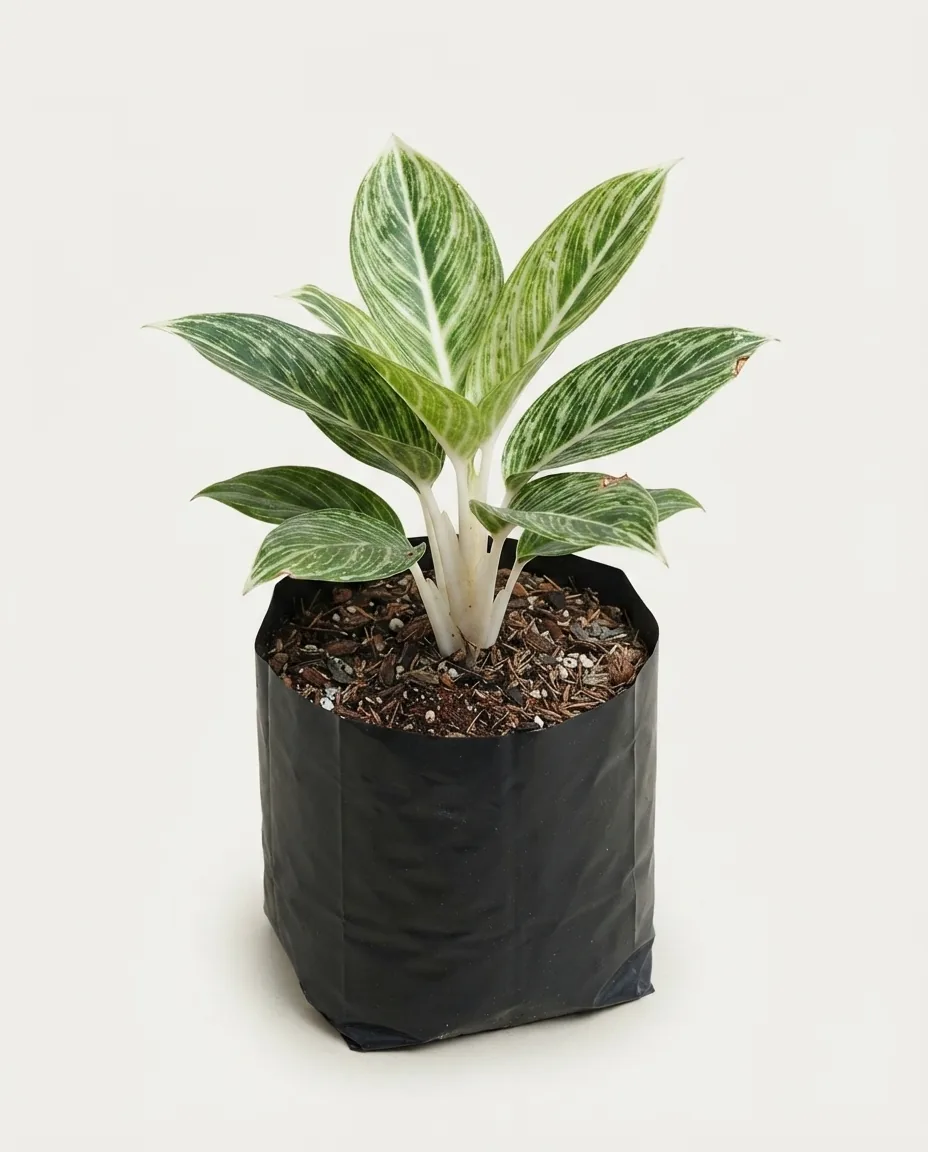
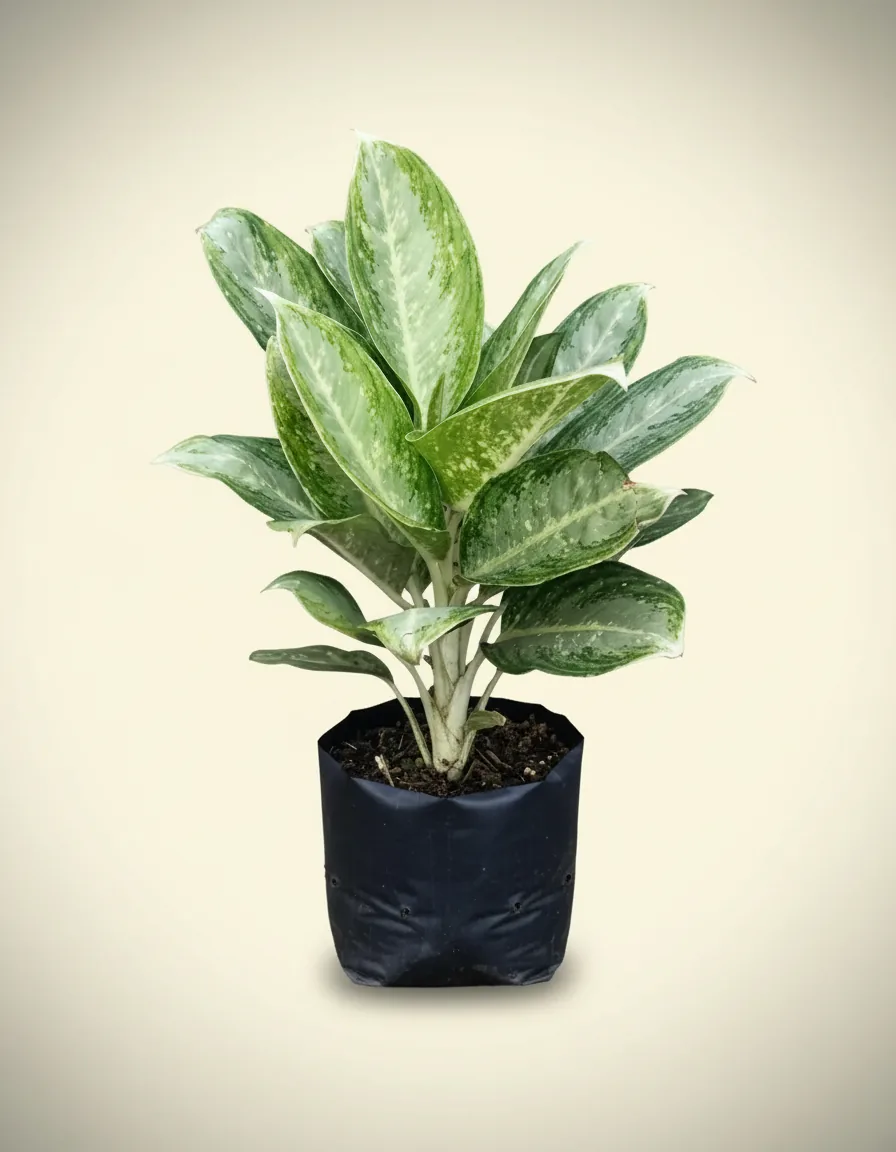
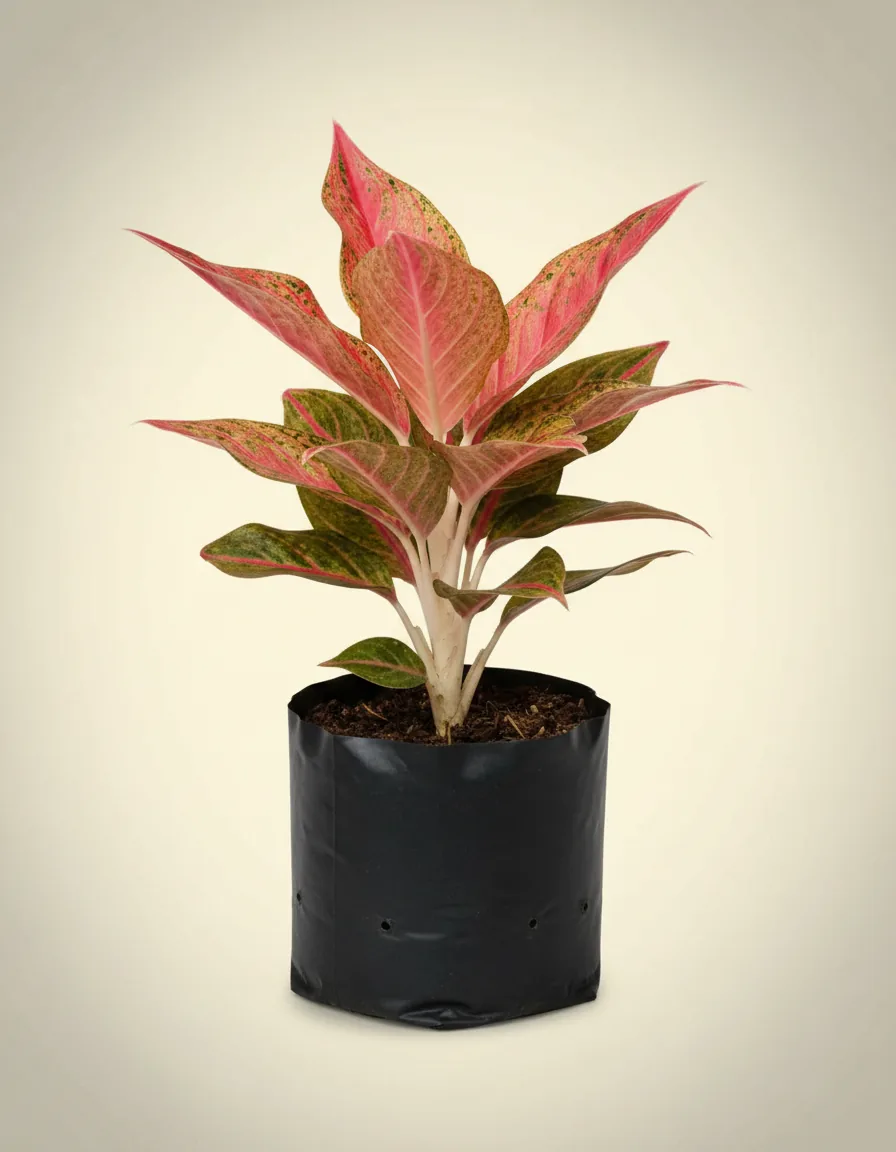
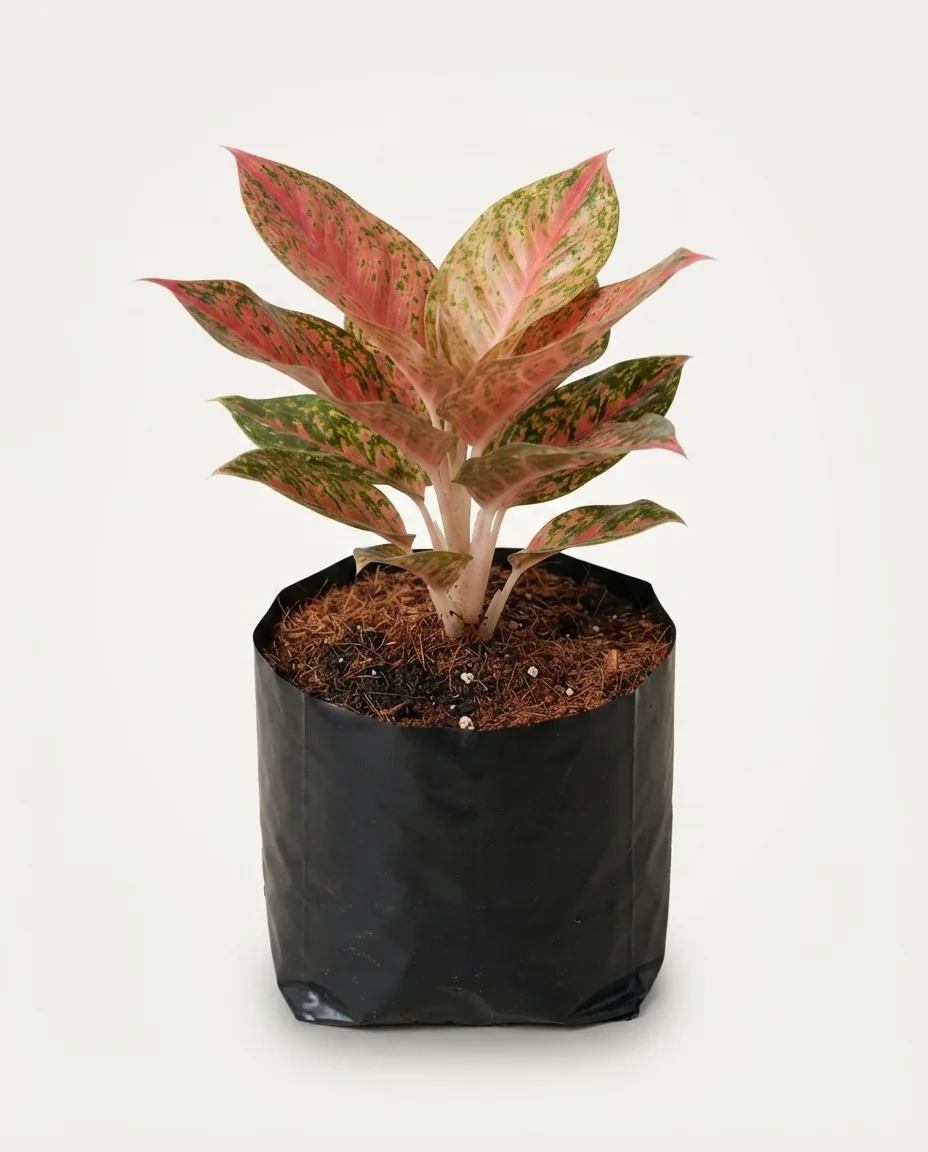
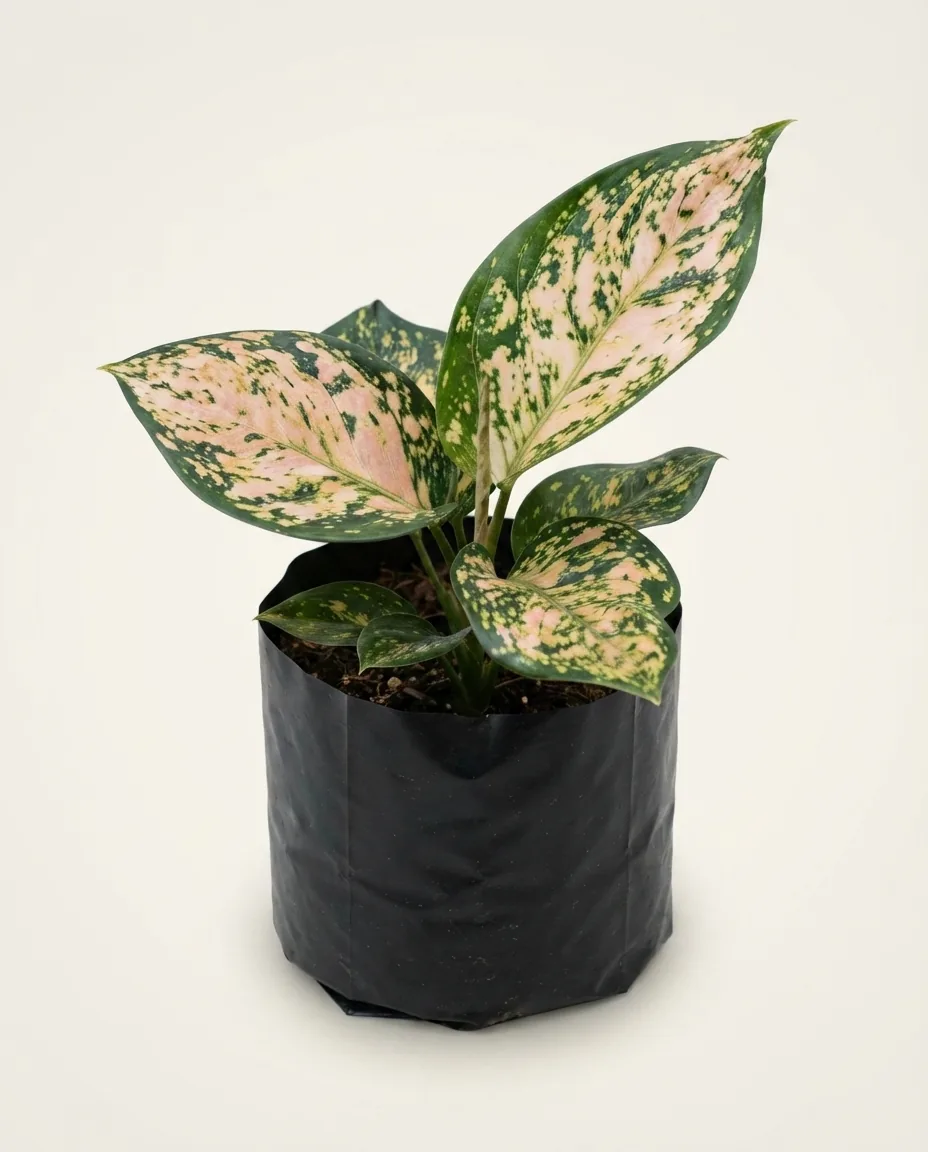
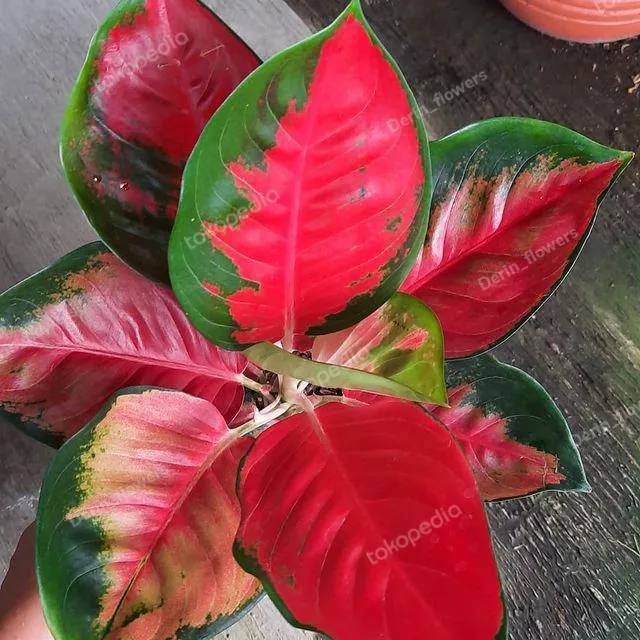
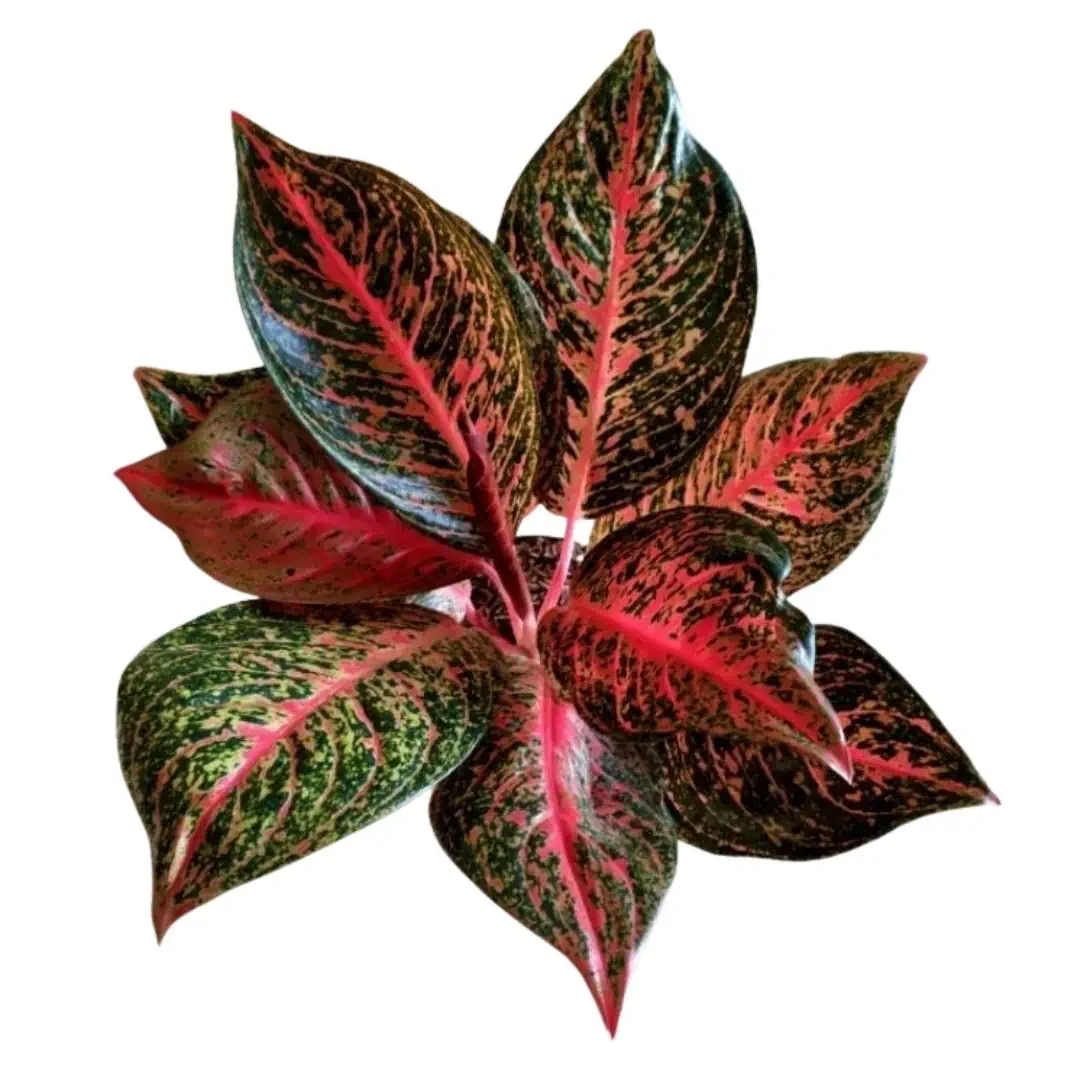
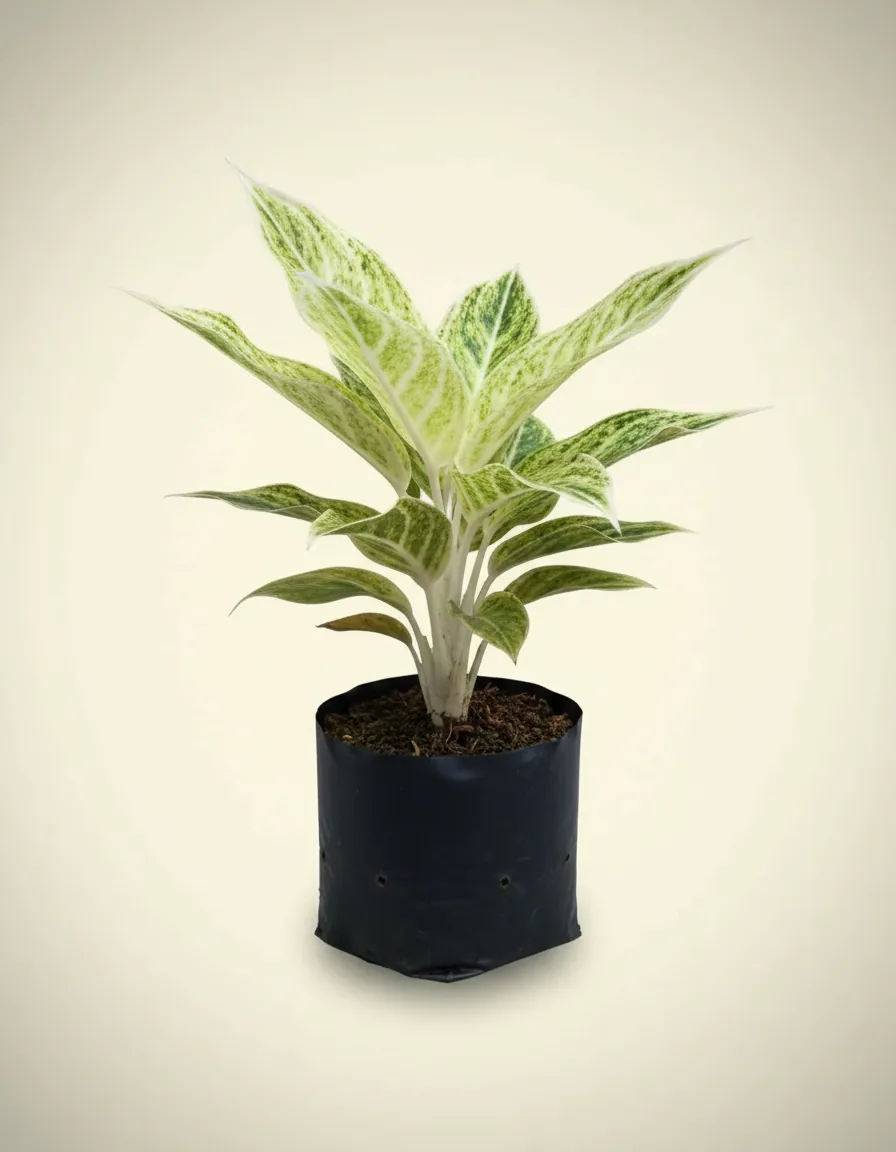
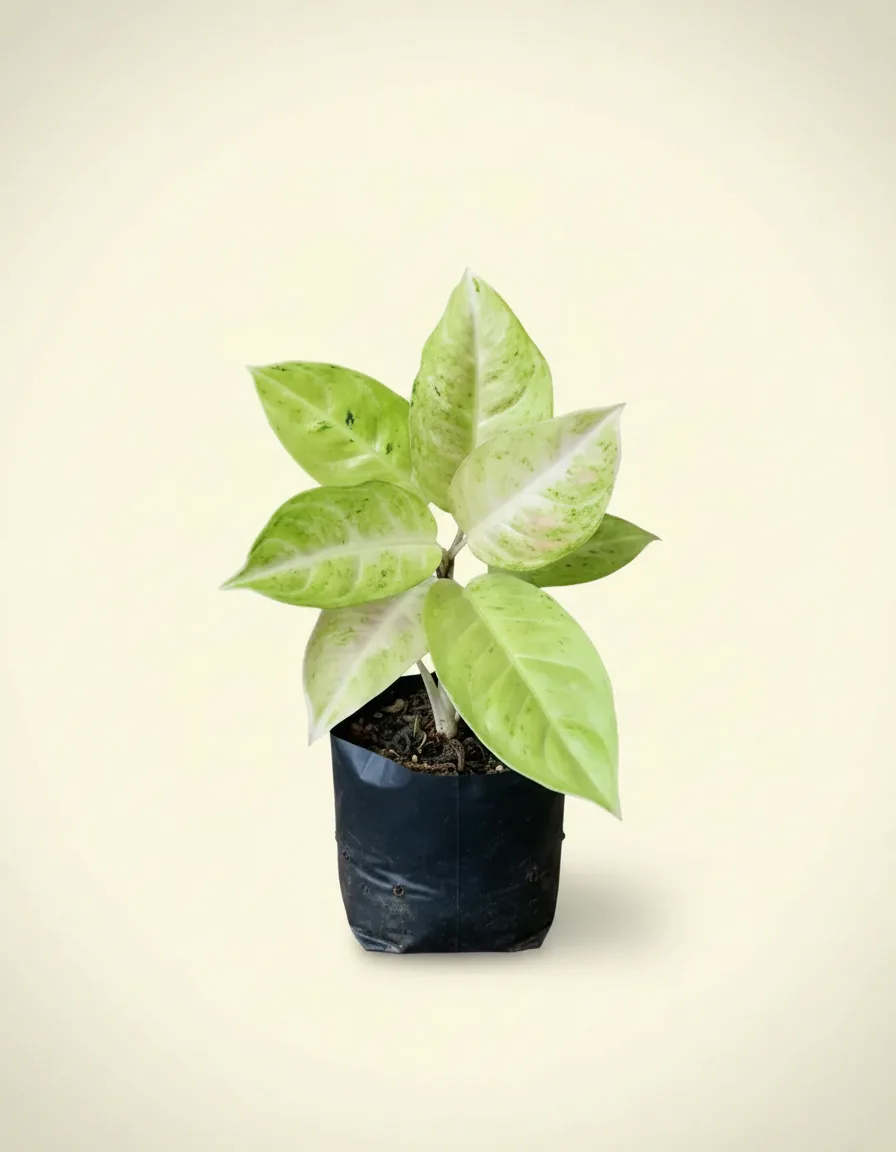
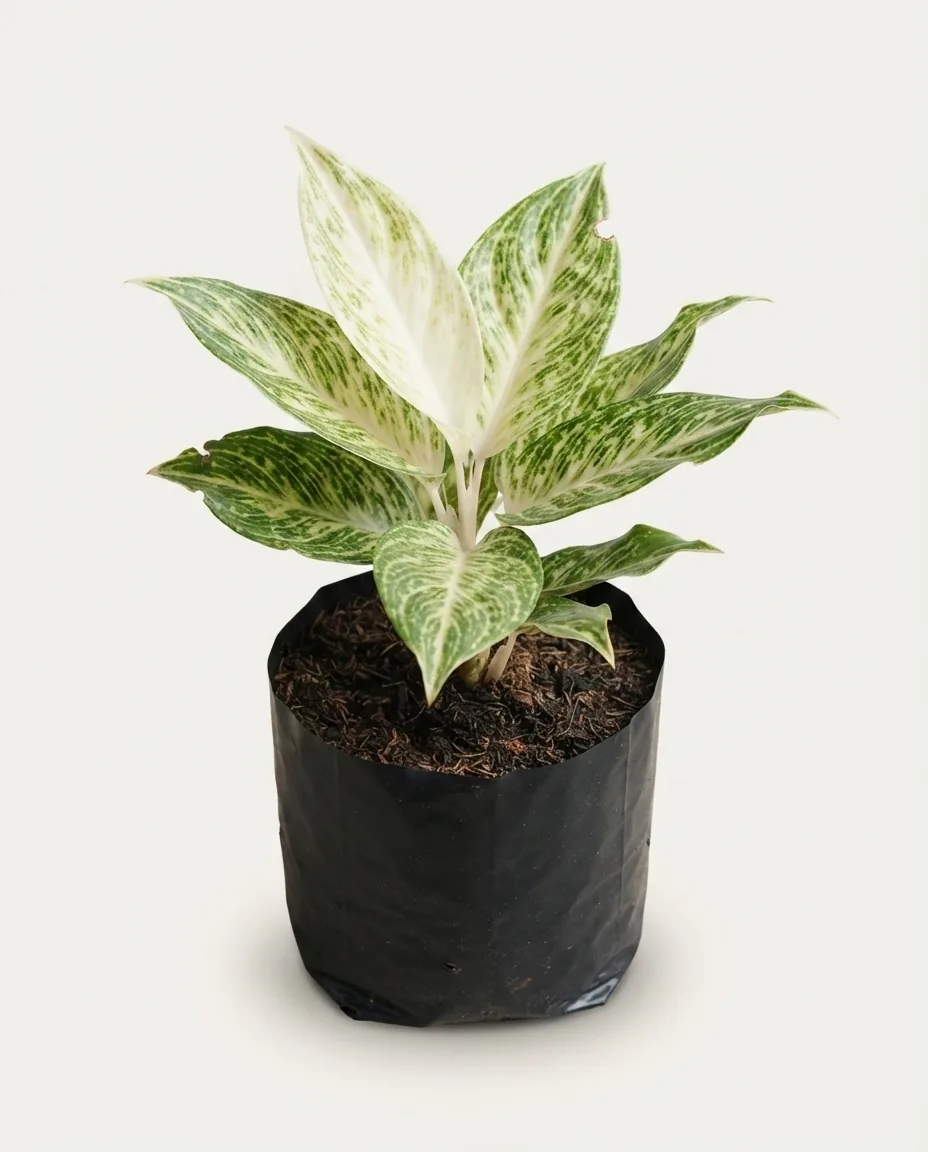
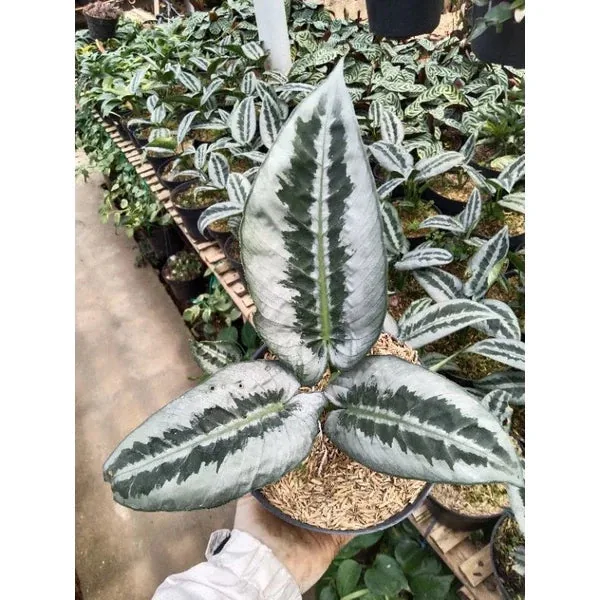
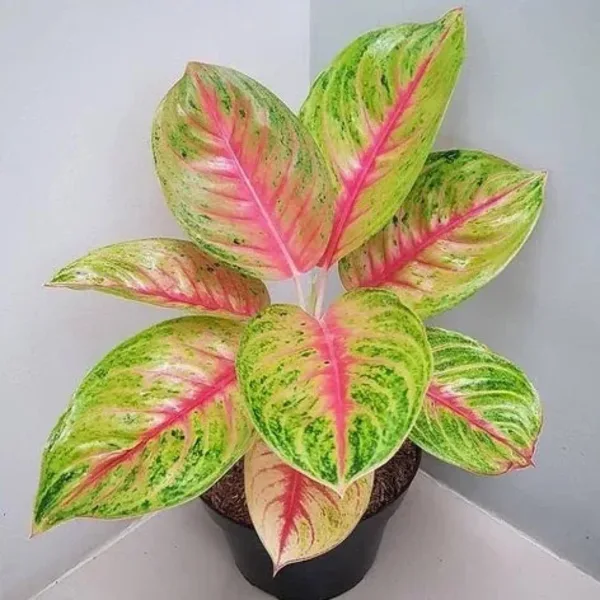
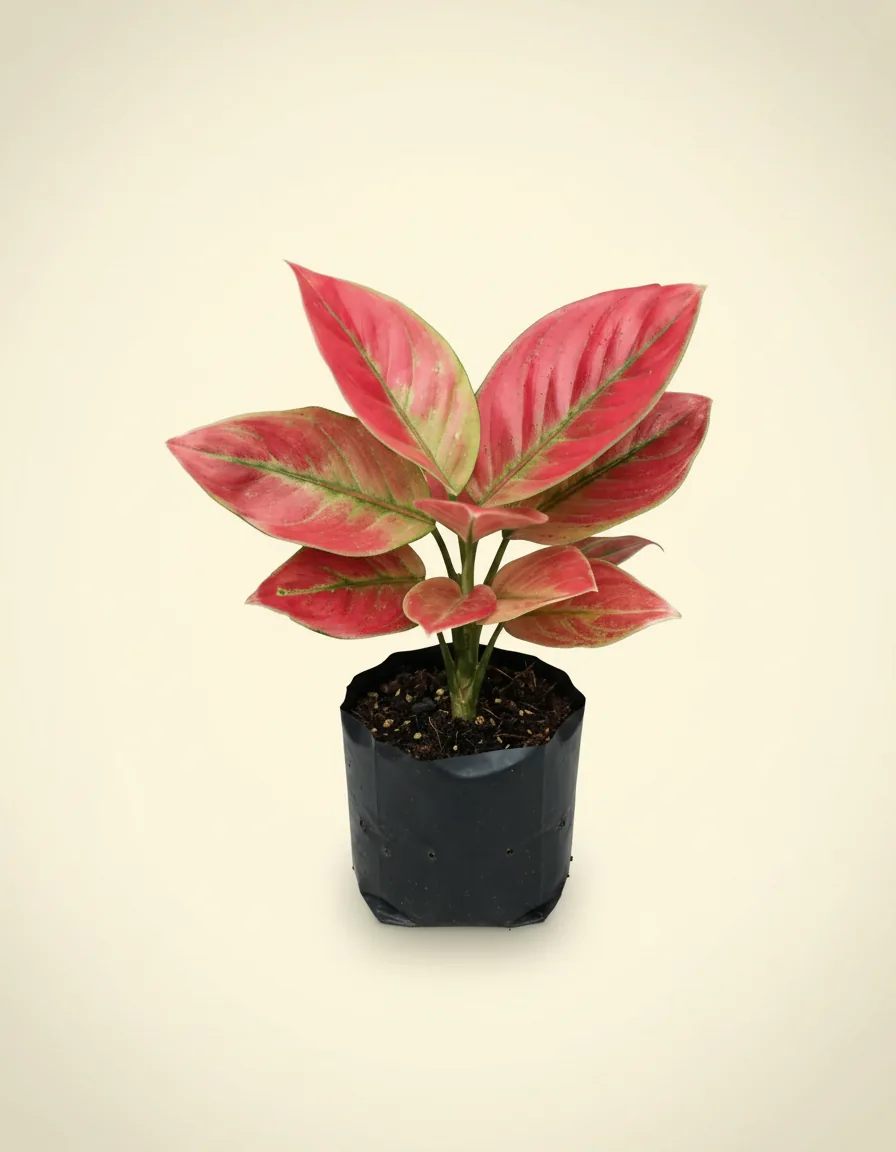
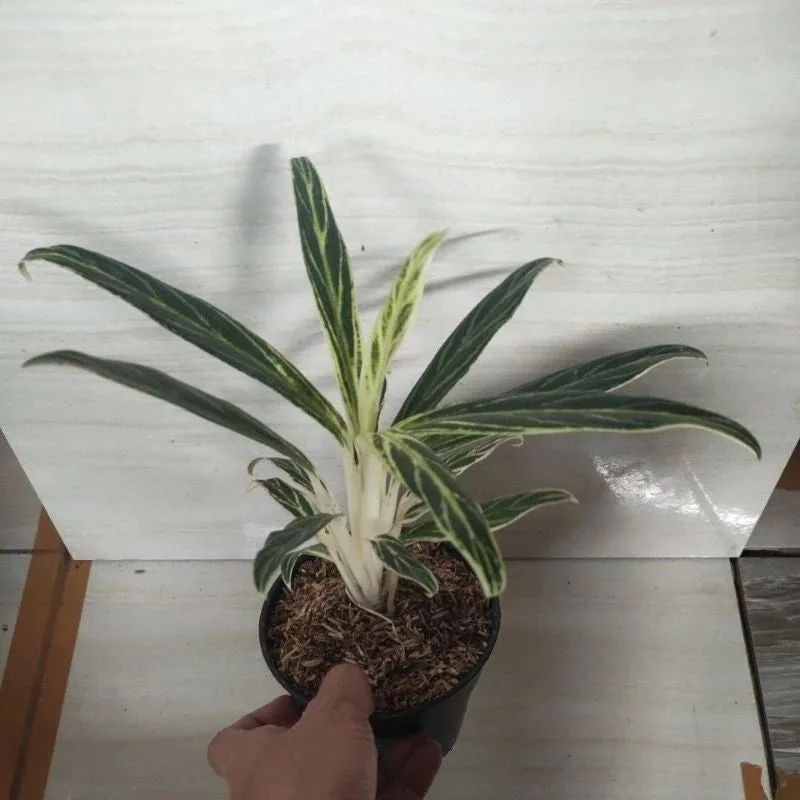
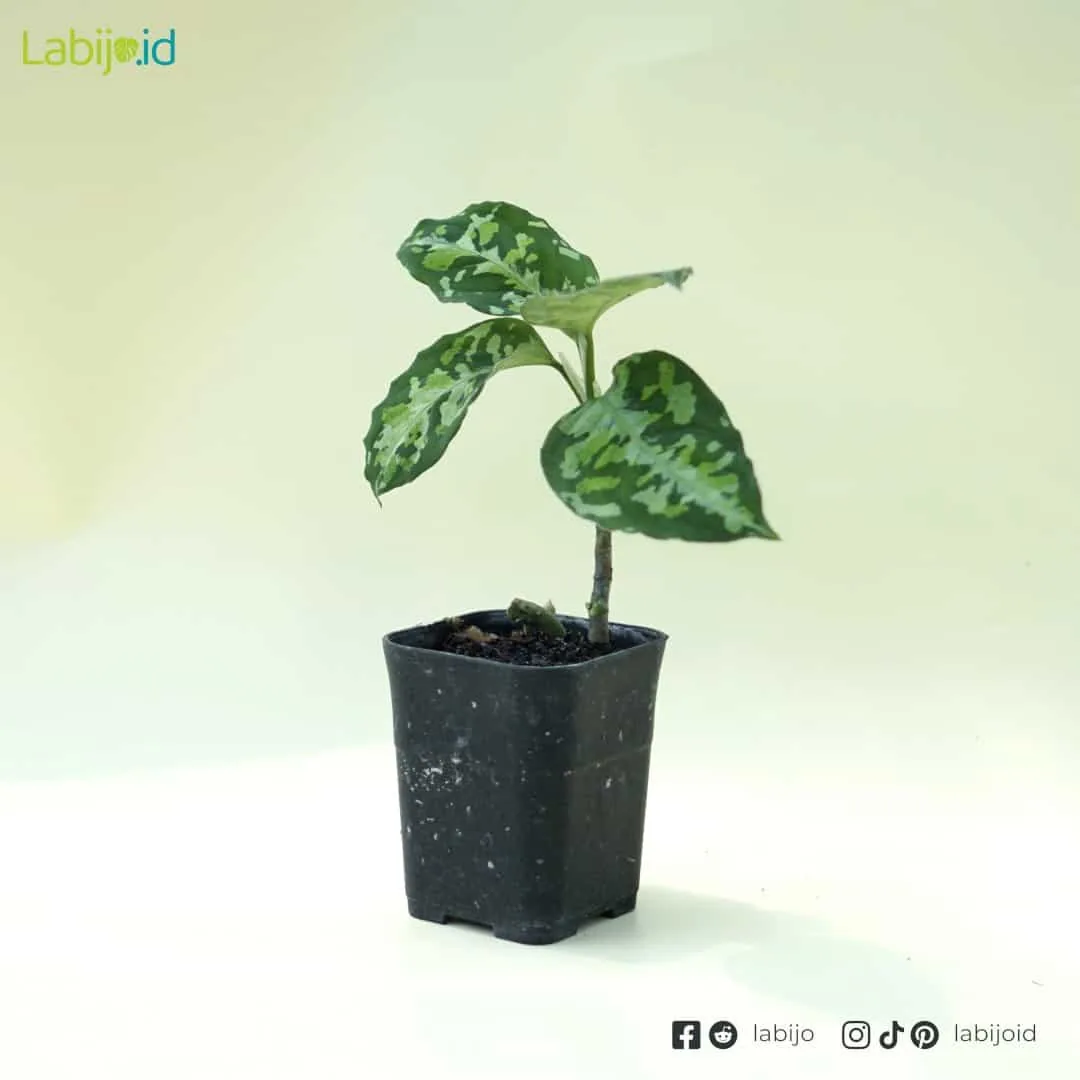
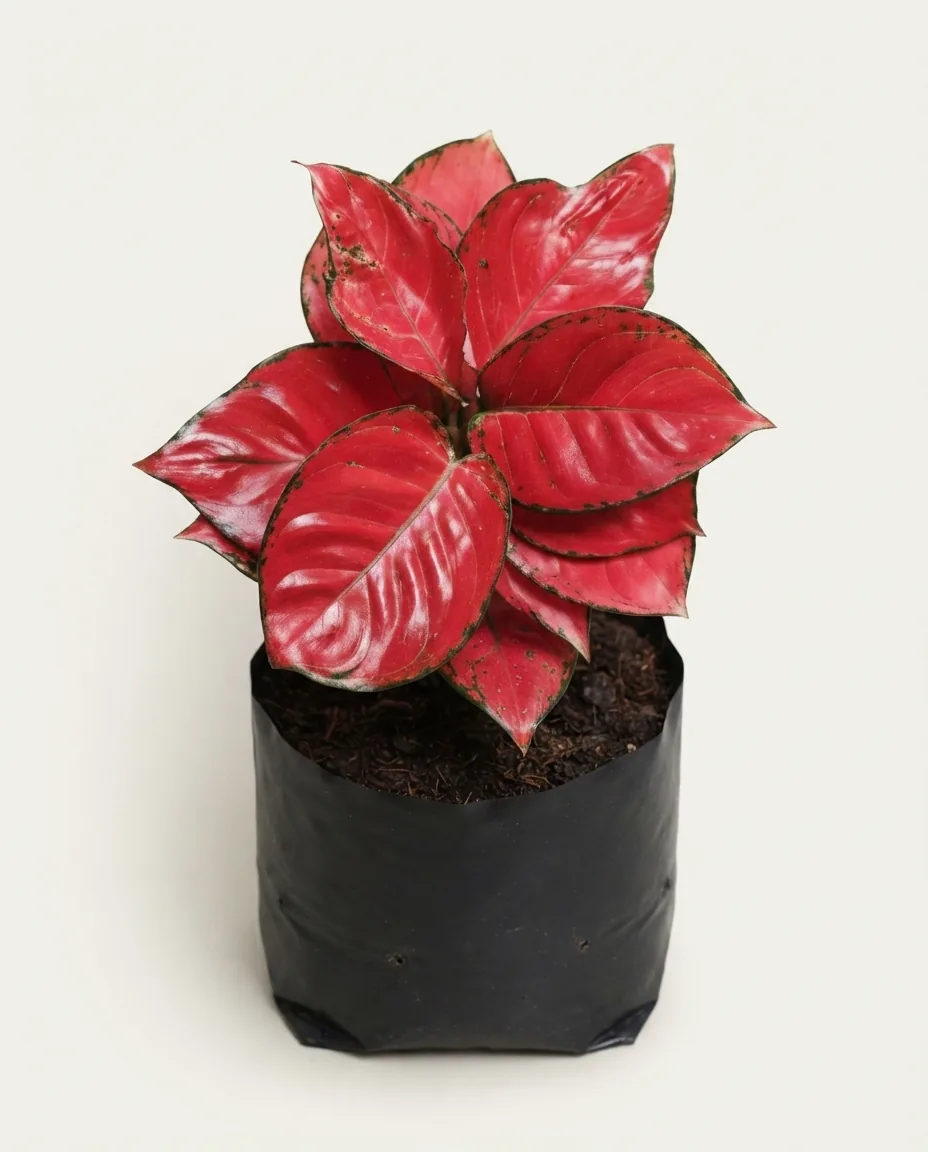
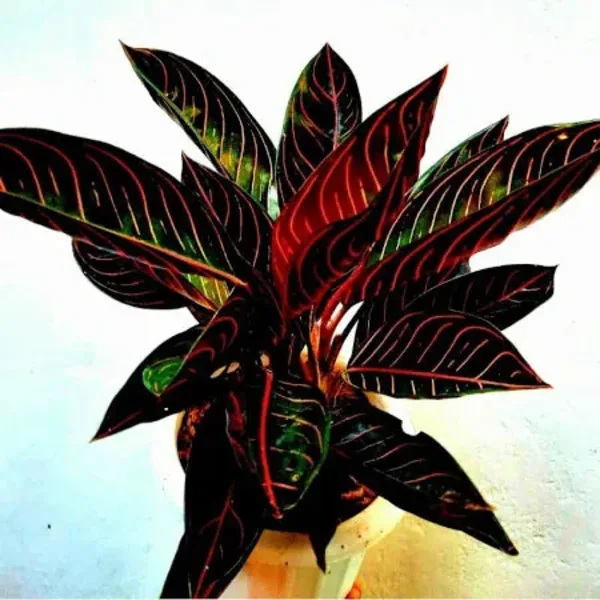
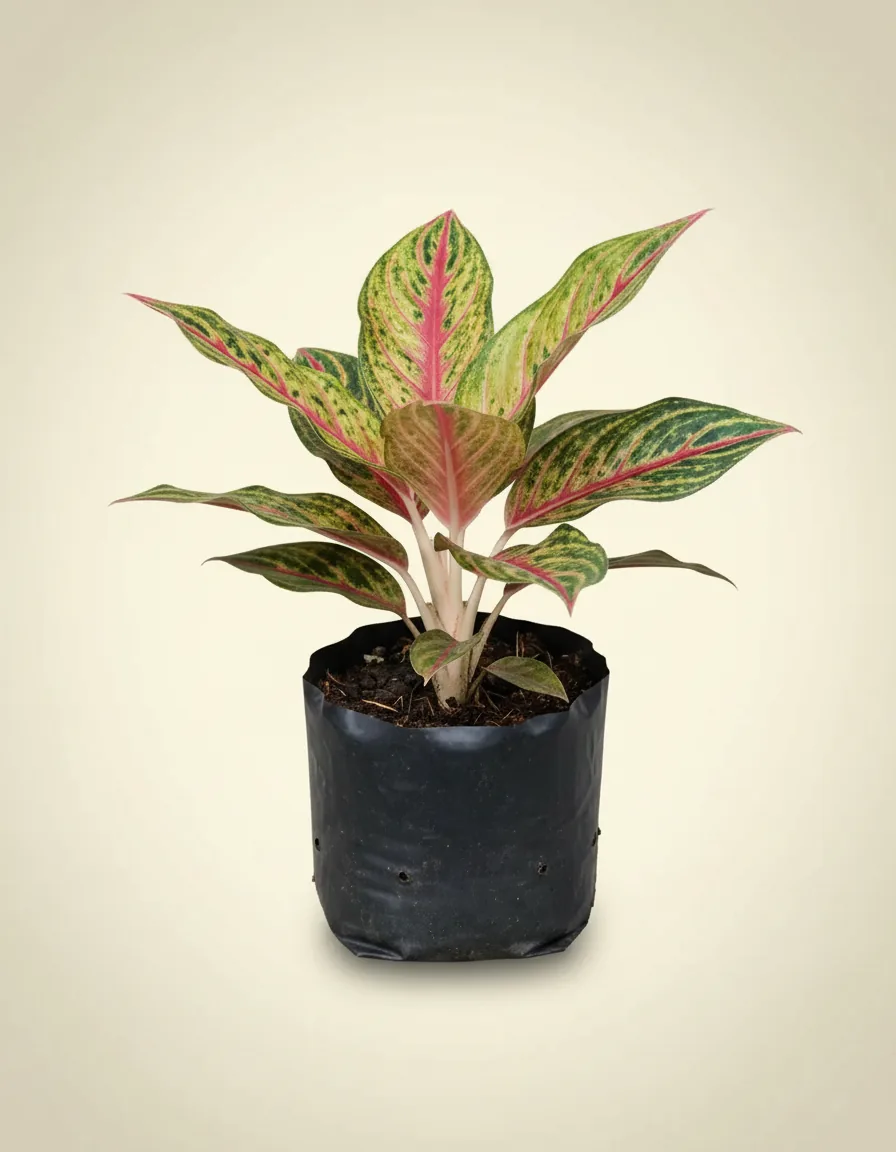
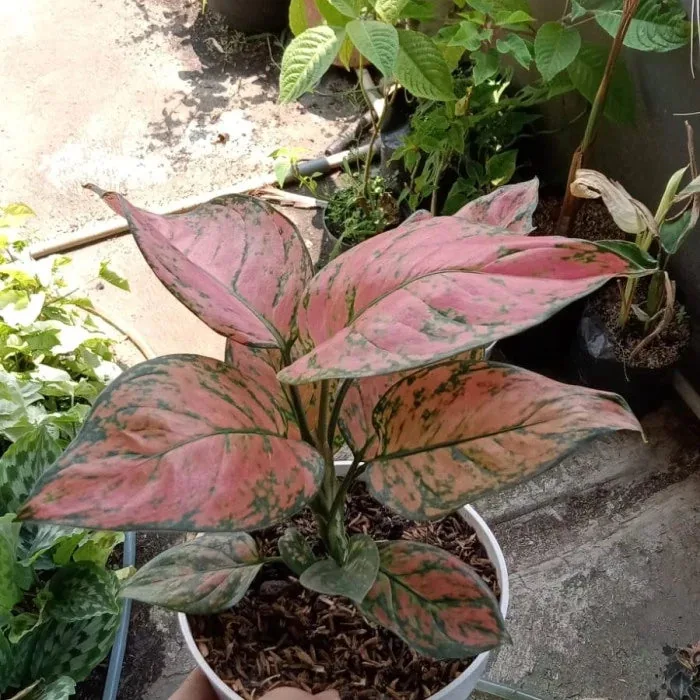
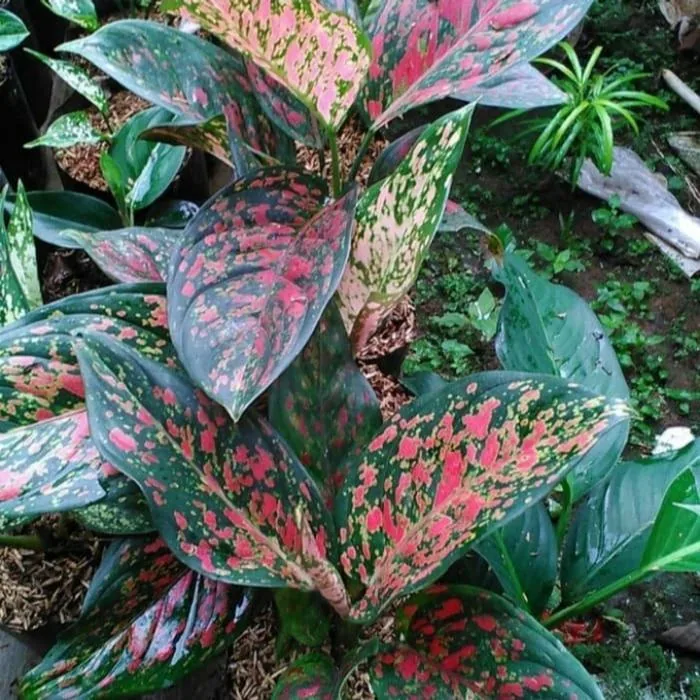
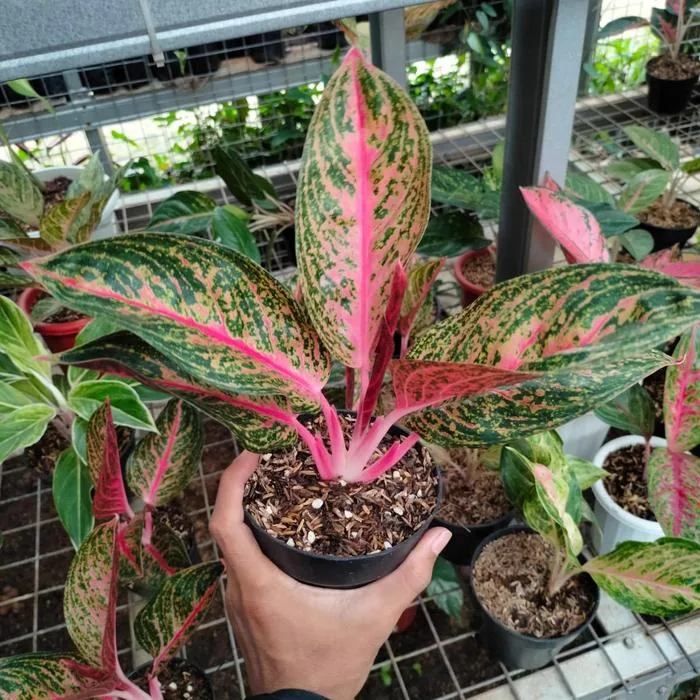
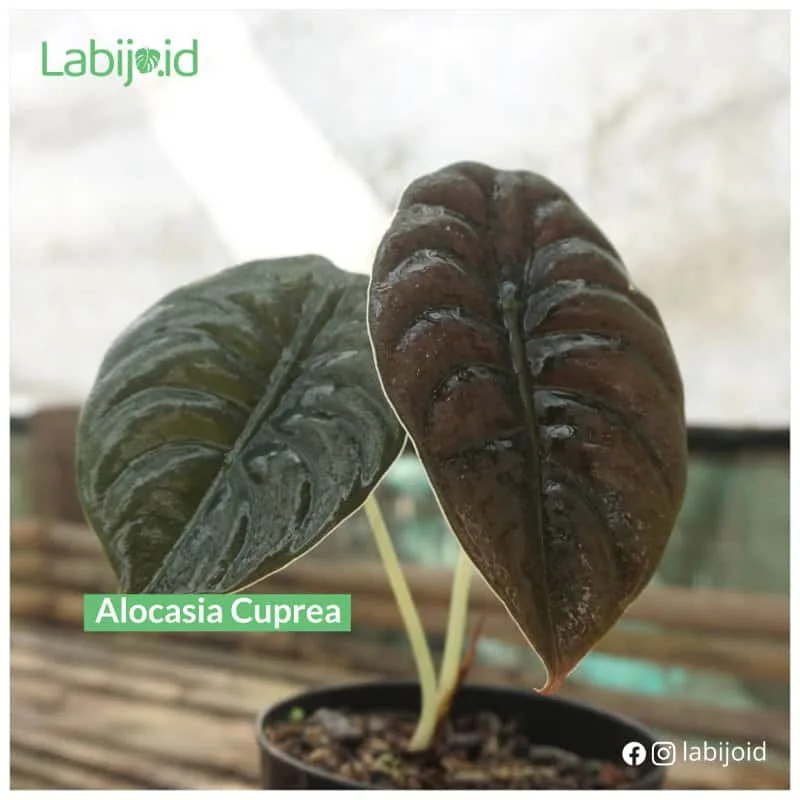
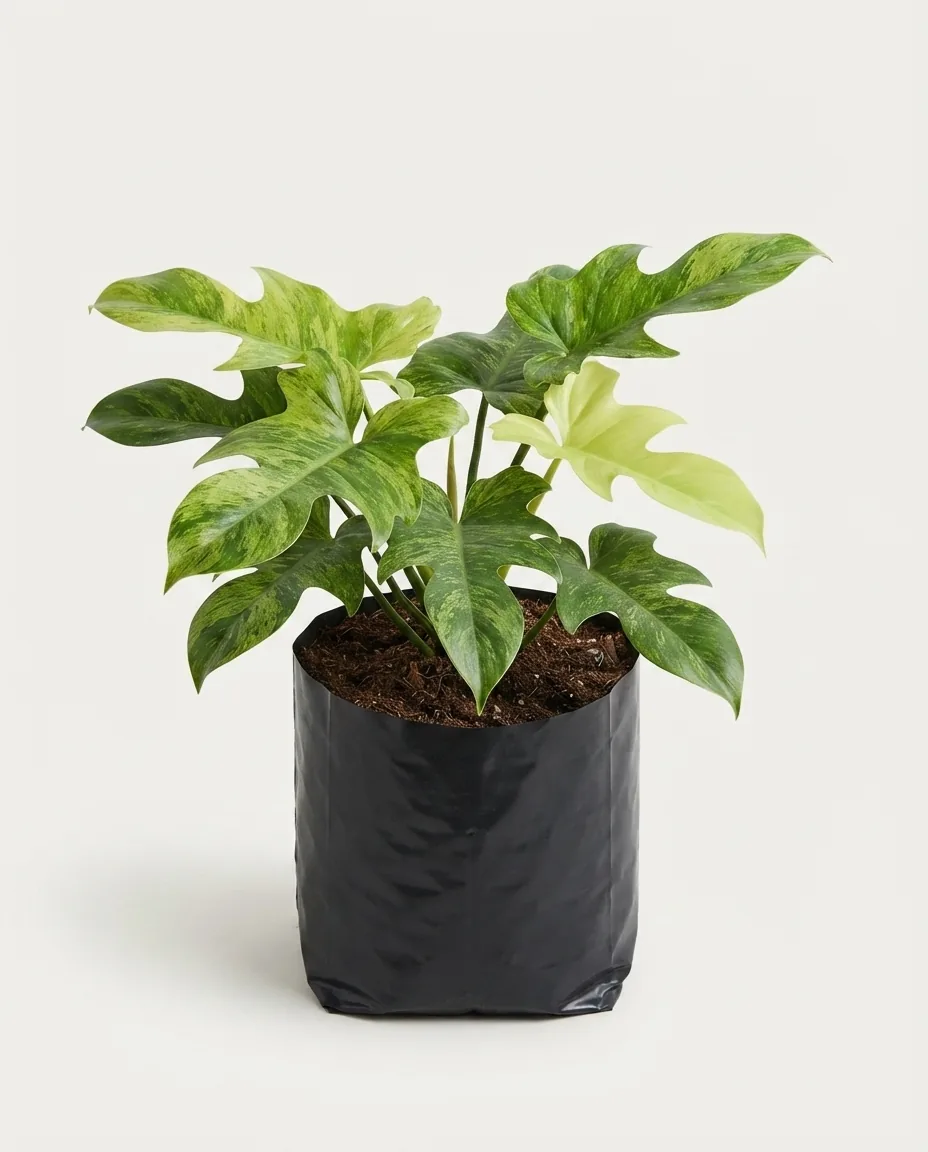
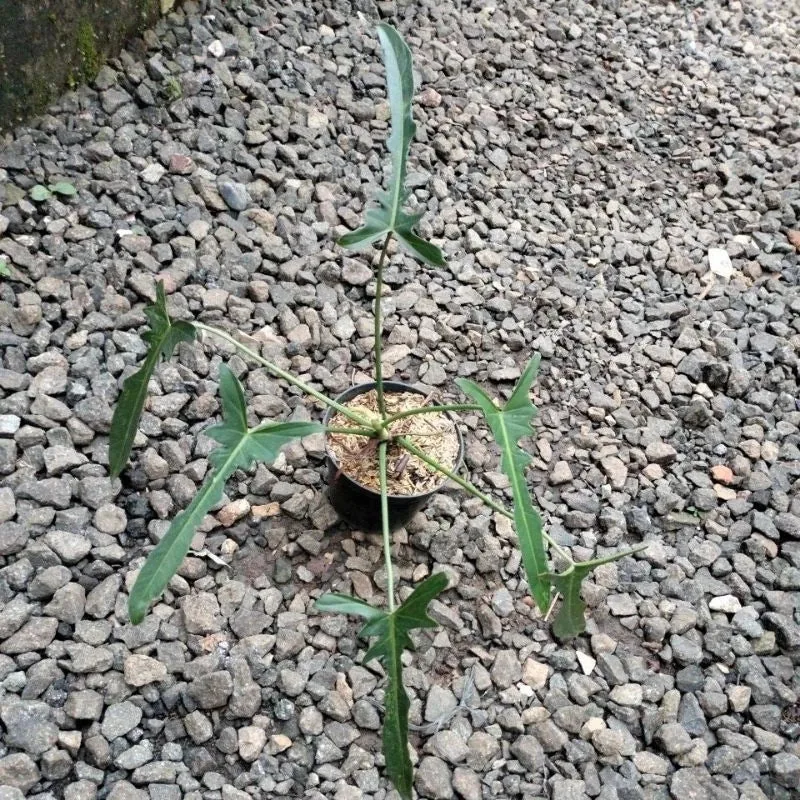
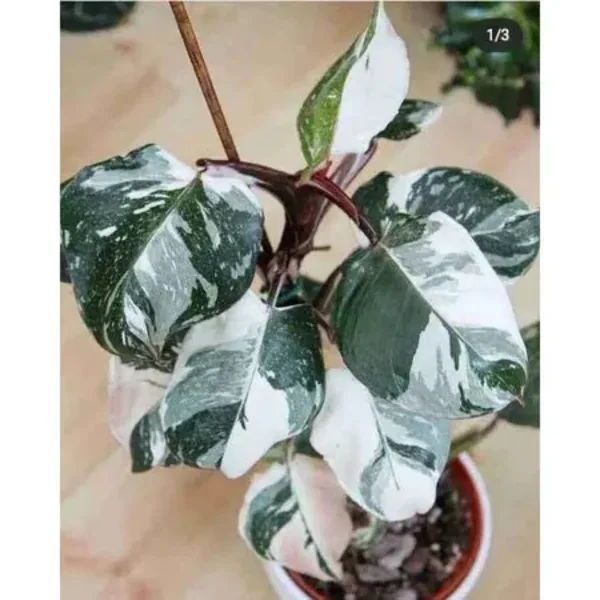
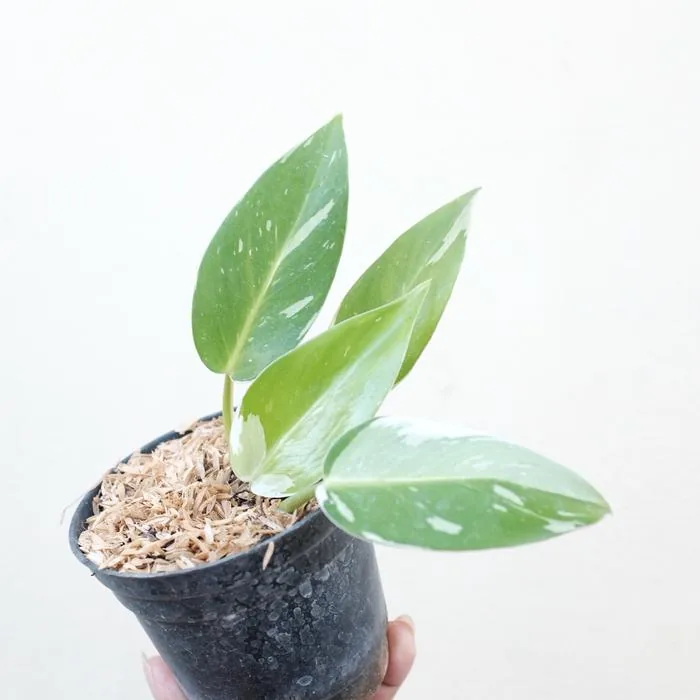
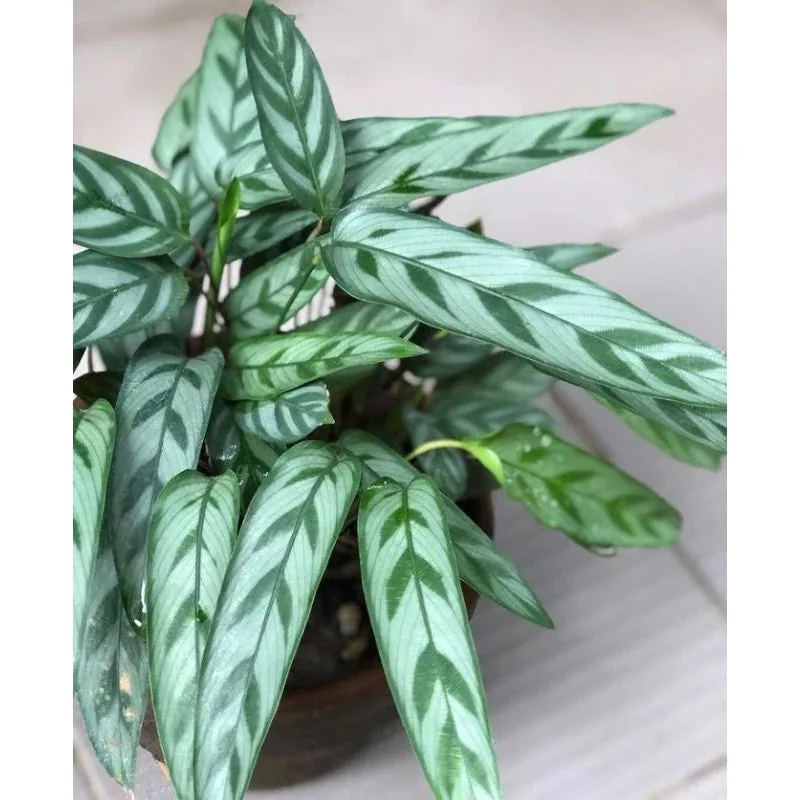
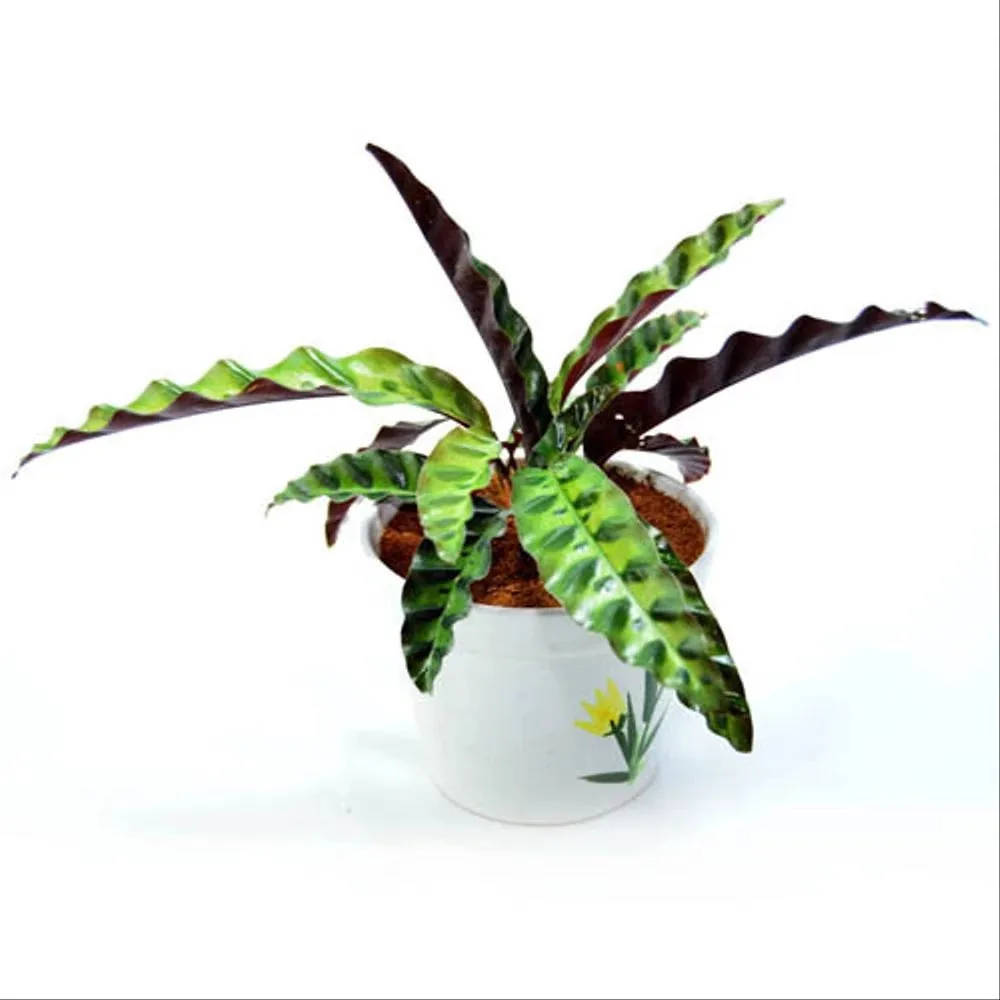
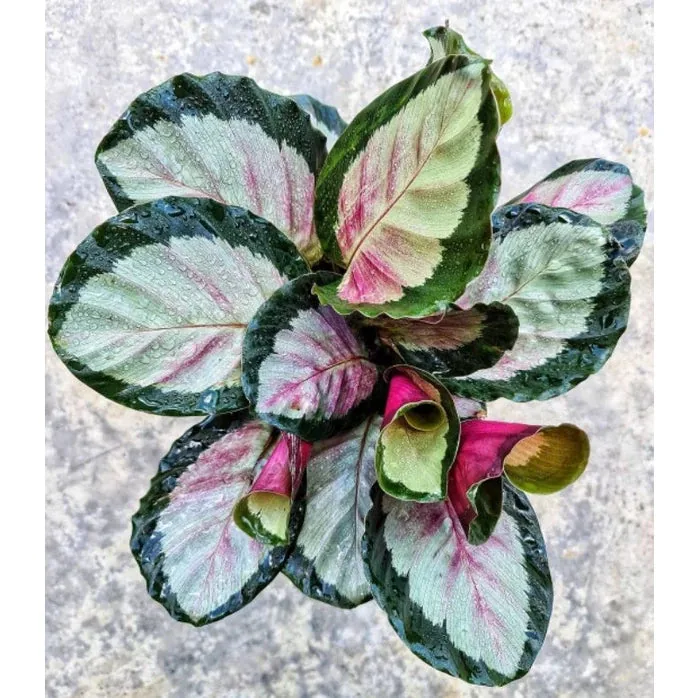
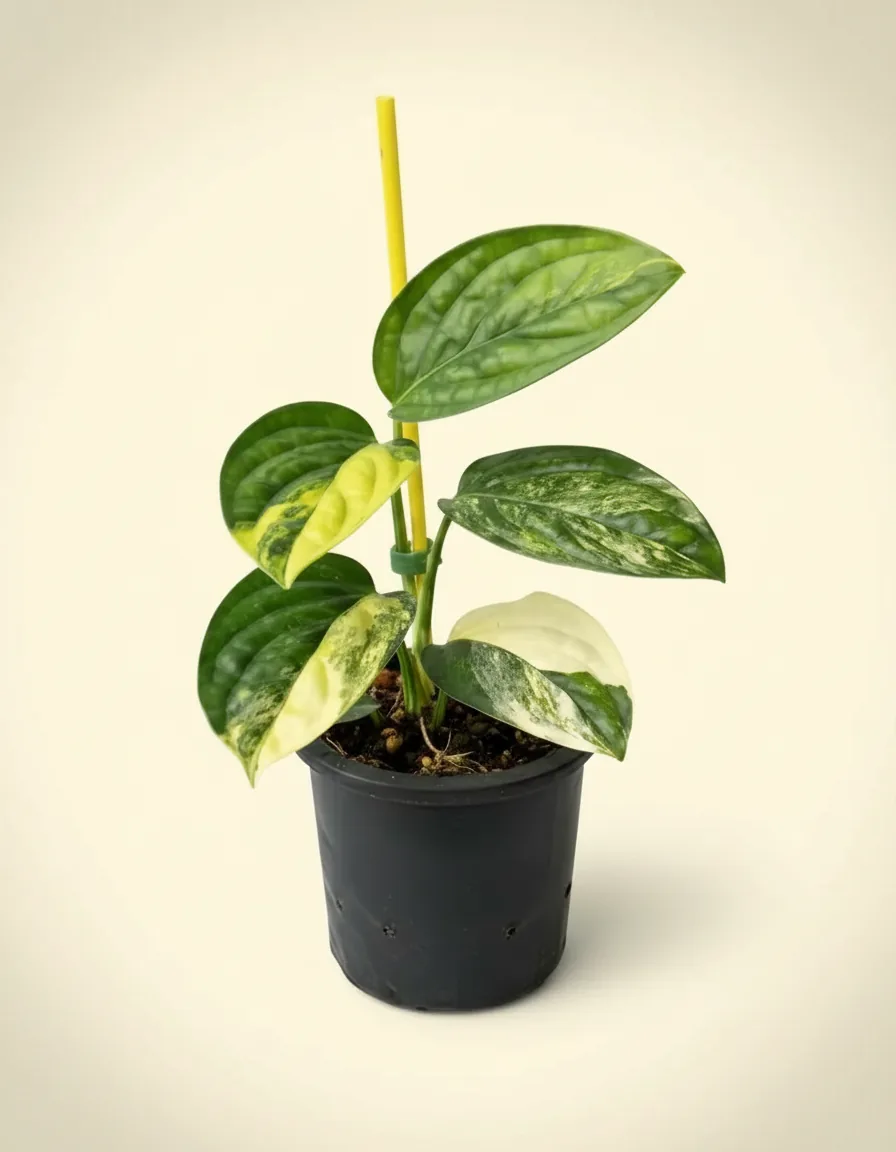
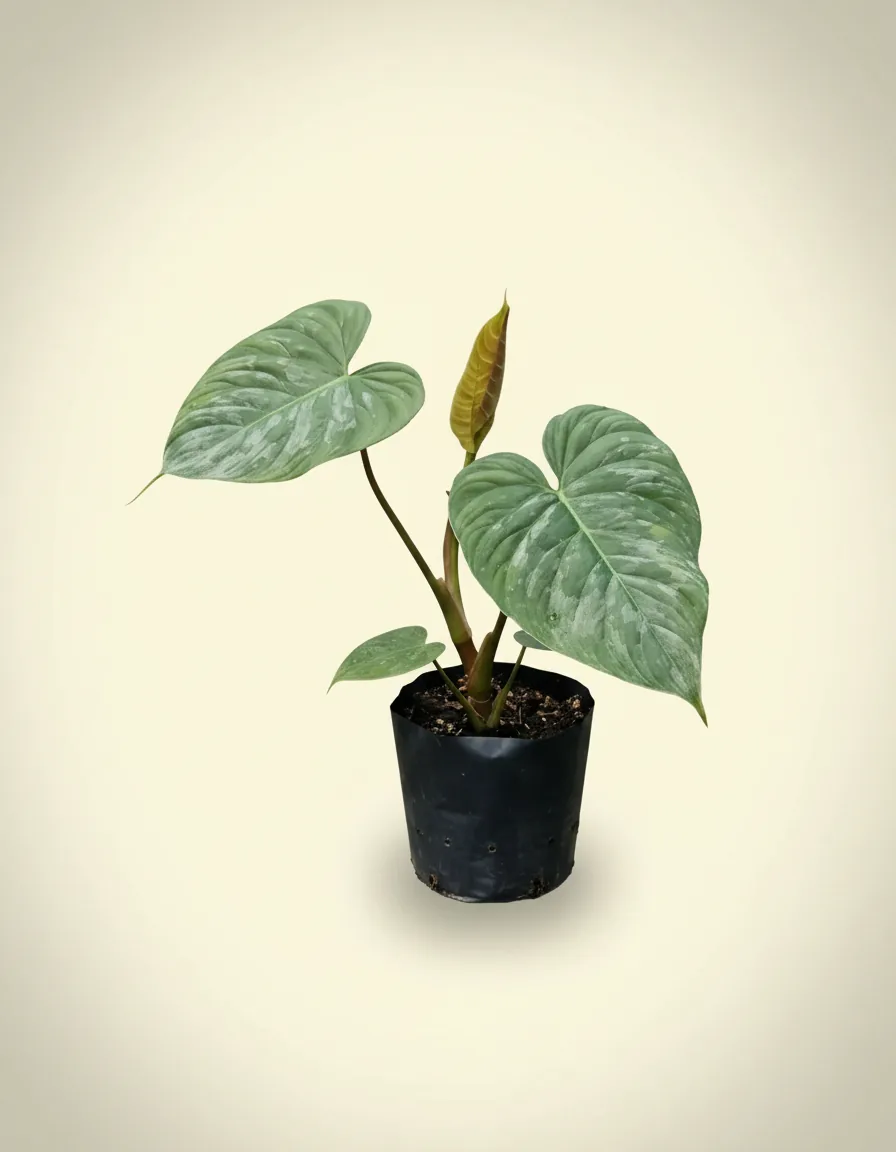
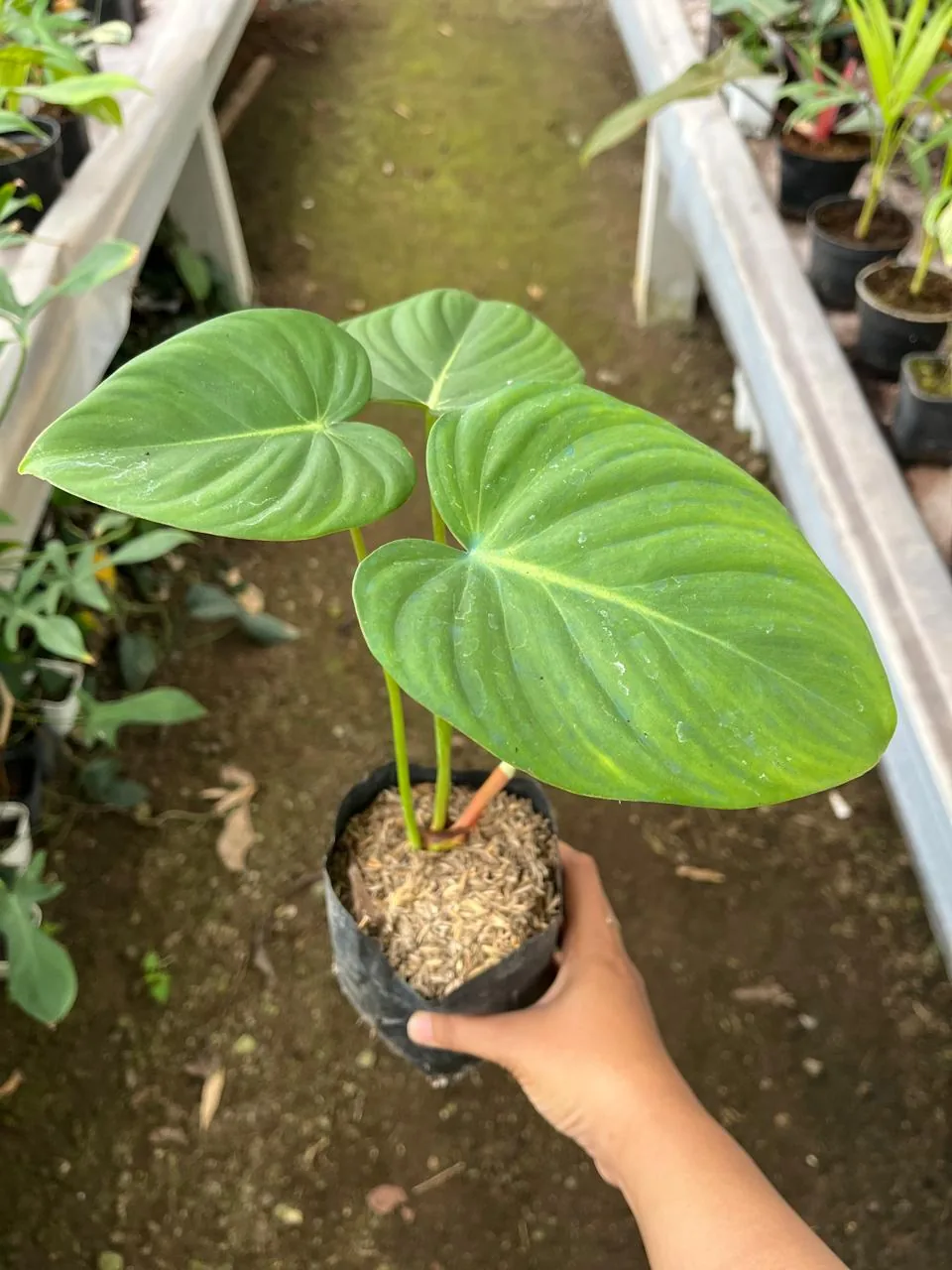
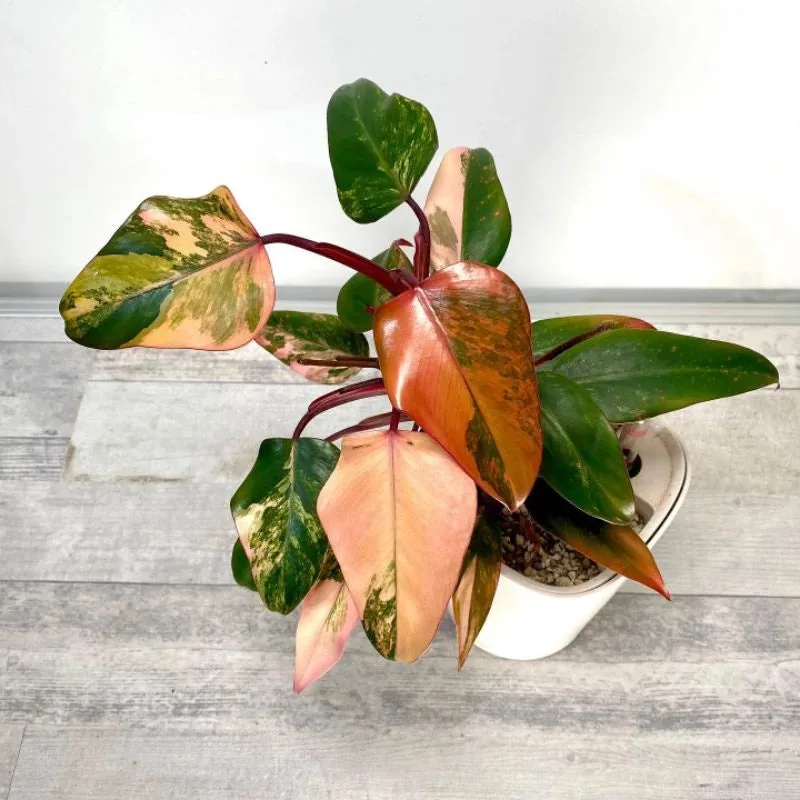
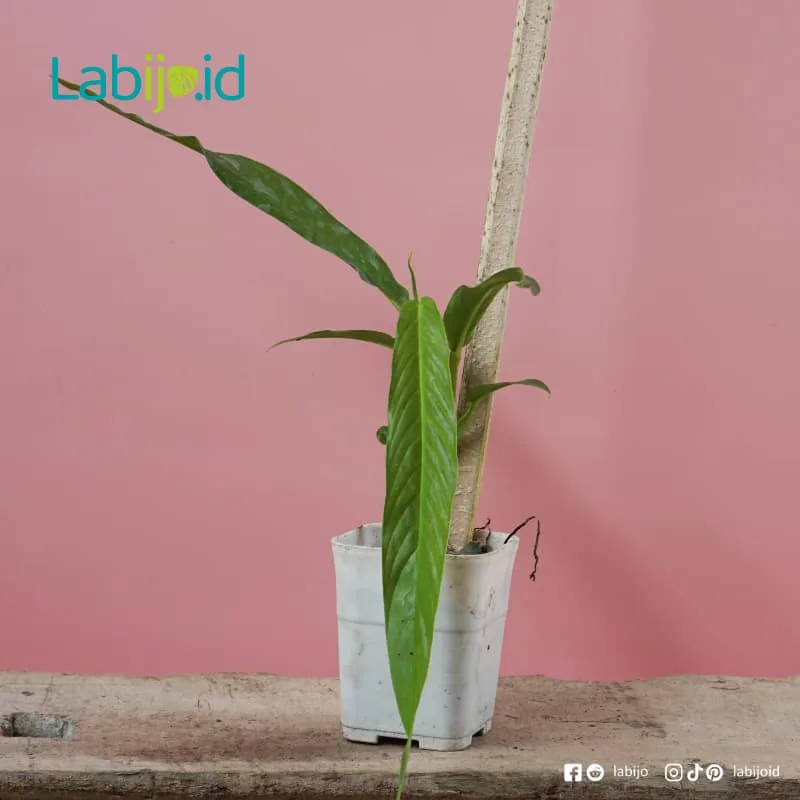
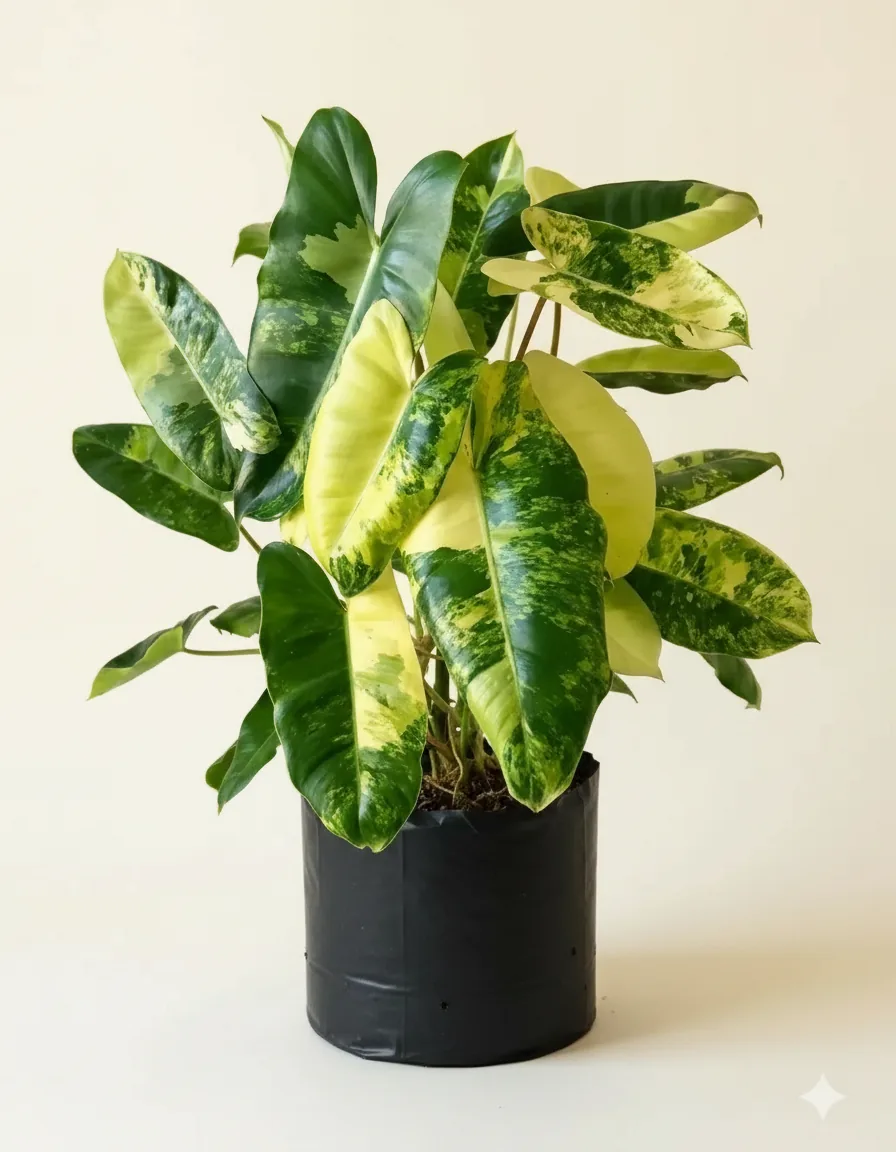
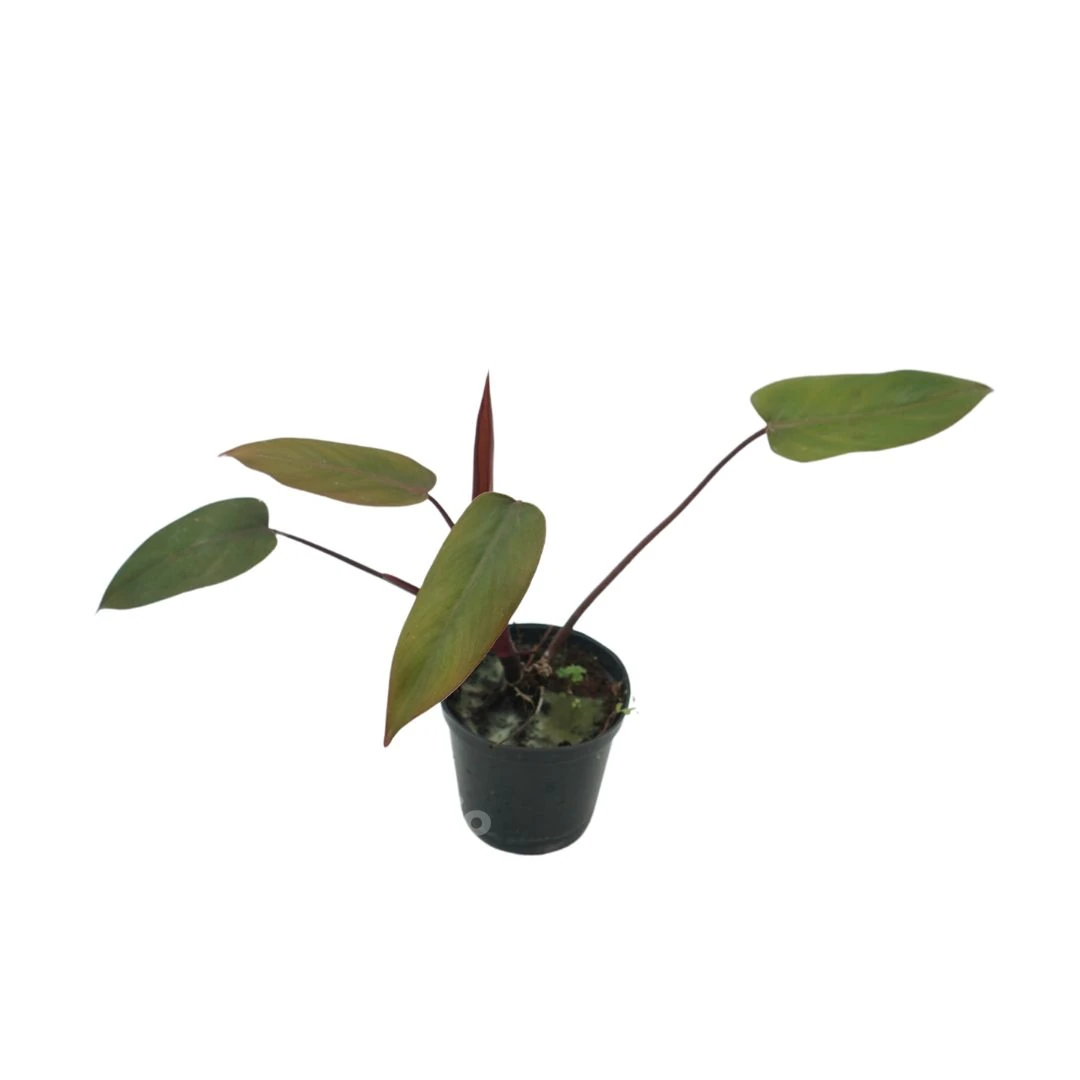
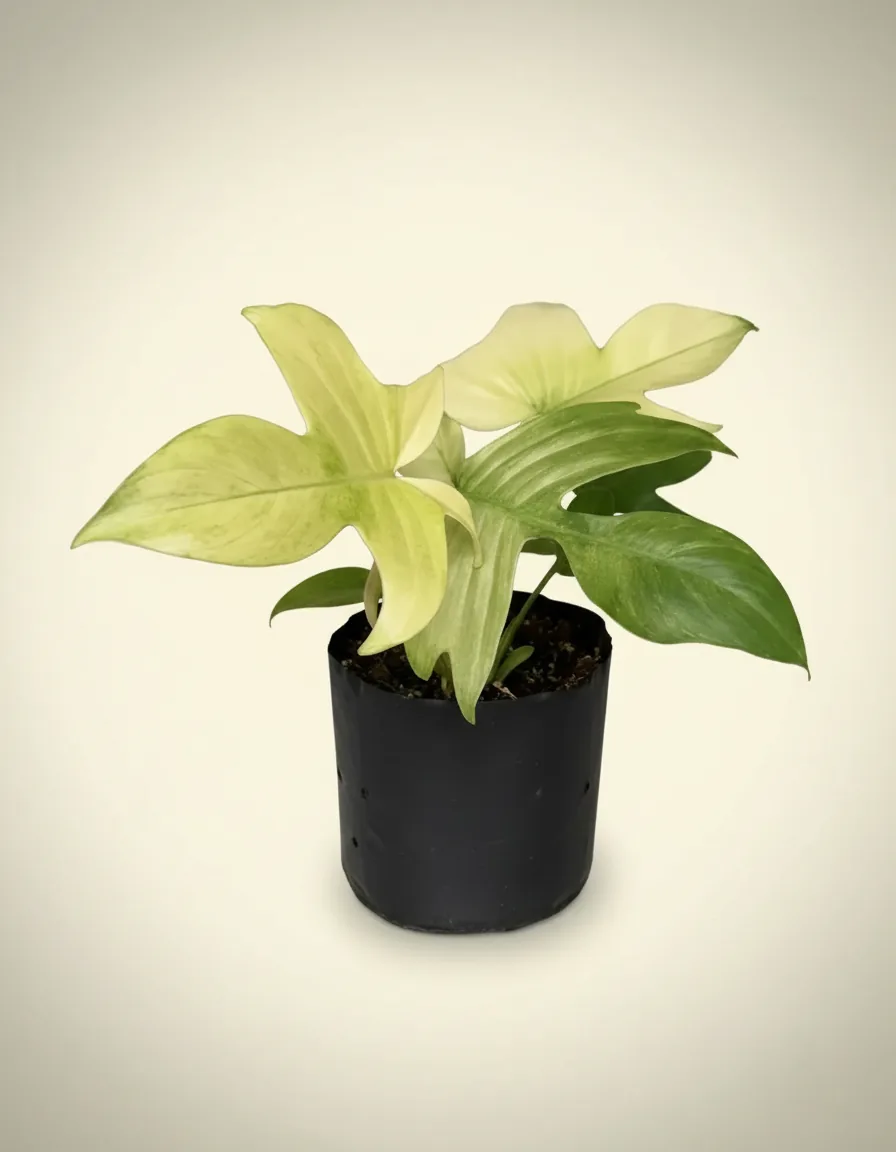
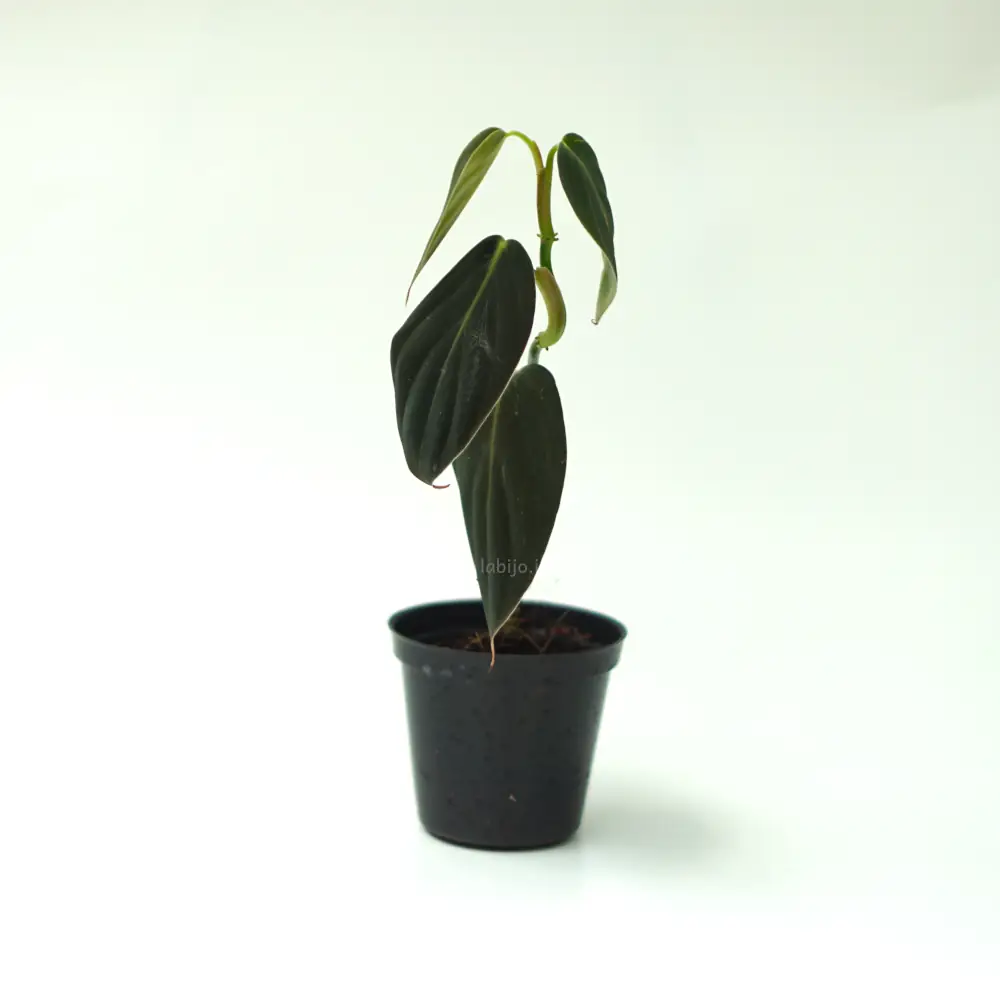
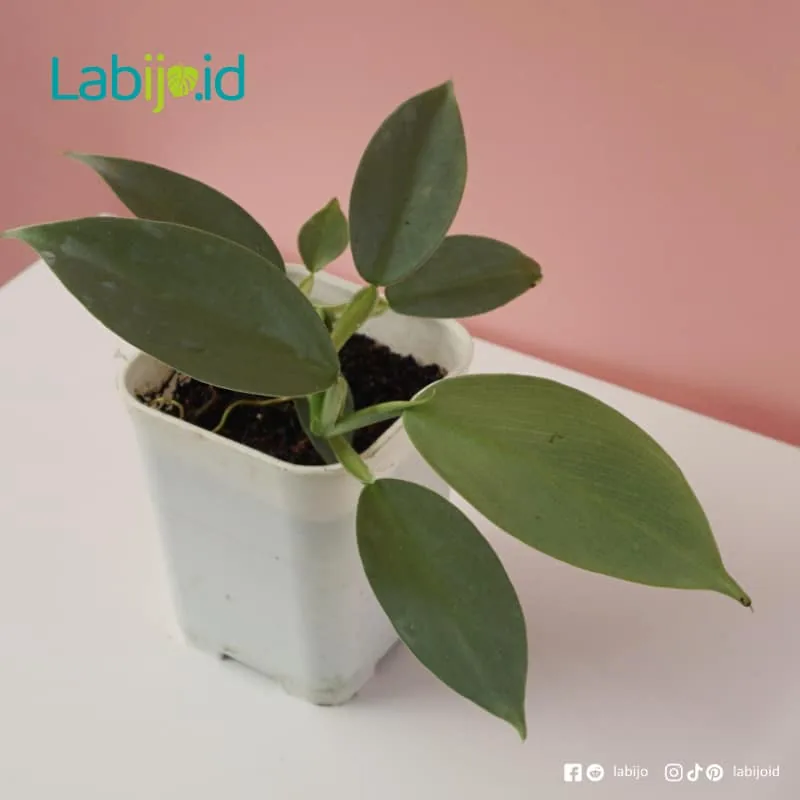
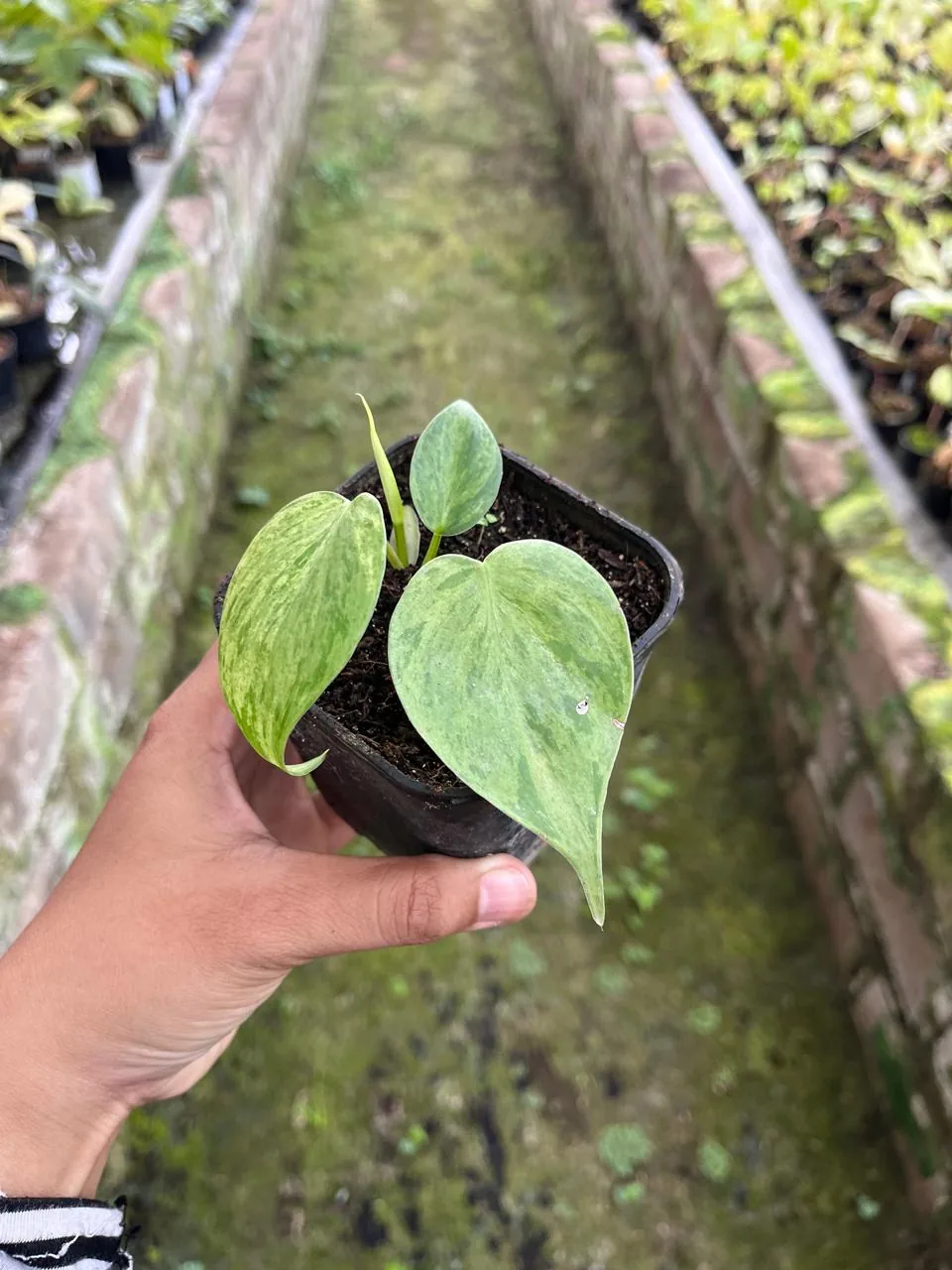
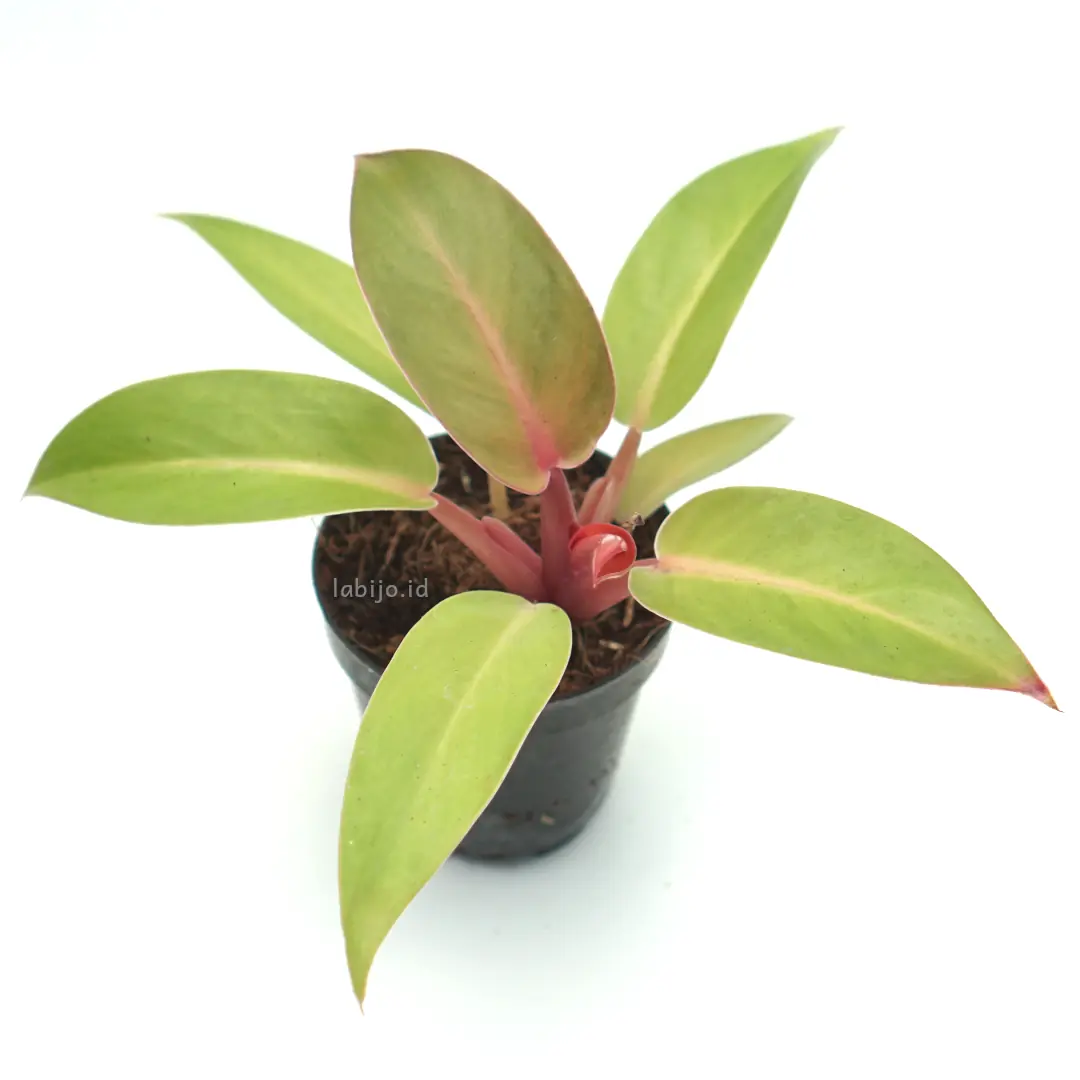
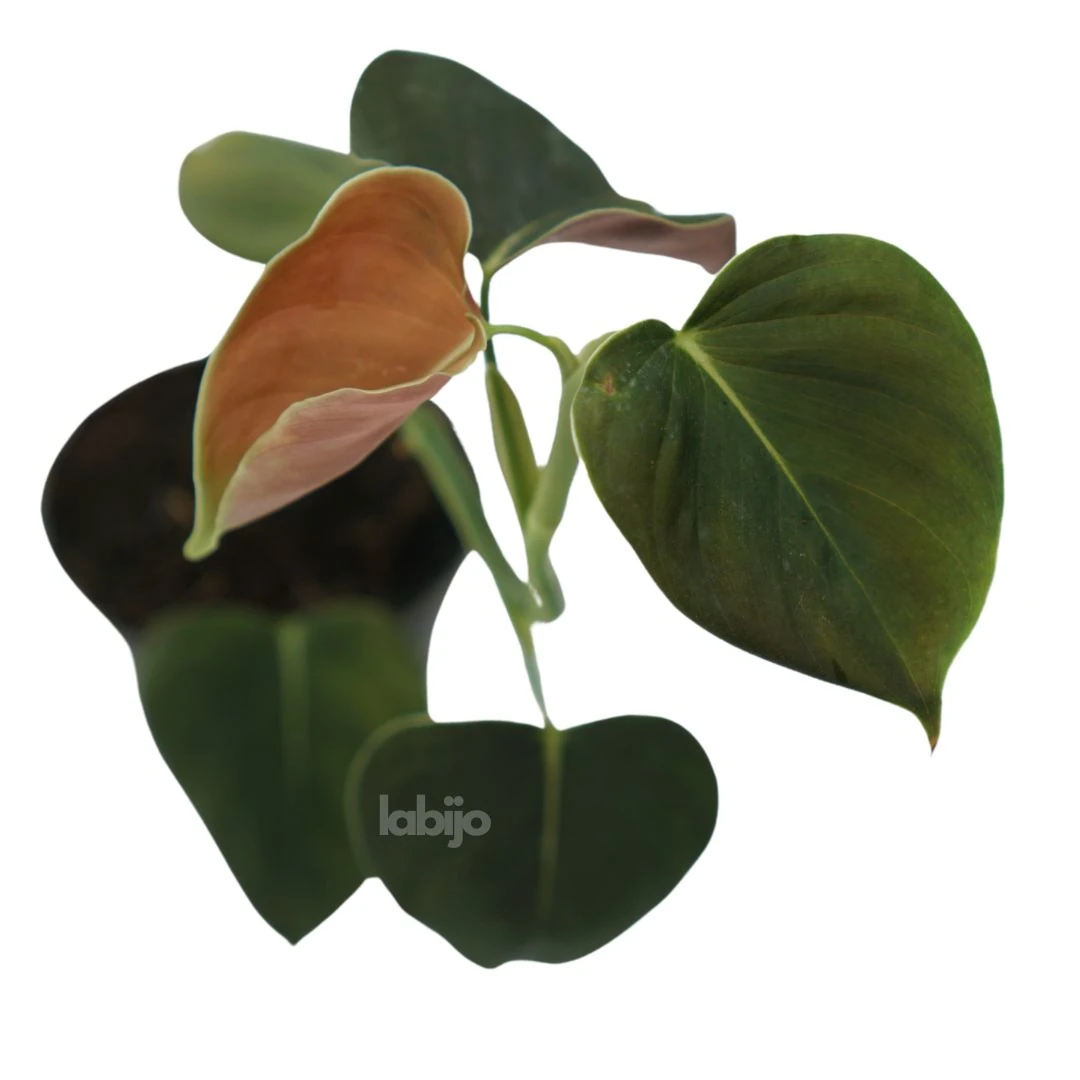
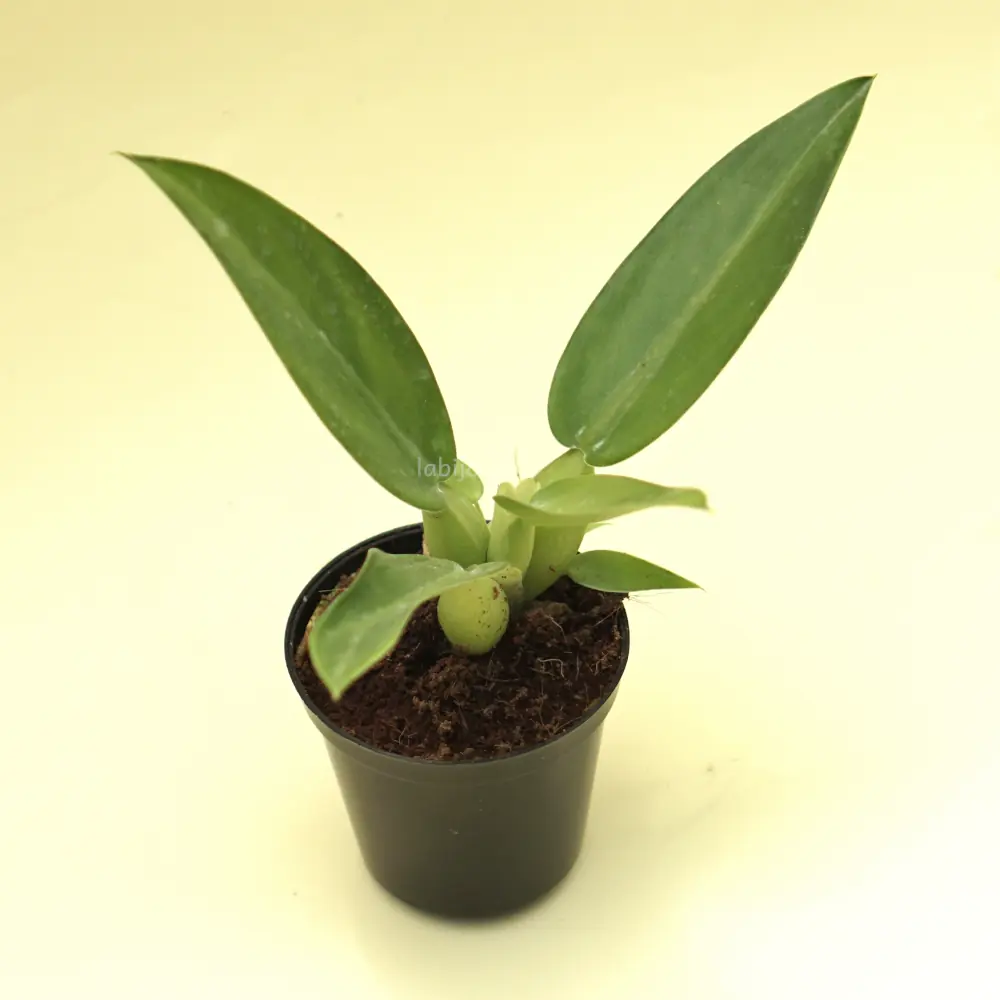
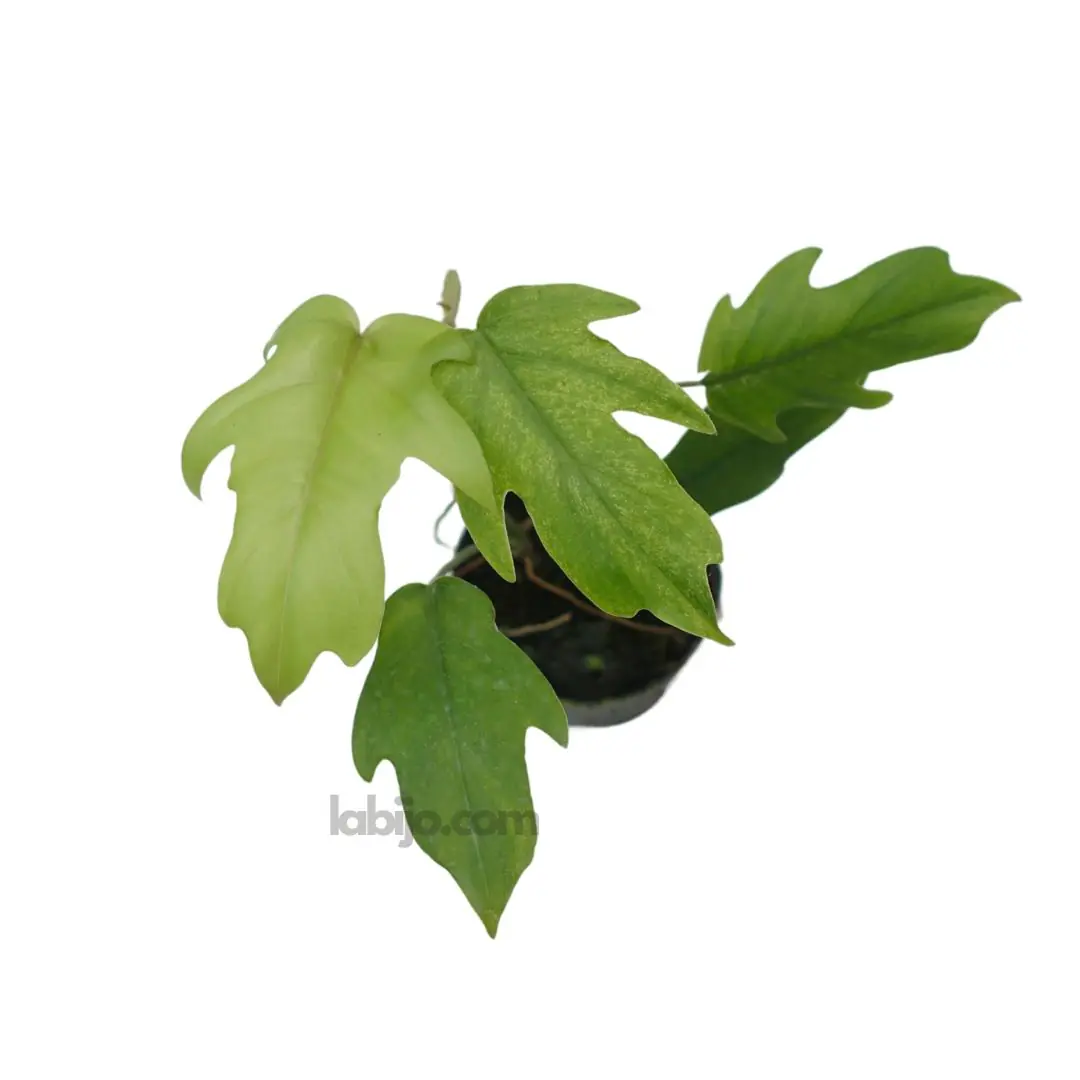
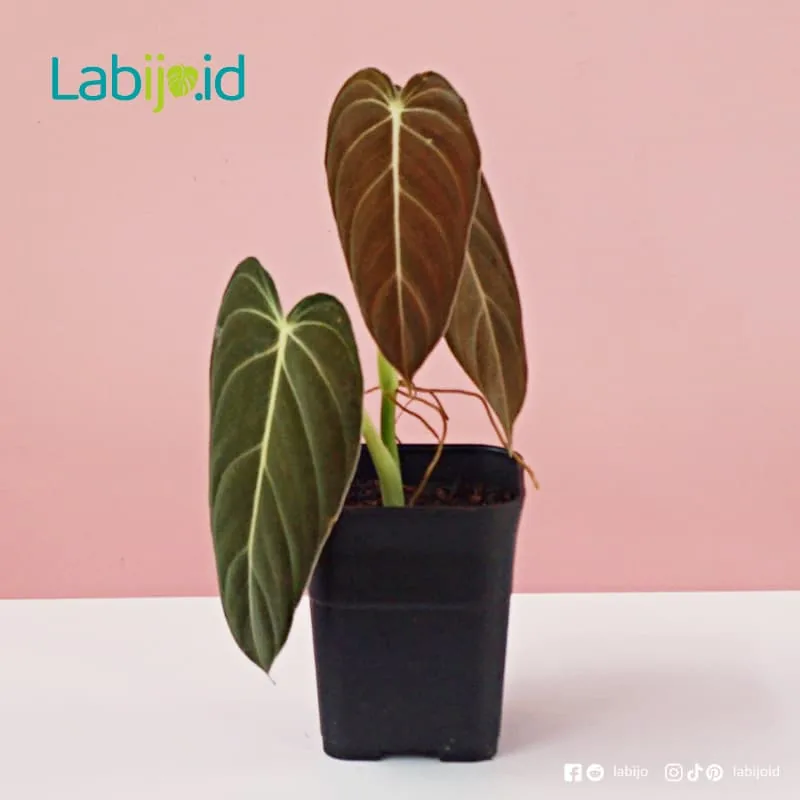
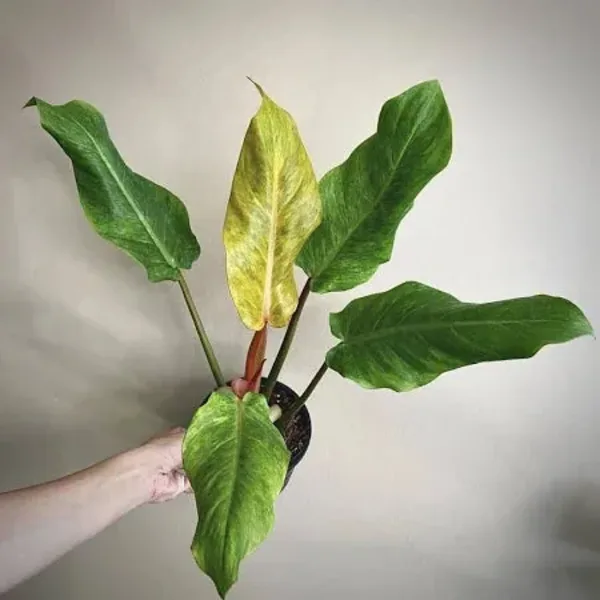
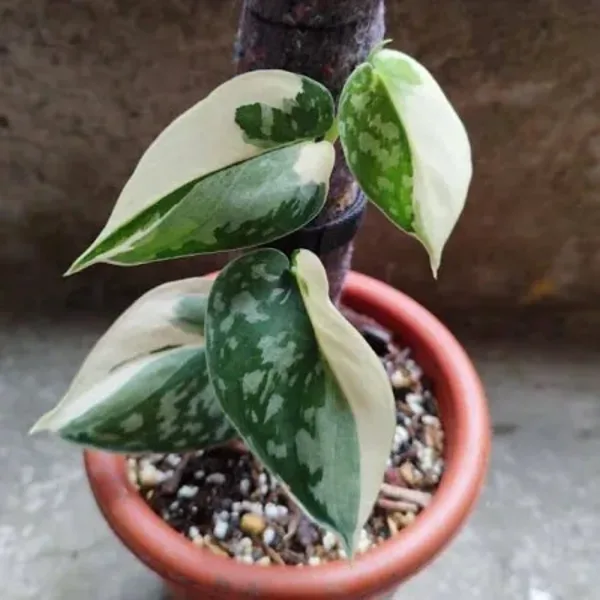
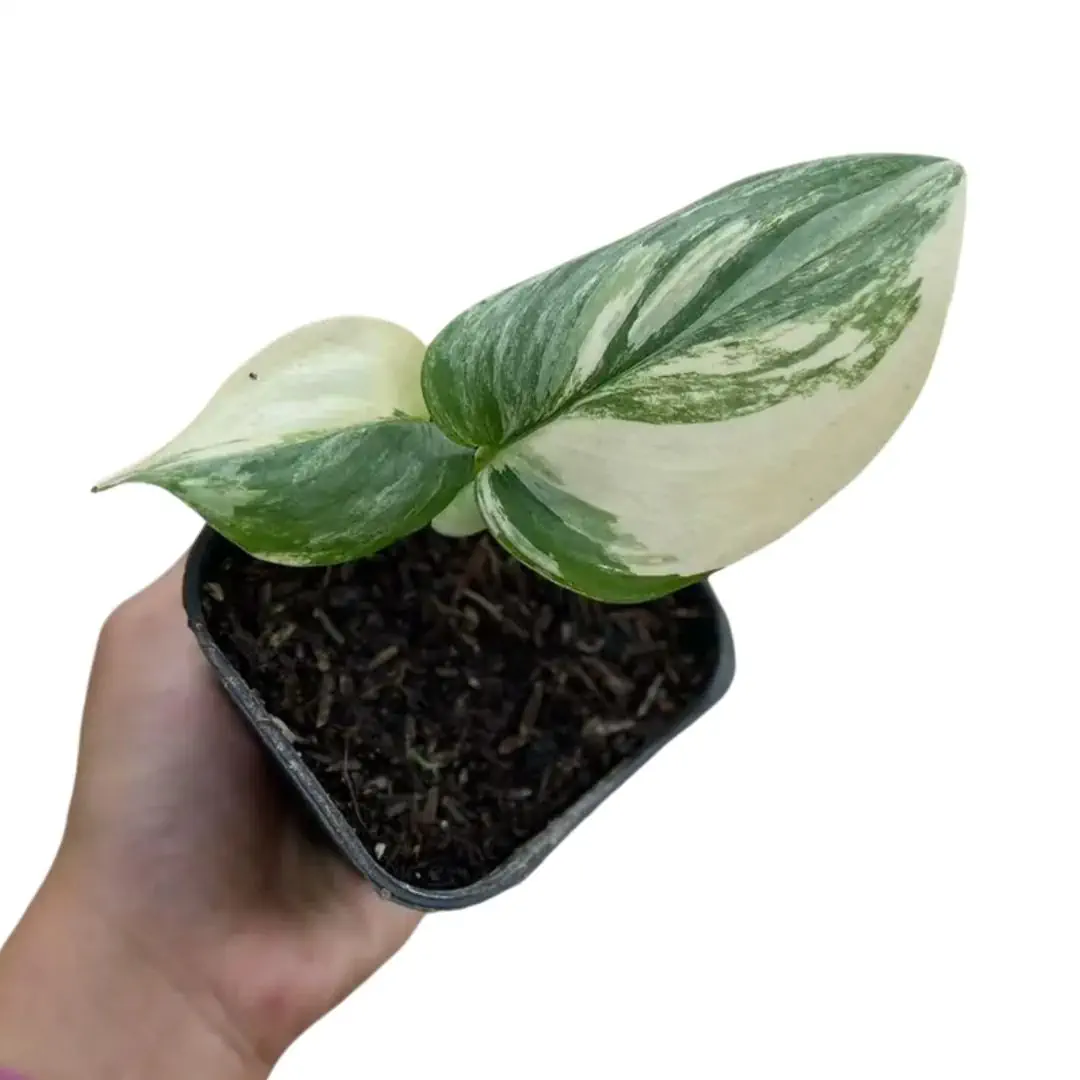
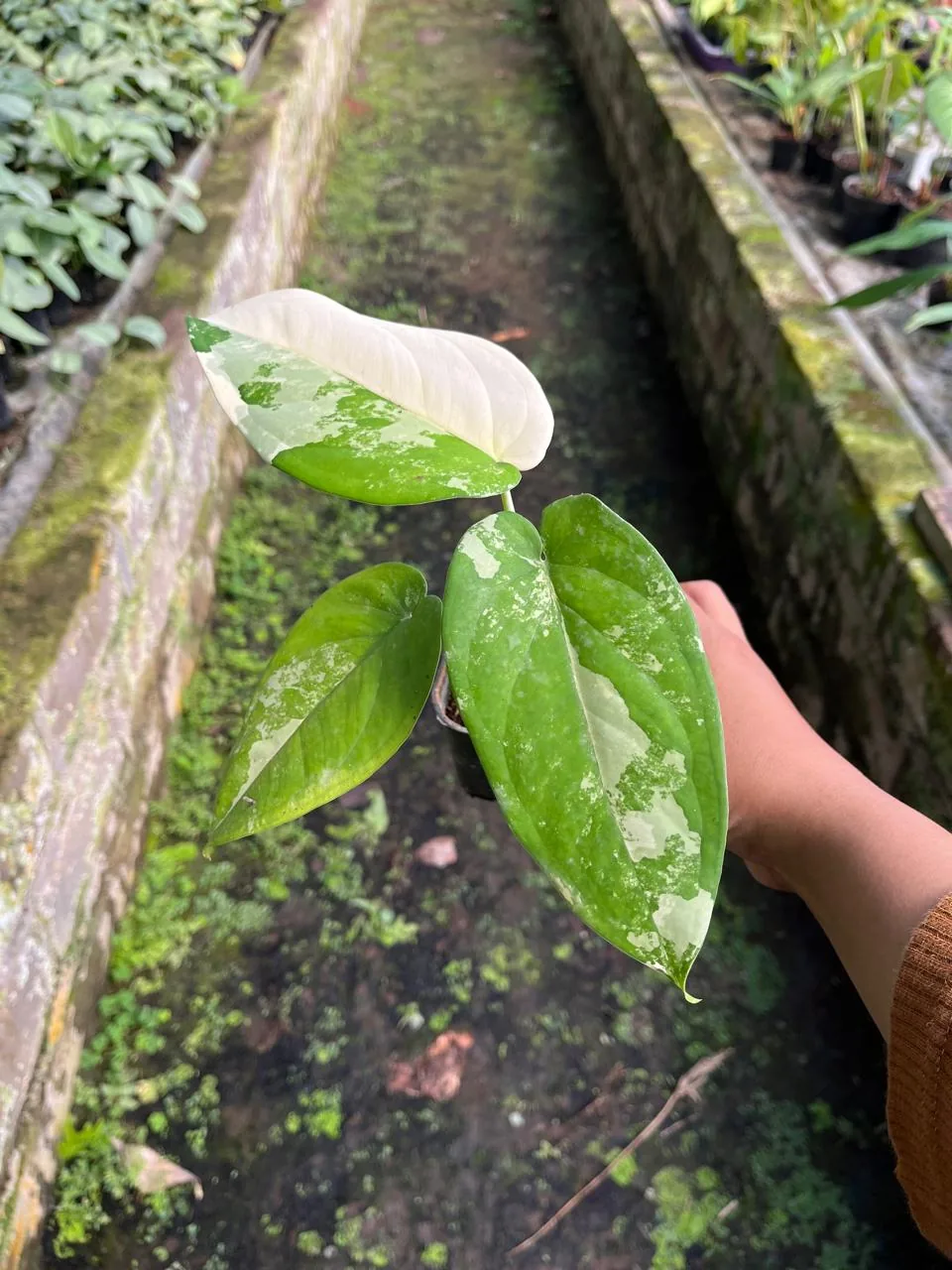
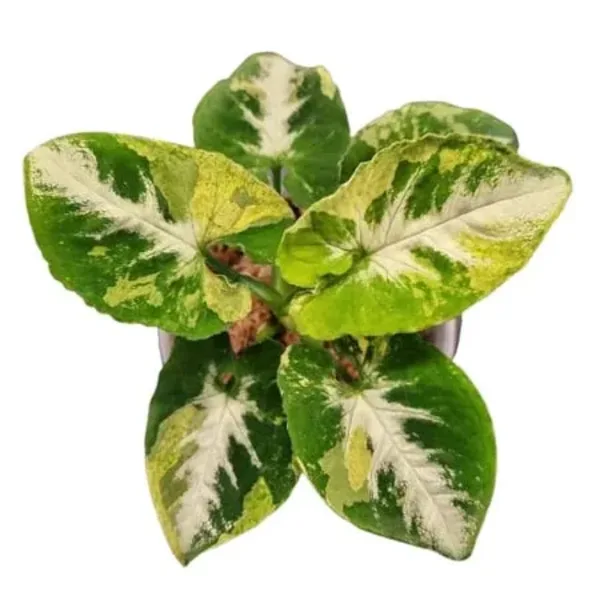
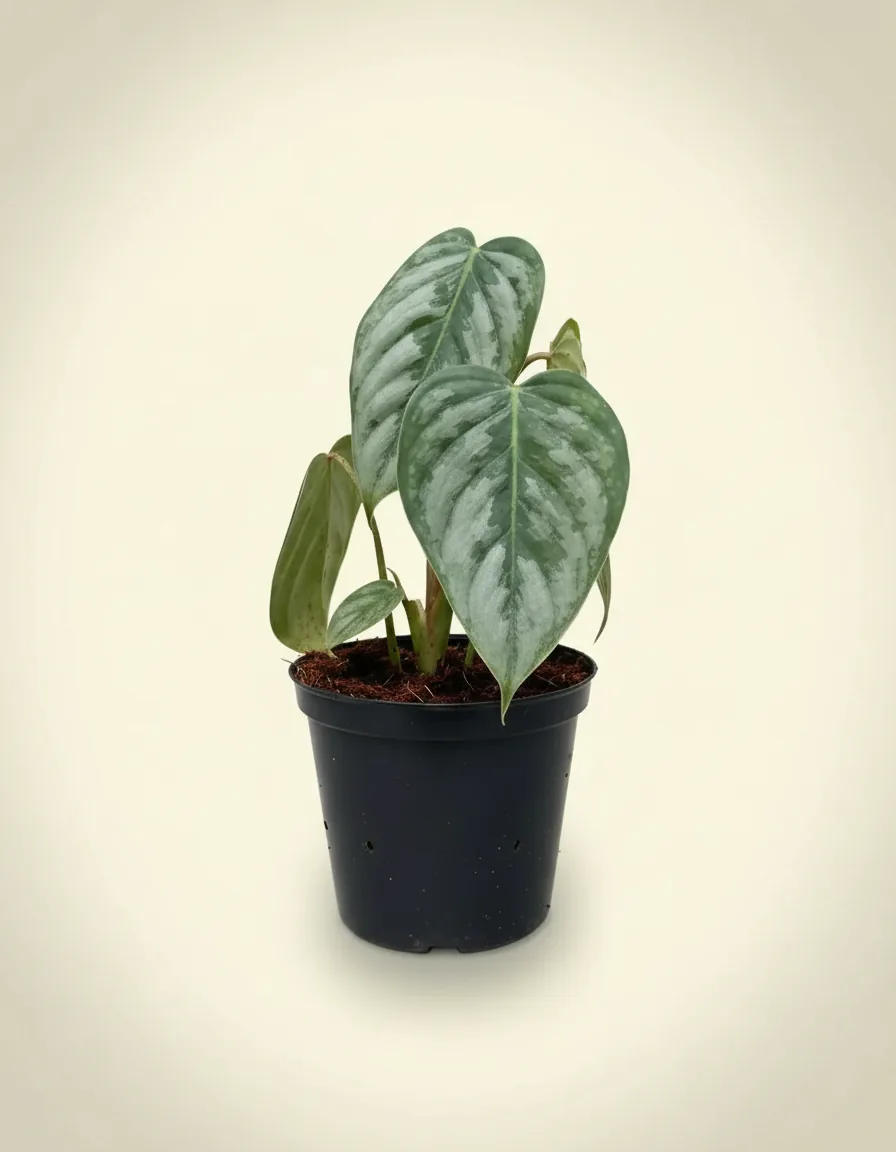
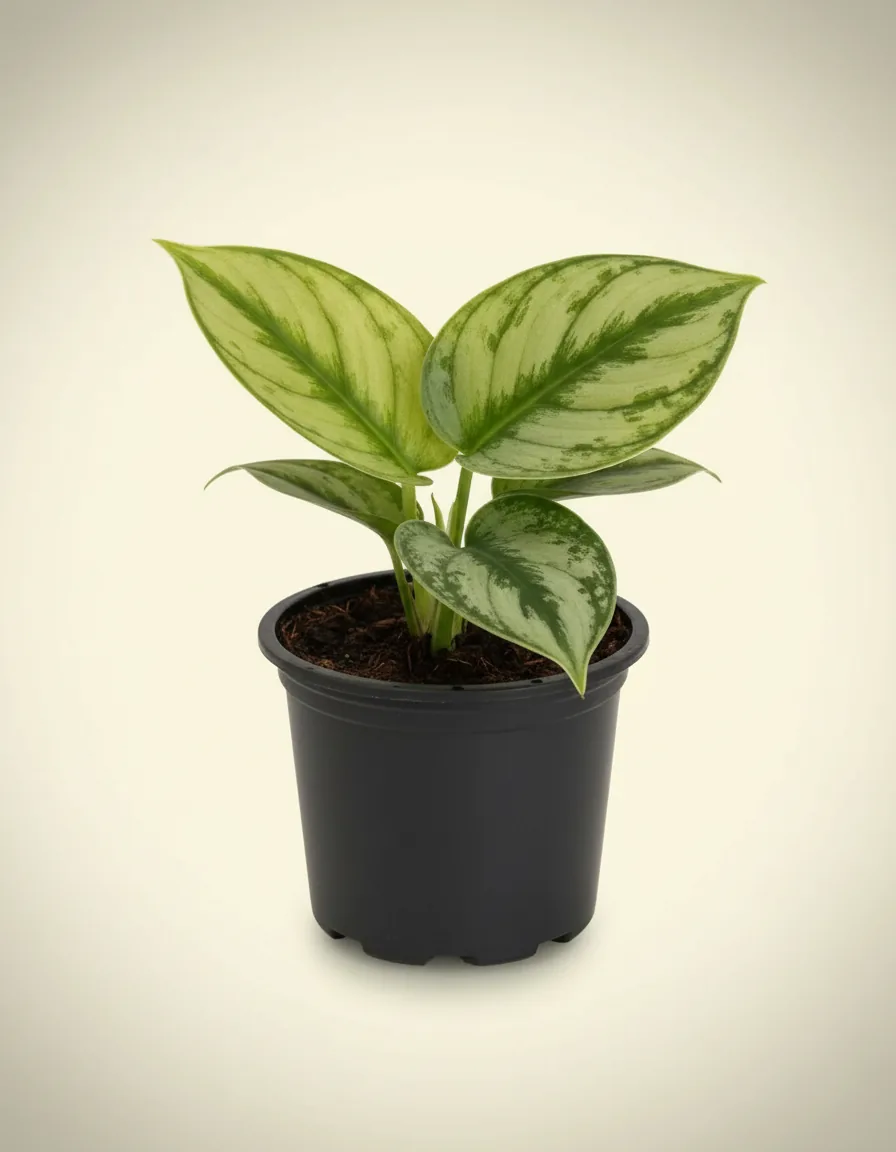
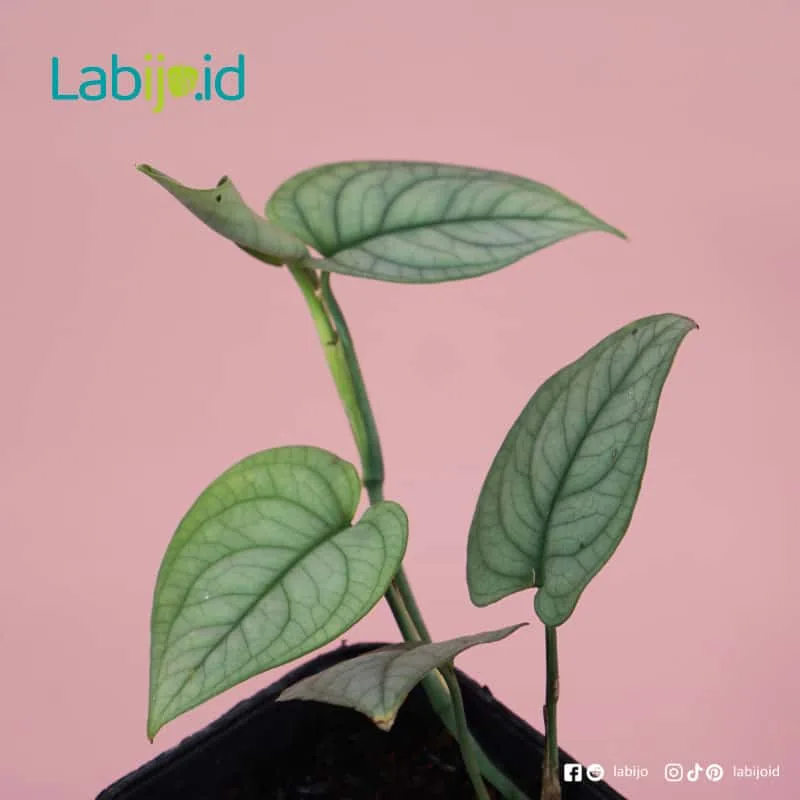
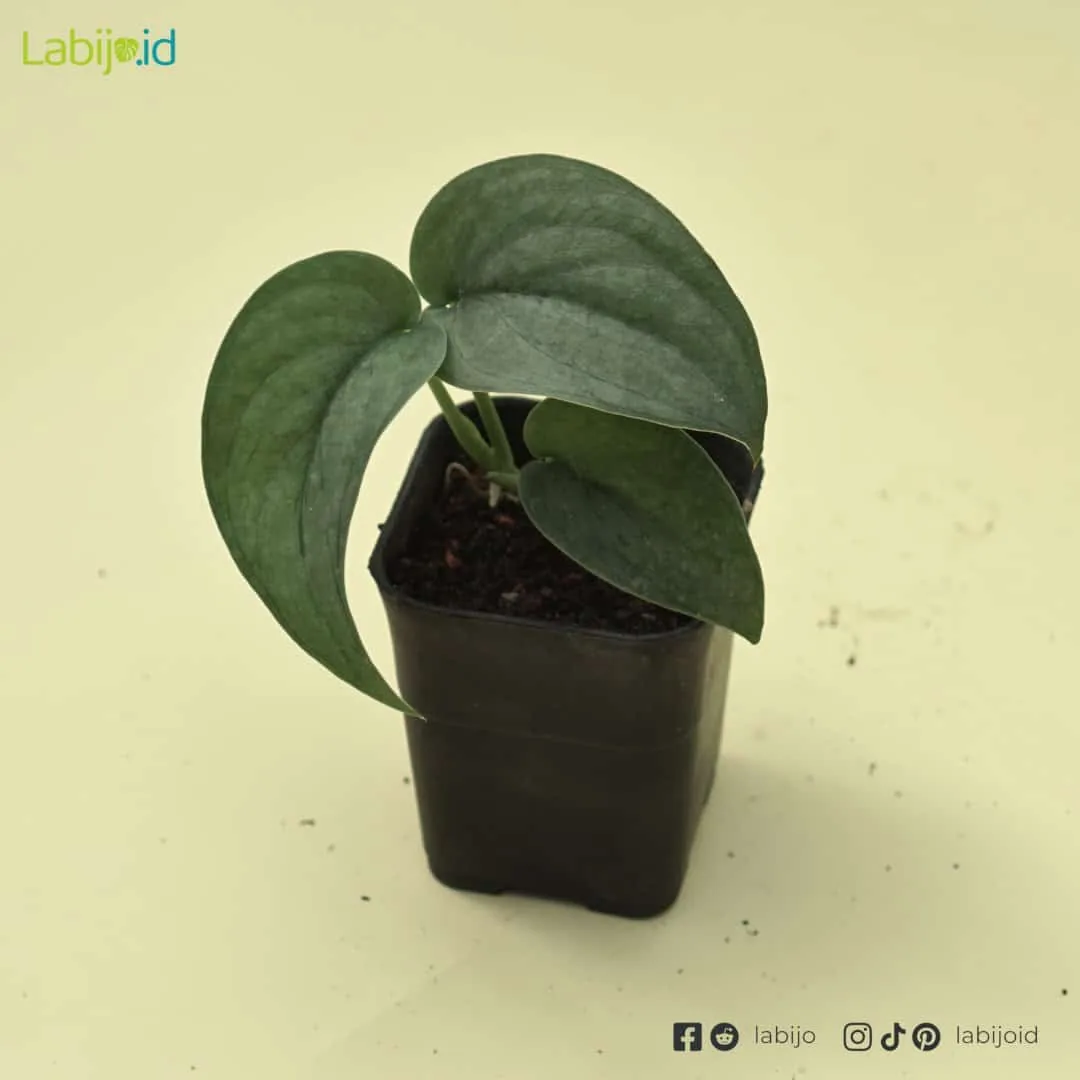
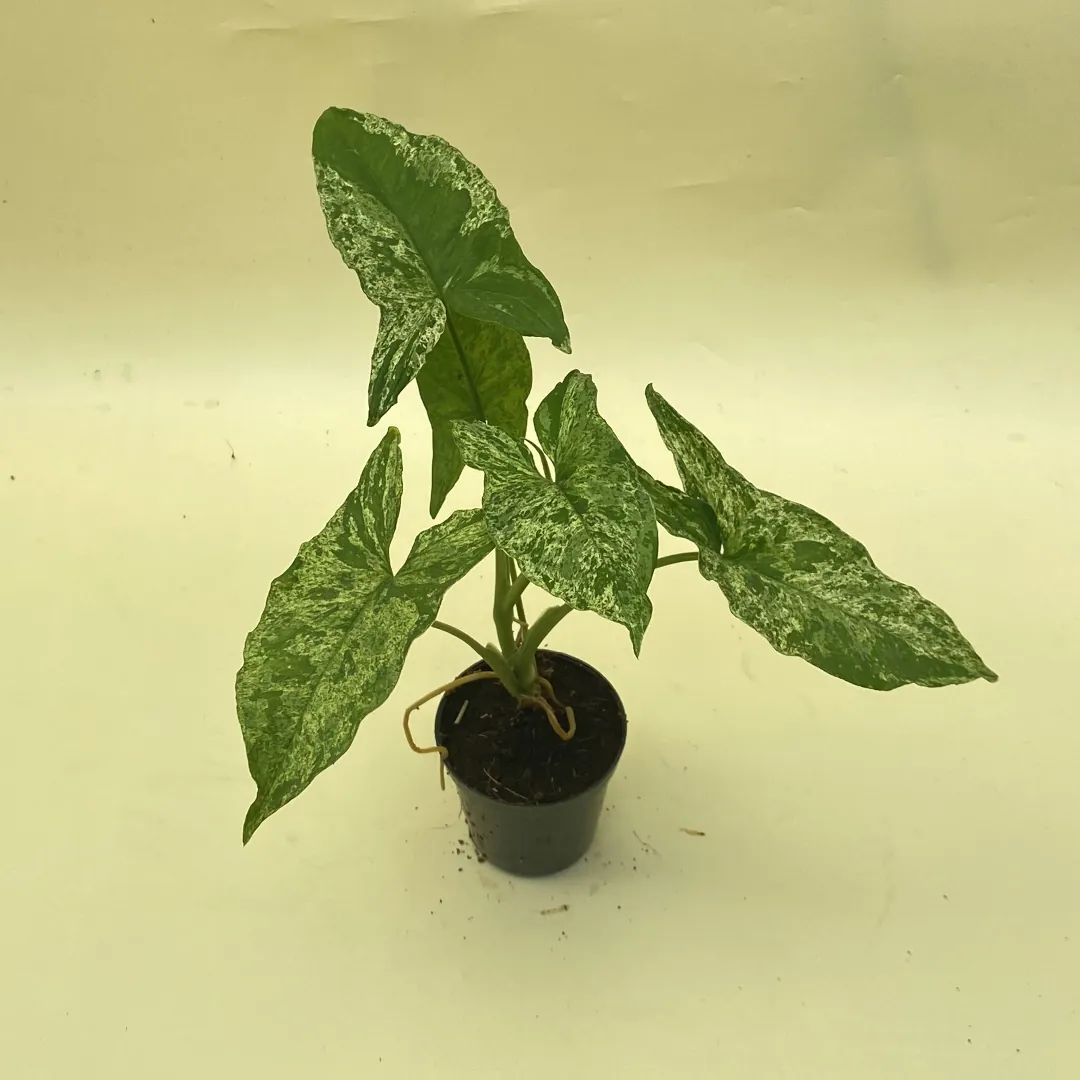
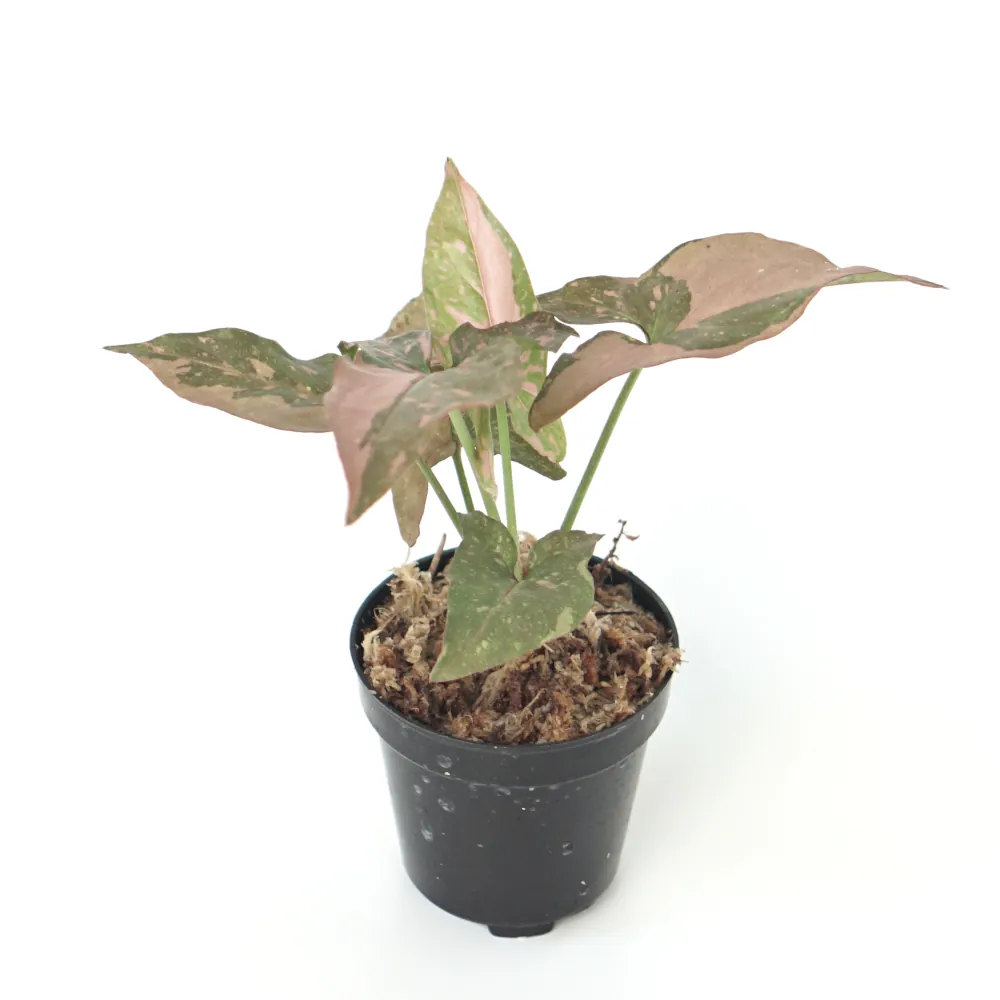
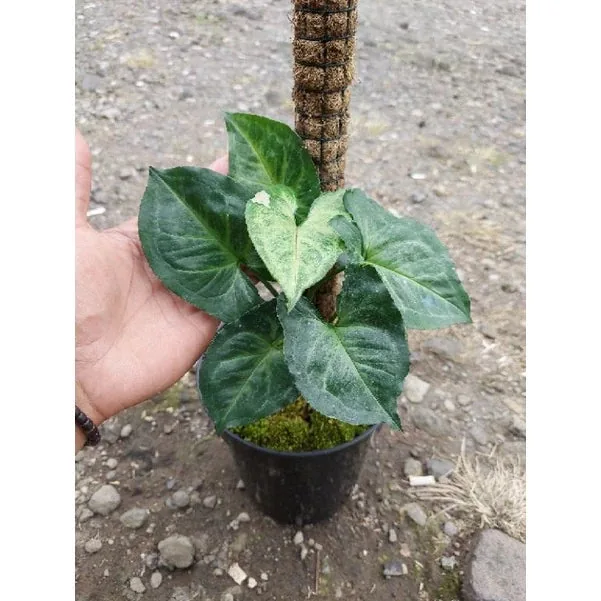
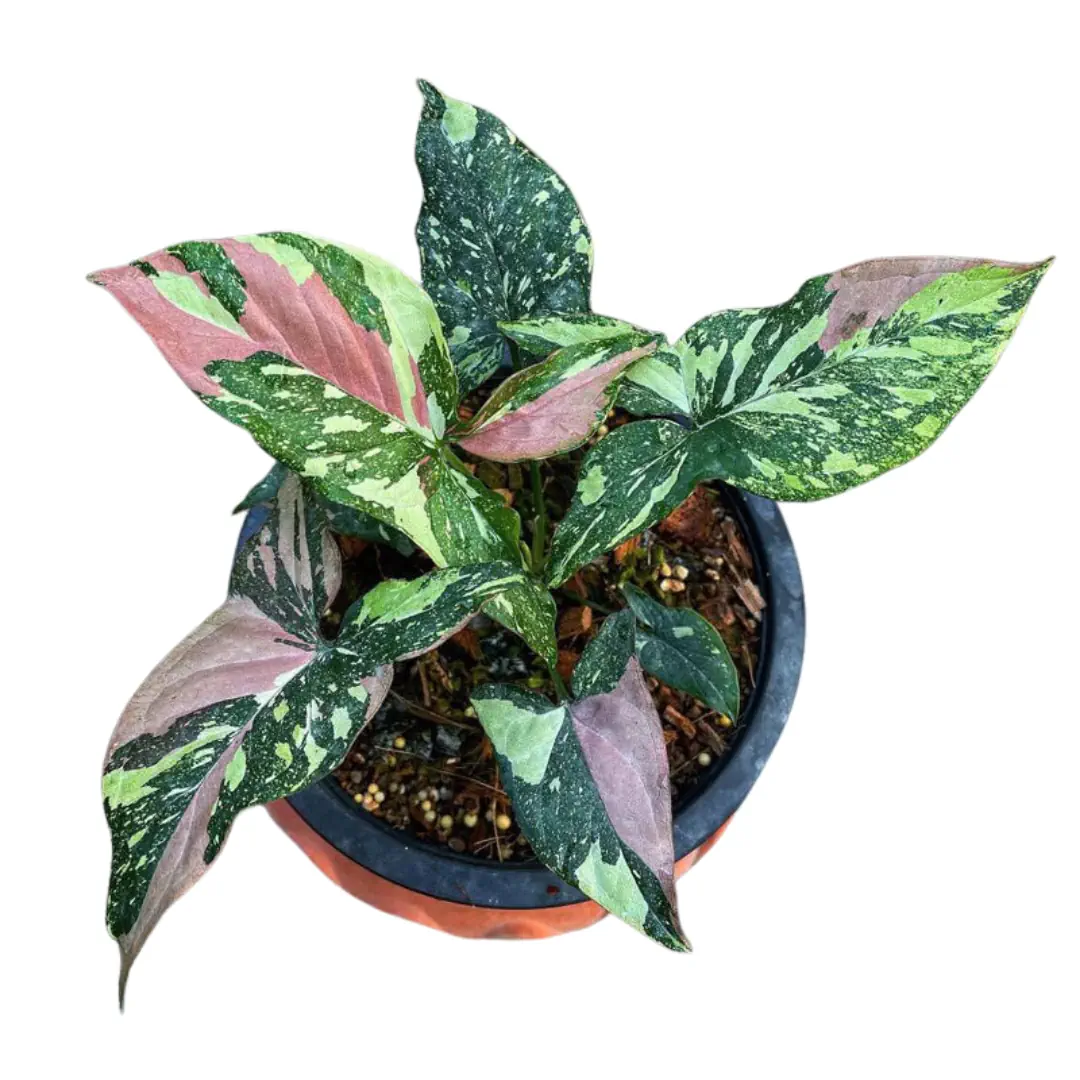
Export protocols, biosecurity compliance, and logistics documentation relevant to aroids & rare foliage.
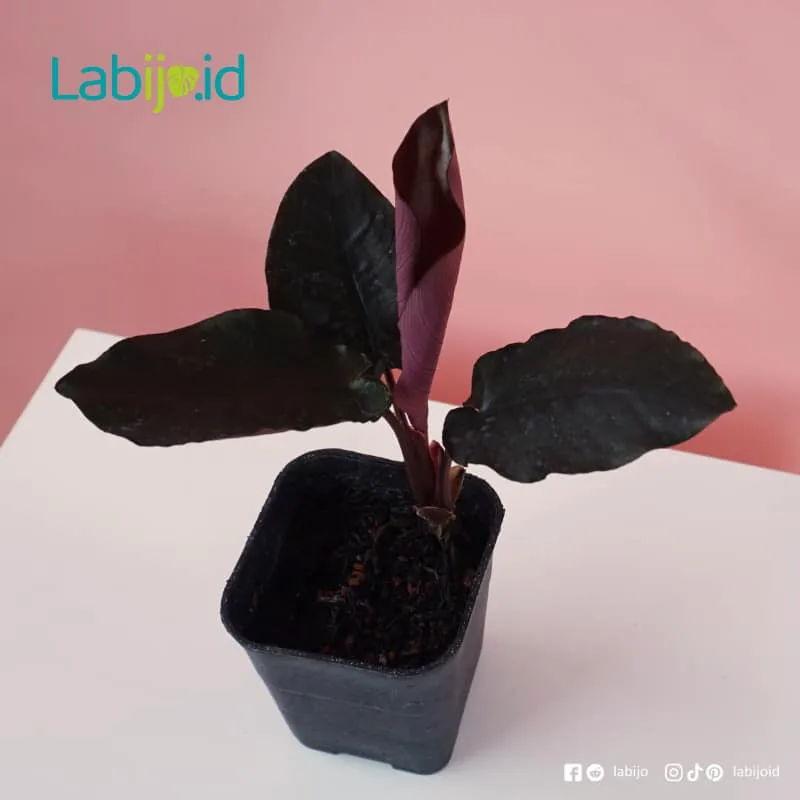
Why dark velvety Anthuriums command the highest retail margins in US/EU plant shops, how to identify genuine Indonesian cultivars, and how to source Grade A+ specimens.
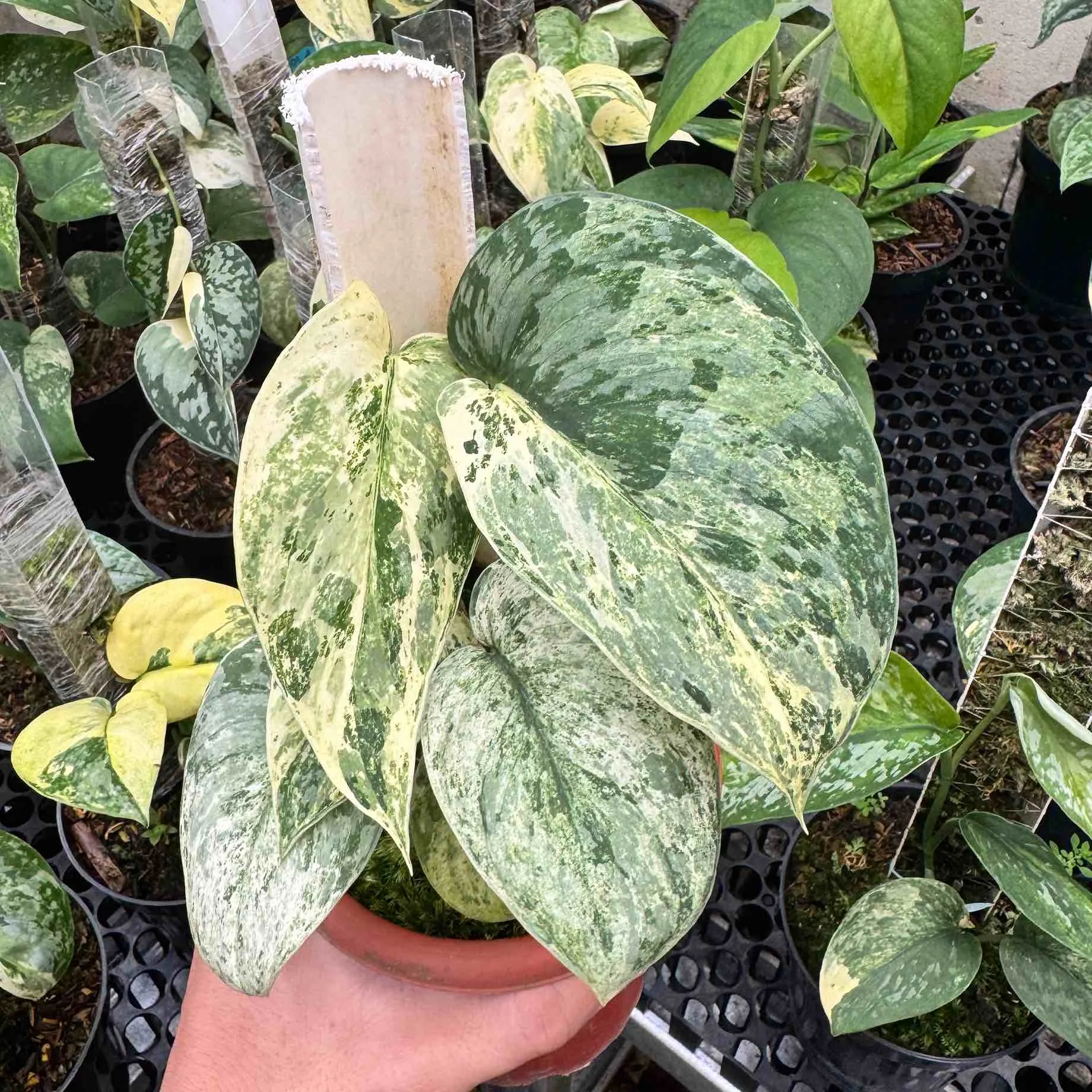
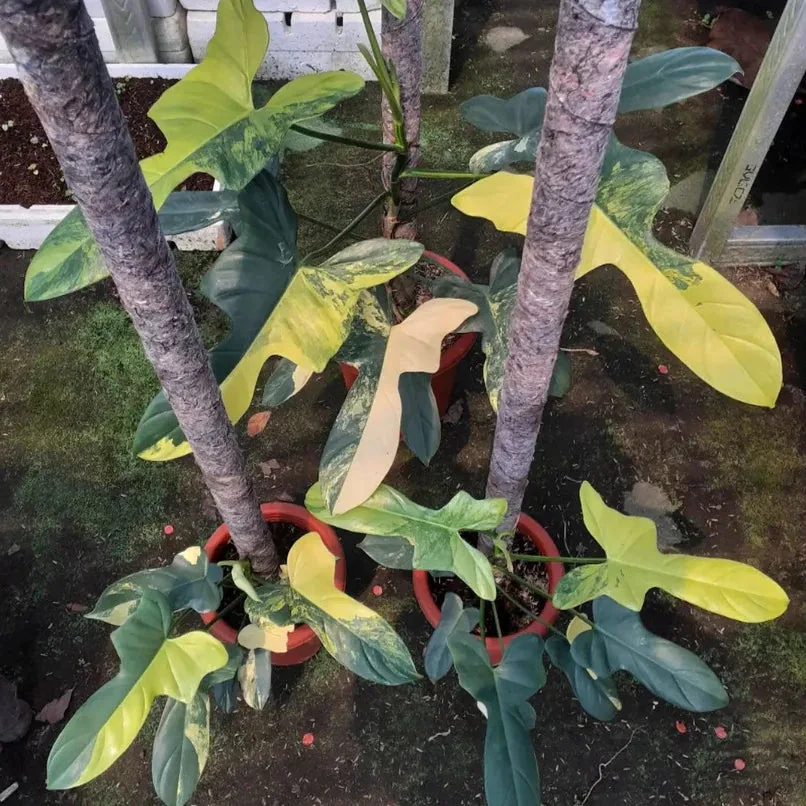
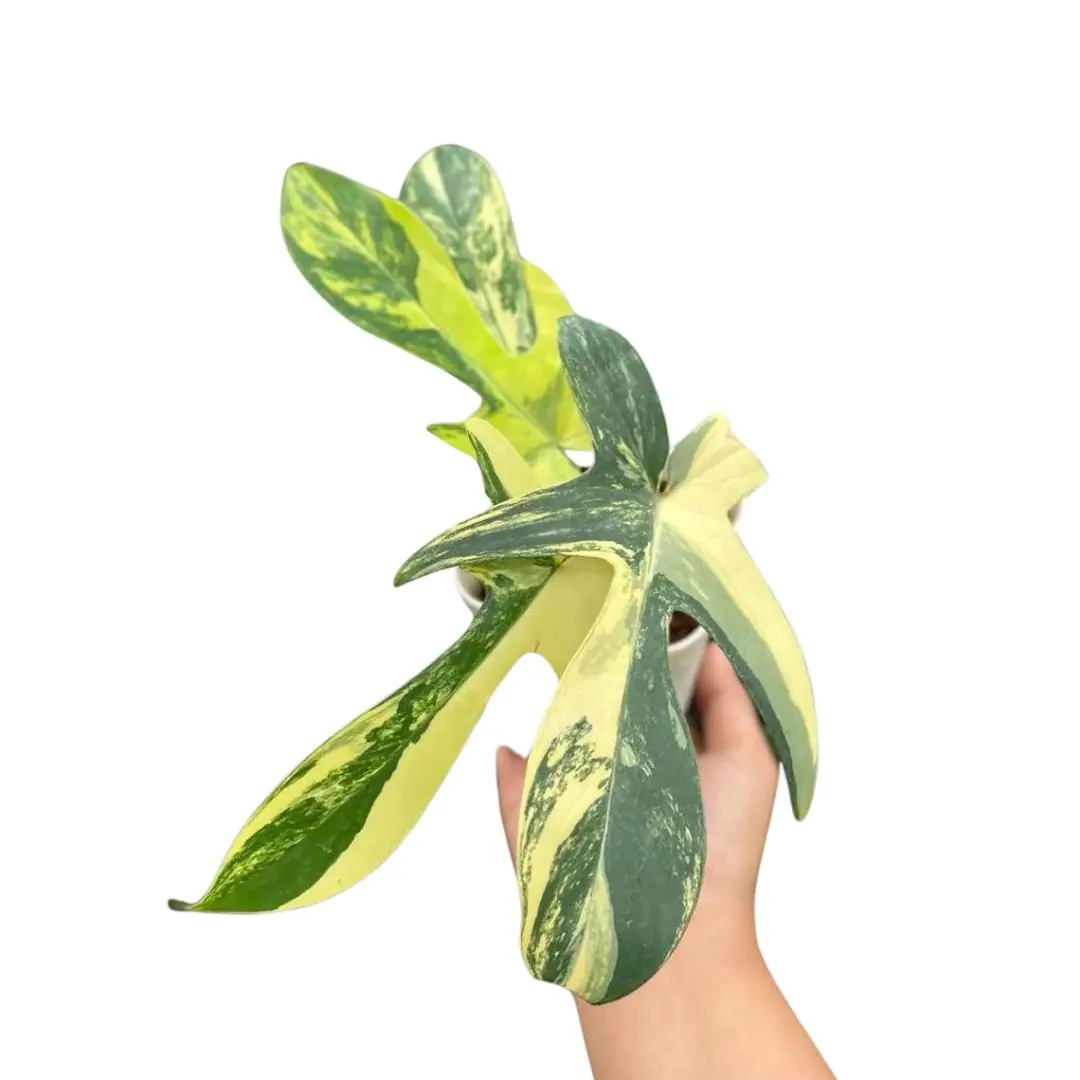
How commercial buyers can distinguish between stable meristematic chimeras and temporary chemical variegation, and why authentic Indonesian sport variegations hold their value.
How Foliaria engineers export containers to maintain a 18°C–26°C interior microclimate even when ambient temperatures in transit hubs like Leipzig or Cincinnati plummet below freezing.
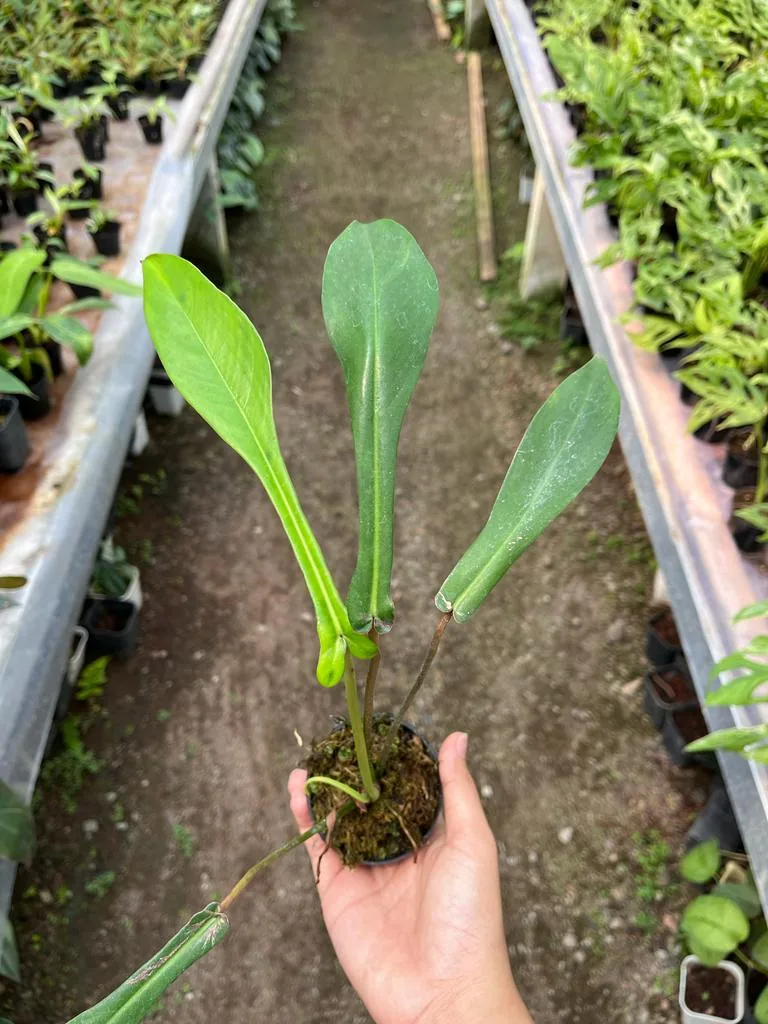
Every aroids & rare foliage consignment is 100% soil-eliminated, dipped, and wrapped in sterile Chilean sphagnum before Barantan inspection.
Compliance dossier →USDA APHIS permitting, the 12-plant exemption boundary, PPQ 587 and Green & Yellow labels.
US import guide →Regulation (EU) 2016/2031, TRACES-NT CHED-PP pre-notification, and e-Phyto certification.
EU import guide →