Monstera Sport Variegation vs Tissue Culture
Analyze the genetic differences between spontaneous Monstera sport variegation, chimeric sectorial mutations, and lab-cloned tissue culture varieties.
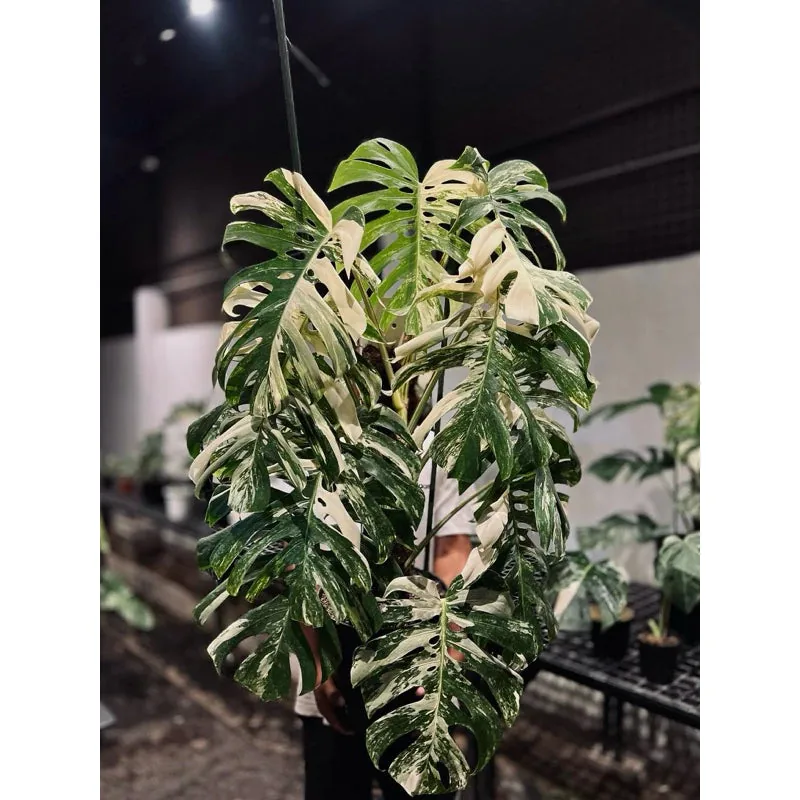
As commercial mass-propagation laboratories flood retail markets with cloned tissue-culture variegations (such as *Monstera deliciosa* 'Thai Constellation'), serious collectors and high-end botanical boutiques increasingly seek authentic, one-of-a-kind **sport variegations**.
Understanding Genetic Chimerism in Sport Variegation
A true "sport" is a spontaneous genetic somatic mutation occurring in the plant's apical meristem. Unlike lab-replicated TC plants where variegation is uniform and predictable, natural sports develop sectorial, marbling, or mint variegation patterns resulting from differential cell layers (L1, L2, and L3 histogenic tunica layers).
Evaluating Stem Striping and Node Stability
When commercial buyers source variegated *Monstera adansonii*, *karstenianum*, or *deliciosa* from Foliaria, our botanists verify variegation striping directly on the internodal stem. If the petiole and stem axis display distinct chlorophyll-deficient stripes through the axillary bud, the variegation is genetically stable and will reliably pass into subsequent leaf nodes.
Acclimatization Advantage of Naturally Propagated Sports
Naturally propagated sport cuttings from mature Indonesian mother plants possess thicker cell walls, robust vascular bundles, and higher lignification than delicate laboratory plantlets. They transit with minimal leaf browning and acclimate rapidly inside greenhouse conditions.
Continue with the commercial pages
The regulatory and commercial detail behind this guide, in the pages buyers actually work from.
Source These Plants Wholesale
Explore export-ready specimens in our Aroids & Rare Foliage hub with phytosanitary inspection guaranteed.
Export-Grade Cultivars Discussed in This Guide
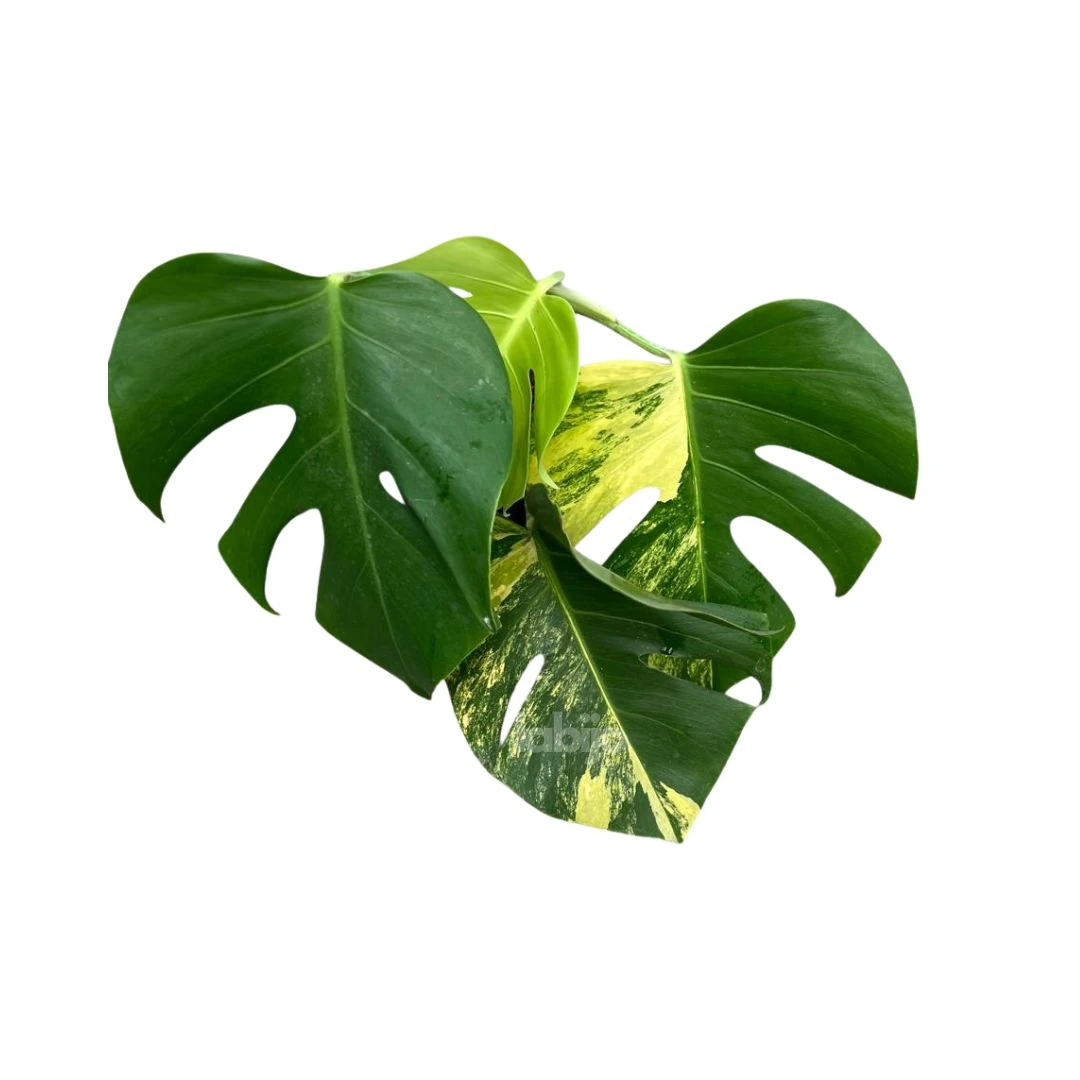
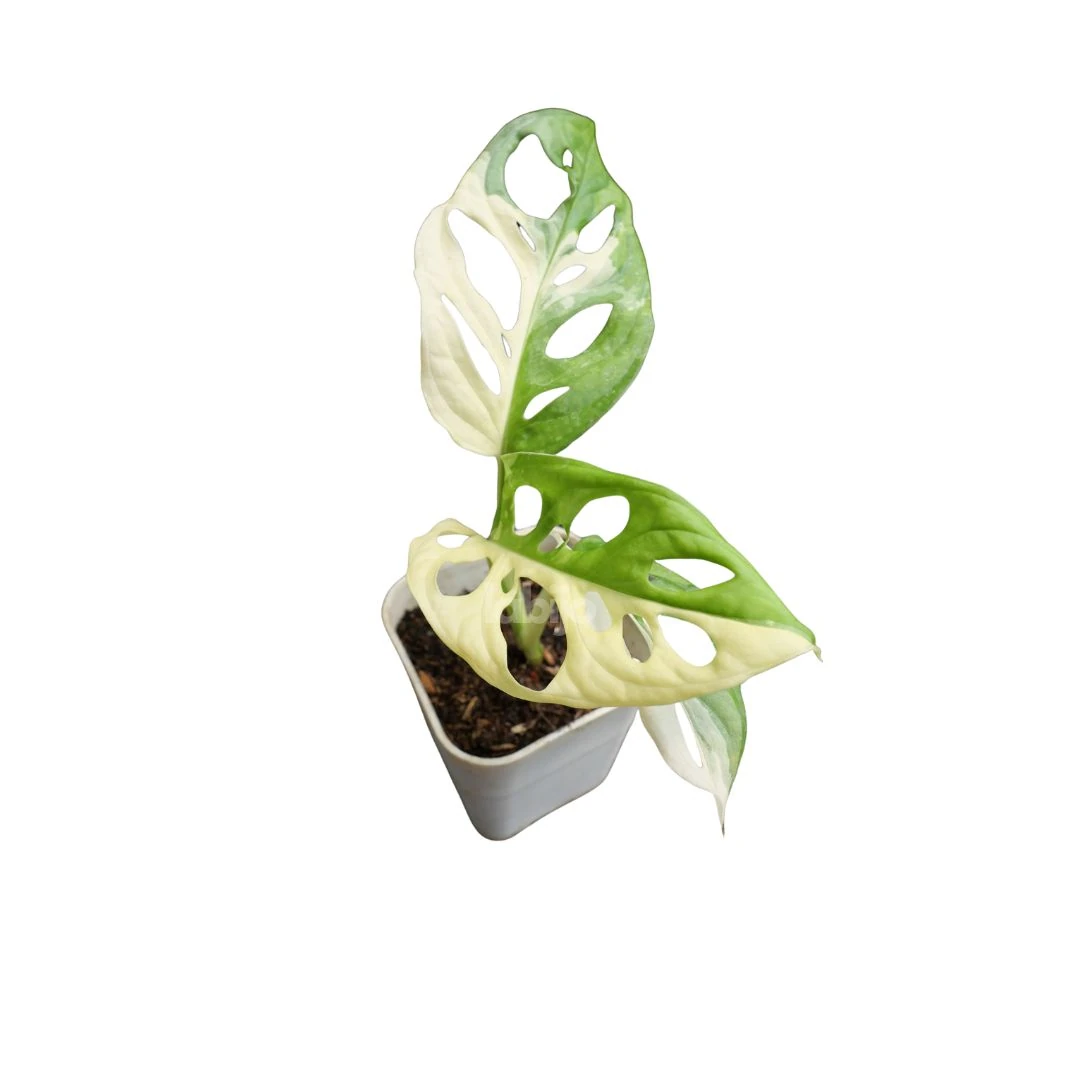
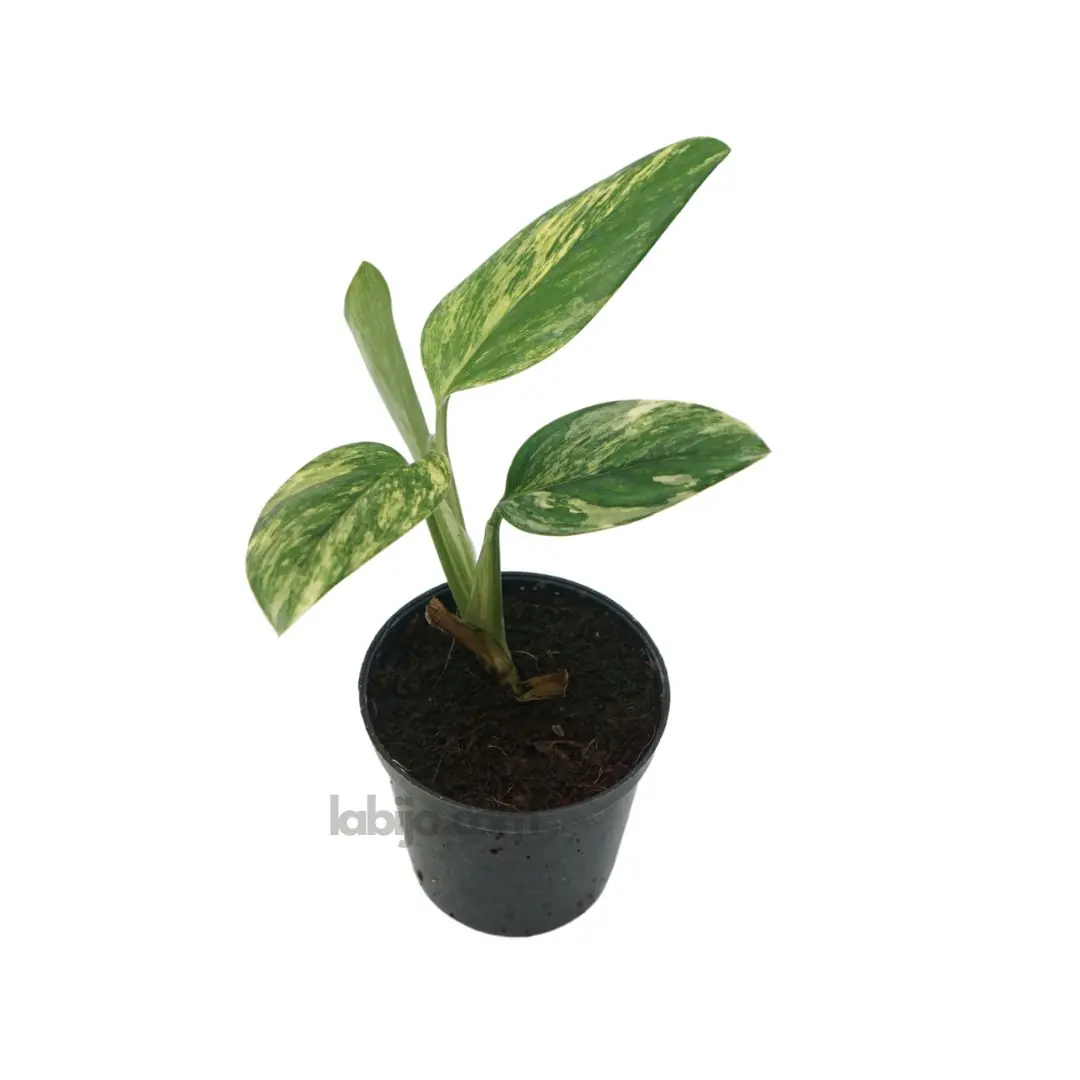
Related Guides & Protocols
Continue exploring international plant export and care manuals.
Wholesale Hoya Sourcing from Indonesia
Why Hoya exhibits the highest transit tolerance among Indonesian export flora, how to structure procurement contracts around cutting and node counts rather than container size, and how to verify indigenous Malesian species provenance.
Anthurium Dark Forms: Wholesale Sourcing
Why dark velvety Anthuriums command the highest retail margins in US/EU plant shops, how to identify genuine Indonesian cultivars, and how to source Grade A+ specimens.
USDA PPQ 587: Importing Plants into the US
Navigating US Department of Agriculture plant import rules: when permits are mandatory, how to obtain eFile clearance, and how green-and-yellow shipping labels route shipments through Plant Inspection Stations.
Build Your Export Consignment
Volume pricing from 30 plants (-3%), rising with order size. 100% bare-root clean with verified Barantan phytosanitary certificates.