Wholesale Hoya Sourcing from Indonesia
Sourcing guide for nurseries buying Indonesian Hoya: cutting specification, bare-root transit resilience, humidity envelopes and provenance checks.
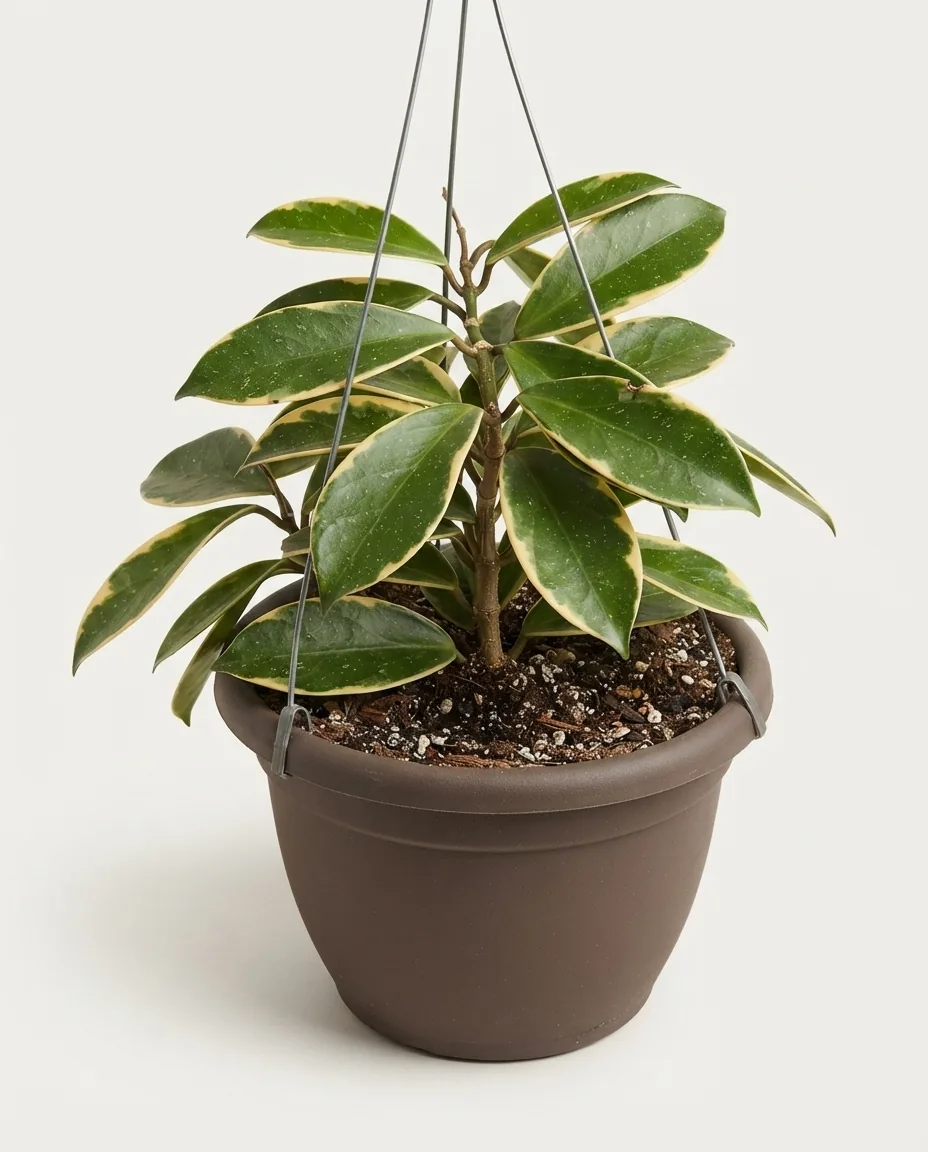
Hoya represents the single largest taxonomic group in our export catalog, reflecting Indonesia’s geographical placement directly within the epicenter of Malesian Asclepiadoideae diversity. For commercial foliage nurseries, boutique epiphyte retailers, and propagation facilities across North America and Europe, sourcing Hoya directly from Indonesian cultivation facilities offers access to extraordinary morphotypes, endemic regional selections, and robust genetic lineages.
However, successful wholesale procurement requires shifting away from generic potted-aroid specifications toward metrics calibrated to epiphytic biology, precise node counts, and cargo microclimates.
Why Hoya Is the Most Export-Forgiving Genus in Tropical Trade
Commercial plant import risk is fundamentally governed by bare-root transit shock. Under Indonesian Quarantine Authority (Barantan) regulations and importing biosecurity standards—including USDA 7 CFR 319.37 and European Union plant health rules—100% of organic potting soil and field substrate must be mechanically washed and removed from roots prior to phytosanitary inspection.
For terrestrial aroids such as Philodendron or Alocasia, stripping soil severs fine root hairs, induces violent osmotic shock, and leaves damaged cortical tissue vulnerable to Pythium or Erwinia soft rot inside dark air-cargo consignments.
Hoya behaves completely differently. As canopy epiphytes and lithophytes, Hoya species naturally anchor to tree bark, rock faces, or mossy branches. Their root systems are biologically adapted to periodic root exposure, dry atmospheric intervals, and high oxygen diffusion around the rhizosphere. In our production greenhouses, stock is cultivated on vertical slatted mounts or in loose, coarse coconut husk chips rather than dense peat mixtures.
When processed for export biosecurity, the transition to bare root is negligible: the roots are already accustomed to ambient air exposure and require only sterile moisture retention rather than a traumatic physiological reset. Consequently, Hoya routinely exhibits the highest post-arrival survival rate (exceeding 98% in commercial consignments) and the fastest acclimatisation curve of any genus in the Indonesian export range.
Rooted vs. Unrooted Material: The Commercial Trade-Off
When structuring a wholesale order, commercial buyers must select between established rooted plants and unrooted vegetative cuttings. Each specification serves distinct business models and operational facilities:
Specifying unrooted material requires an in-house propagation protocol and a 4-to-6-week nursery rooting window, but it maximizes gross margin on volume imports.
Specifying by Cutting Count and Node Count Rather than Pot Size
A common error among first-time importers is issuing purchase orders using domestic retail conventions such as "4-inch pot" or "6-inch hanging basket." In international export trade, container sizes are meaningless because containers and standard growing media are legally prohibited from crossing borders.
Commercial procurement contracts must define plant material with precision across four structural parameters:
4. **Growth Point Integrity:** Confirm whether each cutting must include an active apical meristem or if single/double-node interpetiolar sections with dormant lateral axillary eyes are acceptable at tiered wholesale pricing.
Microclimate Humidity Envelopes: Highland vs. Lowland Physiological Constraints
While Hoya foliage is protected by a waxy, cutinized epidermis and succulent mesophyll layers that resist rapid water loss, transit vulnerability varies dramatically depending on the taxon’s native elevation and ecotype:
Lowland and coastal selections (such as forms of Hoya verticillata, Hoya lacunosa, or Hoya carnosa) tolerate a broad vapour-pressure deficit (VPD) range and endure ambient packing temperatures between 18°C and 30°C without foliage loss.
In contrast, montane species originating from the cloud forests of highland Sumatra and the central ranges of Sulawesi (including montane morphotypes from Mamasa or Toraja) demand strict environmental humidity stability. In their native habitats, relative humidity rarely drops below 80%, and ambient temperatures remain cool and misty. If exposed to a dry cargo environment, highland taxa close stomata, experience localized cellular dehydration, and shed their leaves at the petiole abscission zone within 72 hours.
To protect both ecotypes without inducing anaerobic rot, our packing protocol encases root zones in sterile long-fiber Chilean or New Zealand sphagnum moss calibrated precisely to 60% moisture content by weight (the moisture standard detailed in our technical guide on the 60% moss moisture rule). Squeezing moss until zero free water drips provides the ideal equilibrium: sufficient vapour pressure to prevent leaf drop, while maintaining adequate oxygen porosity to prevent Pythium decay during transit.
Evaluating Supplier Naming Discipline and Species Integrity
Unlike neotropical genera such as Philodendron or Anthurium—which are cultivated in Indonesia but not indigenous to the archipelago—Hoya is authentically native throughout the Indonesian archipelago and the broader Malesian biogeographical zone. Indonesia hosts hundreds of described species and numerous undescribed regional morphotypes across Sumatra, Java, Borneo, Sulawesi, Maluku, and Papua.
Because genuine Indonesian provenance is scientifically legitimate for Hoya, international buyers must distinguish between disciplined botanical exporters and unstructured jungle aggregators:
4. **Variegation Stability:** For high-value chimeric selections such as Hoya multiflora variegated, ensure the nursery provides photo-verification of stock beds demonstrating stable internal cell lineage rather than transient chemically induced flush patterns.
By establishing clear purchase order specifications focused on node maturity, selecting the appropriate rooting tier, and partnering with an exporter adhering to rigorous phytosanitary preparation, commercial nurseries can build a dependable, high-margin Indonesian Hoya import program.
Continue with the commercial pages
The regulatory and commercial detail behind this guide, in the pages buyers actually work from.
Source These Plants Wholesale
Explore export-ready specimens in our Hoya & Epiphytes hub with phytosanitary inspection guaranteed.
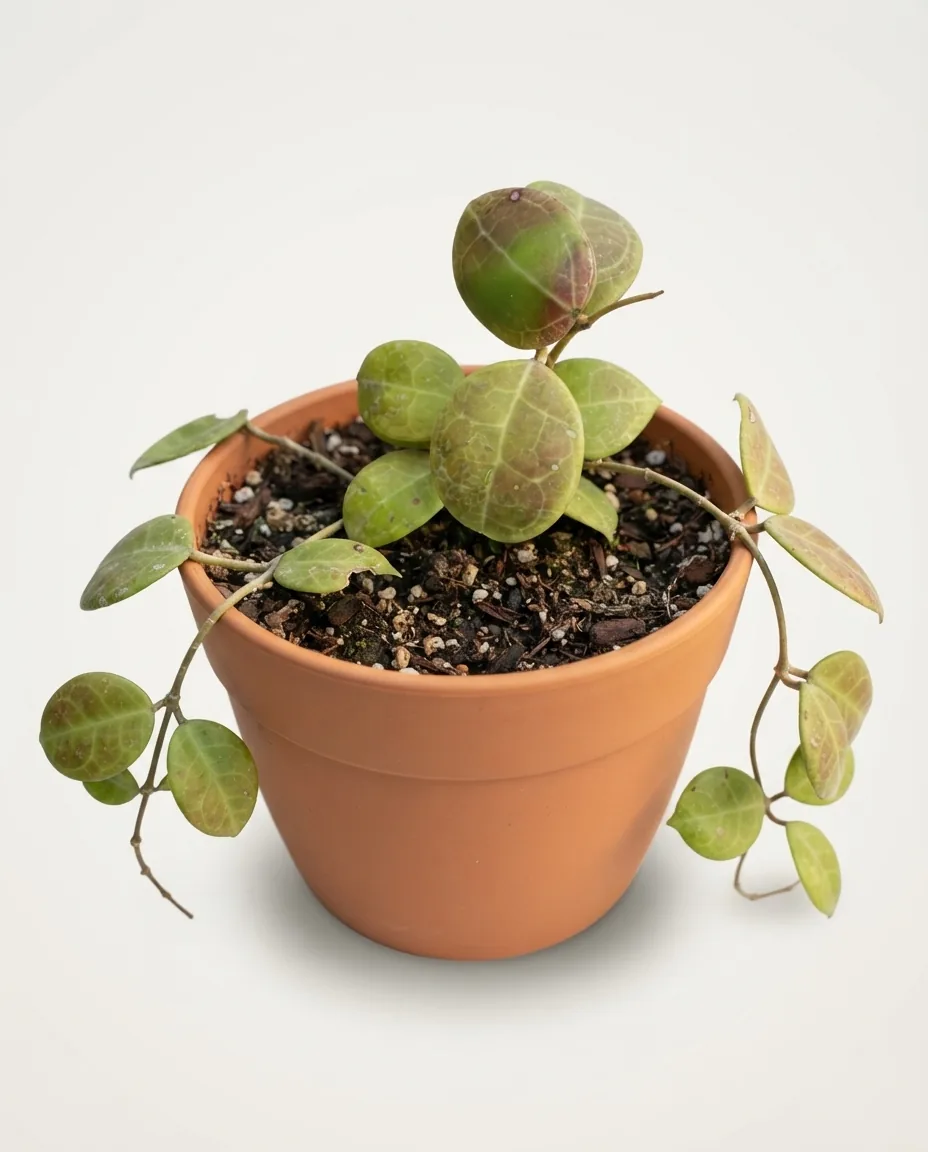
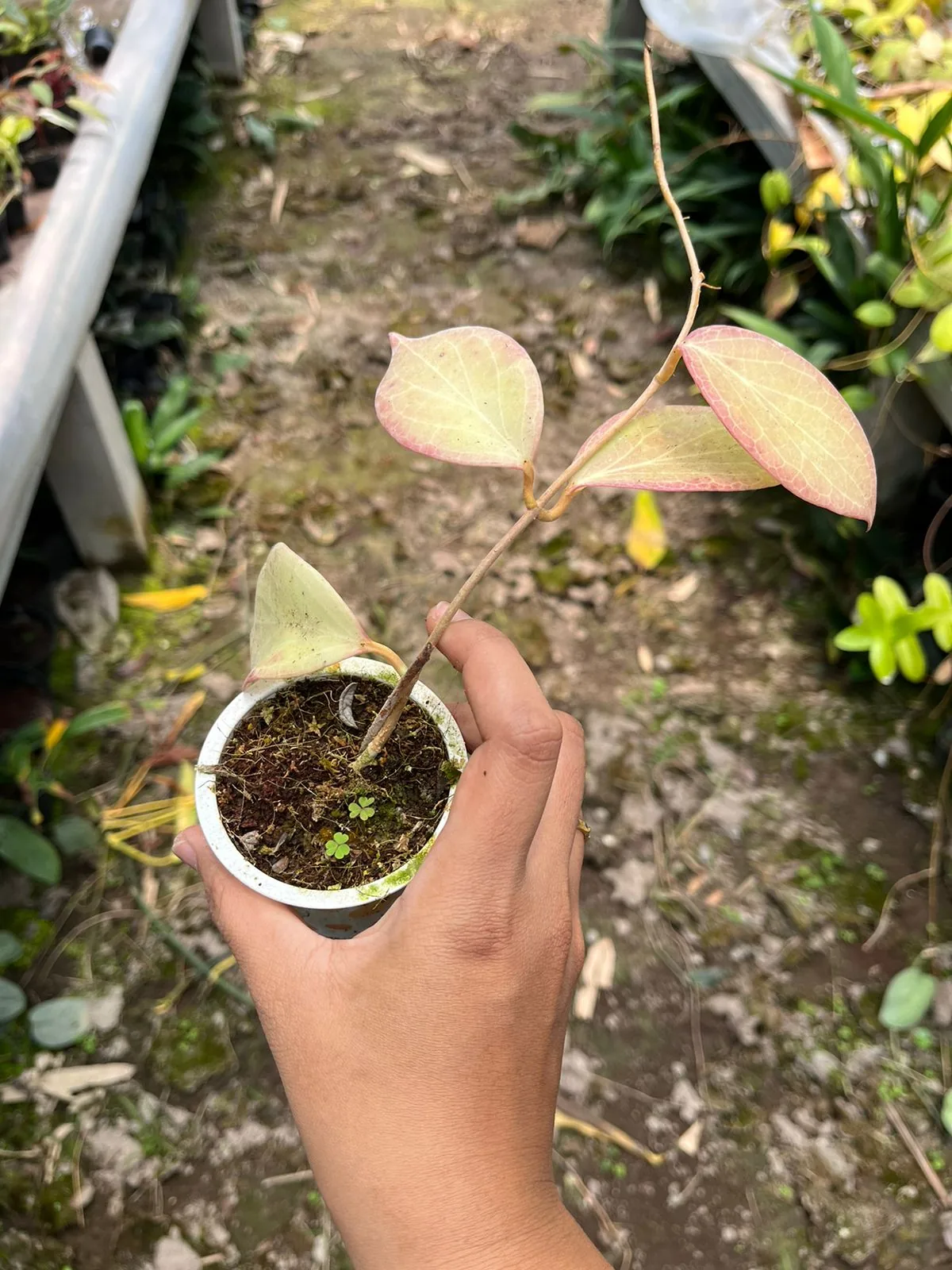
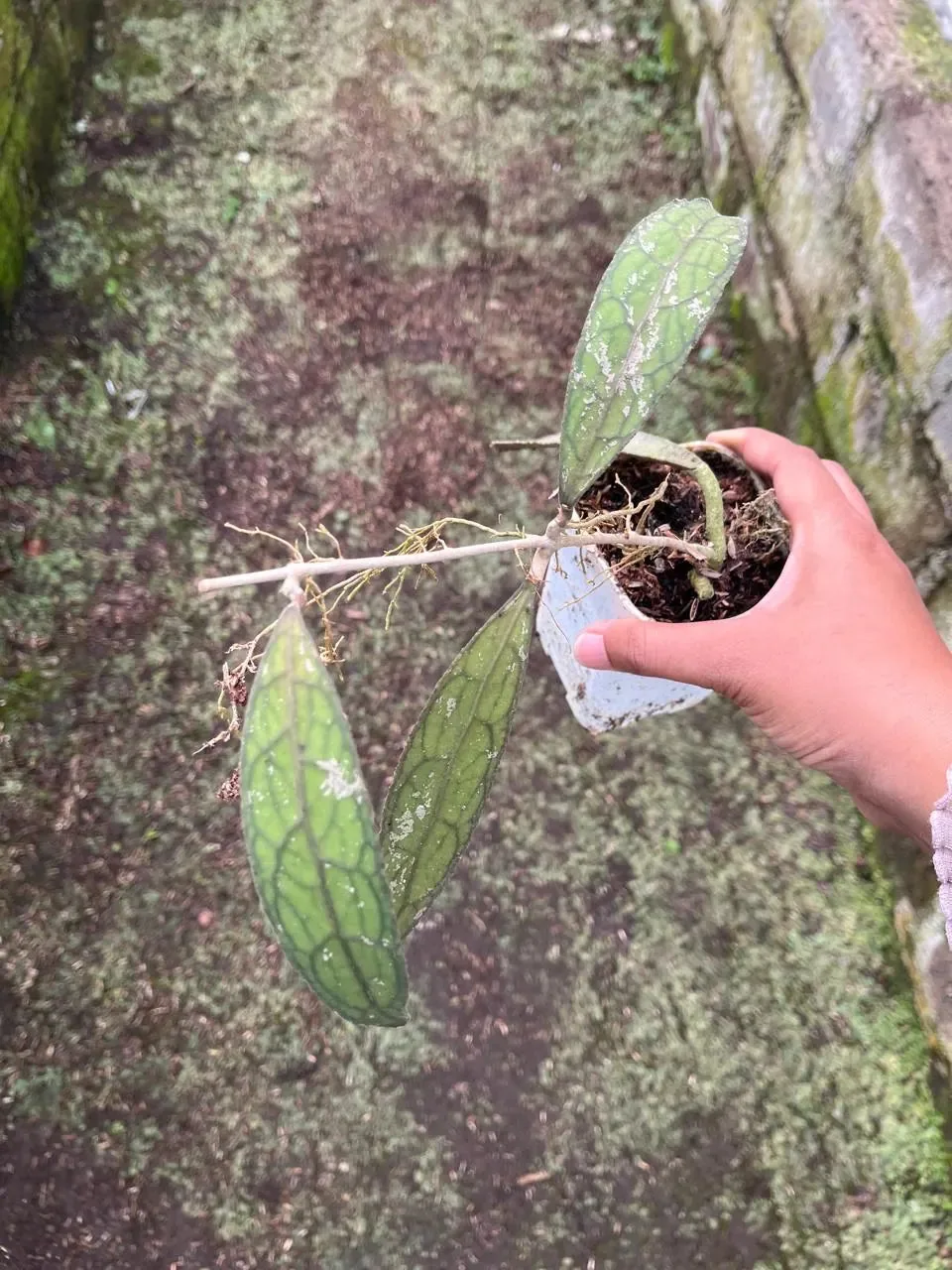
Export-Grade Cultivars Discussed in This Guide
Related Guides & Protocols
Continue exploring international plant export and care manuals.
Monstera Sport Variegation vs Tissue Culture
How commercial buyers can distinguish between stable meristematic chimeras and temporary chemical variegation, and why authentic Indonesian sport variegations hold their value.
Anthurium Dark Forms: Wholesale Sourcing
Why dark velvety Anthuriums command the highest retail margins in US/EU plant shops, how to identify genuine Indonesian cultivars, and how to source Grade A+ specimens.
USDA PPQ 587: Importing Plants into the US
Navigating US Department of Agriculture plant import rules: when permits are mandatory, how to obtain eFile clearance, and how green-and-yellow shipping labels route shipments through Plant Inspection Stations.
Build Your Export Consignment
Volume pricing from 30 plants (-3%), rising with order size. 100% bare-root clean with verified Barantan phytosanitary certificates.