Sphagnum Moisture and Root Rot in Transit
The critical difference between soggy moss and optimal moisture equilibrium. Why squeezing moss until zero free water drips is the single most important defense against Pythium decay in air cargo.
83 export-ready lines in this category, dispatched bare-root from East Java with a Barantan Phytosanitary Certificate per consignment. Buyer profile: hoya collectors, epiphyte specialists, propagation nurseries.
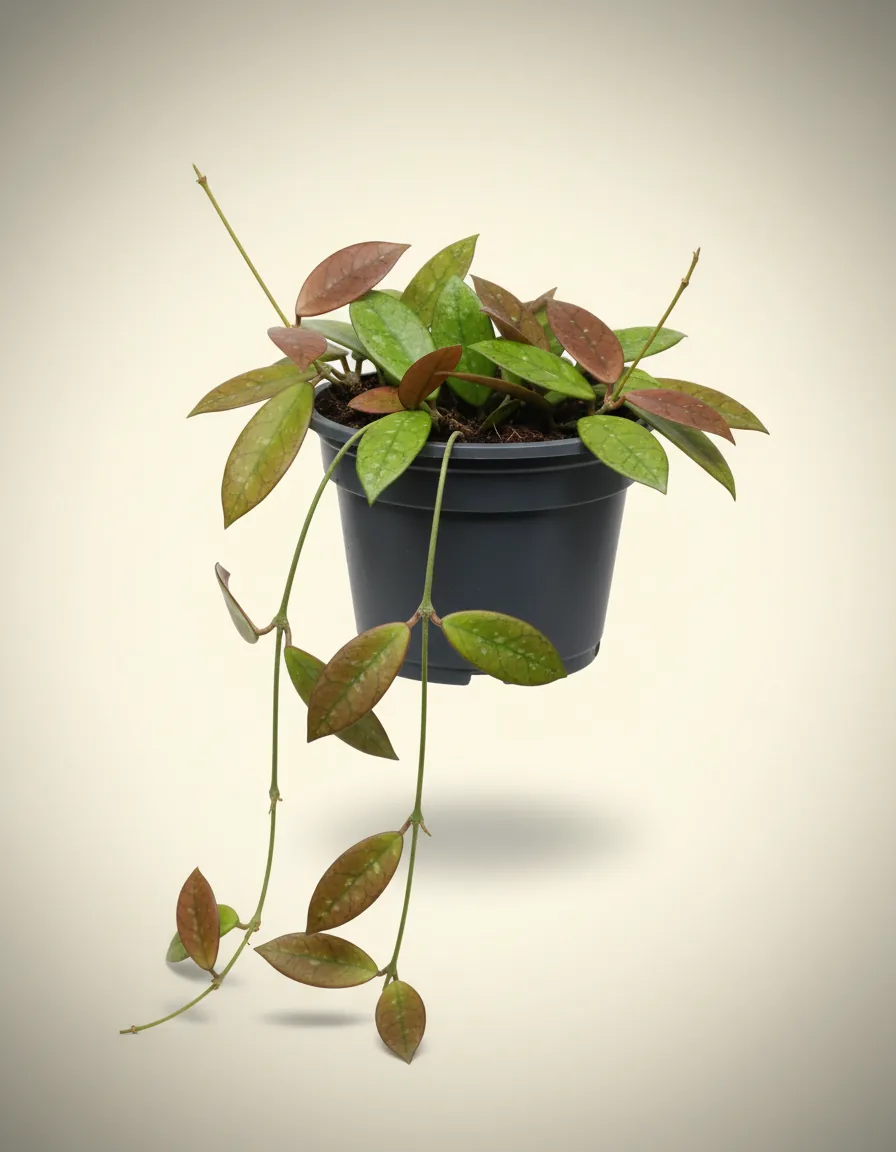
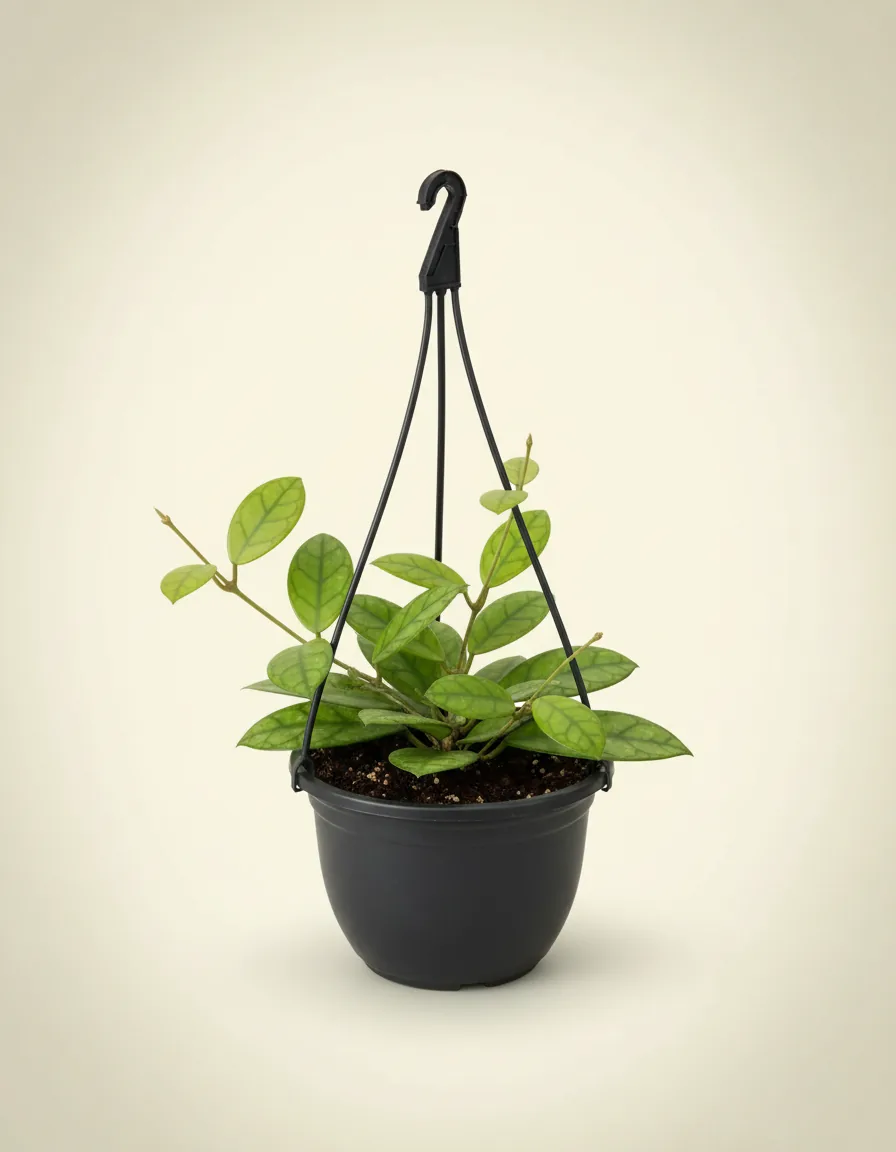
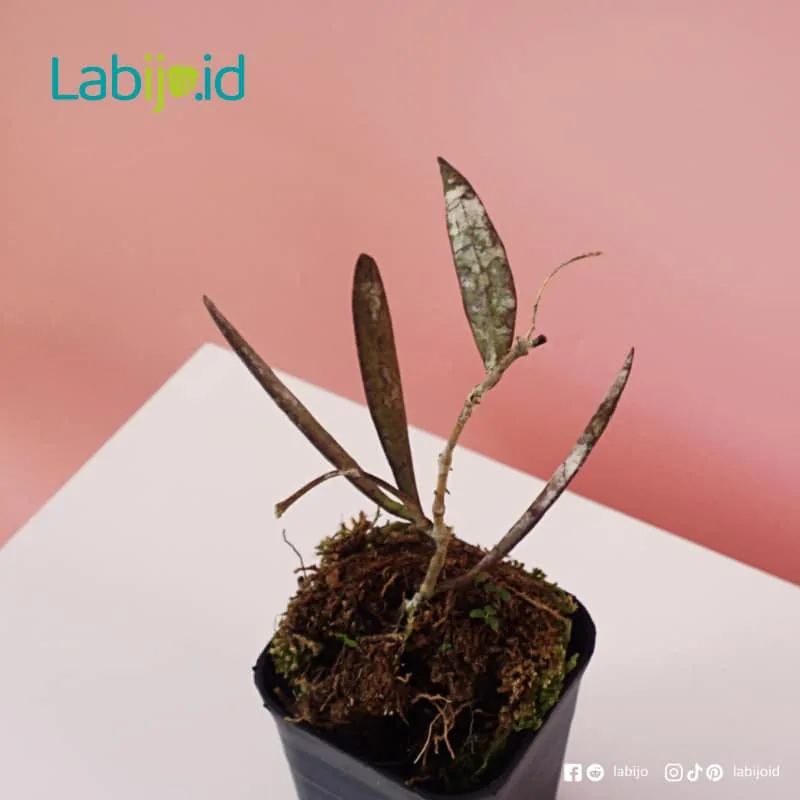
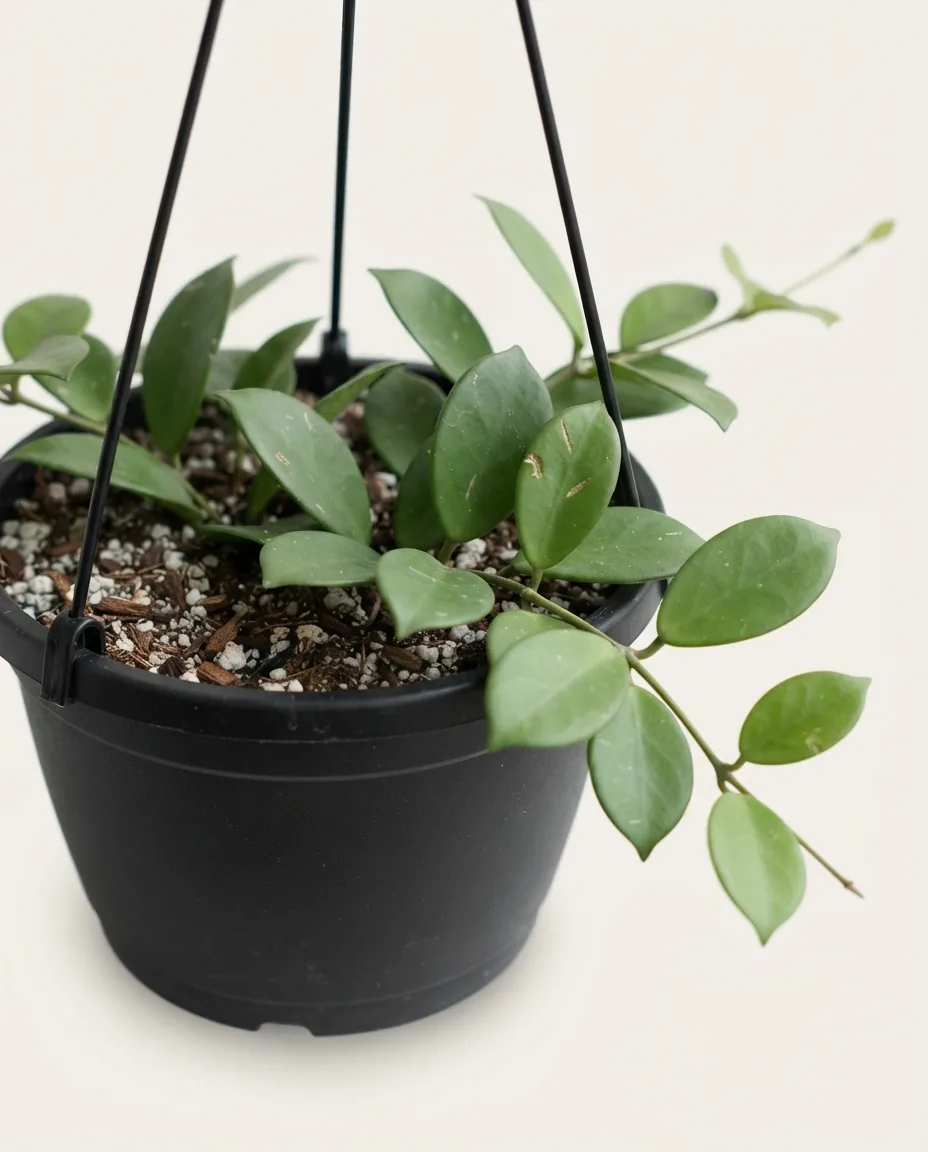
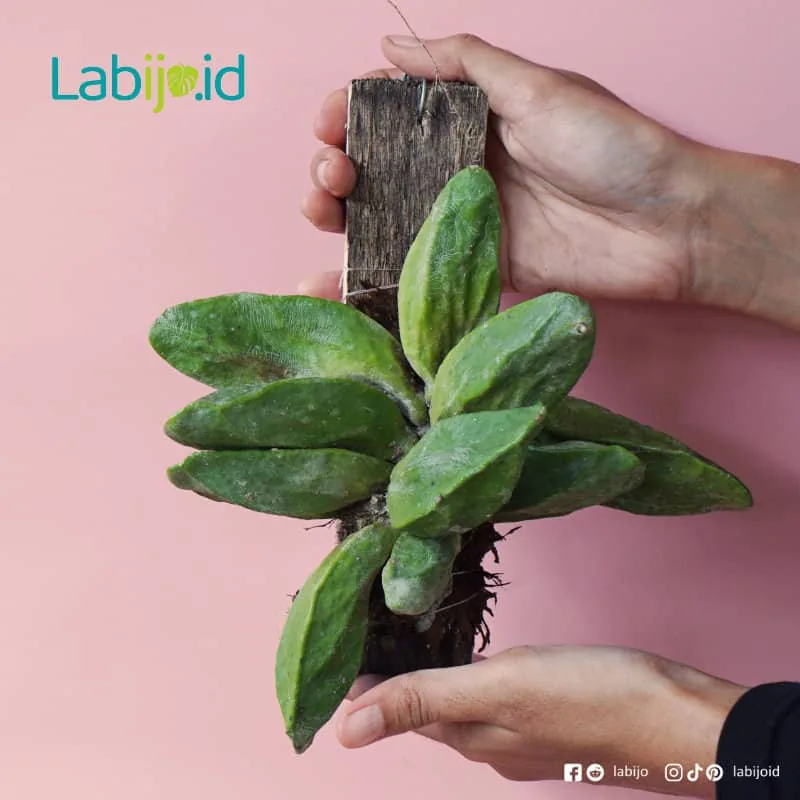
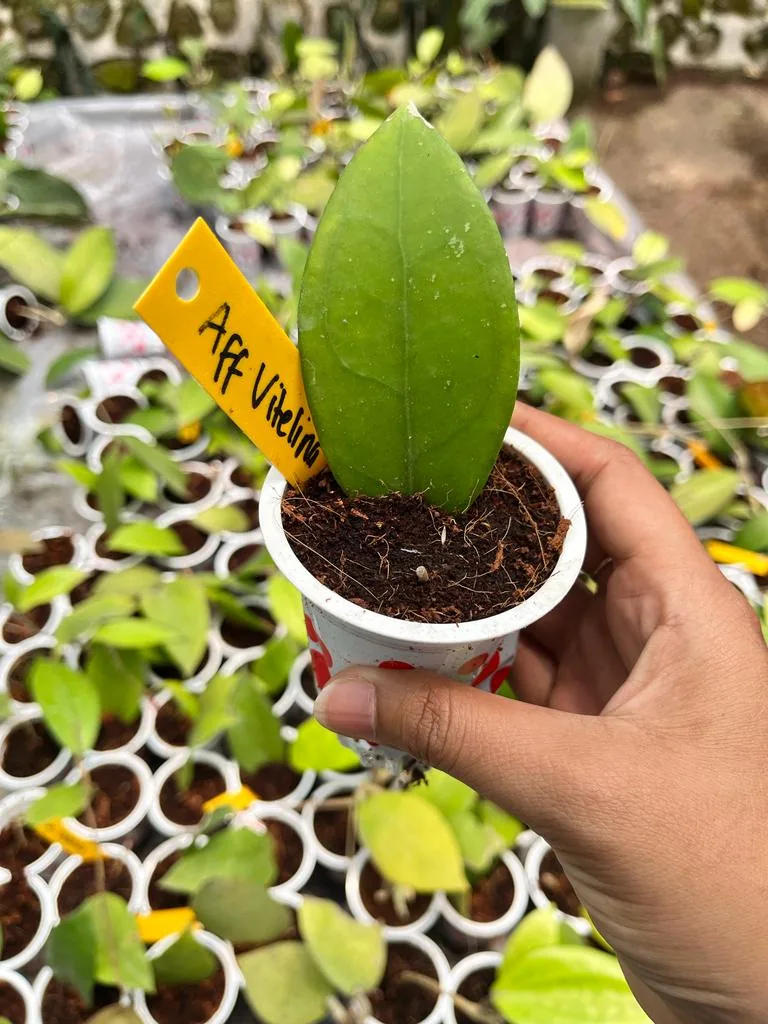
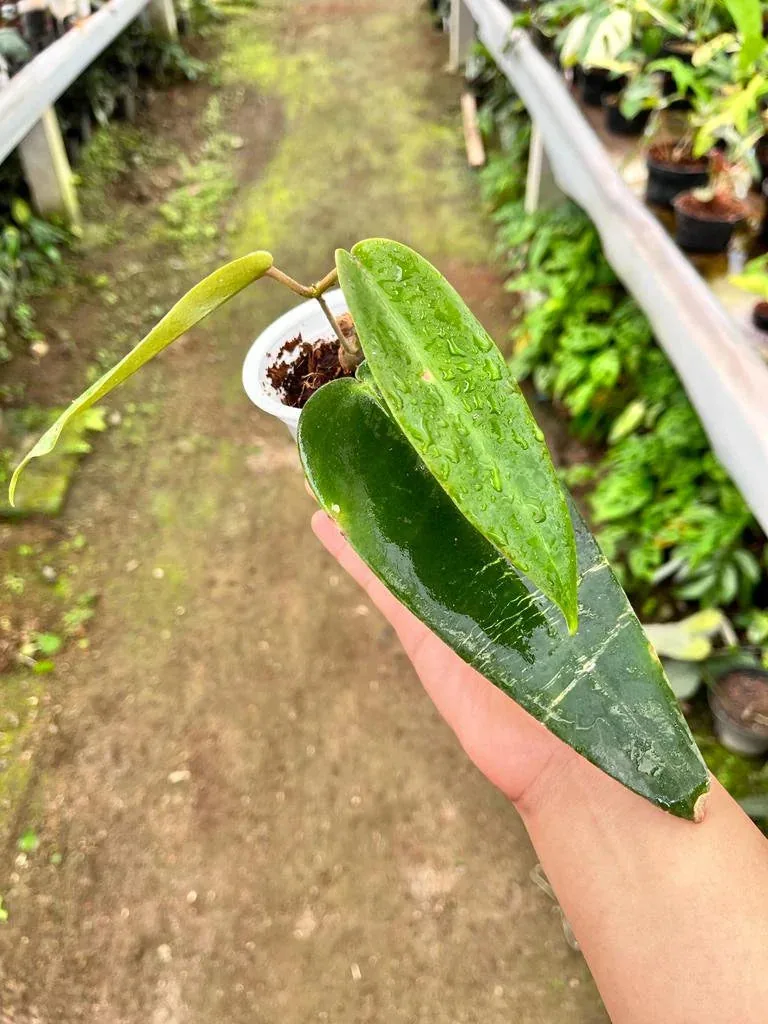
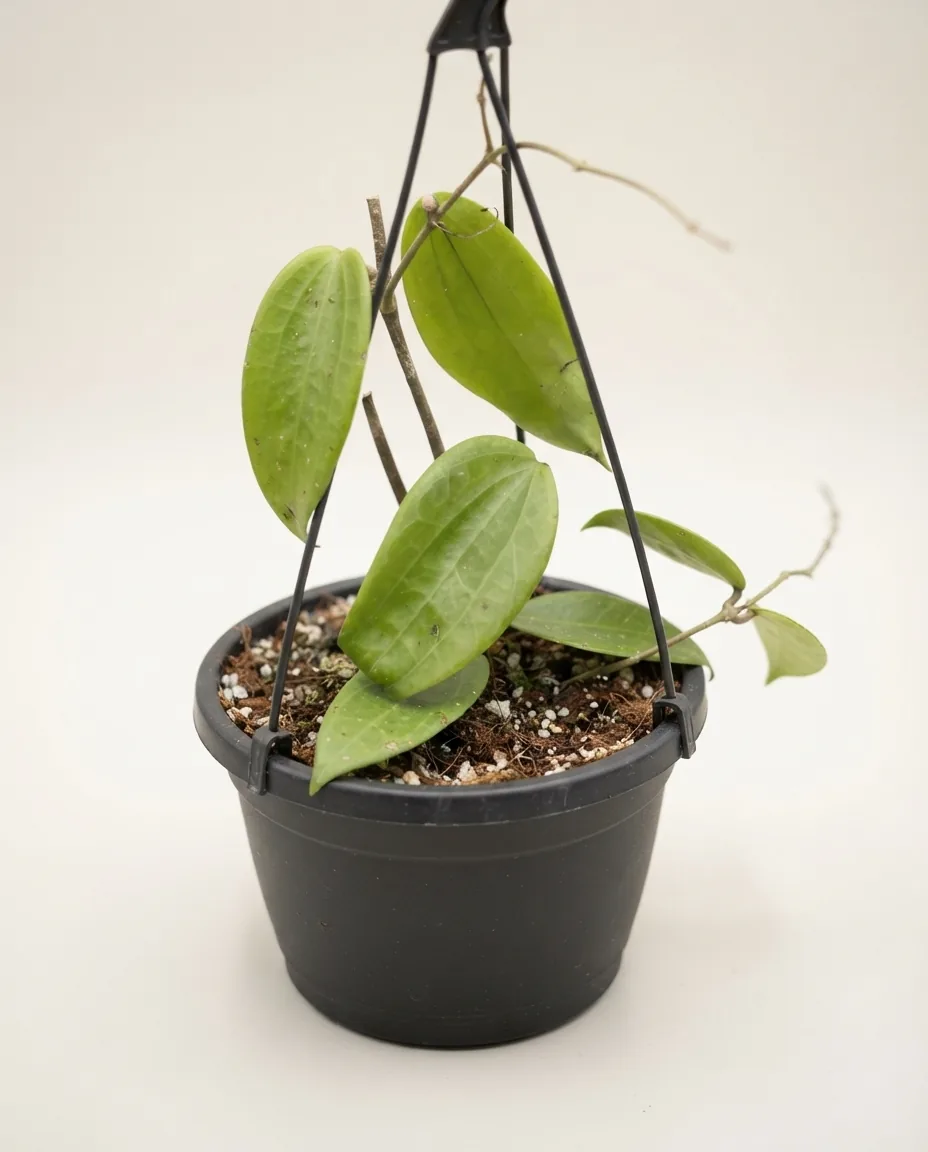
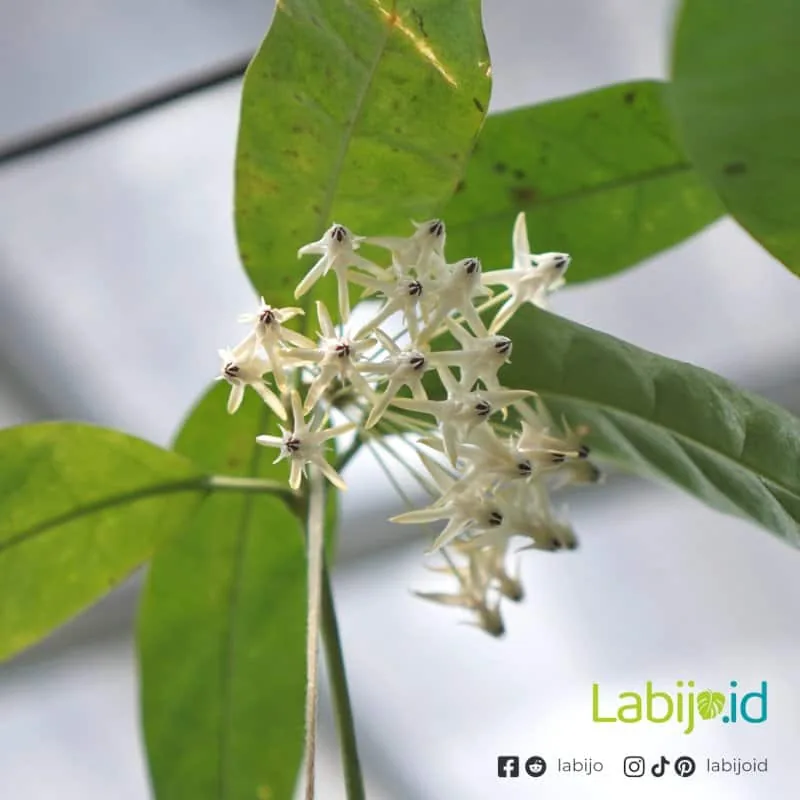
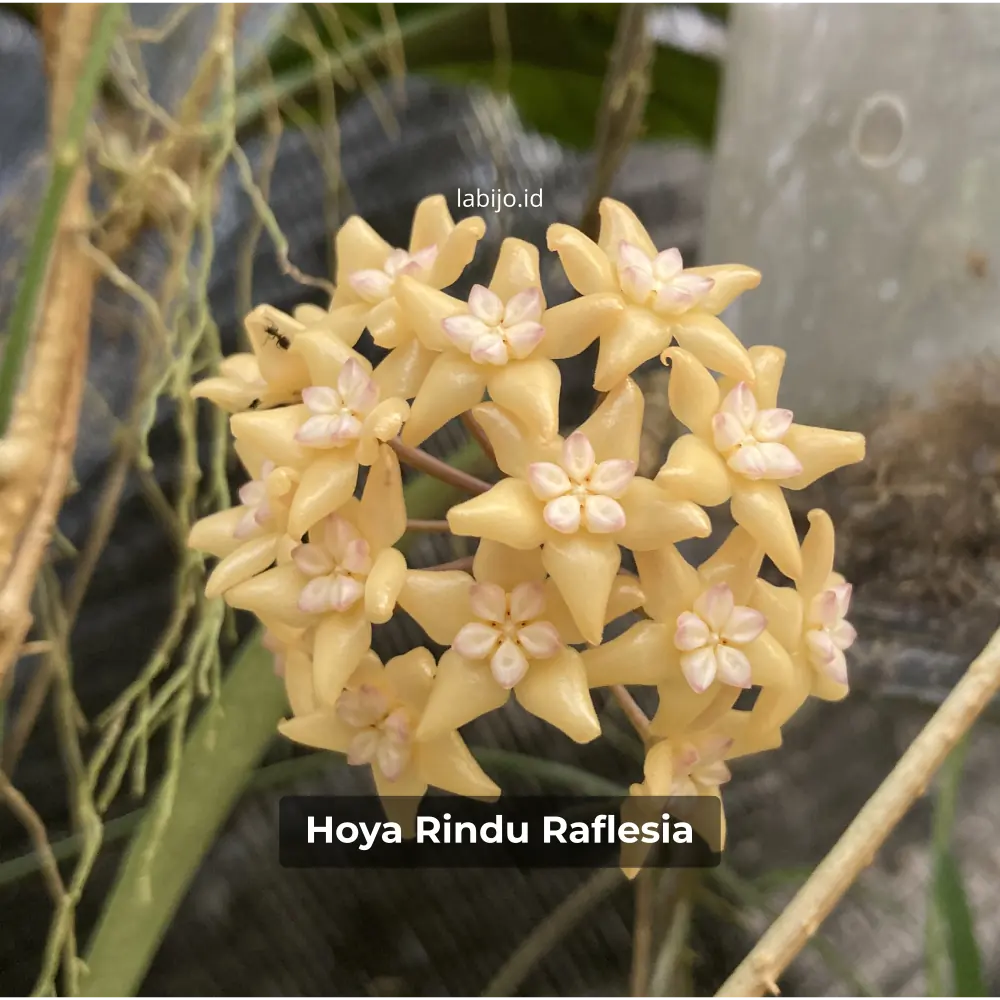
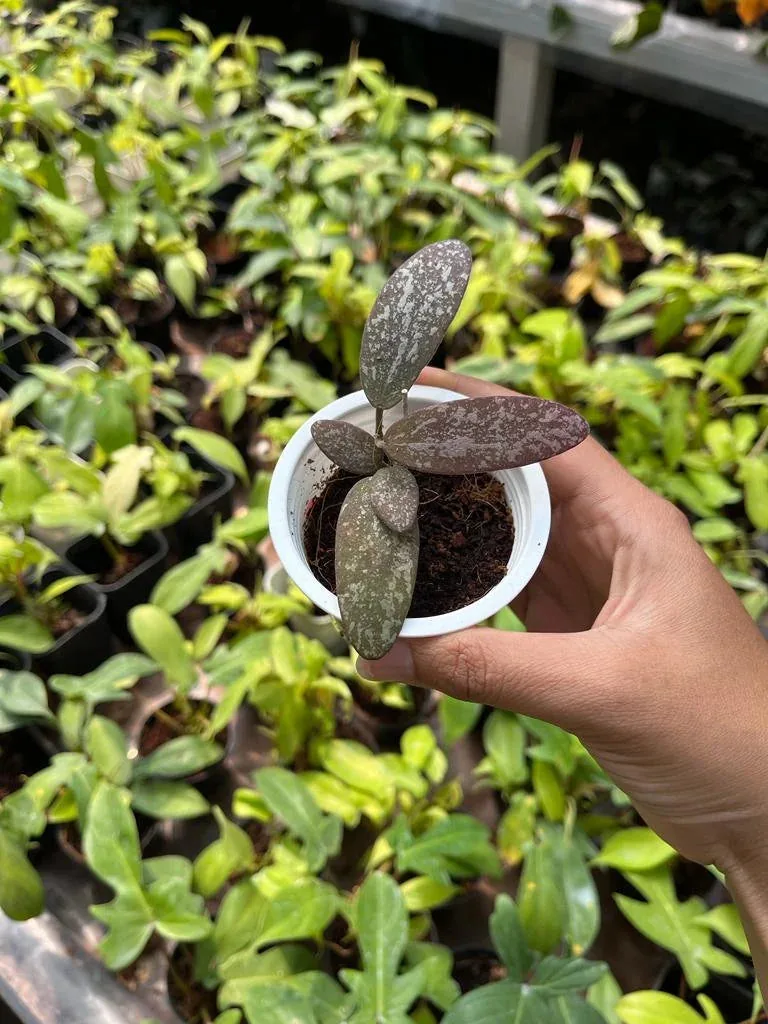
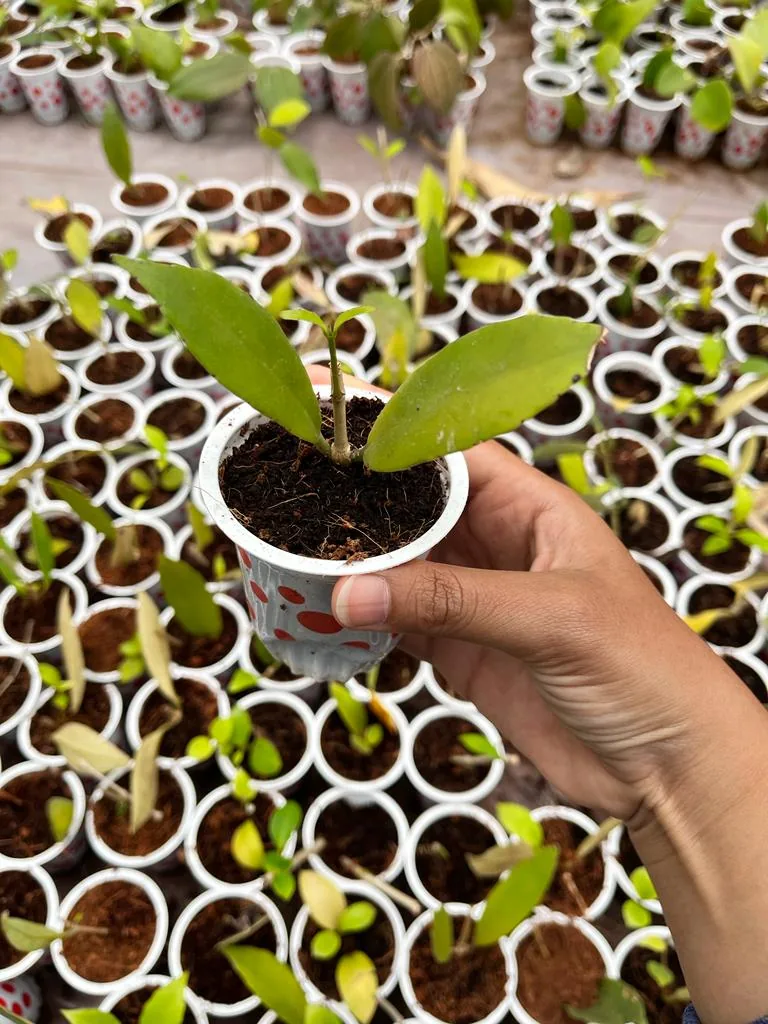
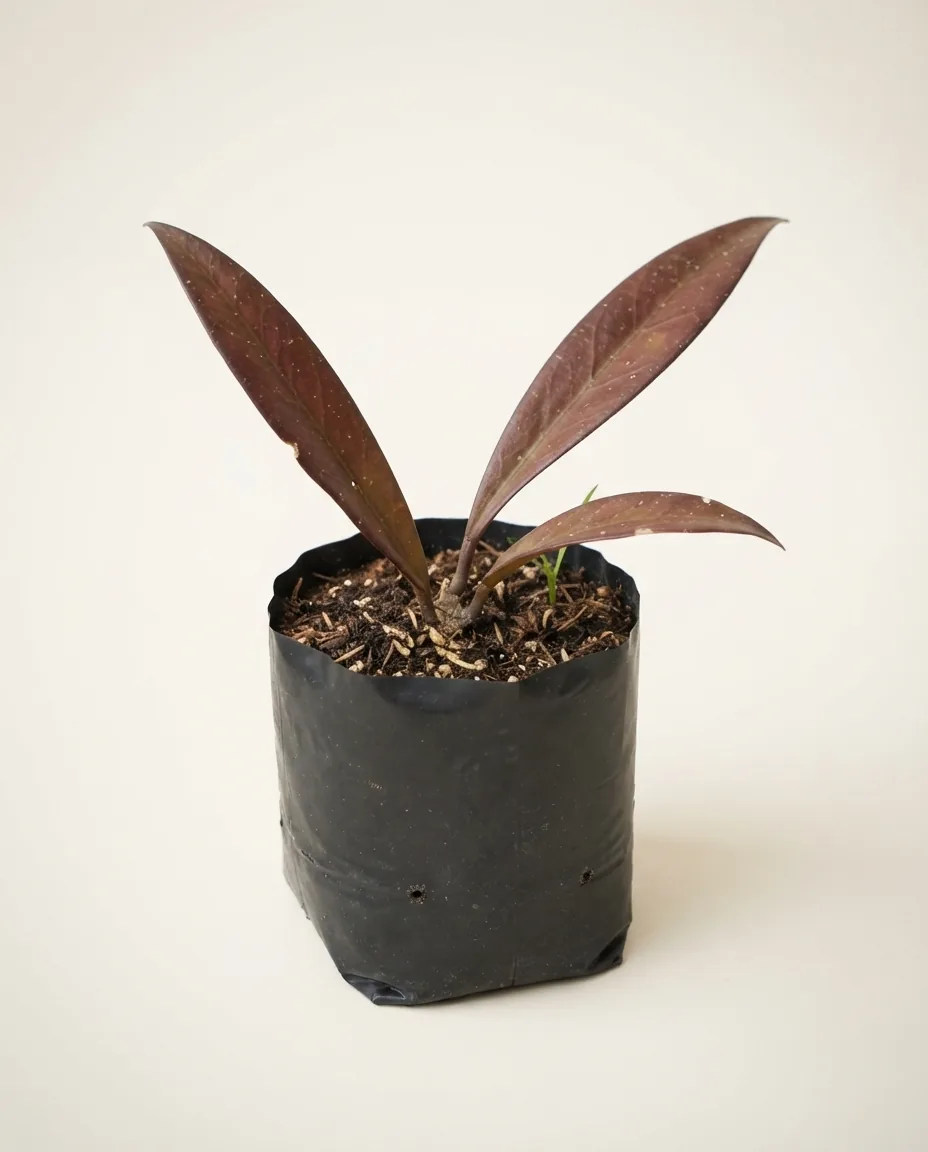
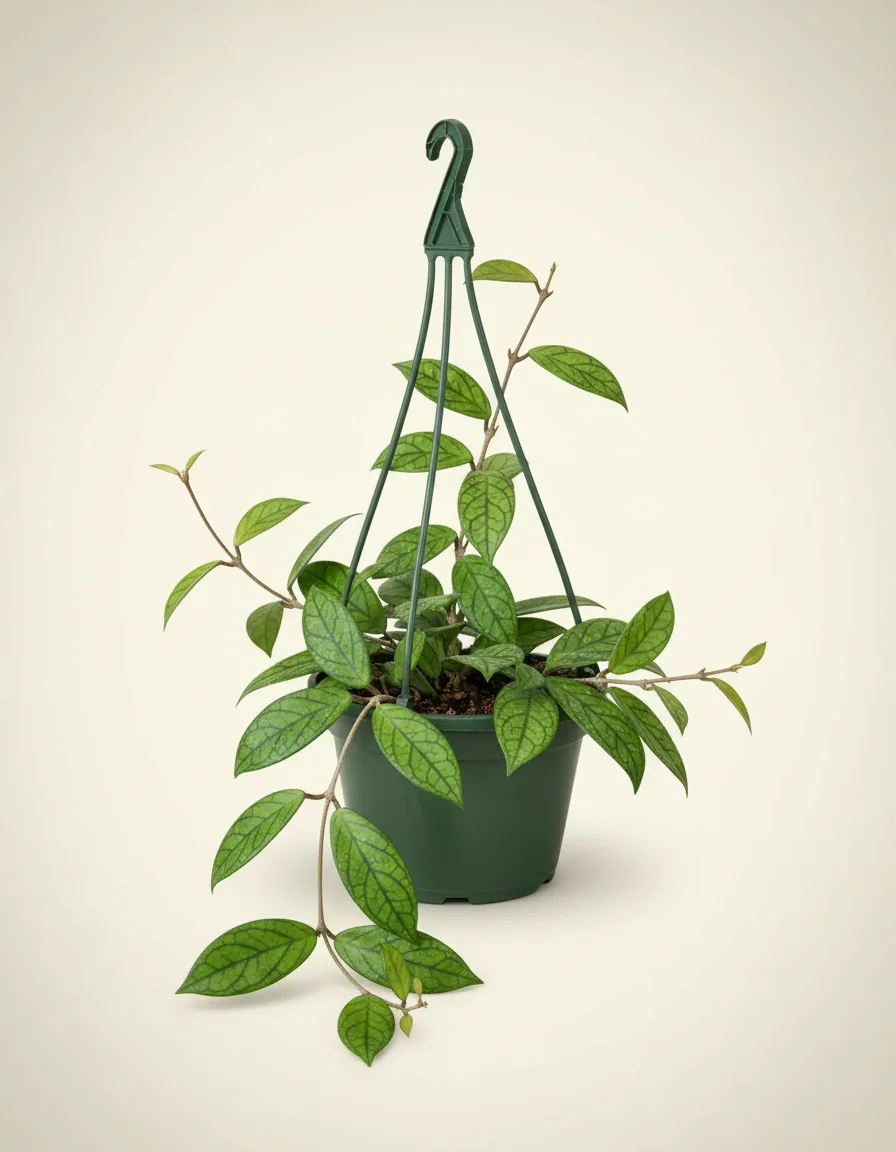
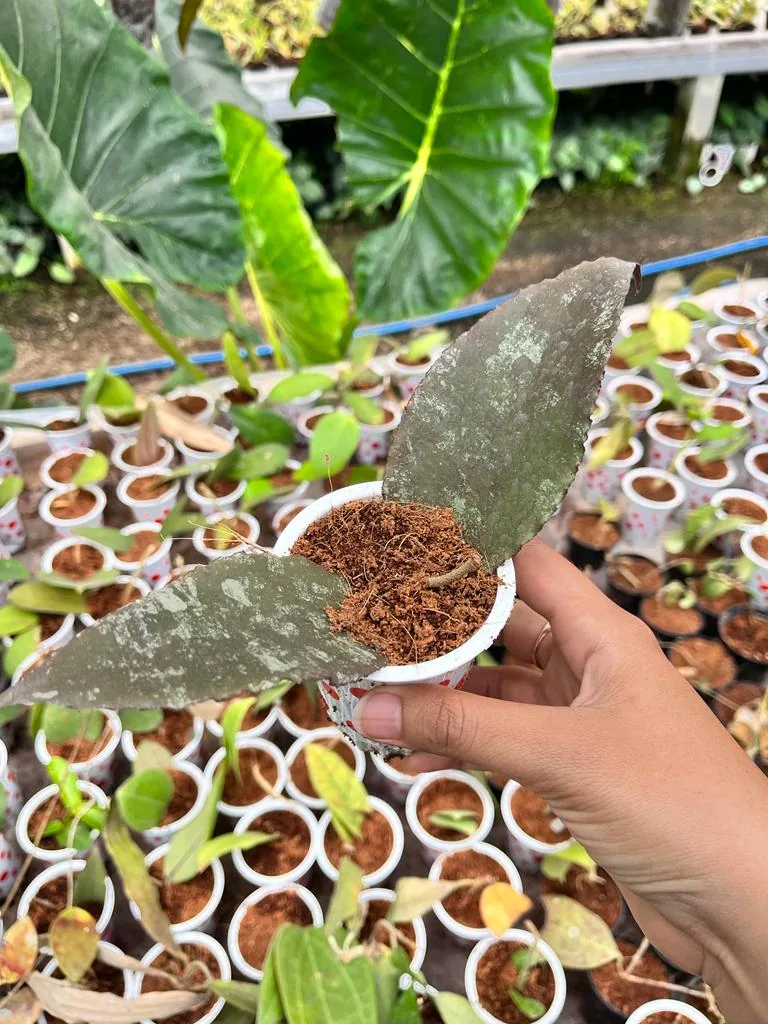
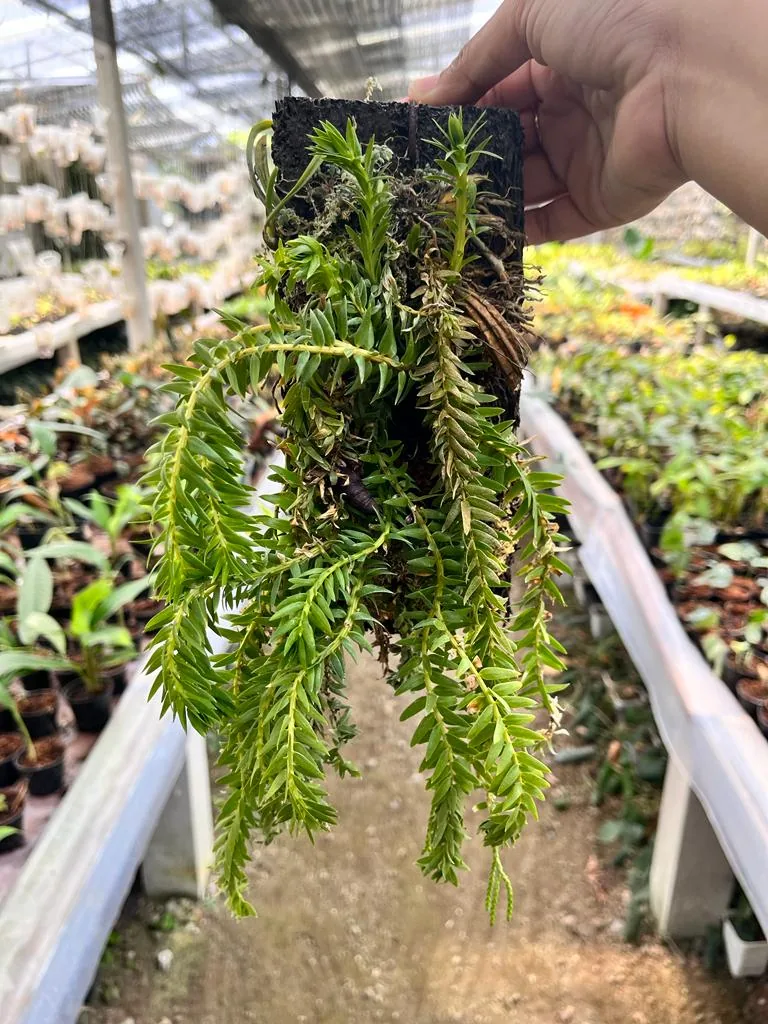
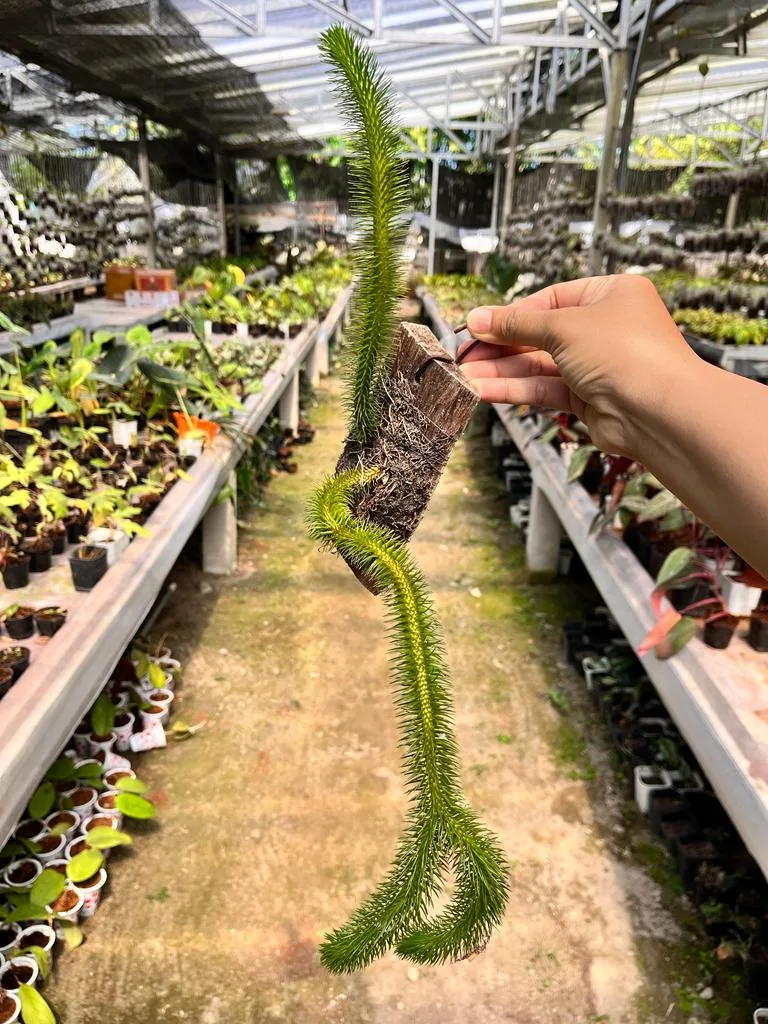
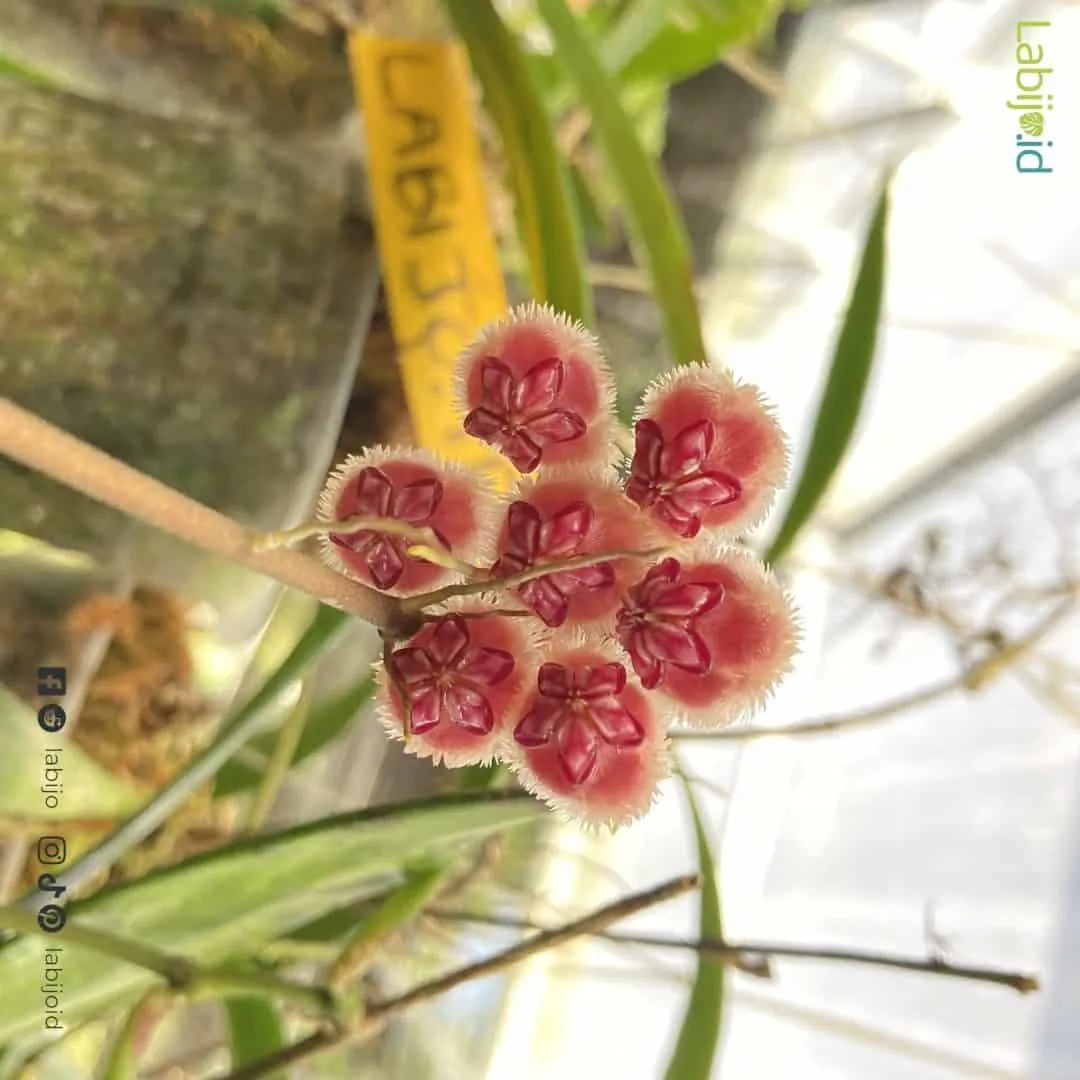
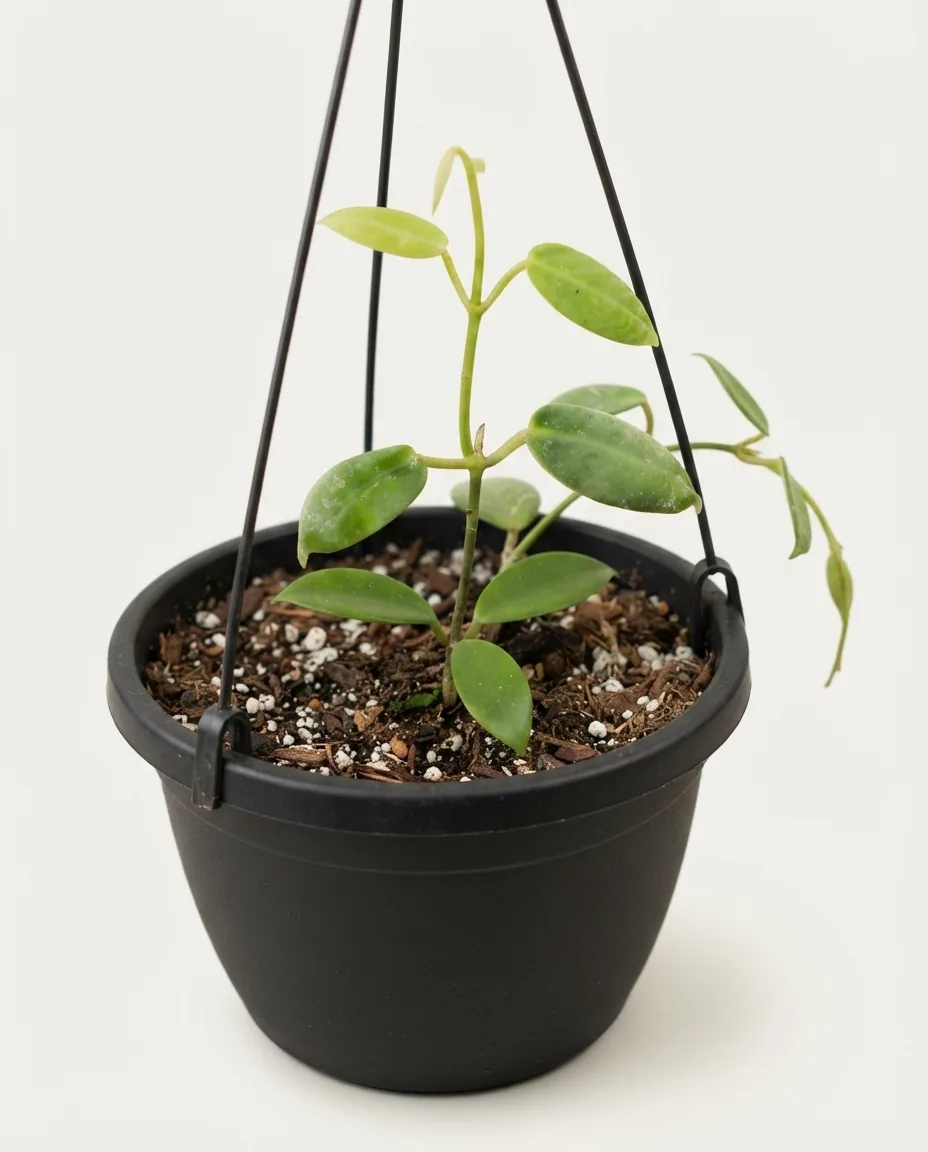
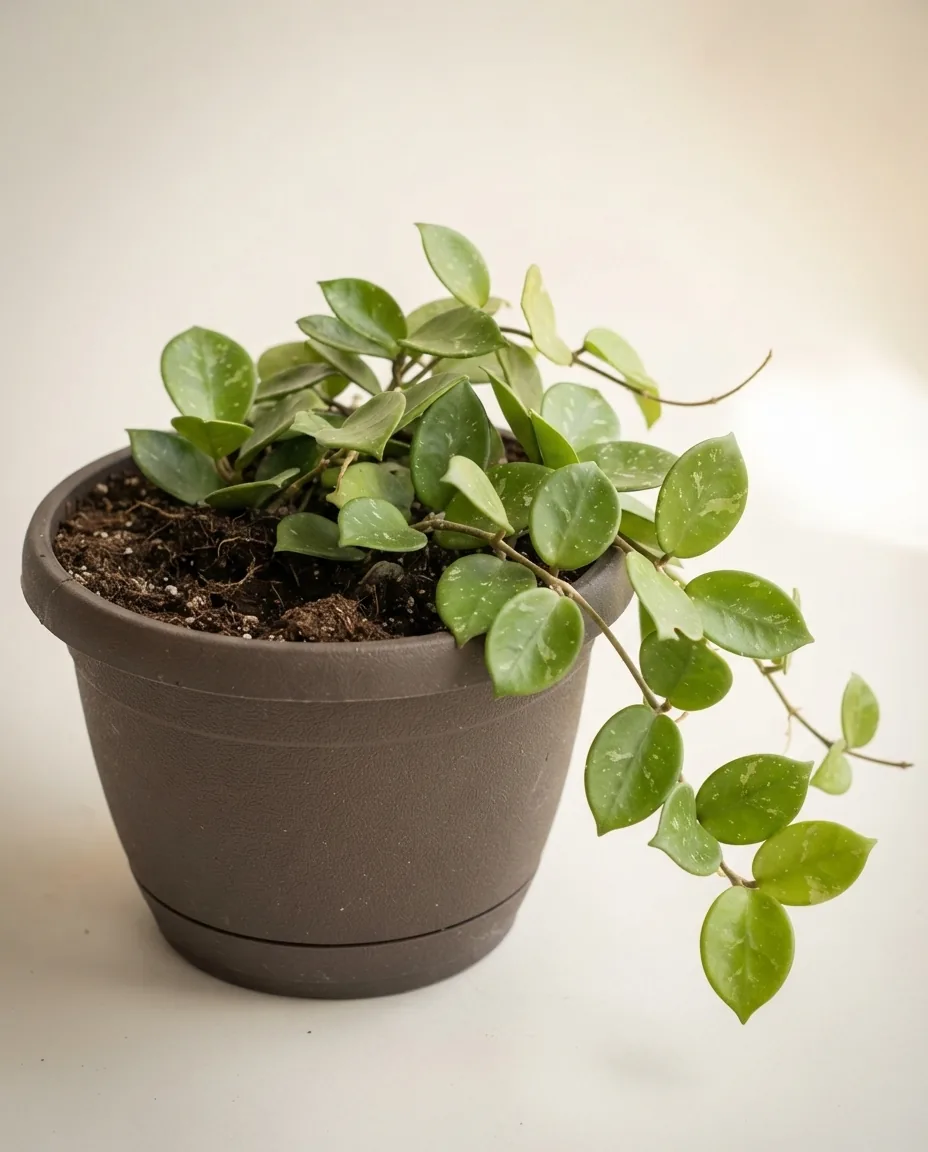
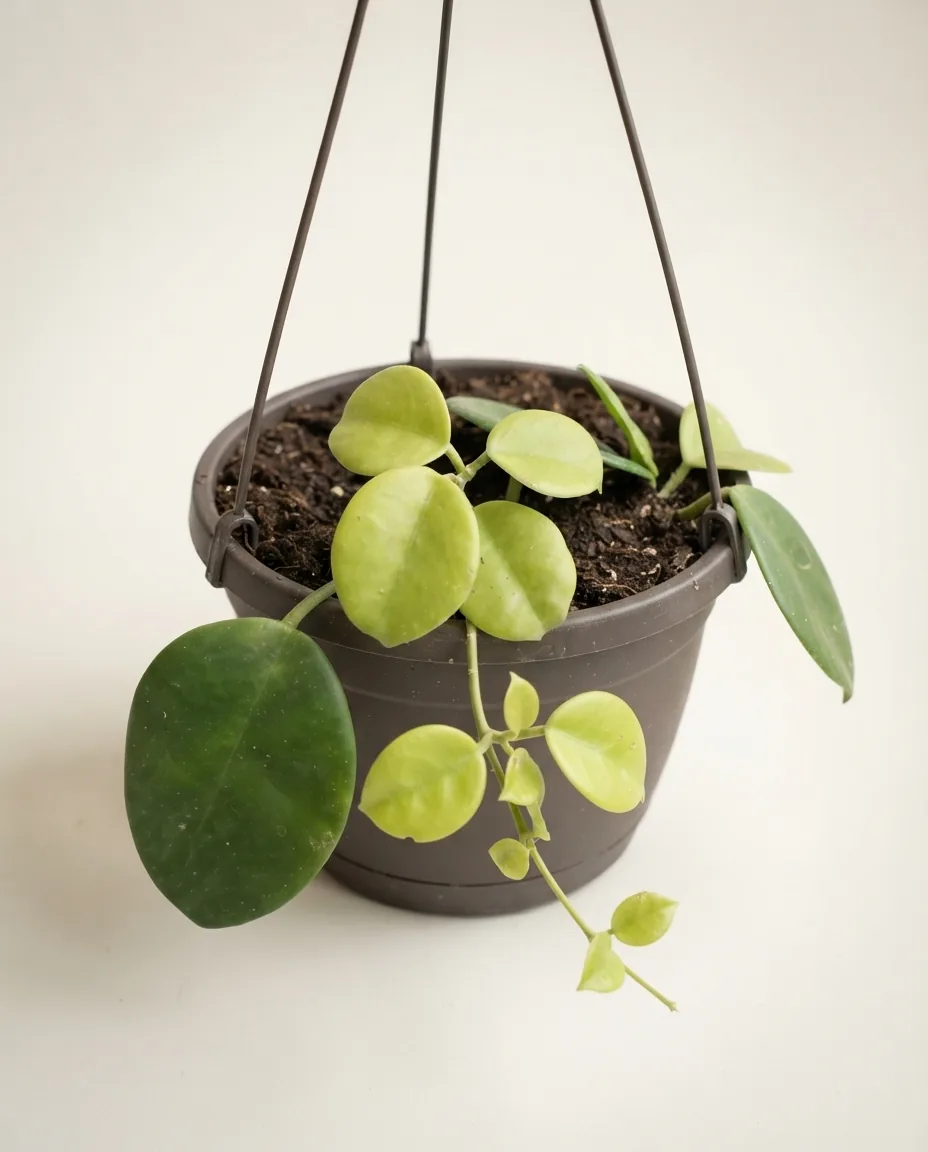
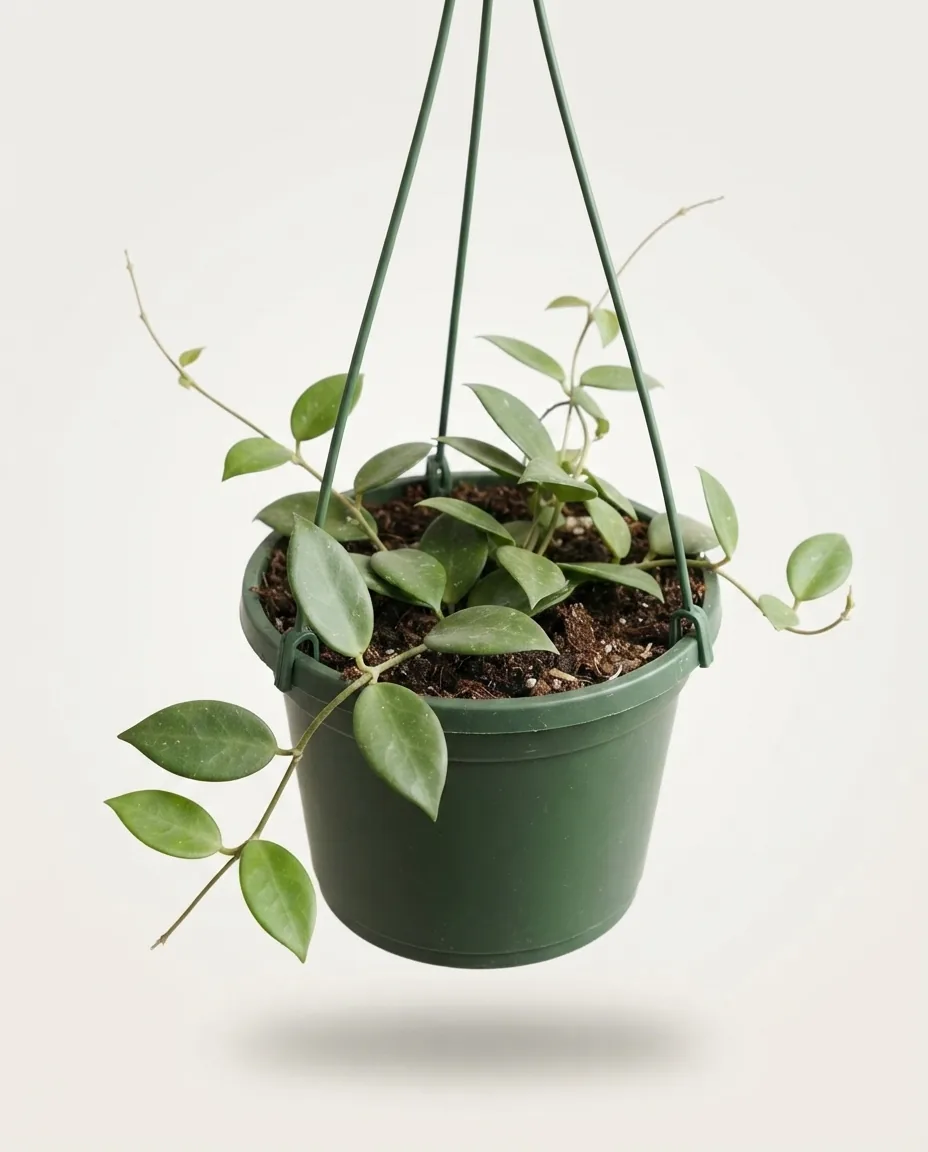
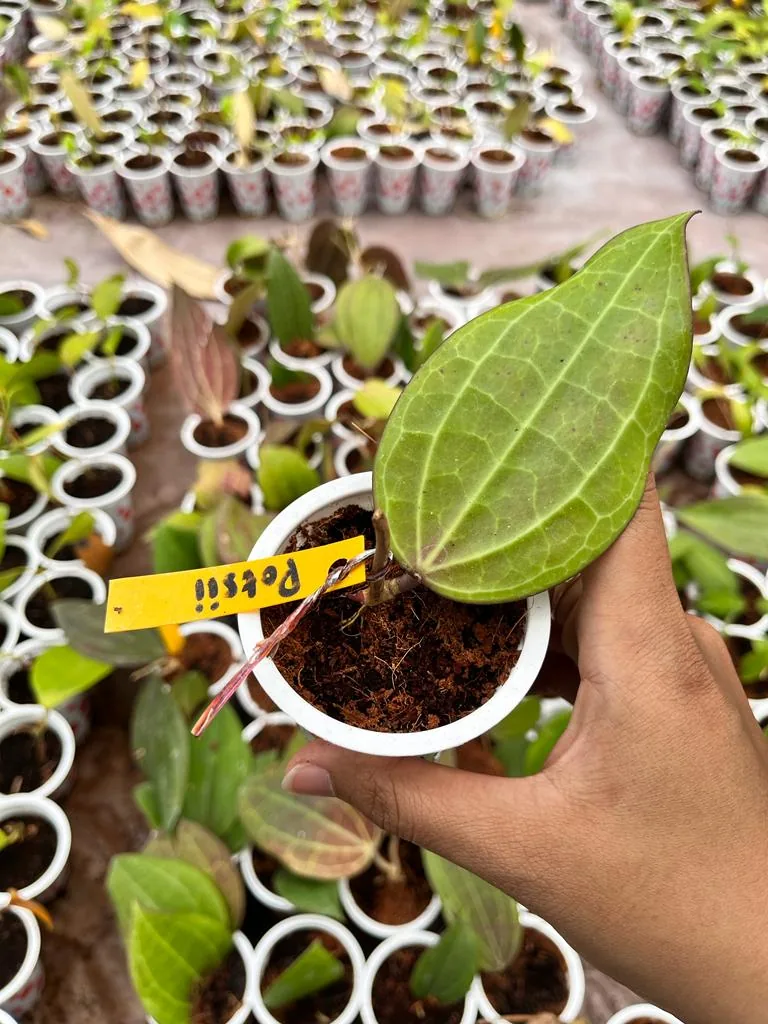
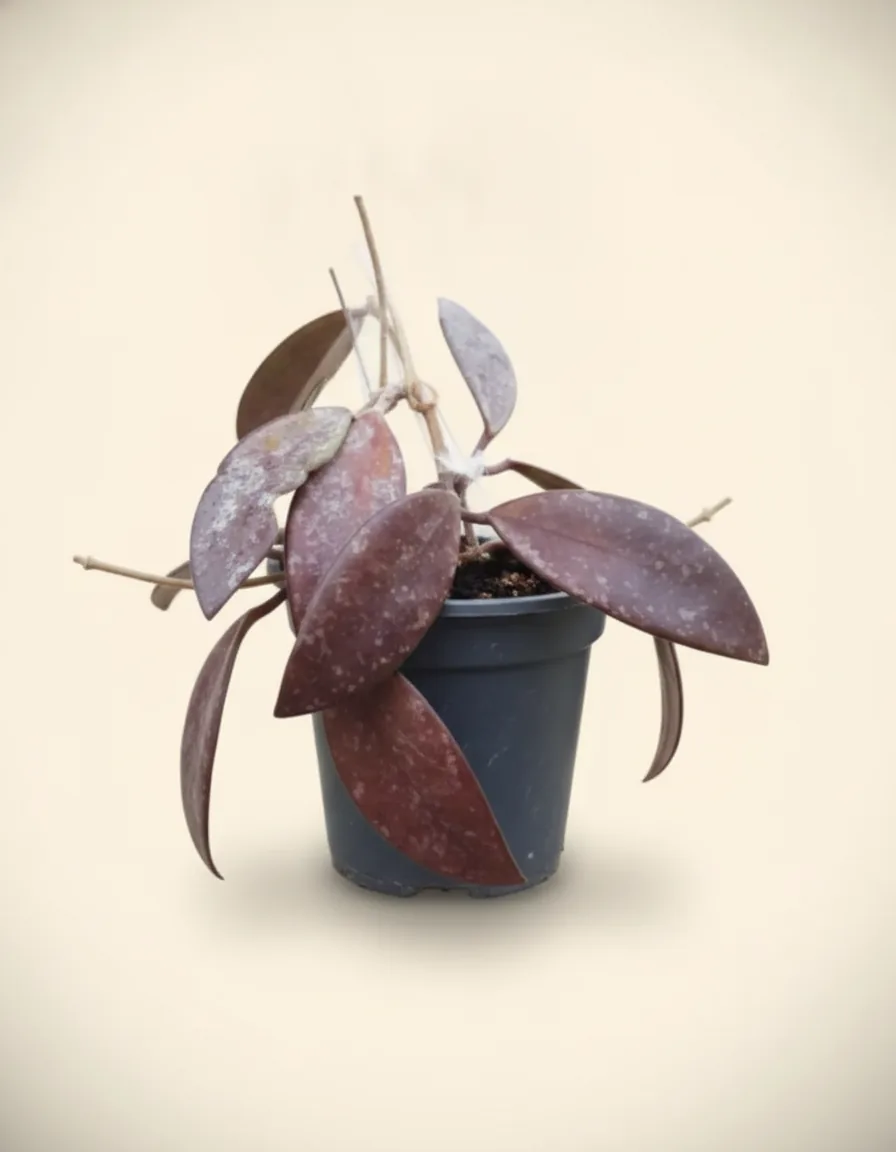
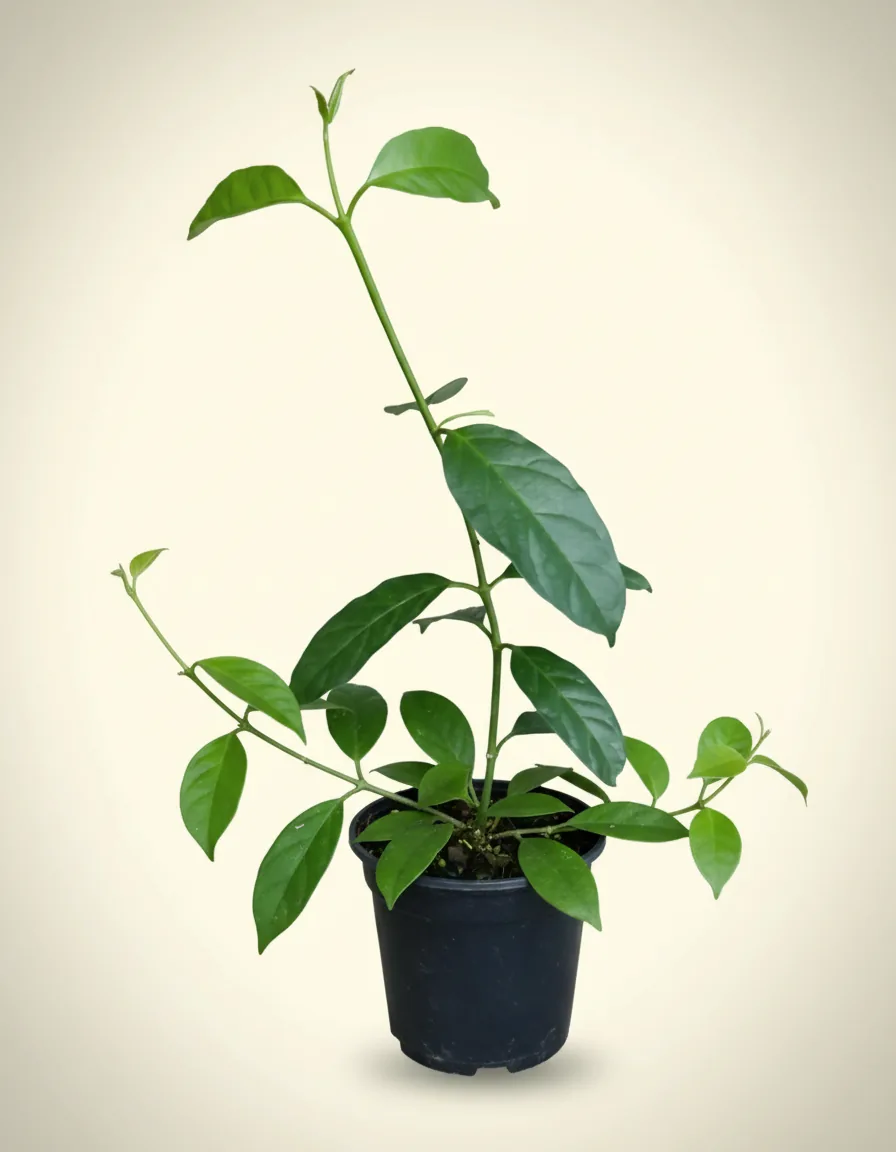
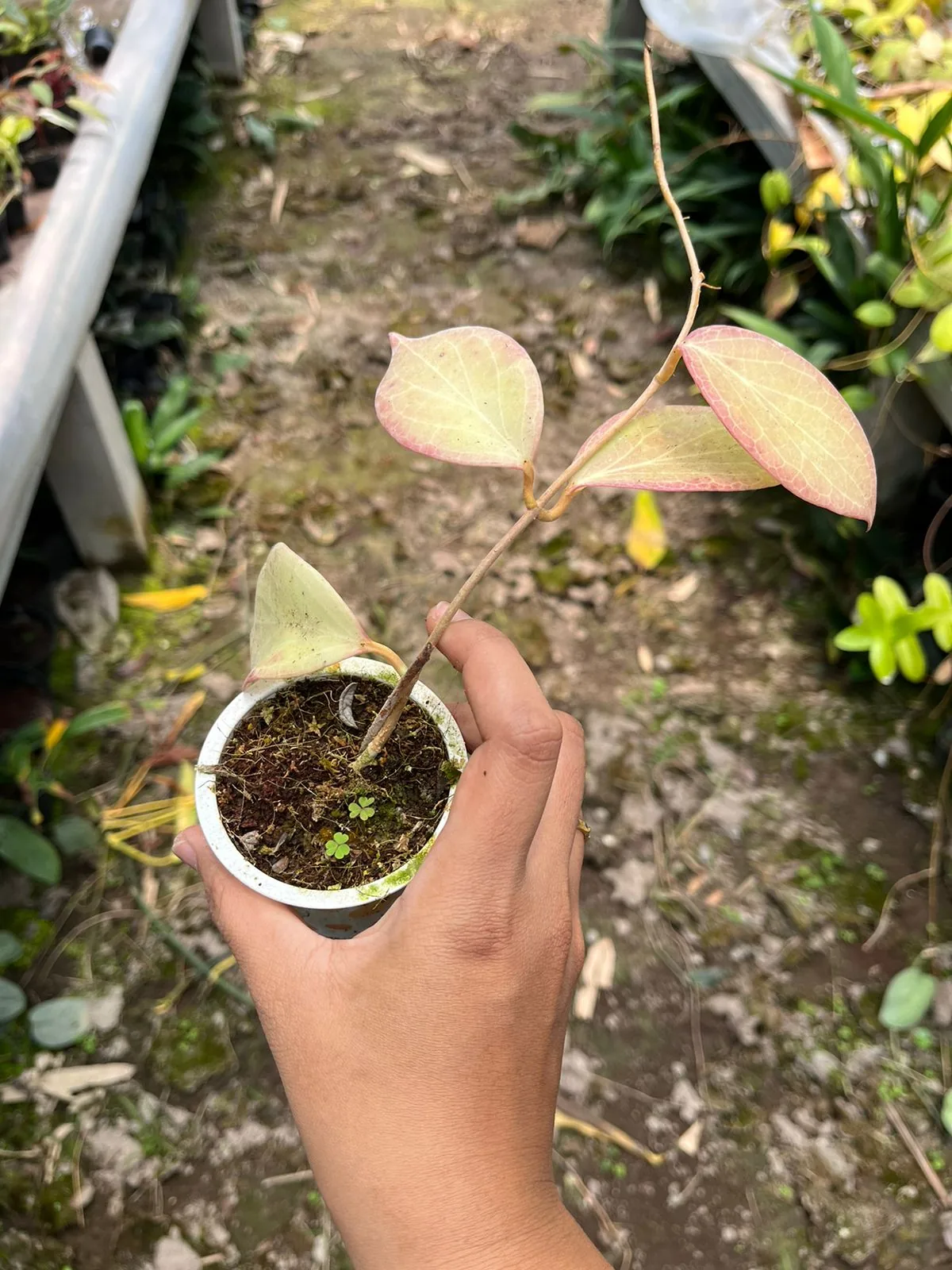
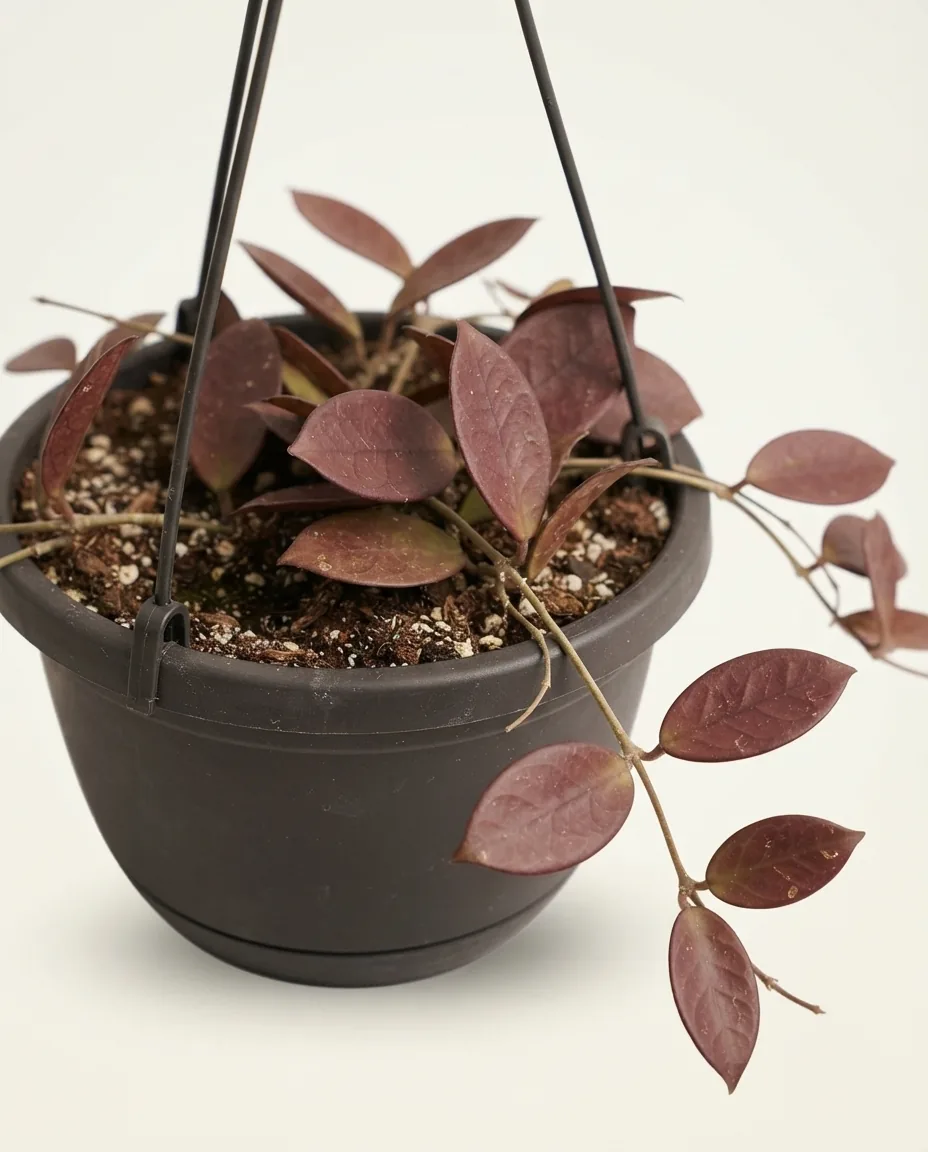
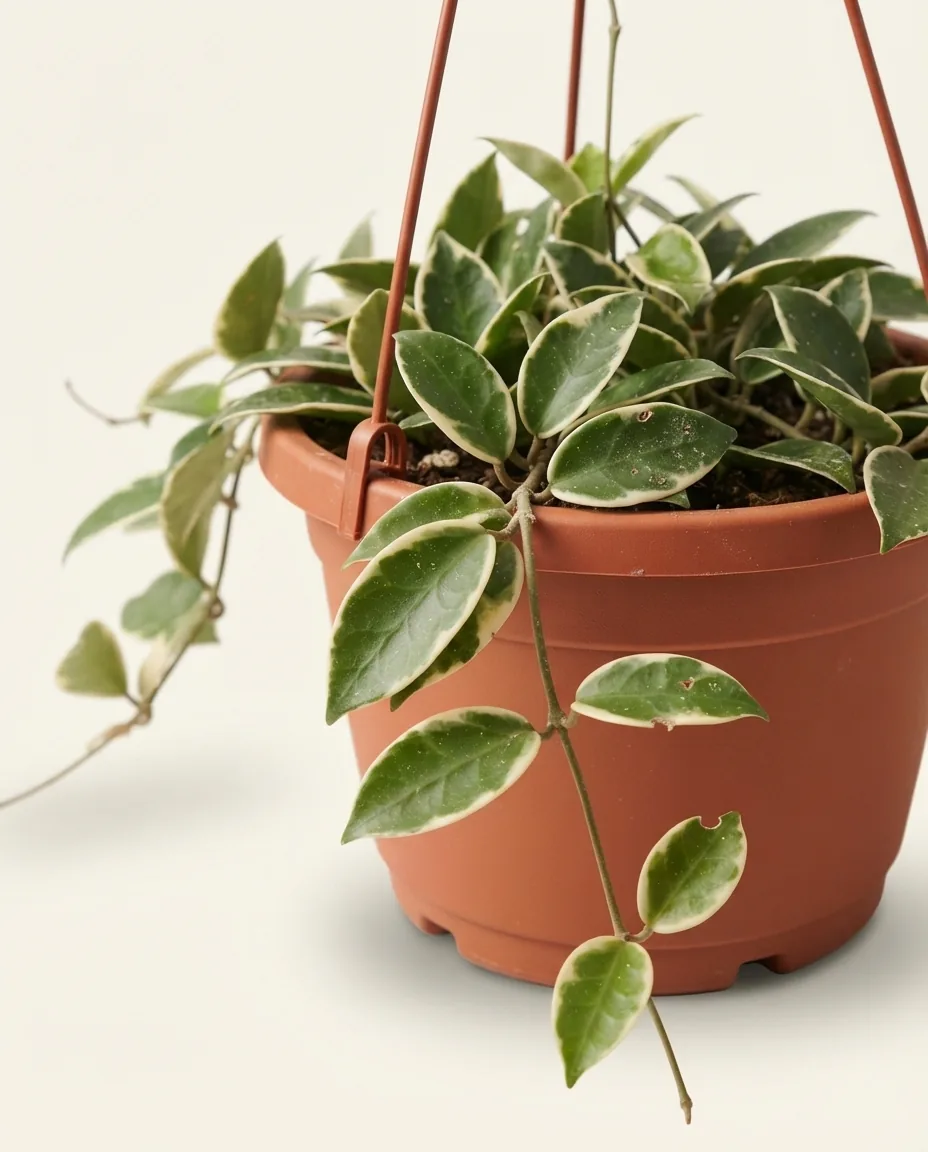
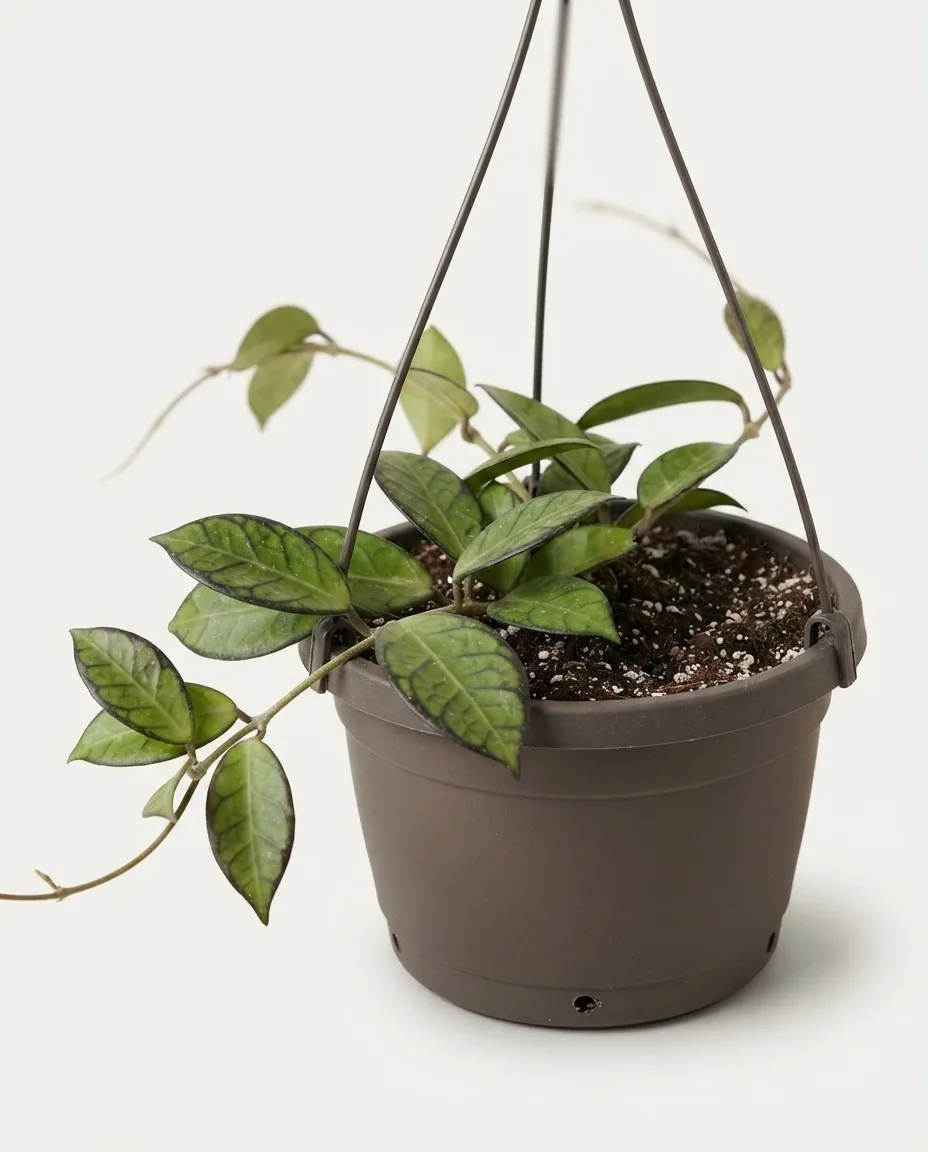
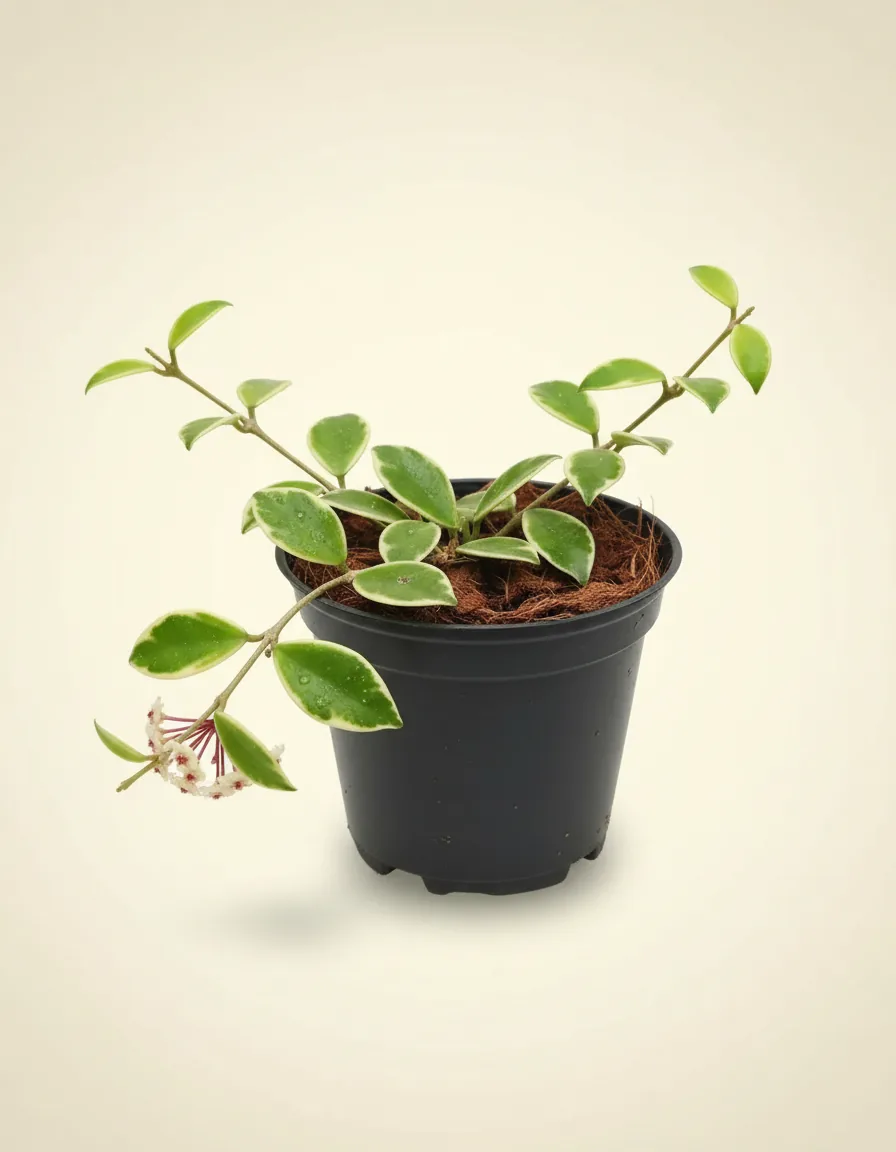
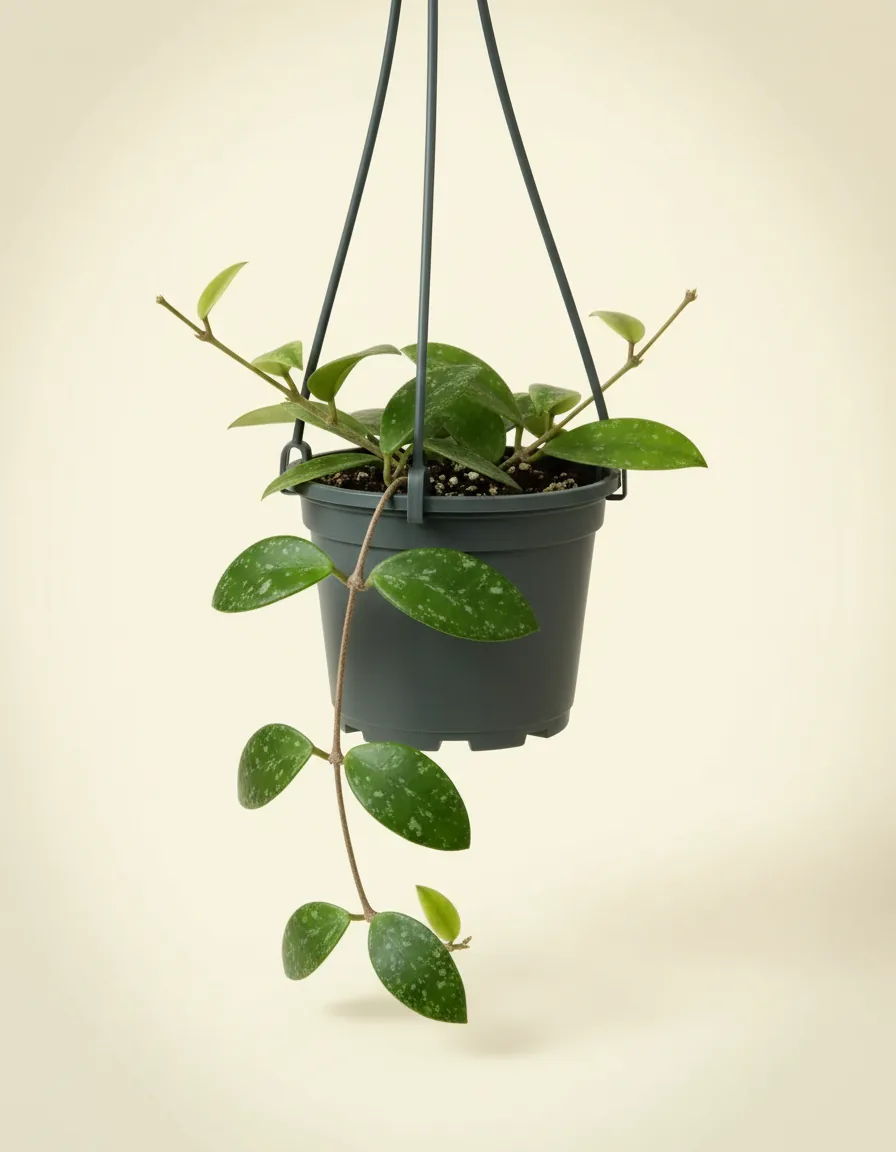
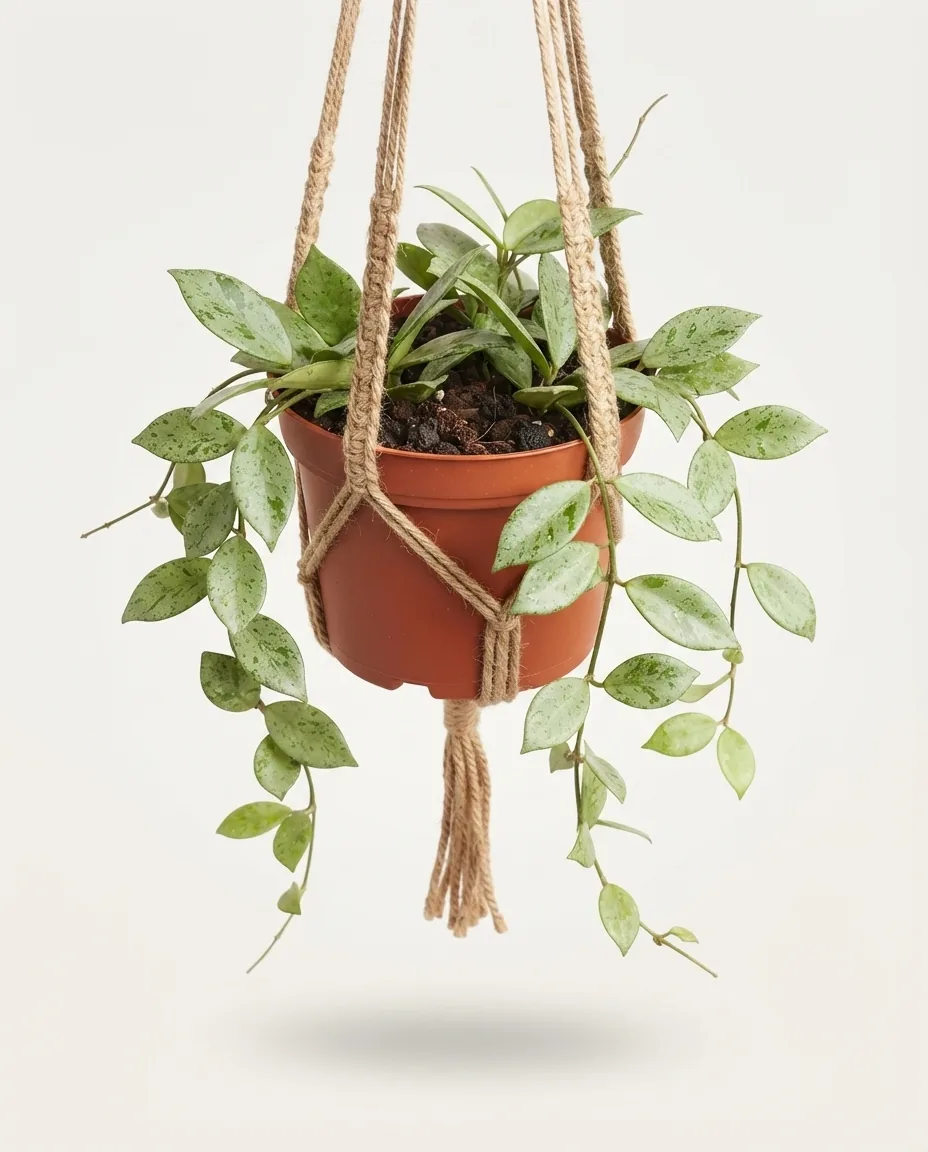
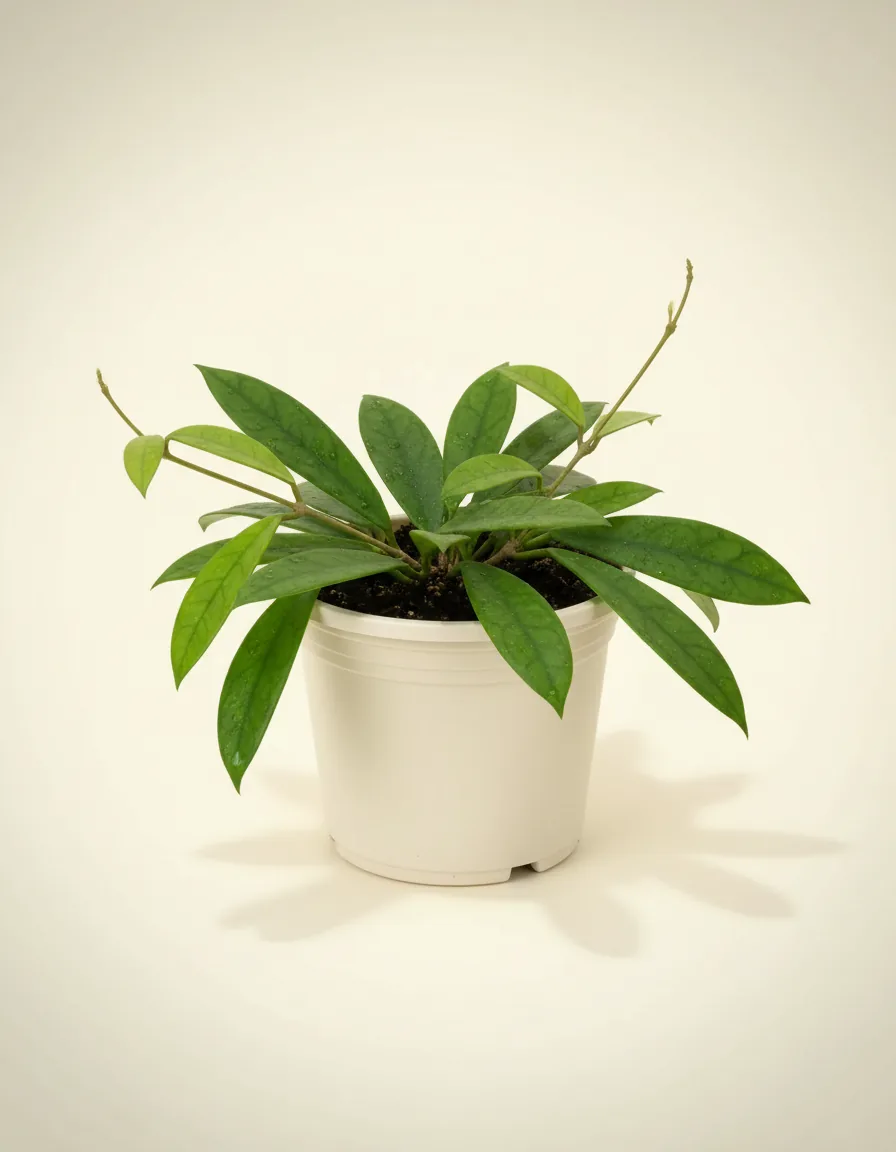
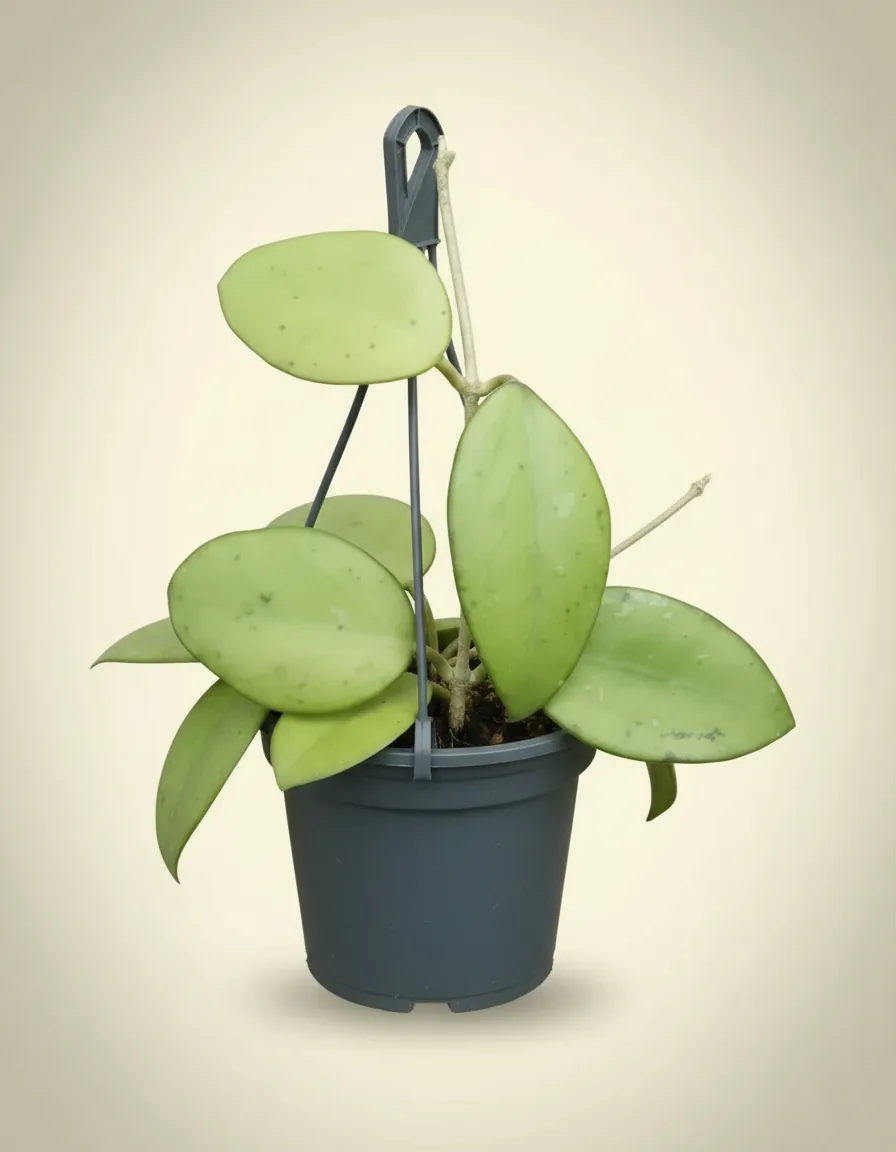
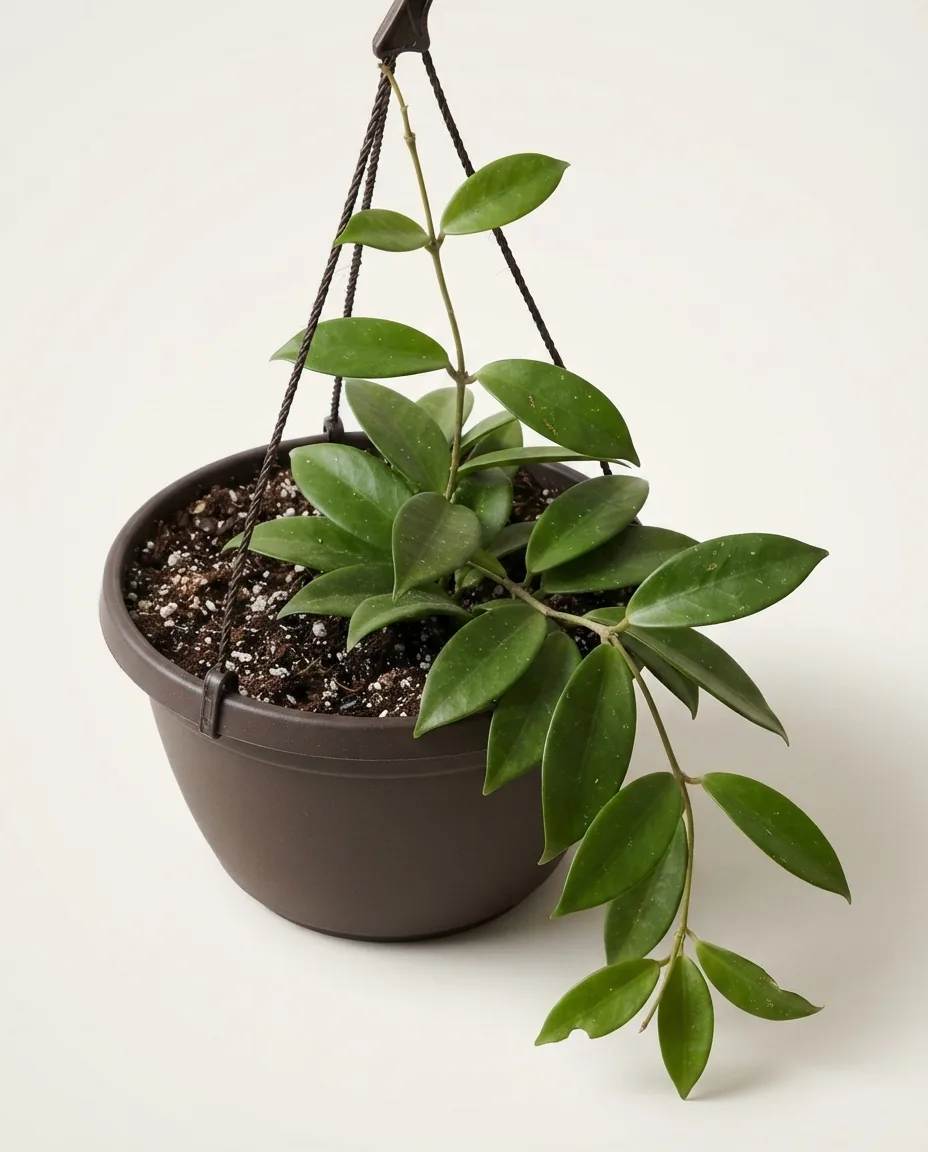
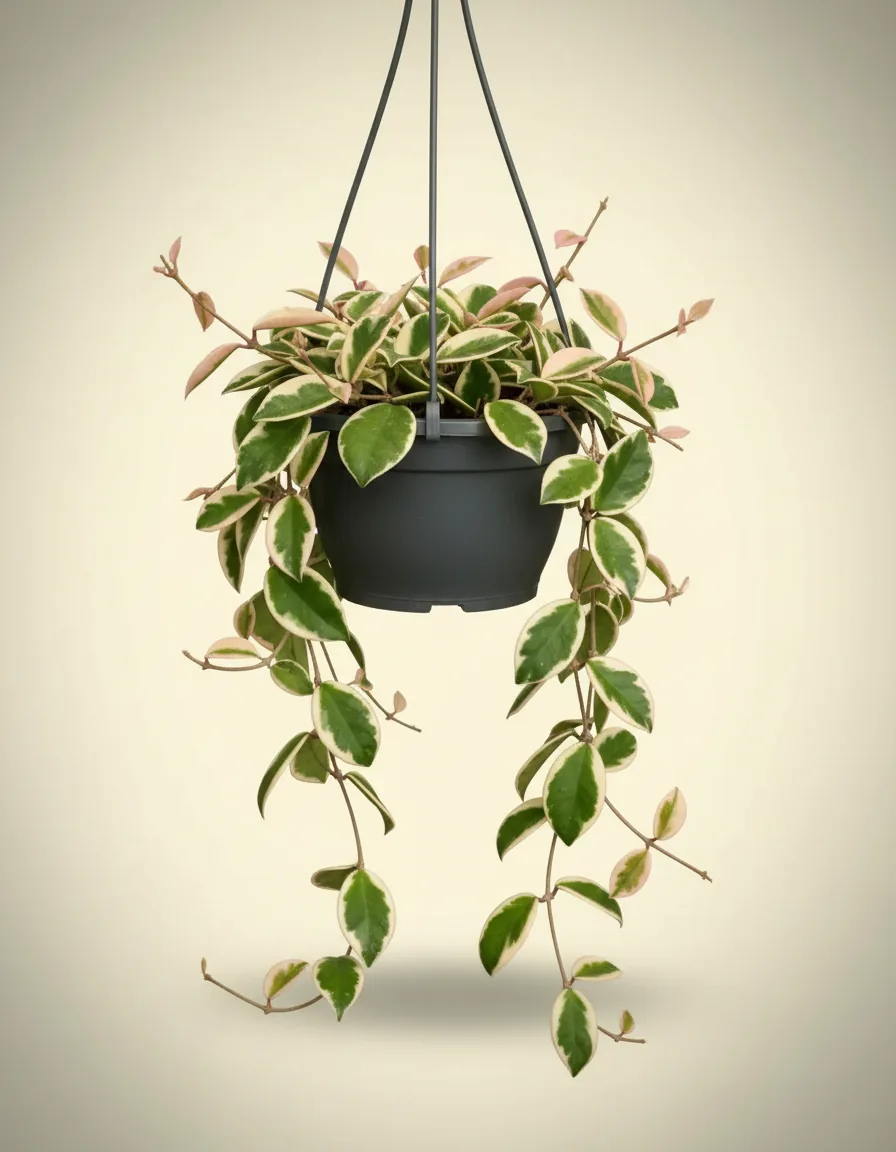
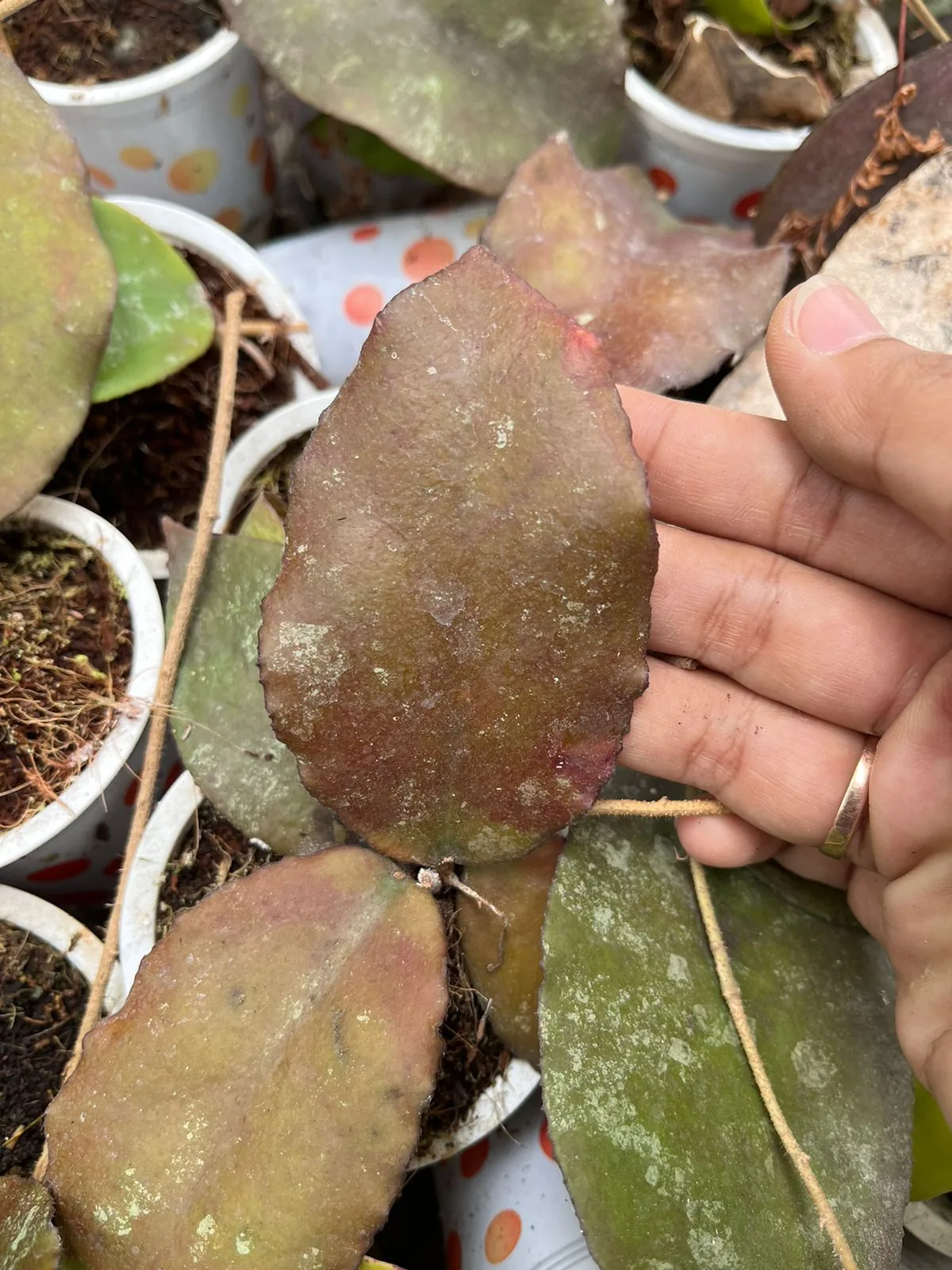
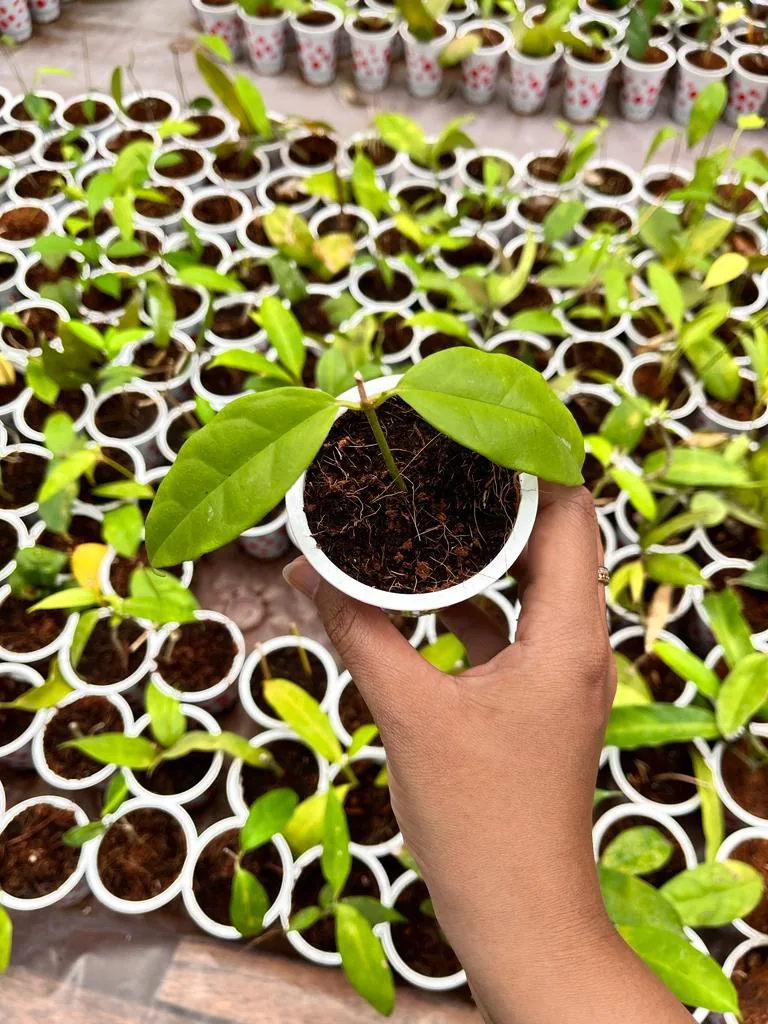
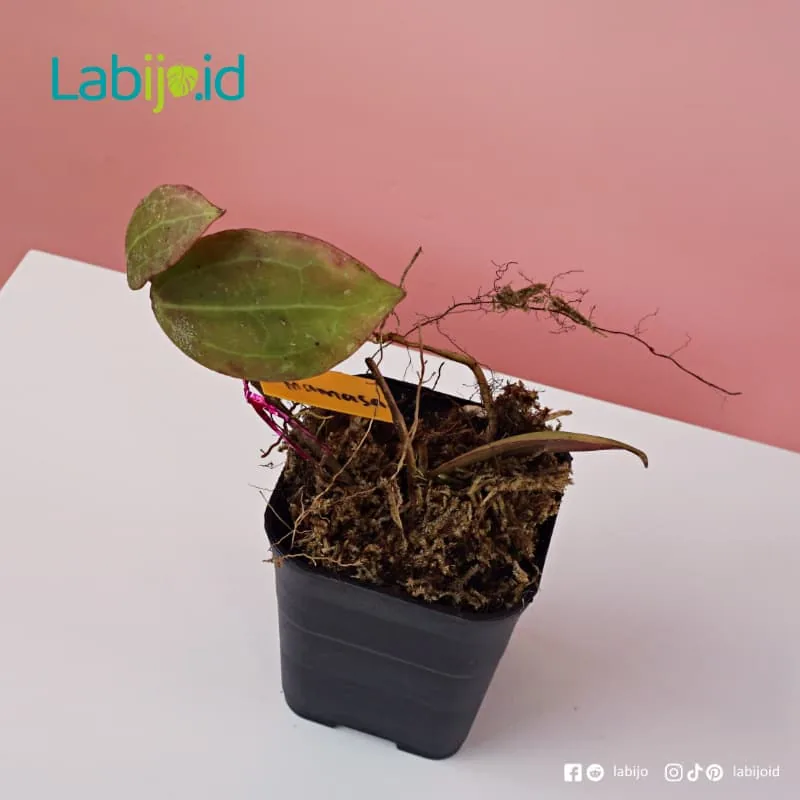
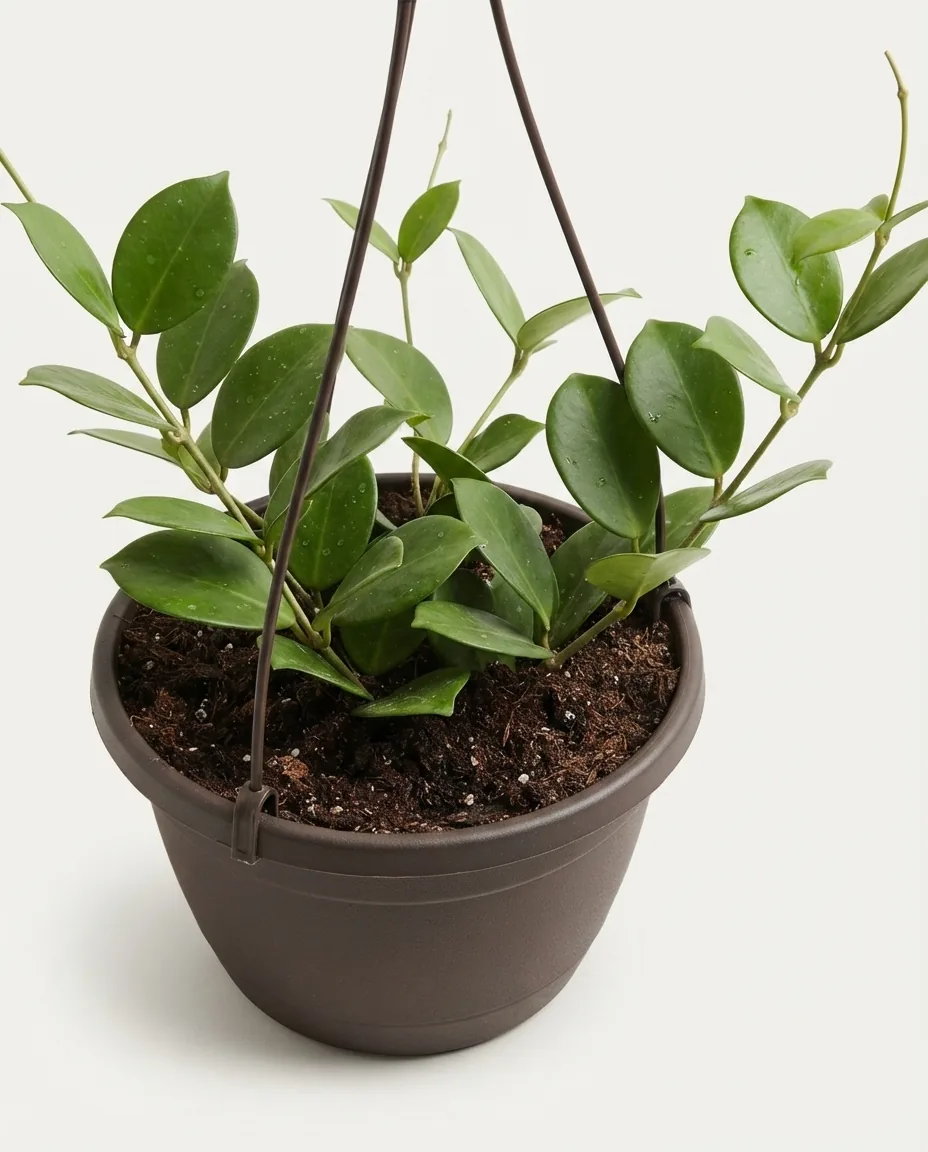
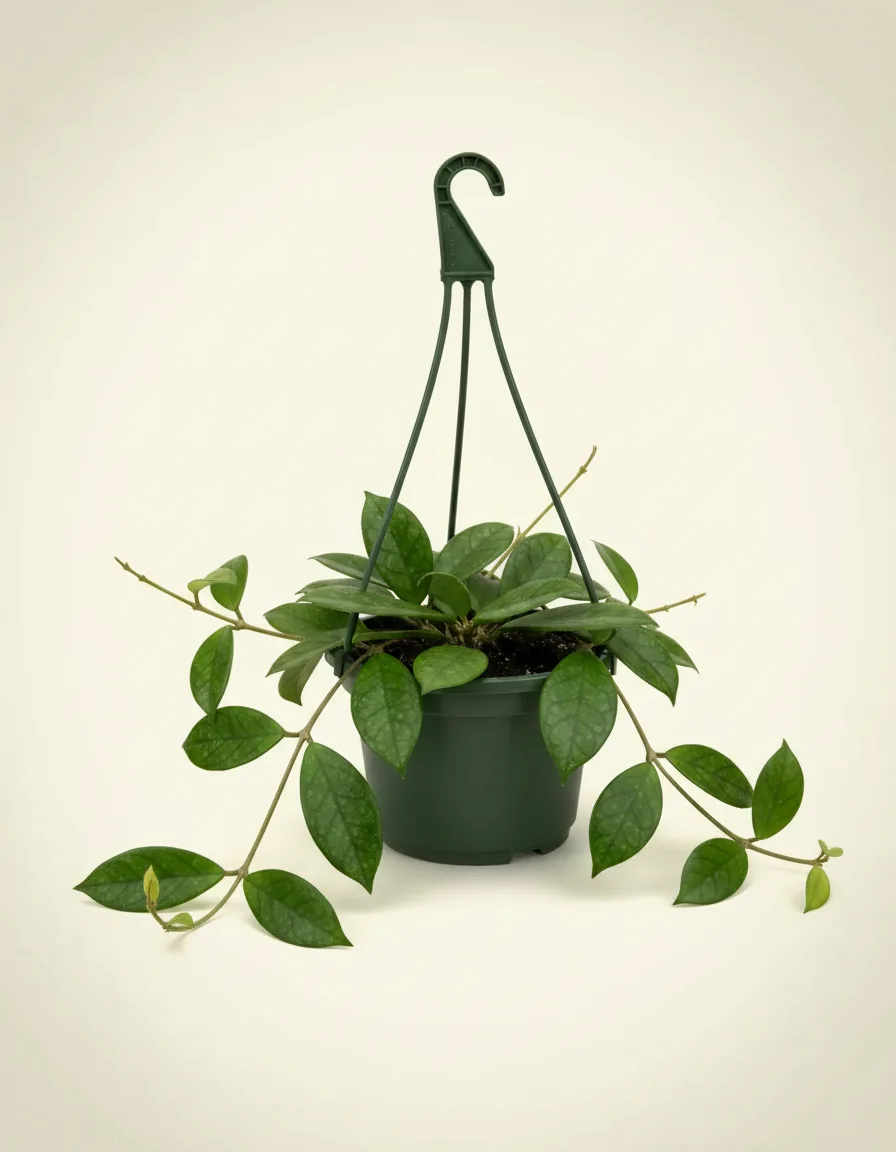
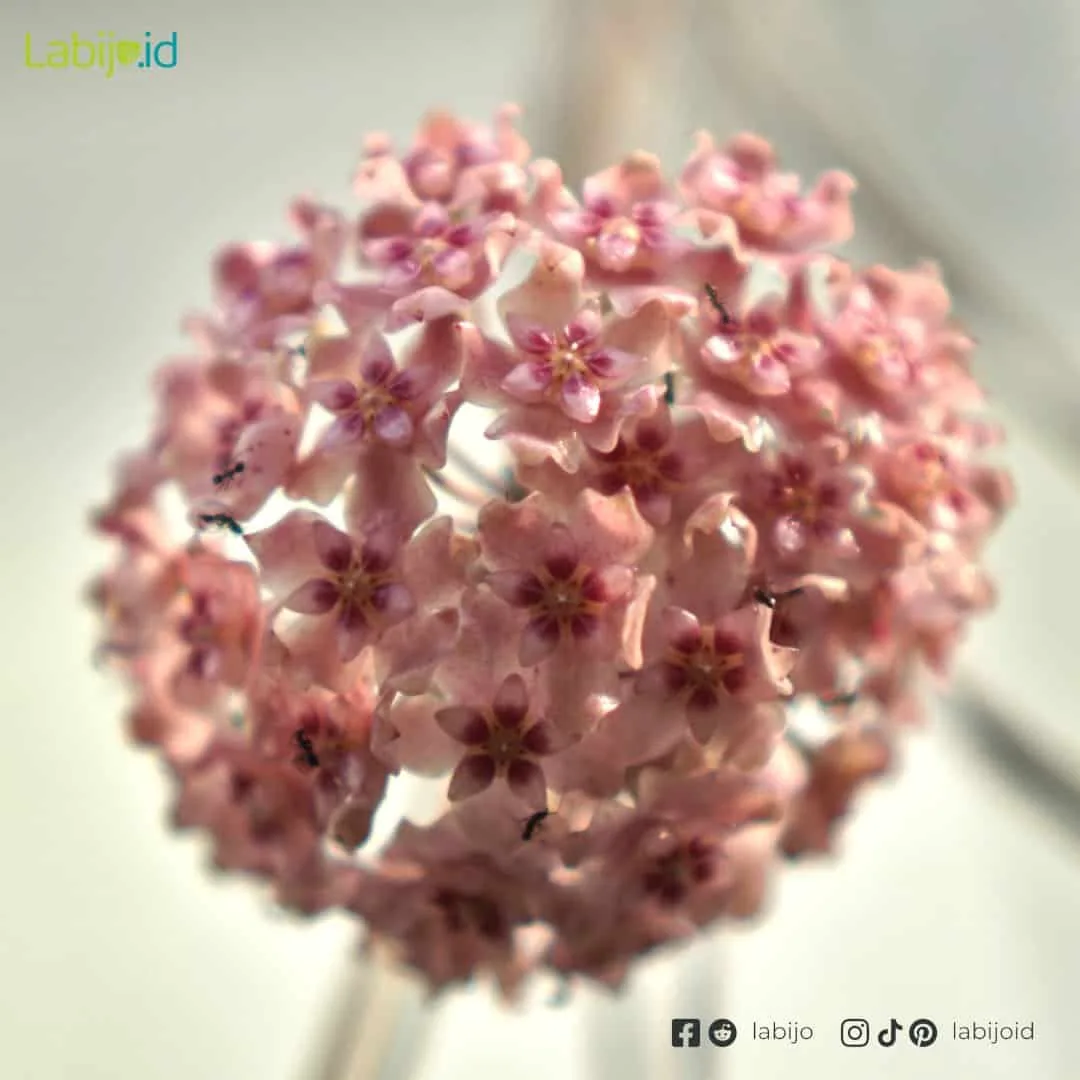
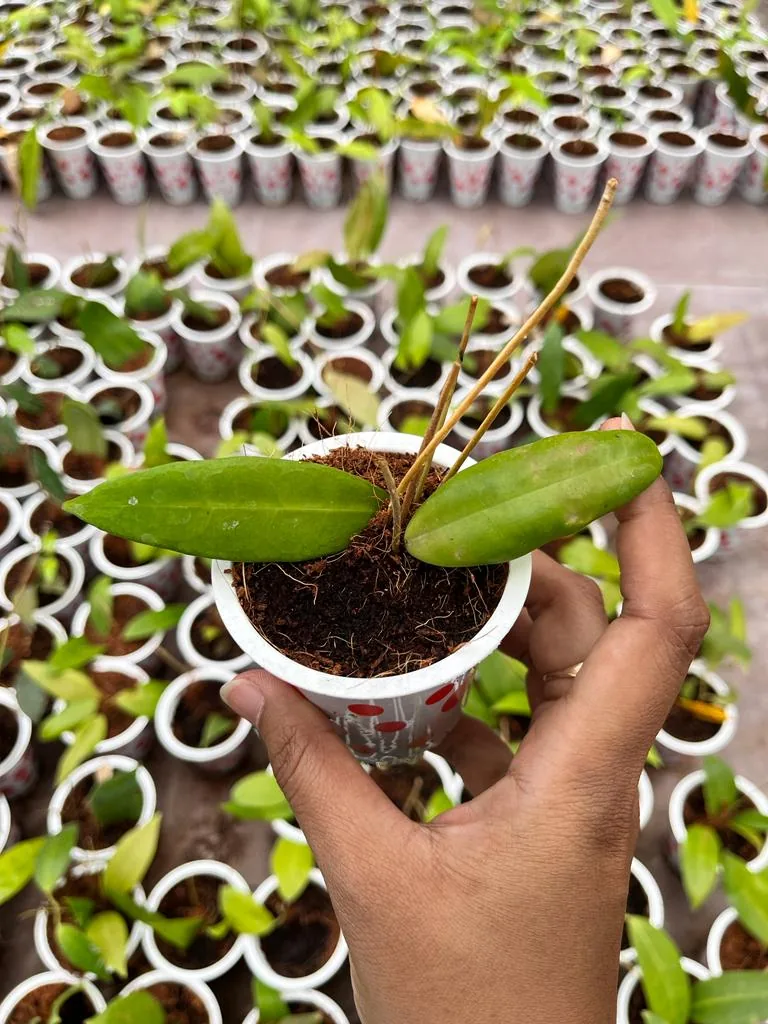
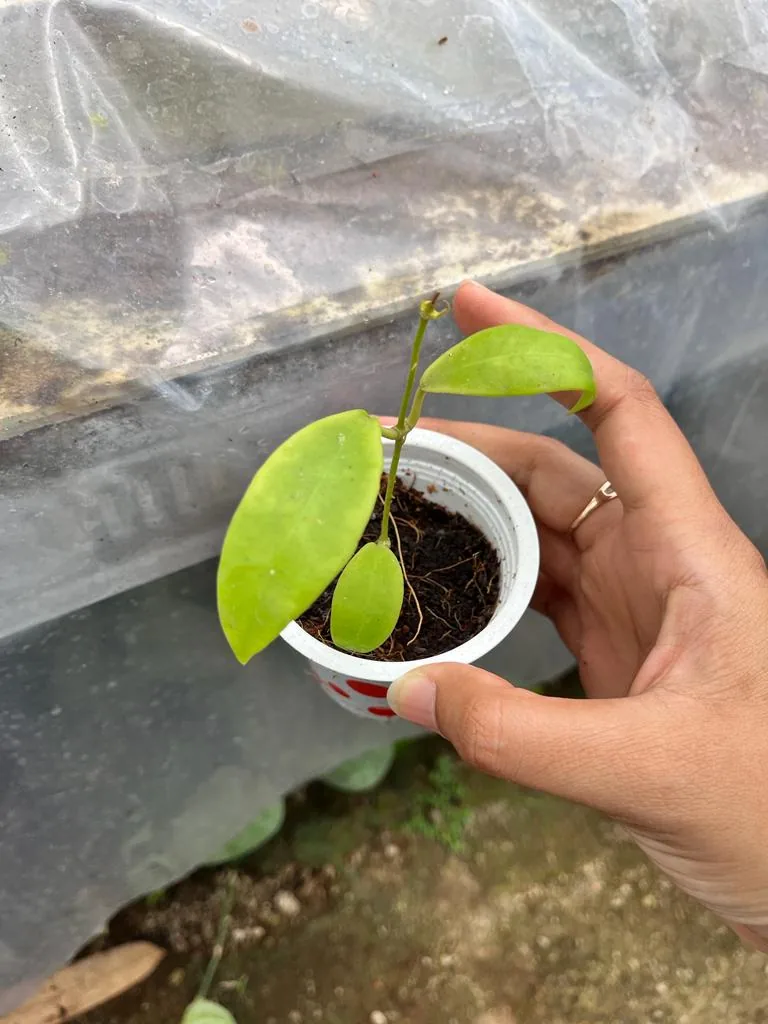
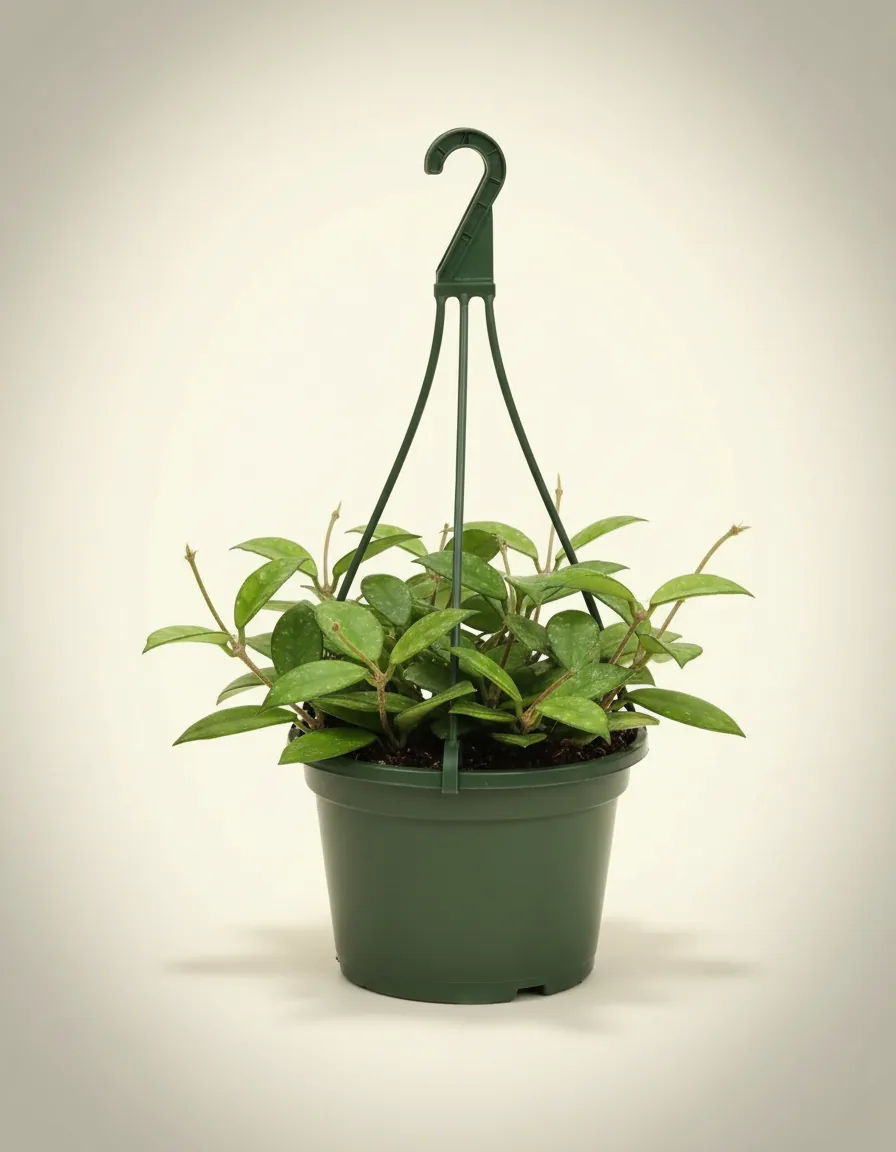
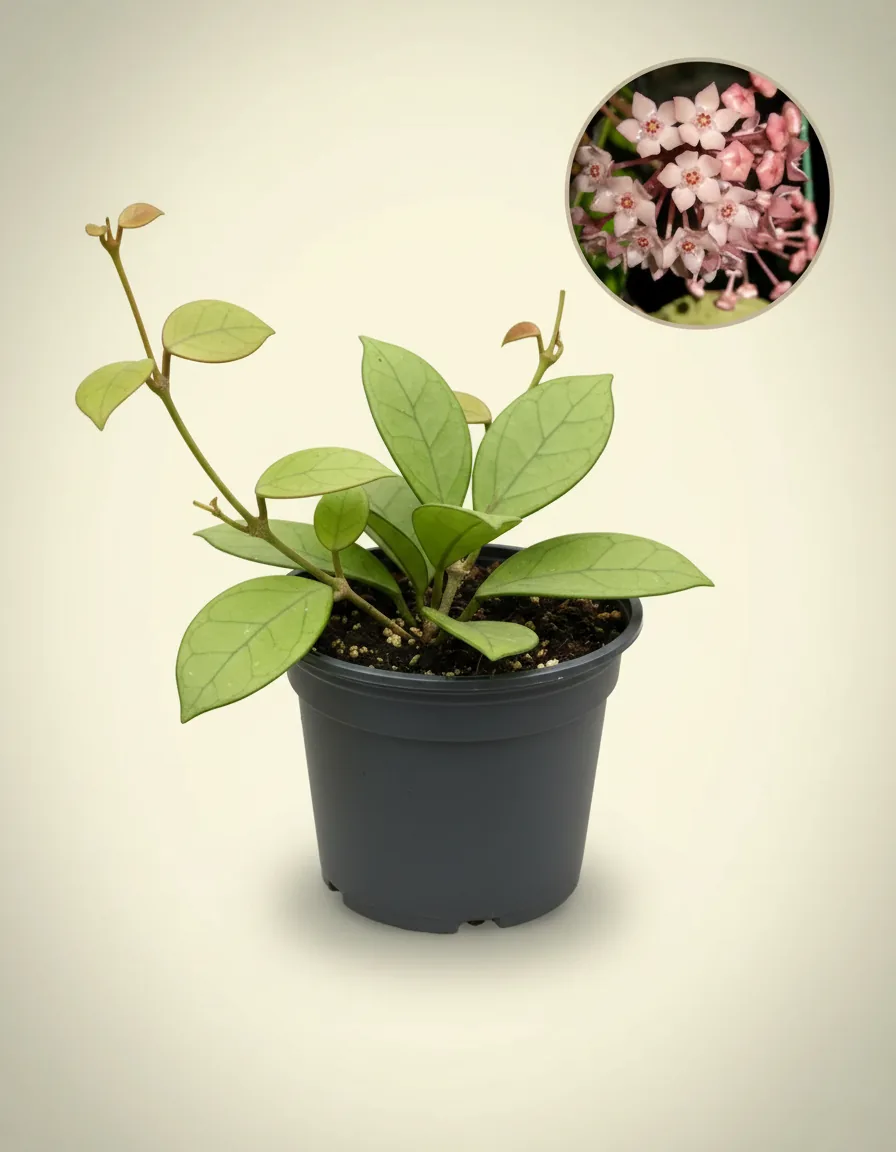
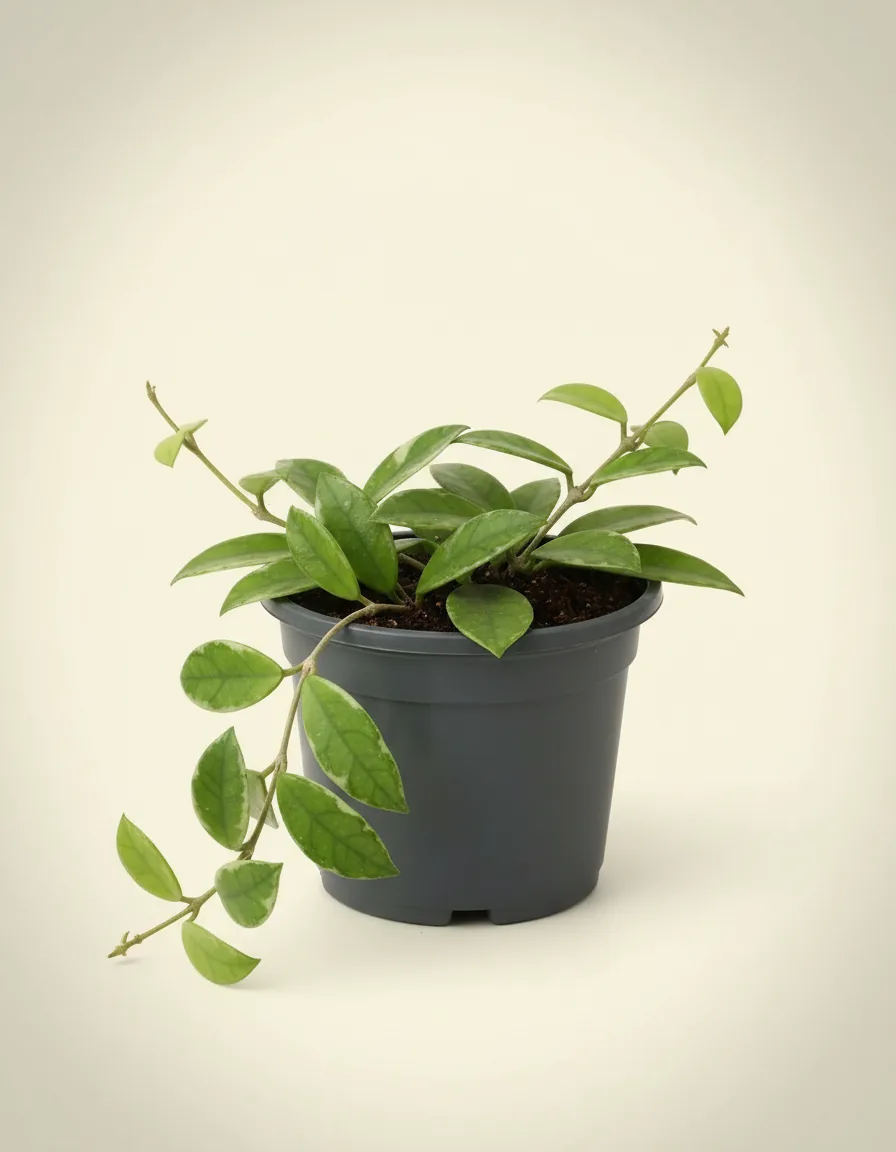
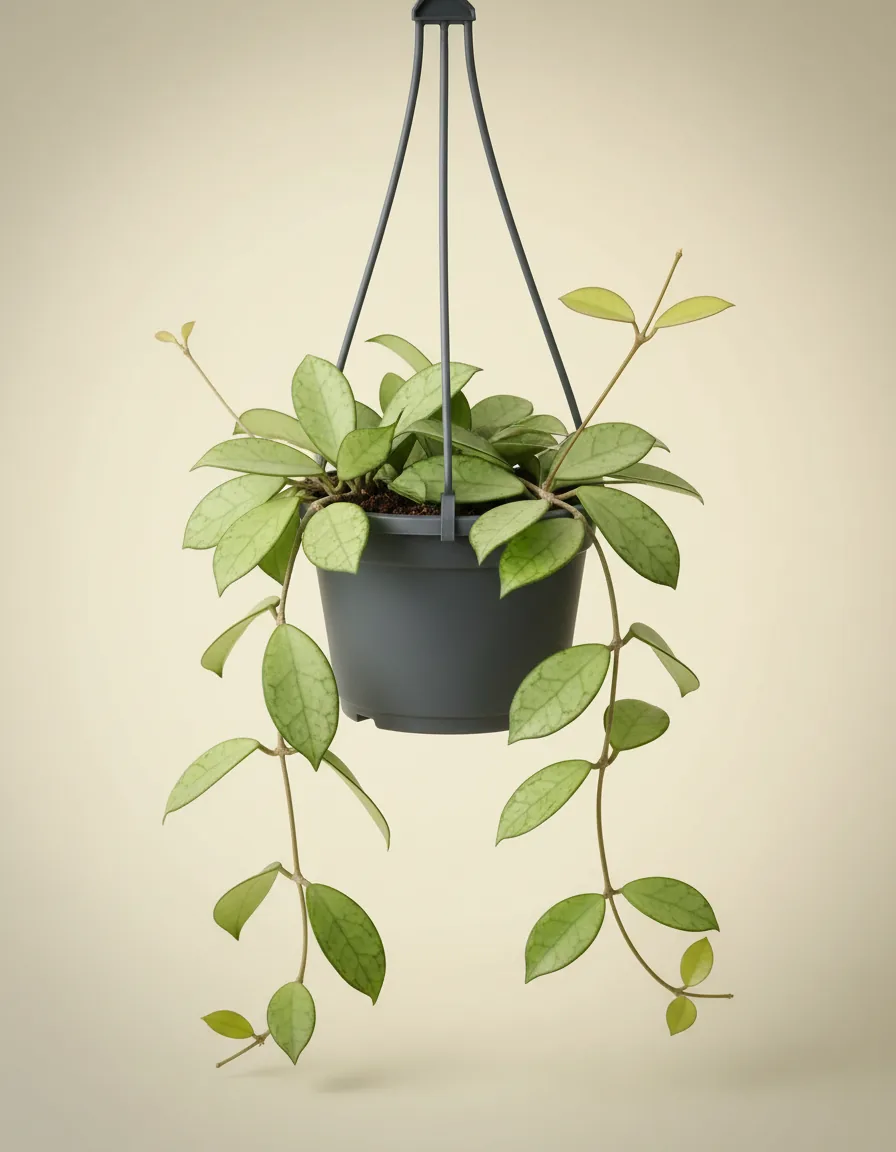
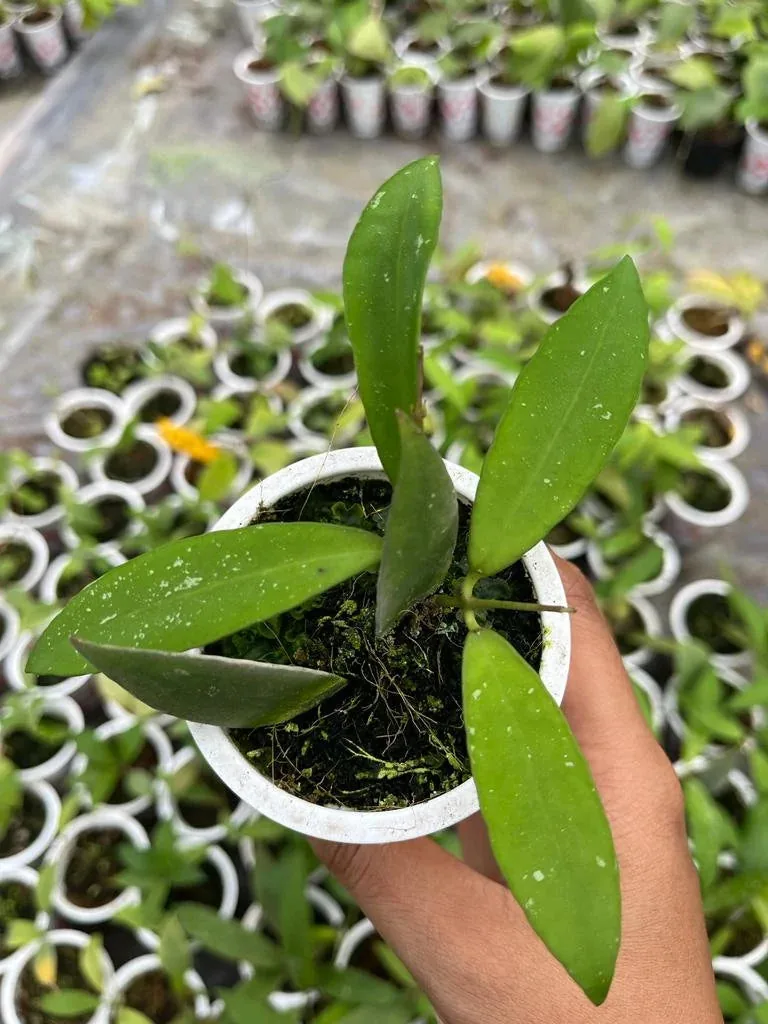
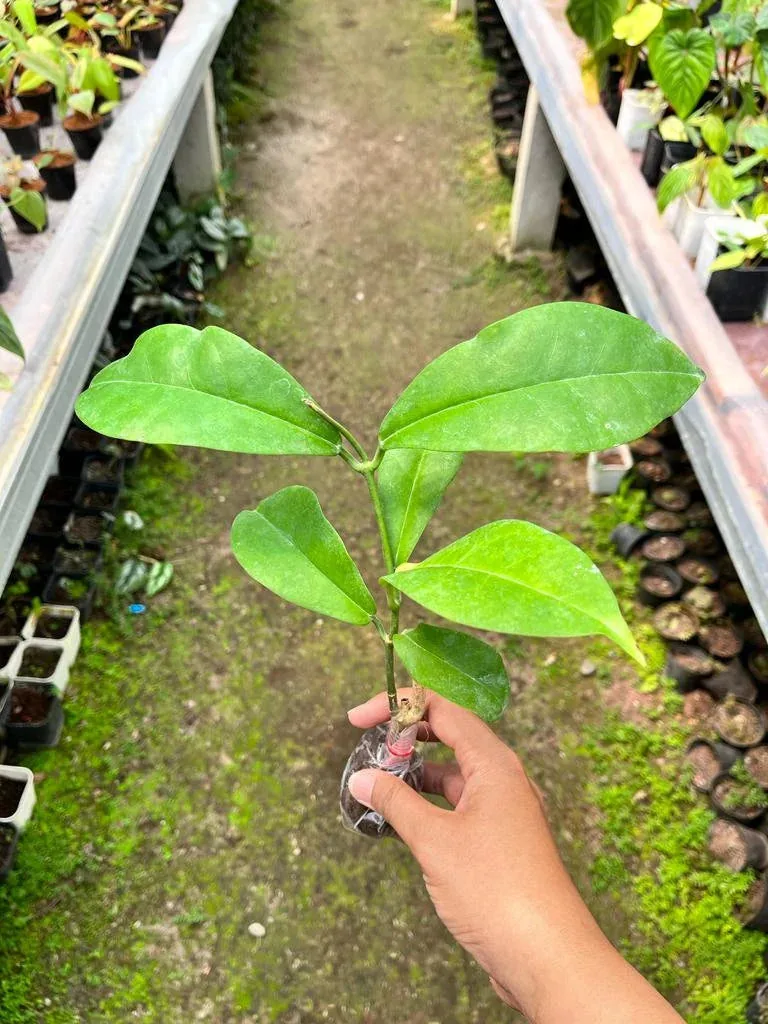
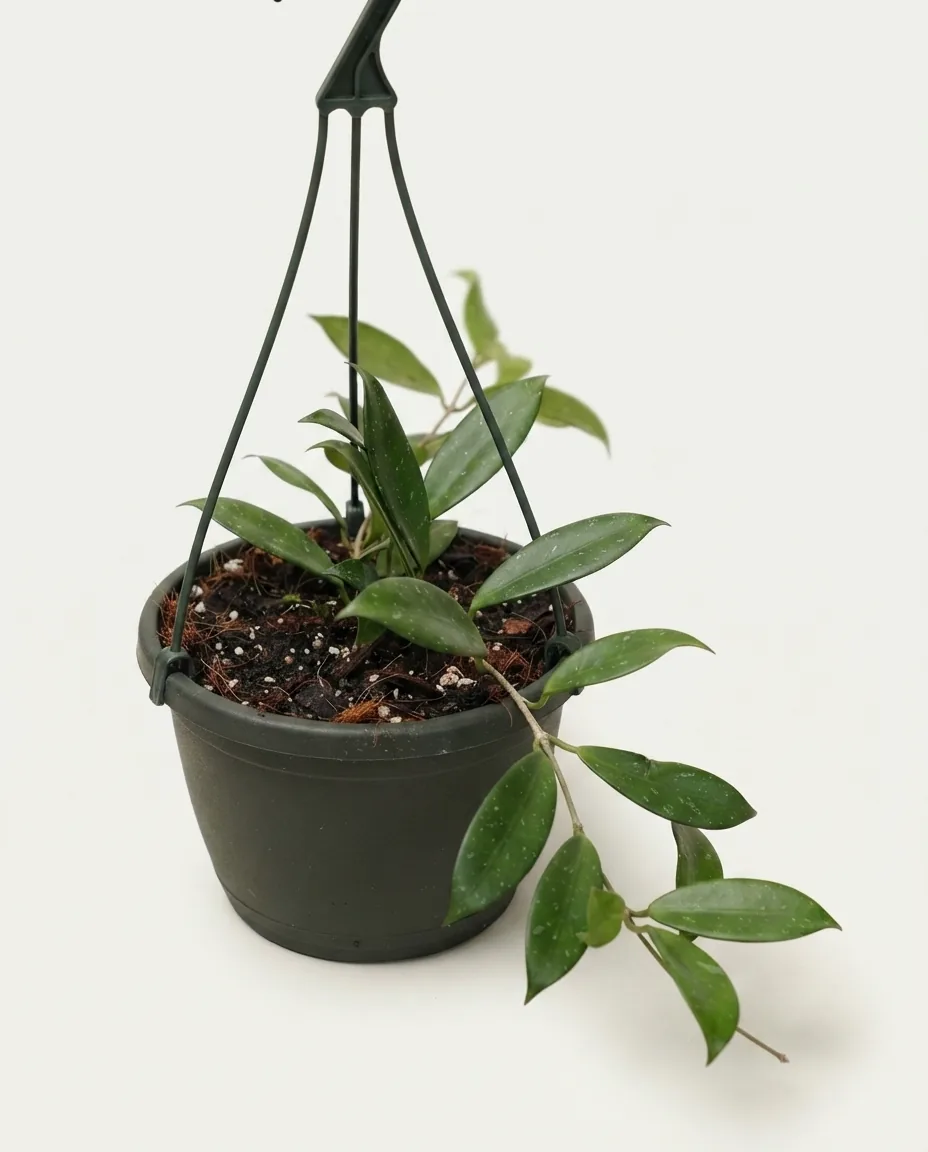
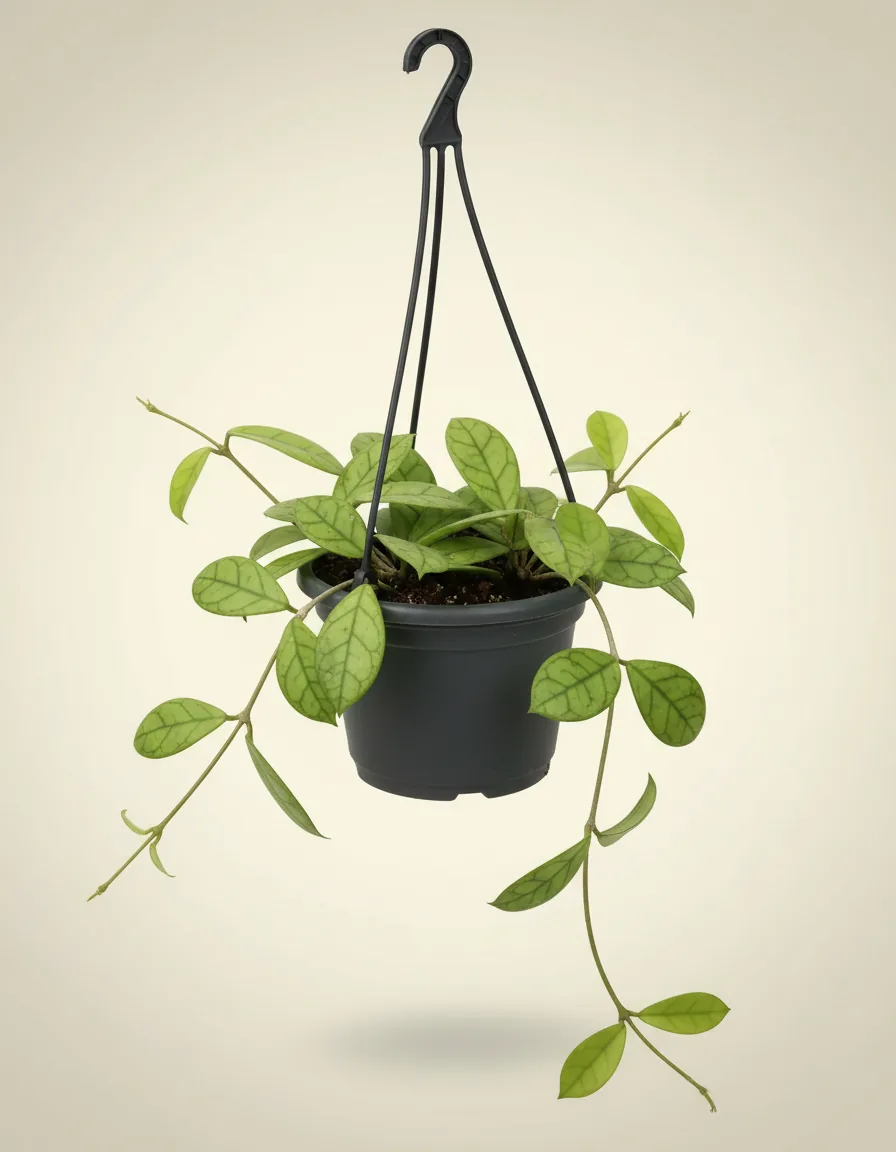
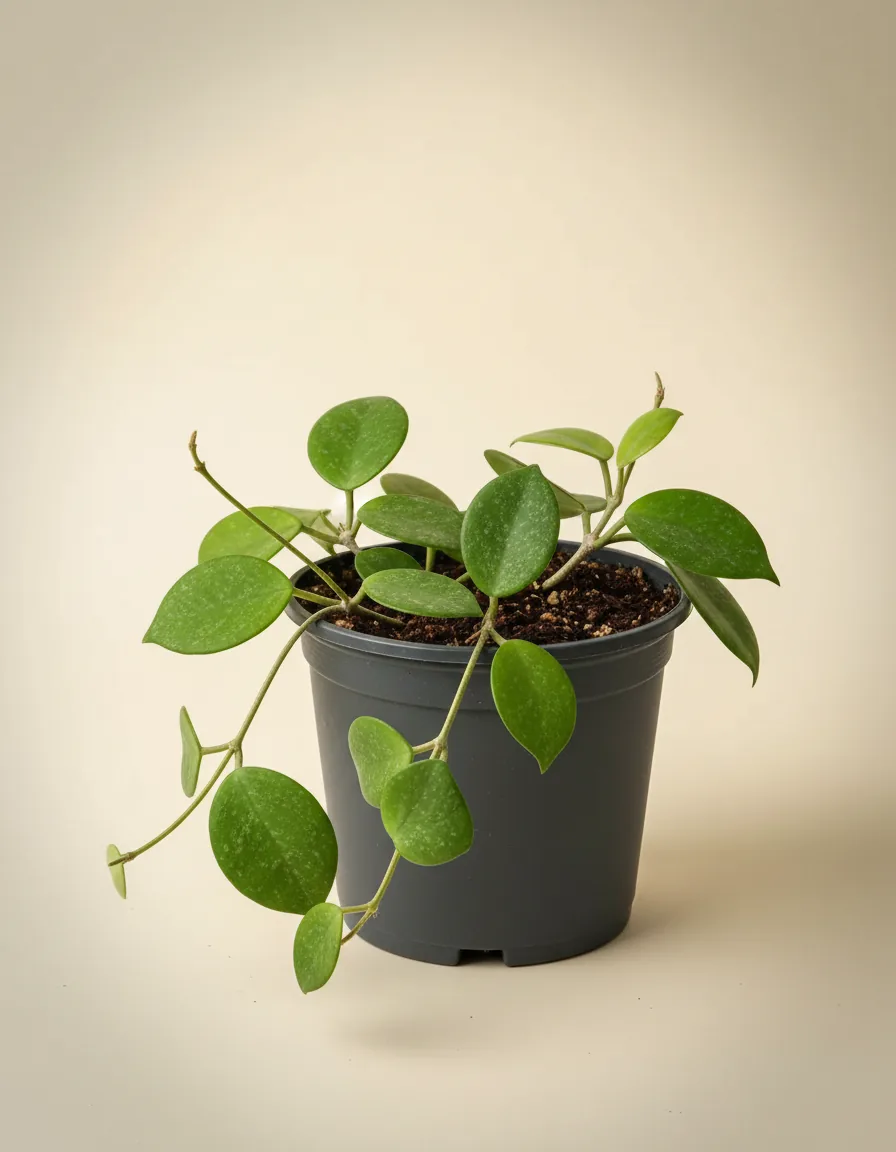
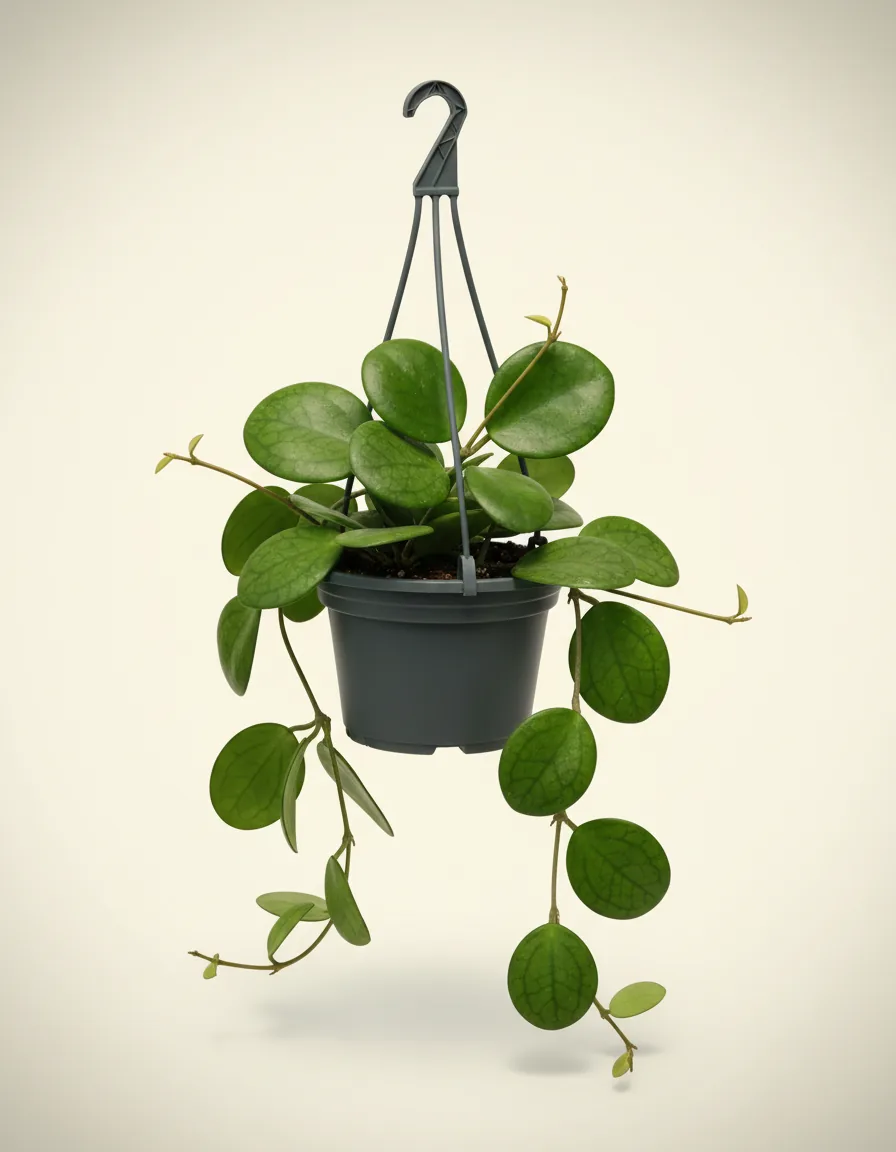
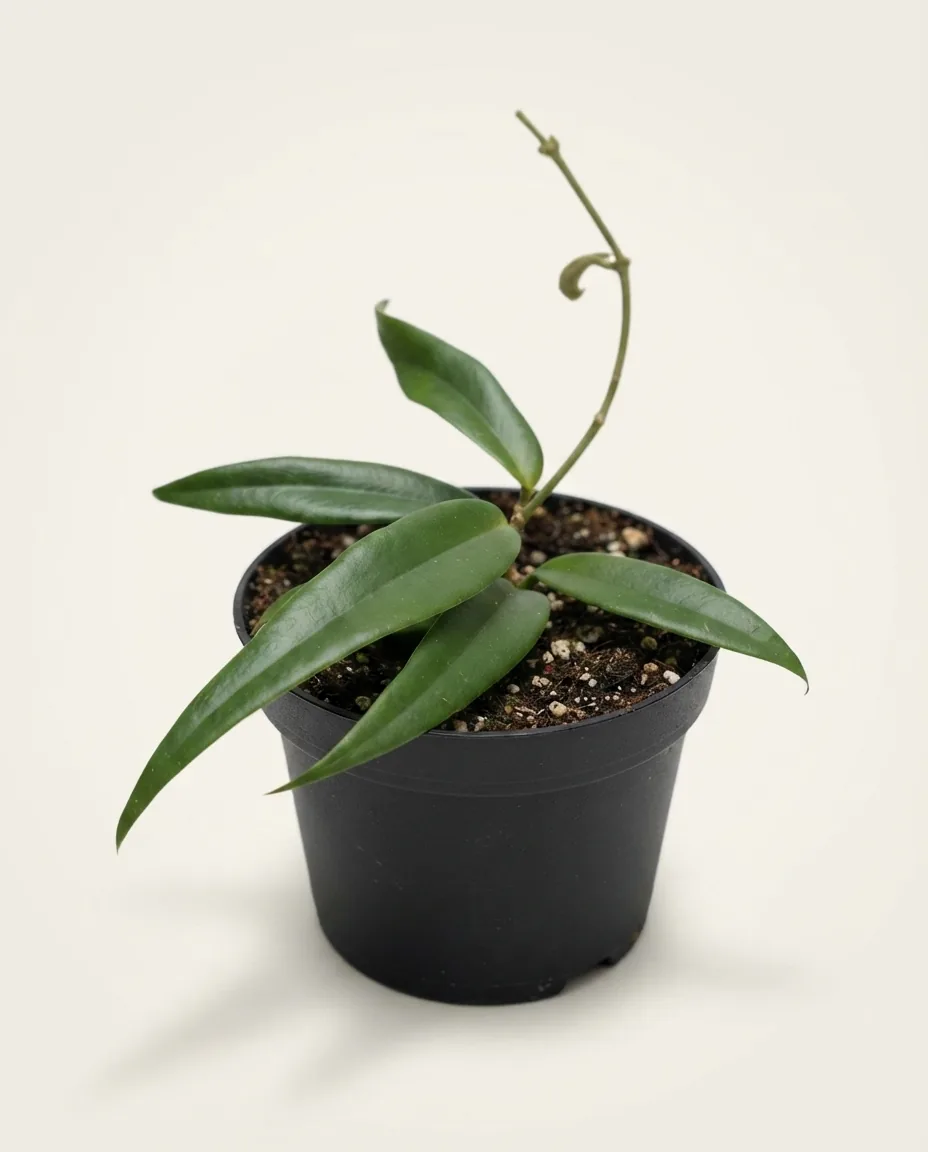
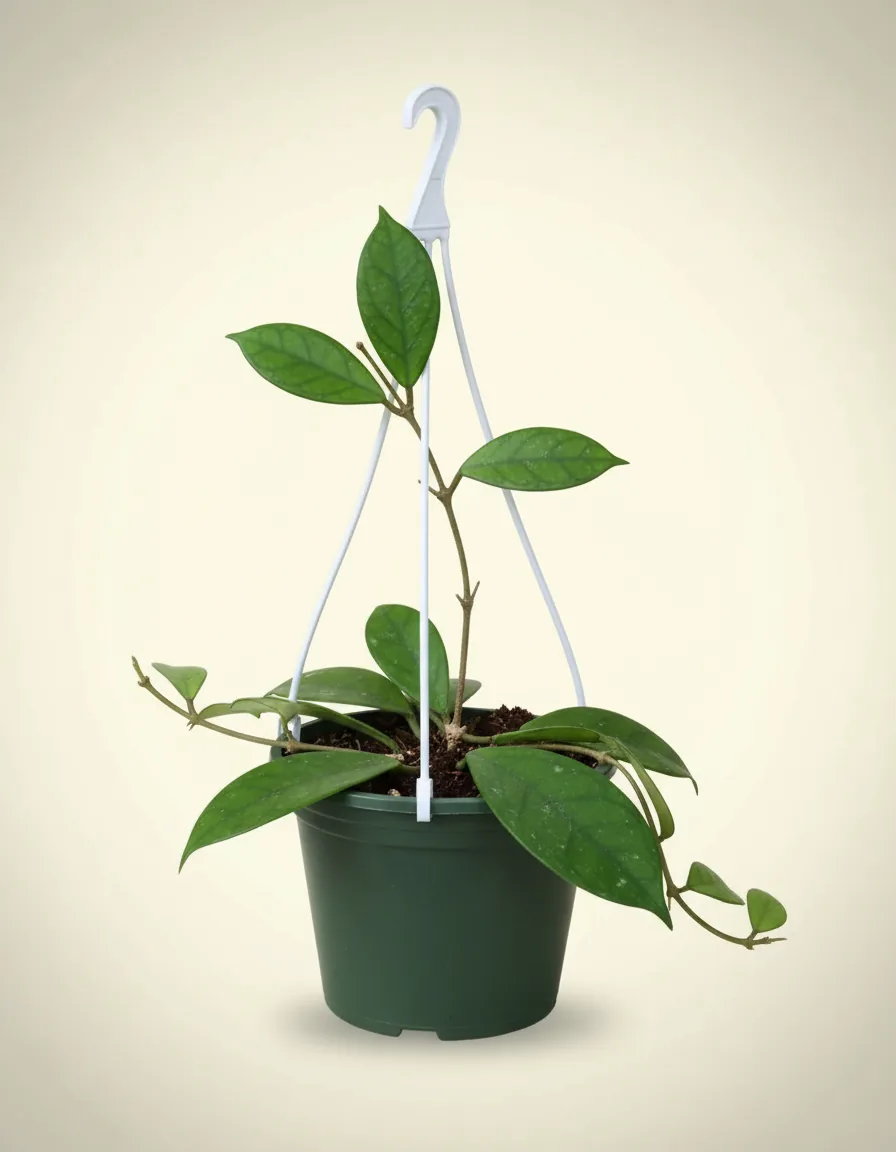
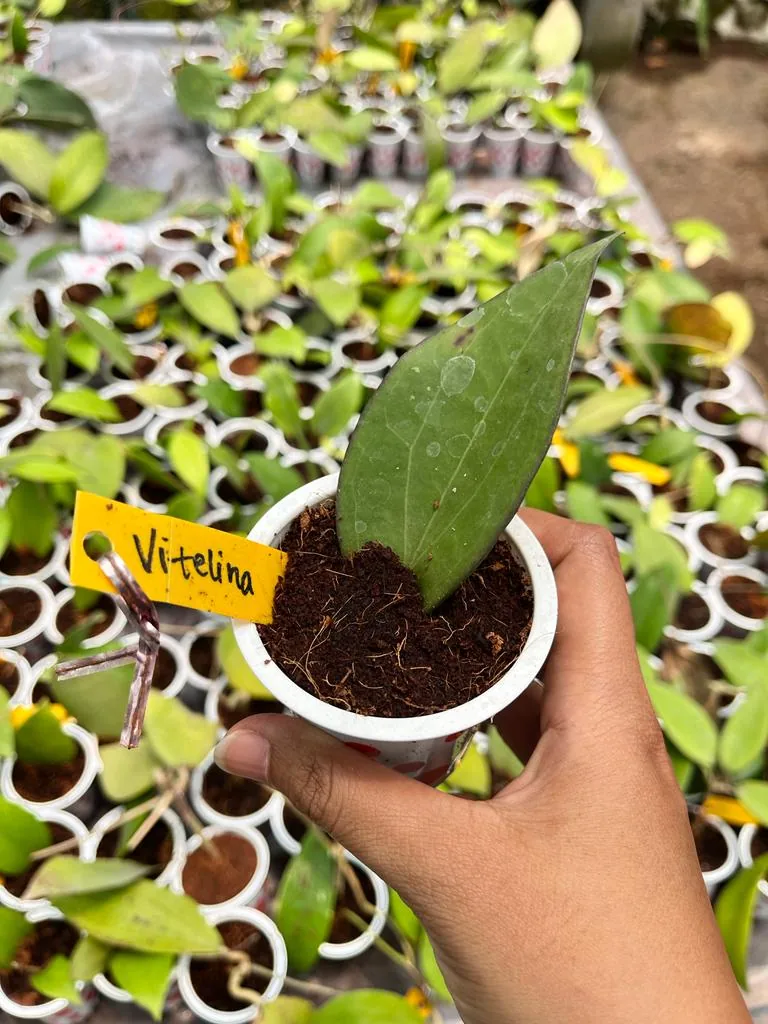
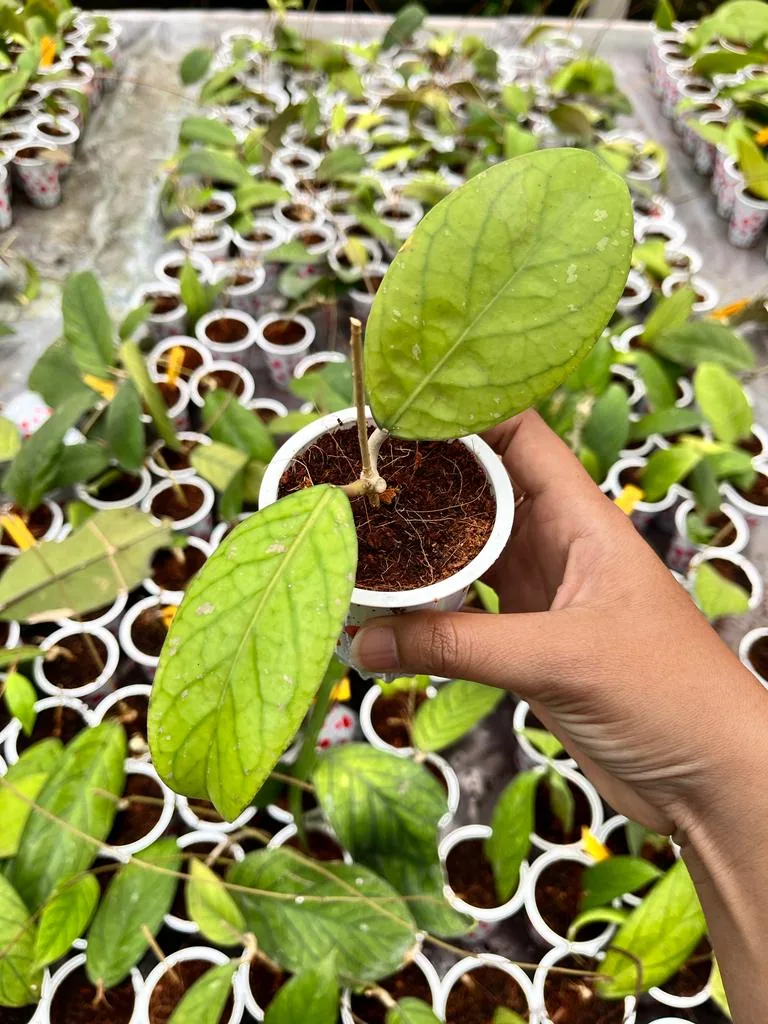
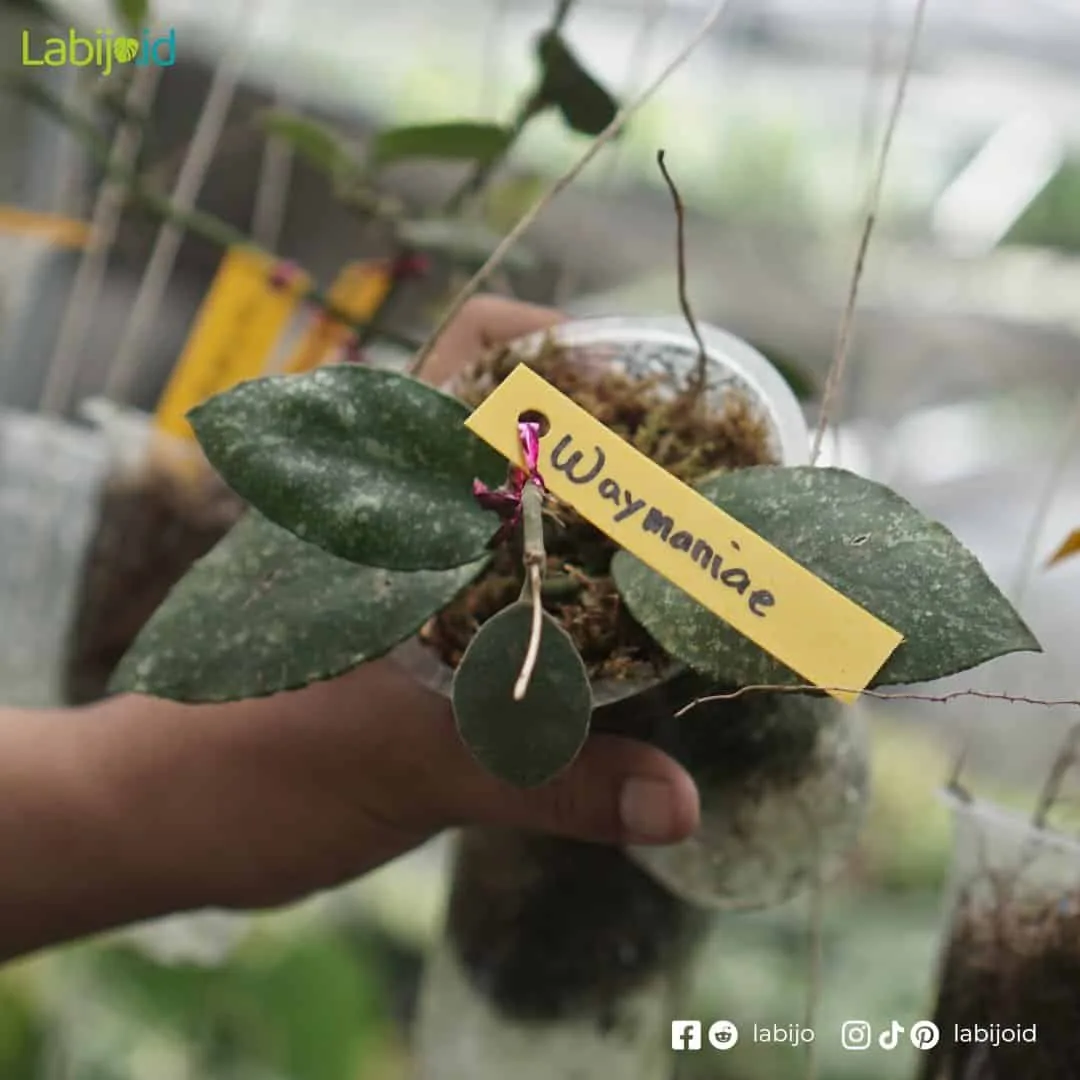
Hoya and Dischidia offer buyers a range of climbing or trailing forms, leaf textures and flowering characteristics. Compare identified species and cultivars rather than relying on trade names or a single flower photograph. Ask whether the offered material is an established plant or a cutting and whether the photographed specimen represents the stock being quoted.
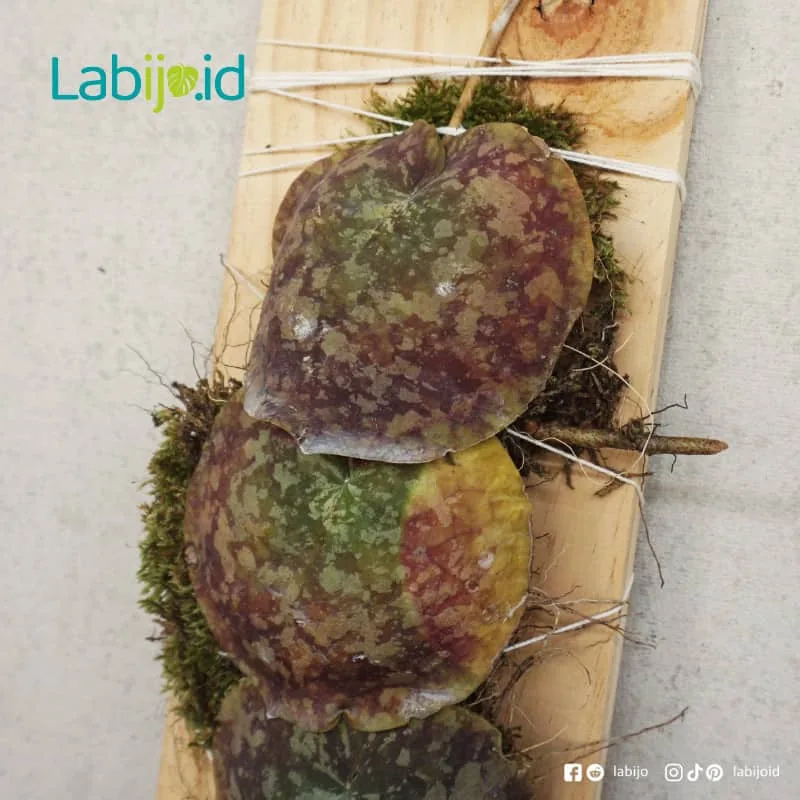
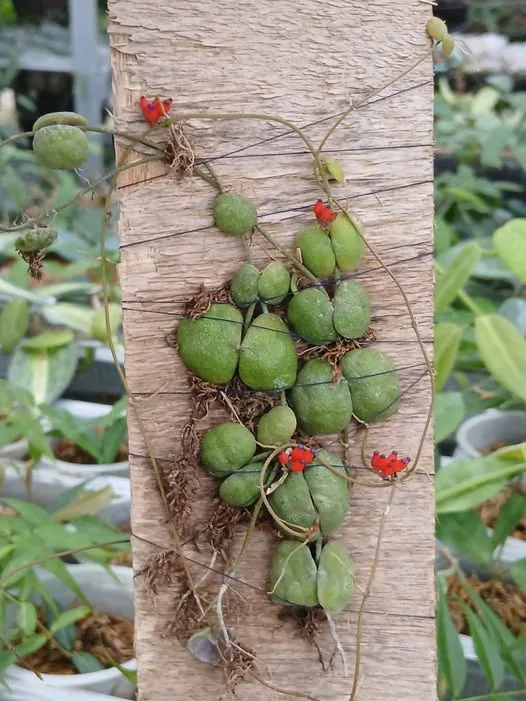
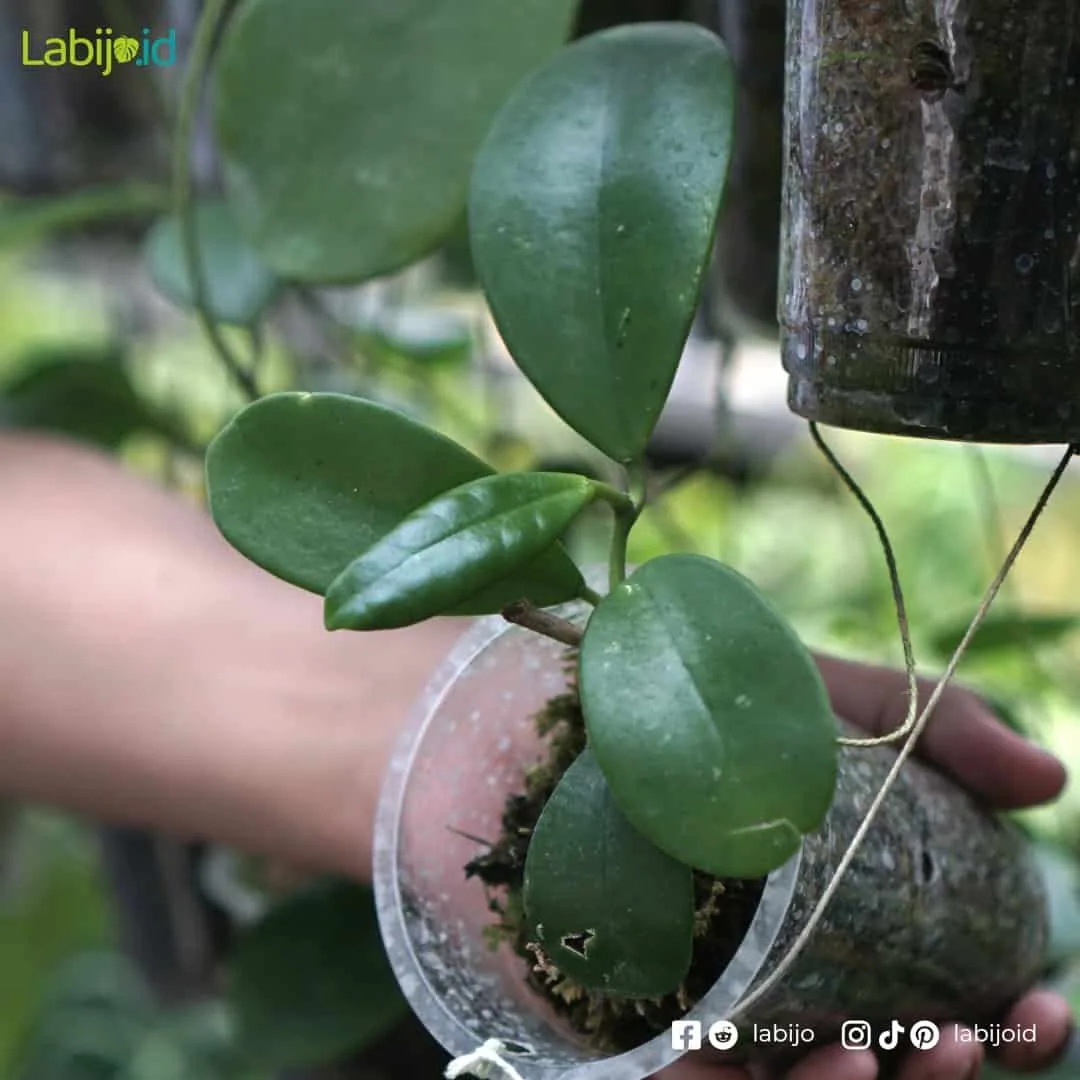
Many hoyas grow as epiphytes, but this does not make their roots independent of a growing medium or eliminate stress when a mount or substrate is removed. Leaf thickness, root development and stem flexibility vary. Review how attached roots can be cleaned and protected and how vines will be supported without crushing leaves or growing tips.
For propagation orders, node count and rooting status are more useful than leaf count alone. Iowa State Extension notes that a Hoya leaf can root without producing a vine when no node is attached. Request visible stem nodes and healthy growing points, and prepare suitable propagation conditions for the identified line; there is no universal moss-moisture percentage or recovery timetable for all epiphytes.
Sources for the guidance above
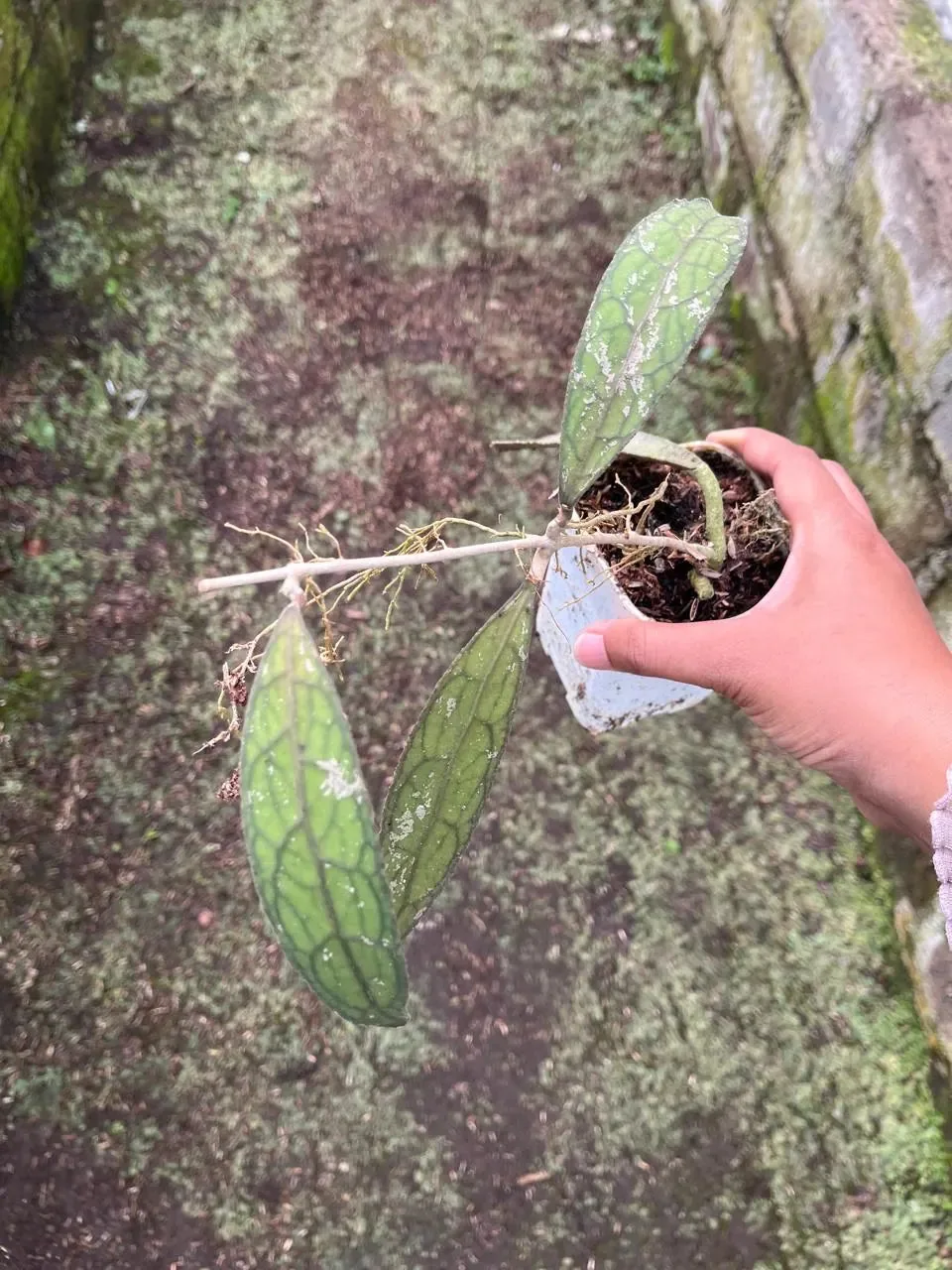
These 5 selected product pages include reviewed explanations of published research, with source links and limits on applying the findings to an offered plant. Use them alongside the care guides; confirm current plant condition with the export desk.
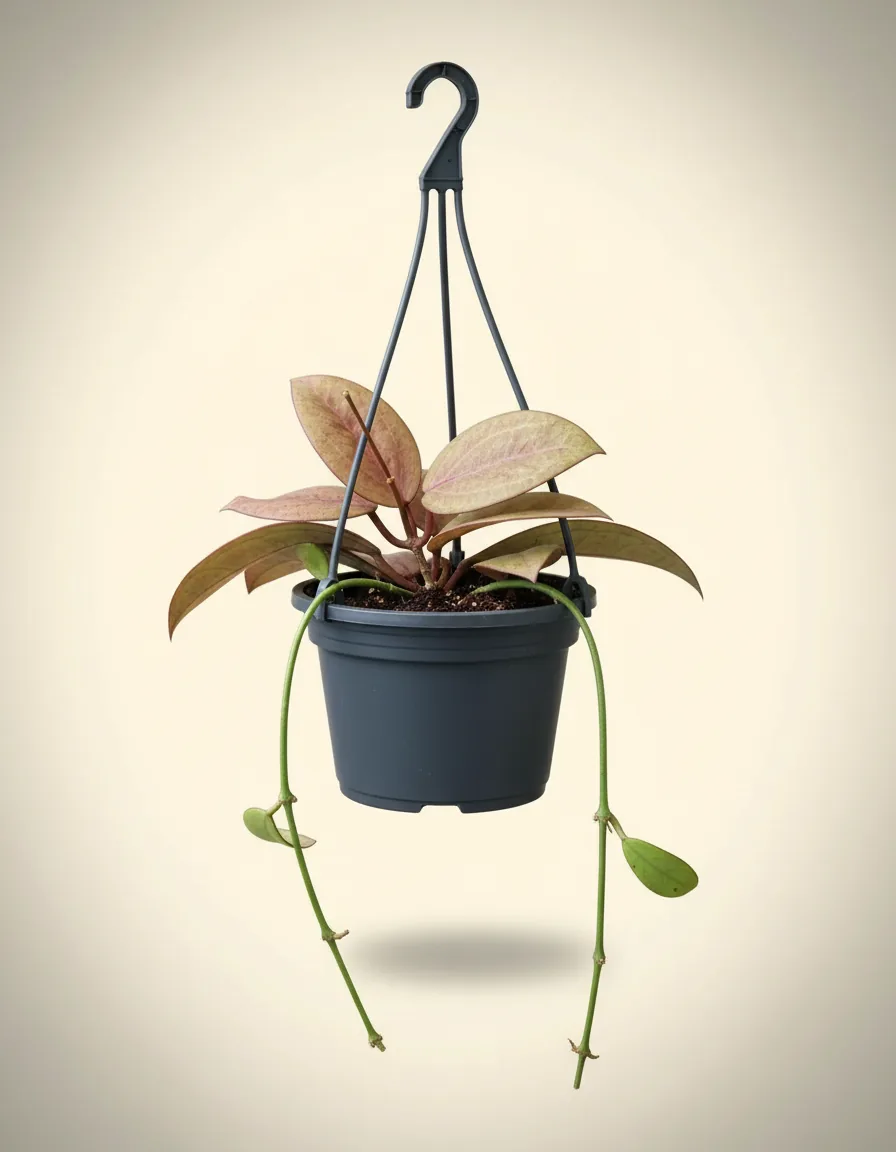
Dischidia Major · Hoya & Epiphytes
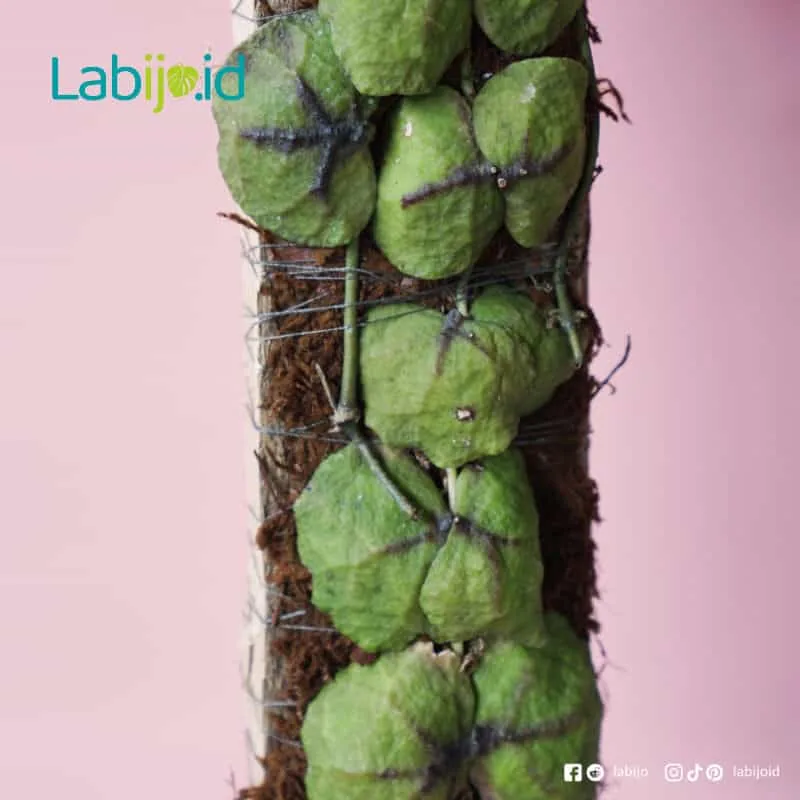
The hollow leaves of this epiphyte create living spaces with ecological functions. Field studies examine the occupants and nutrient pathways, while extraction papers investigate compounds removed from plant material. Each kind of research answers a different question about the same species.
Hoya Paradisea · Hoya & Epiphytes
Hoya paradisea is an endemic Malesian epiphyte described from lowland and submontane tropical forests. Taxonomic accounts detail its distinctive foliar venation and corona structure.
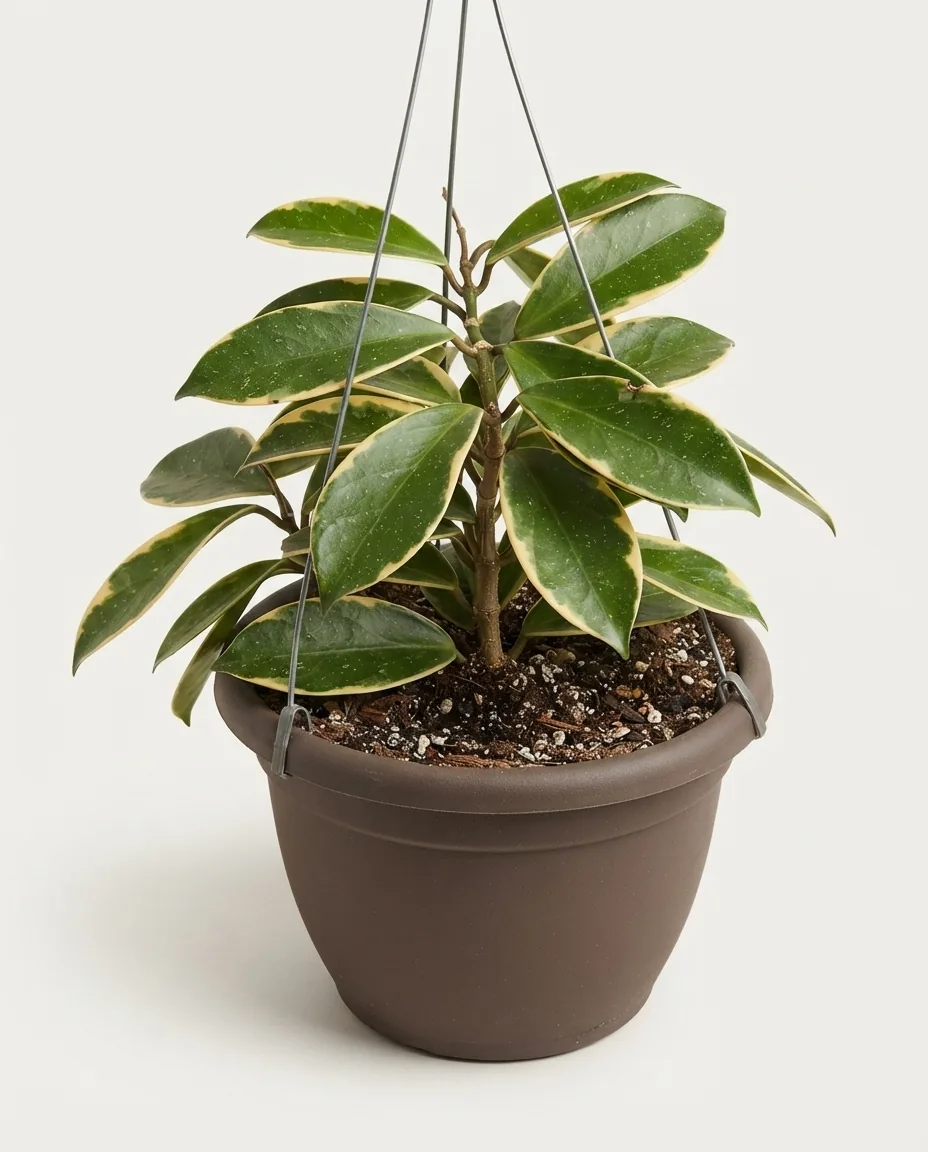
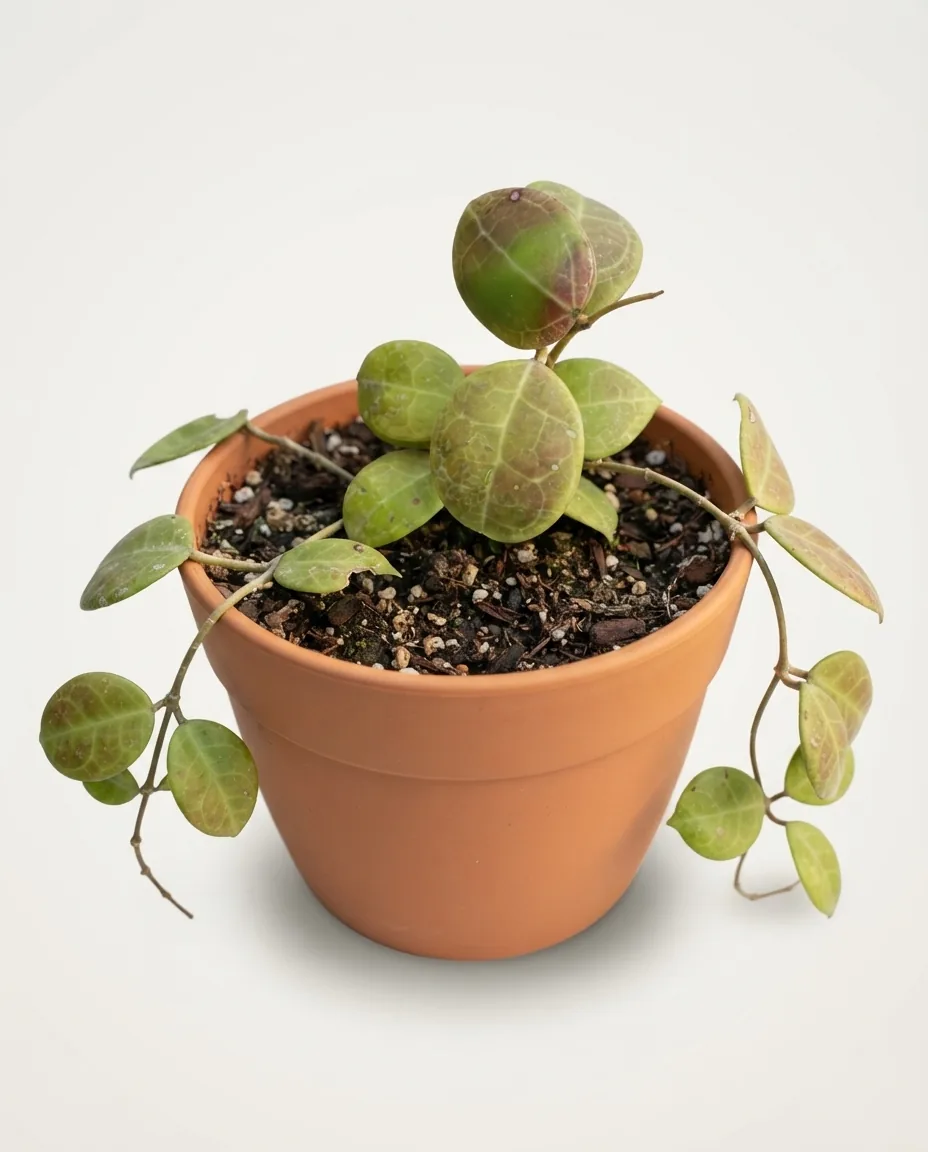
Hoya Solokensis · Hoya & Epiphytes
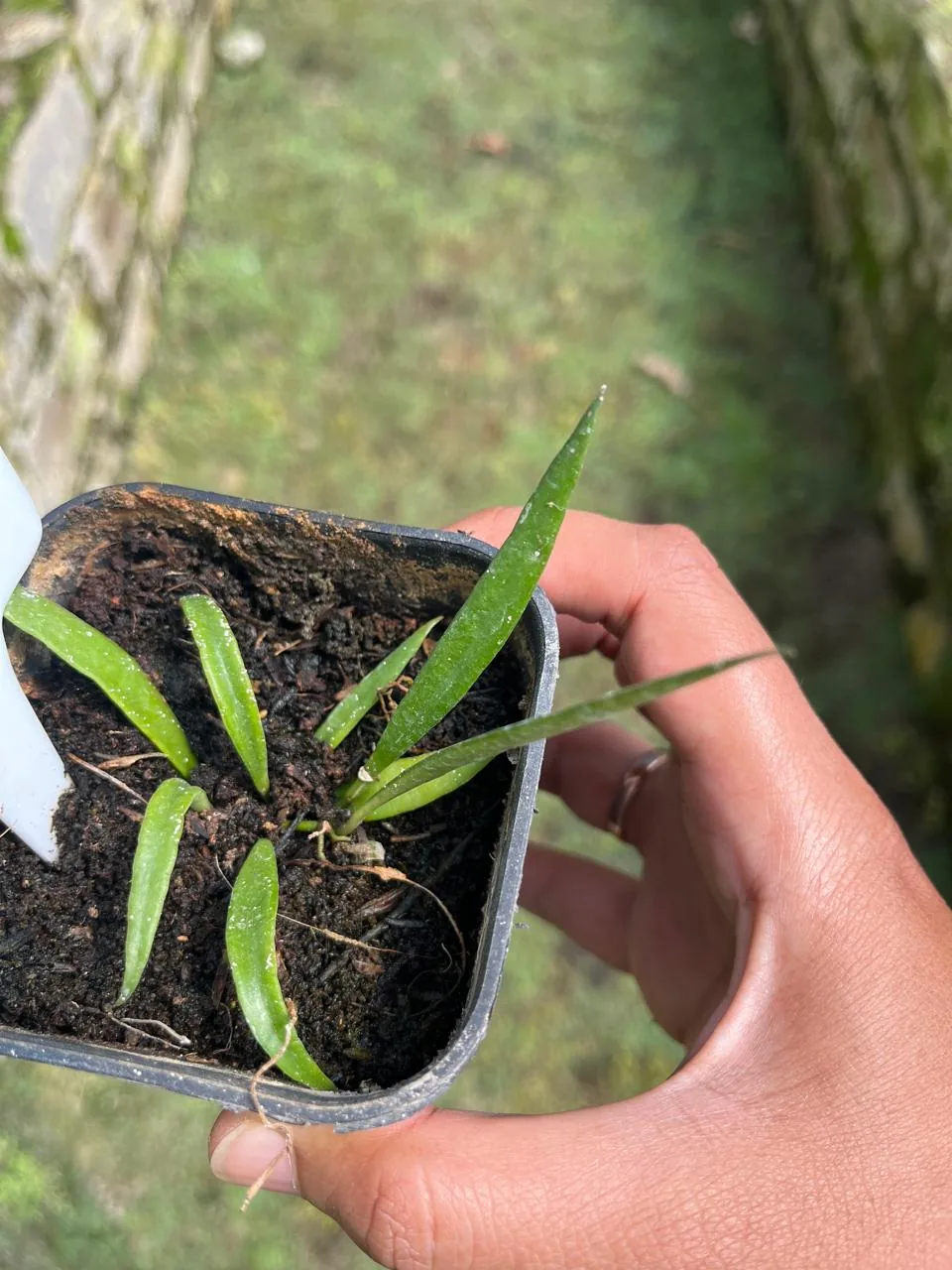
Hoya solokensis is a recently described species endemic to the highland submontane forests of West Sumatra, Indonesia. Taxonomic publication in Blumea documents its distinctive campanulate corolla and shrubby terrestrial-to-epiphytic habit.
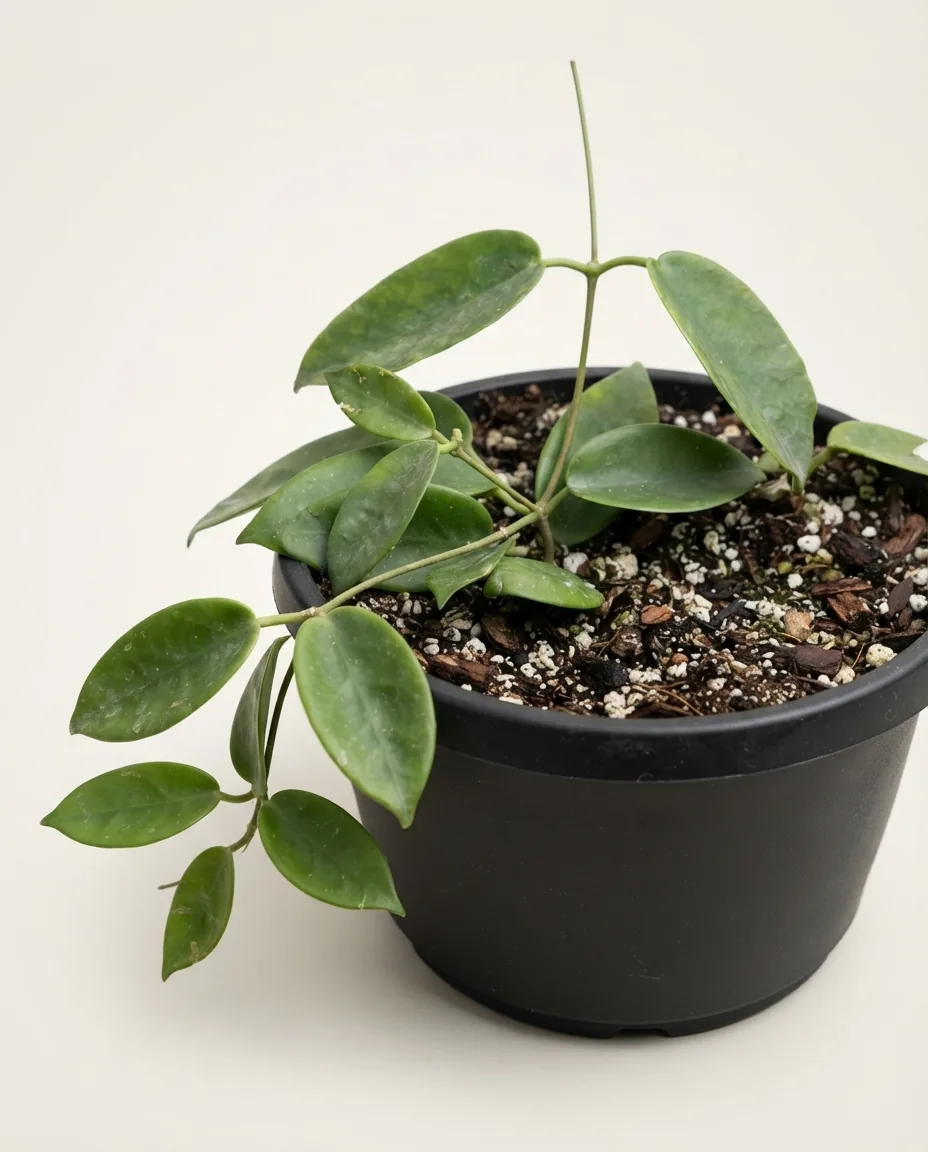
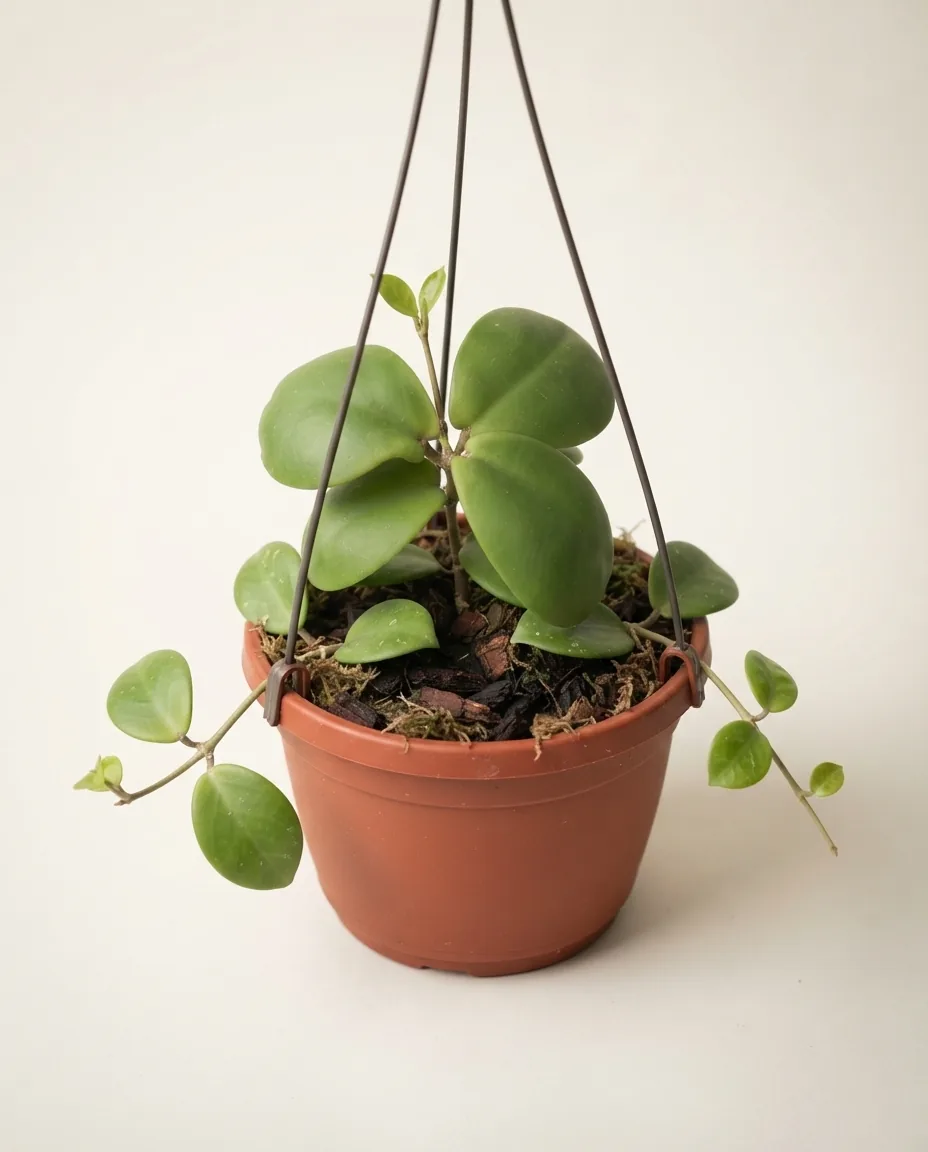
Hoya Amicabilis · Hoya & Epiphytes
The original species description gives collectors a useful identity check: a shrubby Hoya with yellow, bell-shaped flowers. A generic description of a climbing wax plant misses the features that distinguish this species.
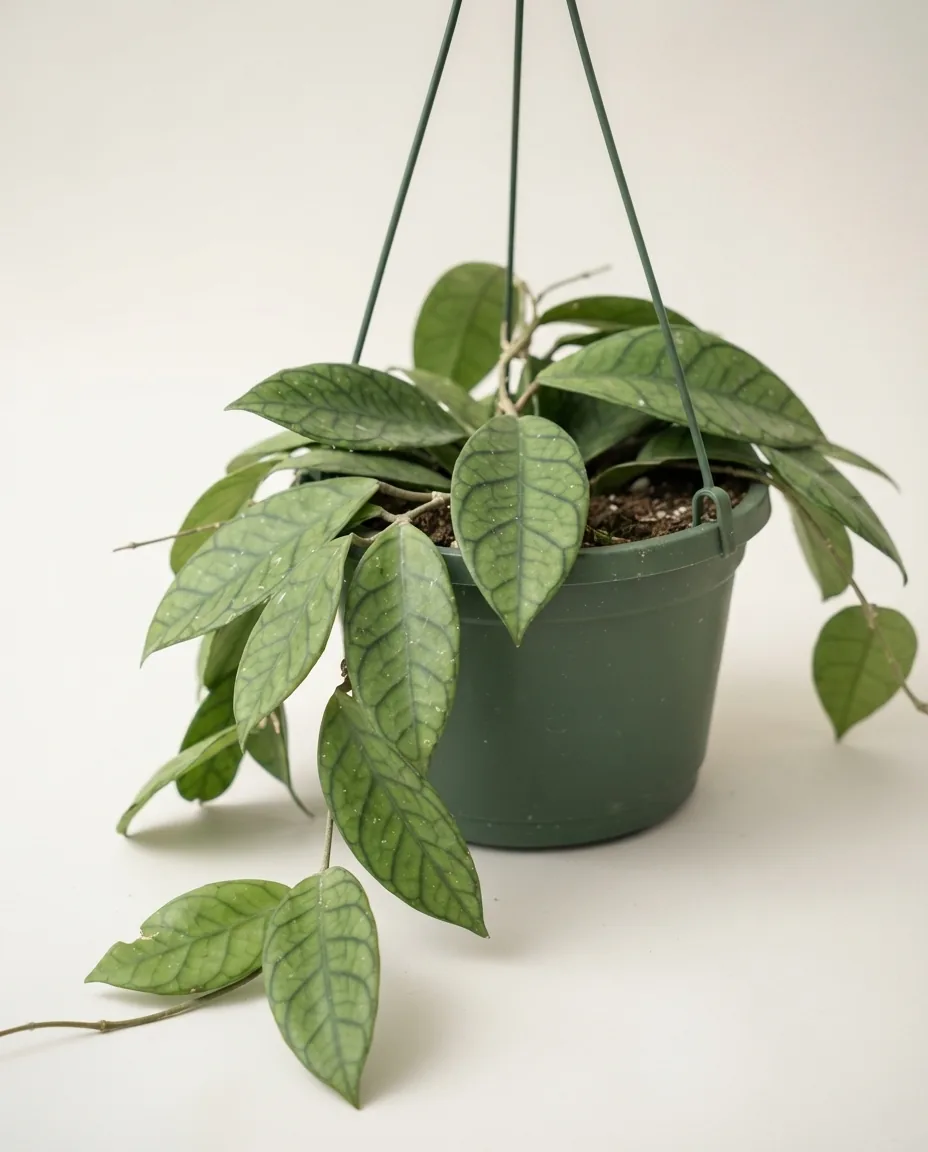
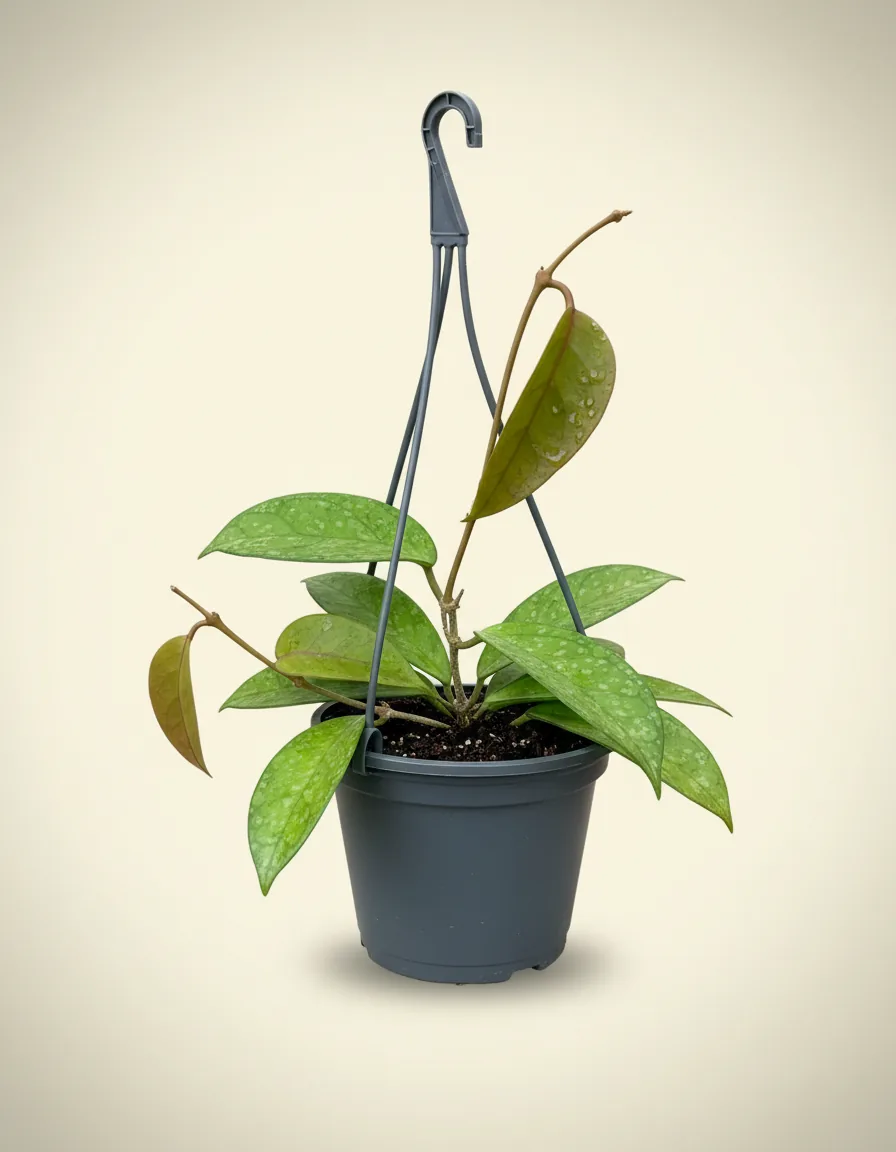
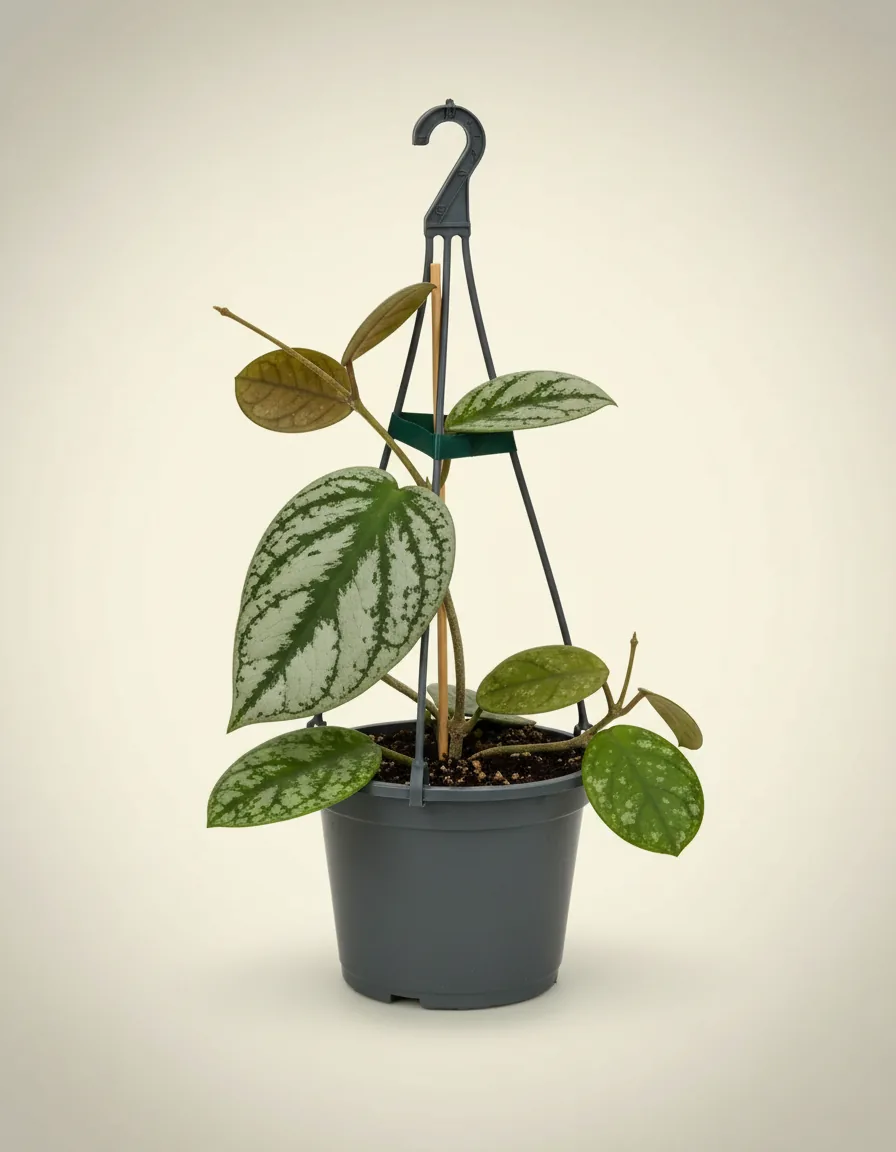
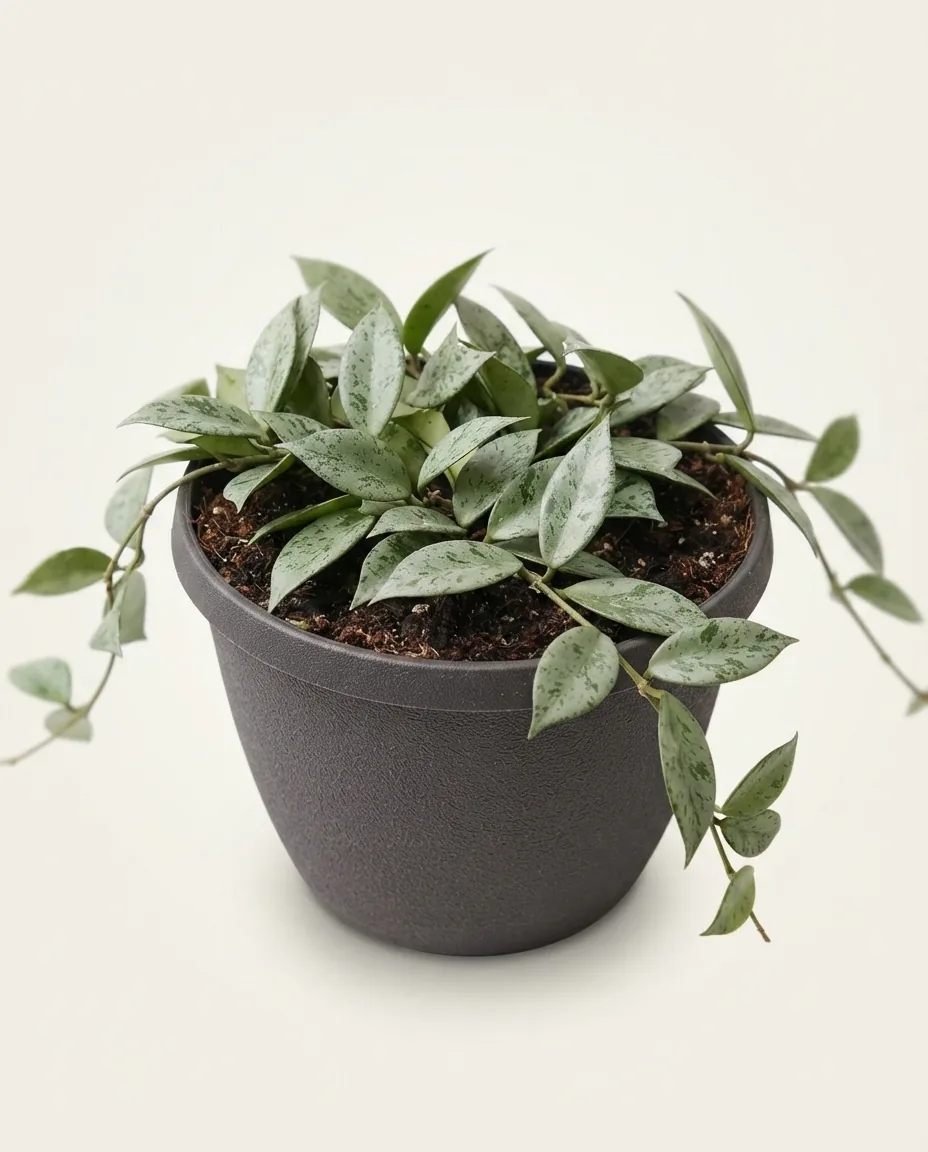
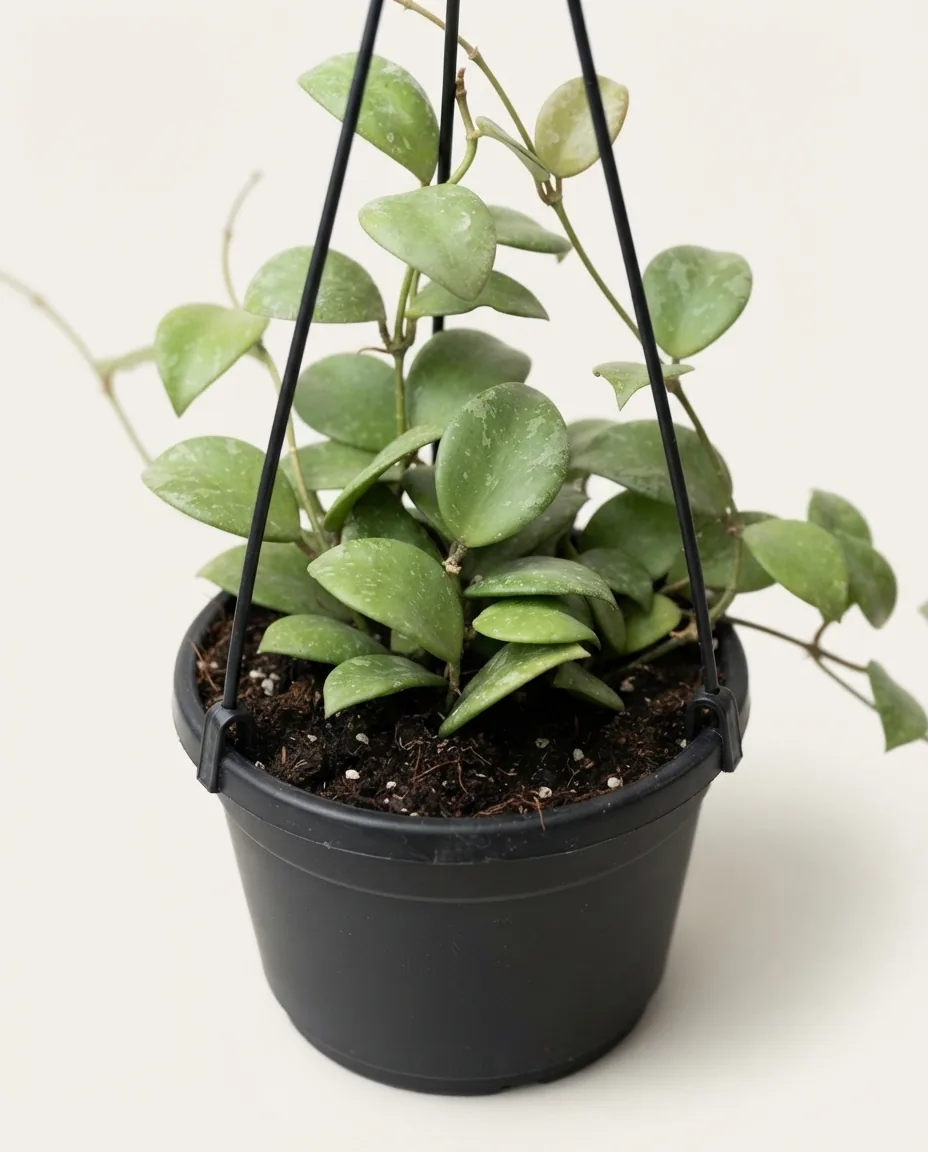
Hoya Lacunosa Silver · Hoya & Epiphytes
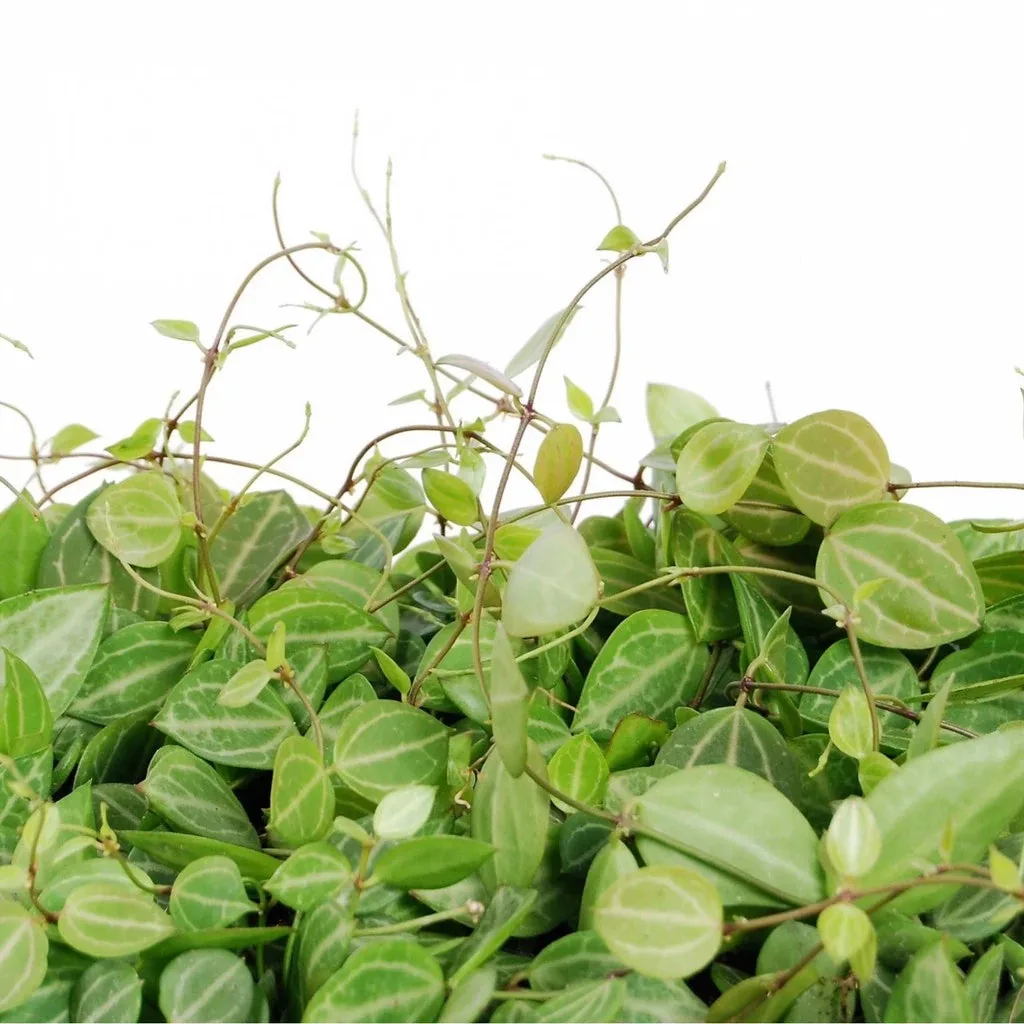
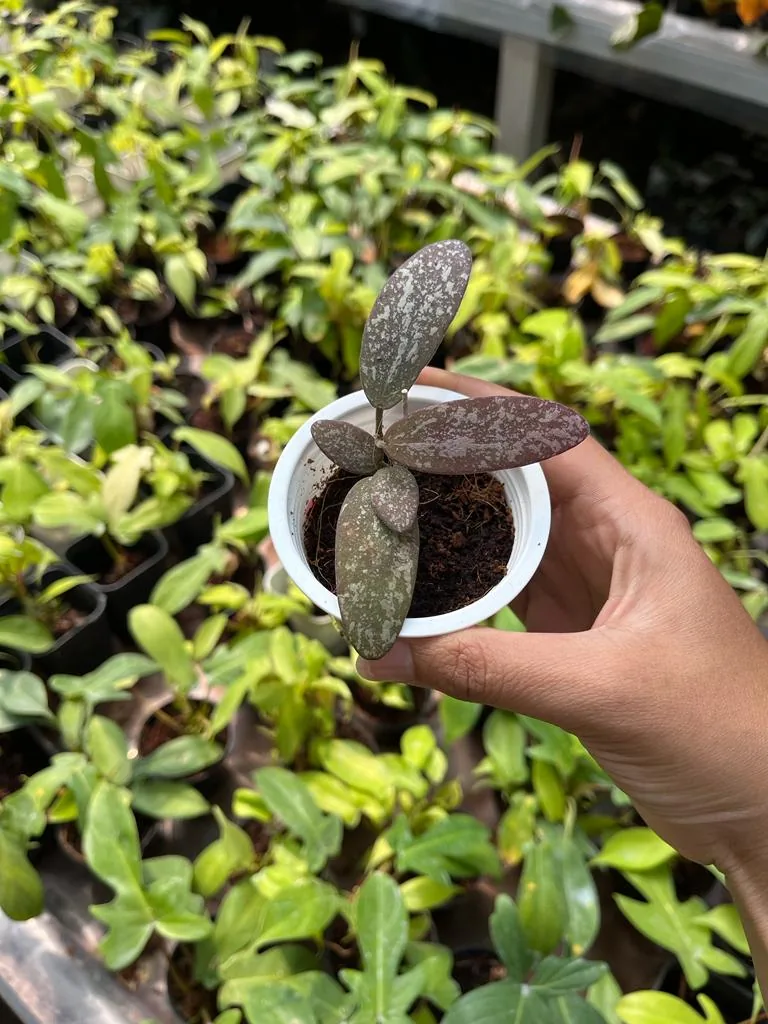
“Silver” is the supplier’s selection name for this listing. The research below concerns Hoya lacunosa as a species and helps explain why checking the plant’s identity takes more than looking at silver markings.
Displaying all 83 specimens available for wholesale consignment.


Export protocols, biosecurity compliance, and logistics documentation relevant to hoya & epiphytes.
The critical difference between soggy moss and optimal moisture equilibrium. Why squeezing moss until zero free water drips is the single most important defense against Pythium decay in air cargo.
The critical first 48 hours dictate long-term survival. Avoid the common mistakes that cause buyer disputes and learn the exact steps to revive stressed root systems.
Everything European plant businesses need to know about Regulation (EU) 2016/2031, electronic CHED-PP pre-notifications, and seamless Dutch, German, and French customs clearance.
Every hoya & epiphytes consignment is 100% soil-eliminated, dipped, and wrapped in sterile Chilean sphagnum before Barantan inspection.
Compliance dossier →USDA APHIS permitting, the 12-plant exemption boundary, PPQ 587 and Green & Yellow labels.
US import guide →Regulation (EU) 2016/2031, TRACES-NT CHED-PP pre-notification, and e-Phyto certification.
EU import guide →