Sphagnum Moisture and Root Rot in Transit
Why over-wet sphagnum causes root rot on long flights, how the 60% hand-squeeze equilibrium works, and the packing method that keeps bare roots intact.
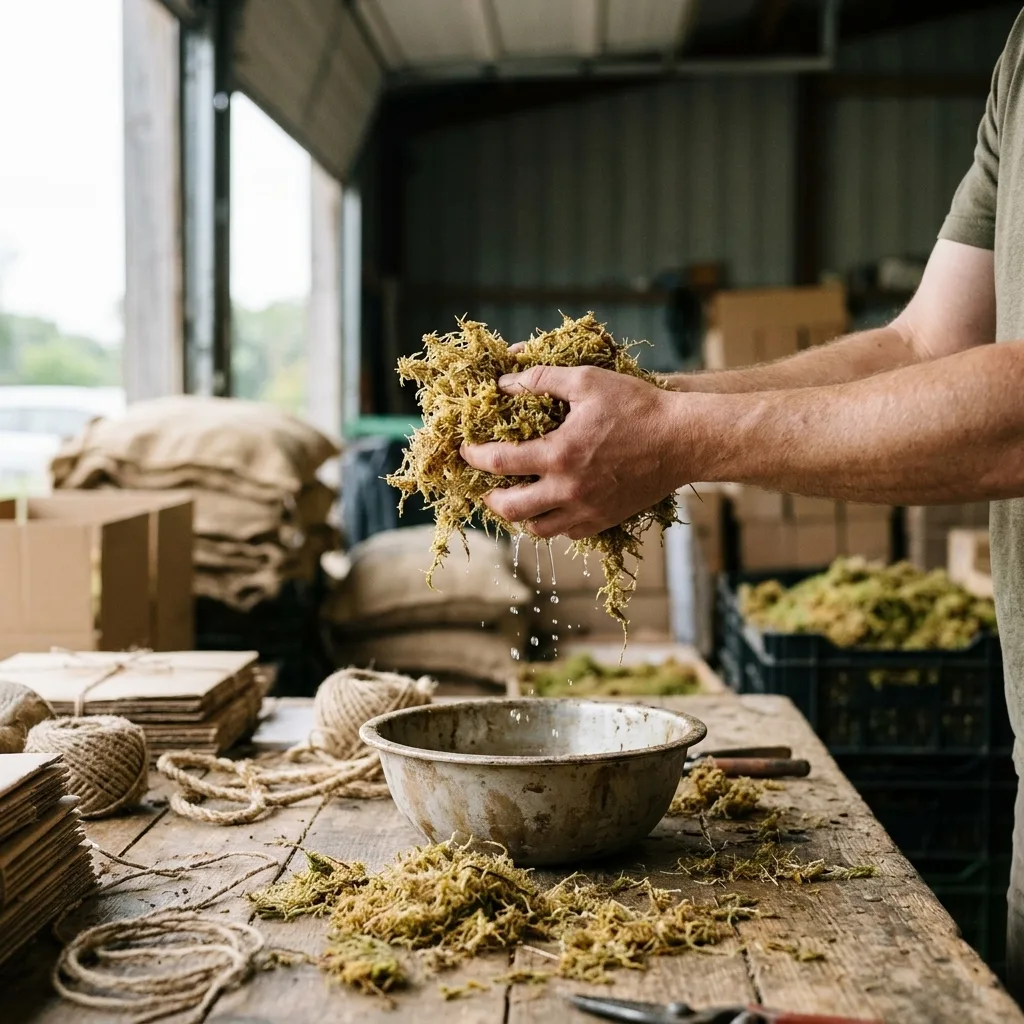
The number one cause of plant mortality during international botanical transit is not dehydration—it is root rot triggered by anaerobic decay. When plants are enclosed inside sealed shipping boxes for 4 to 7 days, roots continue cellular respiration, consuming oxygen and releasing carbon dioxide.
The Danger of Over-Saturated Sphagnum Moss
When sphagnum moss is packed dripping wet, water fills all the microscopic air voids between the moss fibers. This eliminates dissolved oxygen in the root zone, creating an anaerobic environment. Under these conditions, opportunistic water-borne fungal pathogens such as *Pythium*, *Phytophthora*, and *Fusarium* proliferate exponentially, turning vibrant root tissue into black, foul-smelling mush within 72 hours.
The 60% Hand-Squeeze Rule Defined
At Foliaria, all Chilean AAA long-fiber sphagnum moss is steam-autoclaved, hydrated with a systemic fungicide and biostimulant solution, and then hand-squeezed with maximum grip pressure by our packing specialists. The standard is absolute: when squeezed firmly in the fist, zero free droplets of water must drip between the fingers. The moss should feel noticeably damp and cool to the touch (approx. 55%–60% relative moisture content by weight) while retaining spongy, open aeration voids.
Breathable Parafilm and Poly-Mesh Wrapping
We wrap the root ball in micro-perforated breathable mesh rather than non-porous cling film. This allows gas exchange while keeping the moss fibers neatly contained, guaranteeing that roots arrive turgid, white, and ready to sprout active new feeder roots.
Continue with the commercial pages
The regulatory and commercial detail behind this guide, in the pages buyers actually work from.
Source These Plants Wholesale
Explore export-ready specimens in our Hoya & Epiphytes hub with phytosanitary inspection guaranteed.
Export-Grade Cultivars Discussed in This Guide
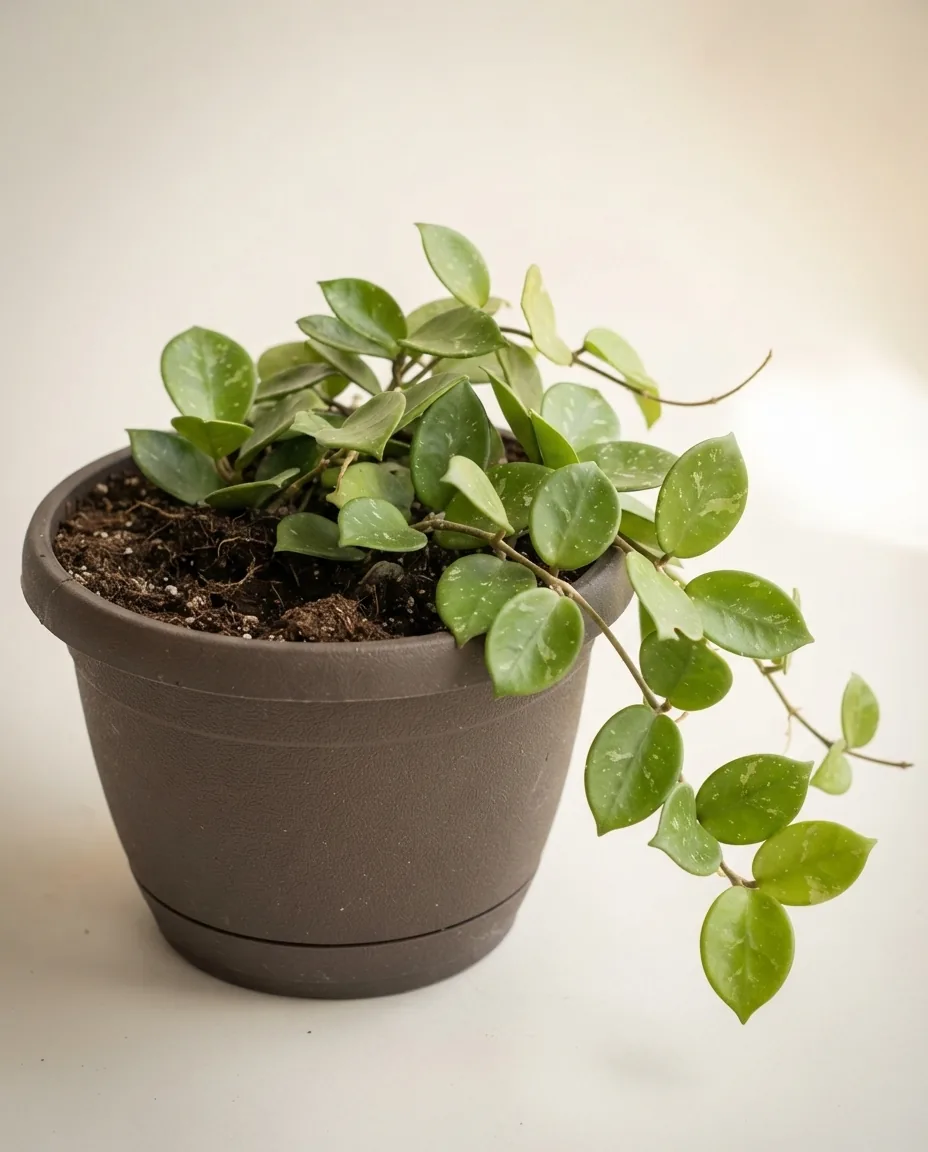
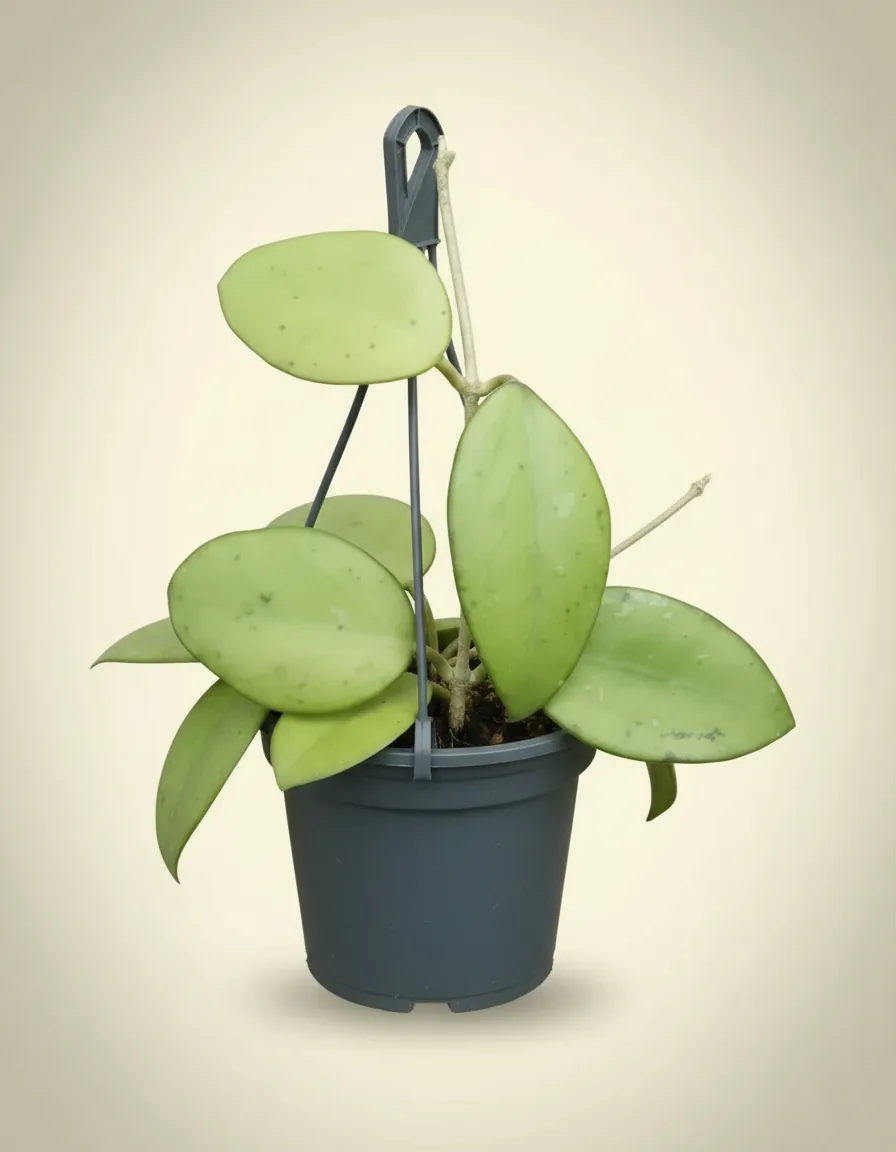
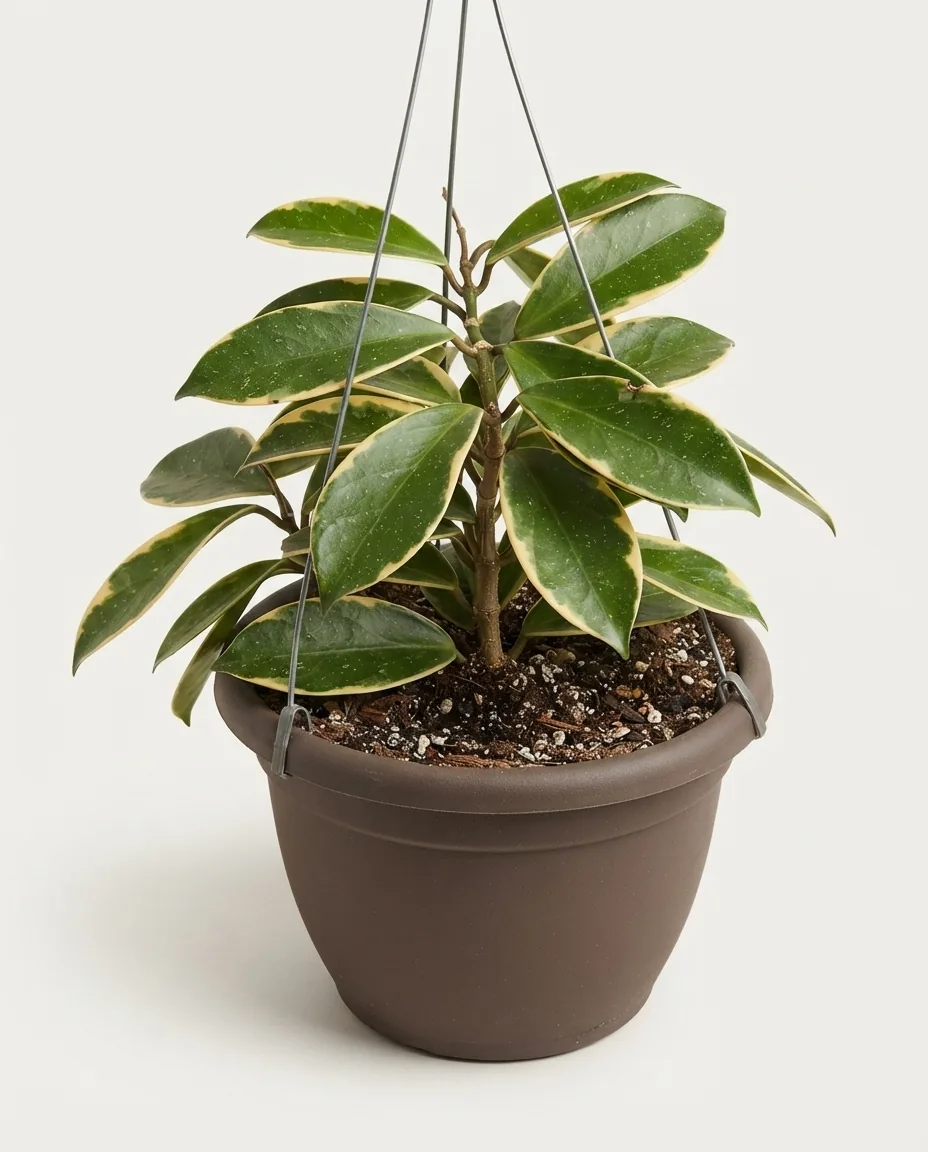
Related Guides & Protocols
Continue exploring international plant export and care manuals.
USDA PPQ 587: Importing Plants into the US
Navigating US Department of Agriculture plant import rules: when permits are mandatory, how to obtain eFile clearance, and how green-and-yellow shipping labels route shipments through Plant Inspection Stations.
EU TRACES-NT CHED-PP for Plant Importers
Everything European plant businesses need to know about Regulation (EU) 2016/2031, electronic CHED-PP pre-notifications, and seamless Dutch, German, and French customs clearance.
UniHeat 72h: Winter Shipping for Live Plants
How Foliaria engineers export containers to maintain a 18°C–26°C interior microclimate even when ambient temperatures in transit hubs like Leipzig or Cincinnati plummet below freezing.
Build Your Export Consignment
Volume pricing from 30 plants (-3%), rising with order size. 100% bare-root clean with verified Barantan phytosanitary certificates.