UniHeat 72h: Winter Shipping for Live Plants
How UniHeat 72-hour packs, EPS box insulation and tarmac temperature exposure interact when shipping tropical aroids through a northern winter.
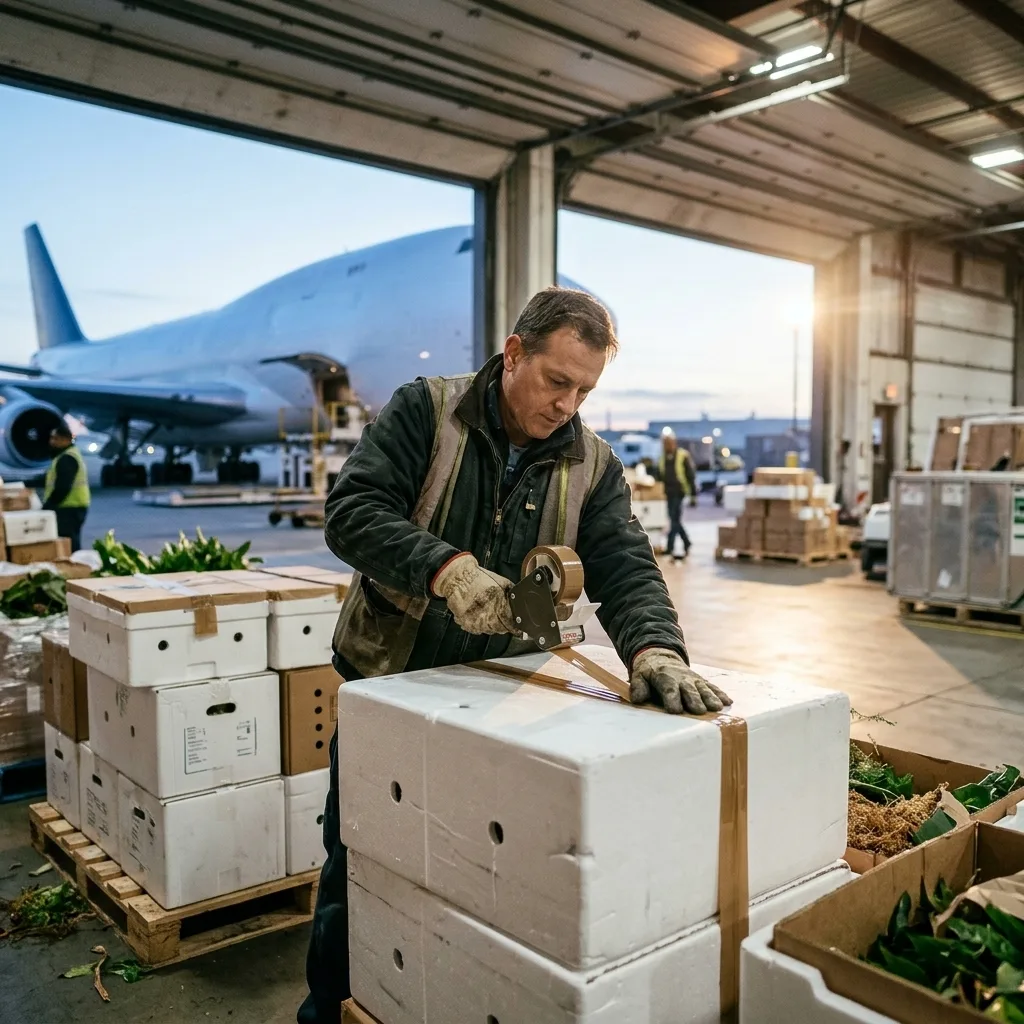
Shipping tropical houseplants from equatorial Indonesia (28°C–32°C year-round) to North American or Northern European winter conditions (-5°C to 5°C) is one of the greatest technical challenges in horticultural logistics. Without scientific thermal engineering, cold injury occurs within 30 minutes of tarmac exposure during aircraft cargo transfer.
The Physics of Chemical Exothermic Heat Packs
UniHeat 72h and 96h heat packs function through the controlled, oxygen-activated oxidation of iron powder. Inside each permeable pouch, iron filings, activated carbon, vermiculite, and sodium chloride react with ambient atmospheric oxygen: 4Fe + 3O2 → 2Fe2O3 + Heat. Crucially, this reaction requires calibrated air exchange—smothering a heat pack in airtight plastic suffocates the chemical reaction, causing immediate cooling.
Thermal Barrier Calibration: The 5-Layer System
Foliaria's winter packaging architecture utilizes high-density Expanded Polystyrene (EPS) foam walls (25mm thickness) fitted snugly inside heavy-duty 5-ply corrugated cardboard. Individual plant leaves are insulated with soft spun-bond Dacron fleece and corrugated kraft wrapping to ensure zero direct contact between delicate foliage and the active heat pack.
The Thermal Buffer Zone
Our packaging technicians affix UniHeat packs to the ceiling of the interior container, insulated with a perforated cardboard spacer. Because warm air circulates naturally while cold air settles, this maintains a consistent 20°C (68°F) interior core temperature throughout transatlantic flights and customs layovers.
Continue with the commercial pages
The regulatory and commercial detail behind this guide, in the pages buyers actually work from.
Source These Plants Wholesale
Explore export-ready specimens in our Tropical Fruit & Trees hub with phytosanitary inspection guaranteed.
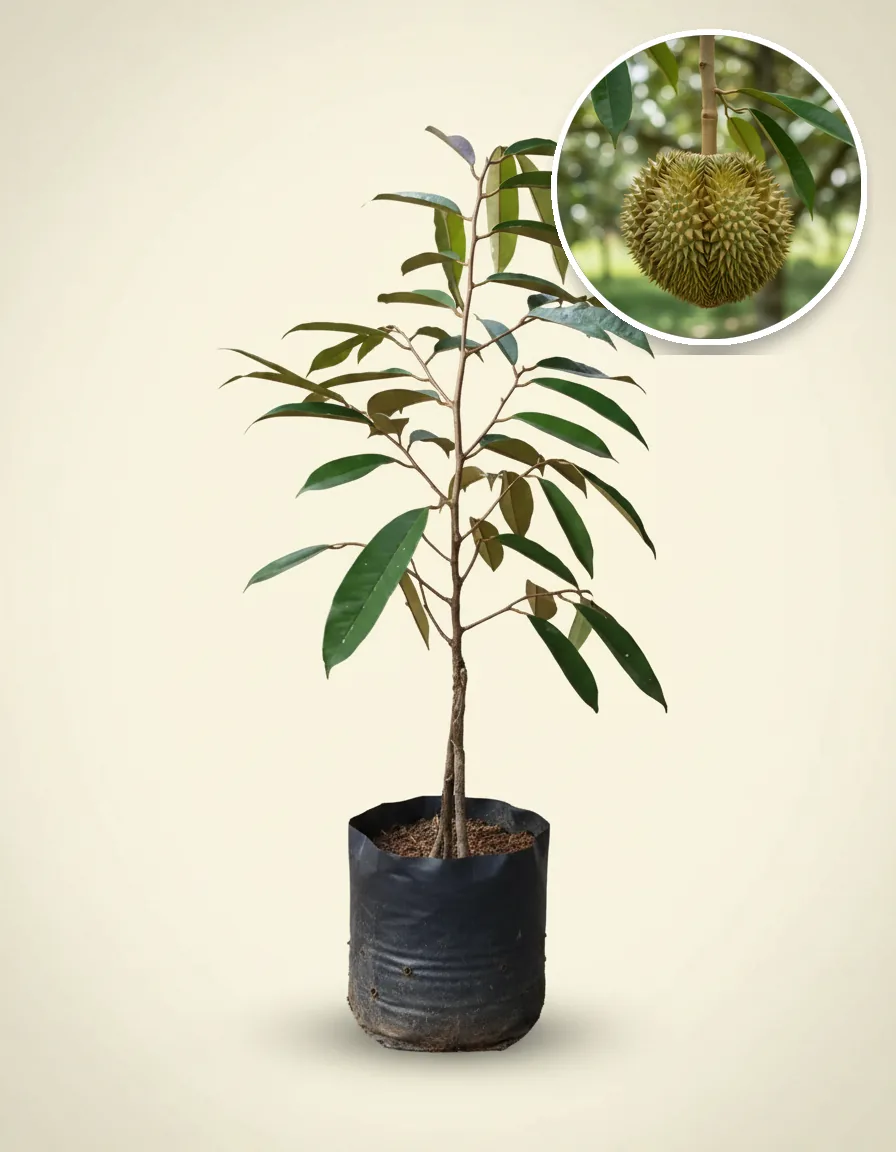
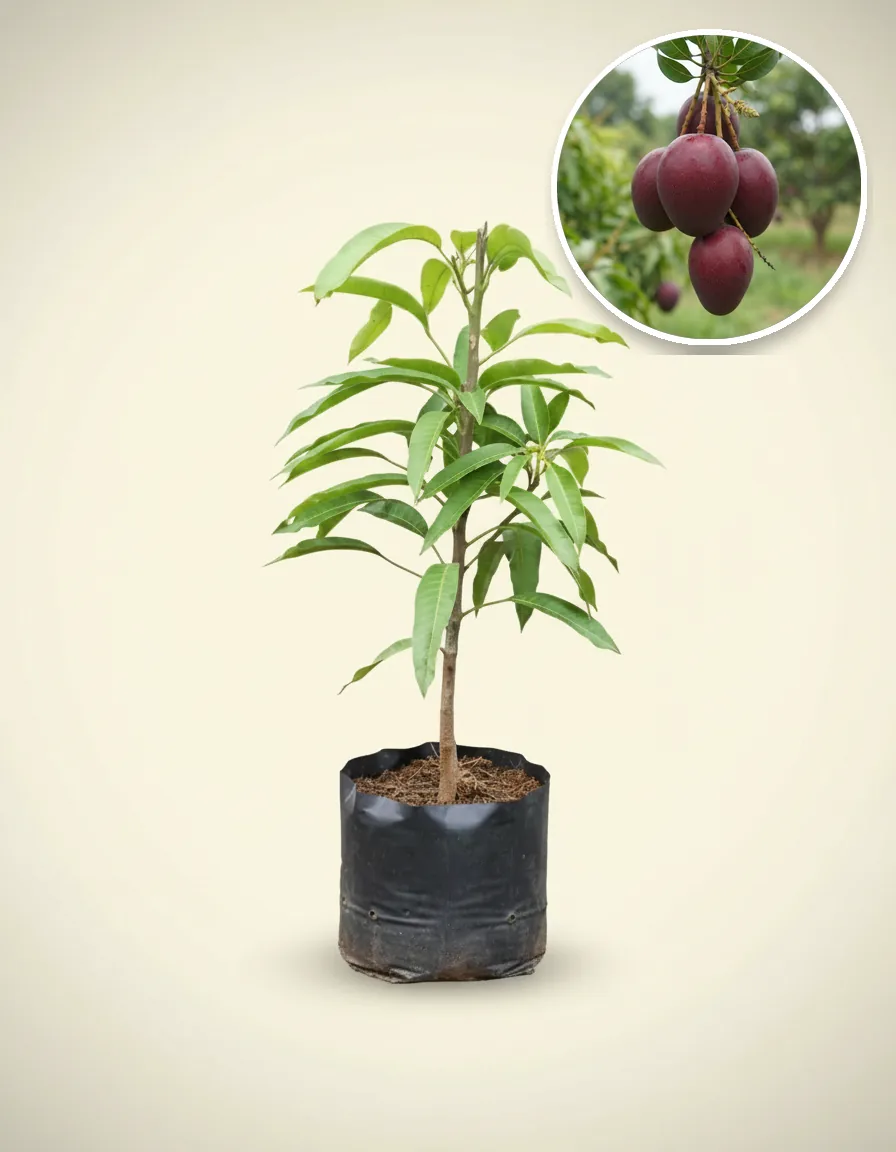
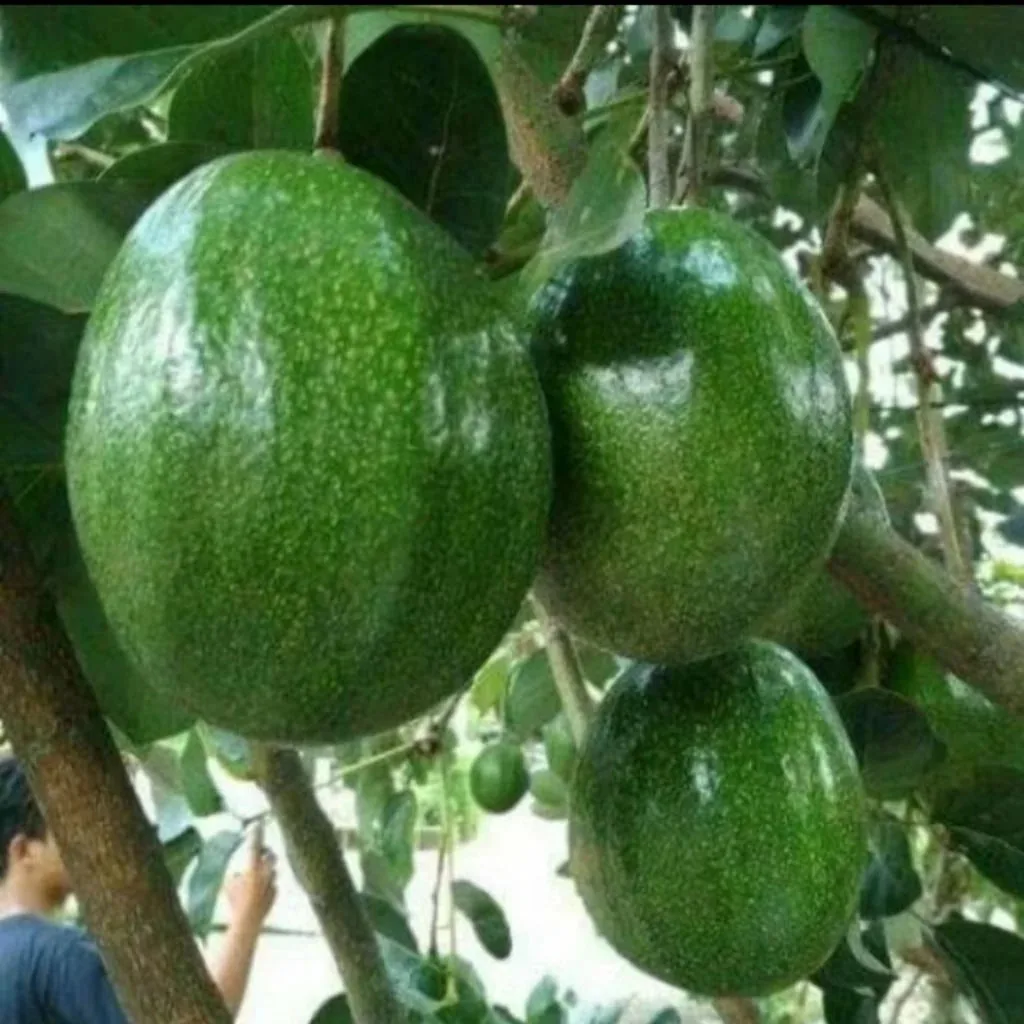
Export-Grade Cultivars Discussed in This Guide
Related Guides & Protocols
Continue exploring international plant export and care manuals.
Air vs Sea Freight for Live Plants
A rigorous evaluation of air cargo versus ocean freight for international live plant consignments. Evaluates metabolic respiration in transit, volumetric weight cost drivers, reefer container risks, and the strict biological criteria governing mode choice.
Unboxing Plants After Transit: First 48 Hours
The critical first 48 hours dictate long-term survival. Avoid the common mistakes that cause buyer disputes and learn the exact steps to revive stressed root systems.
USDA PPQ 587: Importing Plants into the US
Navigating US Department of Agriculture plant import rules: when permits are mandatory, how to obtain eFile clearance, and how green-and-yellow shipping labels route shipments through Plant Inspection Stations.
Build Your Export Consignment
Volume pricing from 30 plants (-3%), rising with order size. 100% bare-root clean with verified Barantan phytosanitary certificates.