Unboxing Plants After Transit: First 48 Hours
Unboxing protocol for bare-root consignments: rehydration sequence, root assessment and the first-48-hour handling that decides whether plants establish.
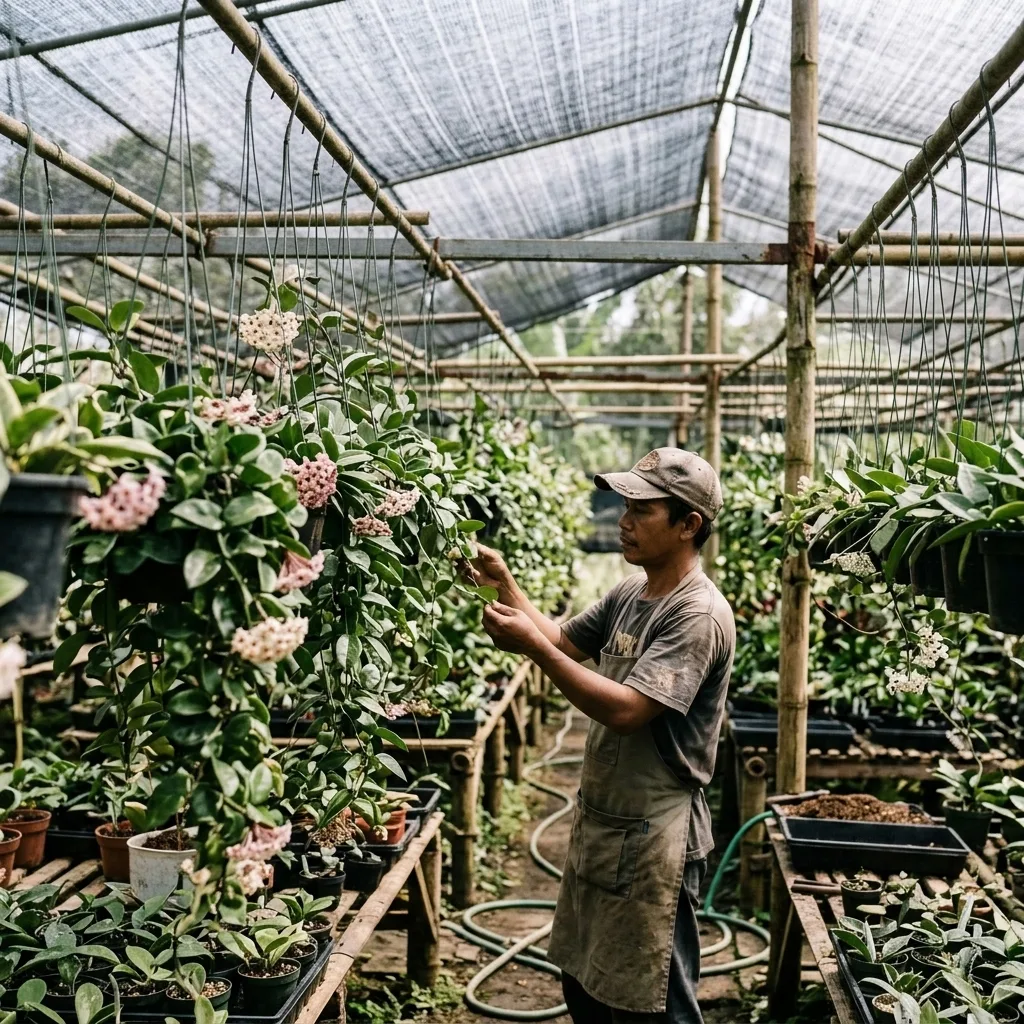
When an international plant shipment arrives at your facility or doorstep, the plants have endured pressurized aircraft cargo holds, sudden temperature gradients, and days of complete darkness. Understanding plant physiology during this post-transit phase is what determines how much of a consignment recovers.
Hour 0–2: Gentle Unboxing & Documentation
Always record a continuous, unedited video as you open the shipping carton, inspecting the shipping label, heat pack, and individual packages. Gently unwrap the outer paper wrapping. Do not pull or tear at the root ball. Leaves may appear limp, curled, or slightly pale—this is normal temporary dehydration and epinastic curvature from darkness.
Hour 2–12: Rehydration Without Submersion
Leave the roots in their sterile Chilean sphagnum moss wrap. If the moss feels completely dry, mist it with room-temperature filtered water. Place the plants in a high-humidity environment (75%–85% RH), such as an indoor greenhouse cabinet or clear storage bin. **Do NOT place plants under bright grow lights or direct sun**—their stomata are closed, and high light will trigger severe photo-oxidative stress.
Day 2–14: Acclimatization & Delayed Repotting
Allow the root system to recover in damp moss or aerated perlite for 7 to 14 days until fresh white root tips begin elongating. Only then should you repot into an open, chunky aroid potting mix. Never apply chemical fertilizer for the first three weeks—damaged root tips cannot absorb concentrated mineral salts and will suffer fertilizer burn.
Continue with the commercial pages
The regulatory and commercial detail behind this guide, in the pages buyers actually work from.
Source These Plants Wholesale
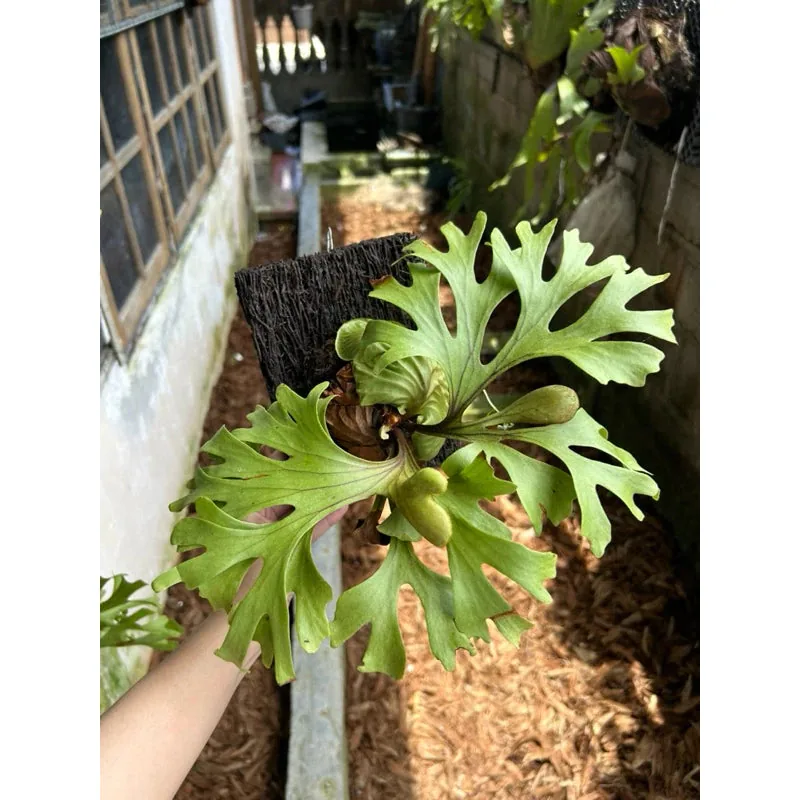
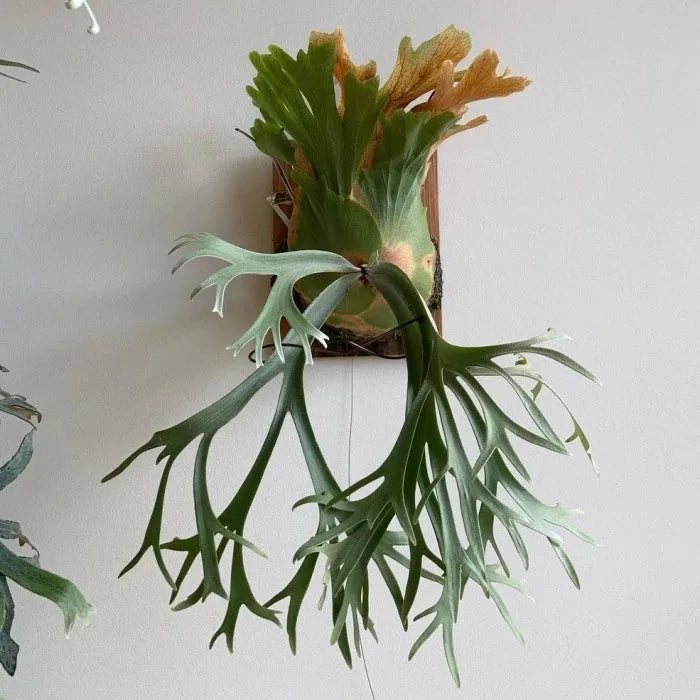
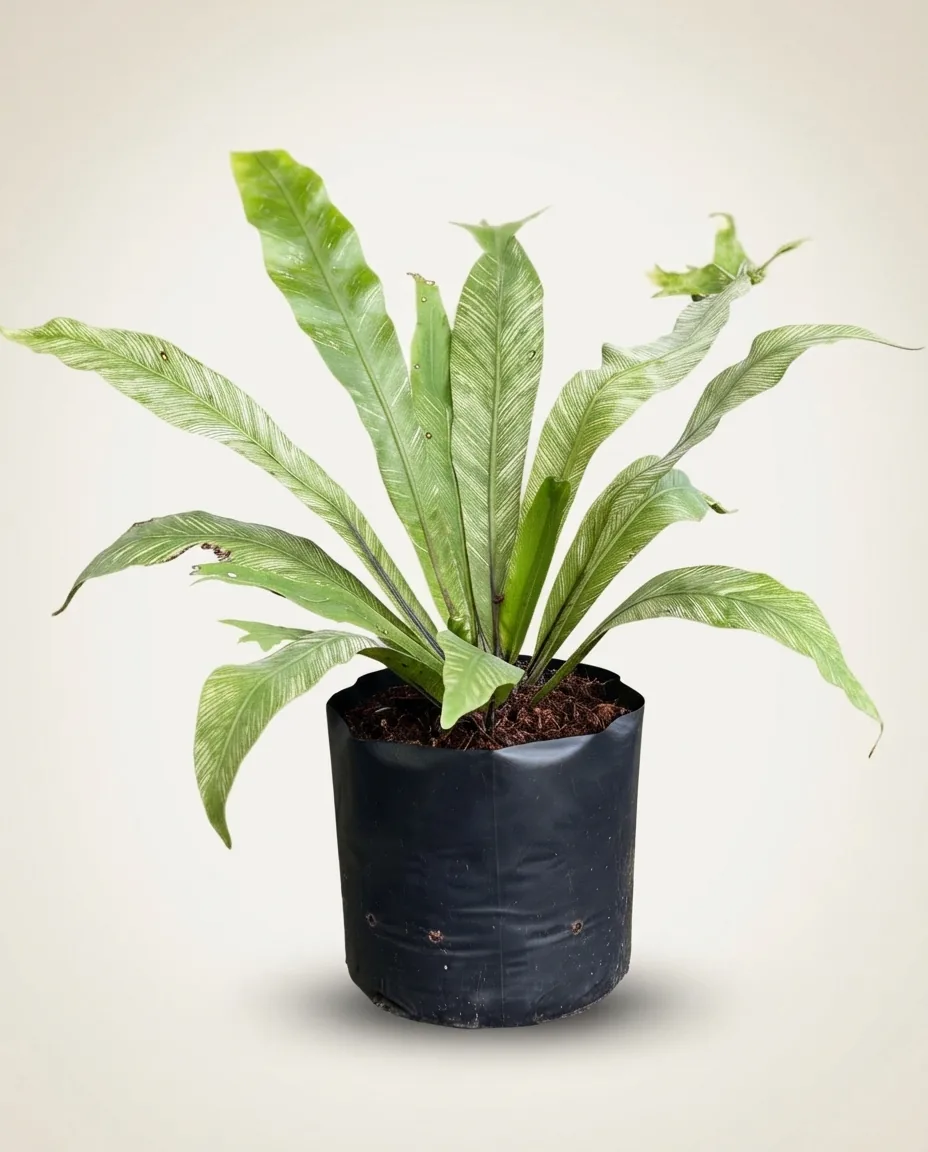
Explore export-ready specimens in our Ferns & Platycerium hub with phytosanitary inspection guaranteed.
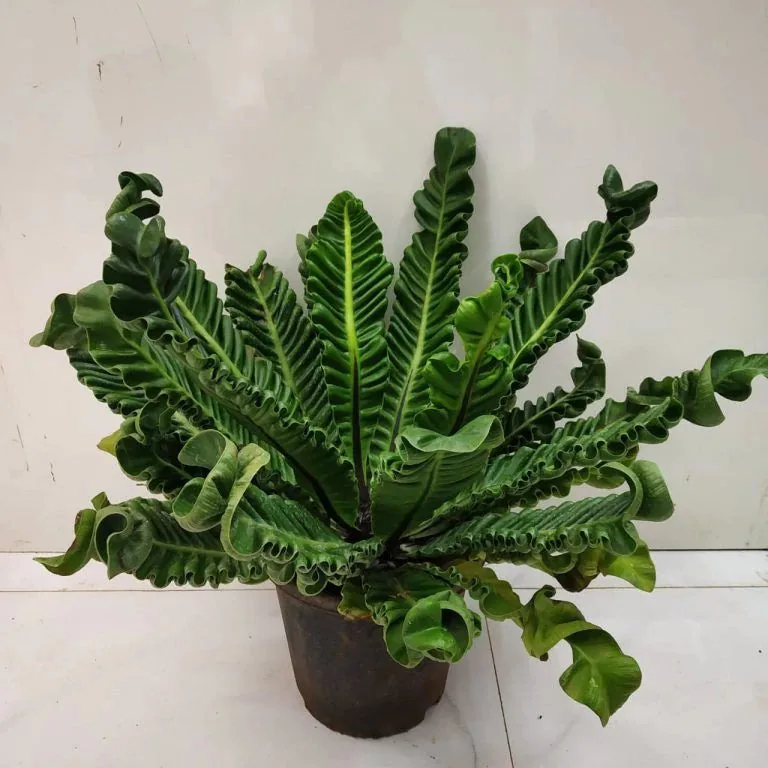
Export-Grade Cultivars Discussed in This Guide
Related Guides & Protocols
Continue exploring international plant export and care manuals.
Air vs Sea Freight for Live Plants
A rigorous evaluation of air cargo versus ocean freight for international live plant consignments. Evaluates metabolic respiration in transit, volumetric weight cost drivers, reefer container risks, and the strict biological criteria governing mode choice.
UniHeat 72h: Winter Shipping for Live Plants
How Foliaria engineers export containers to maintain a 18°C–26°C interior microclimate even when ambient temperatures in transit hubs like Leipzig or Cincinnati plummet below freezing.
USDA PPQ 587: Importing Plants into the US
Navigating US Department of Agriculture plant import rules: when permits are mandatory, how to obtain eFile clearance, and how green-and-yellow shipping labels route shipments through Plant Inspection Stations.
Build Your Export Consignment
Volume pricing from 30 plants (-3%), rising with order size. 100% bare-root clean with verified Barantan phytosanitary certificates.