Air vs Sea Freight for Live Plants
Why live plant freight is not bulk cargo: biological survival windows, volumetric density trade-offs, and when ocean containers are viable or fatal.
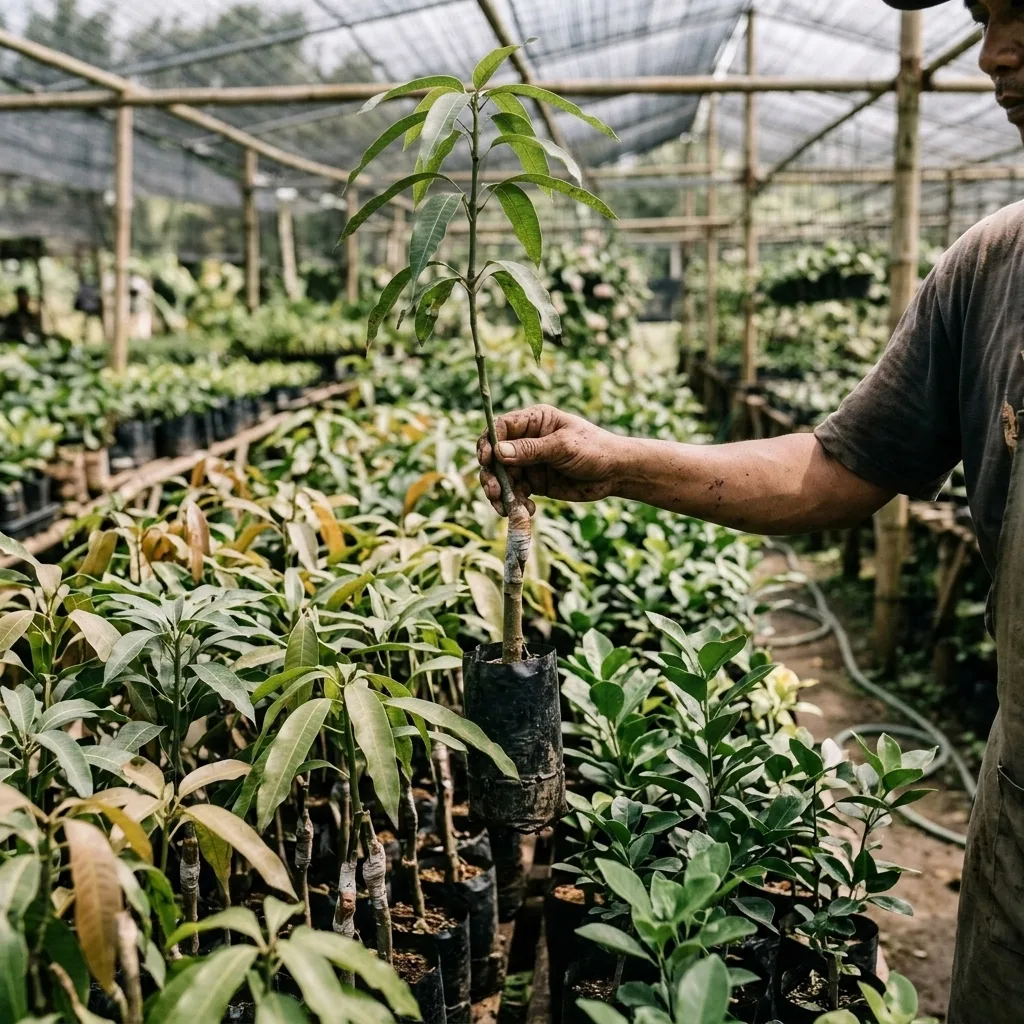
In conventional commercial international trade, logistics procurement follows a direct economic rule: maximize load consolidation, minimize cost per metric ton, and favor ocean shipping whenever scheduling permits. In live botanical export, applying this commodity mindset is one of the most reliable routes to complete consignment loss.
Live plants are biological life-support cargo. Unlike inert commodities, dried goods, or cold-stored dormant timber, live vegetative specimens maintain active metabolic processes throughout transit. Choosing between air cargo and ocean freight is fundamentally a biological decision governed by cellular respiration, moisture dissipation, and pathogen vulnerability—not a simple line-item price comparison.
For buyers seeking mathematical formulas, volumetric dimensional weight divisors, and tariff schedules, our dedicated guide Calculating Total Landed Cost: FOB, Phyto Fees & DHL Volumetric Freight for B2B Plants details the specific calculations for landed expenses. This guide establishes the operational and horticultural framework required to select the correct transport mode before booking transit.
The Biological Clock: Transit Duration as an Inflexible Limiting Factor
The primary constraint governing plant logistics is the species-specific metabolic survival window in complete darkness. When plants are packed for international biosecurity compliance, they undergo mandatory bare-root treatment: root systems are stripped of substrate, washed, sanitized in antifungal rinses, and packed in sterile damp sphagnum moss.
Inside a sealed export carton, photosynthesis drops to zero while dark respiration continues. The specimen consumes stored non-structural carbohydrates (glucose, starch) to maintain cellular integrity. As internal reserves deplete, cellular vacuole pressure declines, turgor is lost, and tissues begin releasing ethylene gas (C2H4). Ethylene accelerates leaf abscission and chlorosis, triggering senescence in surrounding foliage.
Foliaria standardizes all global exports around a strict 3-to-5-day (72-to-120-hour) international air transit window. Extensive export trials confirm that healthy tropical foliage and bare-root cultivars retain cellular resilience and recover rapidly when unboxed within this timeframe. Extending this dark transit duration beyond 7 to 10 days leads to exponential tissue collapse across herbaceous taxa.
Why Air Cargo Dominates Live Botanical Export
Priority international air cargo and express aviation carriers account for over 95% of commercial live ornamental plant trade worldwide. The dominance of airfreight is driven by structural operational characteristics:
4. Expedited airport biosecurity clearance: International airport gateways host on-site agricultural inspection stations (such as USDA APHIS Plant Inspection Stations or EU Border Control Posts) staffed for immediate clearance upon flight arrival.
Qualifying the Sea Freight Exception: Hardened Nursery Stock and Dormant Taxa
Given the substantial freight premium of aviation, commercial buyers frequently ask whether ocean reefer containers can be deployed for Indonesian botanical shipments. Port-to-port ocean transit from Tanjung Priok (Jakarta) or Tanjung Perak (Surabaya) to European ports (Rotterdam, Antwerp) takes 24 to 32 days; transit to US West Coast ports (Long Beach, Oakland) requires 20 to 28 days, and US East Coast calls exceed 35 days.
For tender tropical foliage, thin-leaved aroids (such as Philodendron, Alocasia, and Monstera), and delicate epiphytes, 30 days in darkness represents an absolute mortality sentence. These crops must NEVER be shipped via sea freight.
Ocean freight can only be legitimately evaluated under strict, qualified horticultural exceptions:
Volumetric Density and Box Fill: The Structural Cost Tension
The economic pressure pushing buyers toward sea freight stems from volumetric dimensional weight (DIM weight). As detailed in international airfreight standards, air carriers charge based on the greater of actual physical weight or volumetric weight (calculated at length × width × height in centimeters divided by 5,000).
Architectural plants and branching woody trees possess low physical density relative to their spatial envelope. A mature grafted fruit tree or spreading fan palm packed in a 130 cm × 40 cm × 40 cm carton occupies 41.6 kg of volumetric billing weight, even if the bare-root plant itself weighs only 6.5 kg. Paying airfreight rates on empty airspace within the crate severely compresses commercial margins.
However, solving this volumetric penalty does not require defaulting to maritime risk. Professional exporters resolve volumetric tension through disciplined consignment engineering:
Only when physical stem calipers exceed 50 mm and plant architecture cannot be safely flexed into air-cargo dimensions does full ocean container transport become structurally unavoidable.
Microclimate Dynamics: Hold Ventilation, Tarmac Exposure, and Reefer Containers
Understanding the microclimate differences between air transit and maritime reefer containers is essential for assessing cargo risk.
In air cargo, the primary threat is acute, short-duration thermal exposure. Consignments may sit on airport tarmacs during aircraft transfer under intense tropical heat in Jakarta or sub-zero winter winds in northern European or Midwestern American hubs. Foliaria neutralizes this acute vulnerability using heavy-gauge corrugated outer boxes lined with foil-faced expanded polystyrene insulation and calibrated phase-change heat packs.
In maritime shipping, the threat is chronic, cumulative microclimate degradation. Ocean freight relies on refrigerated intermodal containers (reefers). While reefers maintain controlled ambient air temperatures (typically 13°C to 15°C for chilling-sensitive tropicals), they present distinct physiological hazards:
Commercial Decision Matrix: Selecting the Appropriate Logistics Mode
When structuring a wholesale import manifest, commercial operations managers should apply the following sequential evaluation criteria:
4. Receiving facility acclimatization infrastructure: Does the importing facility possess commercial greenhouse recovery mist benches and controlled bottom heat? Ocean-shipped stock arrives with depleted carbohydrate reserves and requires weeks of intensive rehabilitation, whereas air-shipped plants resume growth within 48 to 72 hours.
Regulatory Timeline Divergence and Port Handling Protocols
The final operational distinction lies in biosecurity and customs clearance workflows. National Plant Protection Organizations operate under strict legal timelines that diverge sharply between air and sea ports.
Under Indonesian Quarantine Authority (Barantan) regulations and IPPC guidelines, an official Phytosanitary Certificate carries a defined commercial validity window between inspection and port clearance. On airfreight routes, phytosanitary certificates easily clear destination inspections at airport Plant Inspection Stations within 24 to 48 hours of flight arrival, well within the document validity period.
In contrast, maritime consignments face acute document expiry and demurrage risks. Container vessels are subject to port congestion, customs holds, container terminal strikes, and extensive customs physical examination queues. If a container dwell time stretches past 5 days at a seaport terminal, refrigerated storage fees (demurrage) escalate rapidly, while the biological condition of the plants deteriorates past the point of recovery.
For commercial buyers, the conclusion is clear: air cargo is not an expensive luxury in plant logistics; it is the baseline operational standard that preserves the biological capital of the shipment. Ocean freight must remain an exceptional, highly specialized tool reserved exclusively for dormant, lignified nursery stock with proven 30-day endurance.
Continue with the commercial pages
The regulatory and commercial detail behind this guide, in the pages buyers actually work from.
Source These Plants Wholesale
Explore export-ready specimens in our Tropical Fruit & Trees hub with phytosanitary inspection guaranteed.
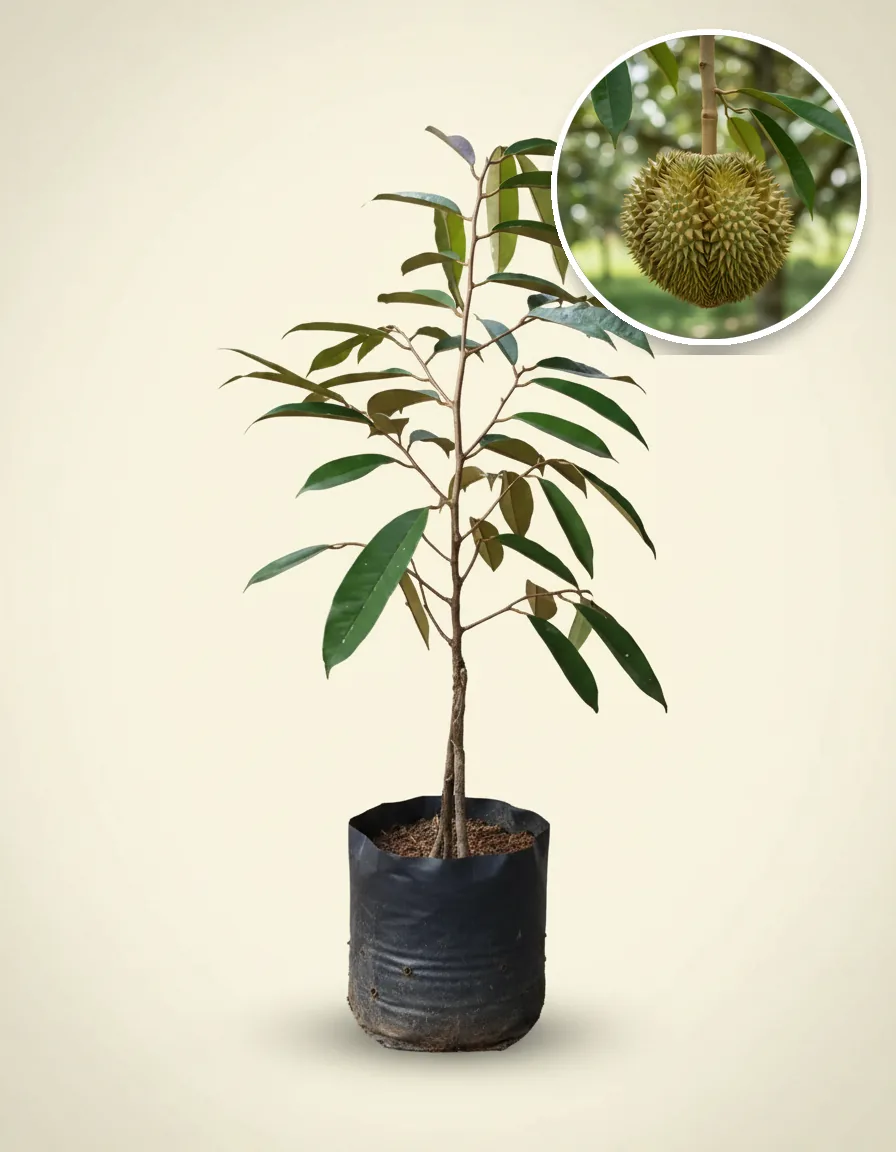
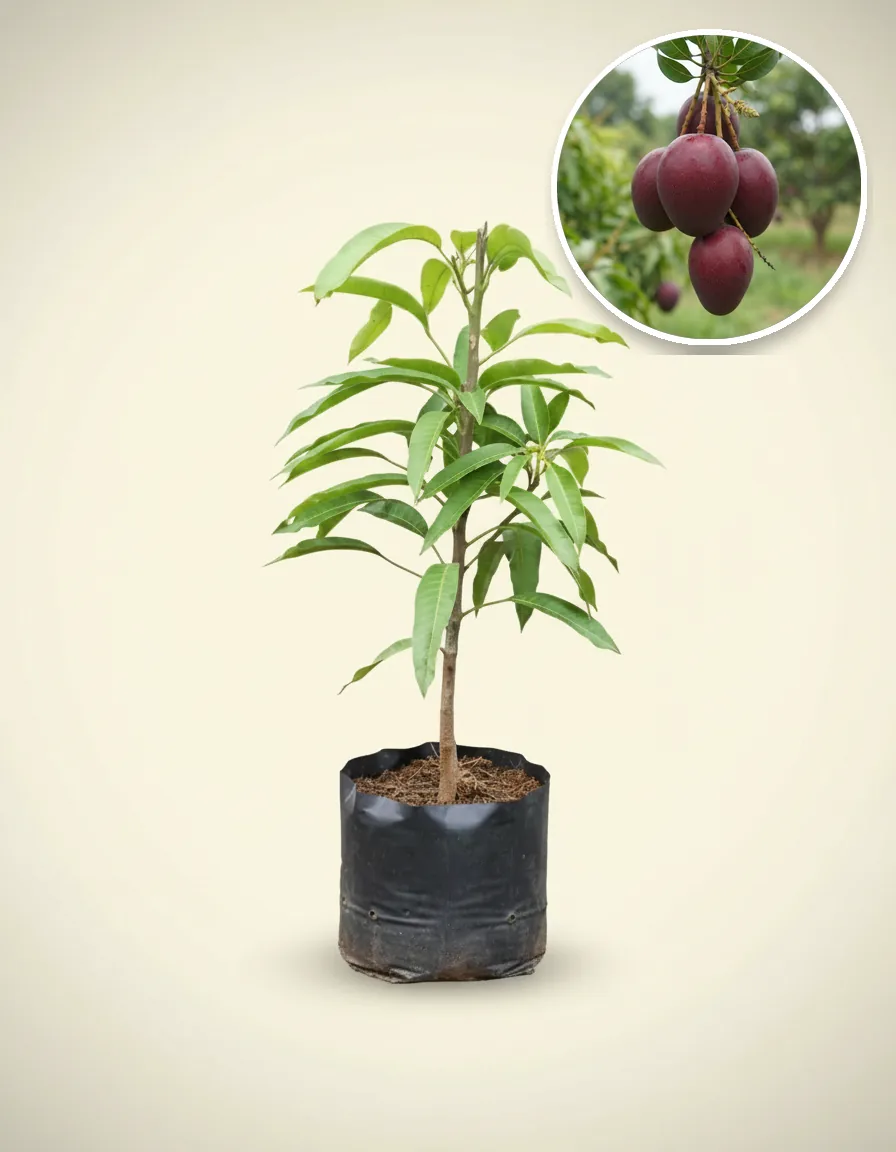
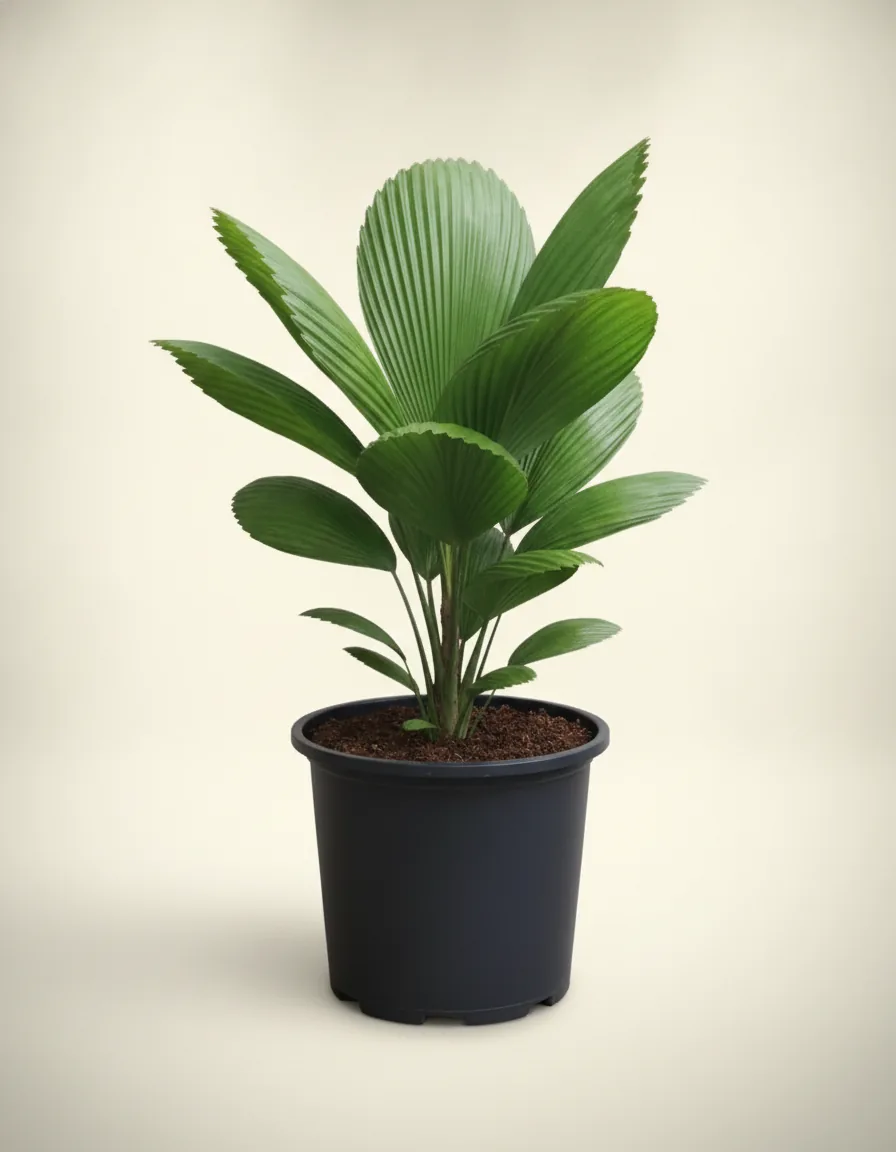
Export-Grade Cultivars Discussed in This Guide
Related Guides & Protocols
Continue exploring international plant export and care manuals.
Unboxing Plants After Transit: First 48 Hours
The critical first 48 hours dictate long-term survival. Avoid the common mistakes that cause buyer disputes and learn the exact steps to revive stressed root systems.
UniHeat 72h: Winter Shipping for Live Plants
How Foliaria engineers export containers to maintain a 18°C–26°C interior microclimate even when ambient temperatures in transit hubs like Leipzig or Cincinnati plummet below freezing.
USDA PPQ 587: Importing Plants into the US
Navigating US Department of Agriculture plant import rules: when permits are mandatory, how to obtain eFile clearance, and how green-and-yellow shipping labels route shipments through Plant Inspection Stations.
Build Your Export Consignment
Volume pricing from 30 plants (-3%), rising with order size. 100% bare-root clean with verified Barantan phytosanitary certificates.