Direct Indonesian Nursery Sourcing
Acclimatized under controlled shadehouse nursery facilities in Java & Sumatra, Indonesia. Zero unverified wild-poaching.
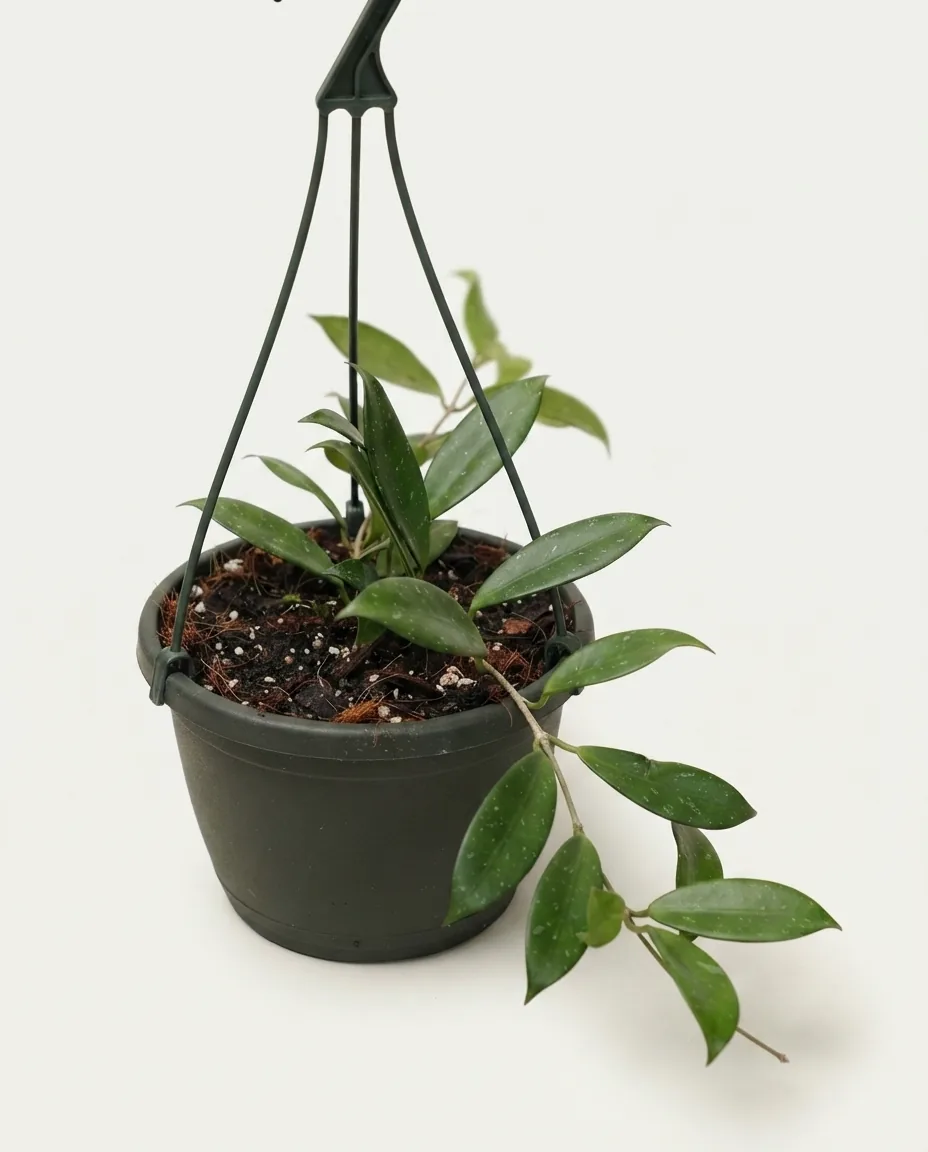
Hoya Amicabilis
Hoya amicabilis
Hoya Amicabilis (Hoya amicabilis) is catalogued under the Apocynaceae family in the genus Hoya, and ships from Java & Sumatra, Indonesia at $5.00 USD per plant FOB, export grade A+. The supplier's listing records grade Wax Plant. Catalogue acclimatization difficulty is rated Intermediate.
Identification, research and what to check before buying ↓Care guide for Hoya Amicabilis →
Hoya amicabilis S.Rahayu & Rodda · Apocynaceae
The accepted name in the GBIF Backbone Taxonomy, the plant taxonomic backbone.
Protologue citation: Rahayu, S., & Rodda. (2019). In: Nordic J. Bot. 37(12)-E02563: 2.
A protologue is the original description of a species. It provides the naming context and diagnostic characters to compare when checking a plant’s identity. Other studies address their own research questions; their findings need to be read in that context before applying them to cultivation or the offered stock.
- Hoya amicabilis sp. nov. (Apocynaceae, Asclepiadoideae), from Java discovered on Facebook — Nordic Journal of Botany (2019), the protologue
Taxonomy from the GBIF Backbone Taxonomy, retrieved 2026-10-22. Open the backbone record.
Rated Intermediate from the catalogue category and display name alone. Ask the supplier for the stock-specific acclimatization protocol for this consignment before ordering.
Recognising Hoya amicabilis before you buy
The original species description gives collectors a useful identity check: a shrubby Hoya with yellow, bell-shaped flowers. A generic description of a climbing wax plant misses the features that distinguish this species.
Hoya amicabilis · Reviewed on
Look for the growth habit and flower shape
Rahayu and Rodda describe horizontal leafy branches, narrow elliptic leaves and bell-shaped flowers around 5–8 mm across, yellow when young and turning orange with age. They distinguish it from the similar-looking Hoya ignorata using the flowers. (Rahayu & Rodda, 2019)
For buyers: Ask for photographs of the actual plant and, where available, flowers from its mother plant. A photograph of leaves alone gives you less information for checking the name.
Scope: The measurements describe botanical material examined by the authors; they are not the size, flowering stage or flower colour of a plant promised for dispatch.
A habitat record is context for cultivation
The 2019 paper records the species at Bruno, Purworejo, Central Java, around 900–1,000 m elevation, with roots concealed inside hollow host-tree trunks. It describes an epiphytic shrub. (Rahayu & Rodda, 2019)
For buyers: For a growing plan, ask how the offered plant has been rooted and maintained in cultivation. Its unusual habit is a reason to check the grower’s experience with this species.
Scope: This locality record does not establish an indoor humidity target, a watering interval, or the collection locality of our stock. The paper provides no shipping or recovery trial.
Putting the research into practice
Start an identity check with a whole-plant view, then compare the flowers with the published description. Horizontal leafy branches help explain the plant’s shrubby outline, while flower shape supplies another character beyond leaf appearance. If the offered plant has not flowered, documented photographs from its mother plant can add evidence, provided the supplier can connect that plant to the offered stock. The hollow-tree habitat record answers a different question: where the authors observed roots in nature. Turning that observation into a potting recipe would require cultivation evidence. For a growing plan, combine the description with the grower’s account of the medium and conditions in which this particular rooted plant is established.
Supplier-reported facts
- Catalogue item
- Hoya Amicabilis
- Supplier form / grade
- Wax Plant
Still to confirm with the supplier
- Confirm whether the offered plant is rooted, its current dimensions and whether its identity is supported by mother-plant flower photographs.
- The supplier calls this item “Wax Plant”; that label does not specify node count, pot size or maturity. Confirm these details with the export desk before agreeing to a consignment.
References
- Hoya amicabilis sp. nov. (Apocynaceae, Asclepiadoideae), from Java discovered on Facebook
Rahayu & Rodda (2019). Nordic Journal of Botany.
Reviewed from: Full text
“Full text” records the version our editors read. It does not mean the publisher offers free public access; some articles require a subscription.How we review and explain sources.
Botanical and ethnobotanical information on this page is provided for horticultural reference only. It is not medical advice and is not a substitute for professional medical guidance.
International Trade Compliance & Regulatory Guidance
Catalog regulatory tags represent informational screening indicators only and do not constitute an advance permit, clearance, or government certification. Import requirements vary by taxon, consignment volume, and destination authority; buyers should confirm requirements with their destination plant health agency or our export desk prior to order.
USDA APHIS Guidance (7 CFR 319.37)
Screening reflects general admissibility guidelines under USDA APHIS regulations. Actual entry requirements depend on current taxon manuals, port routing (such as PIS Miami, JFK, LAX), and permit category (PPQ 587). Buyer must verify applicable permit and labeling requirements with USDA APHIS or our export desk before ordering.
Indonesian Agricultural Quarantine (Barantan)
Consignments must be submitted for PPK (Pemeriksaan Karantina Tumbuhan) inspection by Badan Karantina Indonesia prior to export dispatch. Phytosanitary certificates are issued only upon successful official examination; catalog tags are screening indicators and do not constitute an advance certificate guarantee.
EU TRACES-NT & CHED-PP (Reg 2016/2031)
European Union plant health directives require CHED-PP pre-notification in TRACES-NT and arrival through designated Border Control Posts (such as AMS or FRA). Importers should confirm current high-risk lists, quarantine status, and member state rules before ordering.
Nursery grade source: Supplier classification at the nursery. The Wax Plant grade is the supplier's record for this SKU, quoted as published.
Export Packaging & Root Preservation Standard
Growing guidance & dispatch checks
Rahayu & Rodda (2019): the original species description — Supports the identity, growth habit, flowers and historical locality described here; it is not an indoor cultivation or shipping trial.
Royal Horticultural Society: How to grow hoya — General Hoya growing advice. Its recommendations are a starting point and have not been validated for this species by the cited paper.
Source-backed care guidance; retain the source limits below. Nursery conditions must be confirmed for the offered stock and are not measured care tolerances. Inspect roots and foliage on arrival, document concerns, and ask the export desk for stock-specific watering and acclimatization advice.
Related Species in Hoya & Epiphytes
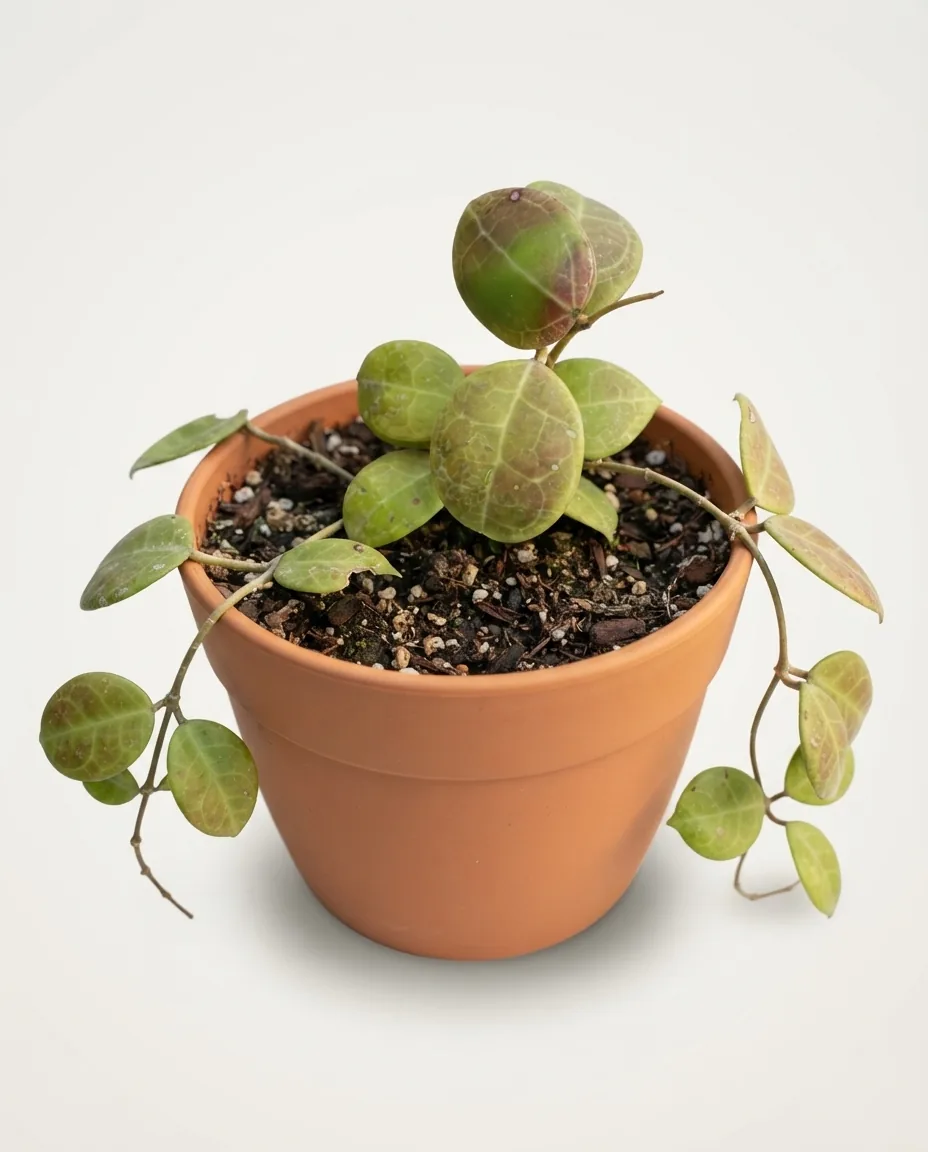
Hoya Sp Sulawesi Red
Origin: Java & Sumatra, Indonesia
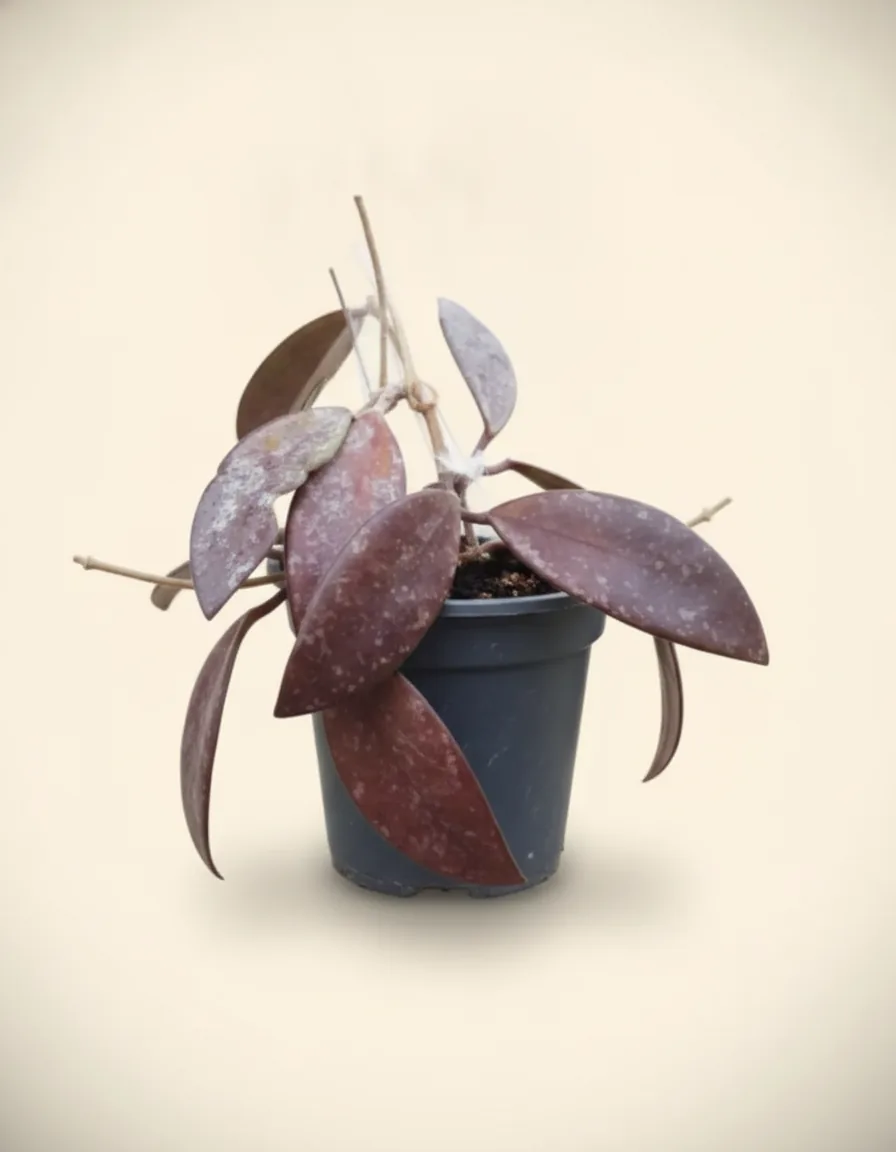
Hoya Rundumensis Red
Origin: Java & Sumatra, Indonesia
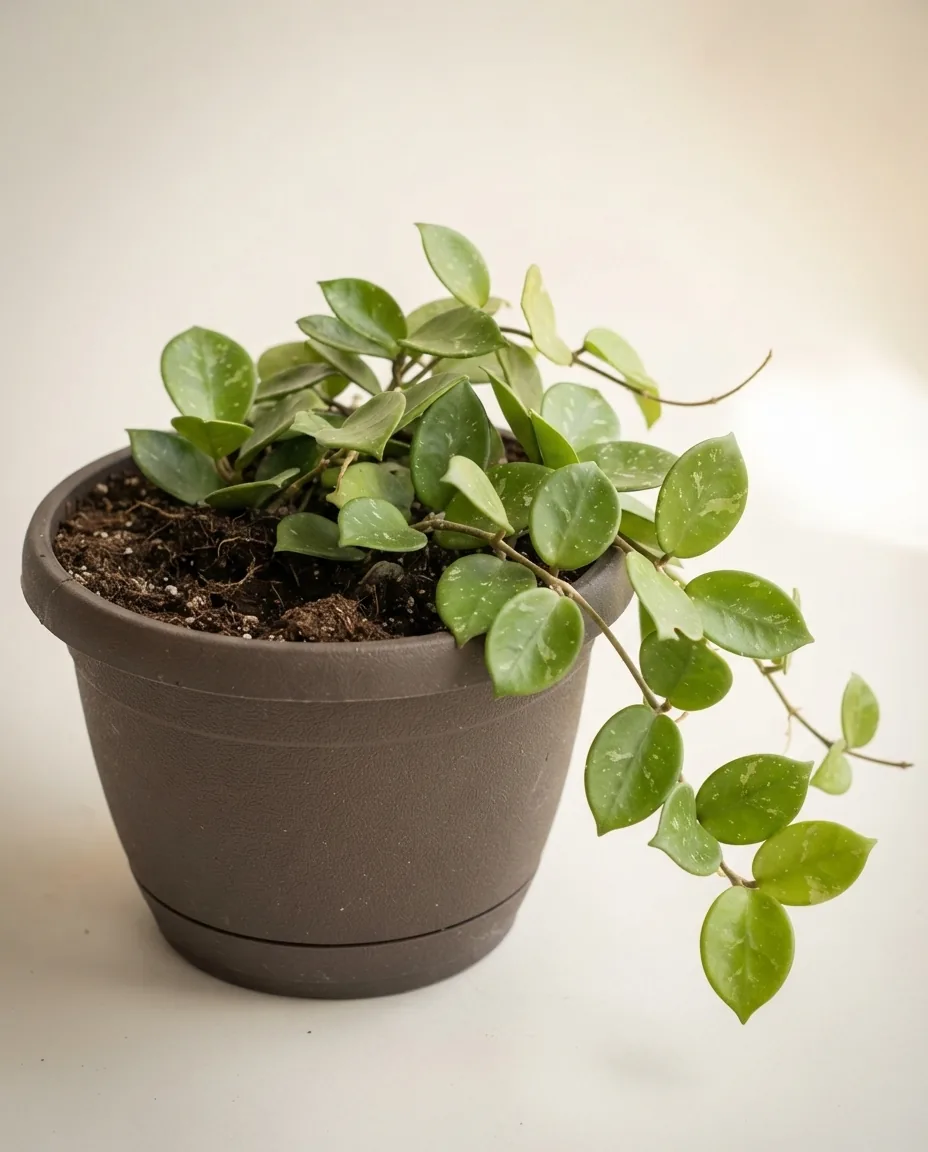
Hoya Eskimo
Origin: Java & Sumatra, Indonesia
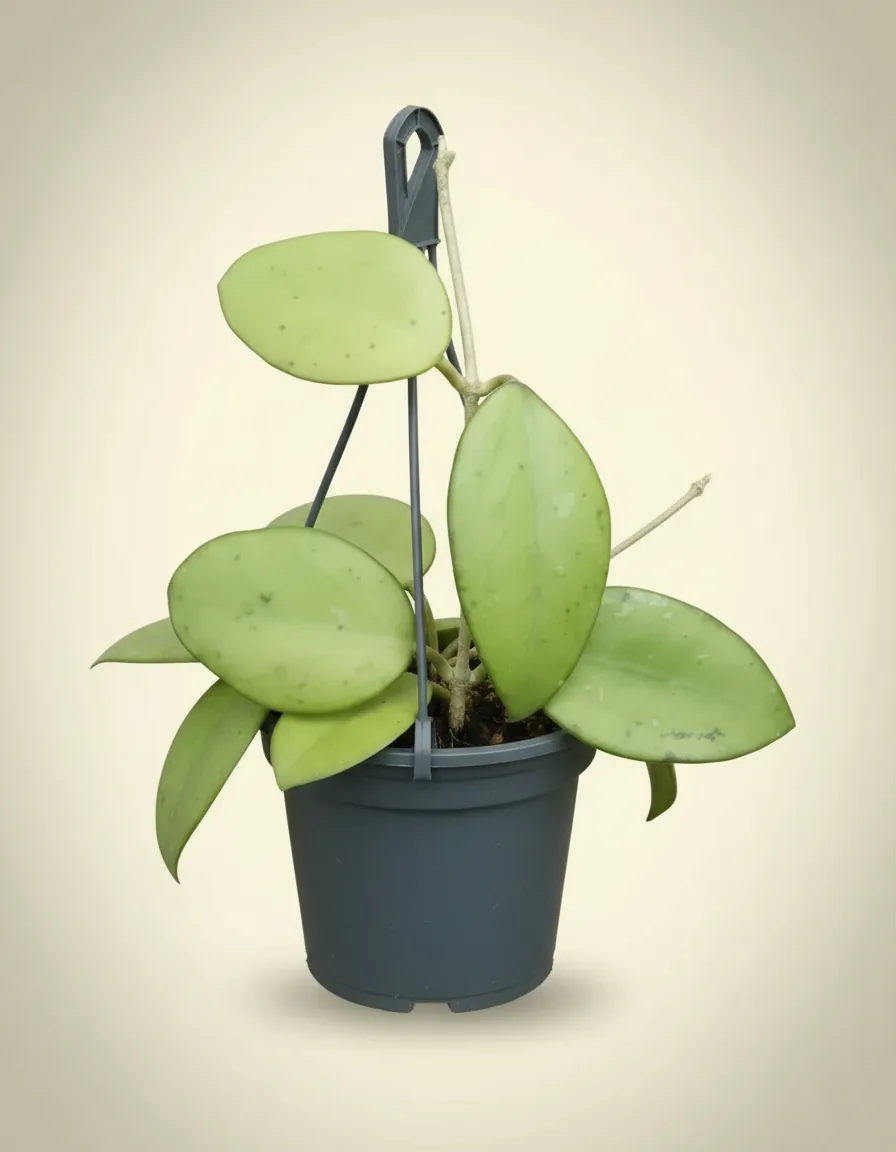
Hoya Verticilata
Origin: Java & Sumatra, Indonesia
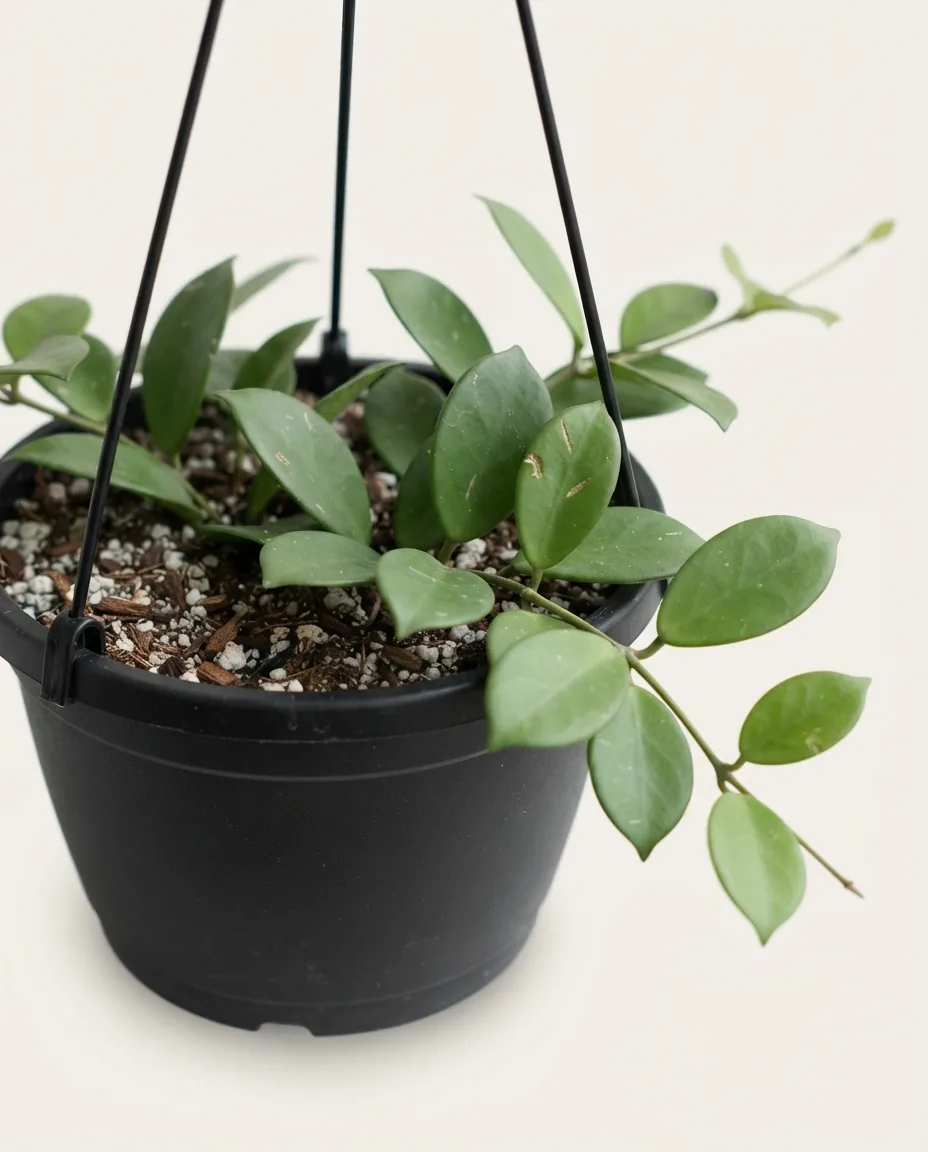
Hoya Versteegii
Origin: Java & Sumatra, Indonesia
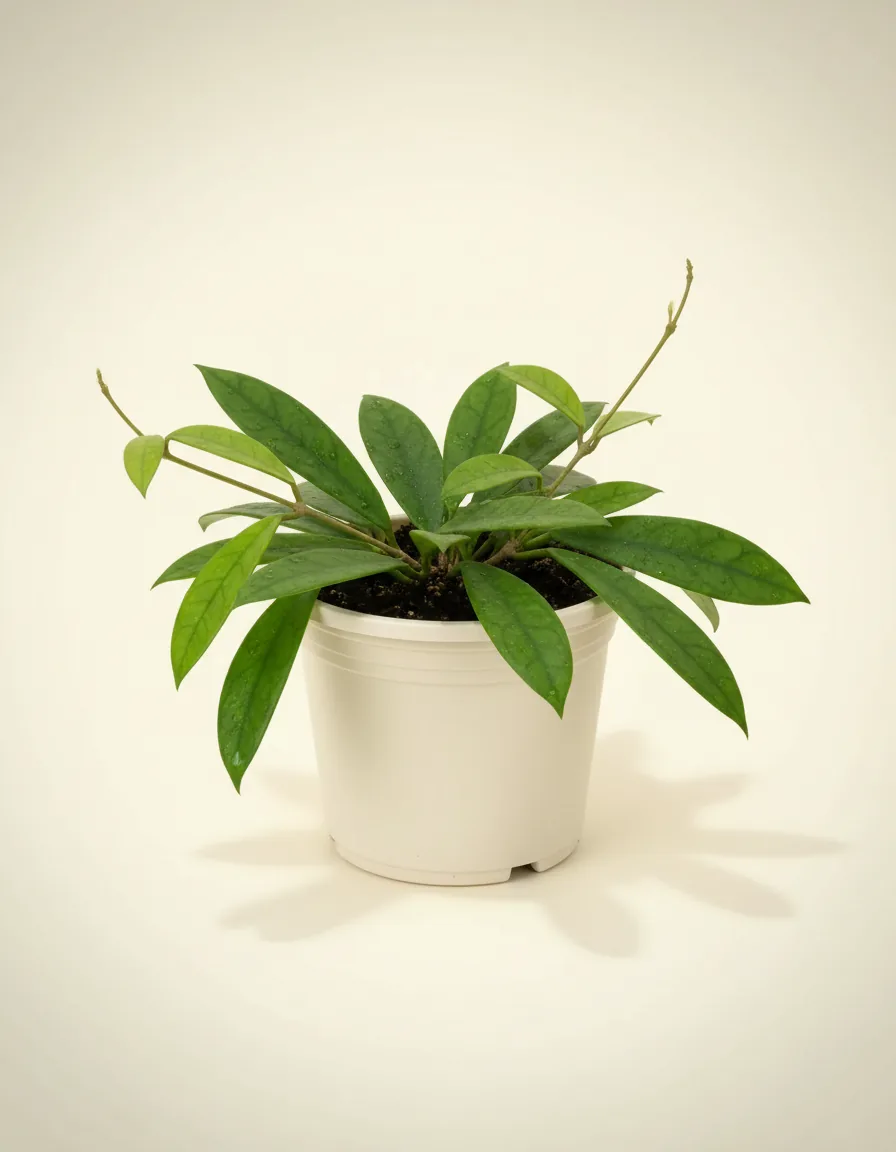
Hoya Stenaokei
Origin: Java & Sumatra, Indonesia