Direct Indonesian Nursery Sourcing
Acclimatized under controlled shadehouse nursery facilities in Java & Sumatra, Indonesia. Zero unverified wild-poaching.
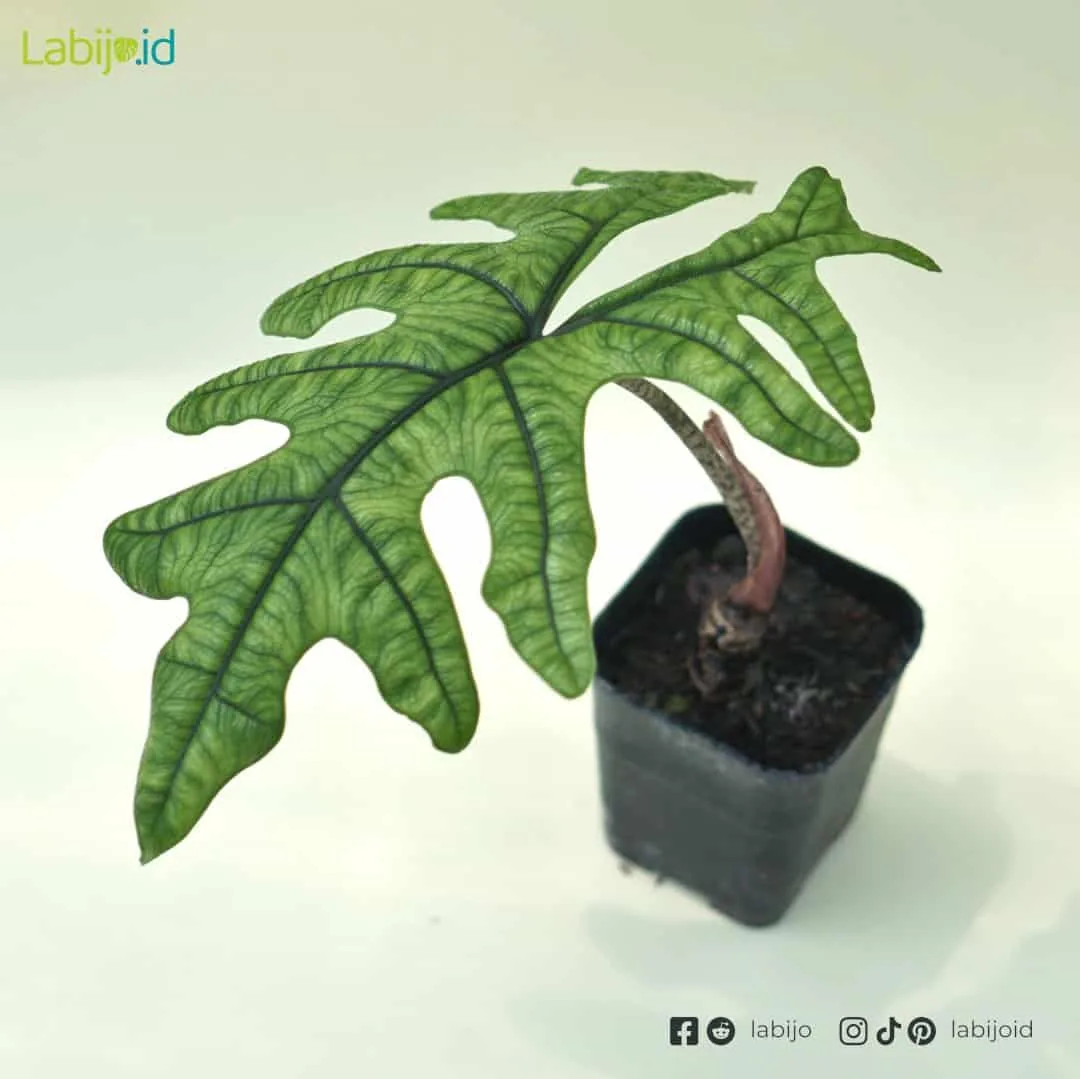
Alocasia Jacklyn
Alocasia jacklyn
Alocasia Jacklyn (Alocasia jacklyn) is catalogued under the Araceae family in the genus Alocasia, and ships from Java & Sumatra, Indonesia at $25.65 USD per plant FOB, export grade A+. The supplier's listing records grade 2 Leaves. Catalogue acclimatization difficulty is rated Connoisseur Collector.
Identification, research and what to check before buying ↓Rated Connoisseur Collector from the catalogue category and display name alone. Ask the supplier for the stock-specific acclimatization protocol for this consignment before ordering.
Taxonomic description and foliar morphology of Alocasia tandurusa
Alocasia tandurusa (widely known in the horticultural trade as "Alocasia Jacklyn") is an extraordinary endemic aroid native to the island of Sulawesi, Indonesia. It was formally described in 2022, distinguishing it from related Malesian species.
Alocasia tandurusa · Reviewed on
Formal taxonomic description and morphological traits
The protologue in Aroideana describes Alocasia tandurusa from Central and North Sulawesi, characterized by deeply pinnatifid leaves, dense trichomes on both petioles and blades, and dark prominent venation. (Kurniawan, A., & Boyce, P. C., 2022)
For buyers: Confirm authenticity by the characteristic pubescent leaf surface and antler-like leaf lobes. Do not confuse with smooth-leaved Alocasia zebrina or Alocasia nycteris.
Scope: Wild holotype collection notes document limestone forest understory; cultivated specimens thrive in porous, well-draining aroid mixes under filtered light.
Corm resilience and foliar transit shock
Aroid horticultural literature notes that juvenile Alocasia undergoing root bare-washing frequently shed outer leaves to protect the subterranean corm and apical bud. (Boyce, P. C., & Croat, T. B., 2020)
For buyers: Do not discard plants if outer foliage yellows after transit. If the corm is firm and white-to-cream internally, it will push new leaves within 3–4 weeks in warm humidity (24–28°C).
Scope: Horticultural nursery observation; over-watering a stressed corm in heavy soil can lead to fungal corm rot.
Putting the research into practice
Alocasia tandurusa is celebrated for its deeply lobed, spearhead-shaped leaves covered in dark green reticulate venation and glandular foliar hairs. It grows from an underground corm with fibrous roots. In bare-root international transit, older leaves may yellow, but the central corm and apical meristem remain resilient.
Supplier-reported facts
- Catalogue item
- Alocasia Jacklyn
- Supplier form / grade
- 2 Leaves
Still to confirm with the supplier
- Gently press the corm at the base of the petioles to verify it is firm and rot-free.
- Confirm the presence of distinct foliar trichomes (hairs) along the petioles and leaf blade.
- Pot in an open, airy aroid mix (chunky perlite, pine bark, coco husk) and avoid compact potting soil.
References
- Alocasia tandurusa, a new species of Araceae from Sulawesi, Indonesia
Kurniawan, A., & Boyce, P. C. (2022). Aroideana, Vol. 45(1), pp. 78–87.
Reviewed from: Full text
- Propagation and post-import establishment of Malesian Araceae
Boyce, P. C., & Croat, T. B. (2020). Curtis’s Botanical Magazine, Vol. 37(2), pp. 112–129.
Reviewed from: Abstract only
“Full text” records the version our editors read. It does not mean the publisher offers free public access; some articles require a subscription.How we review and explain sources.
Botanical and ethnobotanical information on this page is provided for horticultural reference only. It is not medical advice and is not a substitute for professional medical guidance.
International Trade Compliance & Regulatory Guidance
Catalog regulatory tags represent informational screening indicators only and do not constitute an advance permit, clearance, or government certification. Import requirements vary by taxon, consignment volume, and destination authority; buyers should confirm requirements with their destination plant health agency or our export desk prior to order.
USDA APHIS Guidance (7 CFR 319.37)
Screening reflects general admissibility guidelines under USDA APHIS regulations. Actual entry requirements depend on current taxon manuals, port routing (such as PIS Miami, JFK, LAX), and permit category (PPQ 587). Buyer must verify applicable permit and labeling requirements with USDA APHIS or our export desk before ordering.
Indonesian Agricultural Quarantine (Barantan)
Consignments must be submitted for PPK (Pemeriksaan Karantina Tumbuhan) inspection by Badan Karantina Indonesia prior to export dispatch. Phytosanitary certificates are issued only upon successful official examination; catalog tags are screening indicators and do not constitute an advance certificate guarantee.
EU TRACES-NT & CHED-PP (Reg 2016/2031)
European Union plant health directives require CHED-PP pre-notification in TRACES-NT and arrival through designated Border Control Posts (such as AMS or FRA). Importers should confirm current high-risk lists, quarantine status, and member state rules before ordering.
Nursery grade source: Supplier classification at the nursery. The 2 Leaves grade is the supplier's record for this SKU, quoted as published.
Export Packaging & Root Preservation Standard
Growing guidance & dispatch checks
Stock enquiry: no source-backed care profile is available for this SKU. Nursery conditions describe the offered stock, not measured species tolerances. Inspect roots and foliage on arrival, document concerns, and ask the export desk for stock-specific watering and acclimatization advice.
Related Species in Aroids & Rare Foliage
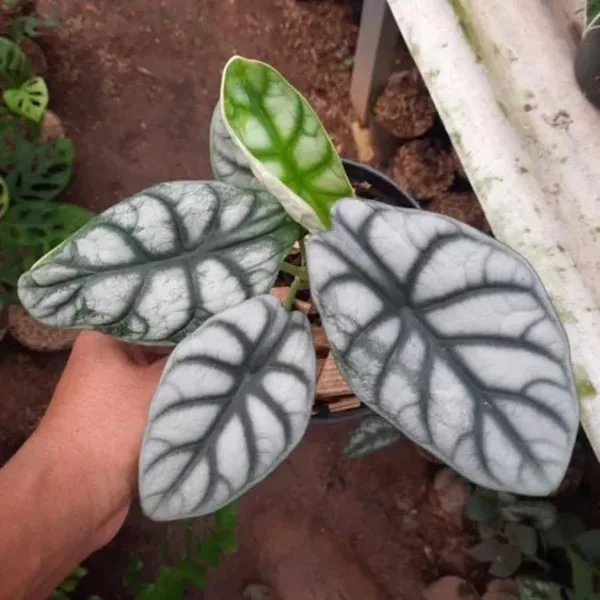
Alocasia Baginda Silver Dragon
Origin: Java & Sumatra, Indonesia
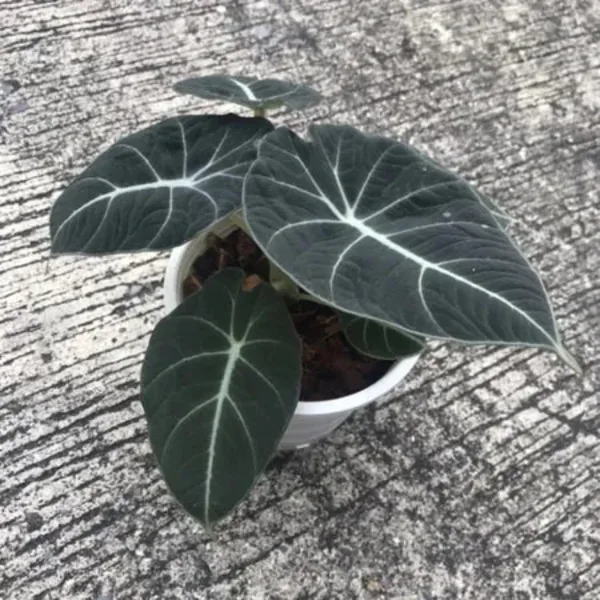
Alocasia Nebula Black Velvet
Origin: Java & Sumatra, Indonesia
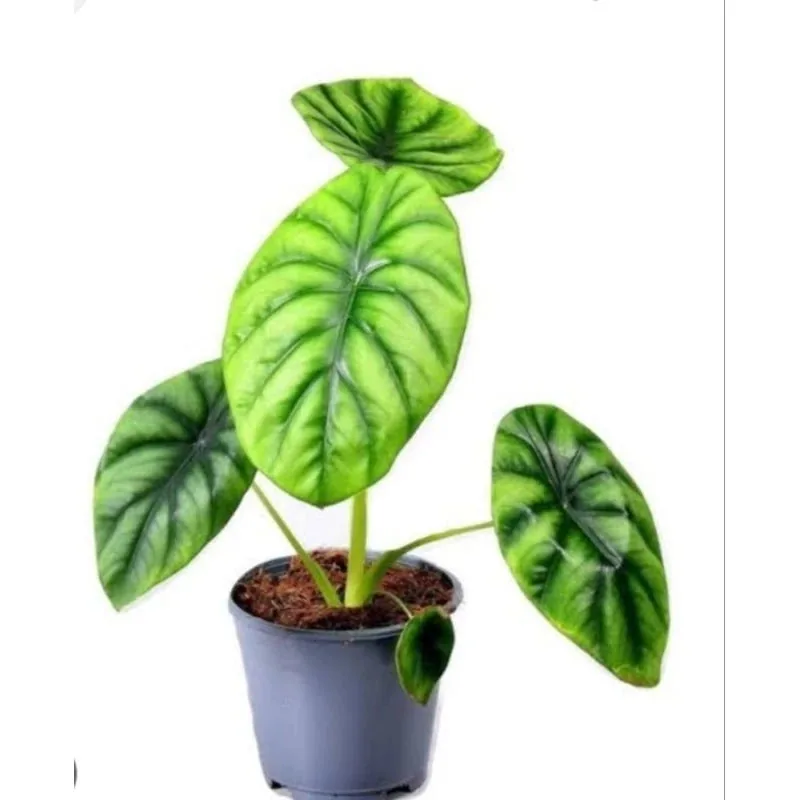
Alocasia Green Shield
Origin: Java & Sumatra, Indonesia
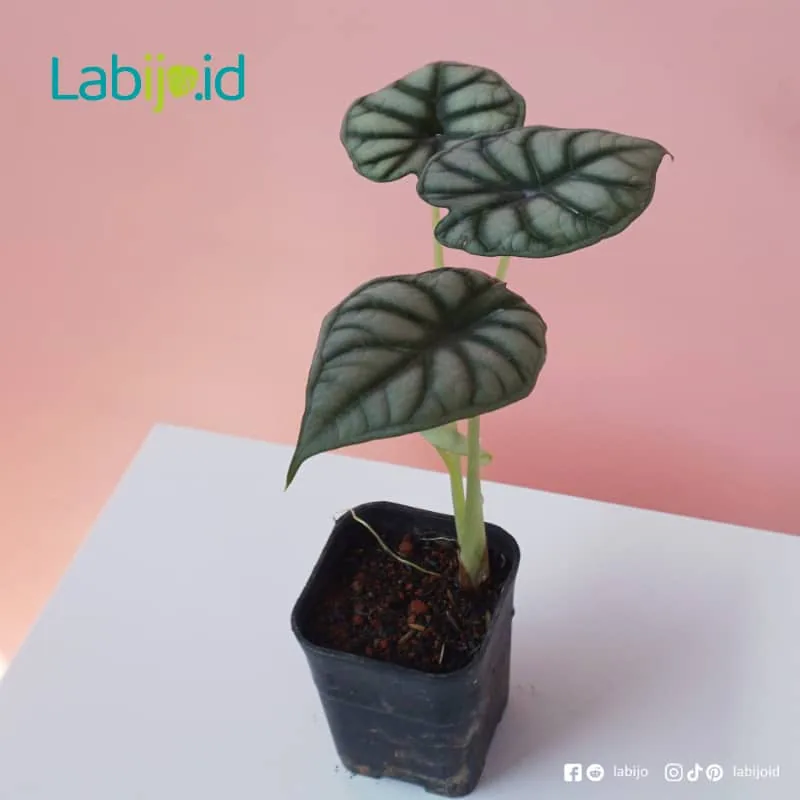
Alocasia Baginda Grey Dragon
Origin: Java & Sumatra, Indonesia
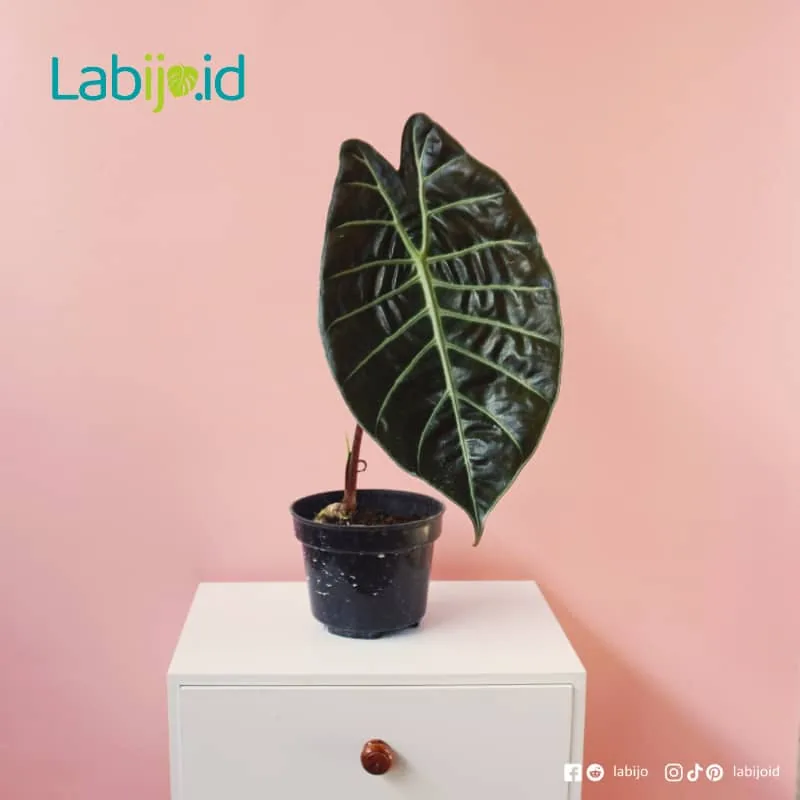
Alocasia Suhirmaniana 2
Origin: Java & Sumatra, Indonesia
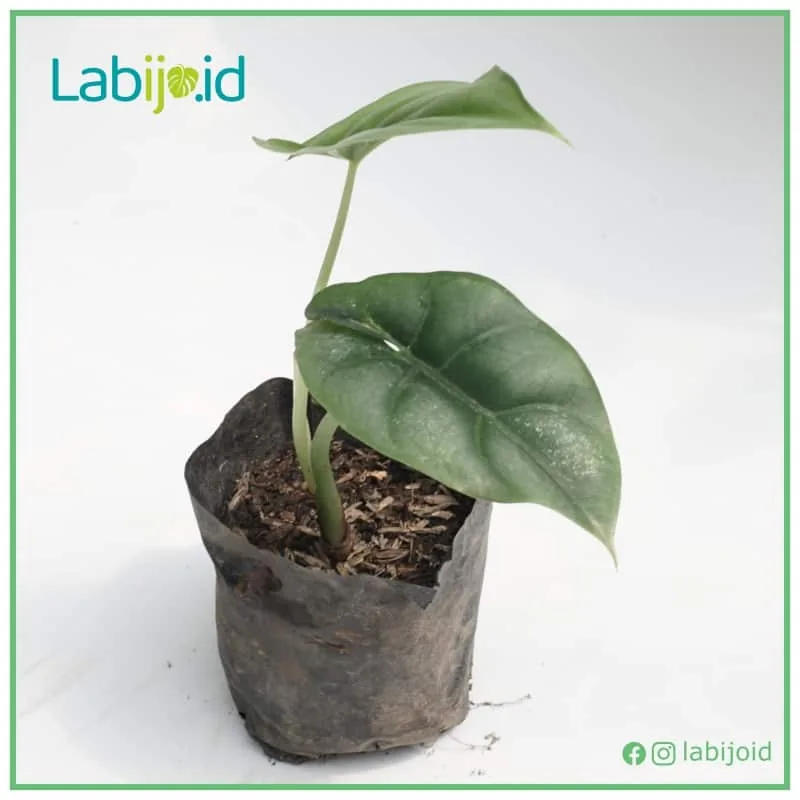
Alocasia Reversa
Origin: Java & Sumatra, Indonesia