Phyto Certificate vs Import Permit
Key differences between phytosanitary certificates and import permits: legal jurisdictions, issuance timelines and how to avoid border holds.

One of the most frequent points of confusion for commercial buyers and first-time importers in the international botanical trade is the distinction between a Phytosanitary Certificate and an Import Permit. Buyers routinely conflate the two documents or assume that because an exporter provides official government phytosanitary clearance, the shipment is automatically authorized to enter the destination country.
Operating under this misunderstanding leads directly to customs rejections, biosecurity quarantines, and border destruction orders. In international plant trade, these two instruments serve entirely distinct legal and biological functions, are issued by different sovereign governments, and require strict chronological sequencing.
The Fundamental Distinction: Health Attestation vs. Statutory Authorization
The core distinction between the two documents rests on which sovereign authority is speaking and what that authority is certifying:
Put plainly: the phytosanitary certificate confirms what the plants are and that they are clean; the import permit confirms that the receiving jurisdiction allows the buyer to bring them in.
Sovereign Jurisdictions: Who Issues What and Who Is Responsible?
A sovereign government cannot issue an import permit for another country's territory, nor can a foreign authority inspect living nursery stock located in Indonesia prior to export. Consequently, responsibility is strictly bifurcated between buyer and seller.
The buyer (importer of record) is exclusively responsible for securing the import permit from their own national agricultural authority. An Indonesian exporter cannot apply for, purchase, or furnish an import permit on behalf of an overseas buyer. Assuming that the supplier can "handle all paperwork, including destination permits" is the single most common administrative error in commercial plant procurement.
Conversely, the exporter is responsible for origin compliance: preparing the nursery stock (including complete bare-root soil washing), scheduling the official pre-export inspection, satisfying any specific Additional Declarations stipulated on the buyer's permit, and securing the official Phytosanitary Certificate from Barantan.
Order of Operations: The Inflexible Documentation Timeline
The operational lifecycle of an international botanical consignment requires a strict chronological sequence. Reversing this sequence will result in regulatory non-compliance:
4. Document Presentation at Border Inspection: Both documents must be available simultaneously when the air cargo arrives at the destination port of entry or designated inspection facility. To understand how shipments are processed upon arrival at US border stations, see our technical breakdown at /blog/us-plant-inspection-station-guide.
Origin Side: Barantan Quarantine Clearance and the e-Phyto System
In Indonesia, export biosecurity is administered by Badan Karantina Indonesia (Barantan). Barantan acts as Indonesia's official NPPO under the International Plant Protection Convention (IPPC) framework.
Before an export certificate can be printed, Barantan quarantine officers verify that all plants are completely bare-root, free from soil, inert growing media, sand, or terrestrial substrate, and show zero signs of active fungal lesions, viral symptoms, or insect infestation.
Modern botanical trade increasingly utilizes electronic phytosanitary certification (e-Phyto), transmitting authenticated digital certificates directly between national quarantine hubs. Barantan issues official documentation featuring verifiable digital signatures and secure QR codes. These digital manifests are shared with buyers and their customs brokers ahead of cargo arrival to facilitate advance entry declarations.
Destination Side: Comparative Frameworks in the US and EU
While the Phytosanitary Certificate is an almost universal international requirement for live nursery stock, the requirement for an Import Permit varies according to destination biosecurity policy and consignment scale:
Commercial importers must verify their local framework well before booking freight, as attempting to import without the required destination authorization will result in an immediate border refusal.
What a Phytosanitary Certificate Certifies (and What It Does Not)
To avoid dangerous compliance assumptions, buyers should understand the exact legal scope of a Phytosanitary Certificate:
What it certifies: It certifies that the physical consignment was officially inspected by qualified plant health authorities; that it was found free from quarantine pests listed by the destination country; that it conforms to current phytosanitary requirements; and that any specified chemical dip, drench, or quarantine treatments were properly applied.
What it does NOT certify: It is not an import permit; it does not grant statutory entry rights if the taxon is restricted or prohibited in your country. It is not an import license, not a customs commercial invoice, and not a customs tariff declaration. Furthermore, a phytosanitary certificate does not satisfy wildlife trade conventions: if a species falls under CITES schedules, independent CITES export and import management documentation is required alongside the phyto.
Critical Border Failure Modes and Hold Prevention
Border delays, quarantine rejections, and destruction notices frequently stem from preventable documentation discrepancies between the certificate, the permit, and the physical cargo:
4. Missing Physical Originals: While e-Phyto digital exchanges are expanding, certain destination ports and inspection counters still require the physical, original Barantan certificate stamped with ink and embossed seals. Foliaria secures original paper documentation directly to Box 1 of every consignment to ensure physical and digital records remain aligned.
By respecting the distinct jurisdictional roles of the Phytosanitary Certificate and the Import Permit, commercial buyers safeguard their shipments against administrative forfeiture and ensure efficient biosecurity clearance.
Continue with the commercial pages
The regulatory and commercial detail behind this guide, in the pages buyers actually work from.
- How to import plants from IndonesiaThe full document-to-door sequence: bare-root preparation, Barantan certification, destination permits, inspection and arrival.
- Wholesale import FAQMinimums, mixing, payment, paperwork, freight and arrival condition, answered in one place.
- Export compliance protocolsWhat Foliaria prepares before dispatch, and what the importer has to clear on their side.
Source These Plants Wholesale
Explore export-ready specimens in our Tropical Houseplants hub with phytosanitary inspection guaranteed.
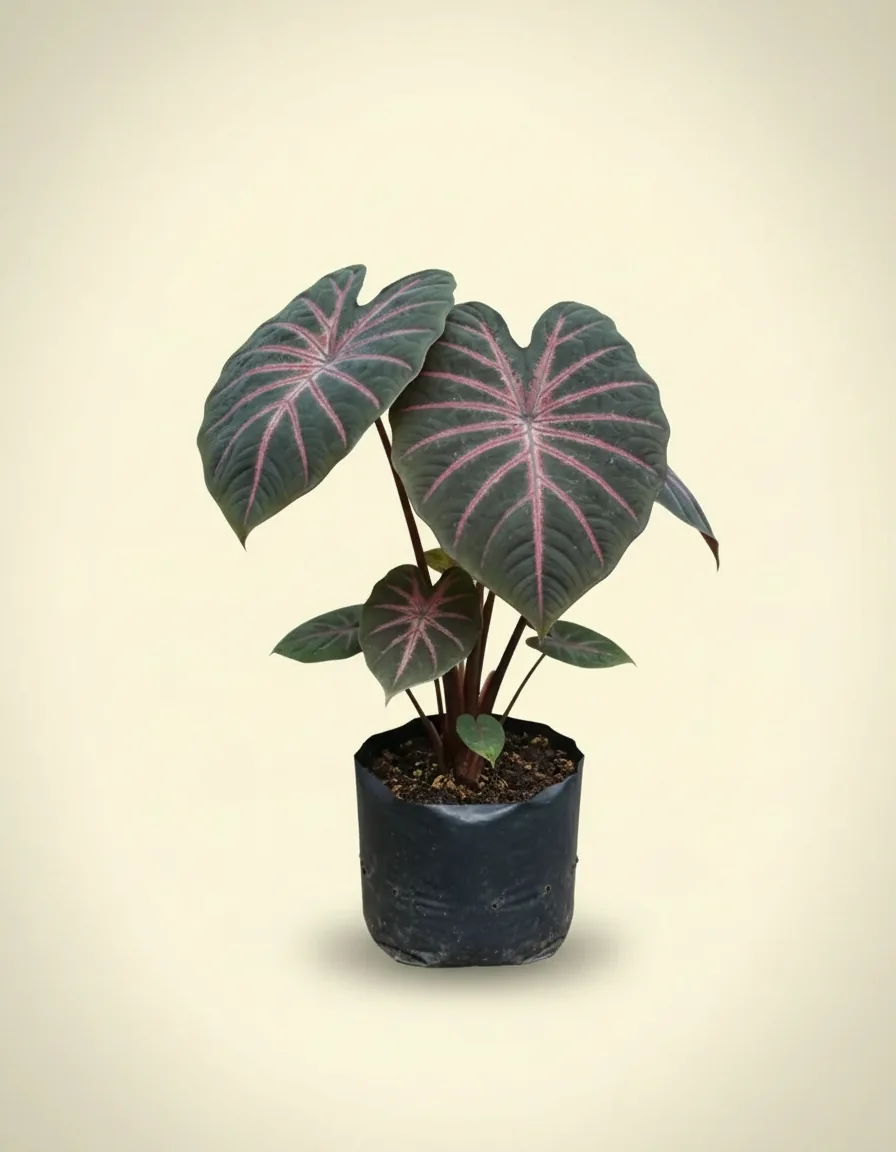
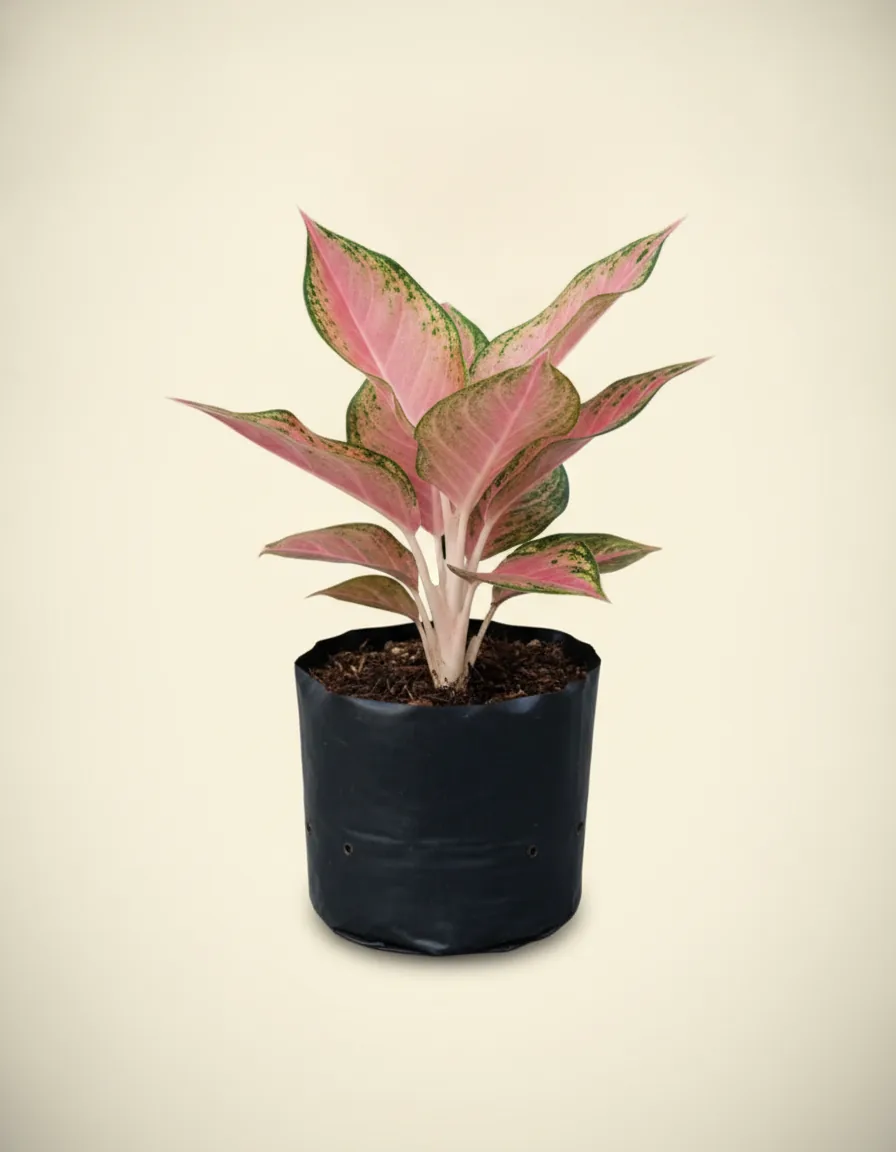
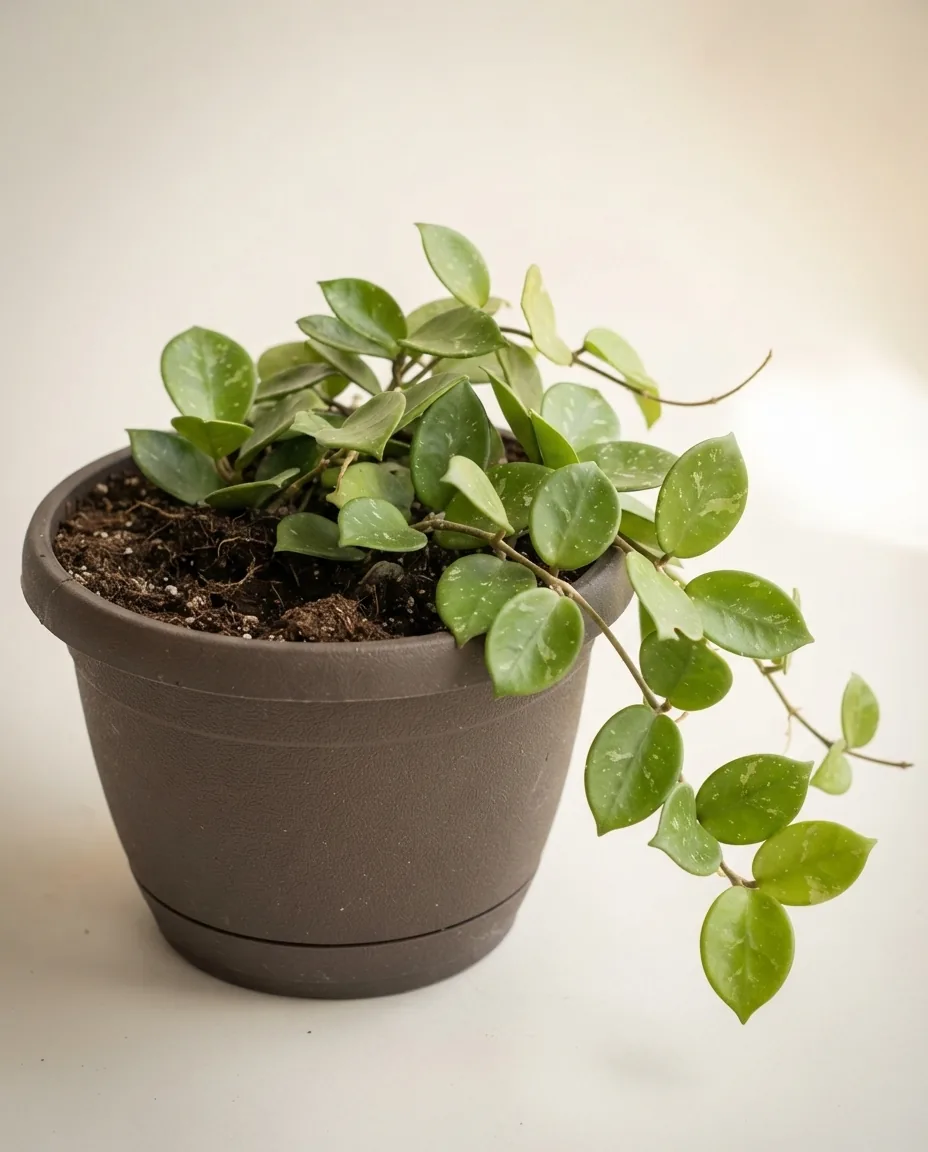
Export-Grade Cultivars Discussed in This Guide

Related Guides & Protocols
Continue exploring international plant export and care manuals.
Tropical Fruit Tree Import Regulations
Why importing live tropical fruit and tree germplasm requires distinct biosecurity protocols from ornamental foliage: agricultural risk profiles, genus-level admissibility verification, post-entry quarantine considerations, and transit physics for woody rootstocks.
US Plant Inspection Station Guide
How USDA Plant Inspection Stations (PIS) process imported botanical air cargo: routing consignments through Miami, JFK, LAX, or Atlanta using PPQ 508 labels, biosecurity screening steps, and eliminating hold risks through strict bare-root washing.
EU TRACES-NT CHED-PP for Plant Importers
Everything European plant businesses need to know about Regulation (EU) 2016/2031, electronic CHED-PP pre-notifications, and seamless Dutch, German, and French customs clearance.
Build Your Export Consignment
Volume pricing from 30 plants (-3%), rising with order size. 100% bare-root clean with verified Barantan phytosanitary certificates.