US Plant Inspection Station Guide
A technical guide to USDA Plant Inspection Station workflows: PPQ 508 Green and Yellow label routing, biosecurity screening and hold prevention.
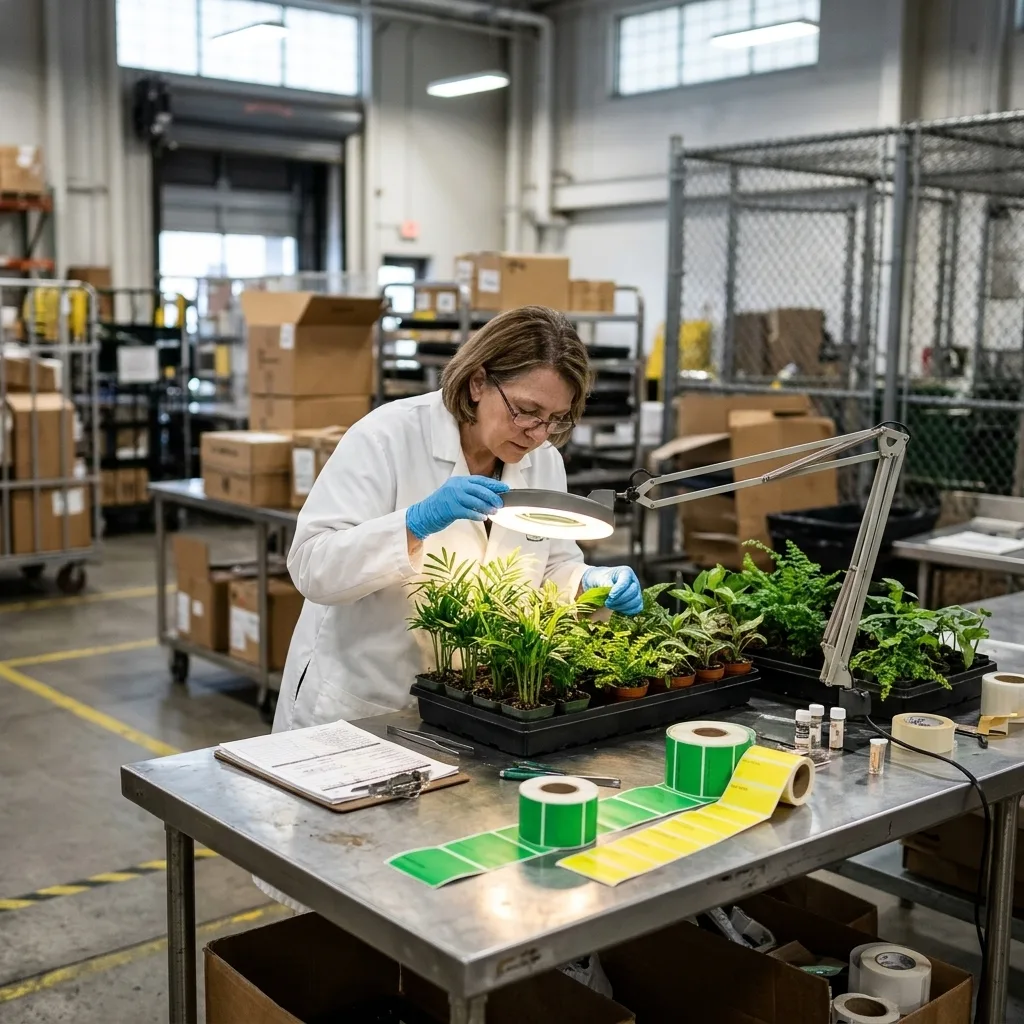
When importing commercial consignments of live plants into the United States from Indonesia, obtaining an approved USDA APHIS import permit is only the first phase of regulatory compliance. The operational critical point occurs when the air cargo lands at a US port of entry and transfers to a specialized USDA Plant Inspection Station (PIS) for physical clearance before domestic delivery.
For step-by-step guidance on permit application procedures and eFile account setup, consult our permit reference guide at /blog/usda-aphis-ppq-587-import-guide. While the PPQ 587 permit establishes legal eligibility to import specific botanical families, the Plant Inspection Station is where agricultural officers physically examine the shipment for biosecurity hazards.
What Is a Plant Inspection Station (PIS) and Why Routing Matters
A USDA Plant Inspection Station is a federal biosecurity clearance facility operated by the Animal and Plant Health Inspection Service (APHIS) Plant Protection and Quarantine (PPQ) division. These facilities are staffed by specialized agricultural officers trained to inspect imported plant material, seeds, and regulated botanical cargo.
Standard international freight entering the US passes through general US Customs and Border Protection (CBP) freight terminals. Live plants covered by Title 7 of the Code of Federal Regulations (7 CFR 319.37) cannot clear at standard freight terminals. Instead, the cargo must be routed directly to an authorized PIS, where climate-controlled inspection rooms, dissecting microscopes, and containment facilities are equipped to detect microscopic pests, nematodes, and plant pathogens.
If a live plant shipment arrives at an unauthorized port or lacks instructions directing it to a PIS facility, customs officers will refuse entry or issue an immediate re-export or destruction order. Proper port routing is therefore the foundation of successful botanical air-freight logistics.
Major US Ports of Entry and PIS Selection
Importers must designate a specific port of entry on their USDA import permit. Air-cargo shipments from Southeast Asia typically enter through four primary PIS facilities equipped to process high-volume commercial botanical freight:
4. Atlanta, Georgia (ATL): A major interior transit station with high-capacity cargo operations serving Midwest and Southeast commercial distributors. Atlanta offers fast transfer times for consolidated air cargo connecting across domestic highway networks.
Selecting the correct station depends on the buyer's location, carrier flight routing, and seasonal ambient temperatures. During winter months, routing through southern gateways such as Miami or Los Angeles reduces thermal shock during transfers between the aircraft apron and the inspection facility.
How the Green and Yellow Label (PPQ 508) Controls Transit Routing
The physical routing of a commercial plant consignment is governed by USDA Form PPQ 508, universally known as the Green and Yellow shipping label. This label overrides standard direct-to-consignee shipping flows.
When your PPQ 587 permit is granted, USDA eFile allows the permit holder to generate electronic PPQ 508 labels corresponding to the approved Plant Inspection Station. Each label displays the exact physical street address of the federal inspection facility, a unique barcode, and the importer's permit credentials.
The Physical Inspection Protocol: What USDA APHIS Examines
At the Plant Inspection Station, agricultural officers open shipping boxes in sanitized, bio-secure examination bays. The inspection focuses on three distinct operational checks:
100% Soil Elimination and Bare-Root Phytosanitary Preparation
The most frequent point of failure for international plant shipments is incomplete root cleaning. Soil is classified as a primary vector for soil-borne pathogens, parasitic cyst nematodes, and subterranean pest eggs. Detecting even trace amounts of soil in a root ball results in mandatory treatment, re-export, or incineration.
At Foliaria, our nursery export protocol eliminates this risk through a rigorous bare-root preparation standard applied to all export consignments:
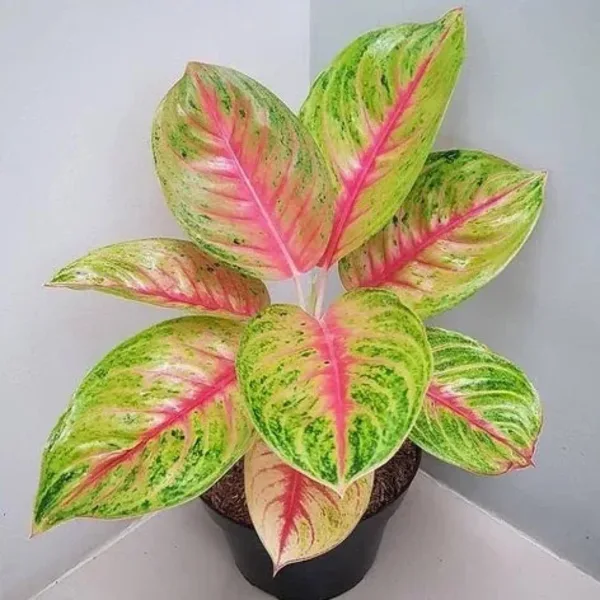
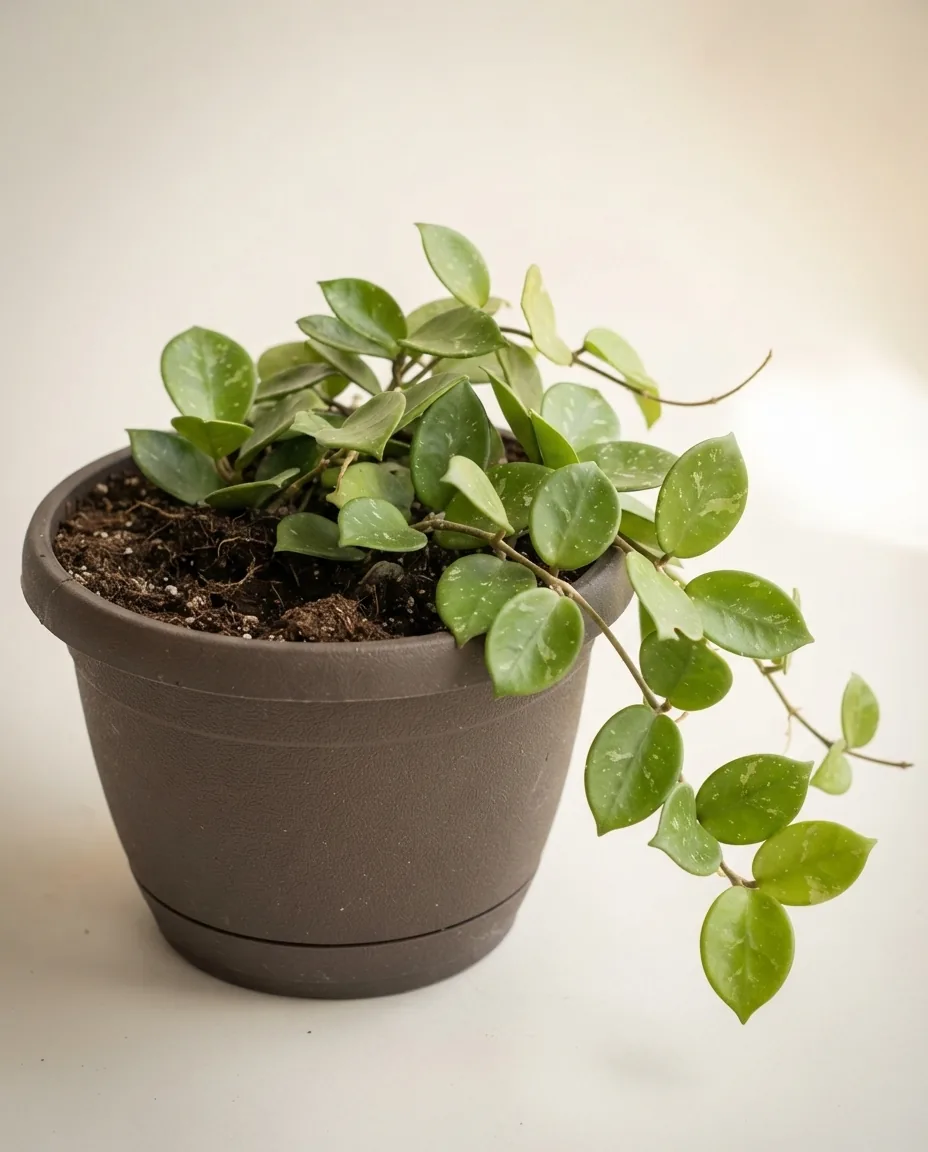
Whether packing native Indonesian epiphytes like Hoya or cultivated tropical aroids such as Philodendron and Aglaonema, clean bare-root presentation allows inspectors to verify root health within seconds, dramatically accelerating clearance times.
Mandatory Accompanying Documentation for Port Clearance
Inspection officers will not release cargo without verified, tamper-evident physical documentation. Every Foliaria consignment carries an exterior waterproof pouch on the primary package containing the complete compliance dossier:
4. Itemized Commercial Invoice and Packing Manifest: Explicitly listing binomial botanical nomenclature (genus and species), individual plant counts, box numbers, and wholesale values.
5. Domestic Onward Shipping Label: A pre-paid carrier shipping label or billing account voucher instructing the domestic courier to dispatch the parcel from the PIS to the recipient's nursery immediately upon clearance.
The Primary Causes of Port Holds, Interceptions, and Delays
Understanding why shipments get held at the PIS enables importers to prevent costly disruptions. Port holds generally trace back to five procedural errors:
4. Missing Onward Shipping Documentation: If an importer fails to supply a pre-paid domestic forwarding label, the consignment remains cleared but stranded at the PIS facility until the carrier or buyer provides onward freight billing.
5. Documentation Inconsistencies: Discrepancies between the physical plant count and the quantity certified on the Barantan Phytosanitary Certificate require official amendment before APHIS officers can issue a release.
By maintaining strict pre-export root washing standards, complete document reconciliation, and proactive PIS label coordination, Foliaria consignments clear USDA Plant Inspection Stations efficiently, preserving plant vitality for commercial nursery inventory.
Continue with the commercial pages
The regulatory and commercial detail behind this guide, in the pages buyers actually work from.
- How to import plants from IndonesiaThe full document-to-door sequence: bare-root preparation, Barantan certification, destination permits, inspection and arrival.
- Wholesale import FAQMinimums, mixing, payment, paperwork, freight and arrival condition, answered in one place.
- Export compliance protocolsWhat Foliaria prepares before dispatch, and what the importer has to clear on their side.
Source These Plants Wholesale
Explore export-ready specimens in our Tropical Houseplants hub with phytosanitary inspection guaranteed.
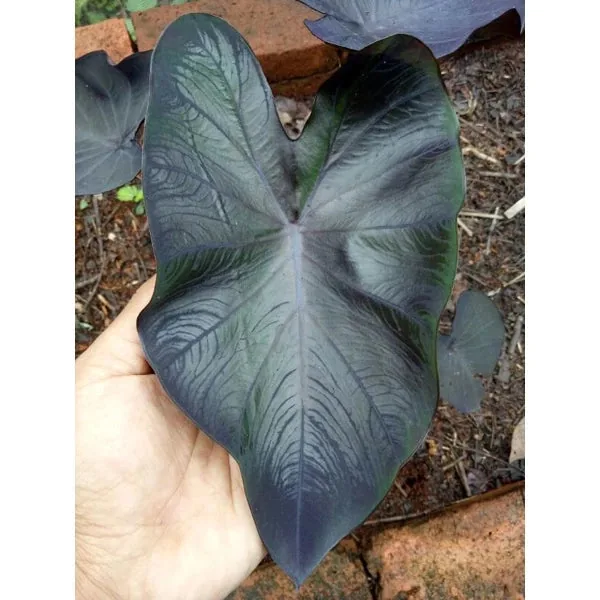
Export-Grade Cultivars Discussed in This Guide

Related Guides & Protocols
Continue exploring international plant export and care manuals.
Phyto Certificate vs Import Permit
A clear technical guide on the two core documents required for international botanical trade: why an origin Phytosanitary Certificate cannot substitute for a destination Import Permit, who is legally responsible for each, and the required sequence of issuance.
Tropical Fruit Tree Import Regulations
Why importing live tropical fruit and tree germplasm requires distinct biosecurity protocols from ornamental foliage: agricultural risk profiles, genus-level admissibility verification, post-entry quarantine considerations, and transit physics for woody rootstocks.
EU TRACES-NT CHED-PP for Plant Importers
Everything European plant businesses need to know about Regulation (EU) 2016/2031, electronic CHED-PP pre-notifications, and seamless Dutch, German, and French customs clearance.
Build Your Export Consignment
Volume pricing from 30 plants (-3%), rising with order size. 100% bare-root clean with verified Barantan phytosanitary certificates.