Tropical Fruit Tree Import Regulations
Why biosecurity authorities regulate live fruit trees and germplasm more strictly than indoor foliage, and what buyers must verify before importing.

Commercial botanical importers accustomed to sourcing indoor tropical foliage often assume that the same clearance protocols apply across all live botanical consignments. However, national plant protection organizations (NPPOs) treat fruit-bearing and woody perennial taxa under a substantially more conservative biosecurity framework than herbaceous foliage.
Understanding this distinction is critical for orchard managers, nursery operators, and botanical project developers looking to import live grafted cultivars or seedling stock from Indonesia.
Agricultural Biosecurity vs. Ornamental Pathways
The divergence in regulatory stringency stems directly from risk modeling. When an herbaceous houseplant is imported into a temperate climate, any escaping pathogen or insect vector is generally confined to residential interiors or controlled greenhouse settings with limited pathways to domestic commercial crops.
By contrast, fruit trees and woody agricultural germplasm carry potential vectors—including latent vascular viruses, phytoplasmas, wood-boring larvae, and specialized nematodes—capable of threatening multi-billion-dollar domestic agricultural sectors, commercial orchards, and regional biosecurity zones.
Because live woody stock provides a durable substrate for systemic endophytes and bark-dwelling organisms, border inspection agencies cannot rely on visual surface checks alone. This risk profile triggers heightened regulatory barriers, including mandatory import permits, genus-specific entry schedules, and stringent pre-export treatment mandates.
Genus-Specific Admissibility and Post-Entry Quarantine (PEQ)
While ornamental foliage often moves under broad family-level permits, admissibility for tropical fruit trees is evaluated strictly at the genus, species, and origin level by the destination country.
Depending on the importing jurisdiction, specific taxa fall along a wide biosecurity spectrum:
4. Temporarily Restricted or Prohibited Taxa: Taxa subject to emergency pest alerts or comprehensive import suspensions until formal pest risk analyses (PRAs) are completed by destination authorities.
Because these schedules are determined independently by each country's agricultural ministry and updated dynamically in response to global epidemiological shifts, admissibility must be formally confirmed for each specific genus and destination prior to commercial procurement.
Destination-First Verification: The Buyer Due Diligence Protocol
Foliaria operates as an origin exporter and nursery manager in Indonesia. We execute pre-shipment inspections, bare-root preparation, and phytosanitary certification under the Indonesian Quarantine Authority (Barantan). However, legal authority to grant entry rests solely with the destination jurisdiction.
Commercial buyers should execute a structured verification protocol before confirming any fruit tree purchase order:
Regulatory Lead Times and Documentation Sequencing
Sourcing fruit and tree germplasm involves extended timelines compared to expedited ornamental shipments. Commercial buyers must account for three sequential phases:
Phase 1: Permit Application and Verification. If your destination authority requires a specific fruit germplasm permit or containment clearance, permit issuance typically requires several weeks to several months depending on the agency workload and facility audits.
Phase 2: Origin Pre-Export Conditioning and Barantan Inspection. Once valid permit conditions are submitted to our biosecurity desk, Foliaria coordinates required nursery inspections and phytosanitary testing with Barantan officials in East Java or Jakarta. Plants undergo quarantine observation to ensure zero presence of regulated pests.
Phase 3: Dispatch and Port Routing. Shipments must often route strictly through approved international ports equipped with specialized botanical inspection facilities. Transit schedules must align with port inspection station operating hours to avoid weekend customs holds.
Transit Physics: Handling Lignified Rootstocks and Volumetric Freight
Beyond regulatory compliance, the physical characteristics of woody plants introduce distinct operational requirements during international air-cargo transport:
Bare-Root Preparation of Lignified Roots: International phytosanitary laws strictly mandate the 100% removal of soil and organic growing media. While herbaceous roots are supple, lignified taproots and woody root systems require meticulous hand-washing and pressurized rinsing to remove soil without stripping bark or snapping fine feeder roots. Cleaned roots are treated with systemic broad-spectrum fungicides and packed in sterile moisture-retaining sphagnum moss.
Dormancy and Vegetative State: Deciduous or semi-dormant tropical woody stock travels with superior resilience when dispatched during periods of reduced vegetative flushing. Shipping heavily flushing green shoots increases respiration rates, condensation inside thermal boxes, and transit stress.
Volumetric Freight Realities: Unlike compact aroids that can be densely layered, woody trees possess calipered stems, grafted unions, and branching architectures that require rigid protective crating. Dimensional weight calculations (Length × Width × Height / 5000) apply directly; commercial buyers should expect higher freight-to-unit ratios than equivalent volumes of herbaceous foliage.
By conducting rigorous genus-level admissibility checks with your national biosecurity authority before placing volume orders, commercial growers and orchardists ensure smooth customs clearance and viable, resilient stock on arrival.
Continue with the commercial pages
The regulatory and commercial detail behind this guide, in the pages buyers actually work from.
- How to import plants from IndonesiaThe full document-to-door sequence: bare-root preparation, Barantan certification, destination permits, inspection and arrival.
- Wholesale import FAQMinimums, mixing, payment, paperwork, freight and arrival condition, answered in one place.
- Export compliance protocolsWhat Foliaria prepares before dispatch, and what the importer has to clear on their side.
Source These Plants Wholesale
Explore export-ready specimens in our Tropical Fruit & Trees hub with phytosanitary inspection guaranteed.
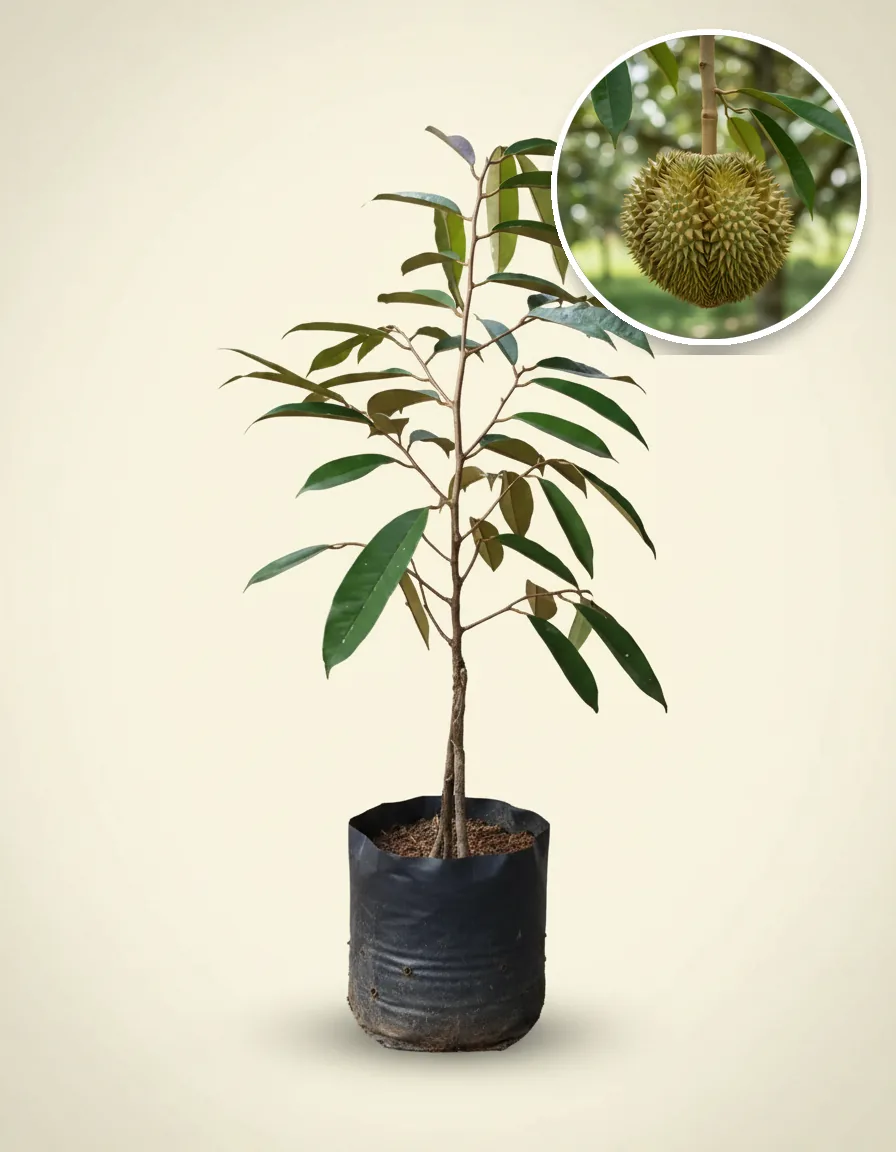
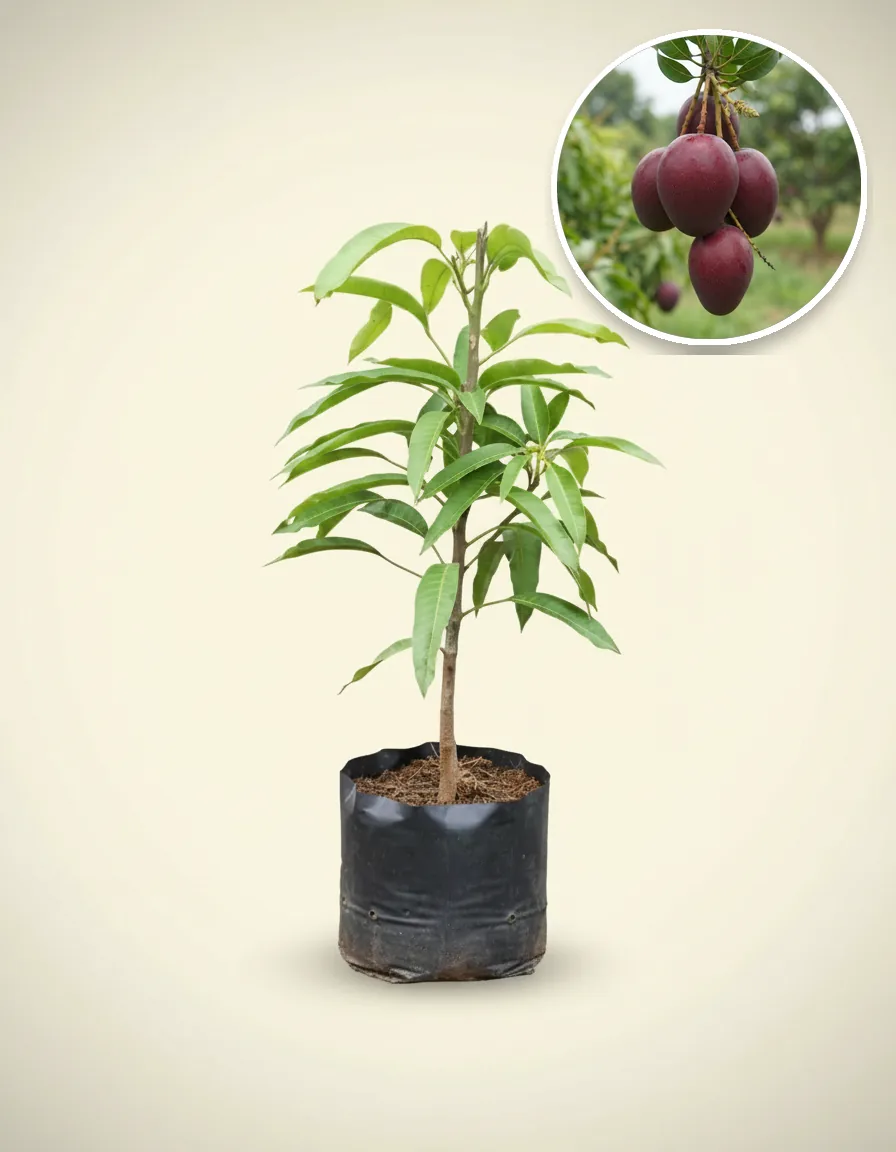
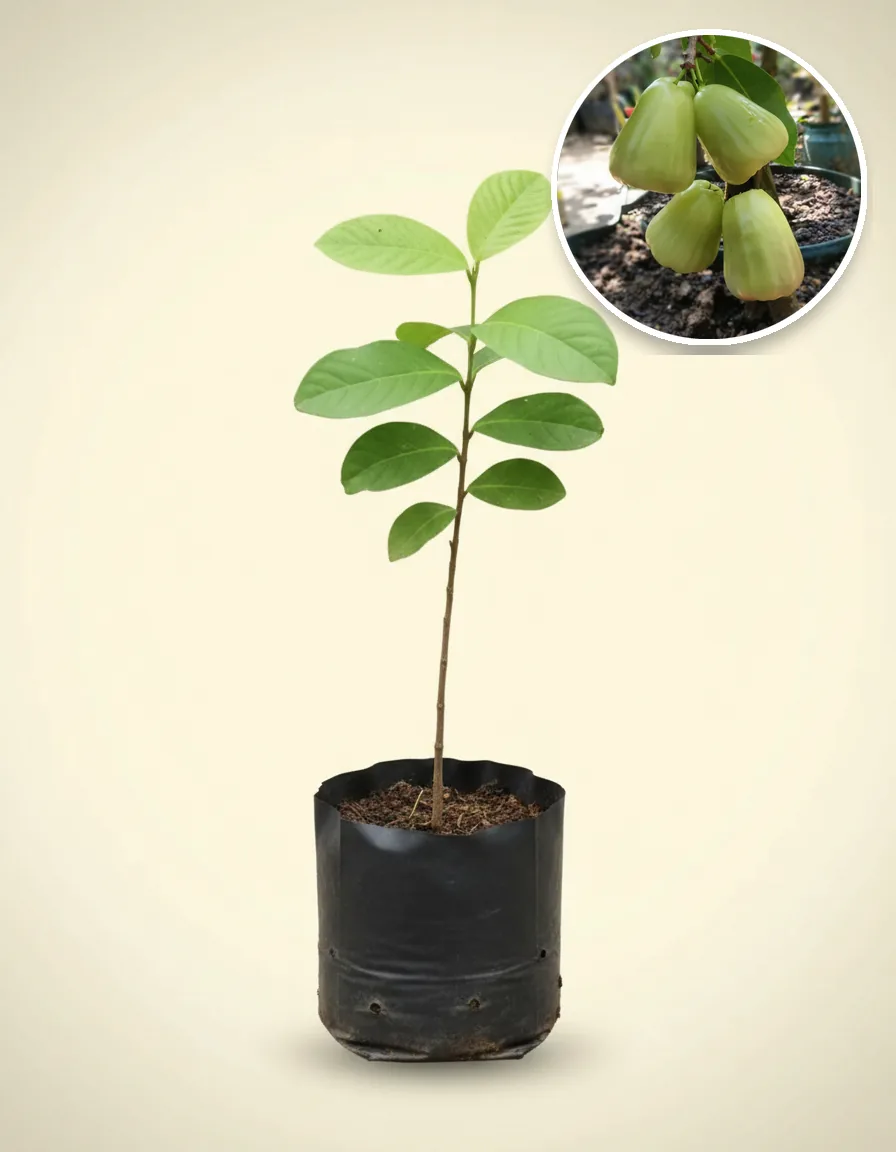
Export-Grade Cultivars Discussed in This Guide
Related Guides & Protocols
Continue exploring international plant export and care manuals.
Phyto Certificate vs Import Permit
A clear technical guide on the two core documents required for international botanical trade: why an origin Phytosanitary Certificate cannot substitute for a destination Import Permit, who is legally responsible for each, and the required sequence of issuance.
US Plant Inspection Station Guide
How USDA Plant Inspection Stations (PIS) process imported botanical air cargo: routing consignments through Miami, JFK, LAX, or Atlanta using PPQ 508 labels, biosecurity screening steps, and eliminating hold risks through strict bare-root washing.
EU TRACES-NT CHED-PP for Plant Importers
Everything European plant businesses need to know about Regulation (EU) 2016/2031, electronic CHED-PP pre-notifications, and seamless Dutch, German, and French customs clearance.
Build Your Export Consignment
Volume pricing from 30 plants (-3%), rising with order size. 100% bare-root clean with verified Barantan phytosanitary certificates.