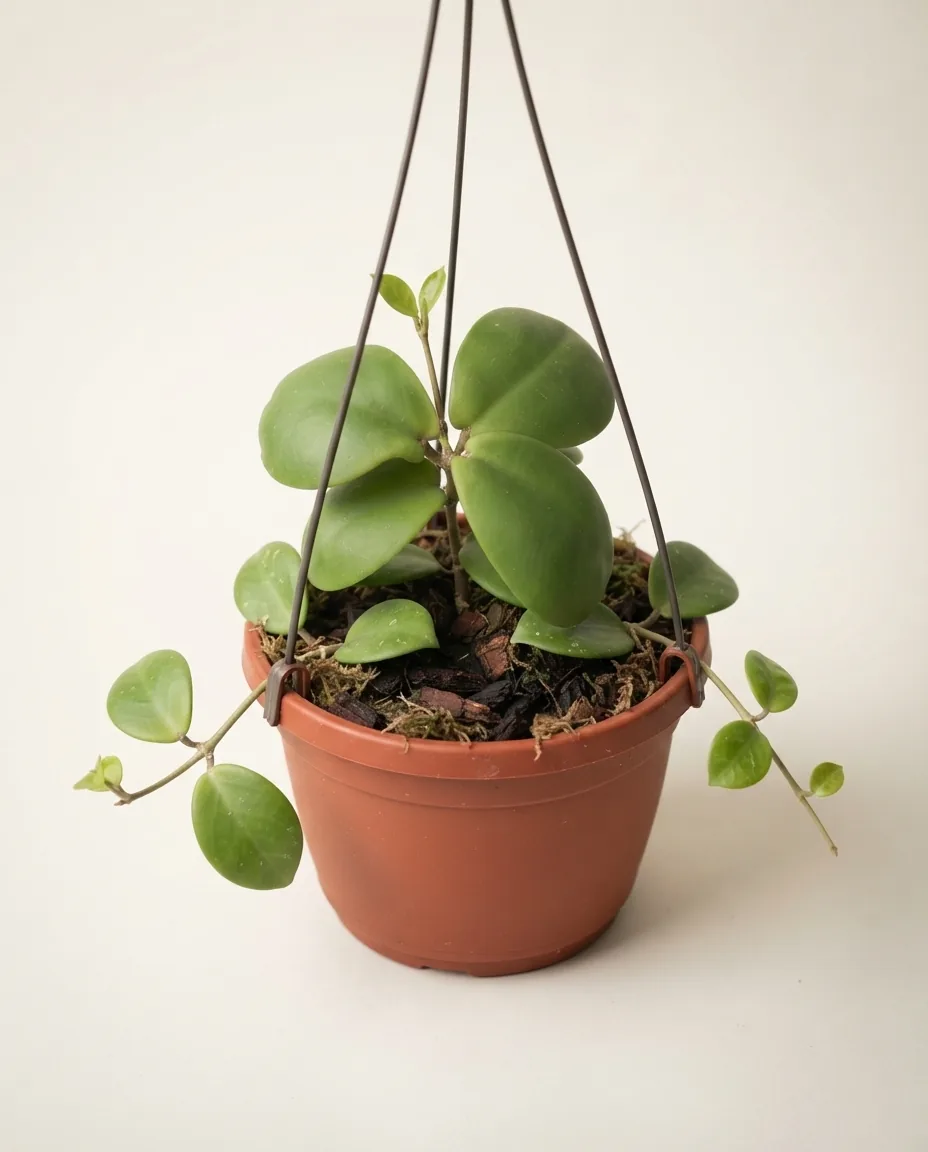
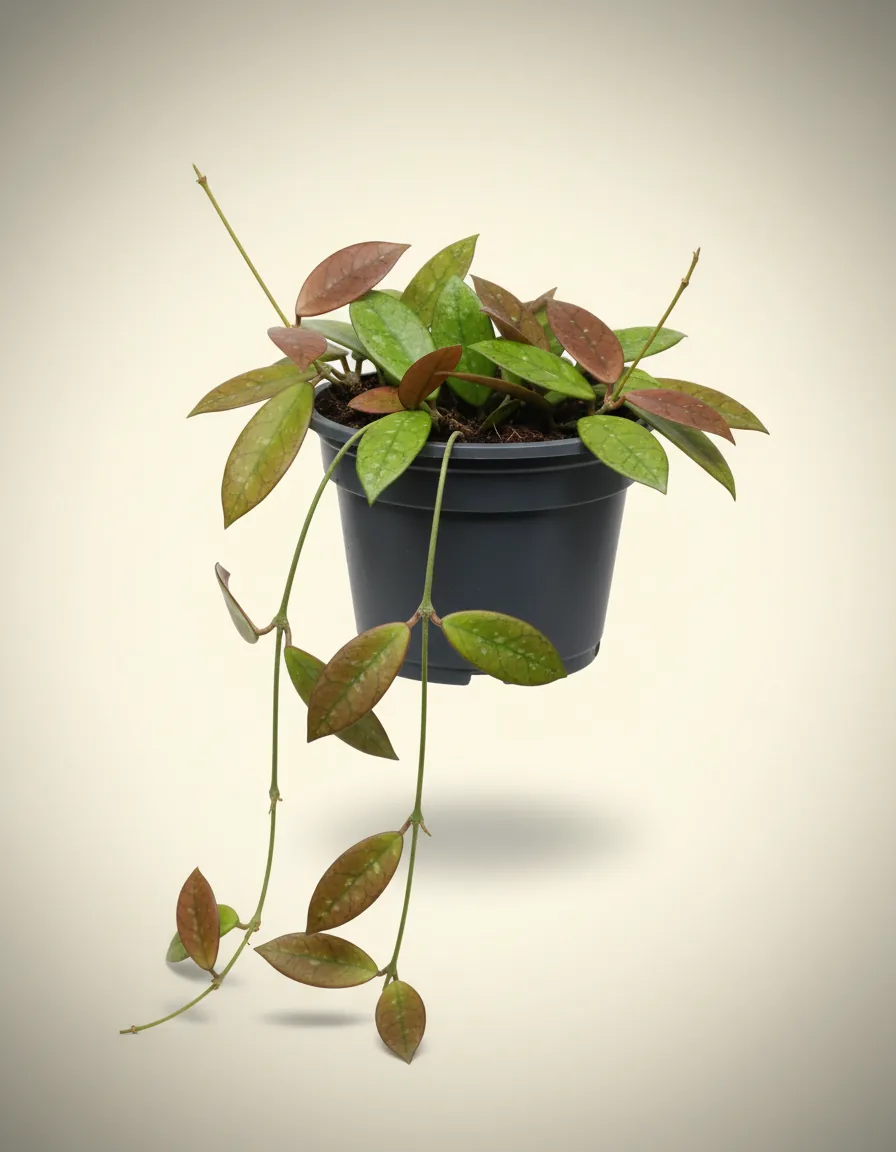
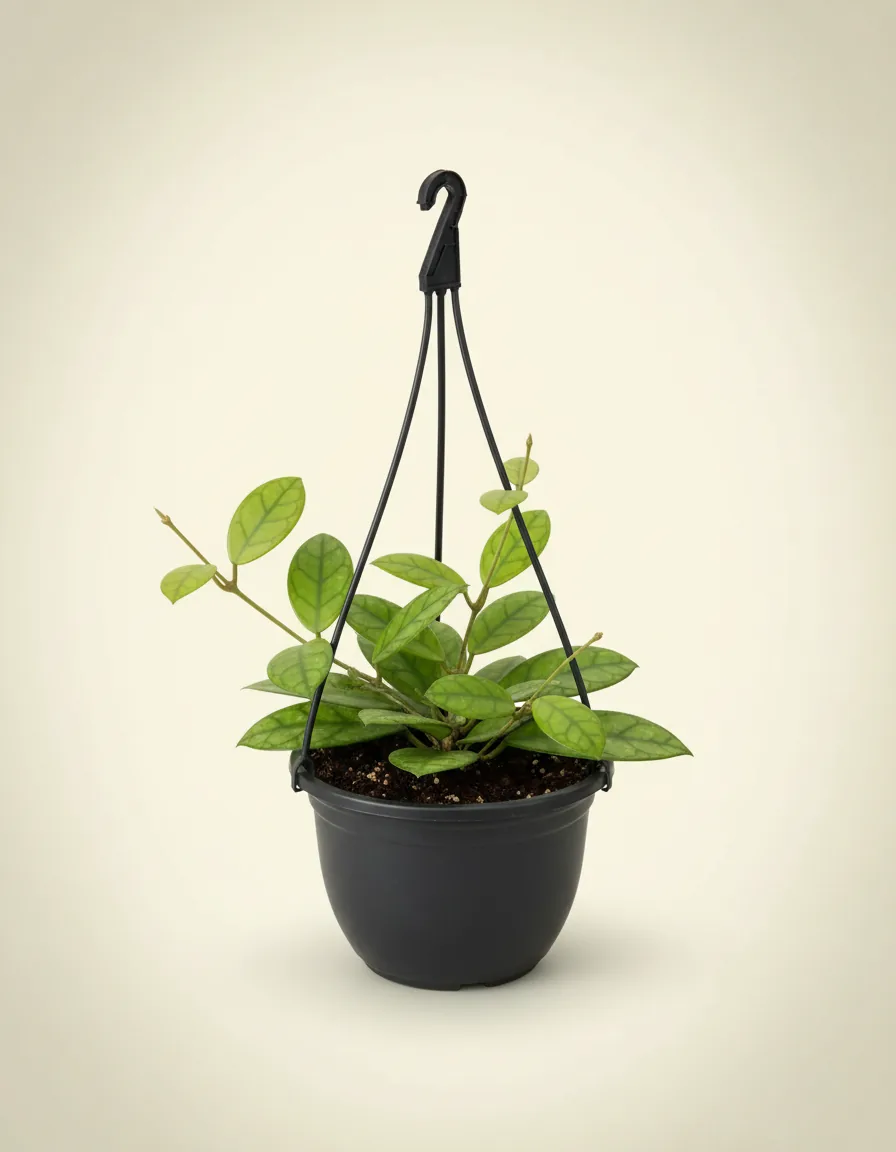
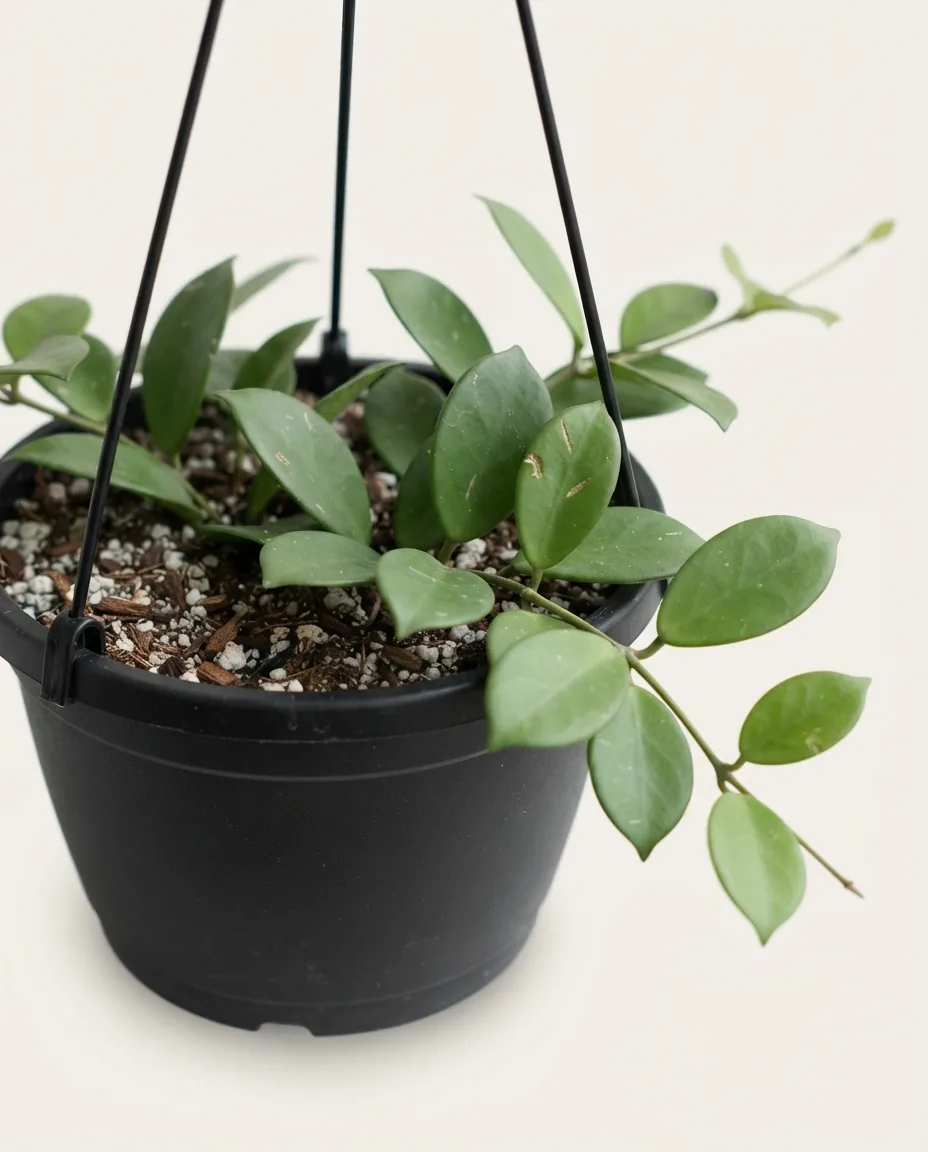
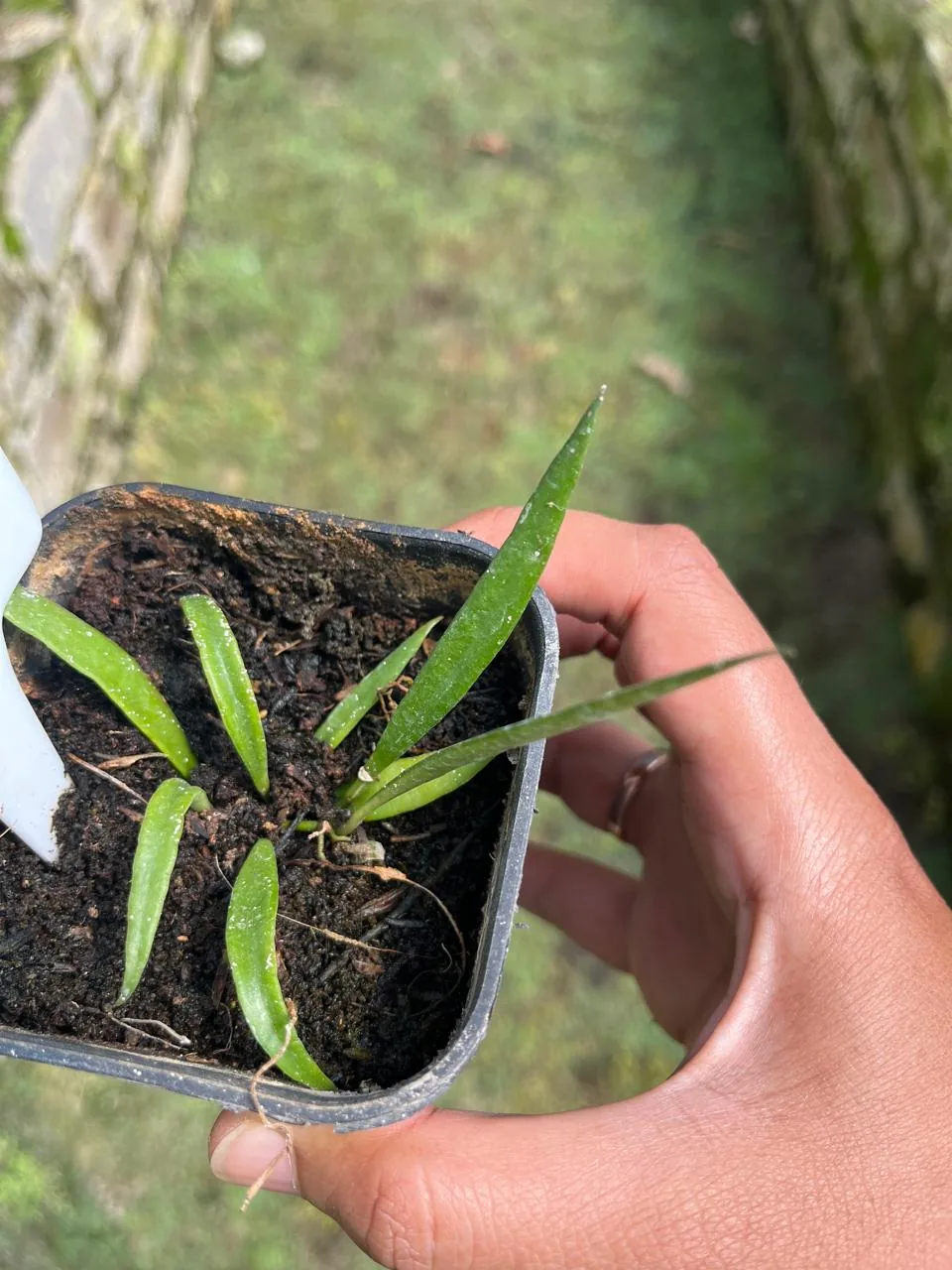
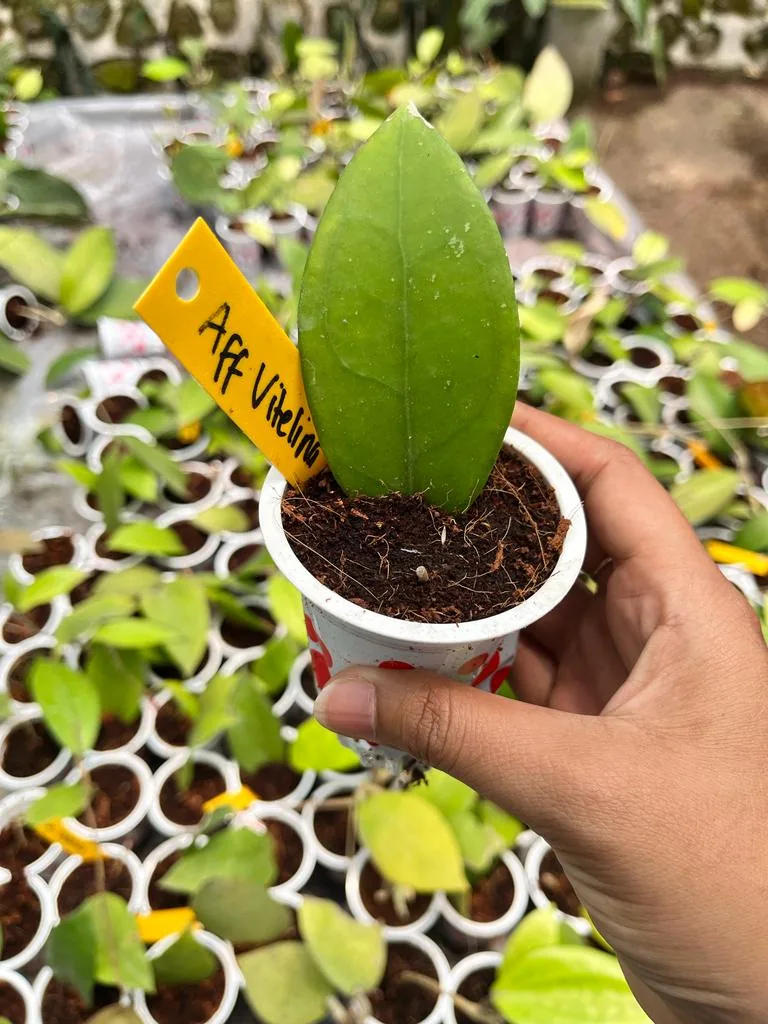
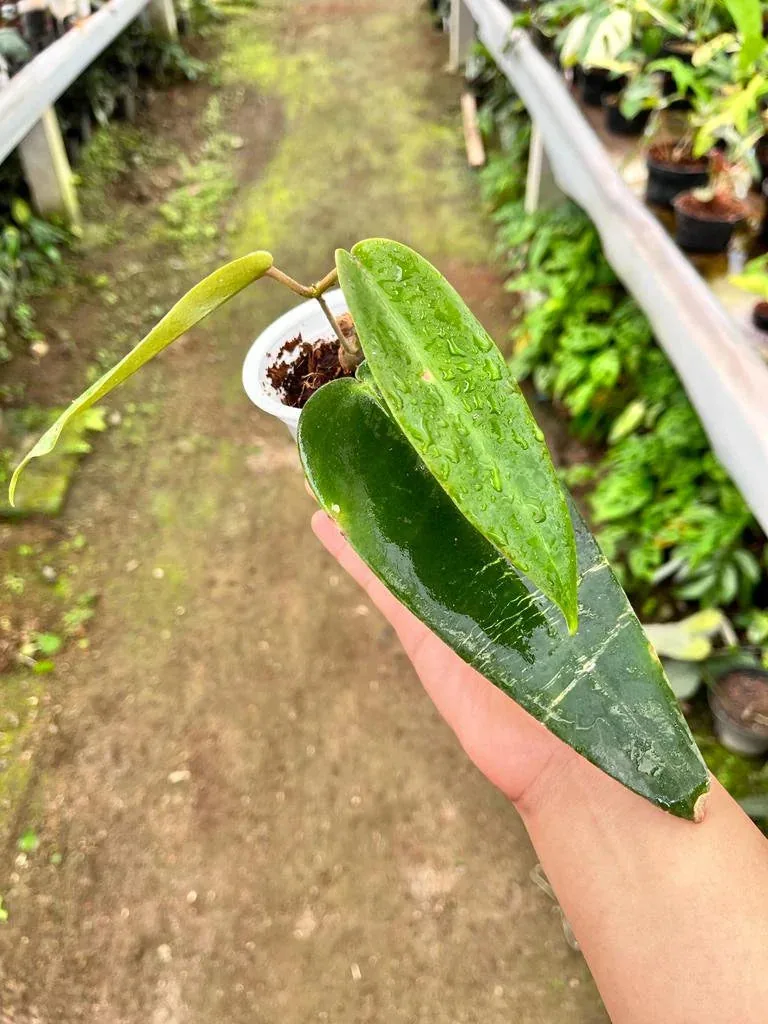
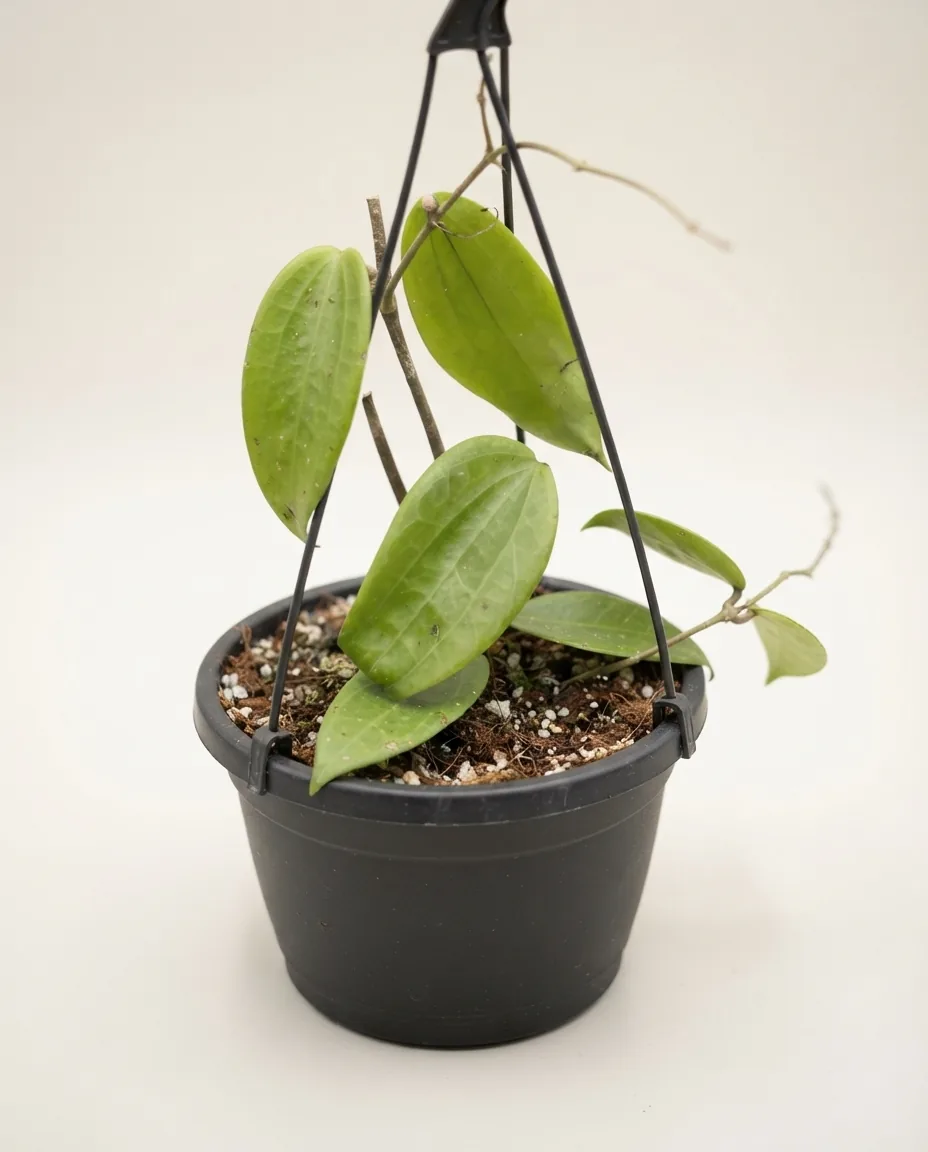
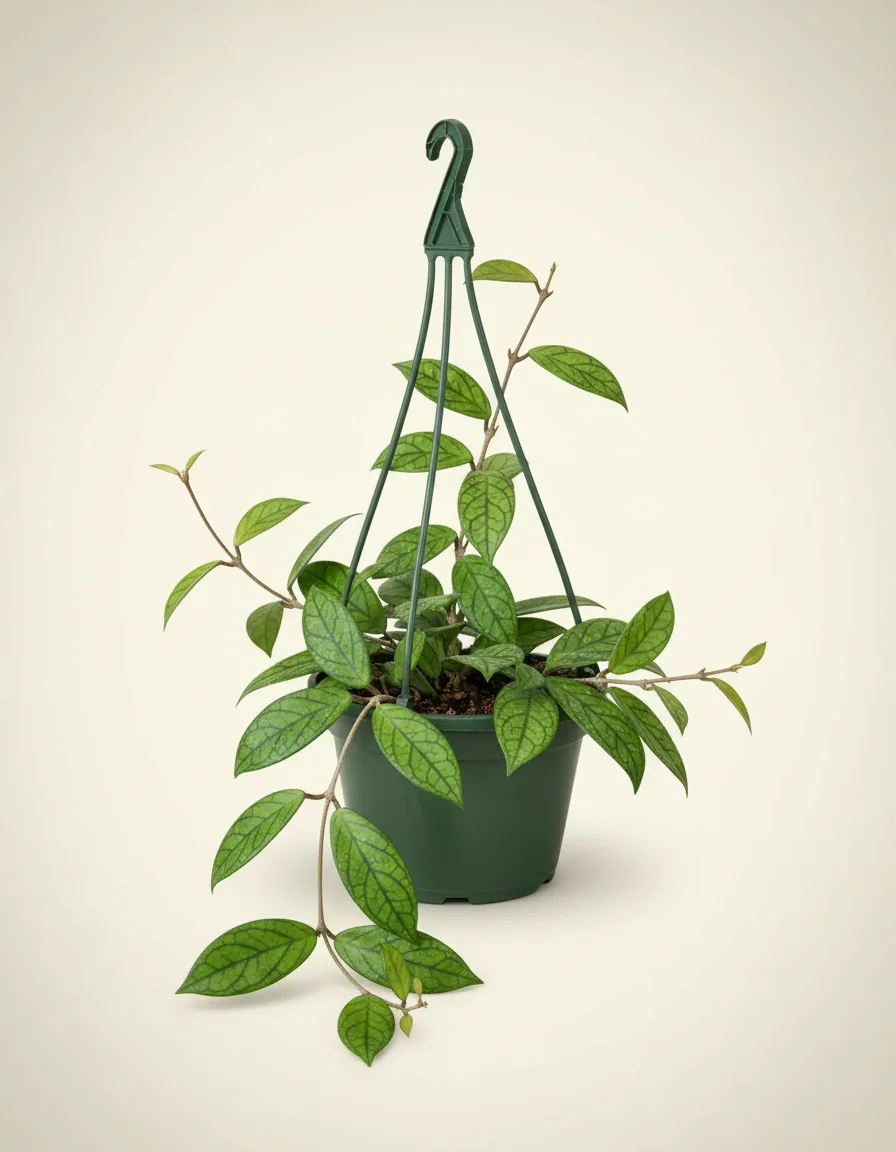
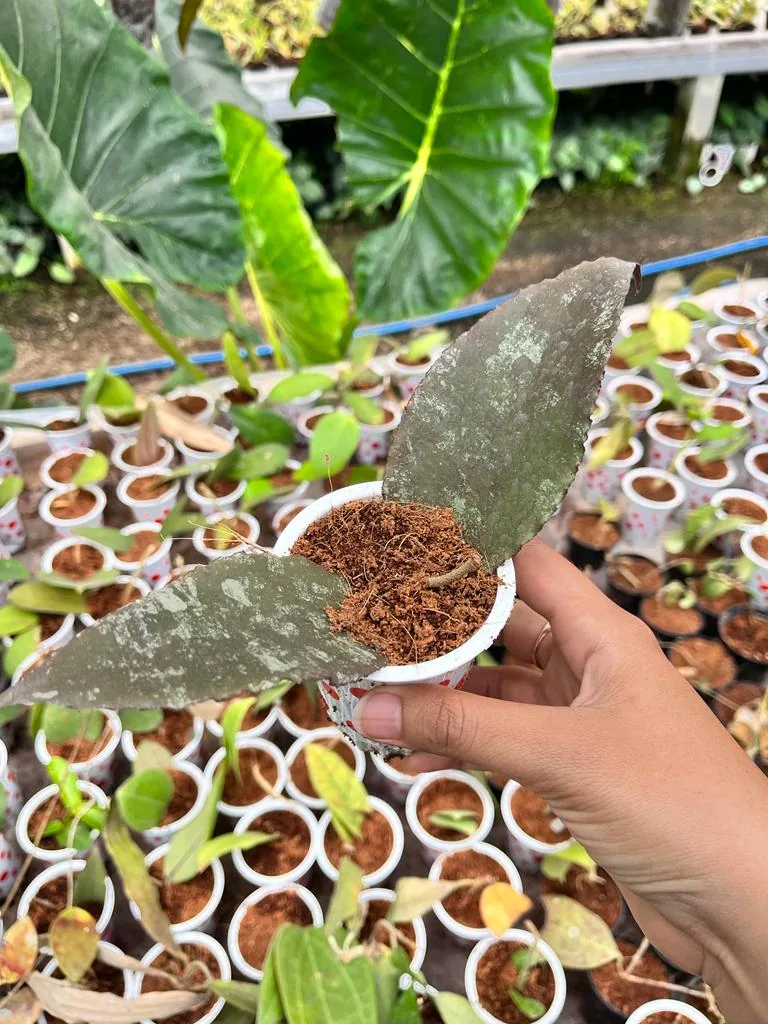
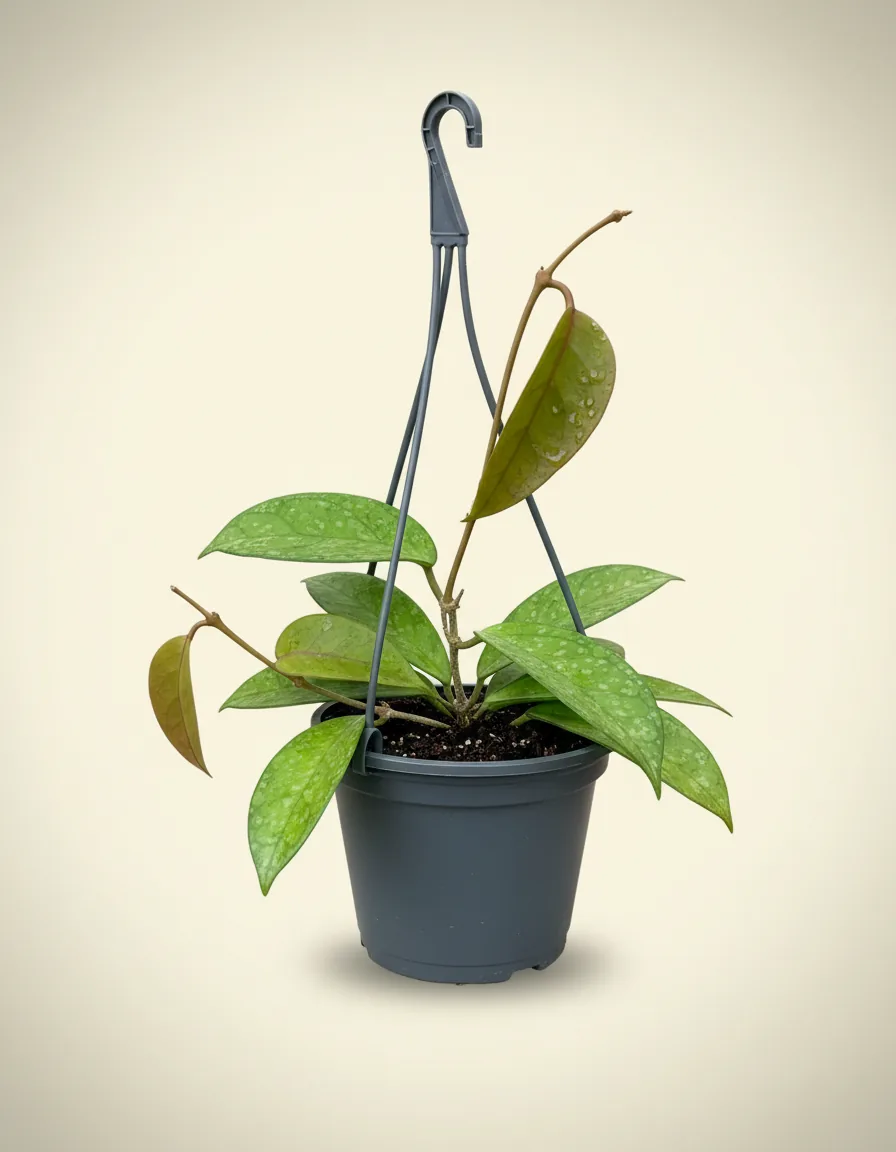
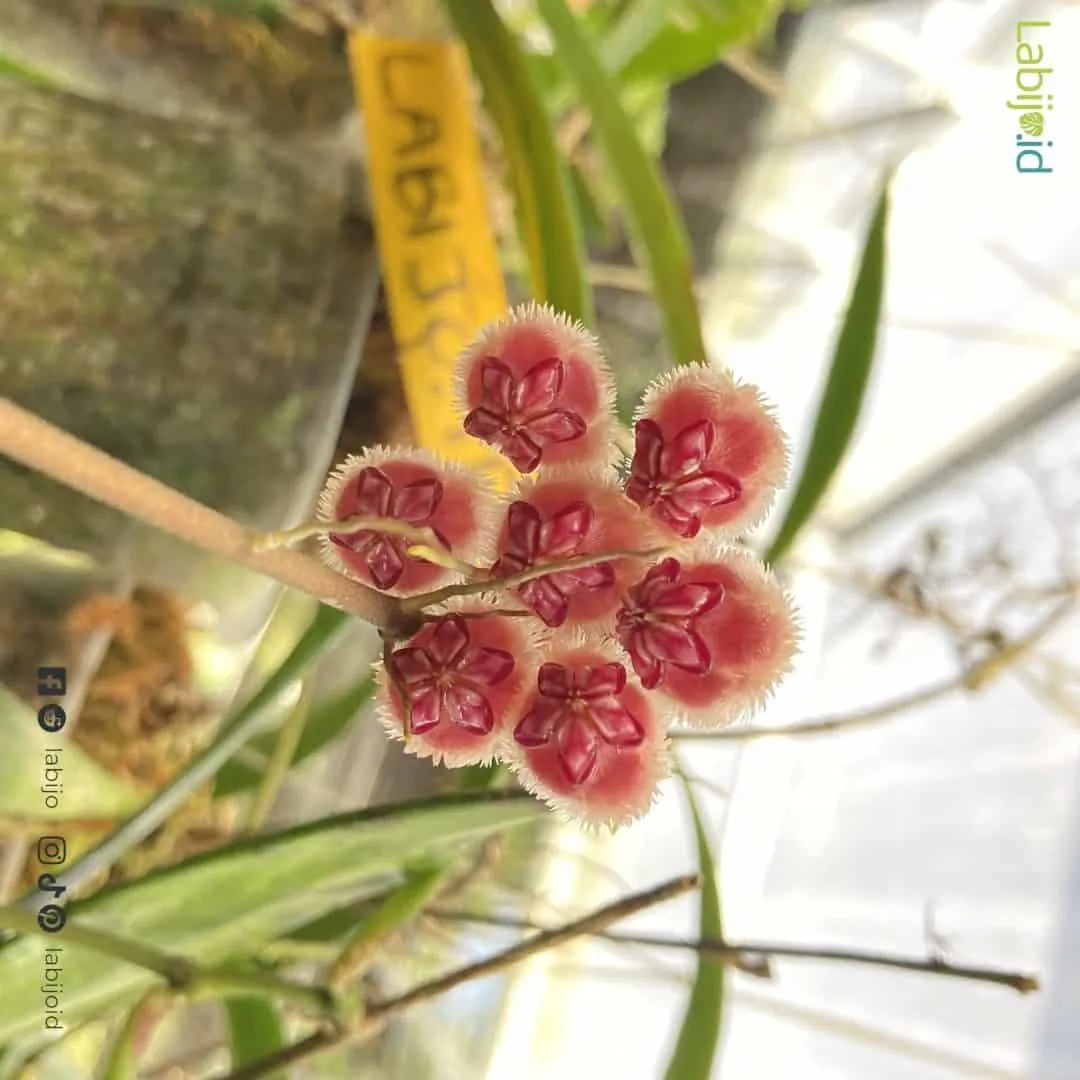
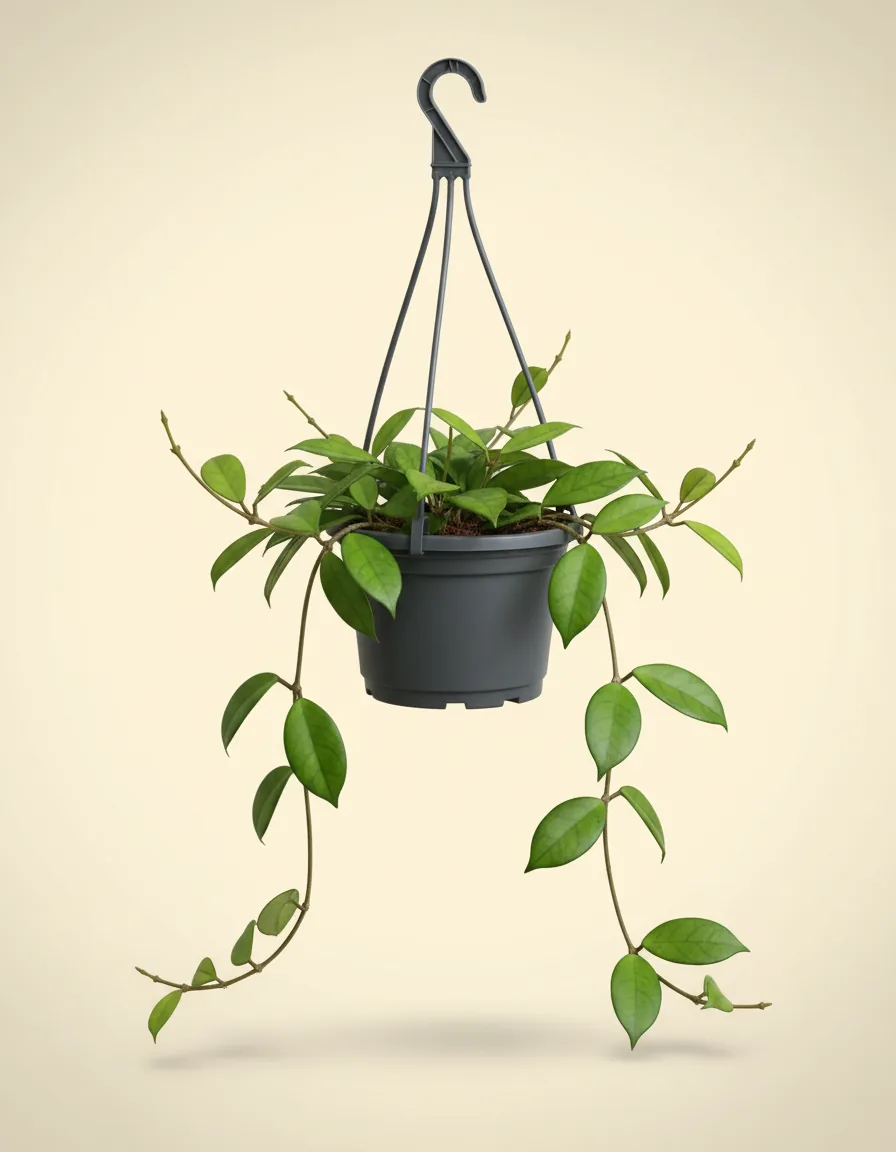
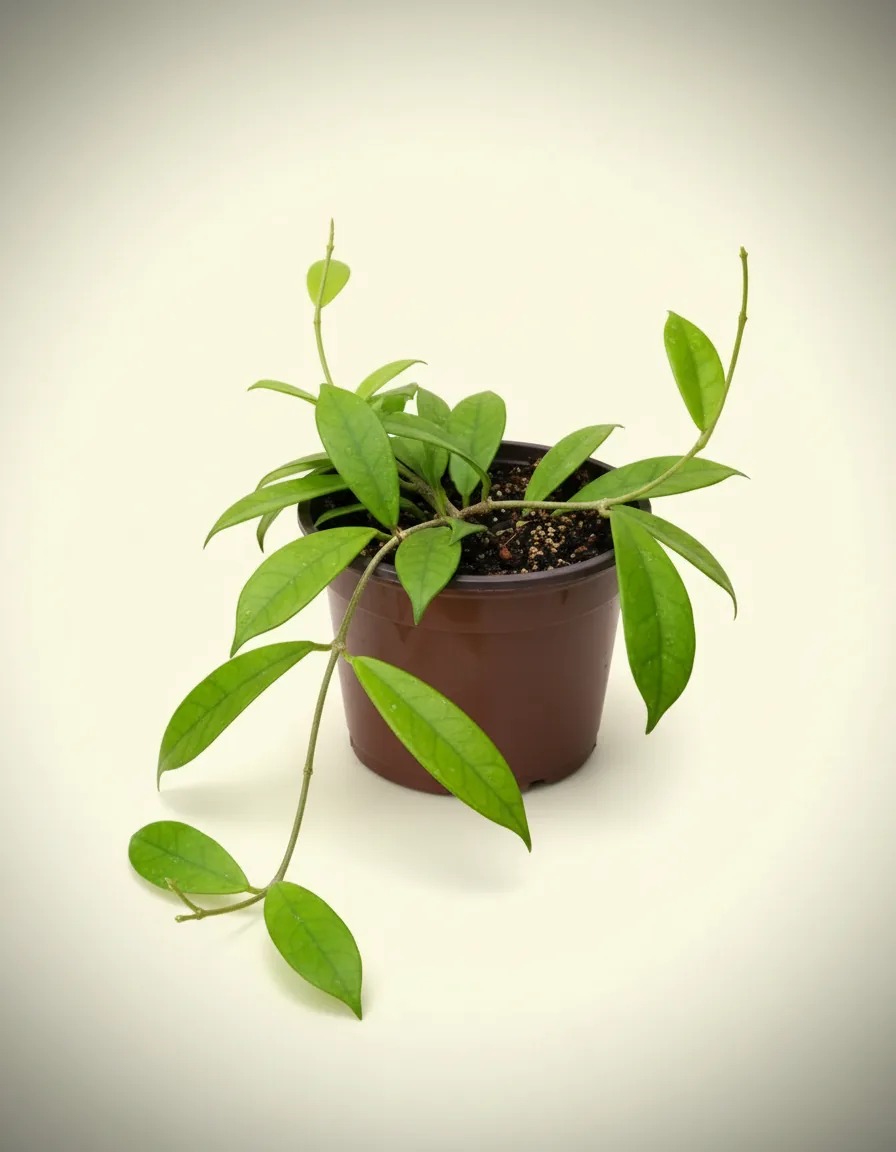
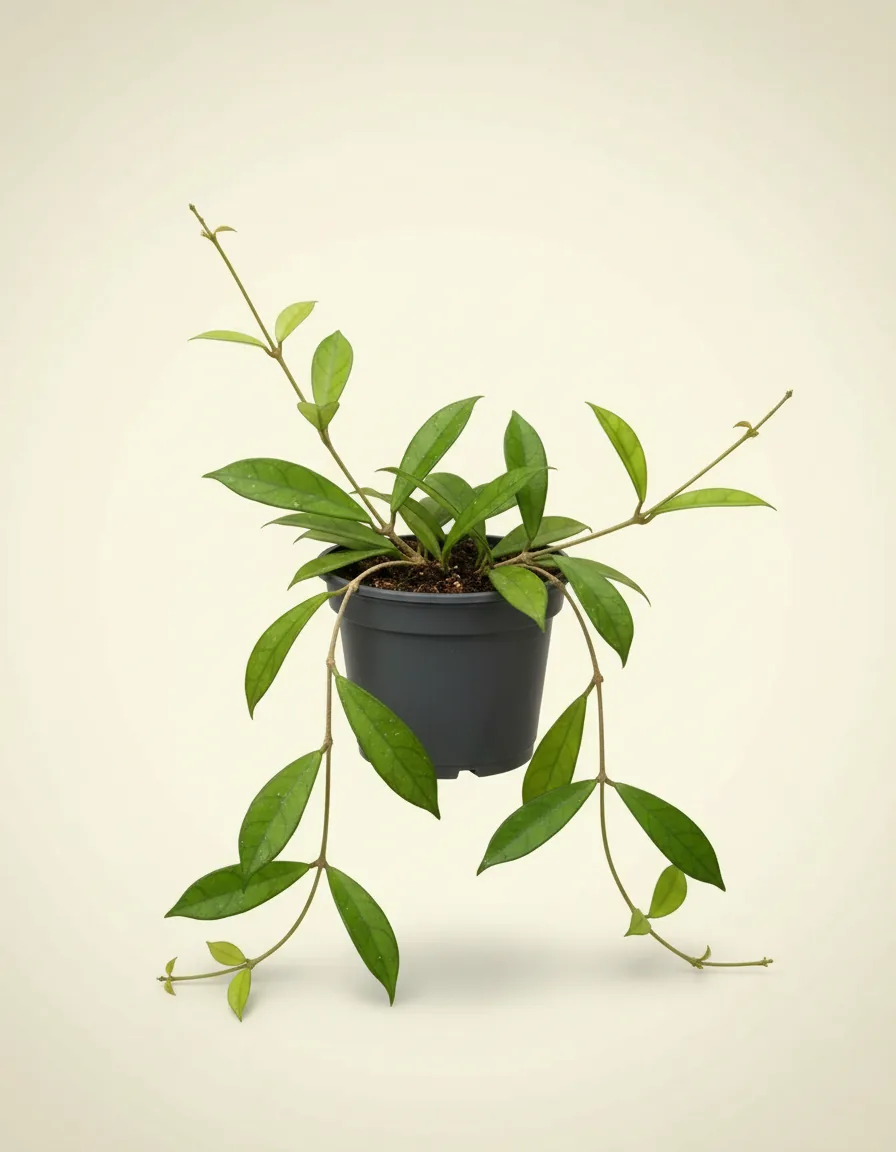
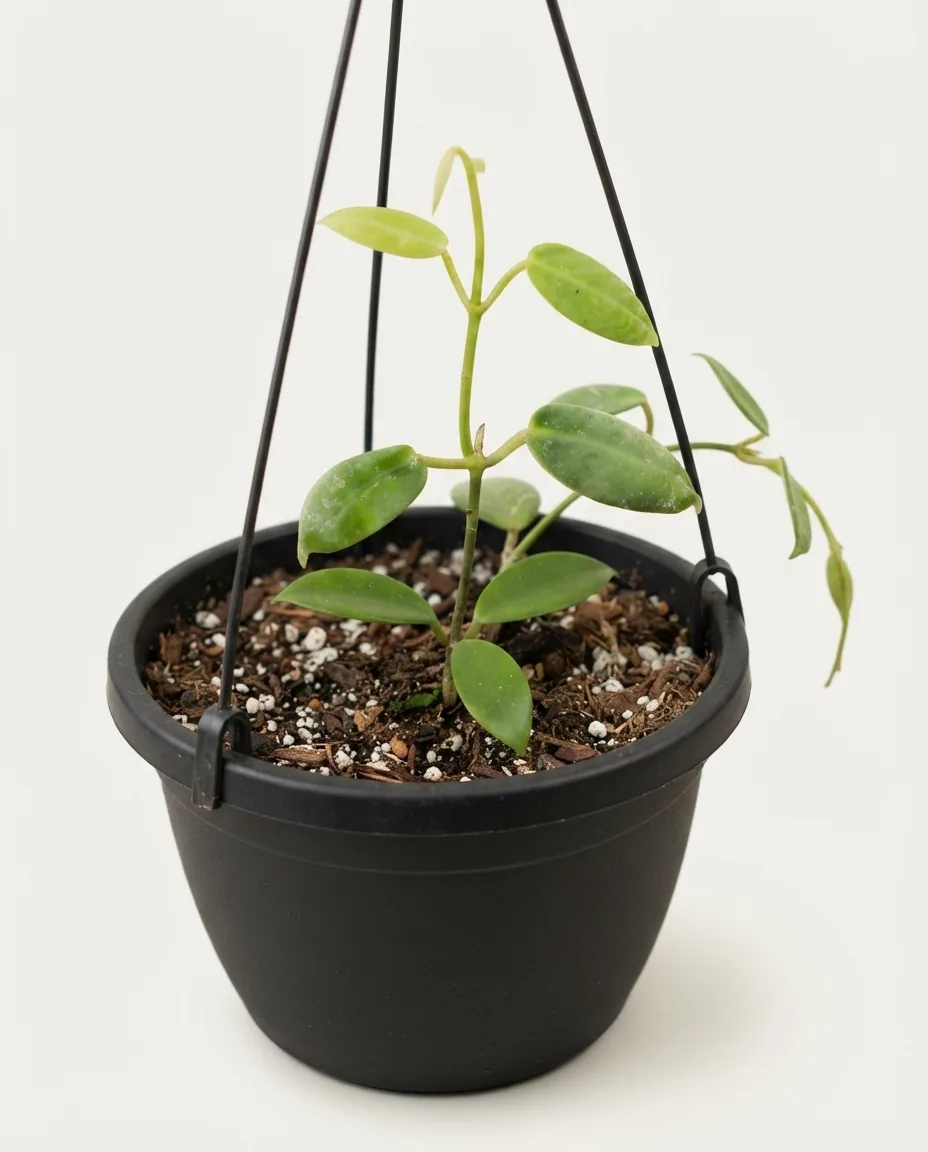
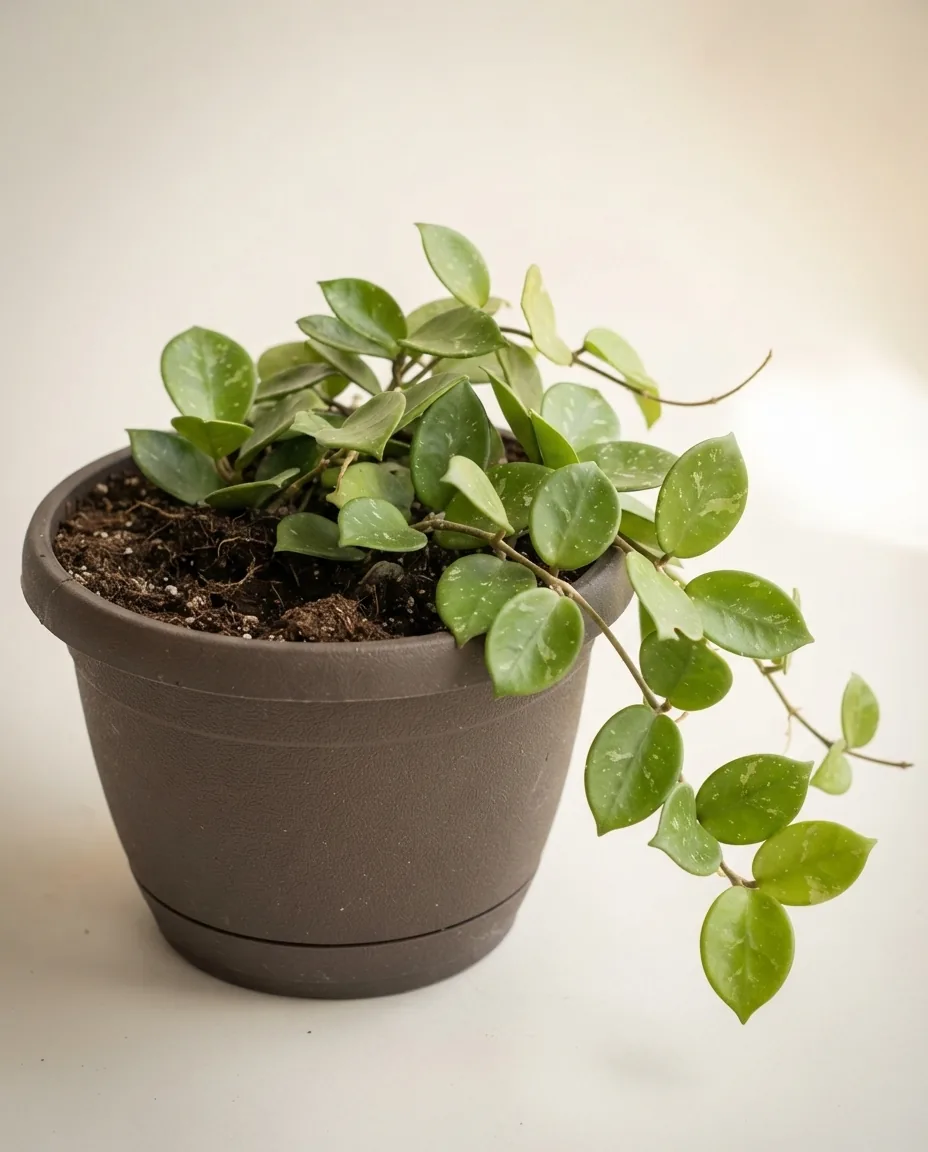
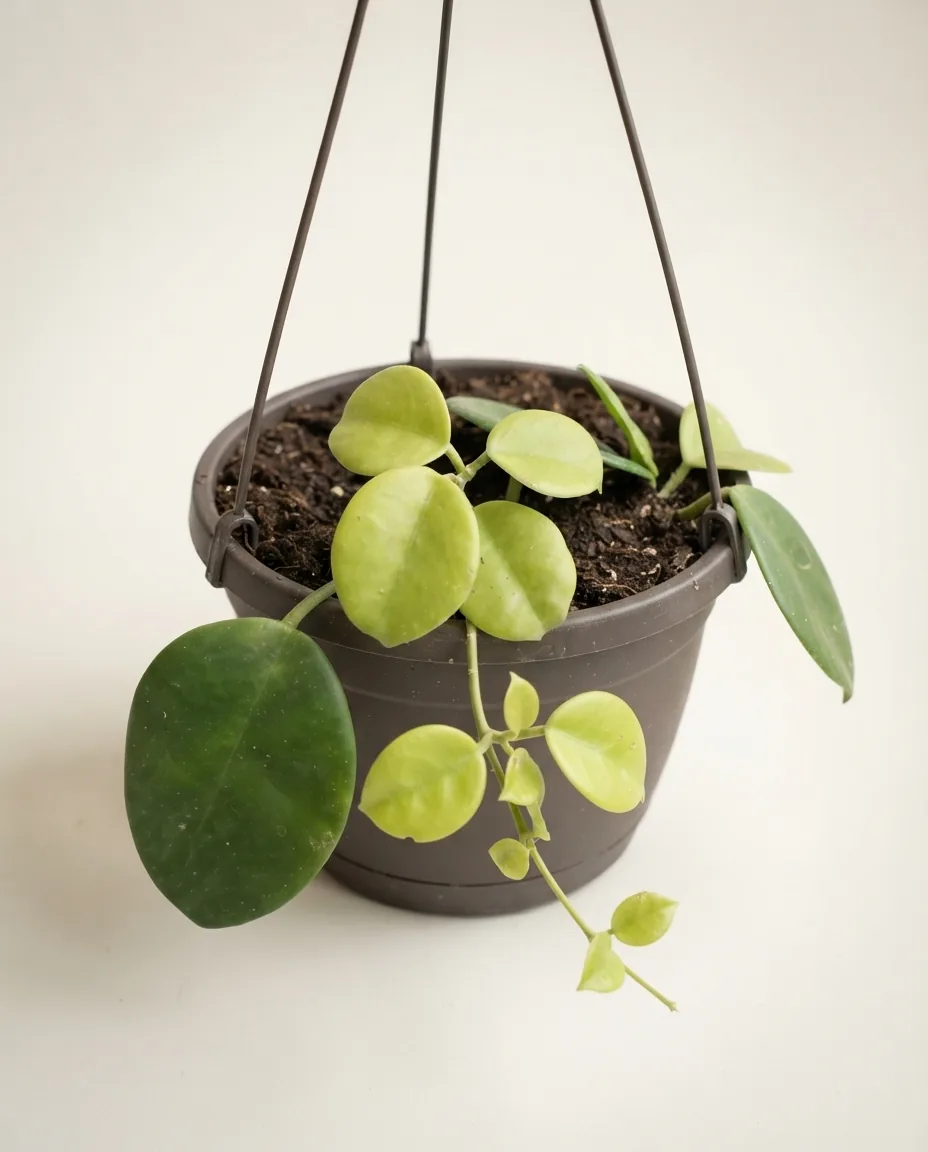
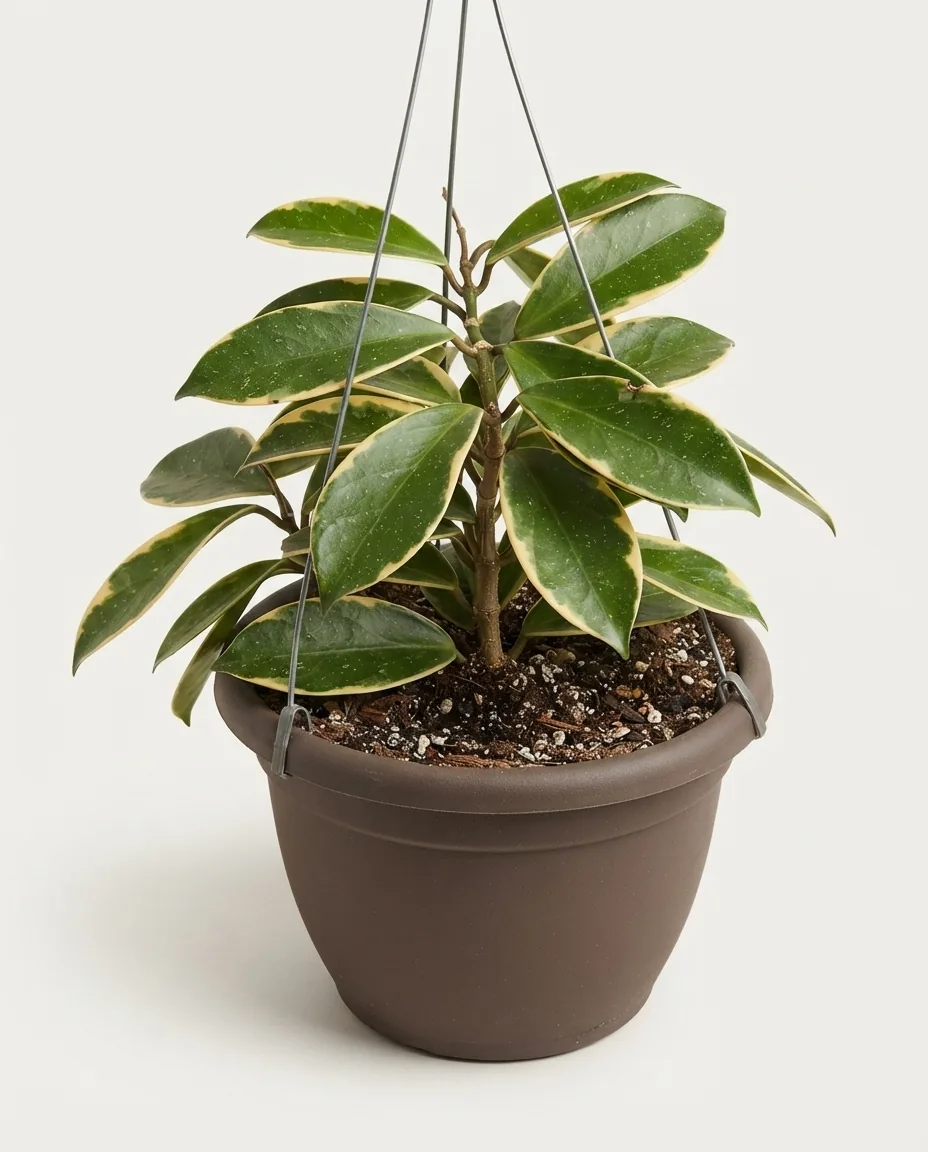
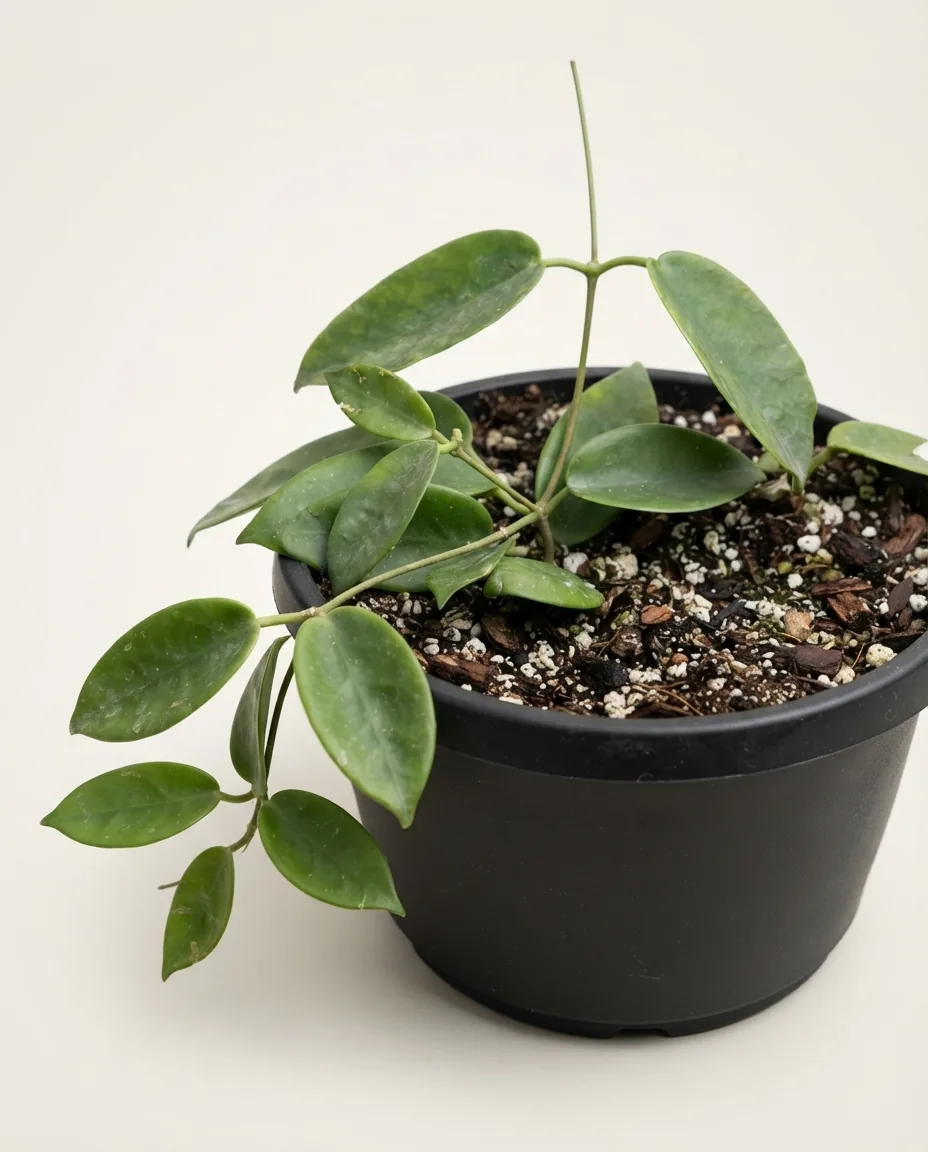
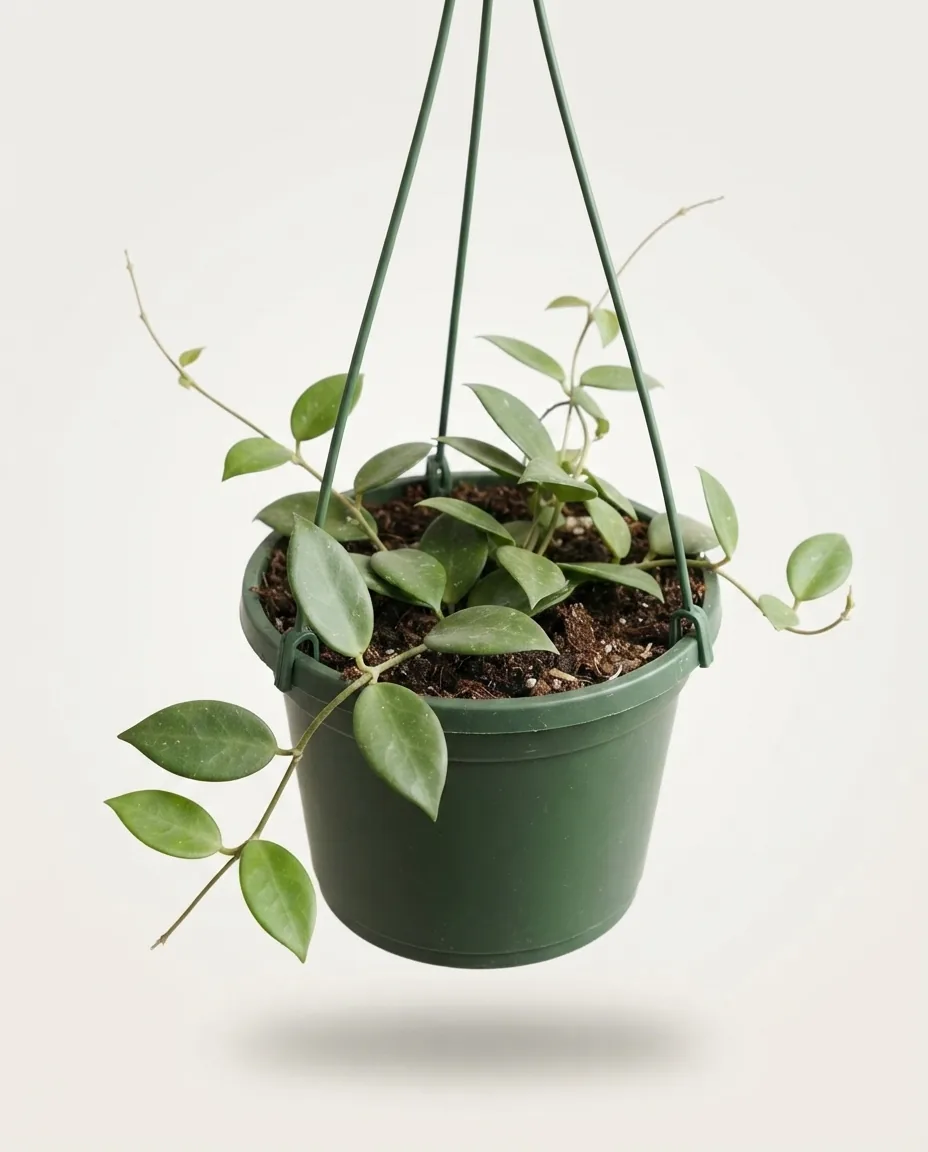
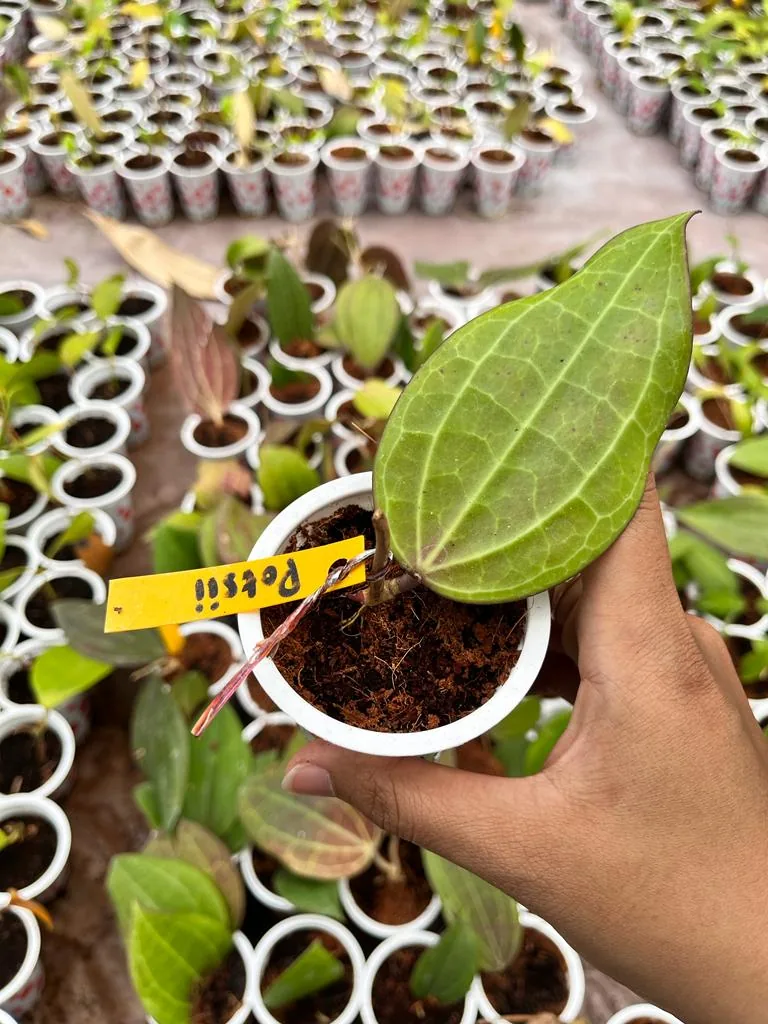
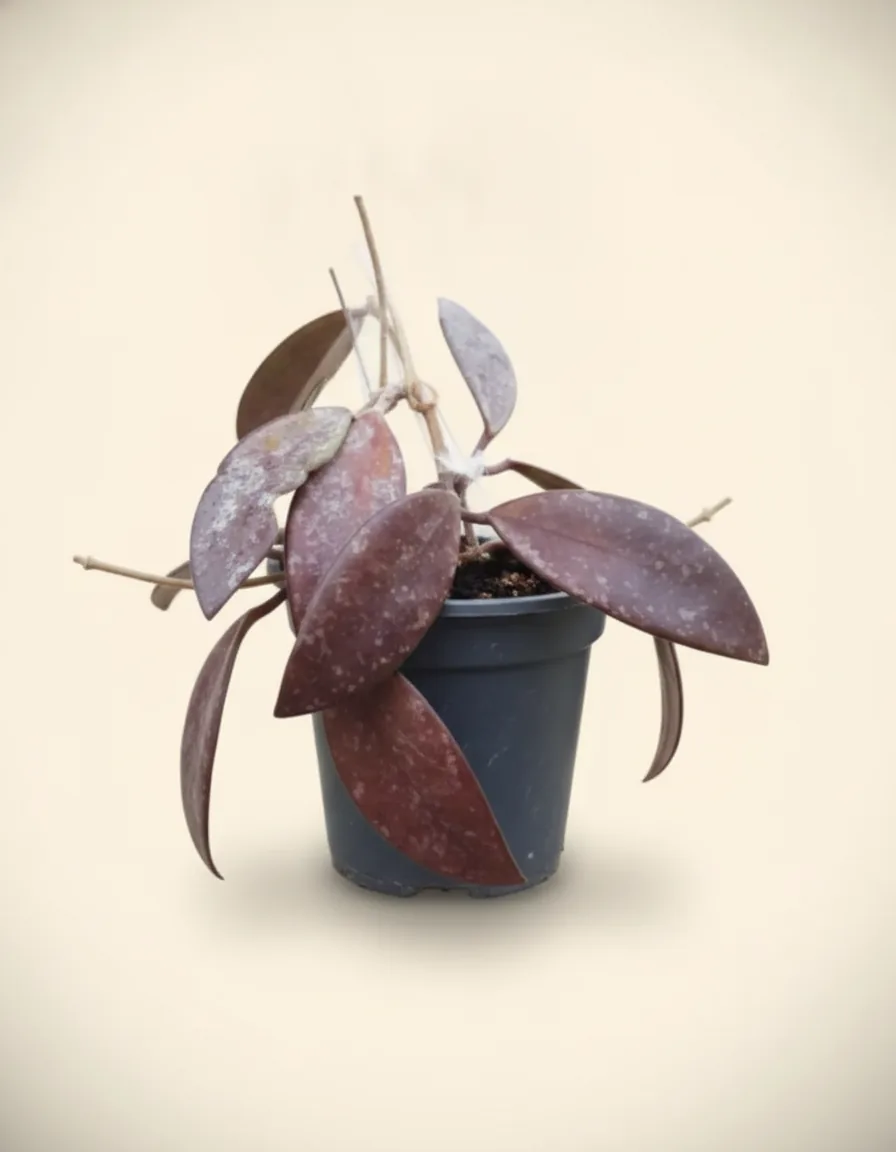
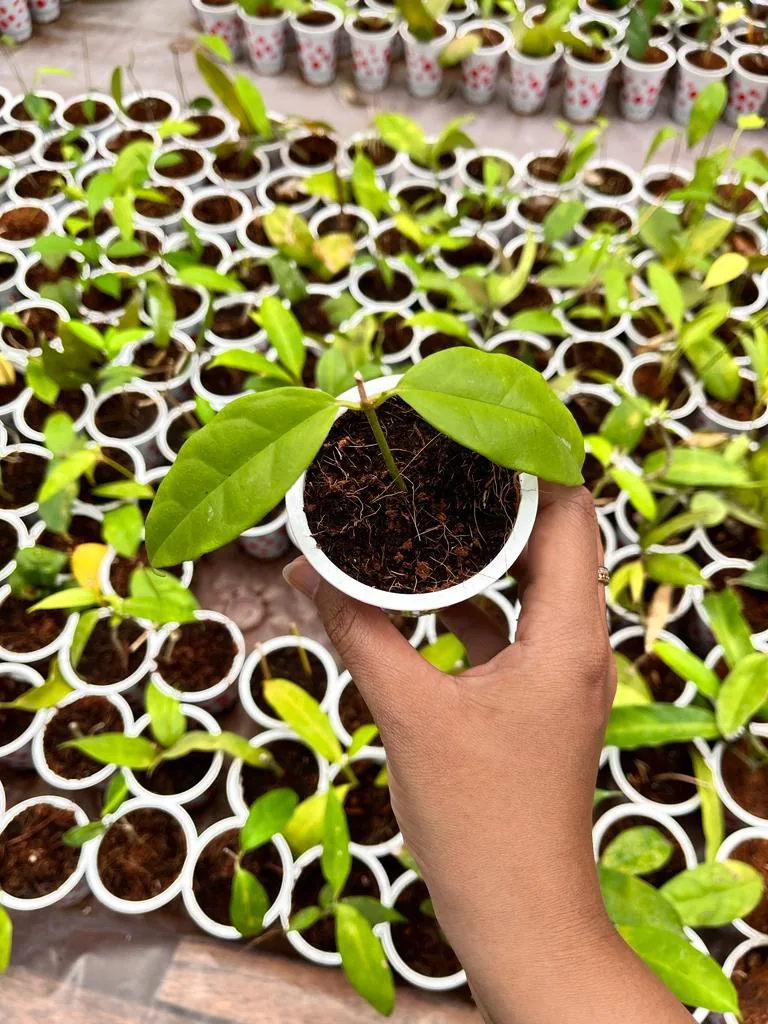
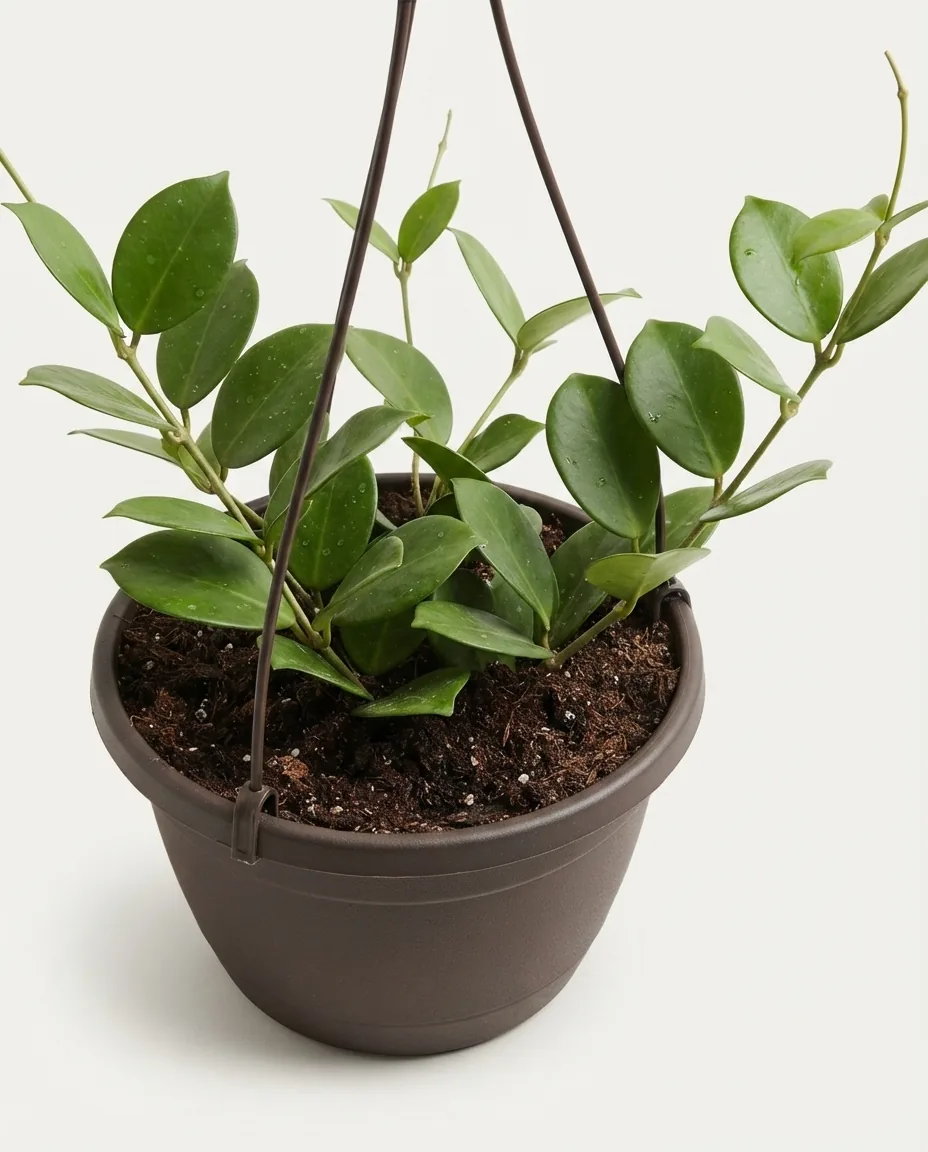
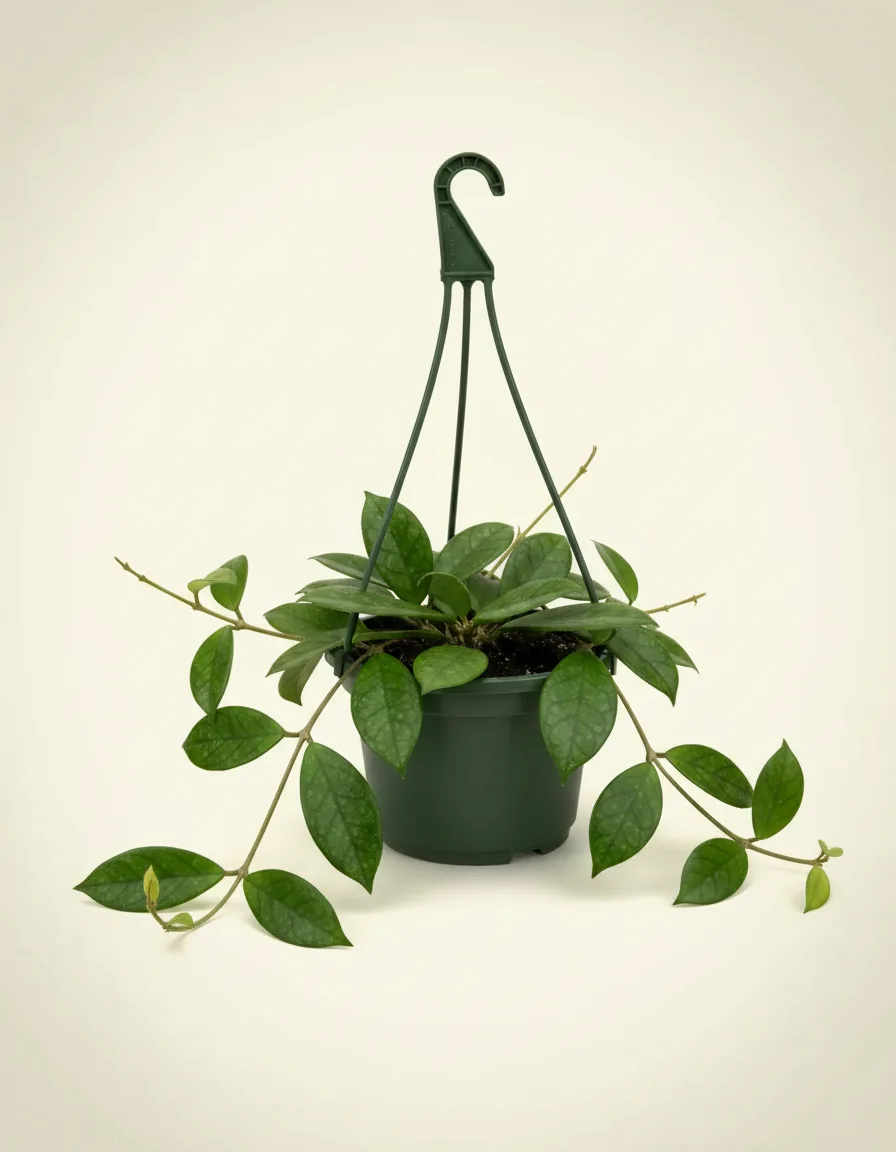
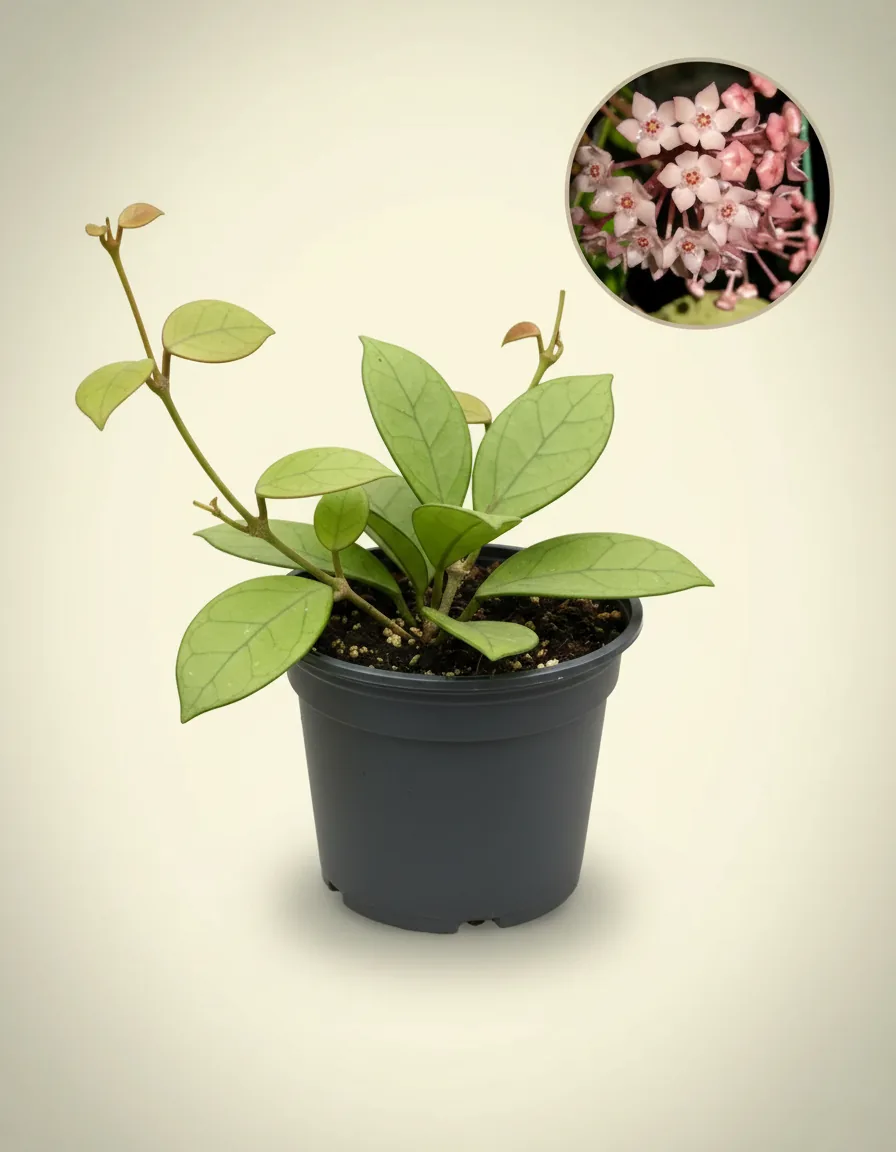
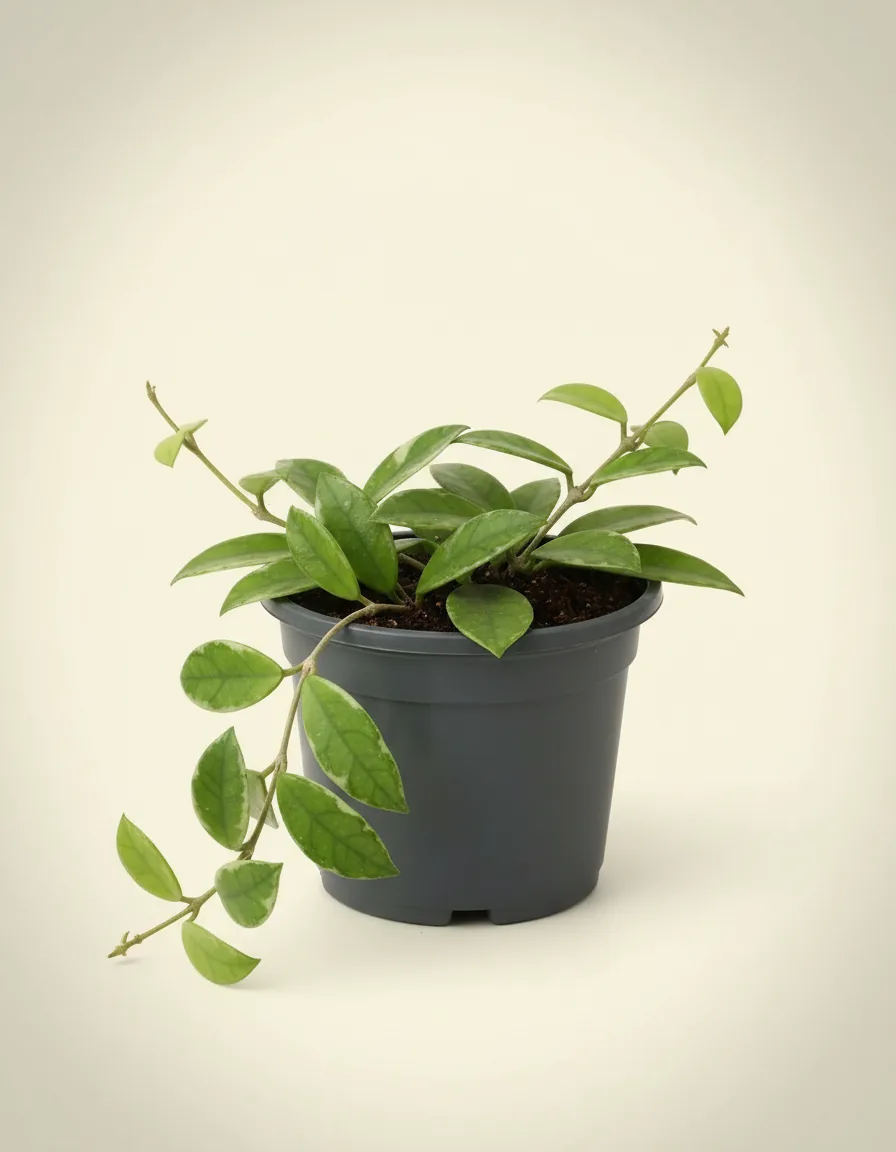
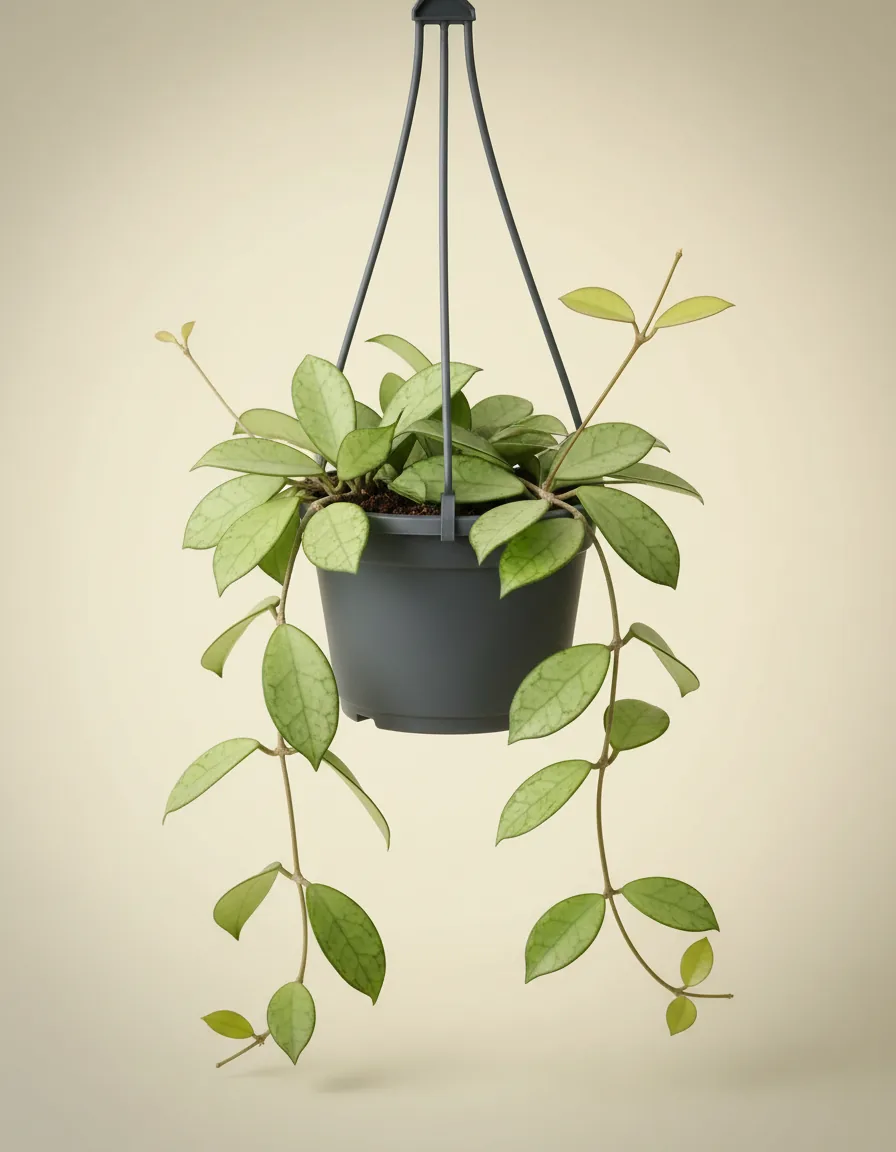
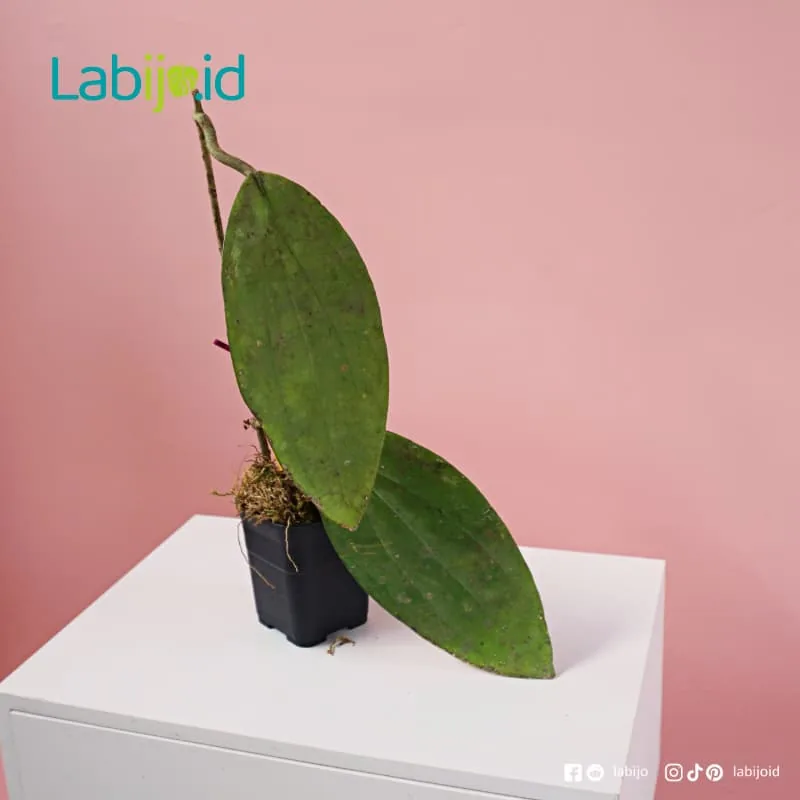
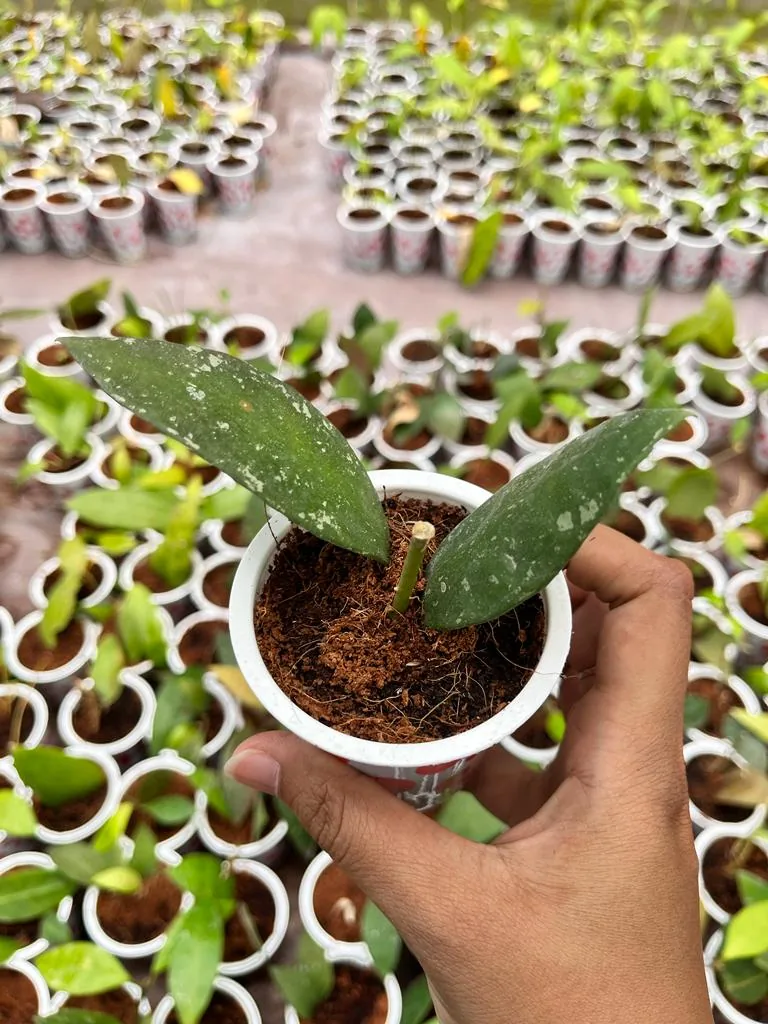
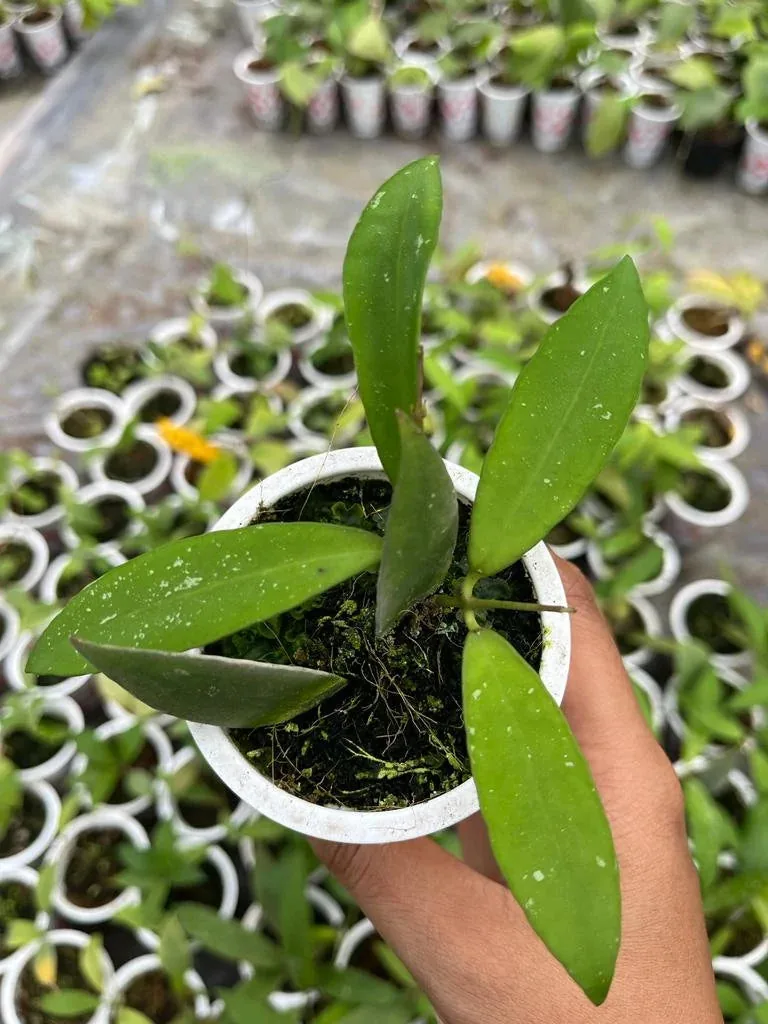
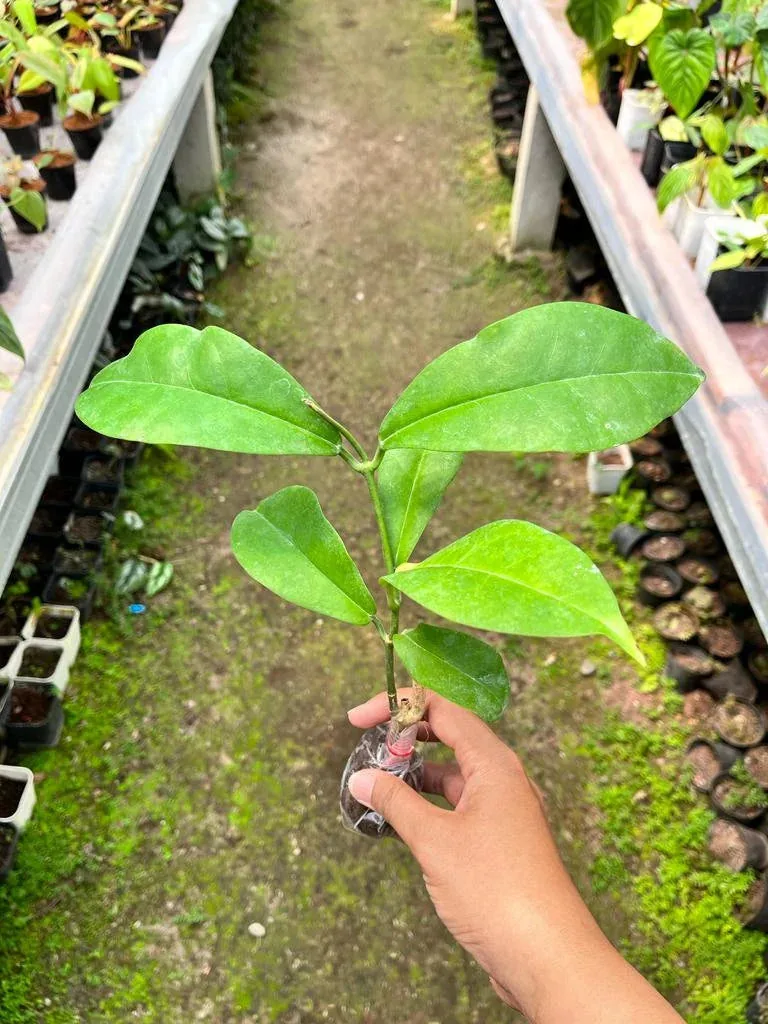
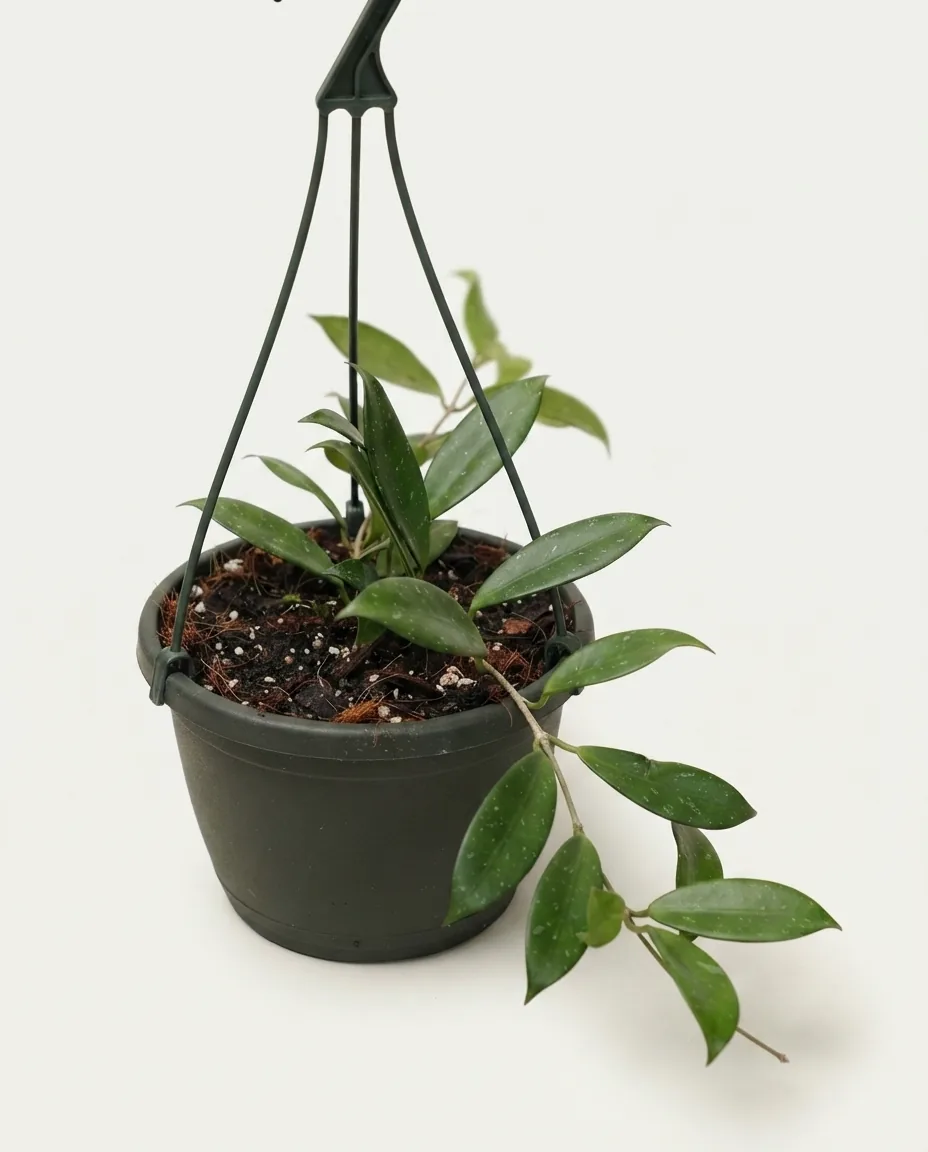
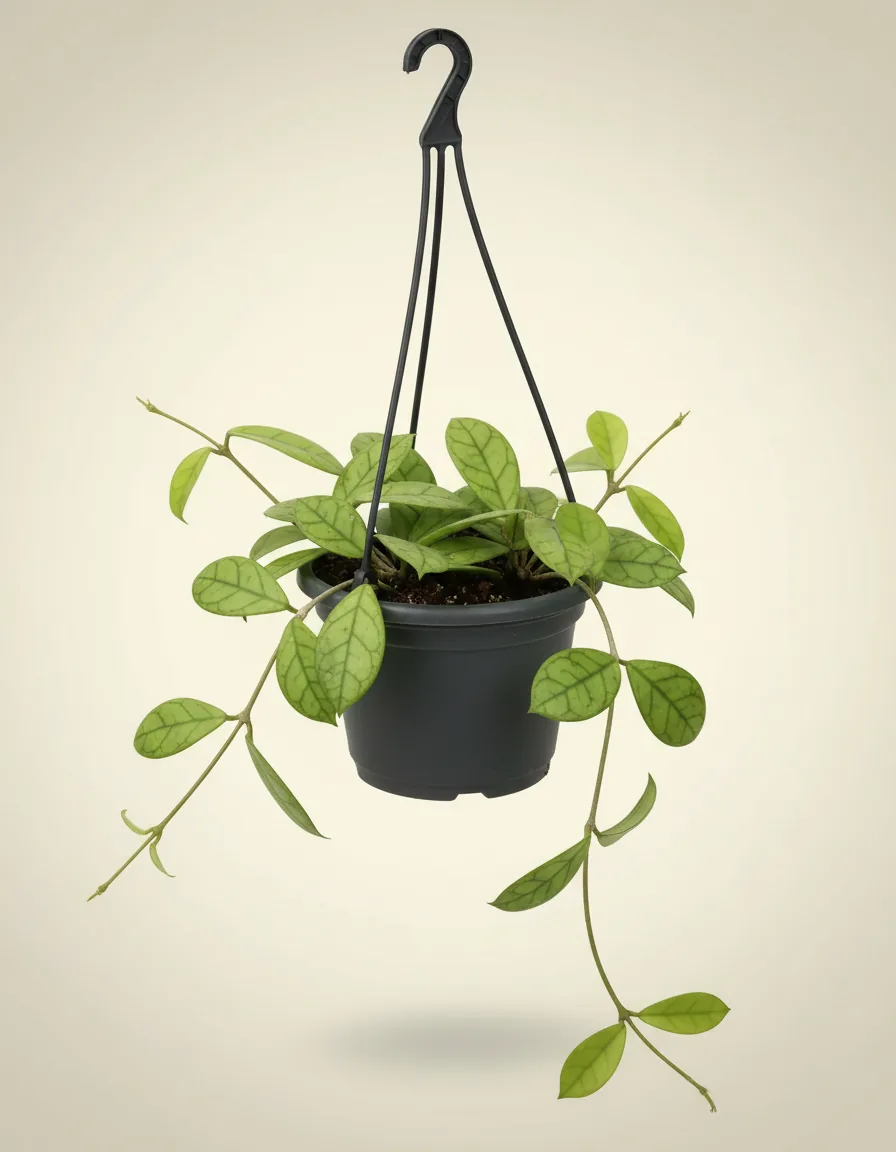
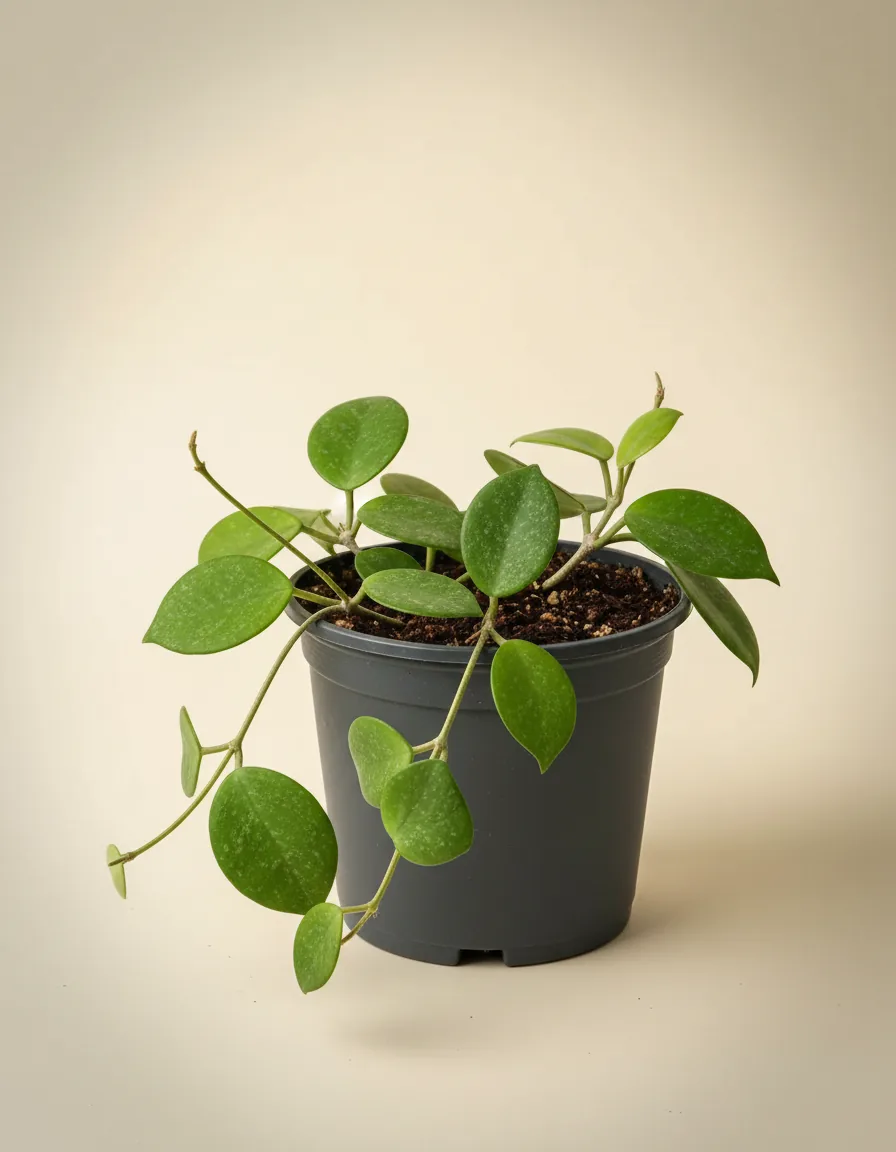
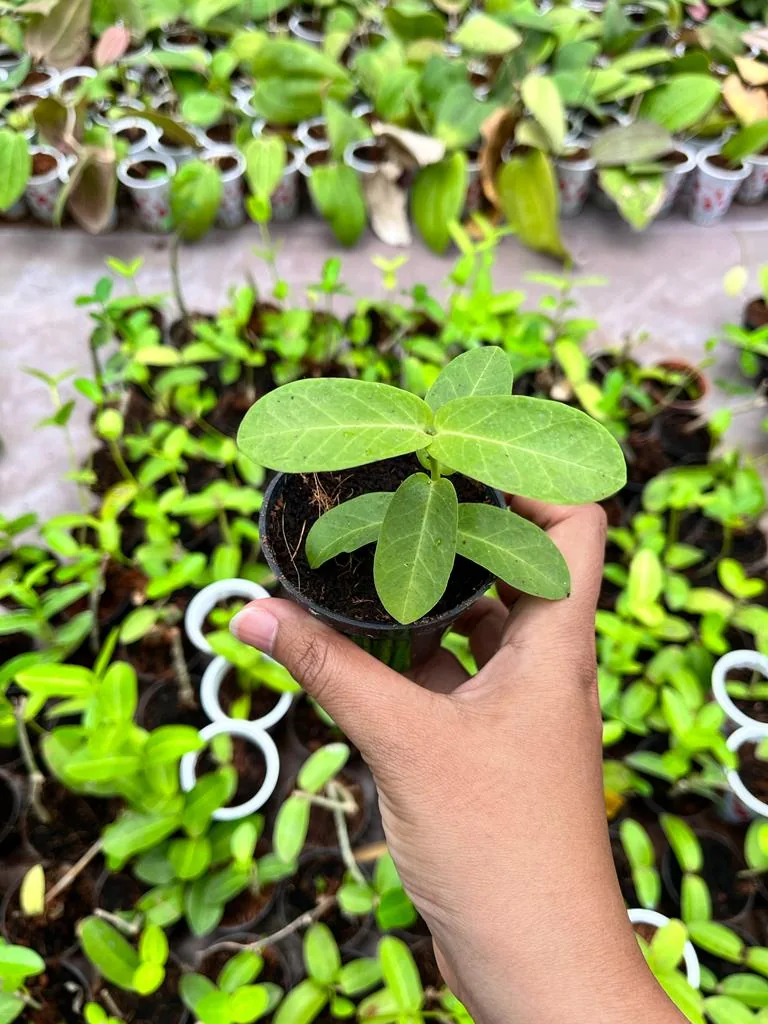
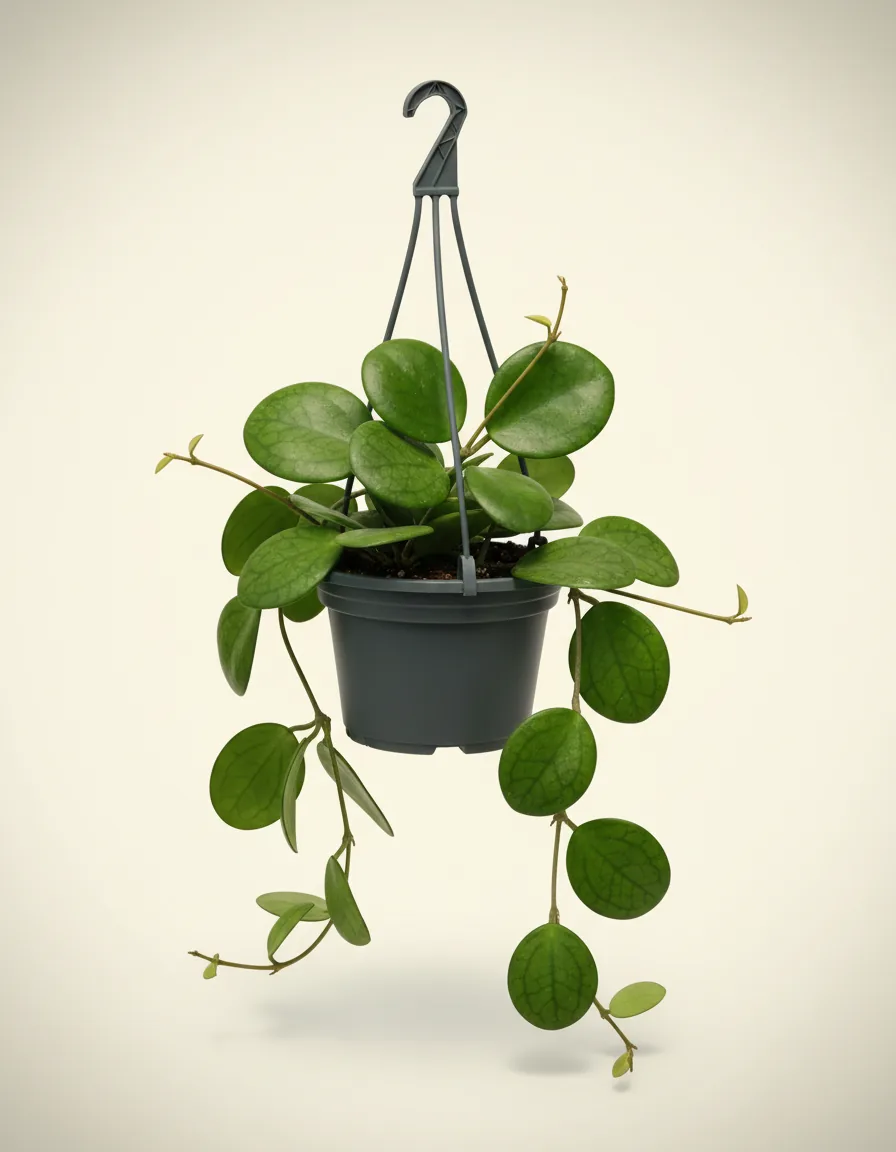
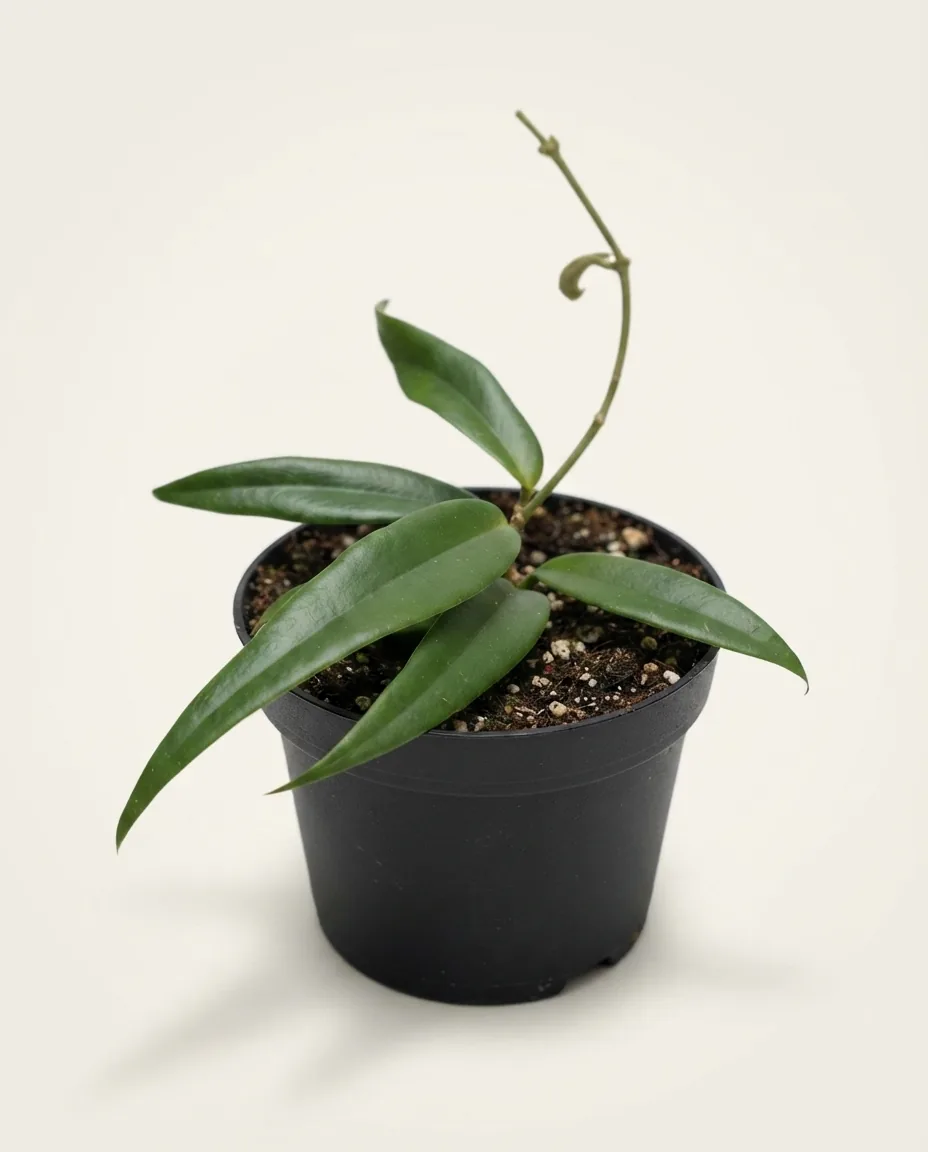
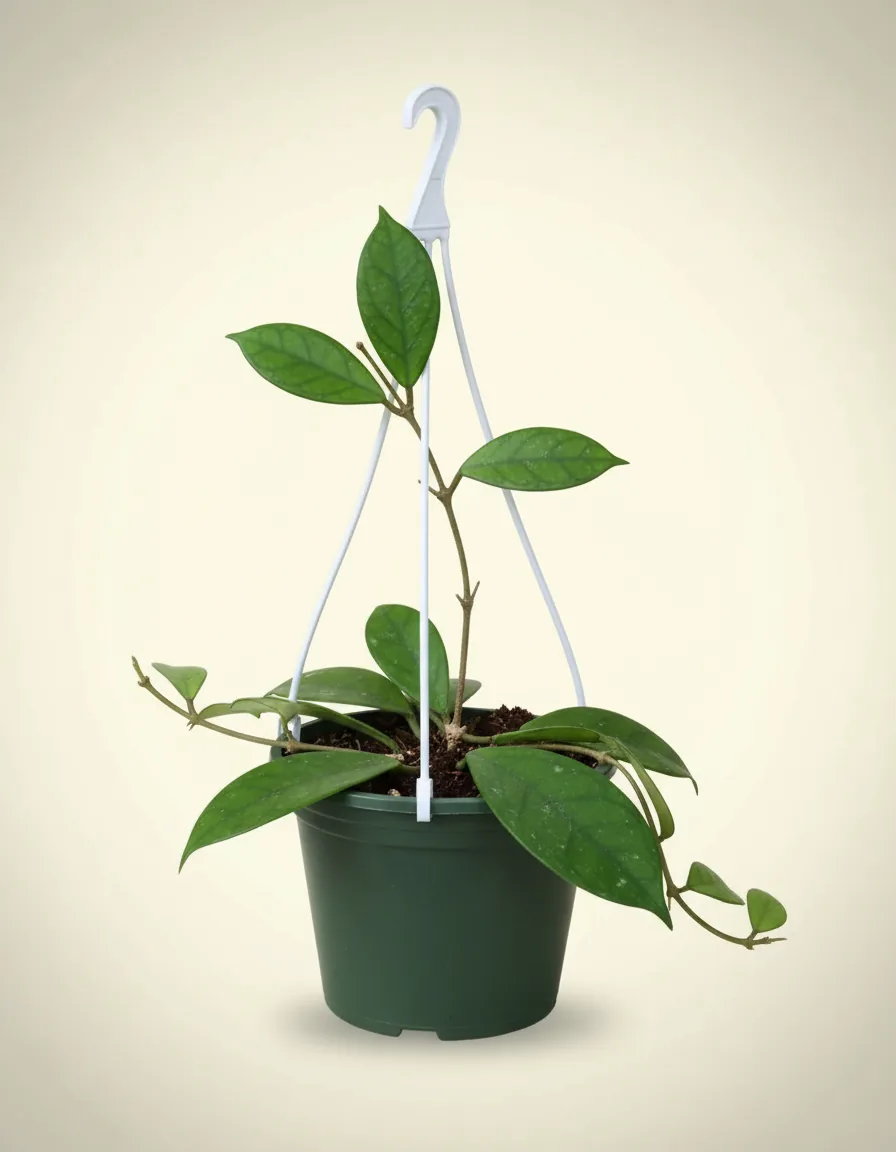
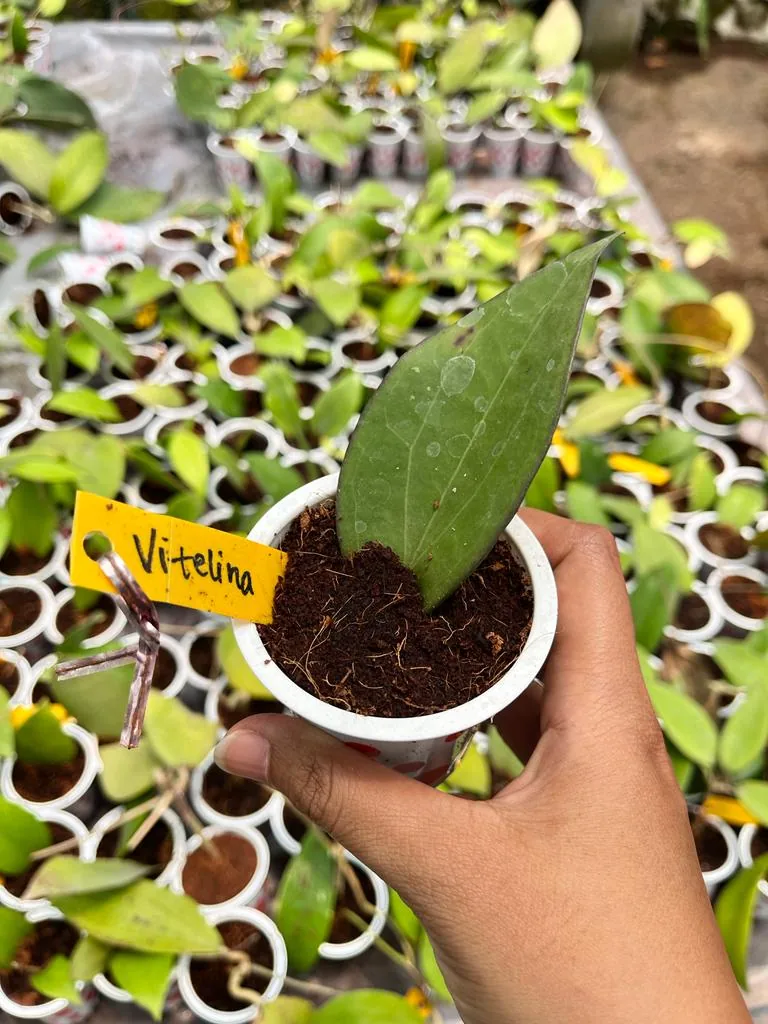
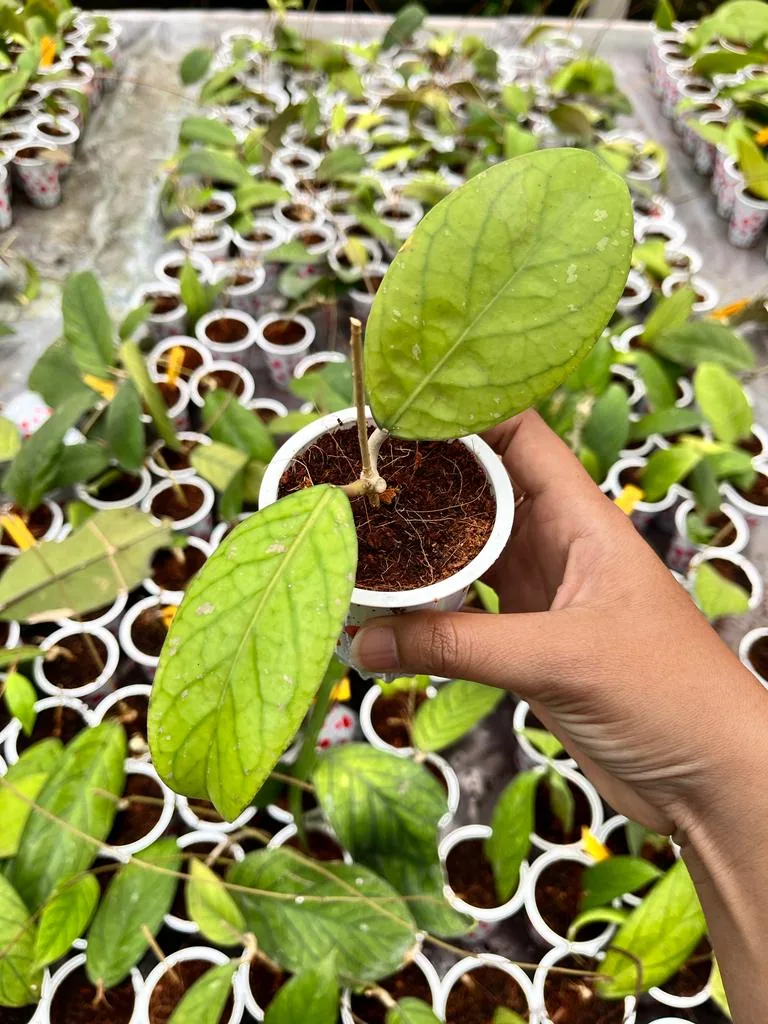
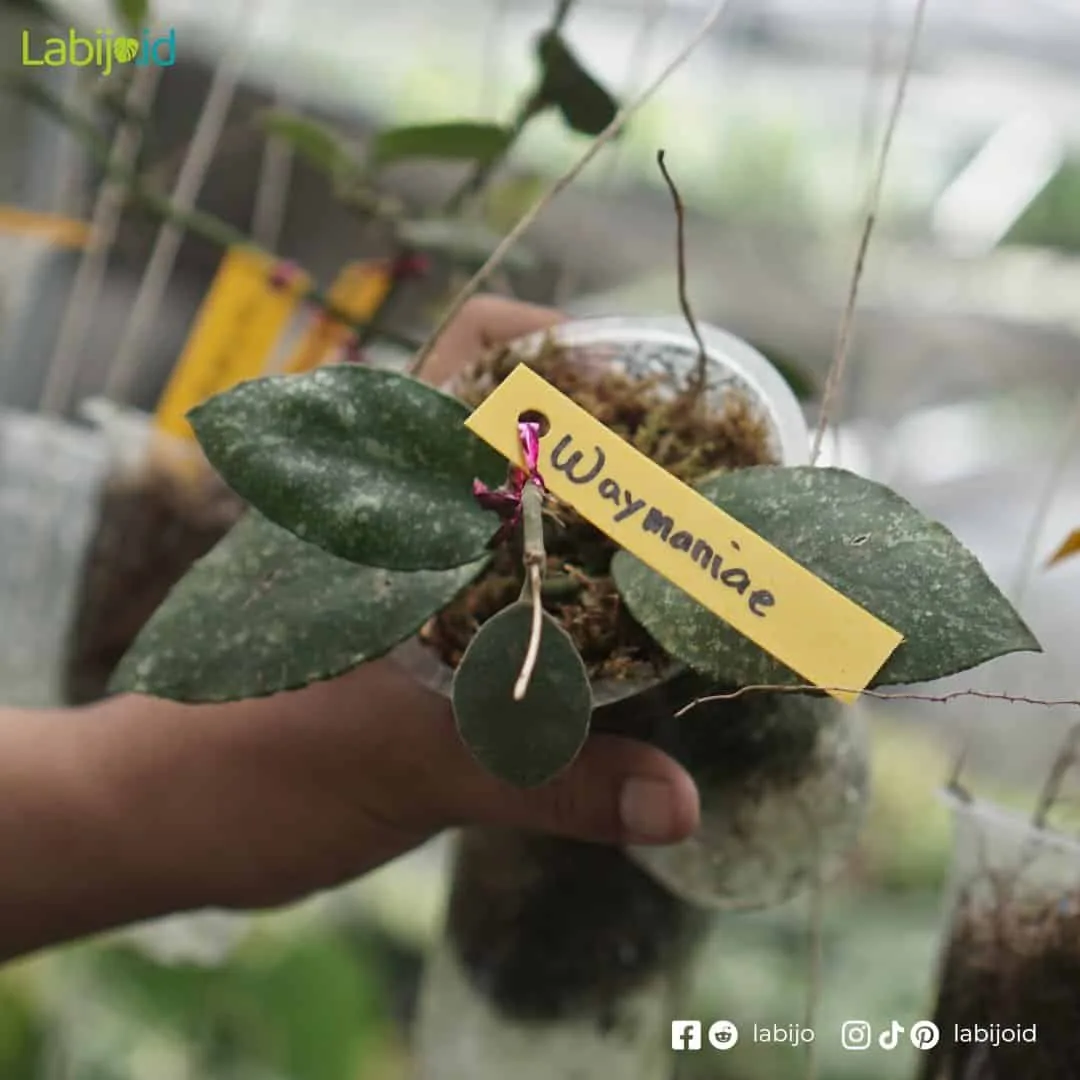
77 export-ready lines in the genus Hoya (Apocynaceae), dispatched bare-root from East Java with a Barantan Phytosanitary Certificate per consignment. Buyer profile: hoya collectors, epiphyte specialists, propagation nurseries.
Lines Available
77 SKUs
Export-graded specimens
Price Band
$5 – $20
FOB Juanda Airport (SUB)
Documentation
Barantan PC
Issued after official inspection and approval
Dispatch Point
East Java
Acclimatised nursery stock
Hoya Sourcing & Taxonomic Notes
Taxonomic Classification: Apocynaceae
Hoya is the largest genus in this catalog and the one with the strongest genuine Indonesian claim. Indonesia sits inside the centre of Hoya diversity, and species continue to be described from Sulawesi, Sumatra, Borneo and the Moluccas. A collector searching for a species by name is usually looking for provenance as much as the plant — a Hoya sourced from the island it actually grows on carries a credibility that a greenhouse-grown equivalent does not.
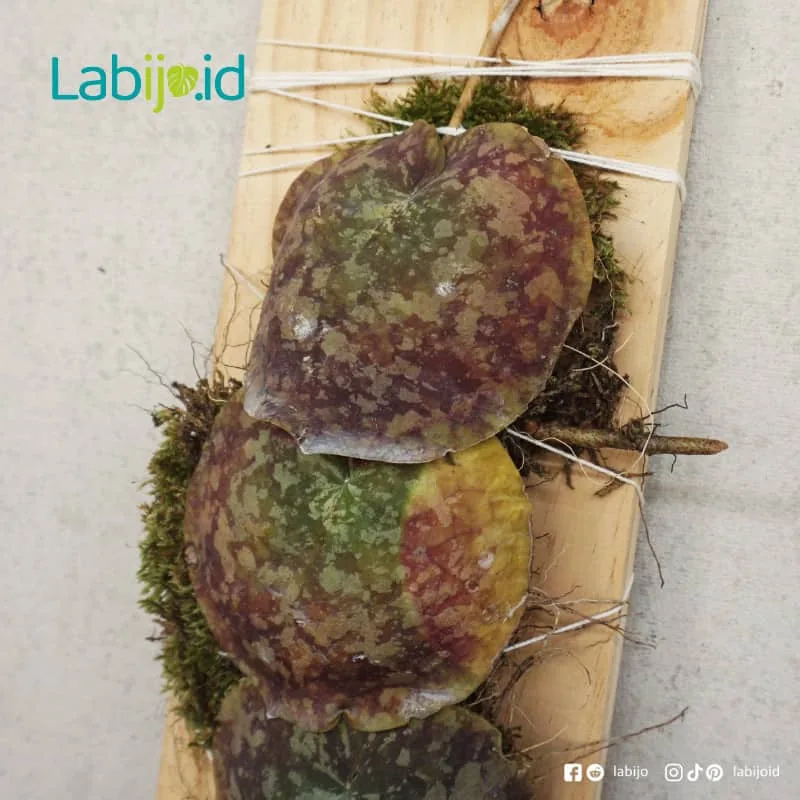
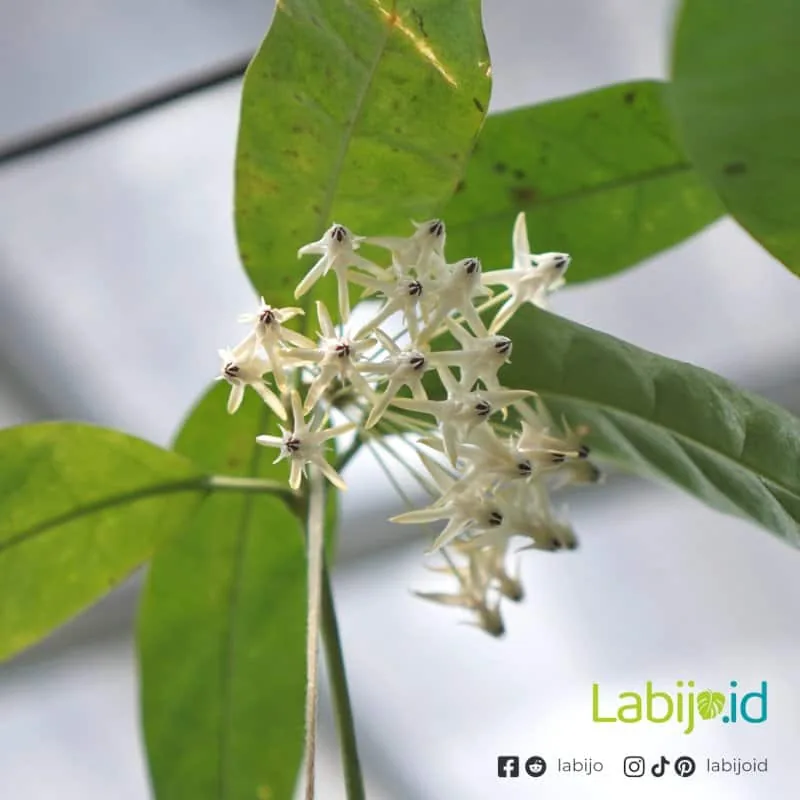
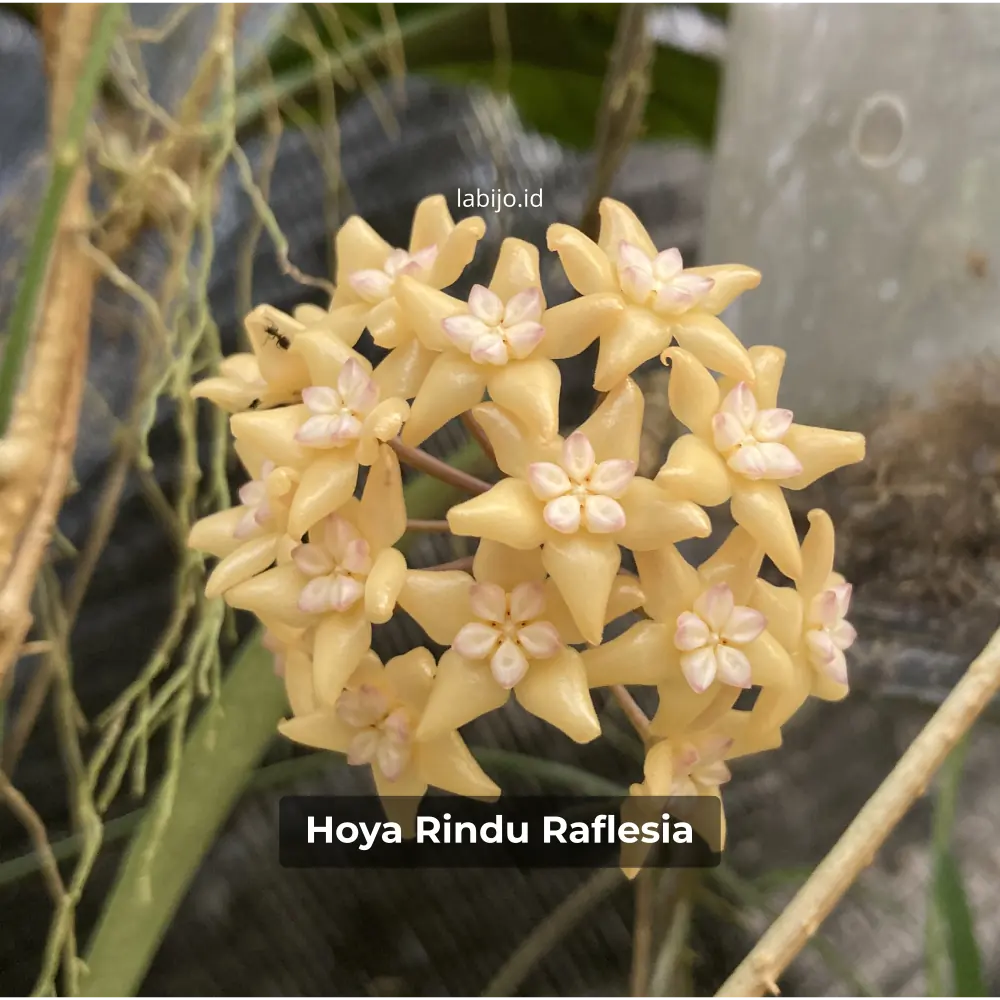
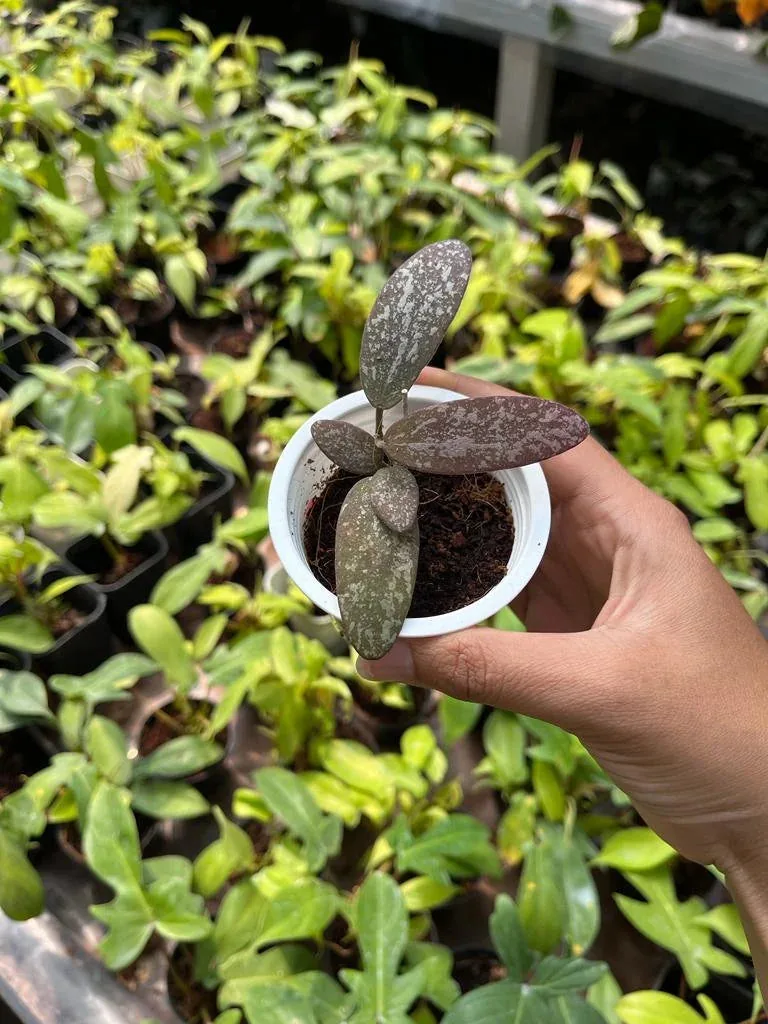
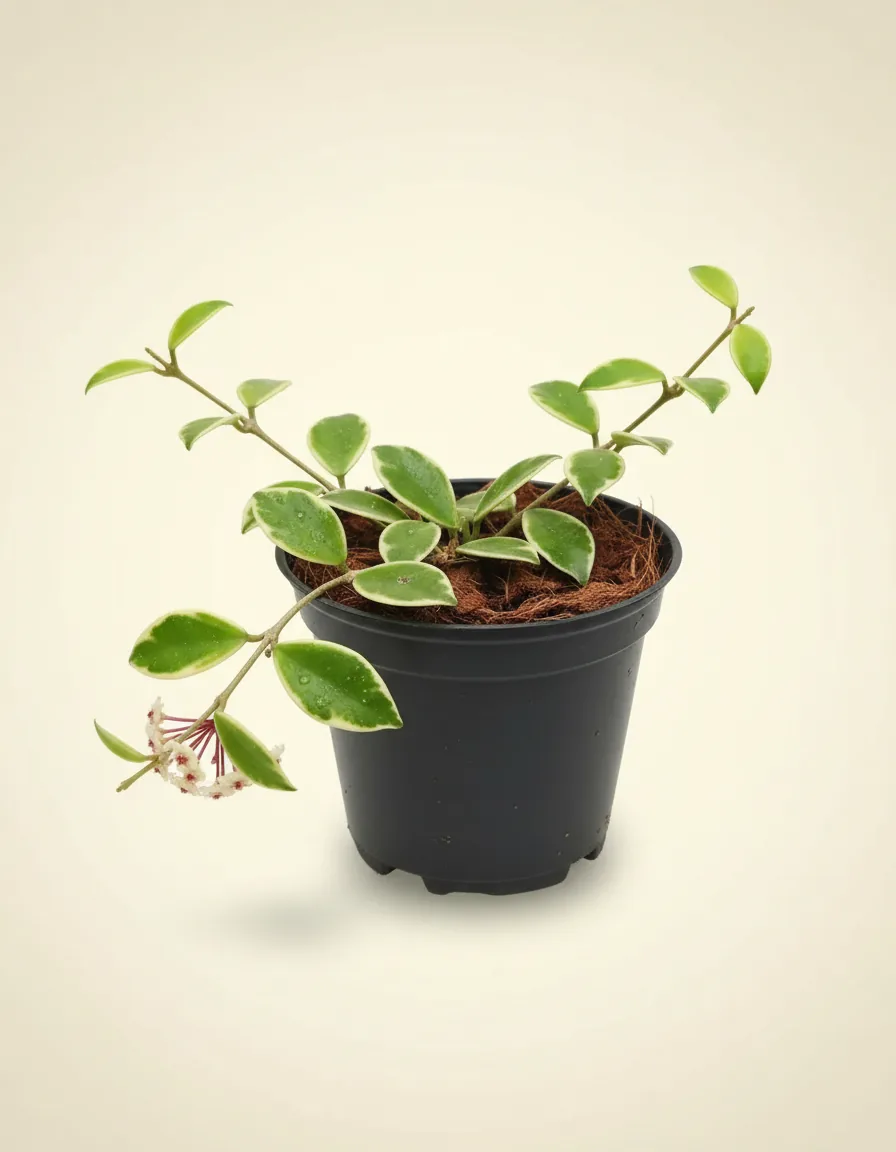
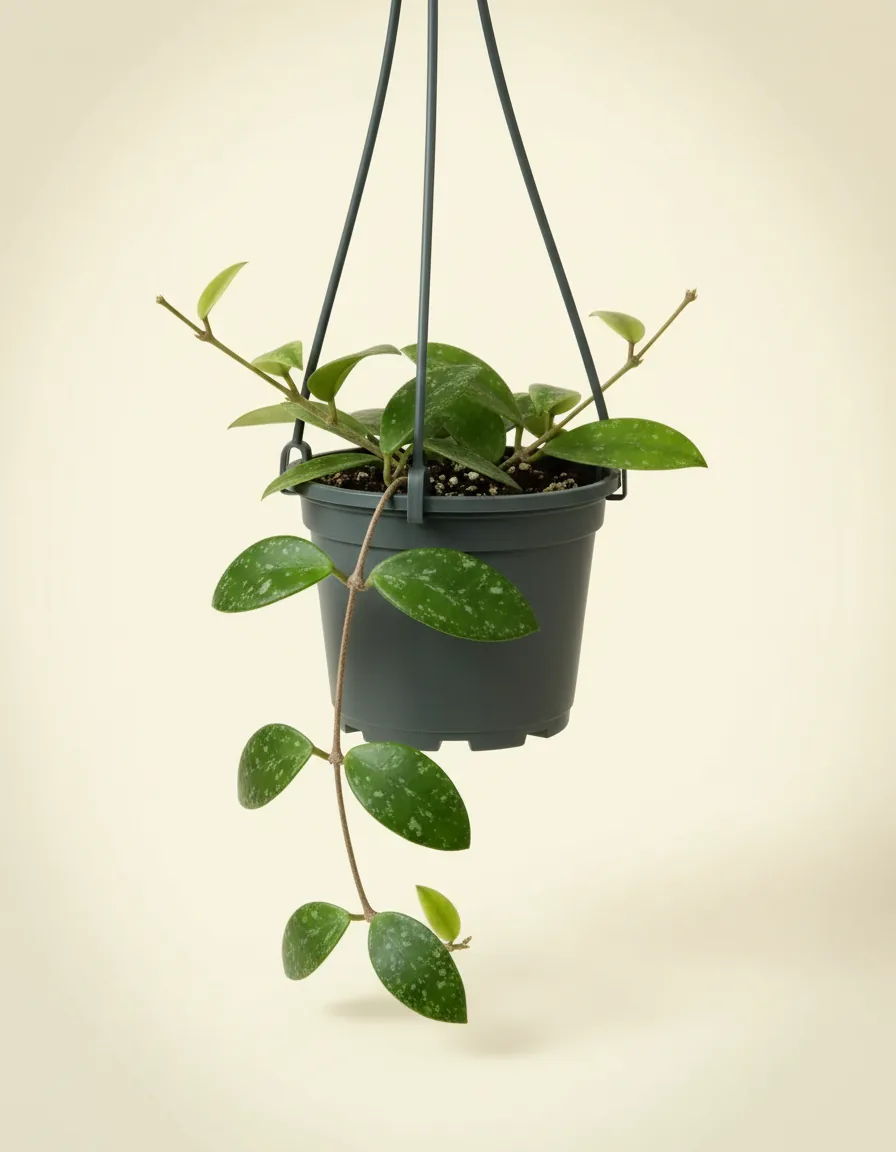
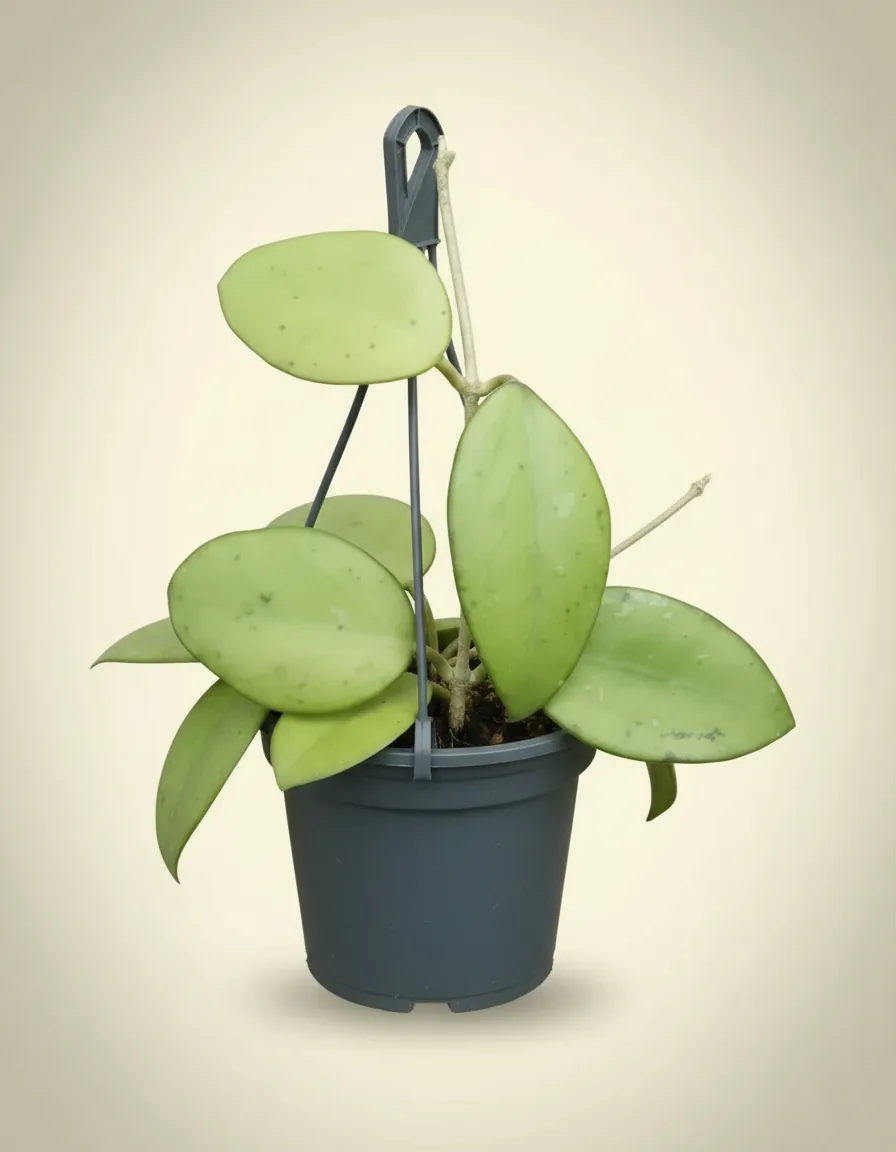
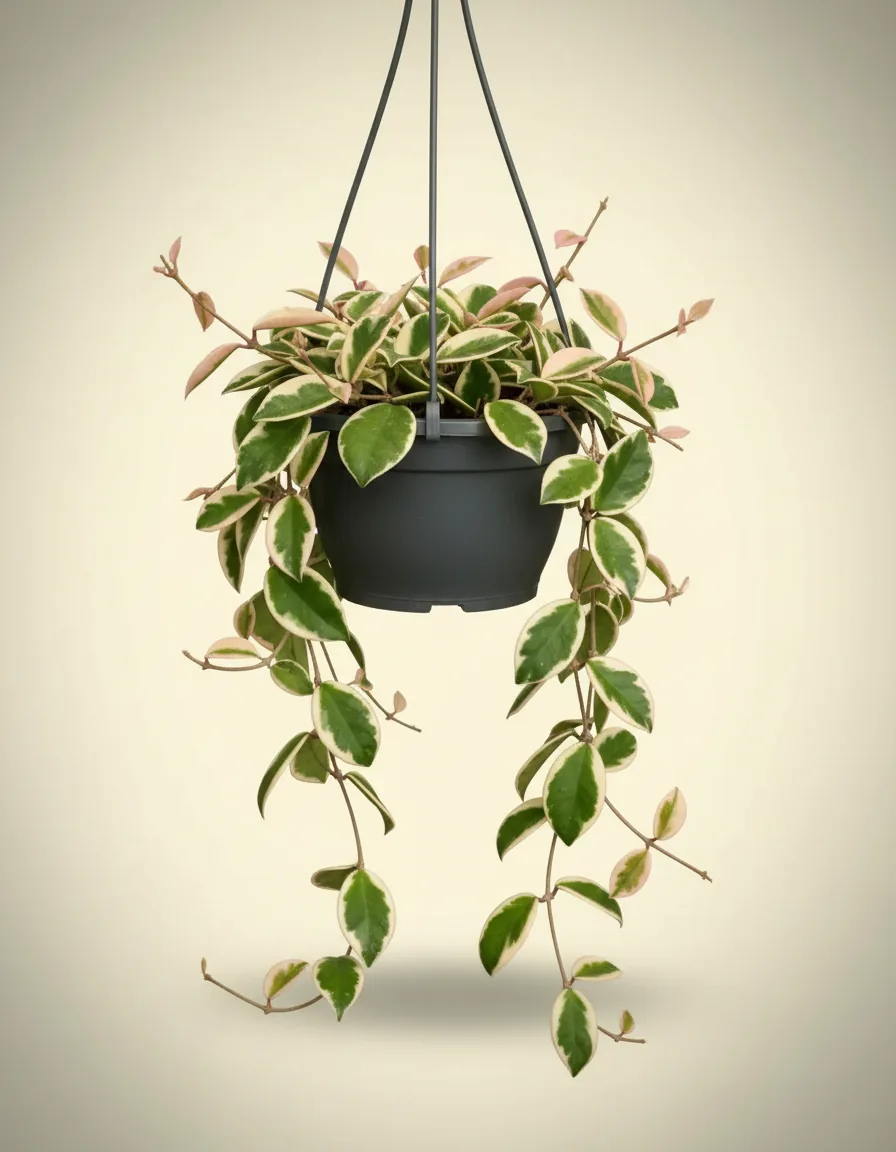
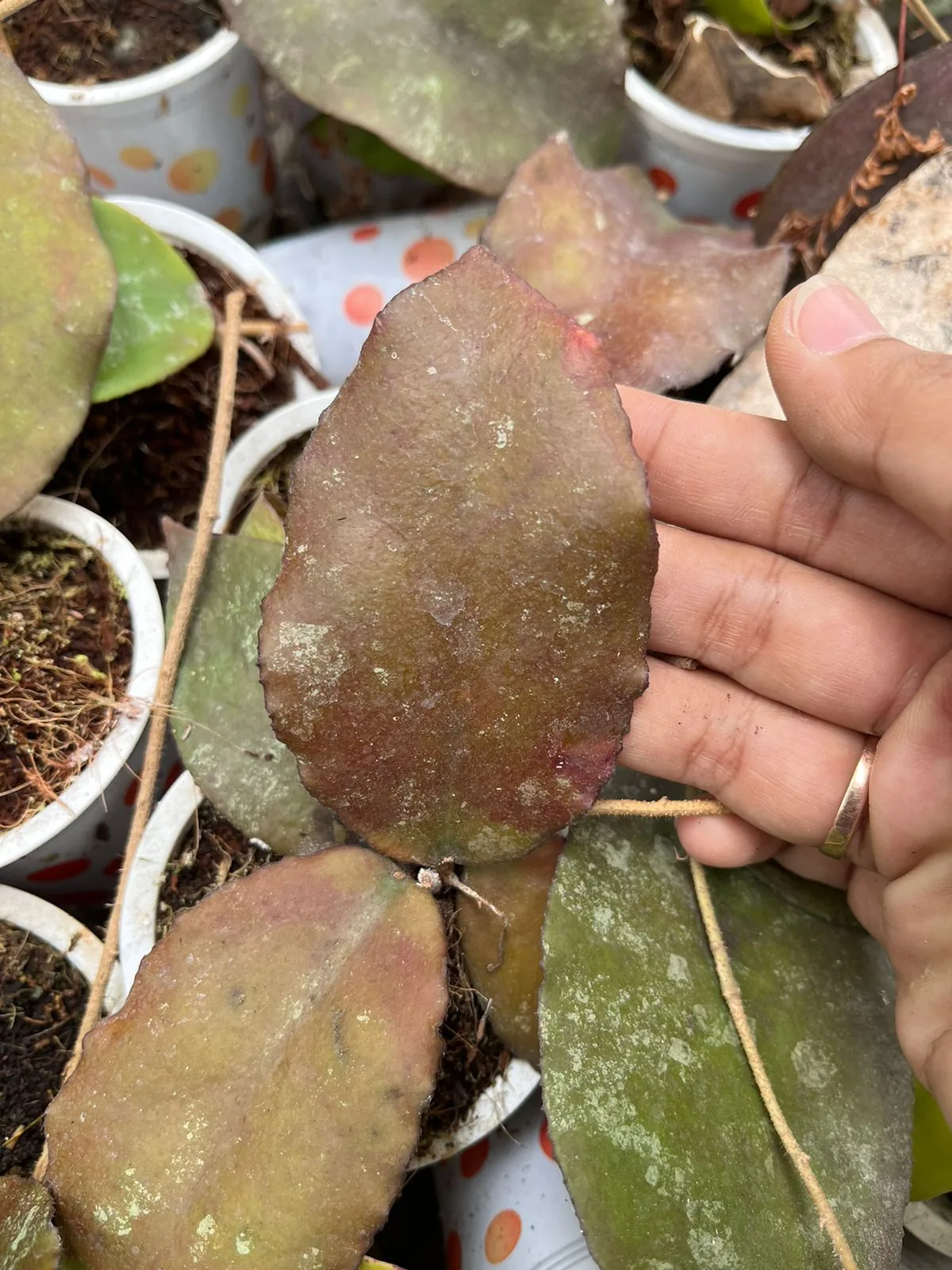
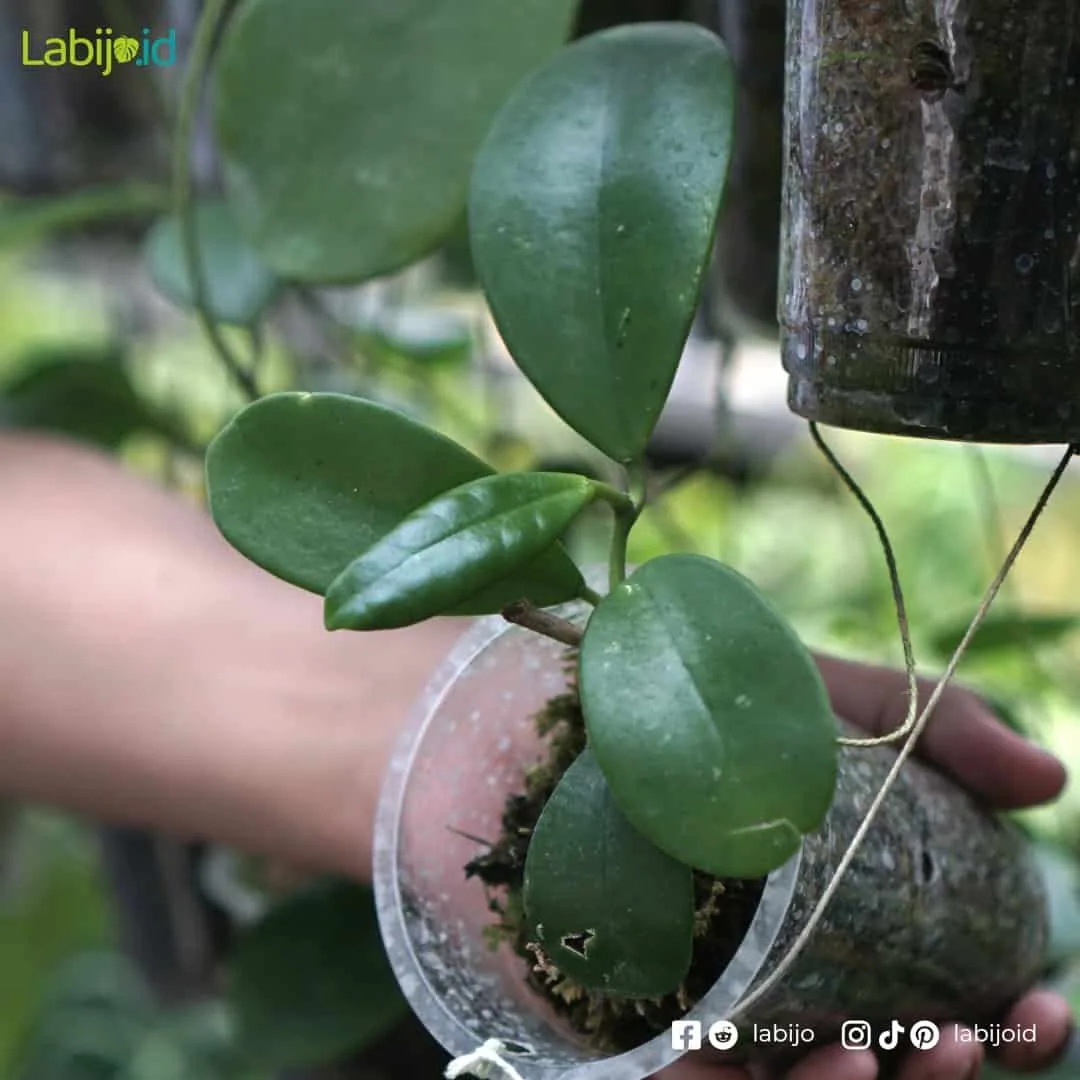
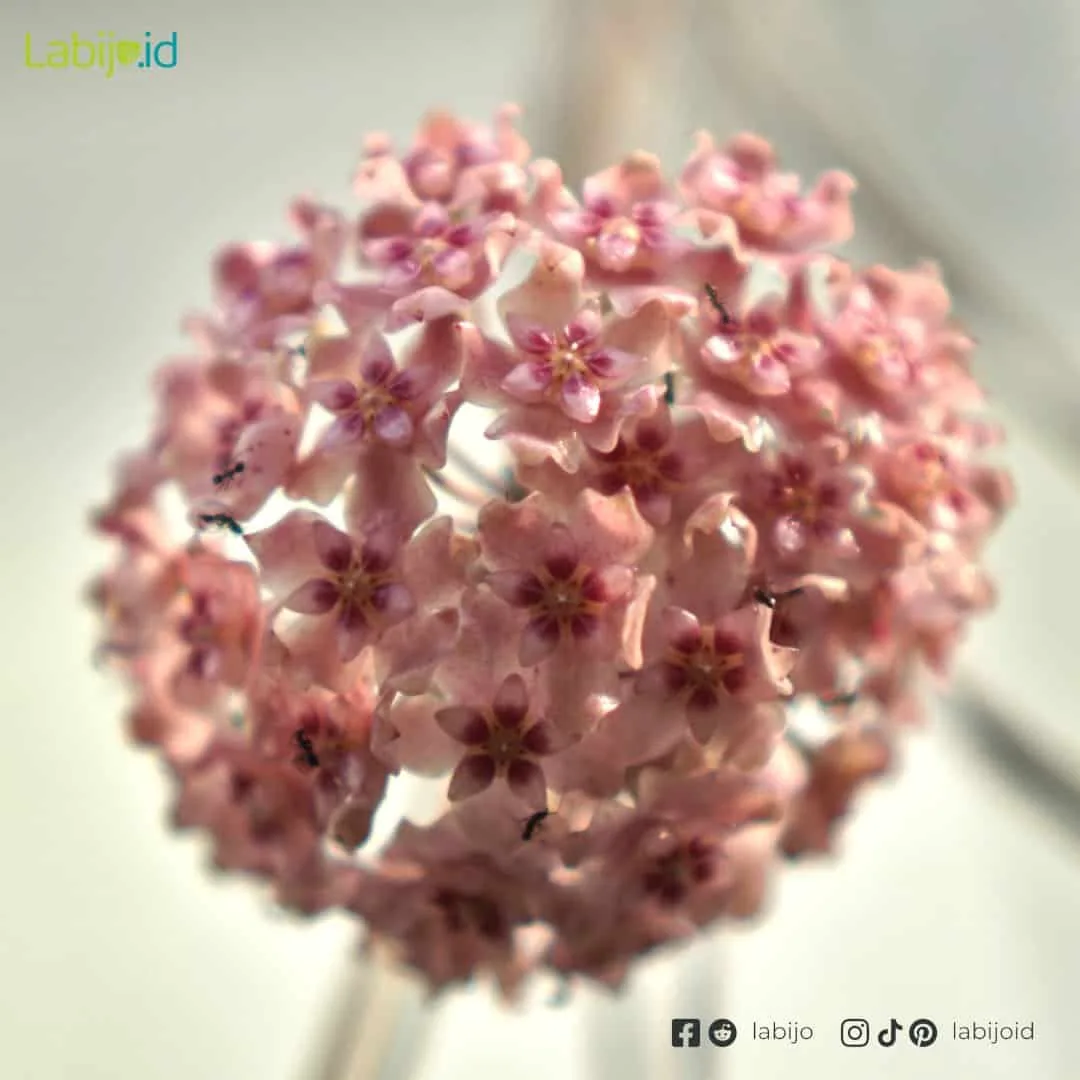
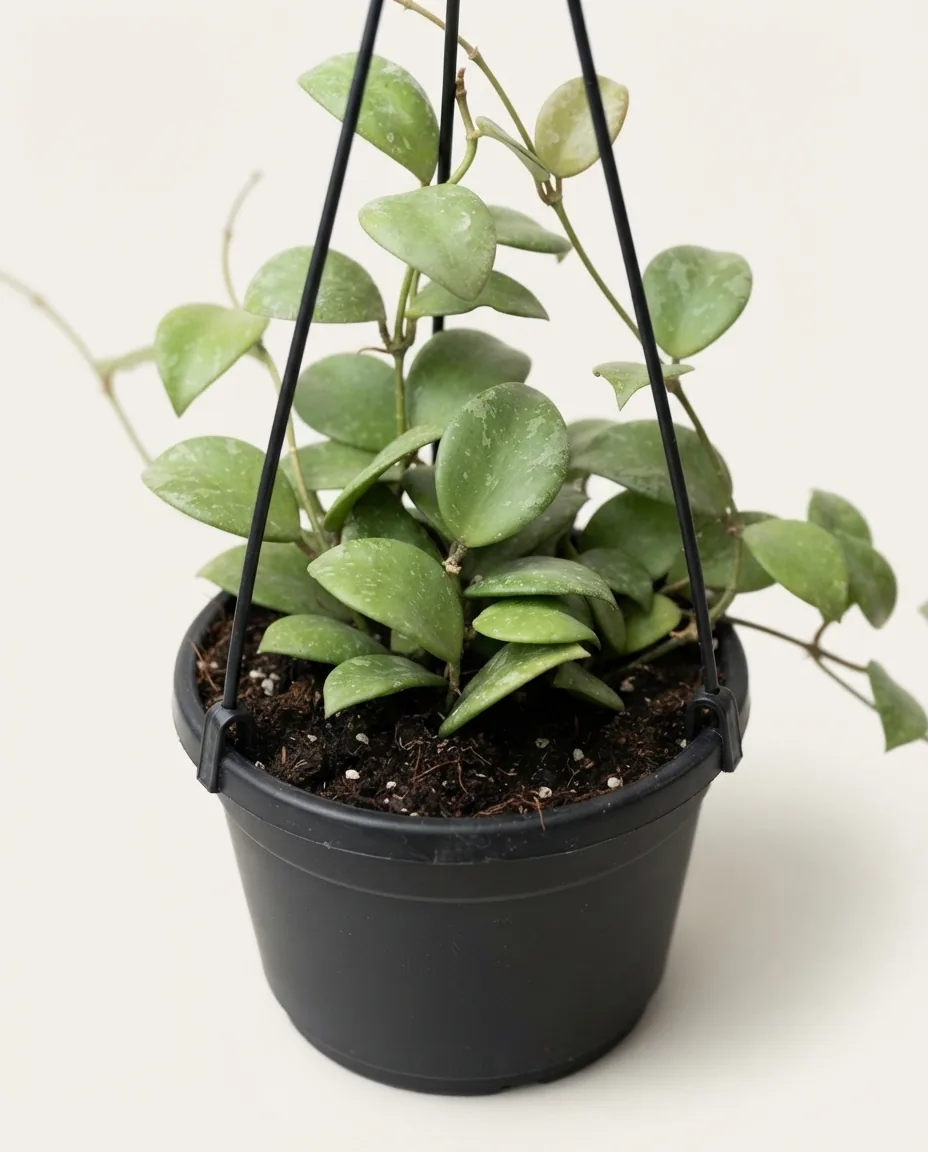
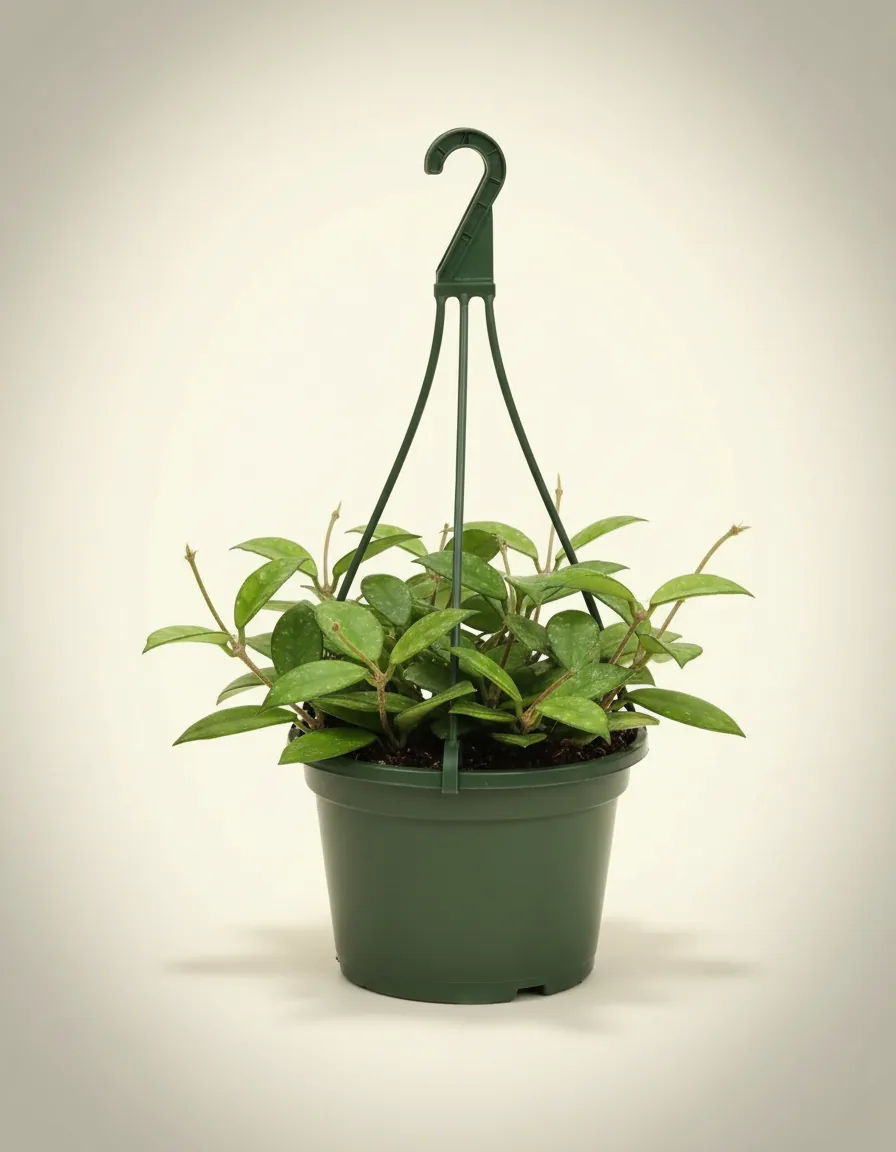
The genus is an epiphytic climber in the dogbane family, Apocynaceae. It grows on mount or in loose bark rather than in soil, and produces umbels of small waxy star-shaped flowers that in many species are intensely fragrant at night. Leaf form is extraordinarily variable across the genus — from thin lace-like foliage to thick succulent silvered leaves — which is why collector demand concentrates on leaf morphology in the species that flower rarely.
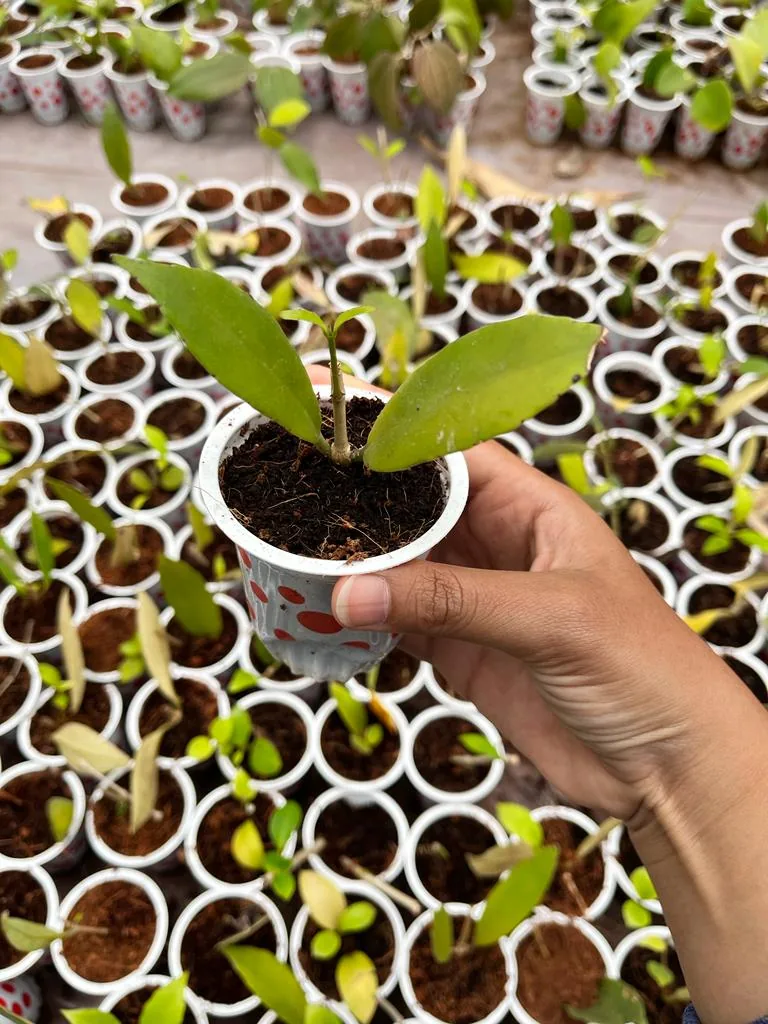
Commercially, Hoya is the most forgiving genus we export. Because the plant is already essentially root-exposed on its mount, the bare-root transition is minimal compared with a soil-grown aroid, and the genus shows the highest acclimatisation tolerance in the catalog. That makes it the sensible choice for a buyer placing a first trial consignment. The real variable is humidity during transit: highland species from Sulawesi and Sumatra tolerate a narrower vapour-pressure window than lowland selections and will drop leaves if the moss envelope dries below roughly 60% moisture.
Botanical Provenance & Regulatory Disclosure
Indonesian Native
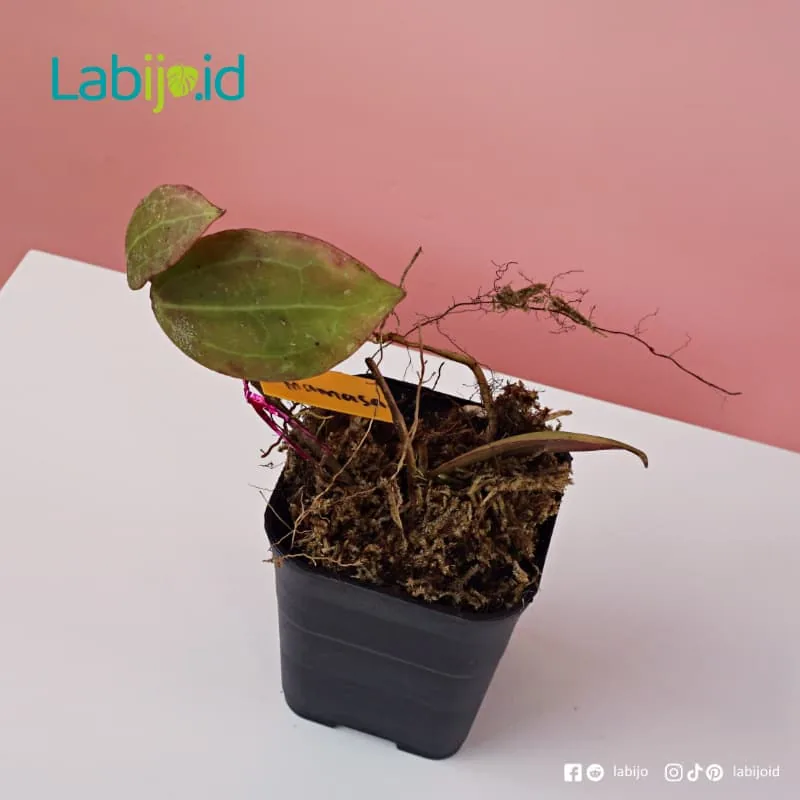
Hoya is indigenous to Indonesia and the wider Malesian region. Species offered here are sourced from Indonesian growers, and several carry island provenance directly in their name (Sulawesi, Sumatra, Mamasa).
Consignment Procurement Lead Time
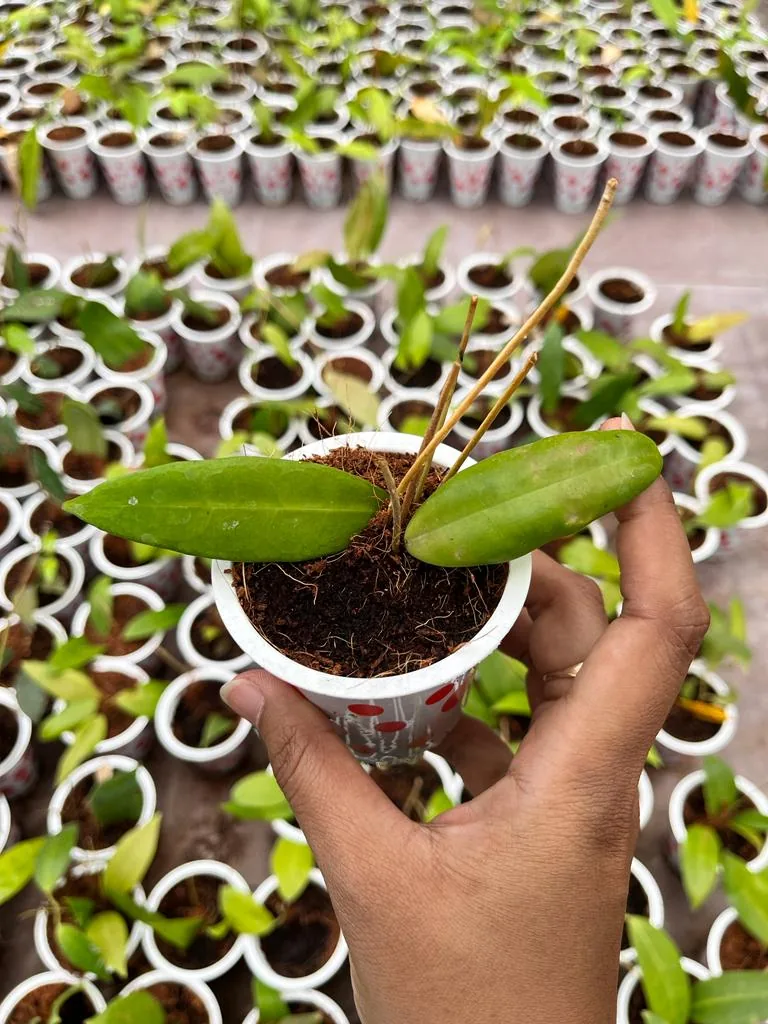
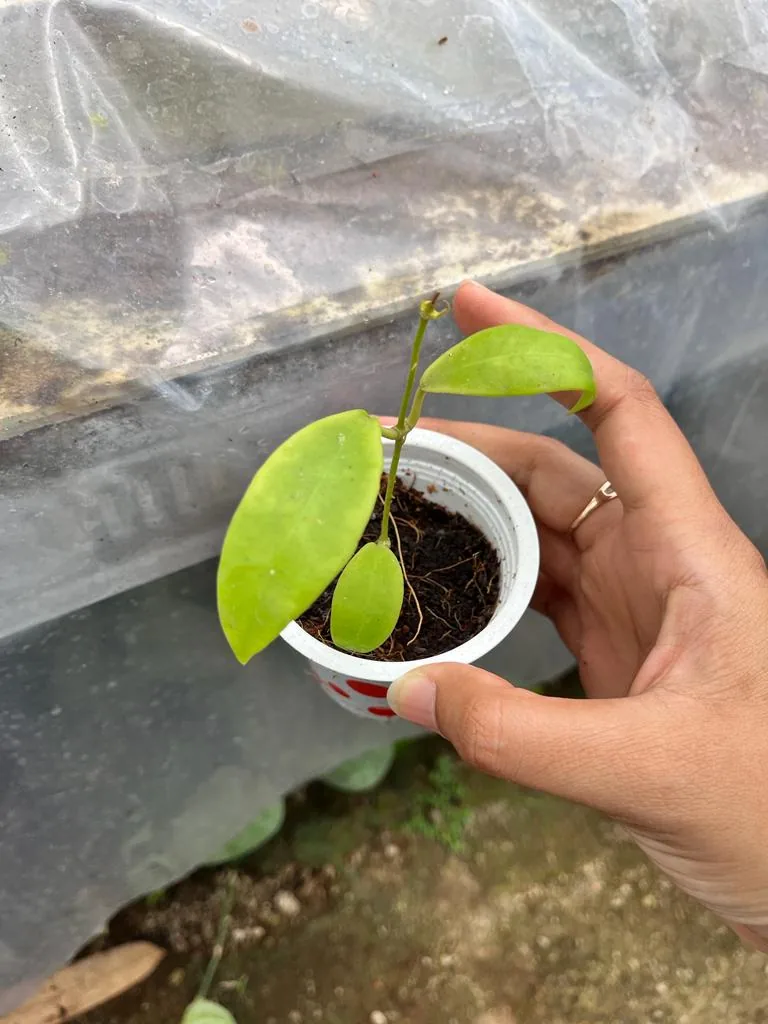
Quoted by cutting count and node count rather than by pot. Specify rooted or unrooted material: unrooted cuttings cut freight cost substantially but require your own propagation window on arrival. Named-species lines are seasonal and best reserved ahead of a dispatch wave.
Direct nursery packing & Barantan inspection prior to flight departure.Inquire Hoya Wholesale
Research for plant and buyer questions
These 4 selected product pages include reviewed explanations of published research, with source links and limits on applying the findings to an offered plant. Use them alongside the care guides; confirm current plant condition with the export desk.
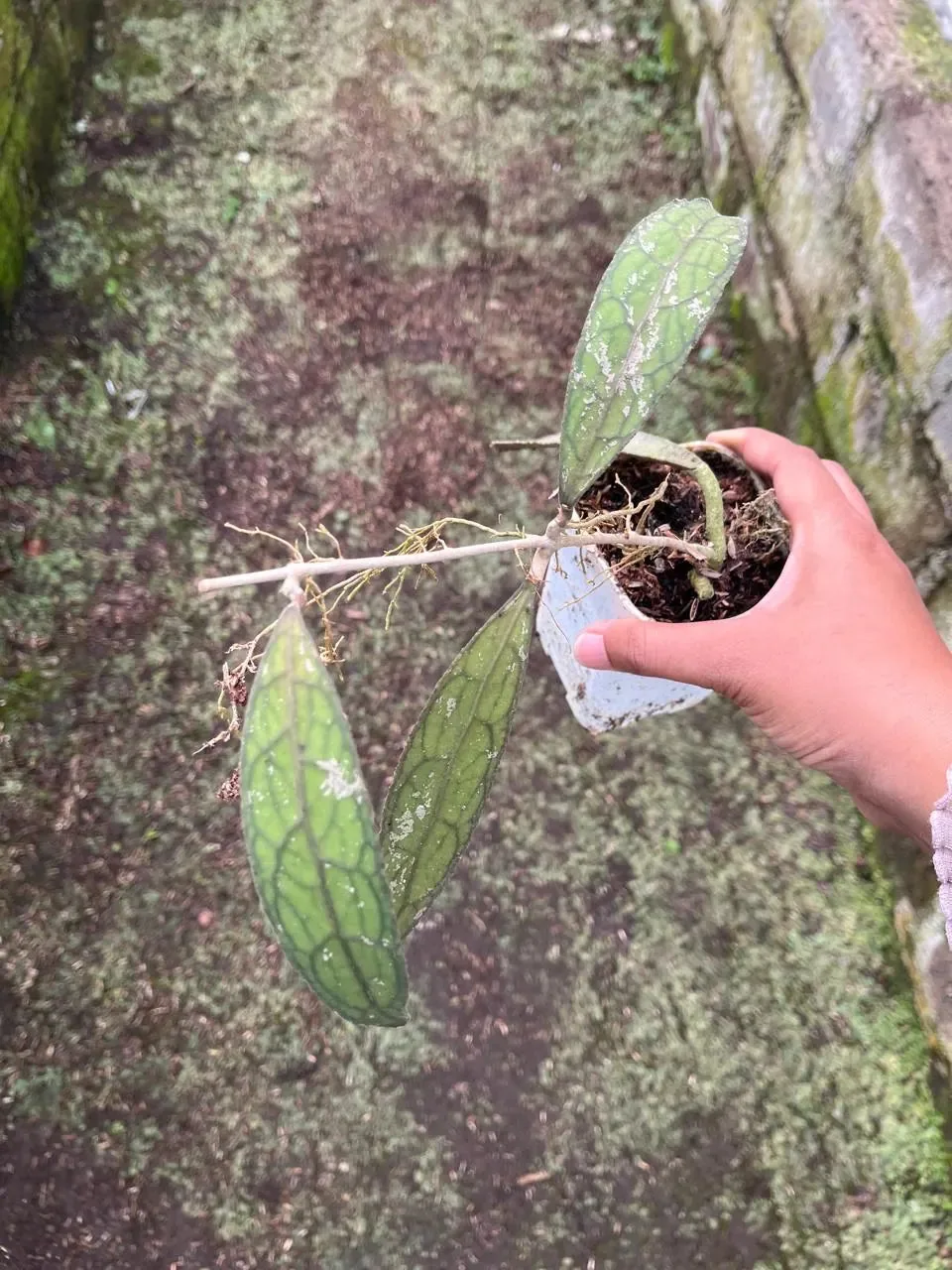
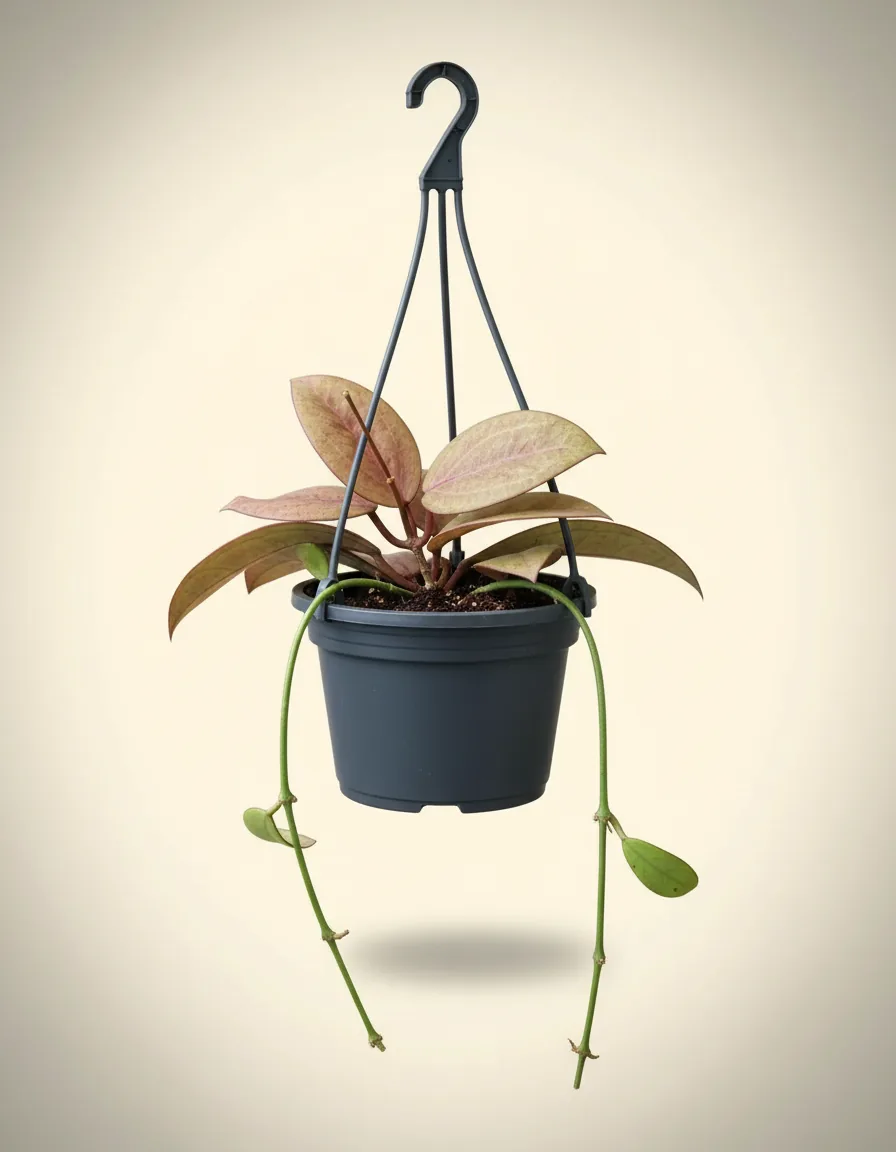
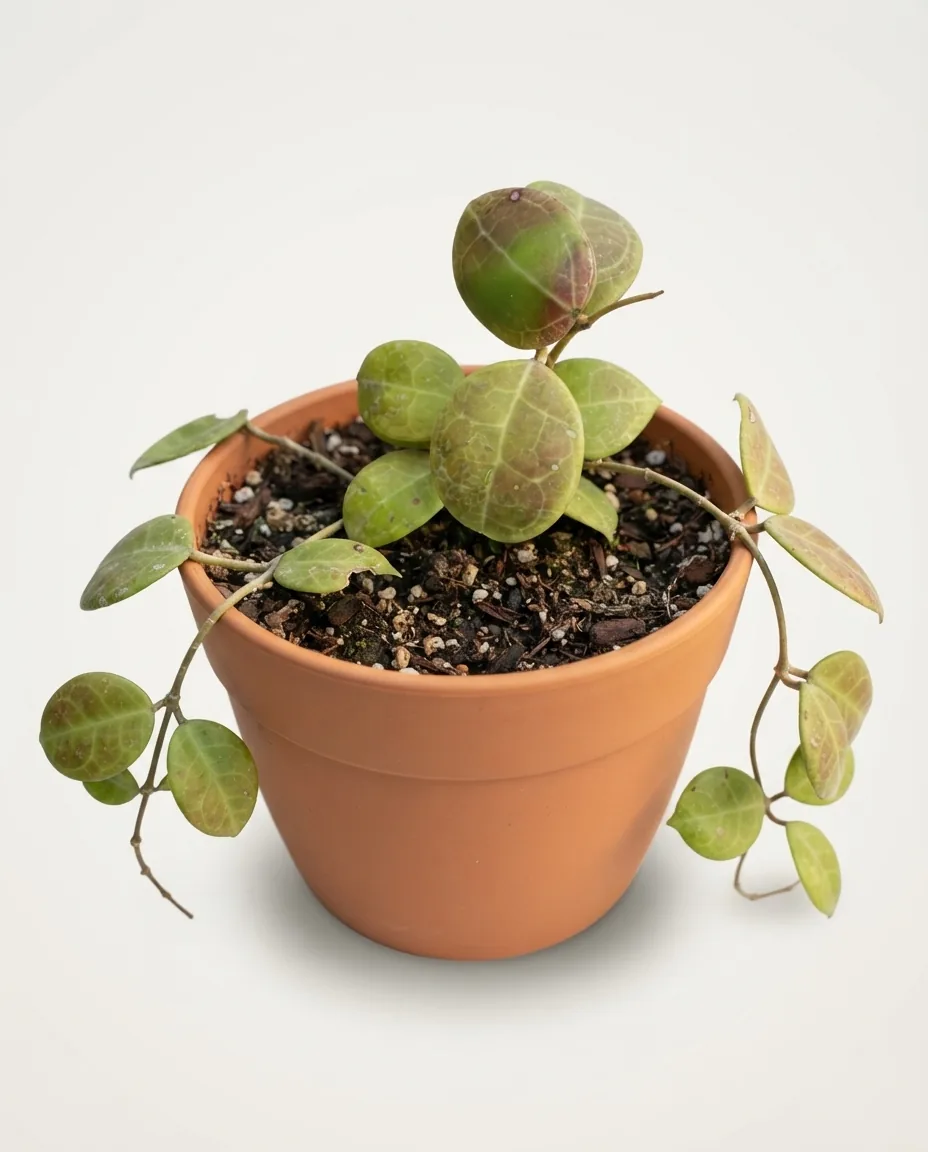
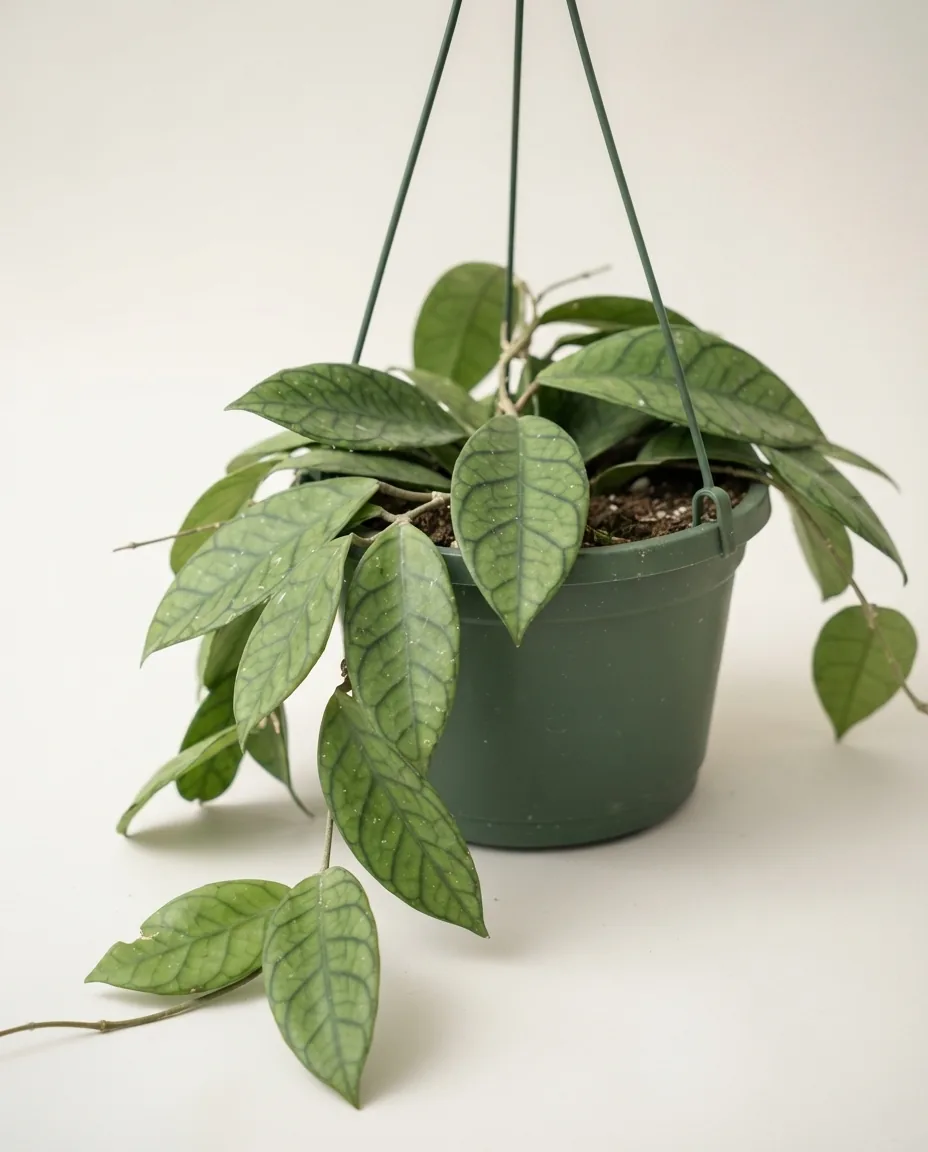
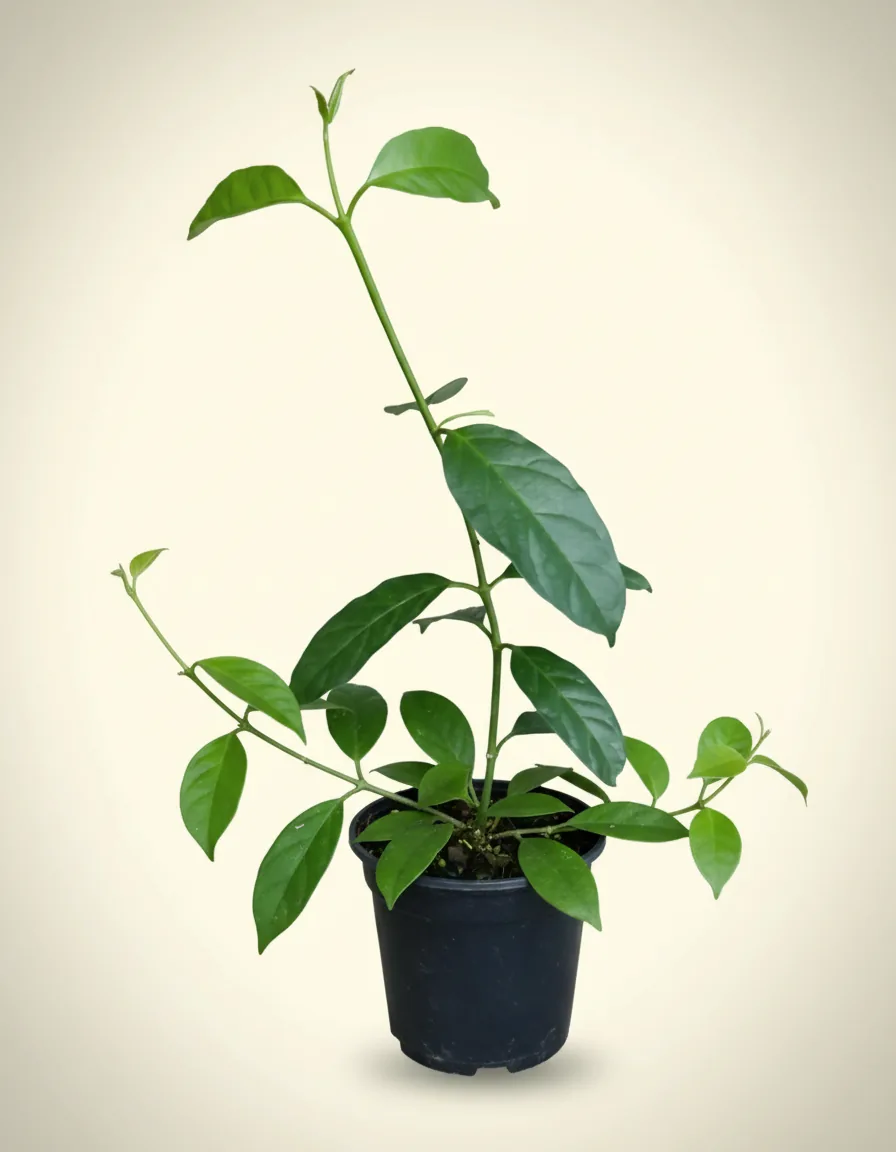
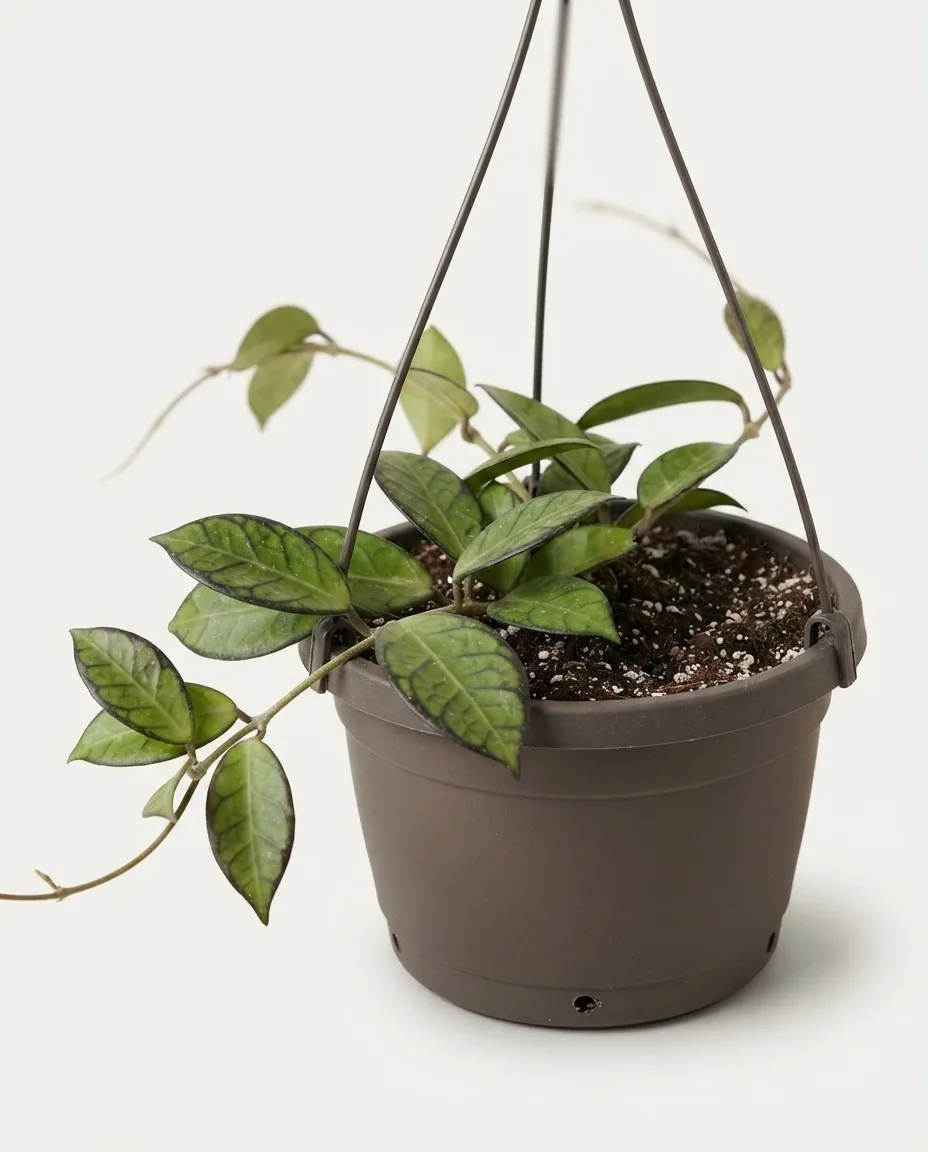
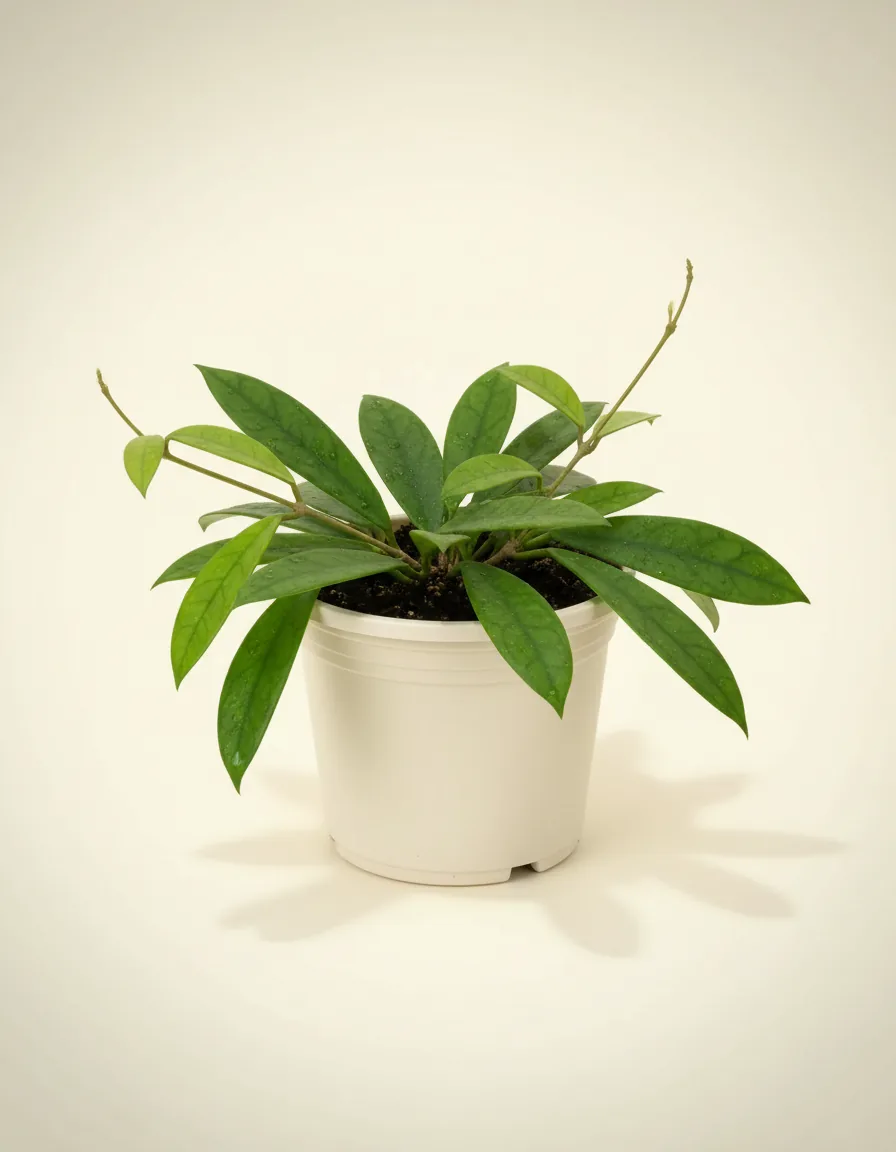
Hoya paradisea is an endemic Malesian epiphyte described from lowland and submontane tropical forests. Taxonomic accounts detail its distinctive foliar venation and corona structure.
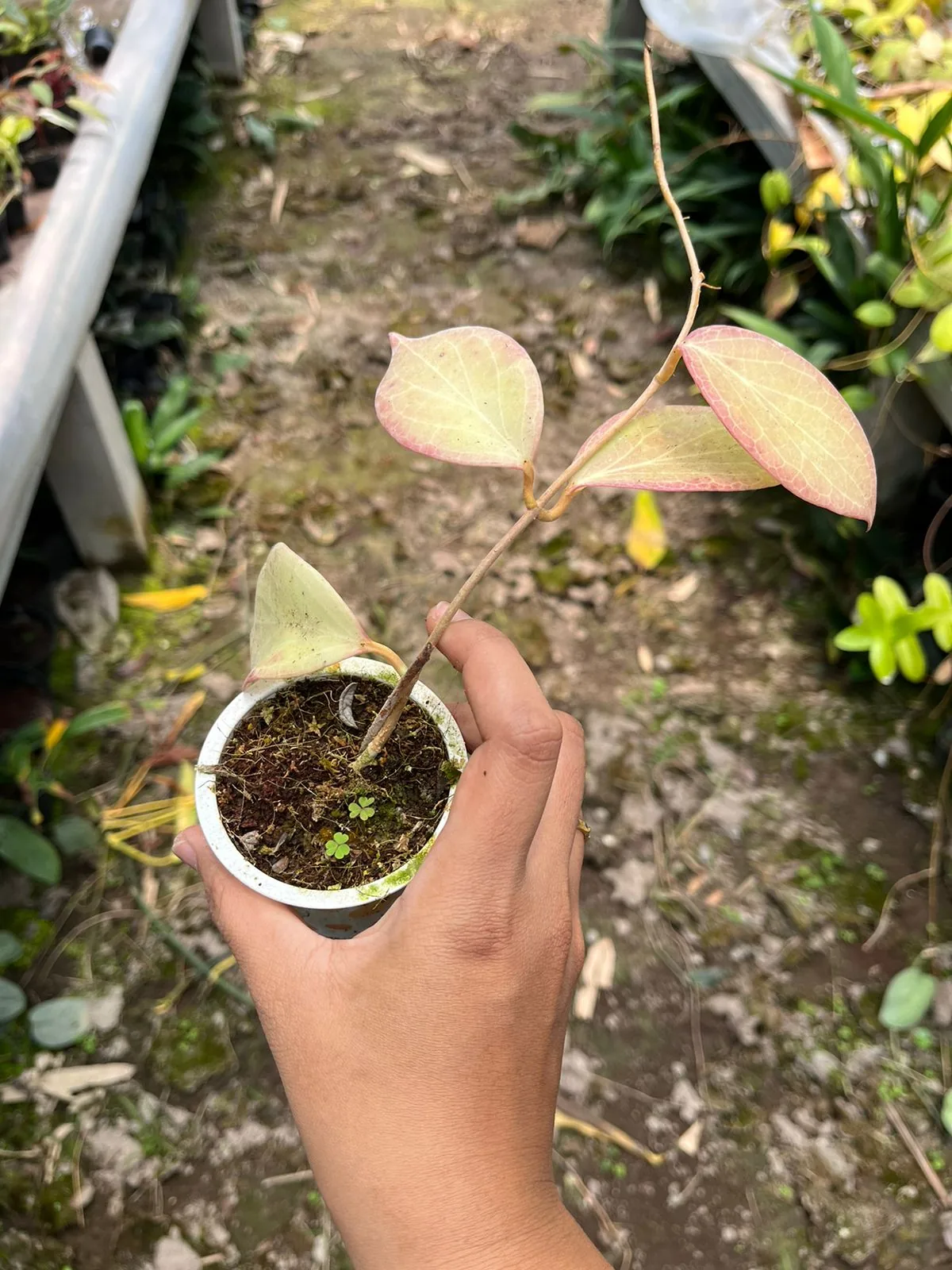
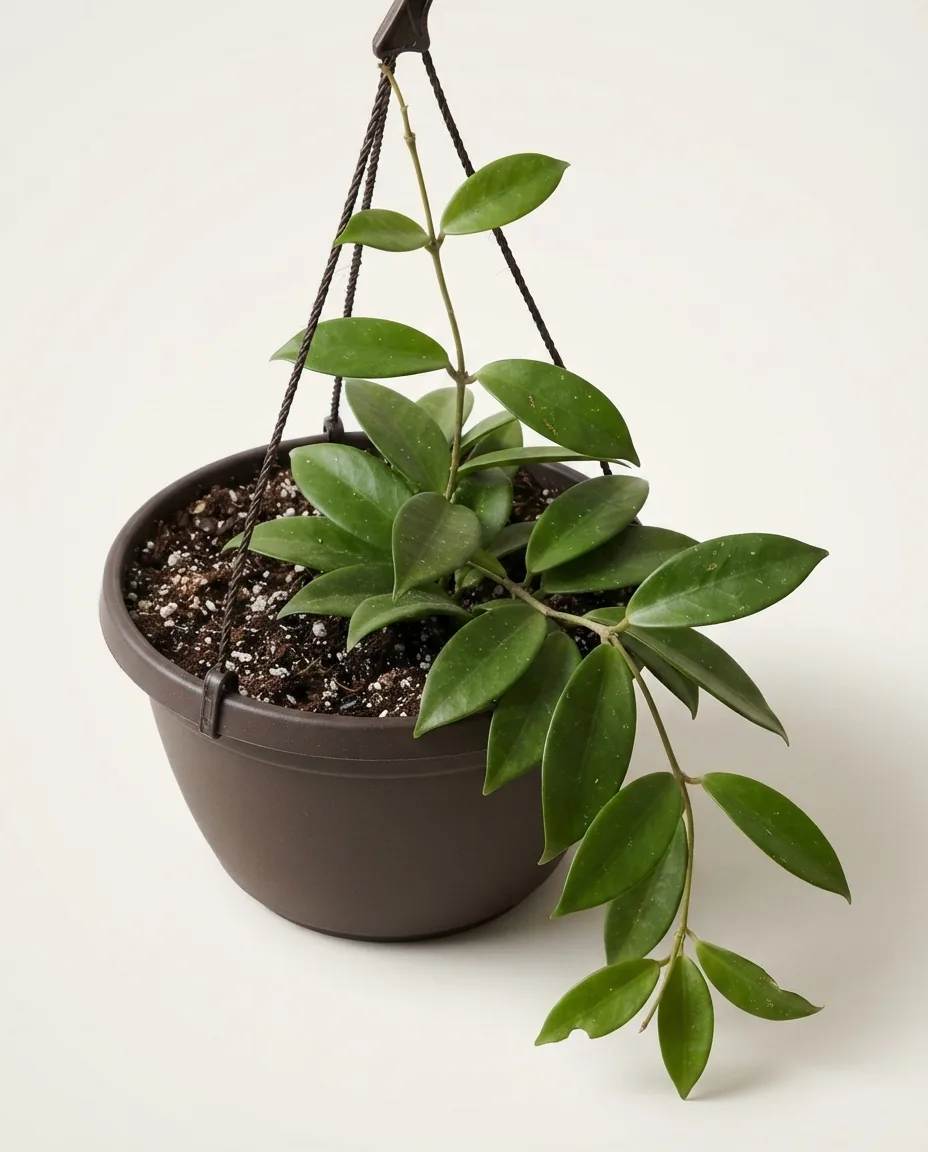
Hoya solokensis is a recently described species endemic to the highland submontane forests of West Sumatra, Indonesia. Taxonomic publication in Blumea documents its distinctive campanulate corolla and shrubby terrestrial-to-epiphytic habit.
The original species description gives collectors a useful identity check: a shrubby Hoya with yellow, bell-shaped flowers. A generic description of a climbing wax plant misses the features that distinguish this species.
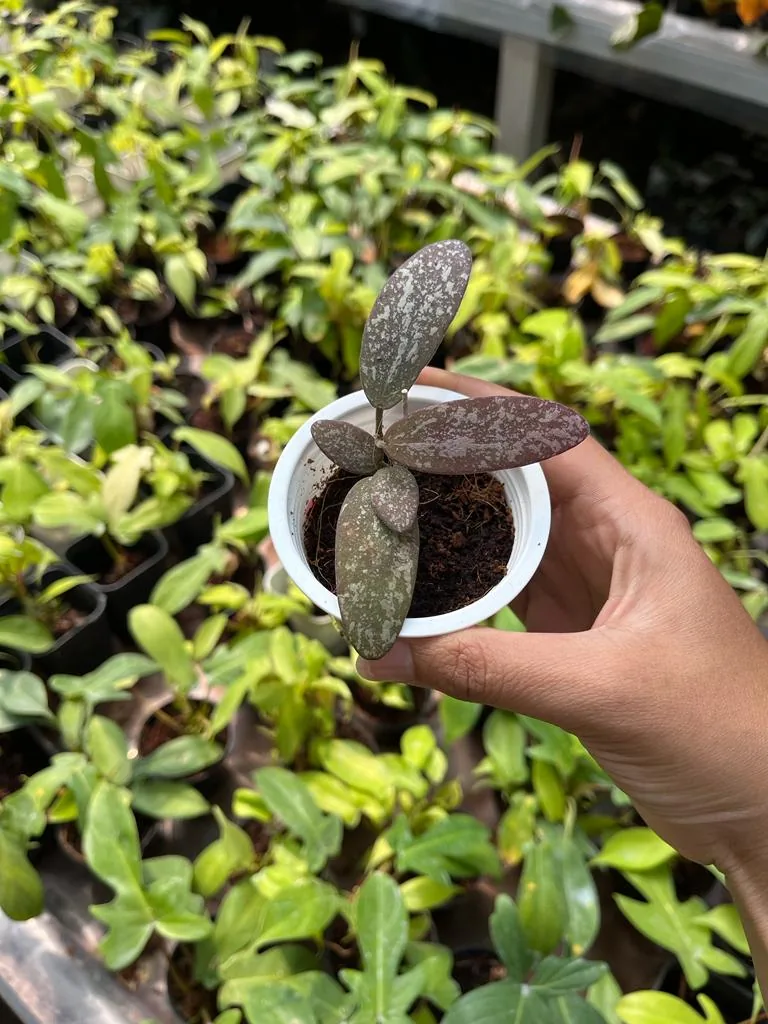
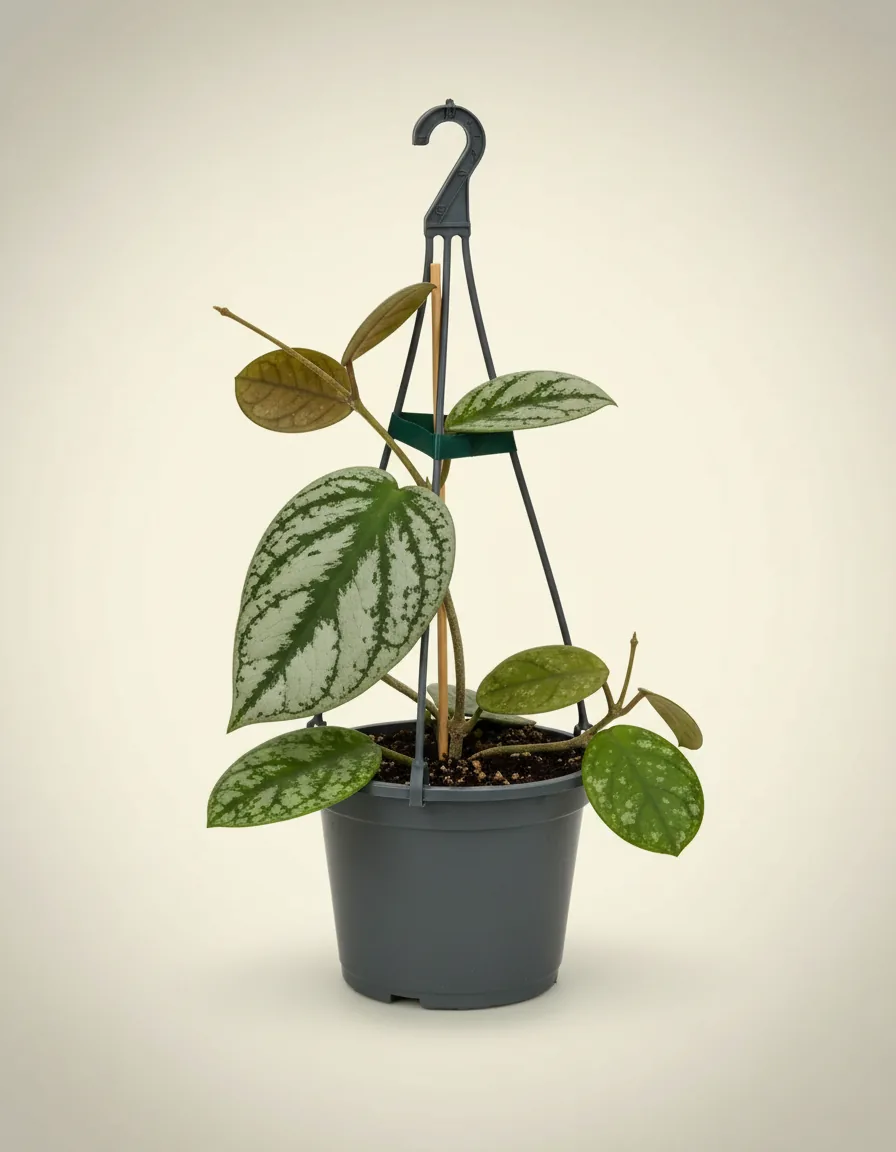
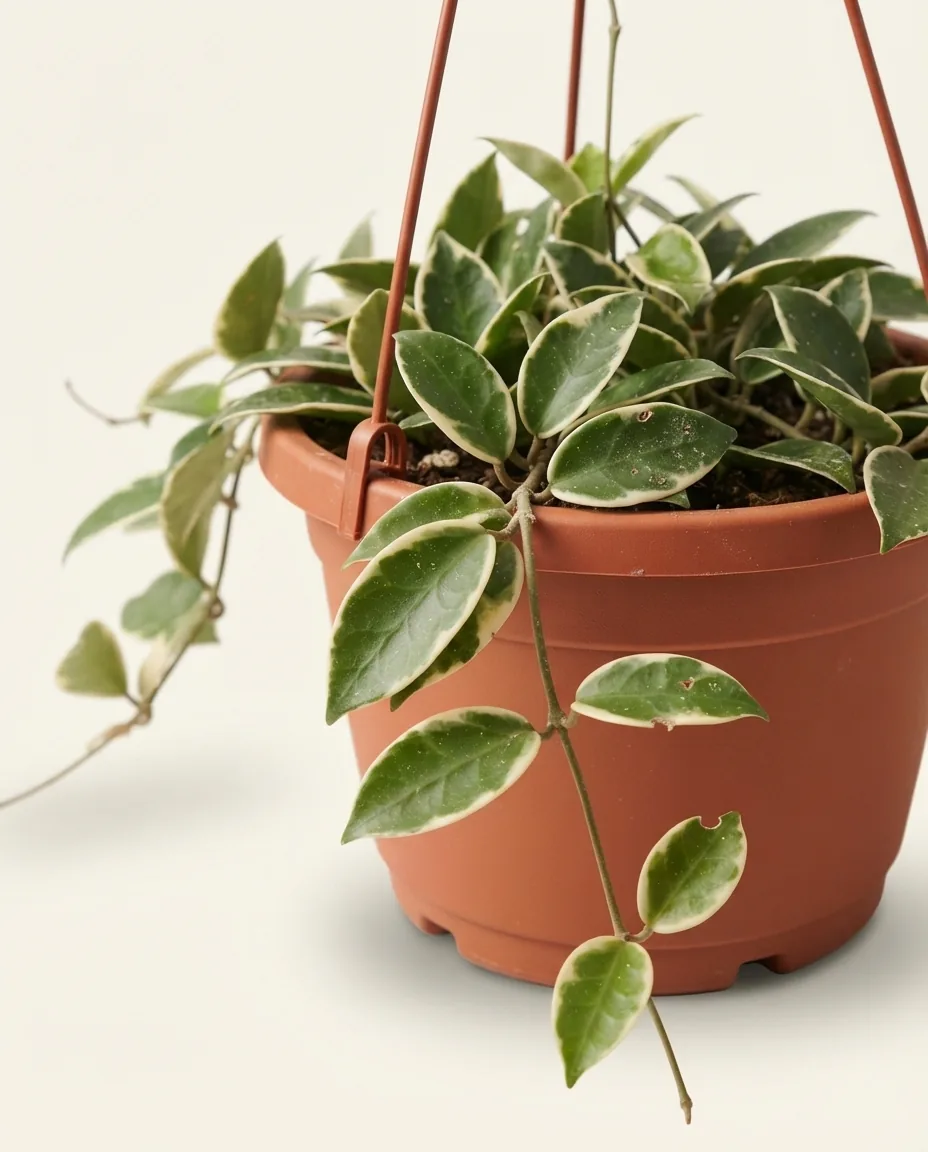
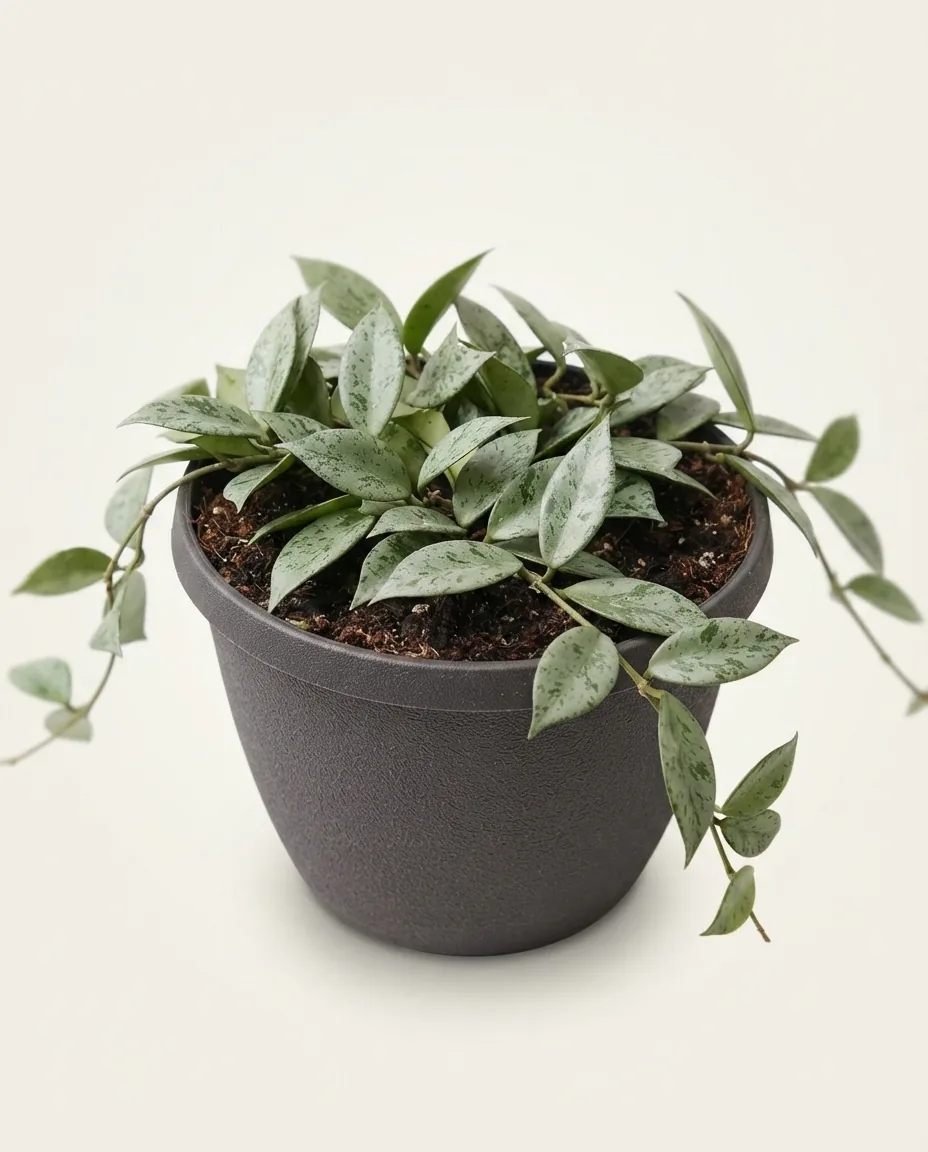
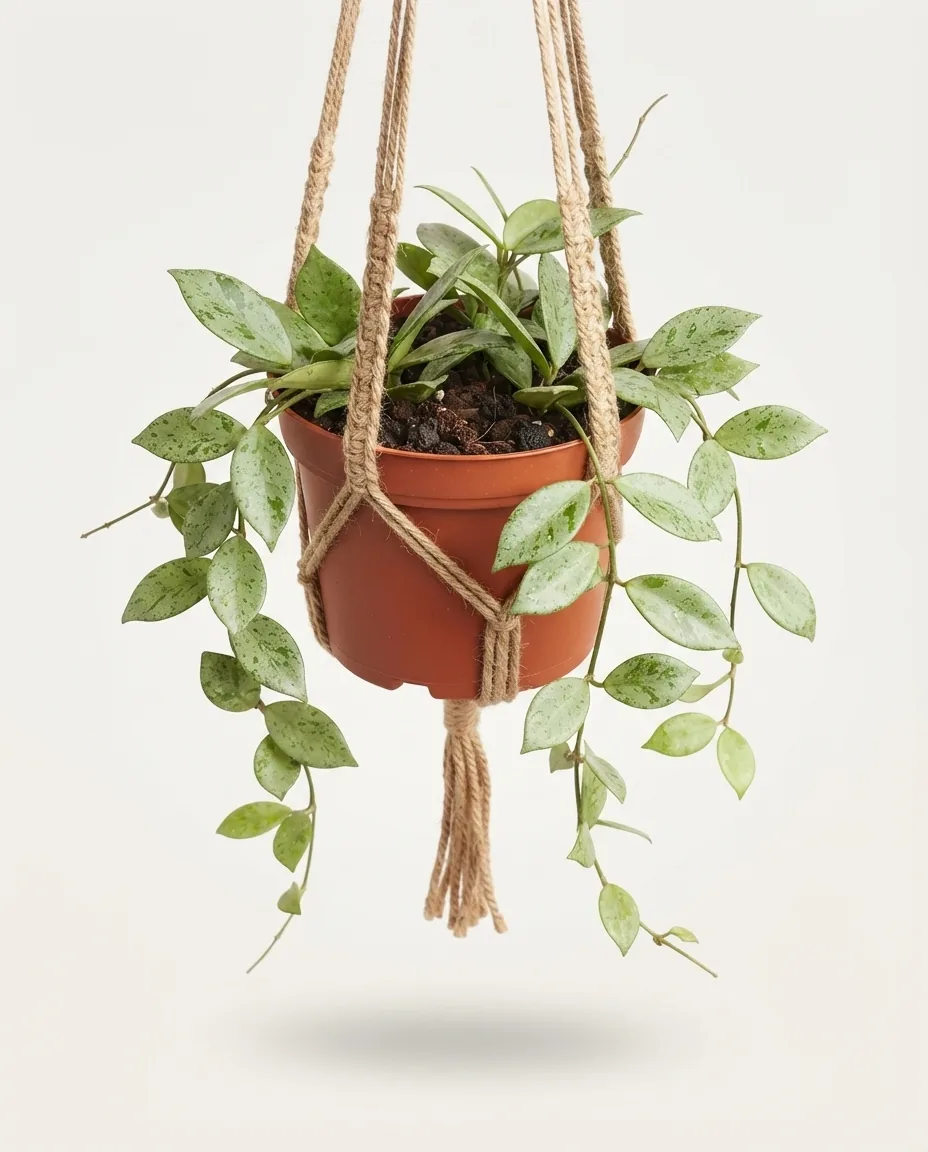
“Silver” is the supplier’s selection name for this listing. The research below concerns Hoya lacunosa as a species and helps explain why checking the plant’s identity takes more than looking at silver markings.
All Hoya Lines
Displaying all 77 specimens available for wholesale consignment.
The critical difference between soggy moss and optimal moisture equilibrium. Why squeezing moss until zero free water drips is the single most important defense against Pythium decay in air cargo.
The critical first 48 hours dictate long-term survival. Avoid the common mistakes that cause buyer disputes and learn the exact steps to revive stressed root systems.
Everything European plant businesses need to know about Regulation (EU) 2016/2031, electronic CHED-PP pre-notifications, and seamless Dutch, German, and French customs clearance.