Commercial Catalog7 min read
Anthurium Dark Forms: Wholesale Sourcing
Why dark velvety Anthuriums command the highest retail margins in US/EU plant shops, how to identify genuine Indonesian cultivars, and how to source Grade A+ specimens.
27 export-ready lines in the genus Anthurium (Araceae), dispatched bare-root from East Java with a Barantan Phytosanitary Certificate per consignment. Buyer profile: aroid collectors, rare-foliage retailers, botanical gardens.
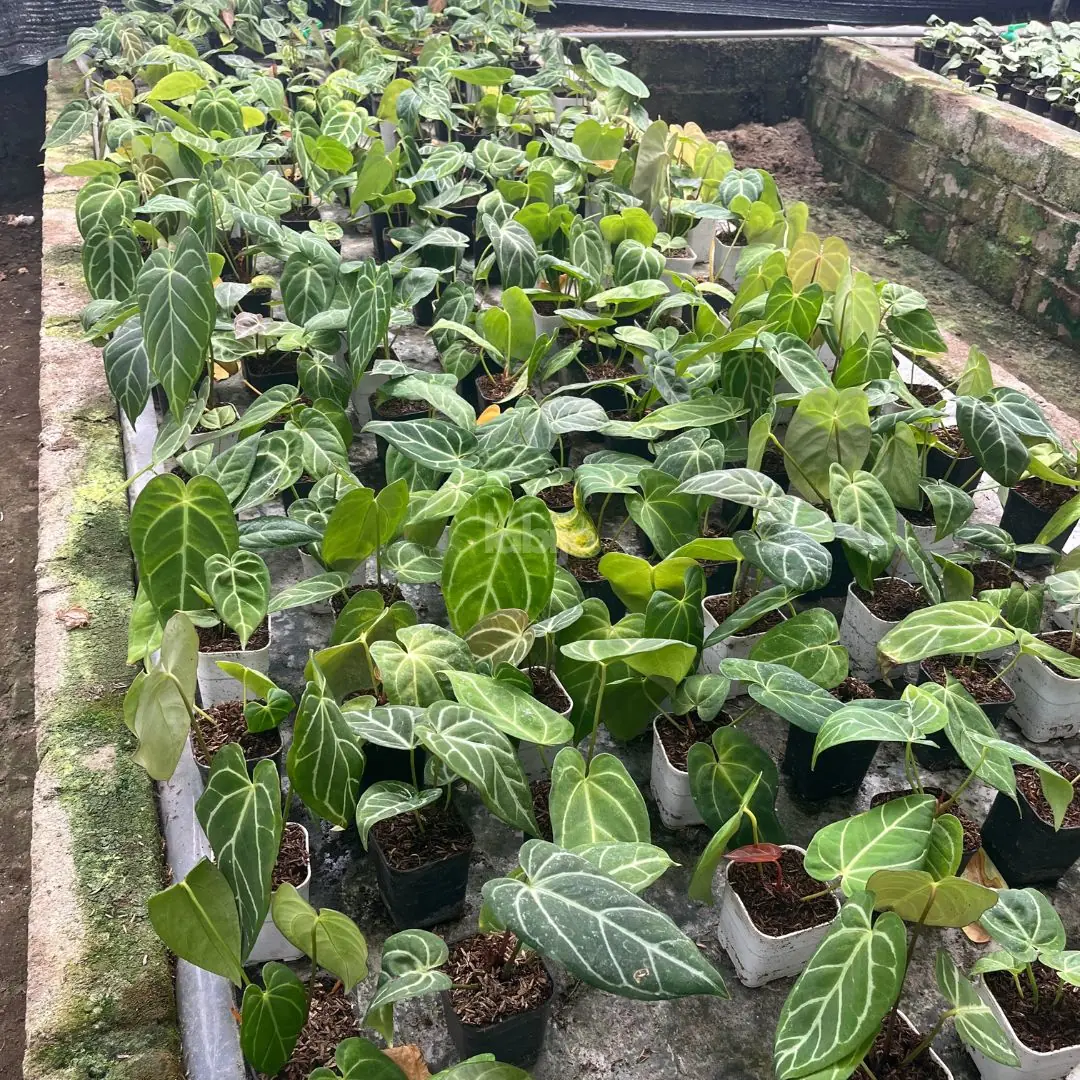
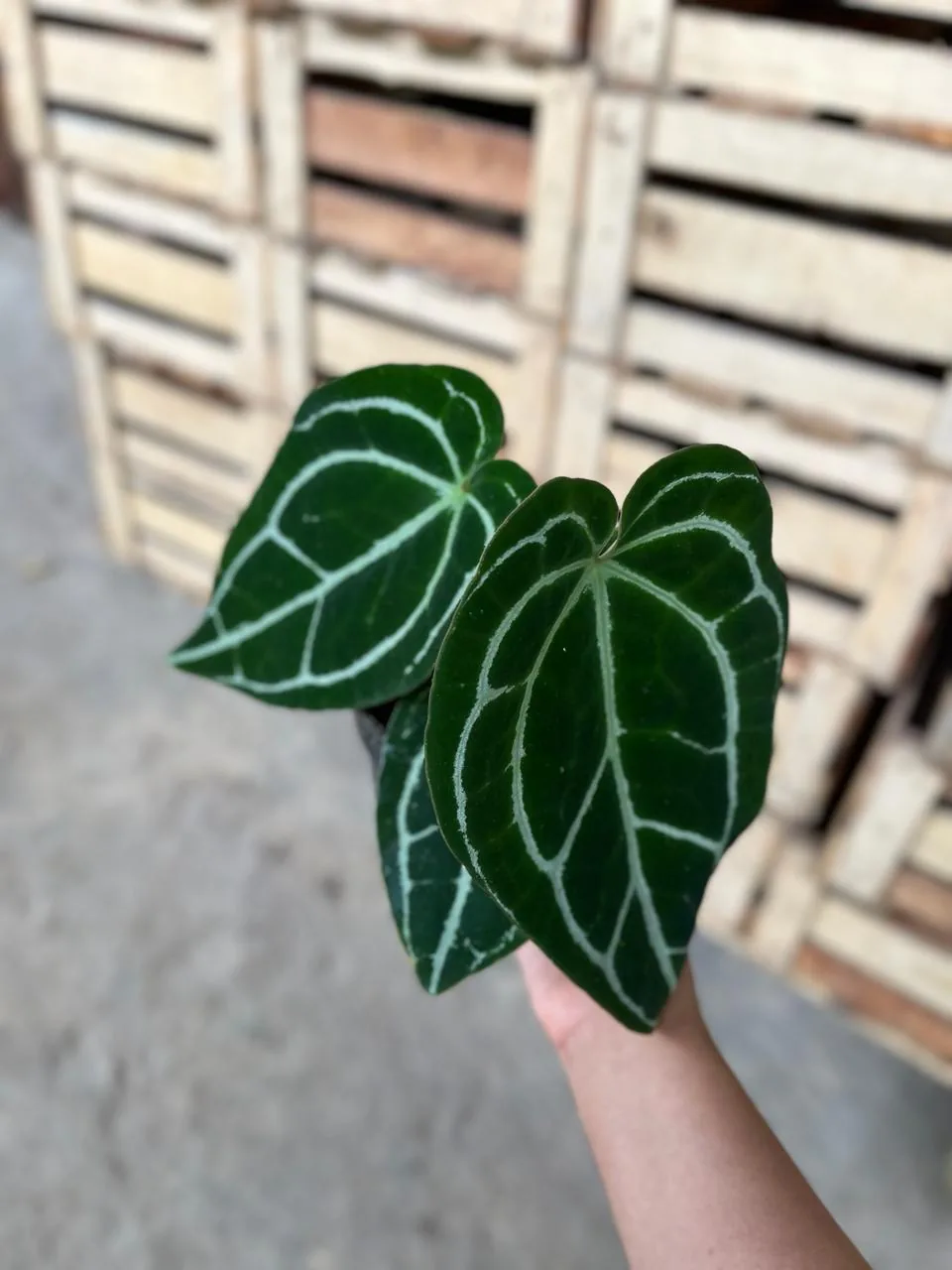
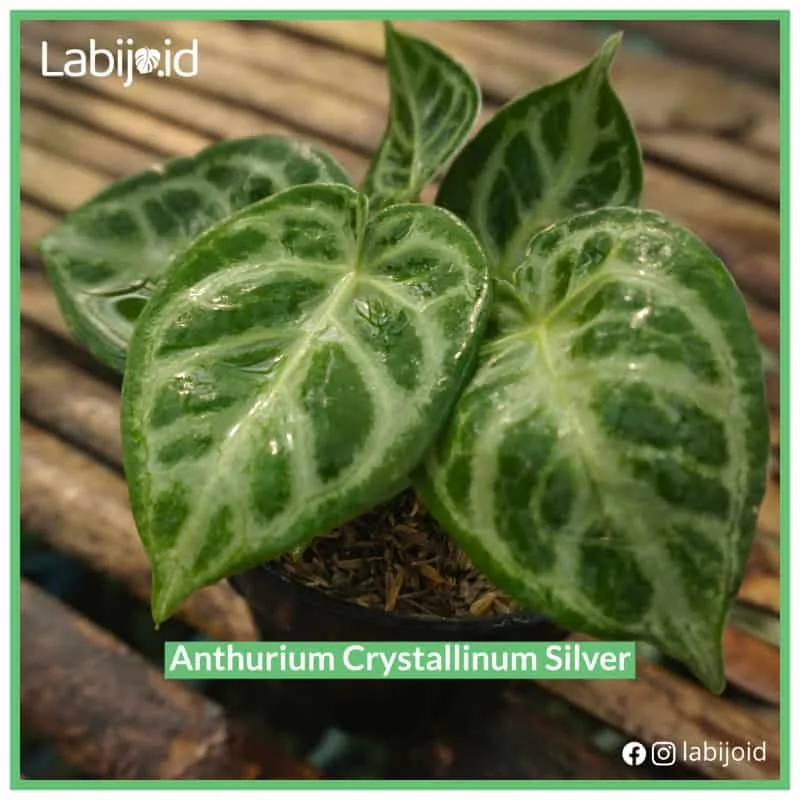
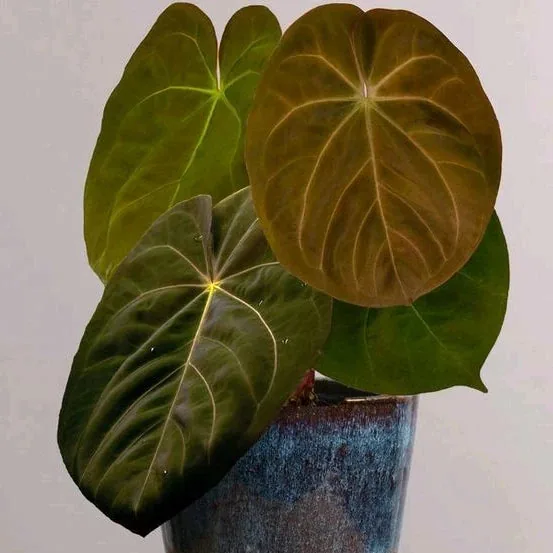
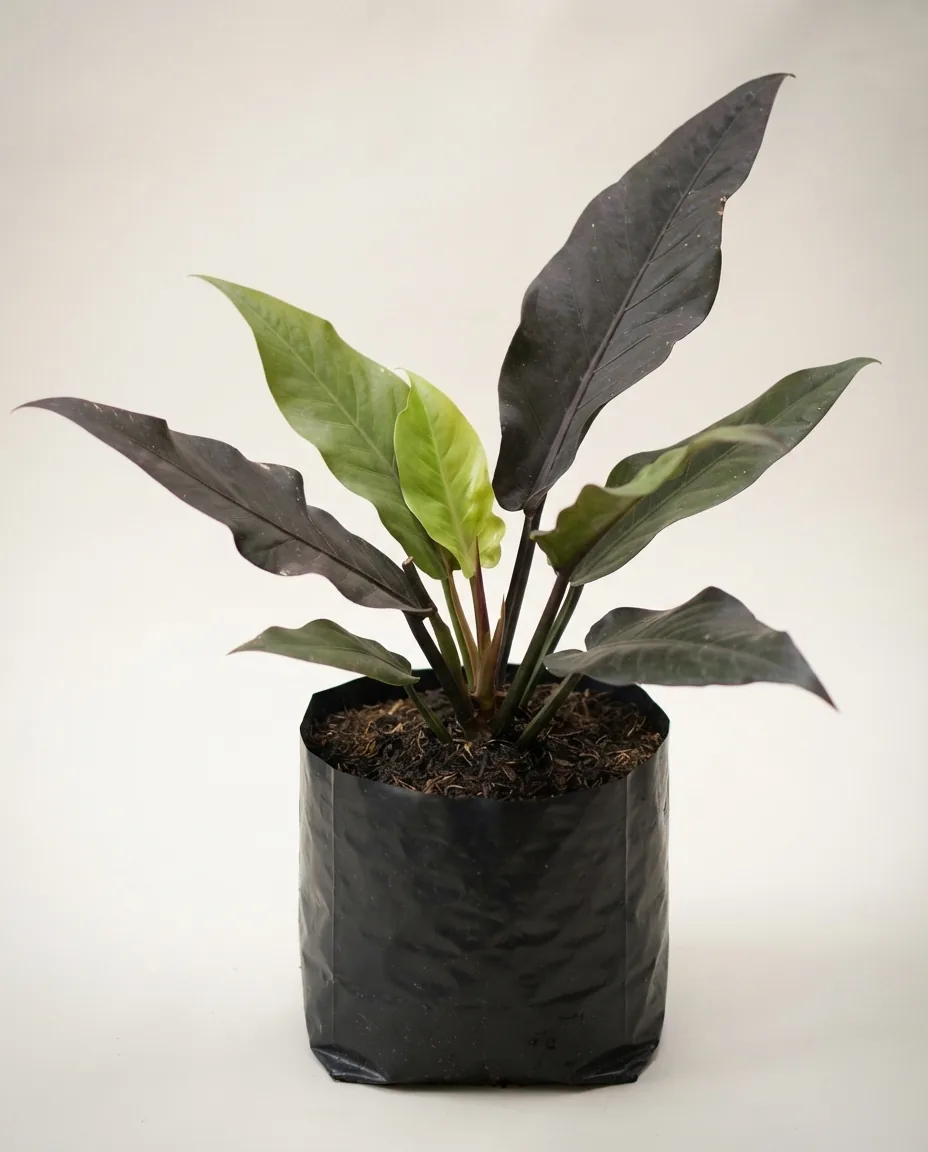
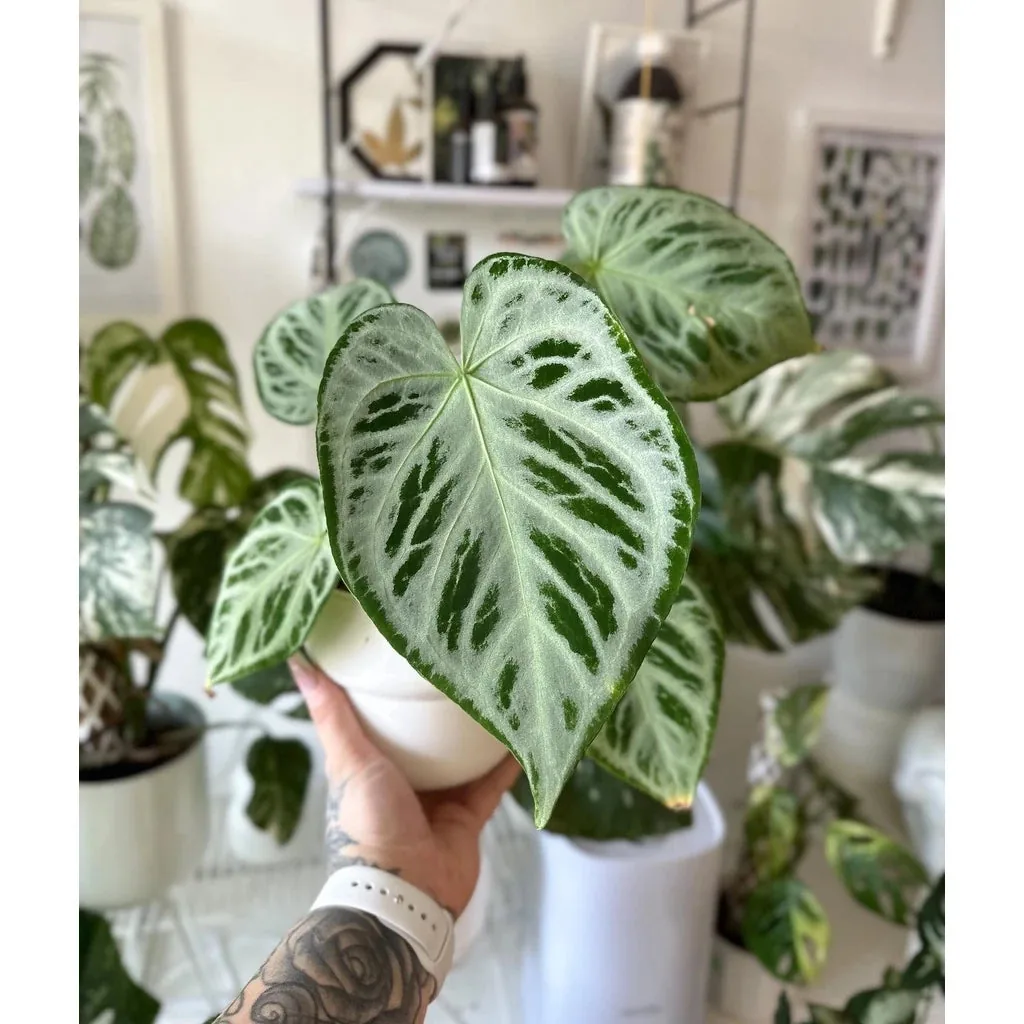
Anthurium demand is driven almost entirely by leaf texture. The velvet-leaf species and hybrids — A. crystallinum, A. warocqueanum, A. papillilaminum and the dark forms derived from them — are grown for the matte, iridescent lamina rather than for flowers, and that single trait drives pricing more than size does. A well-grown crystallinum with intact venation commands multiples of a larger but scarred specimen.
As with Philodendron, the genus is native to the tropical Americas and is cultivated here rather than collected. We state that explicitly because the collector market is increasingly alert to provenance claims, and because Indonesian nurseries are a genuine competitor in cultivated supply even where they are not the origin of the genus.
The practical export difficulty is the leaf itself. Anthurium laminae are thin, large and easily marked, so the genus has the lowest tolerance for compression in transit of anything we ship — this is the category where box fill ratio must be sacrificed to prevent bruising, which raises volumetric freight cost per plant. Plants are dispatched bare-root with the root mass wrapped and the leaf blade braced, and this genus should never be consolidated into a carton with heavier stock.
Anthurium is native to tropical Central and South America. Plants offered here are nursery-cultivated in Indonesia and supplied as propagated stock, not wild-collected material.
These 1 selected product pages include reviewed explanations of published research, with source links and limits on applying the findings to an offered plant. Use them alongside the care guides; confirm current plant condition with the export desk.
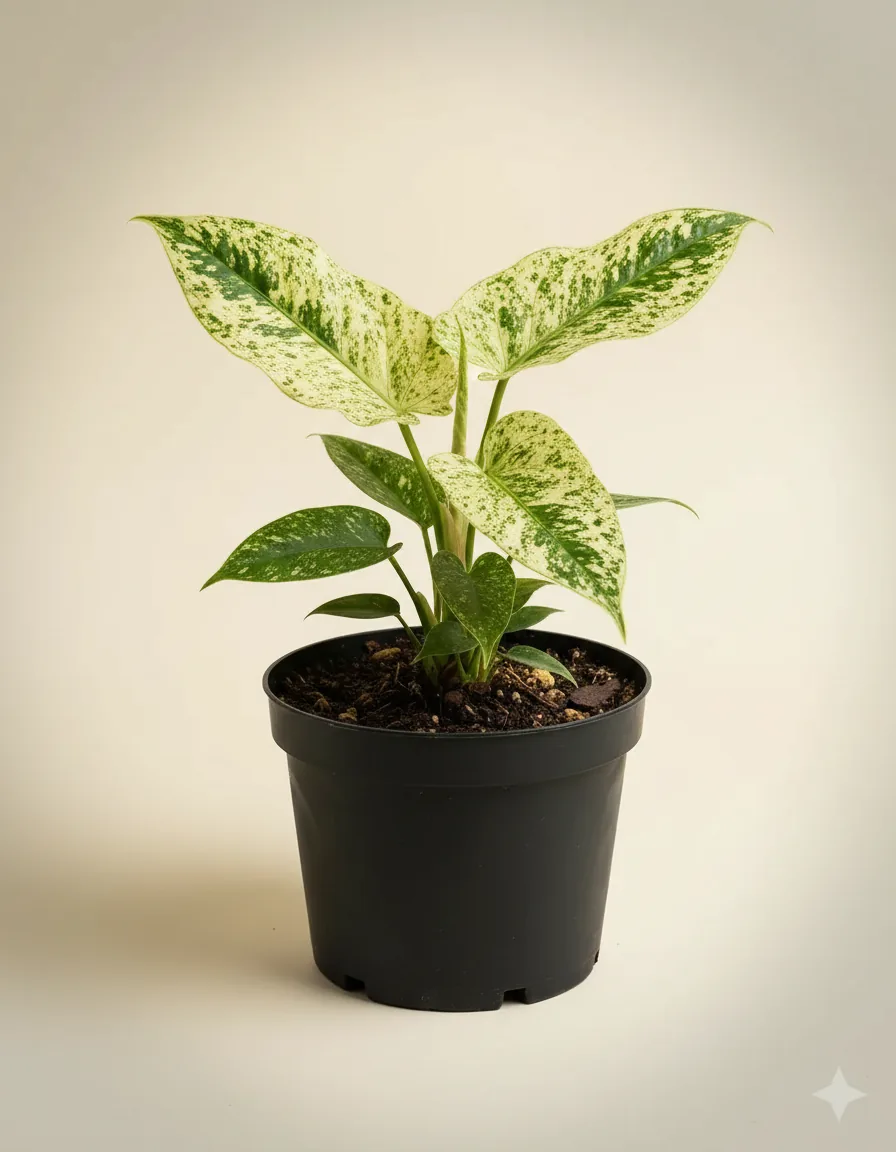
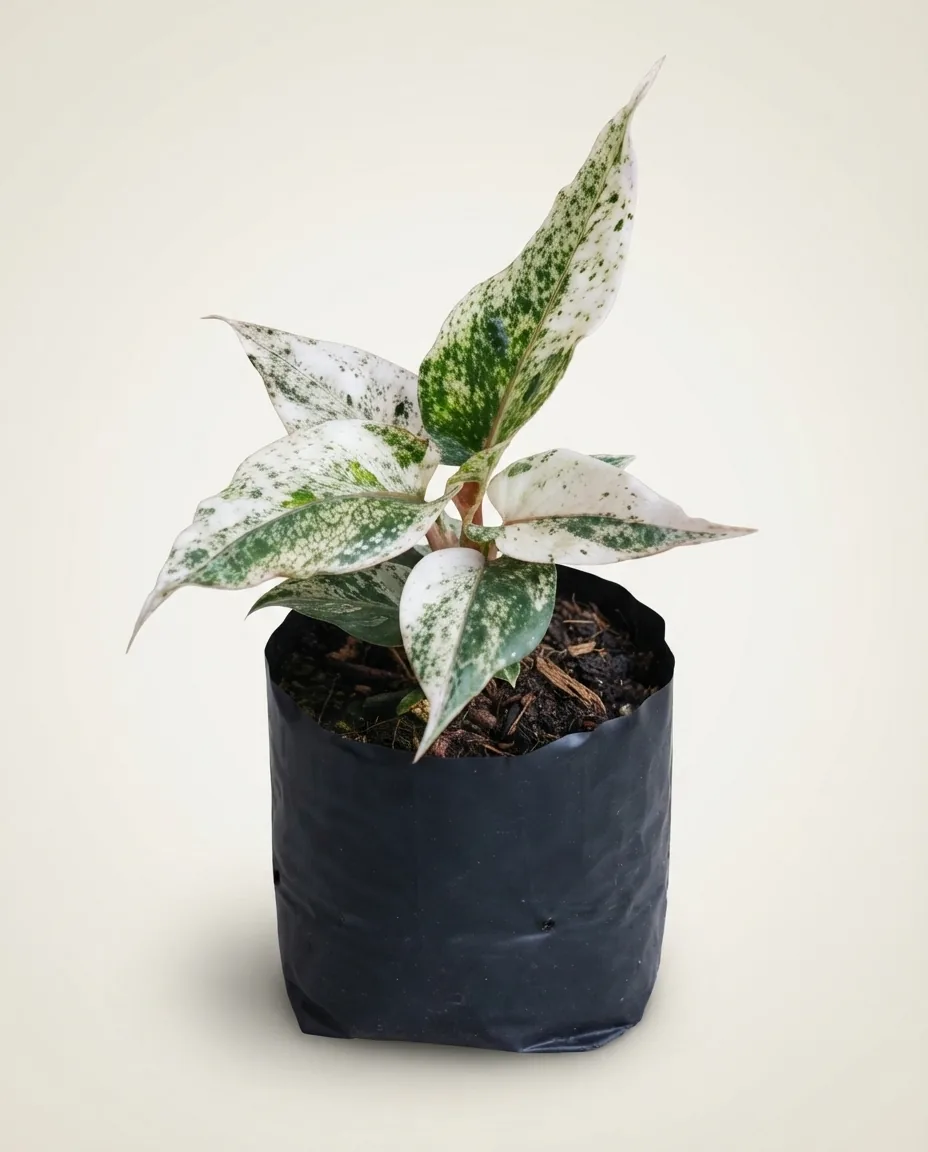
Anthurium Magnificum · Aroids & Rare Foliage
Two studies follow different stages of laboratory propagation: forming callus from plant tissue, then growing regenerated shoots. Together they explain why a tissue-culture plant has a production history that matters when choosing its next growing environment.
Displaying all 27 specimens available for wholesale consignment.
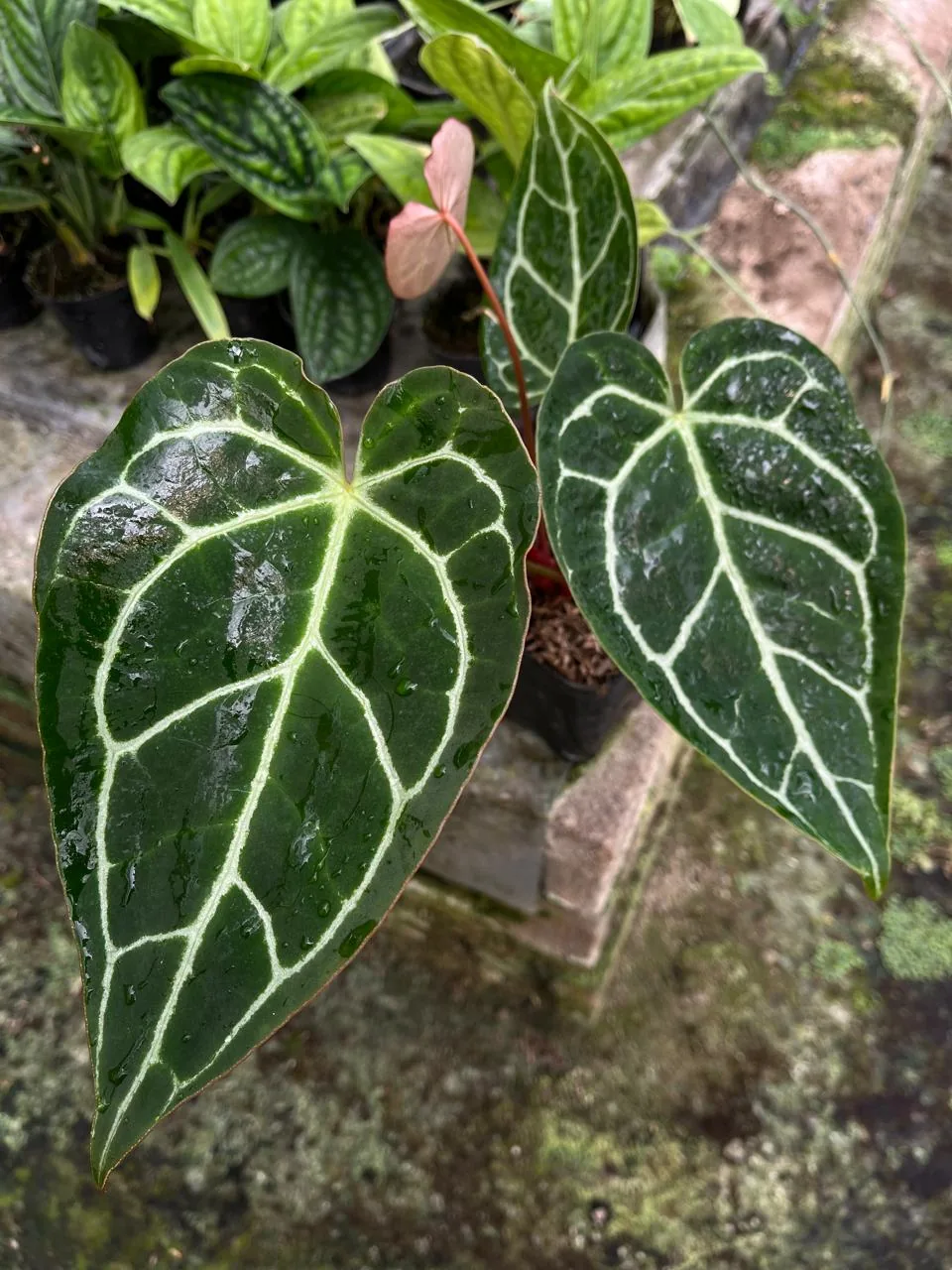
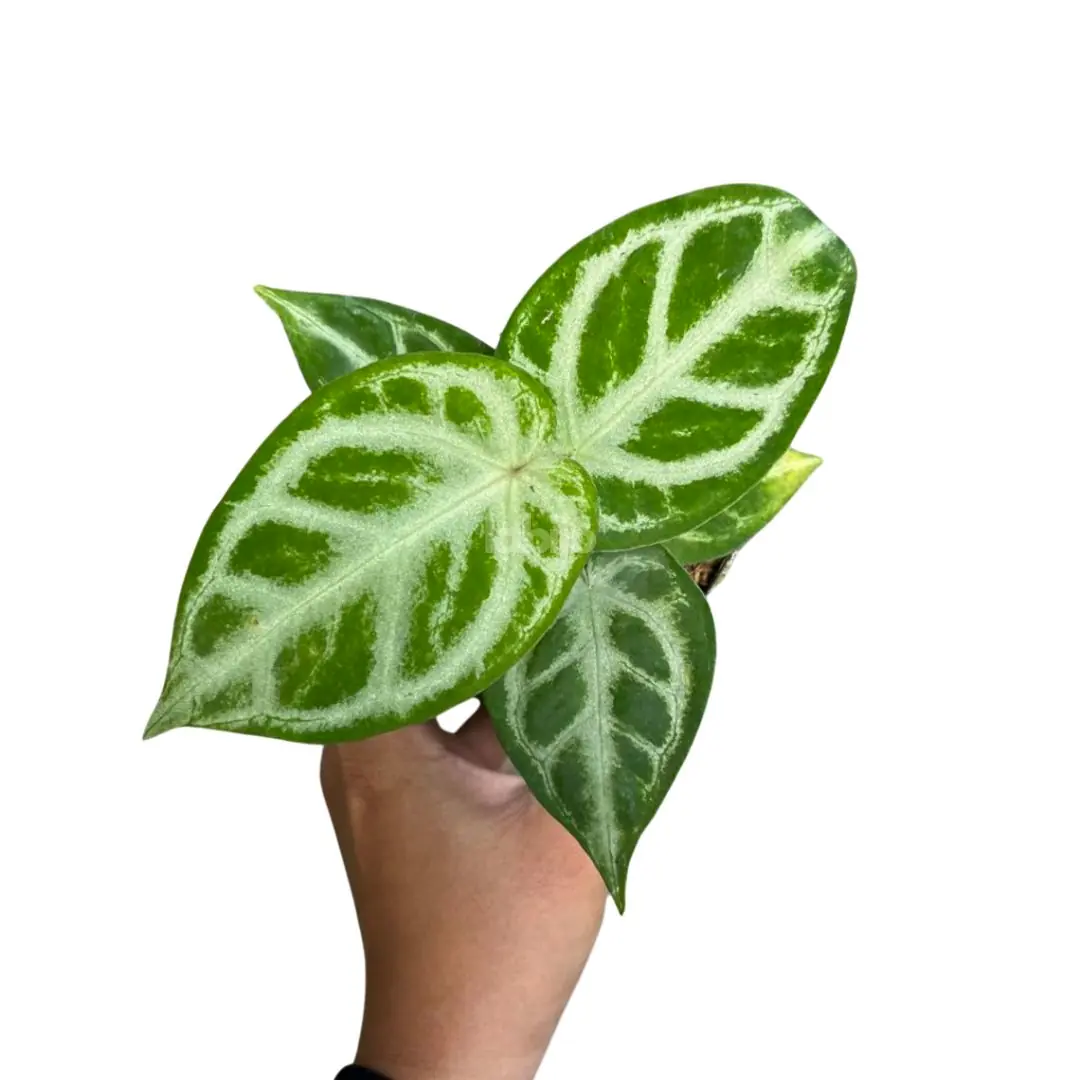
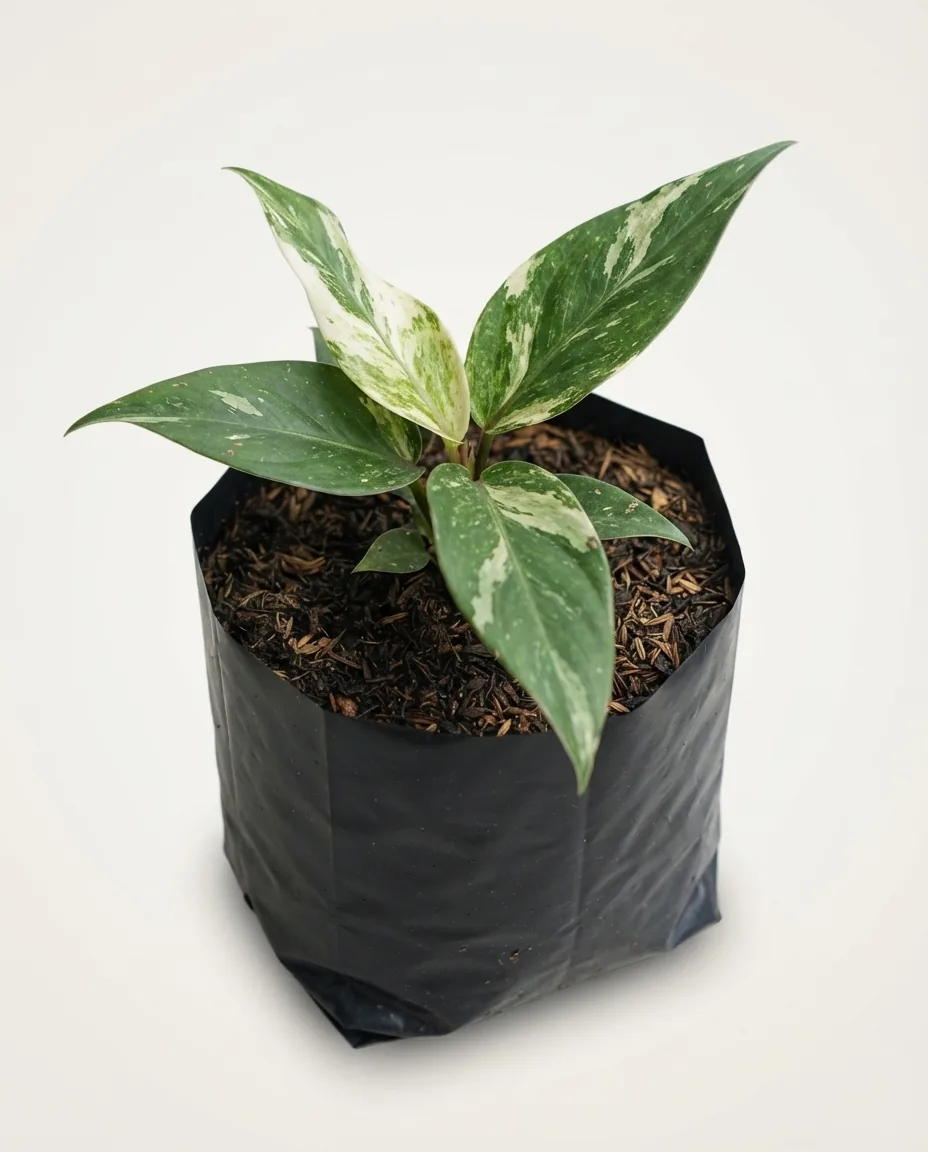
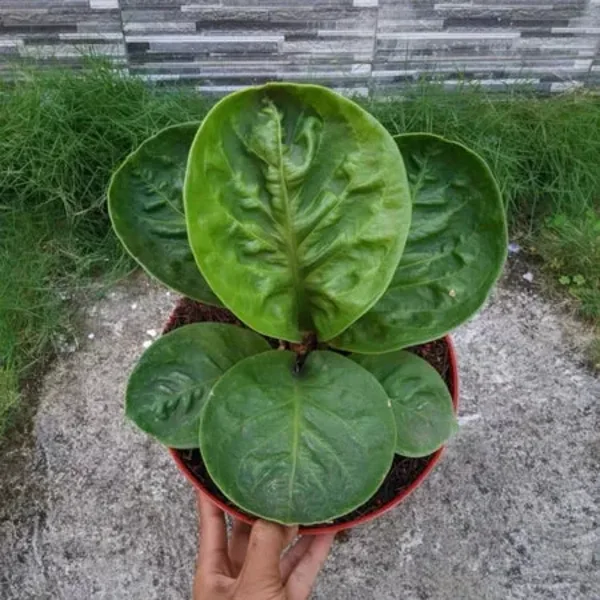
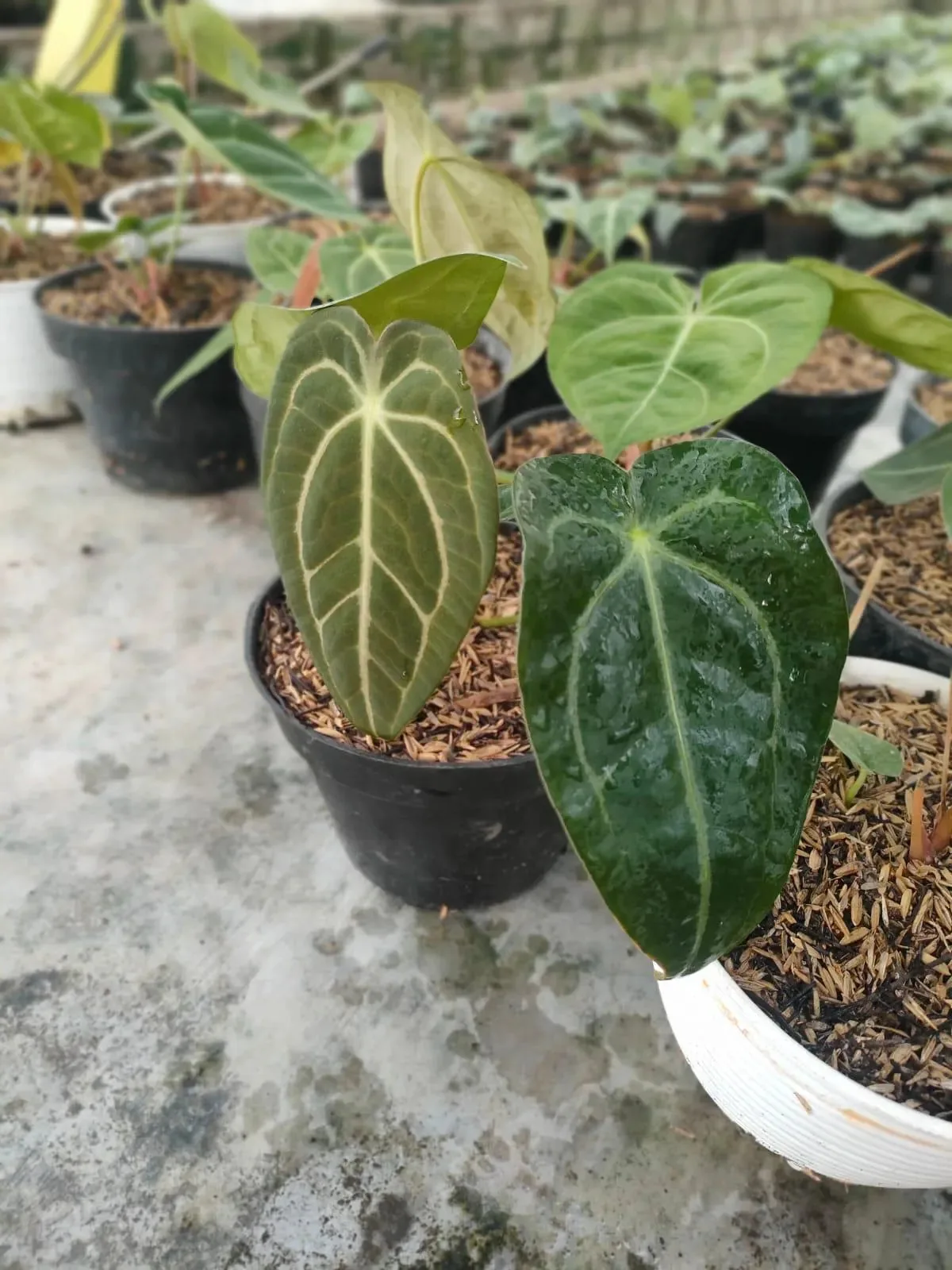
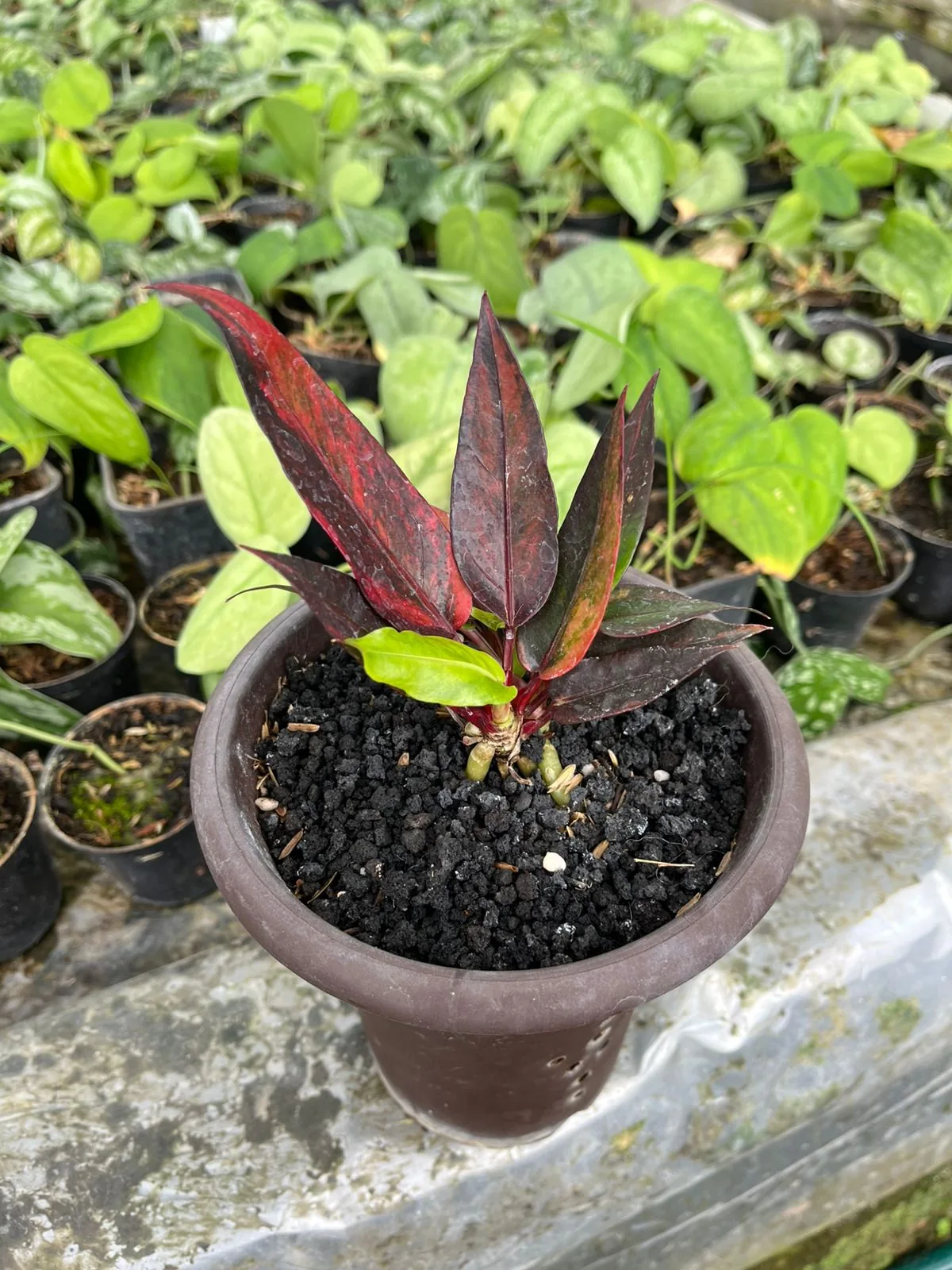
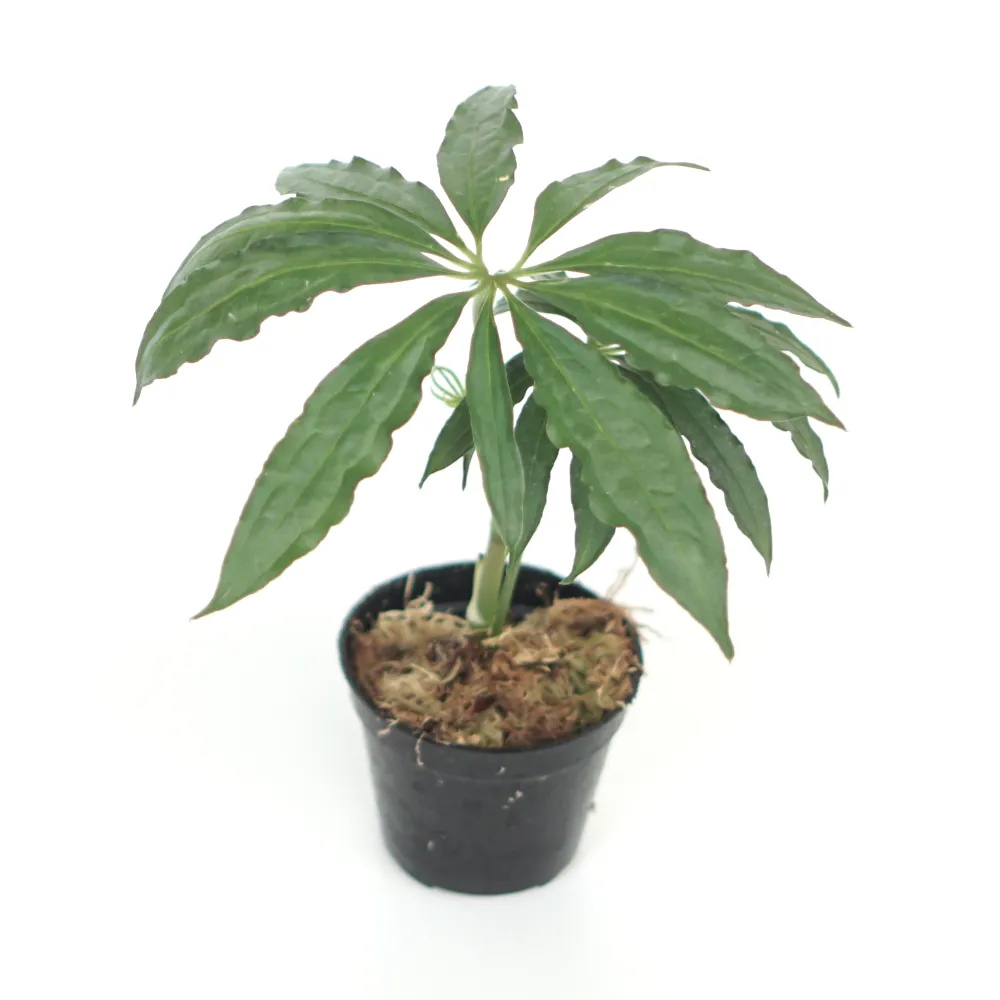
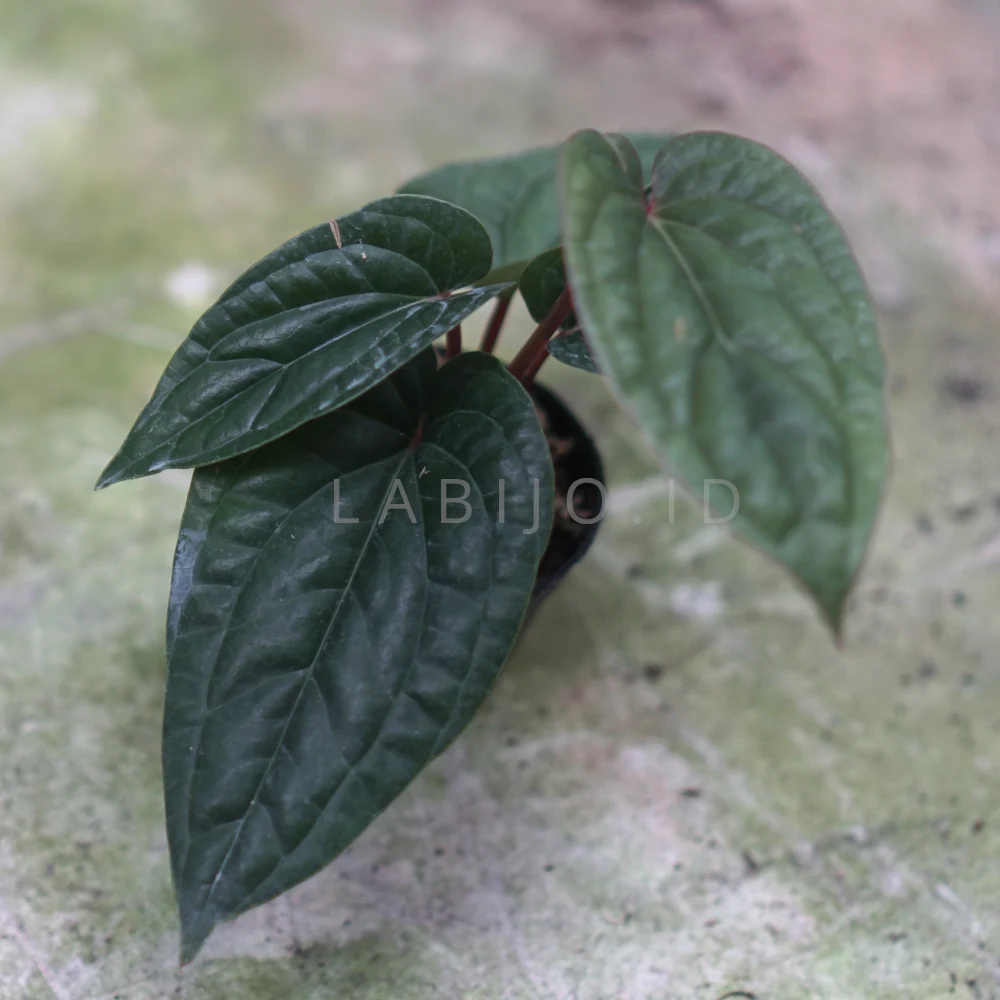
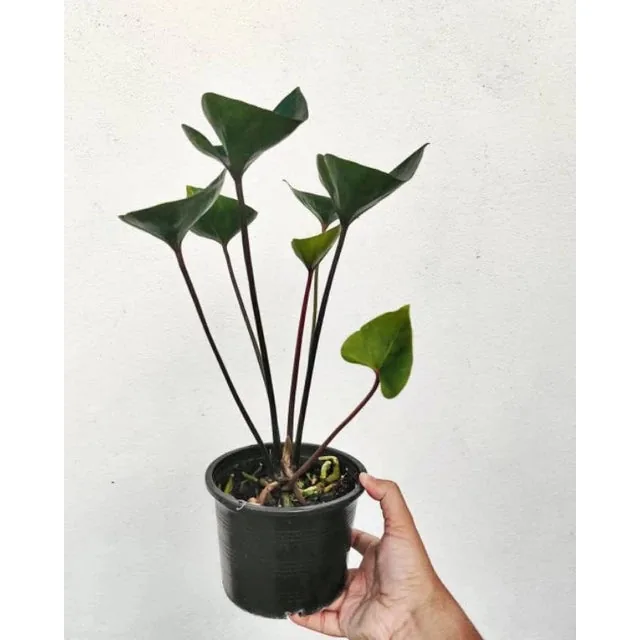
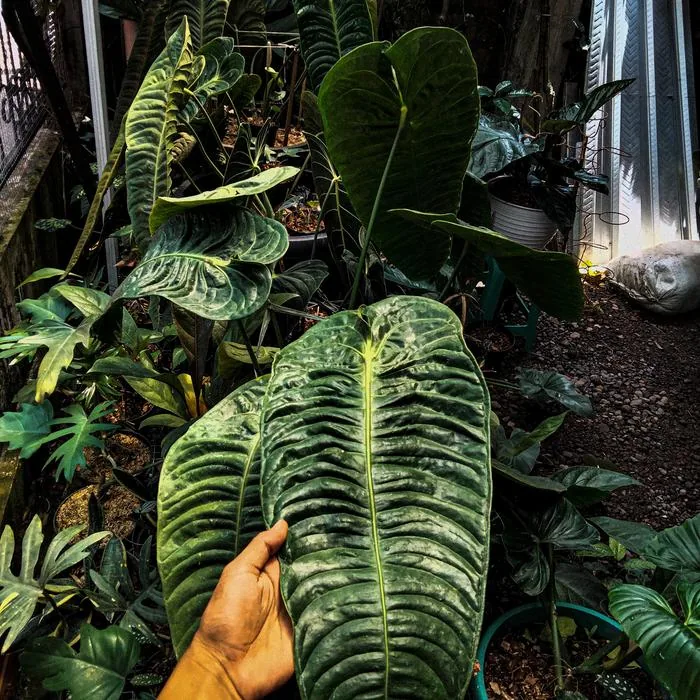
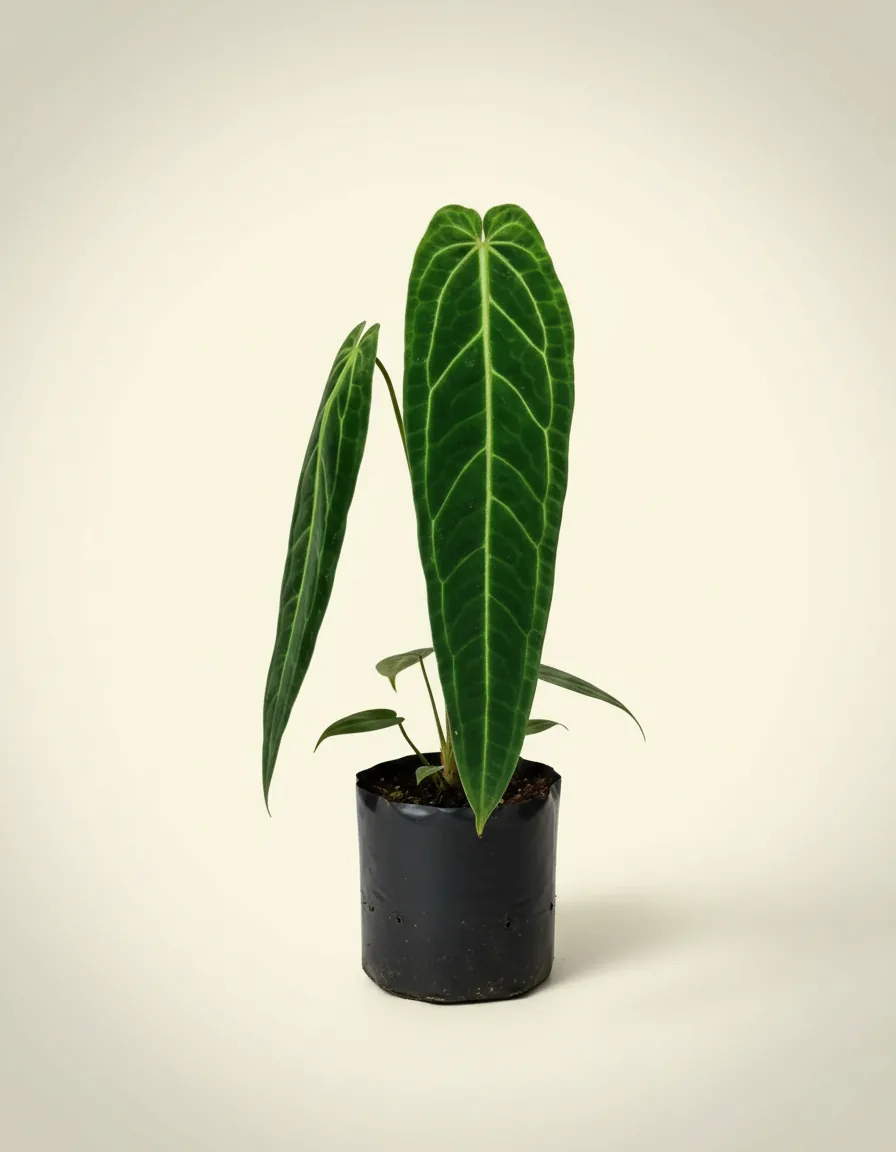
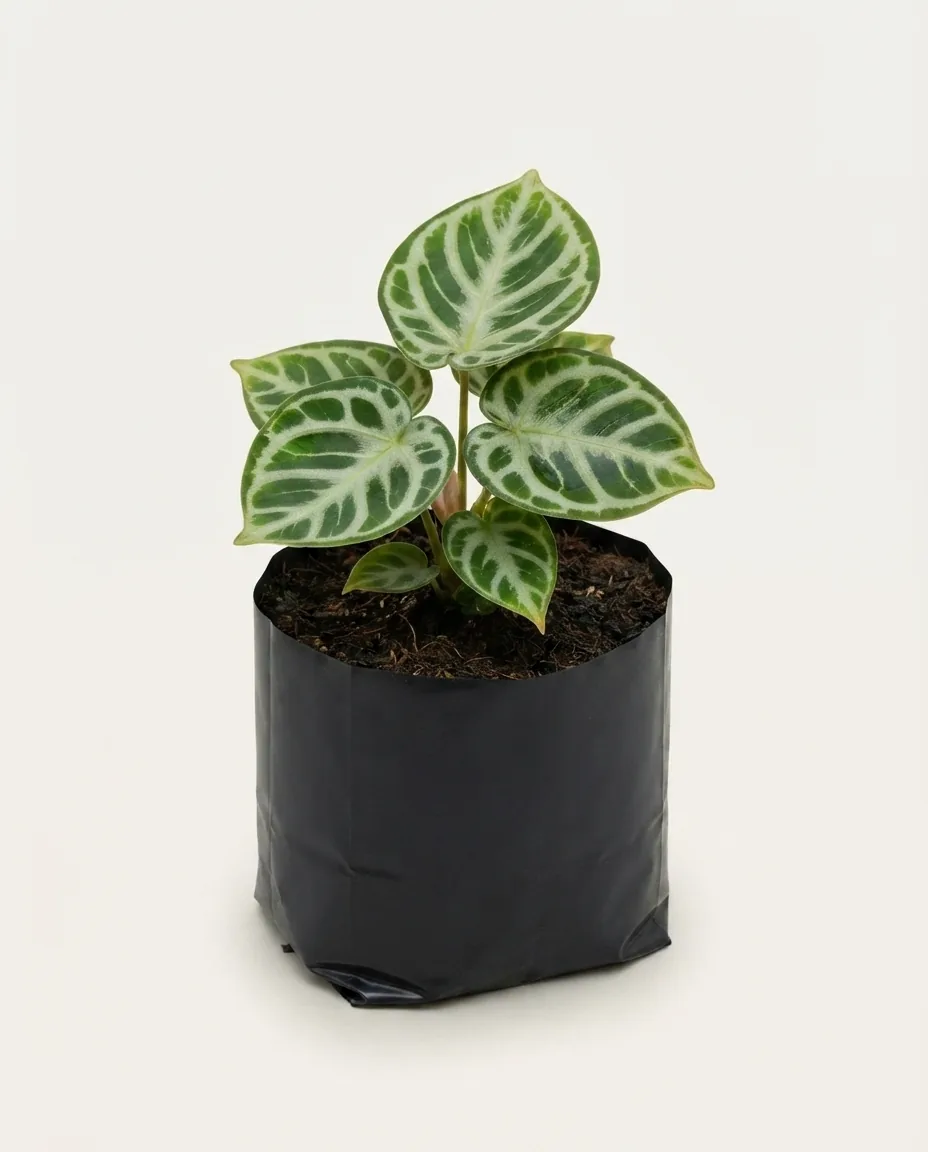
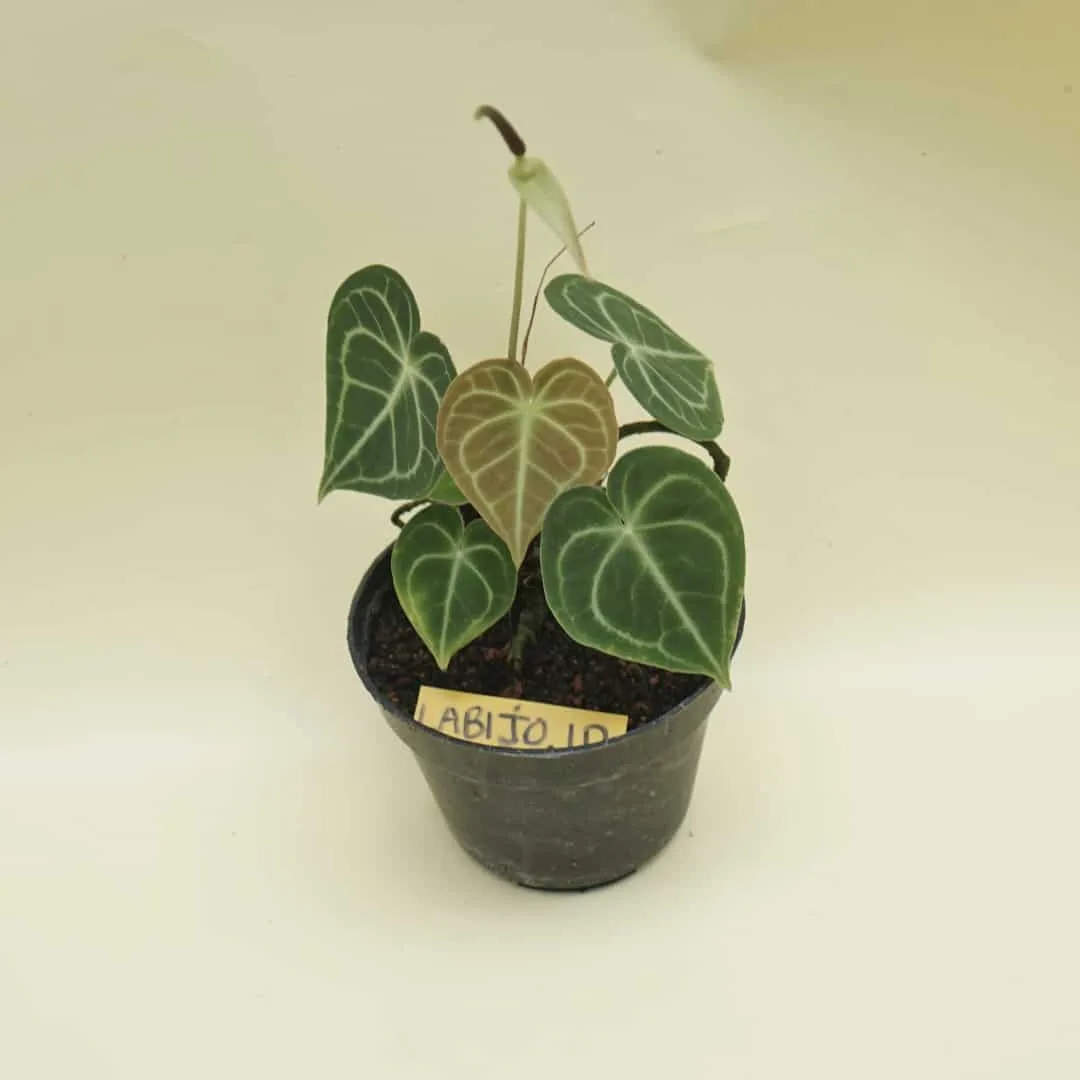
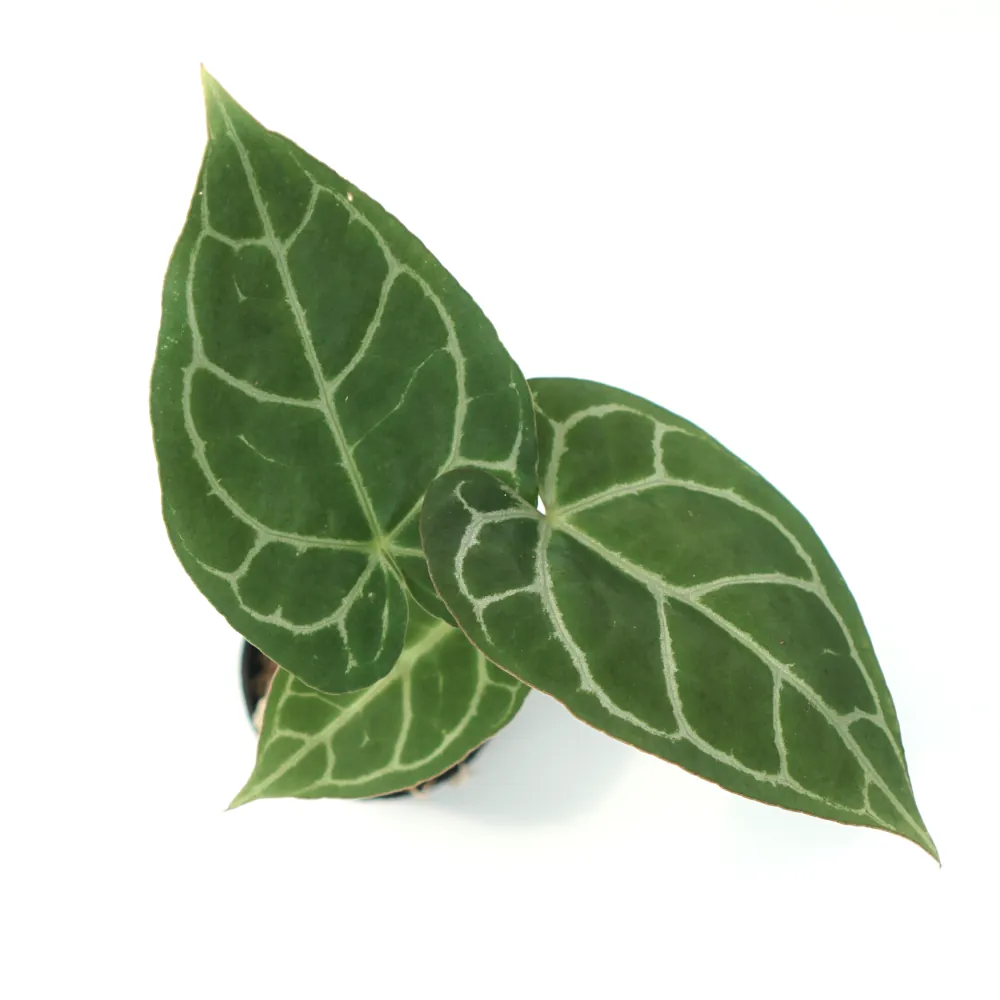
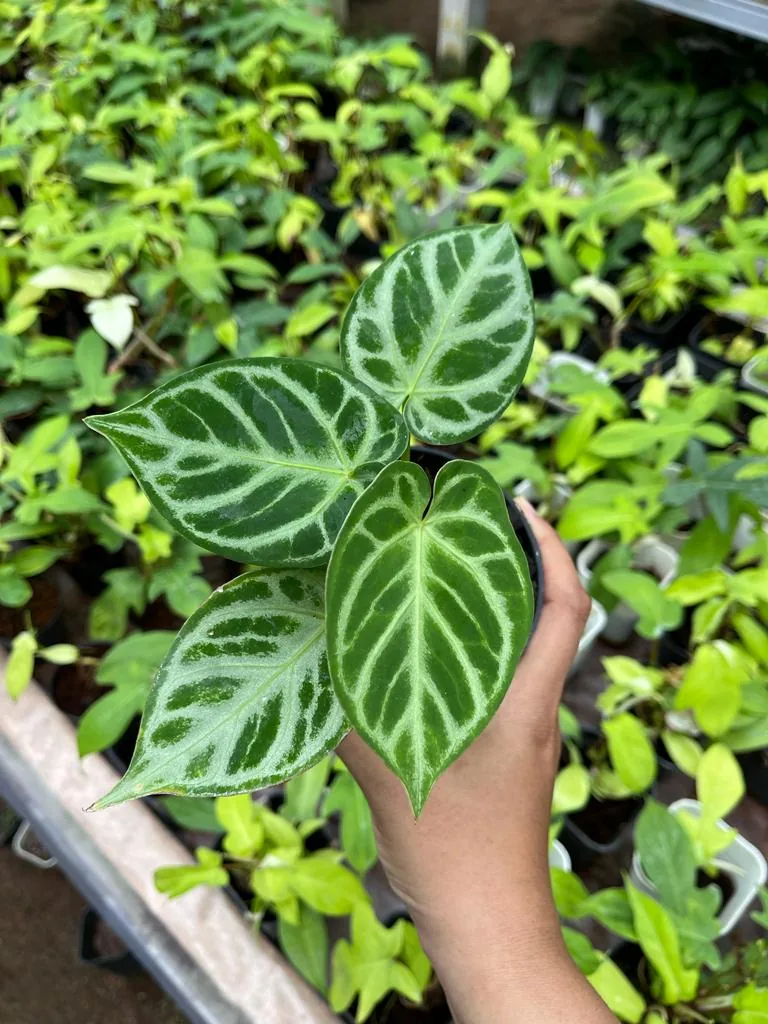
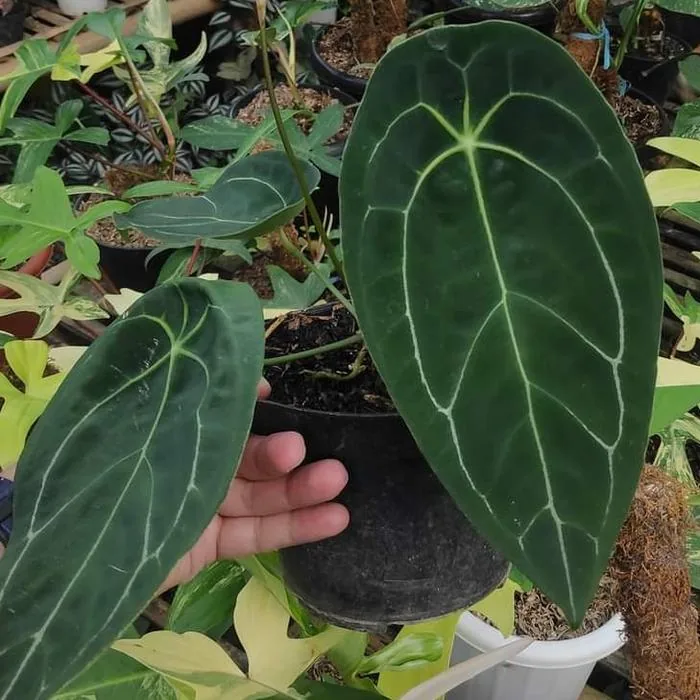
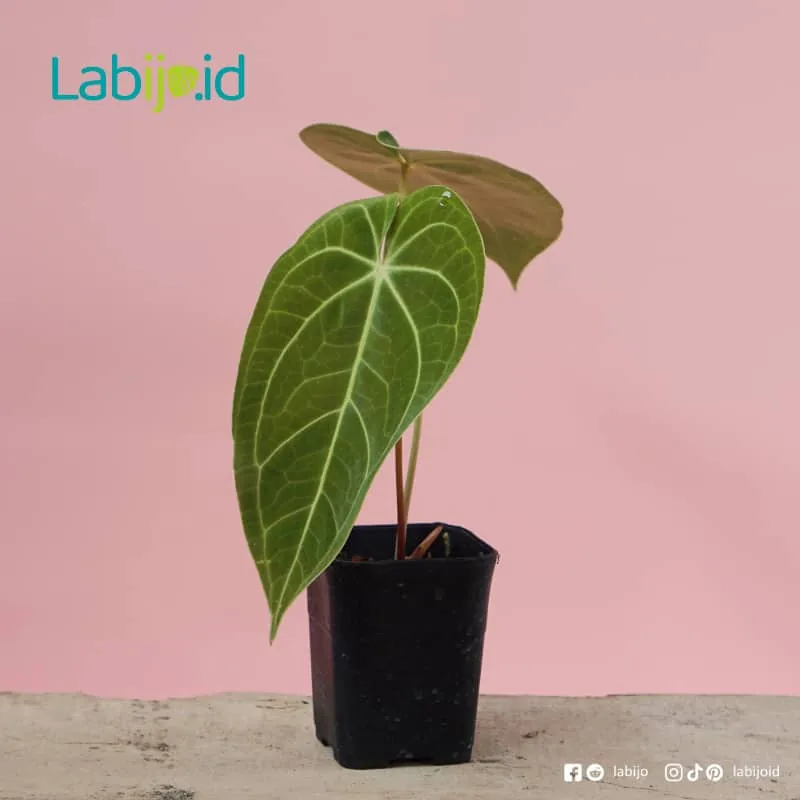
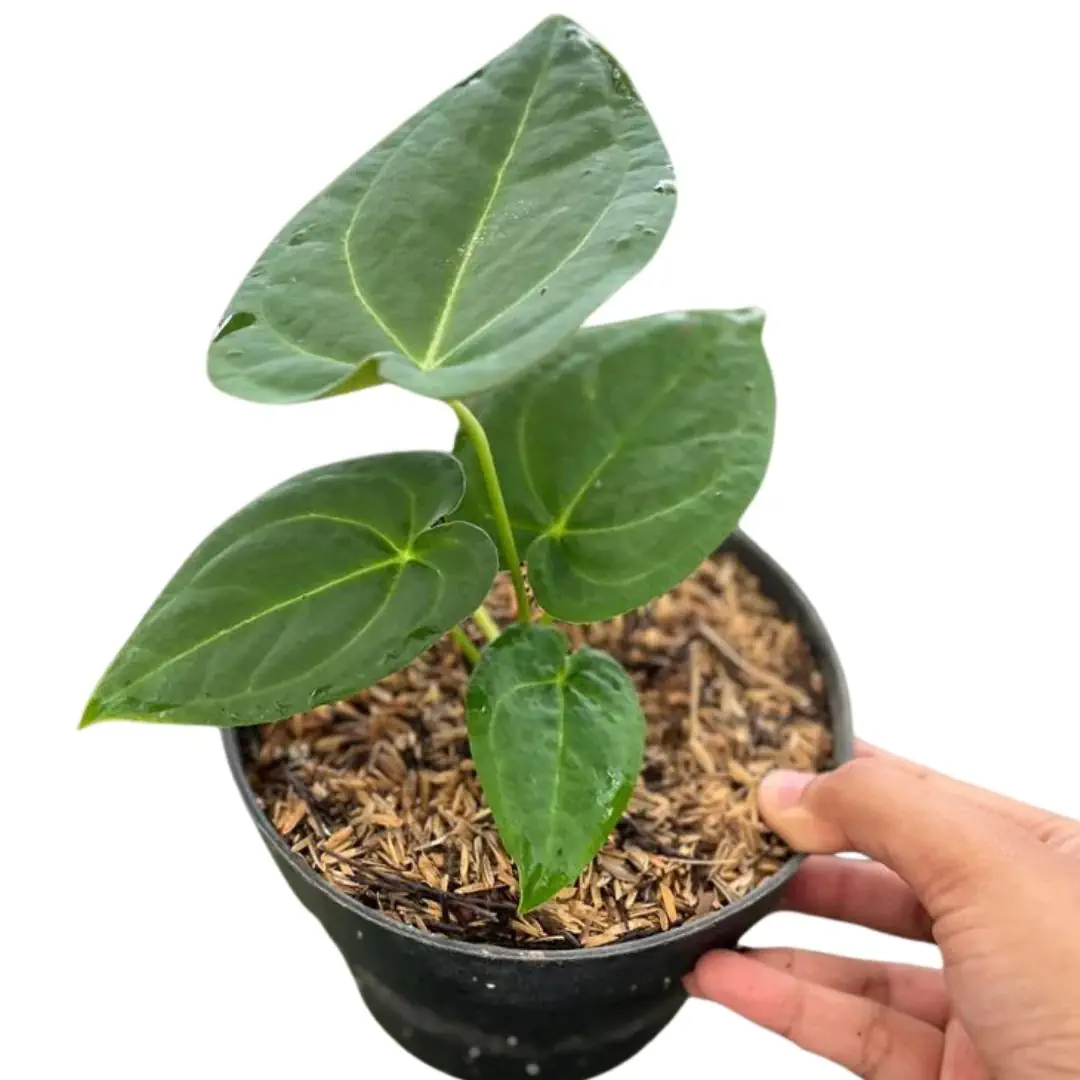
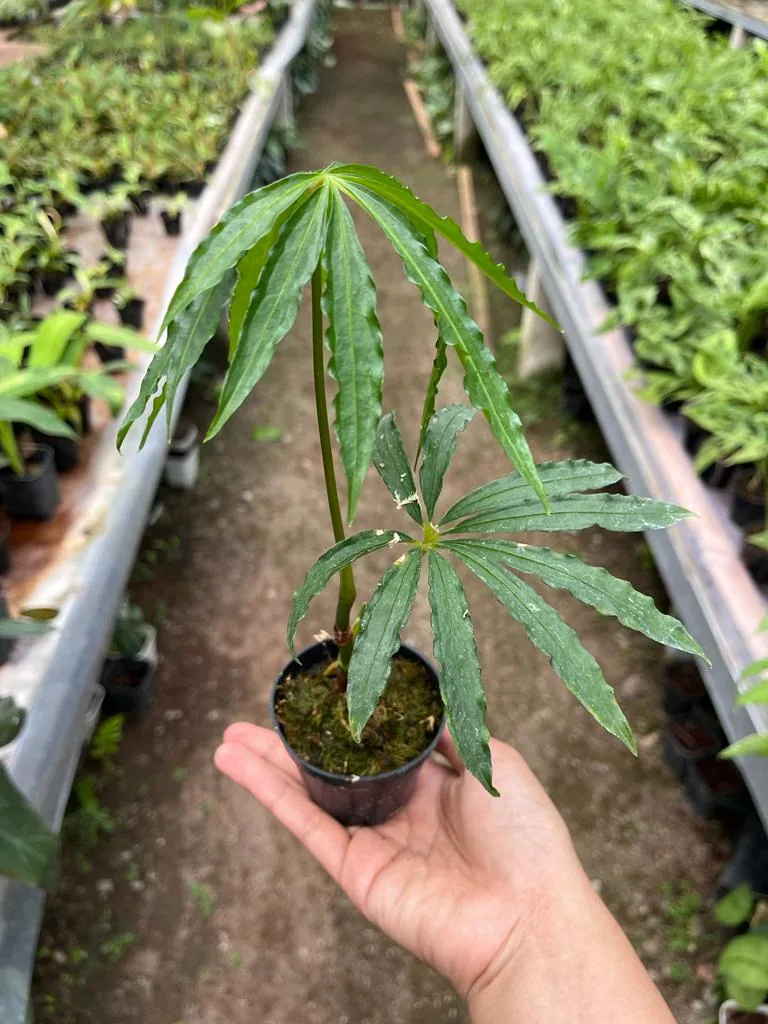
Specialized wholesale genus hubs with hand-authored sourcing notes
Hoya is the largest genus in this catalog and the one with the strongest genuine Indonesian claim. Indonesia sits inside the centre of Hoya diversity, and species continue to be described from Sulawesi, Sumatra, Borneo and the Moluccas. A collector searching for a species by name is usually looking for provenance as much as the plant — a Hoya sourced from the island it actually grows on carries a credibility that a greenhouse-grown equivalent does not.
Philodendron is the second-largest genus here and the one most often misrepresented in the trade. The genus is native to the tropical Americas — not to Indonesia — and this is worth stating plainly because a buyer comparing suppliers will otherwise be told otherwise. What Indonesia offers is not native provenance but cultivation capacity: year-round equatorial growing conditions, low-cost skilled nursery labour, and the ability to bring a named cultivar to exportable size faster than a temperate grower.
Export protocols, biosecurity compliance, and logistics documentation relevant to anthurium.
Why dark velvety Anthuriums command the highest retail margins in US/EU plant shops, how to identify genuine Indonesian cultivars, and how to source Grade A+ specimens.
How Foliaria engineers export containers to maintain a 18°C–26°C interior microclimate even when ambient temperatures in transit hubs like Leipzig or Cincinnati plummet below freezing.
Why international agricultural inspectors have zero tolerance for organic soil particles, and how our 3-stage pressurized hydrodynamic cleaning process removes 100% of substrate before inspection.
Every anthurium consignment is 100% soil-eliminated, dipped, and wrapped in sterile Chilean sphagnum before Barantan inspection.
Compliance dossier →USDA APHIS permitting, the 12-plant exemption boundary, PPQ 587 and Green & Yellow labels.
US import guide →Regulation (EU) 2016/2031, TRACES-NT CHED-PP pre-notification, and e-Phyto certification.
EU import guide →