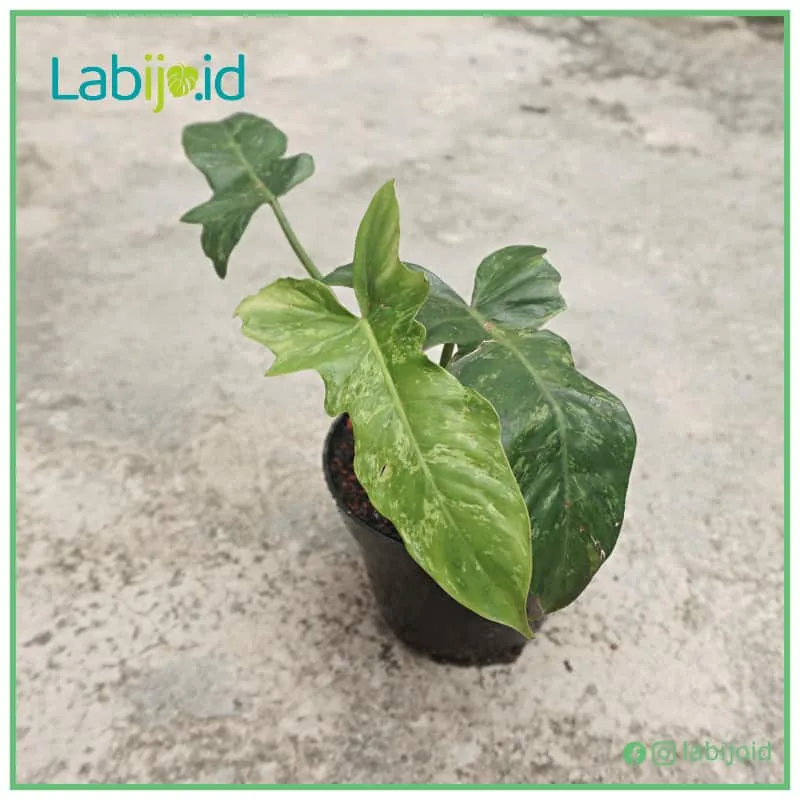
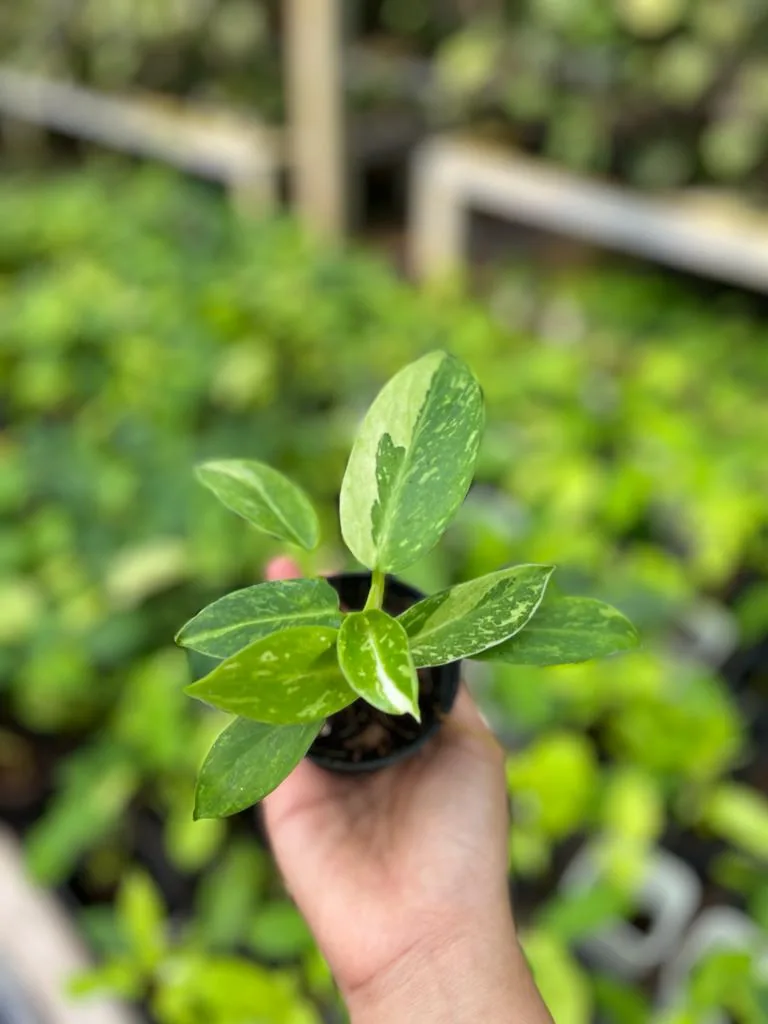
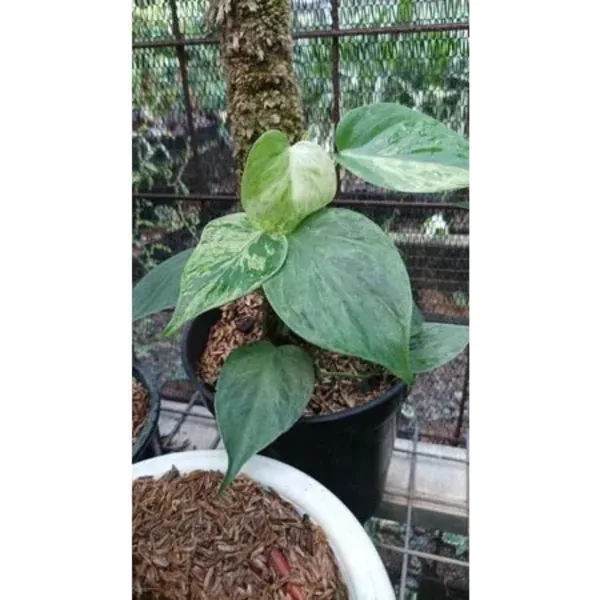
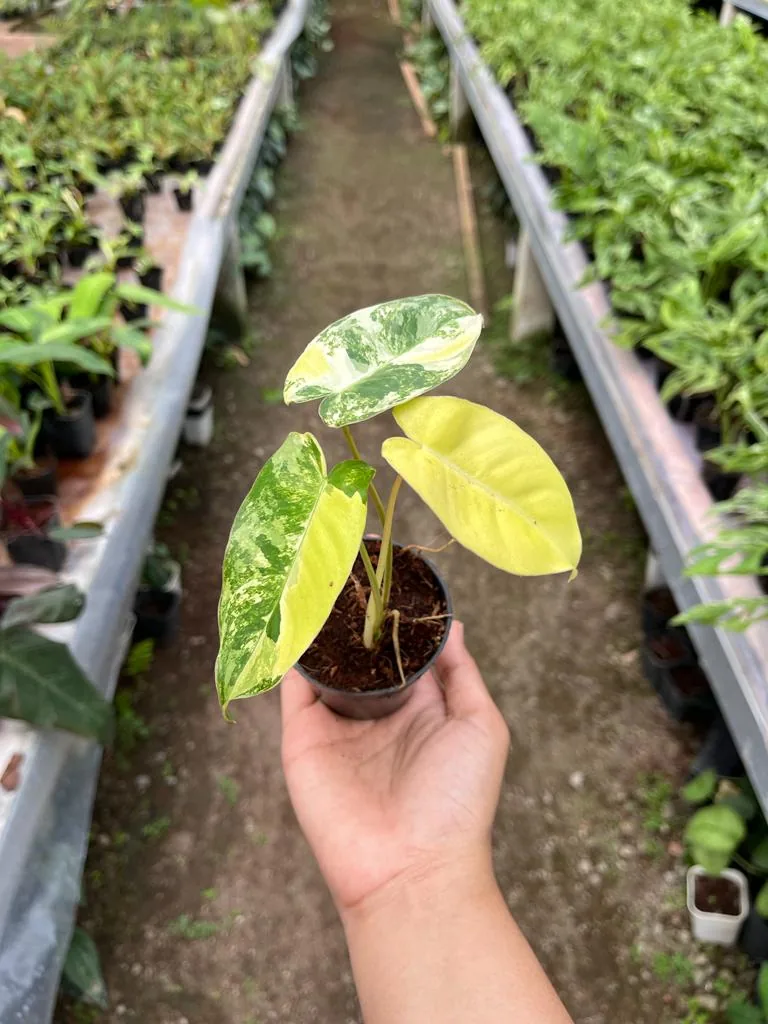
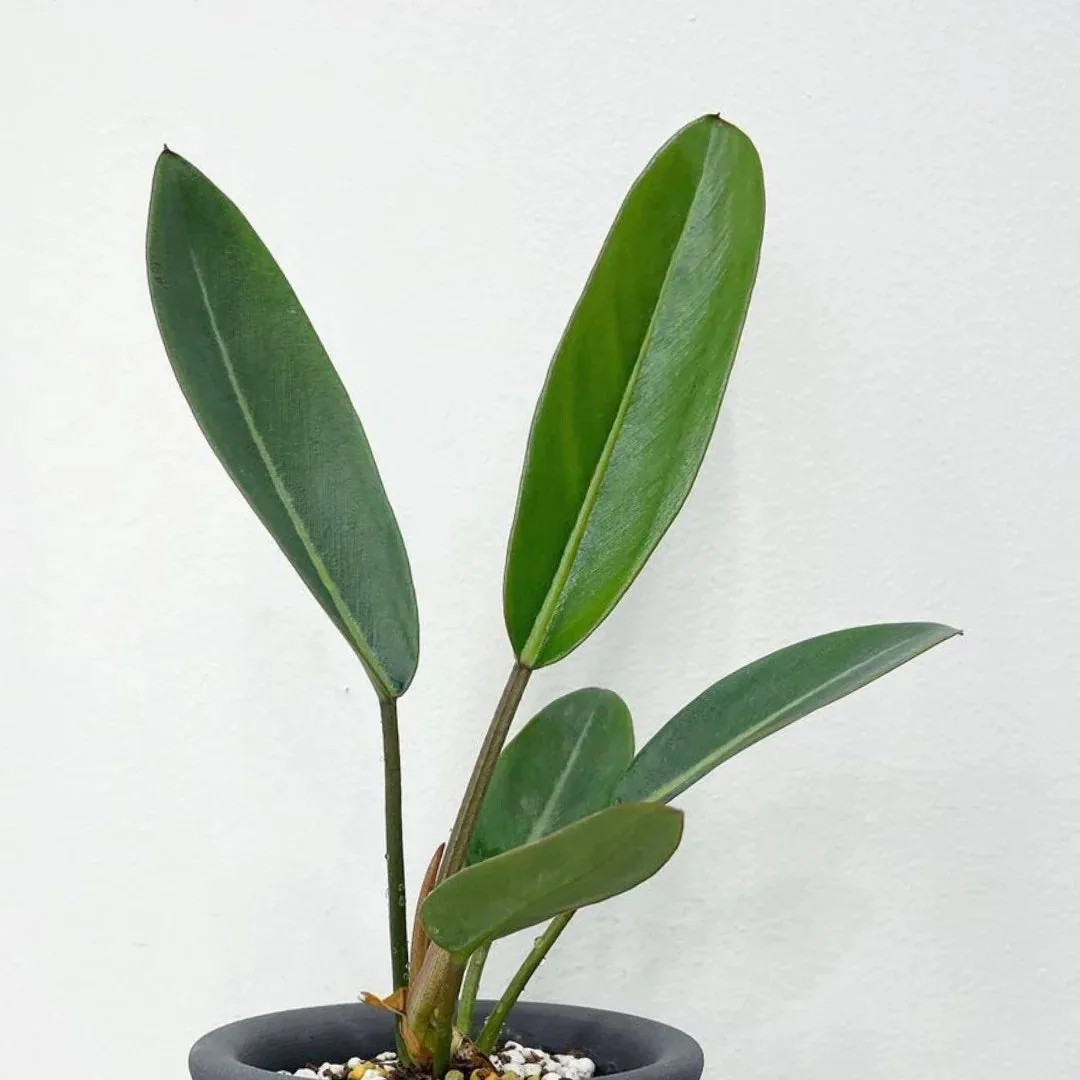
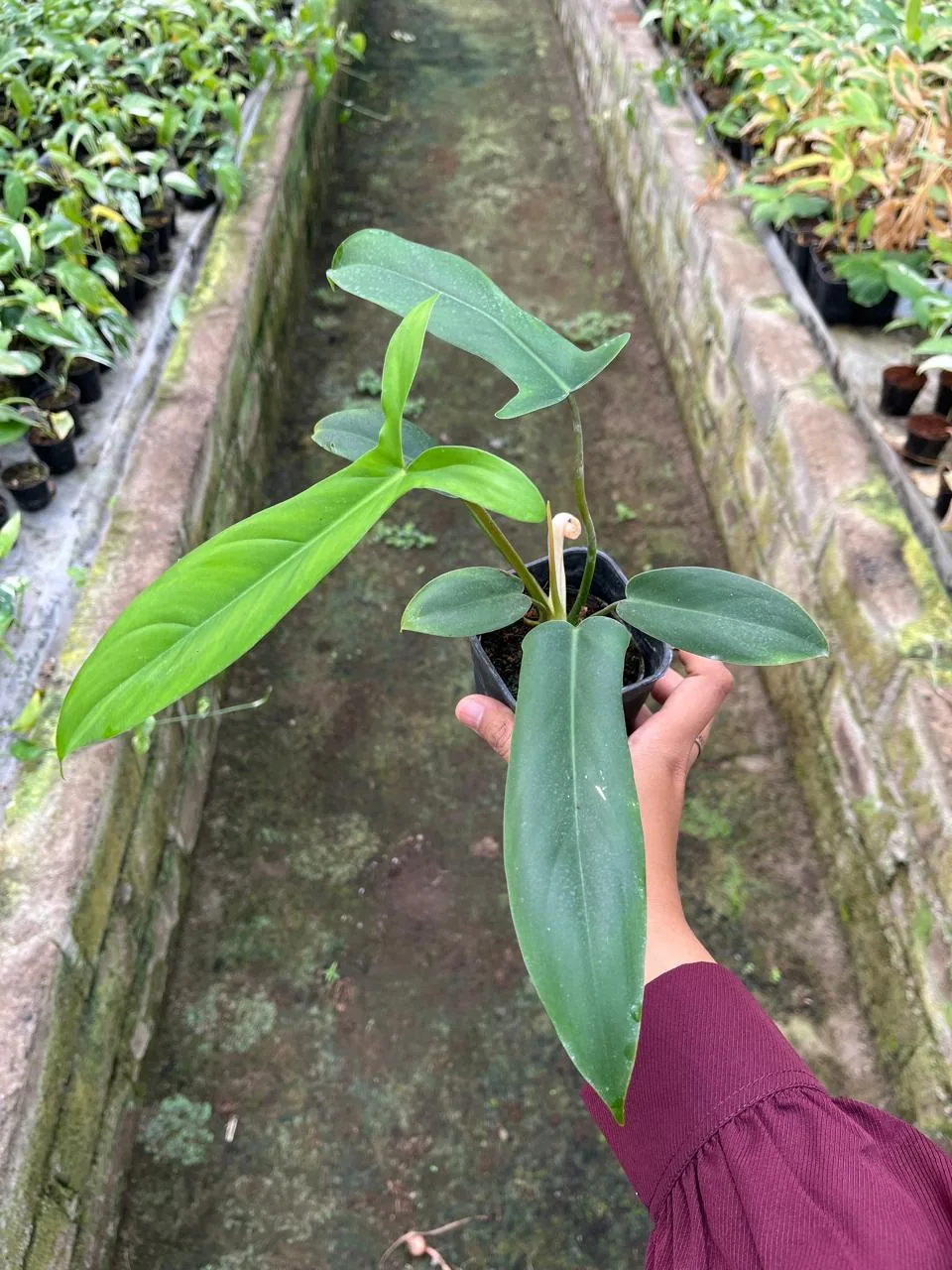
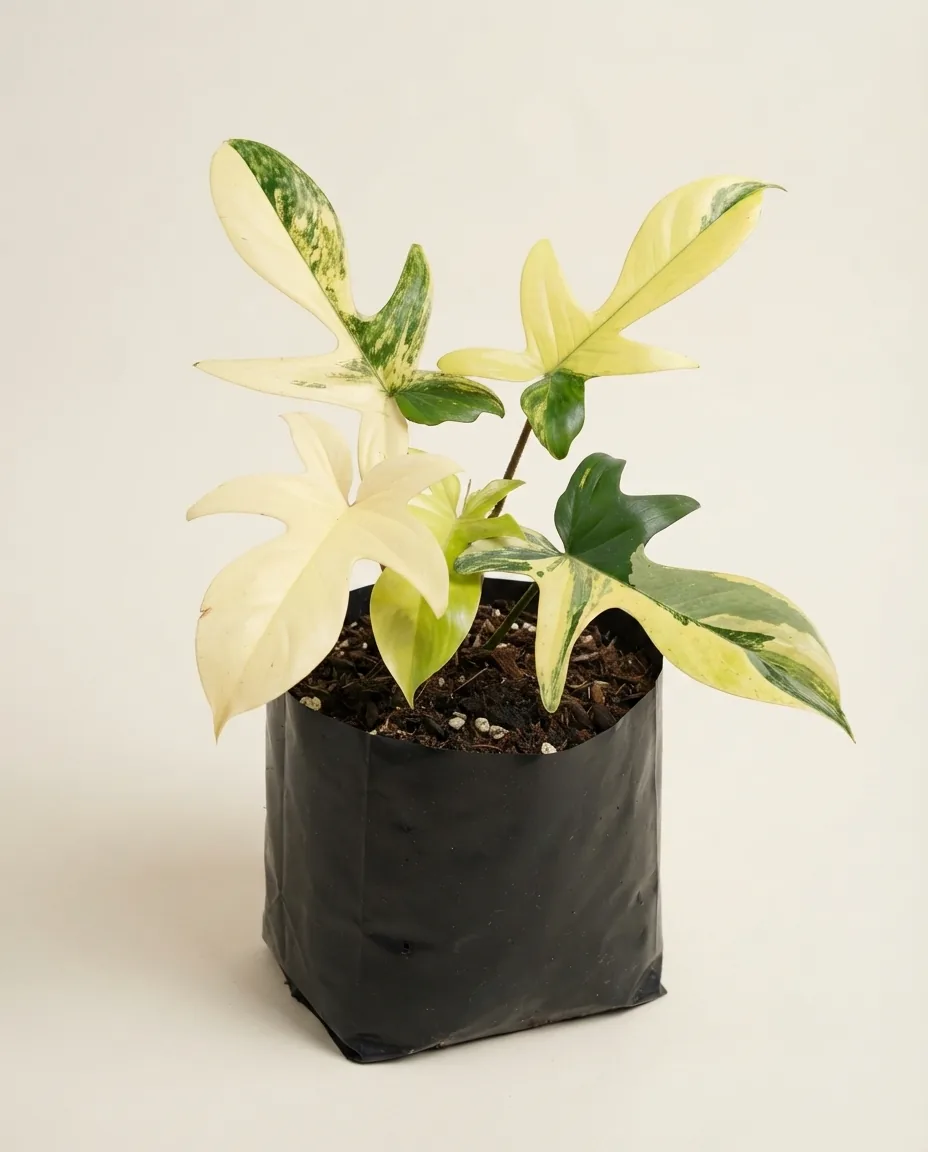
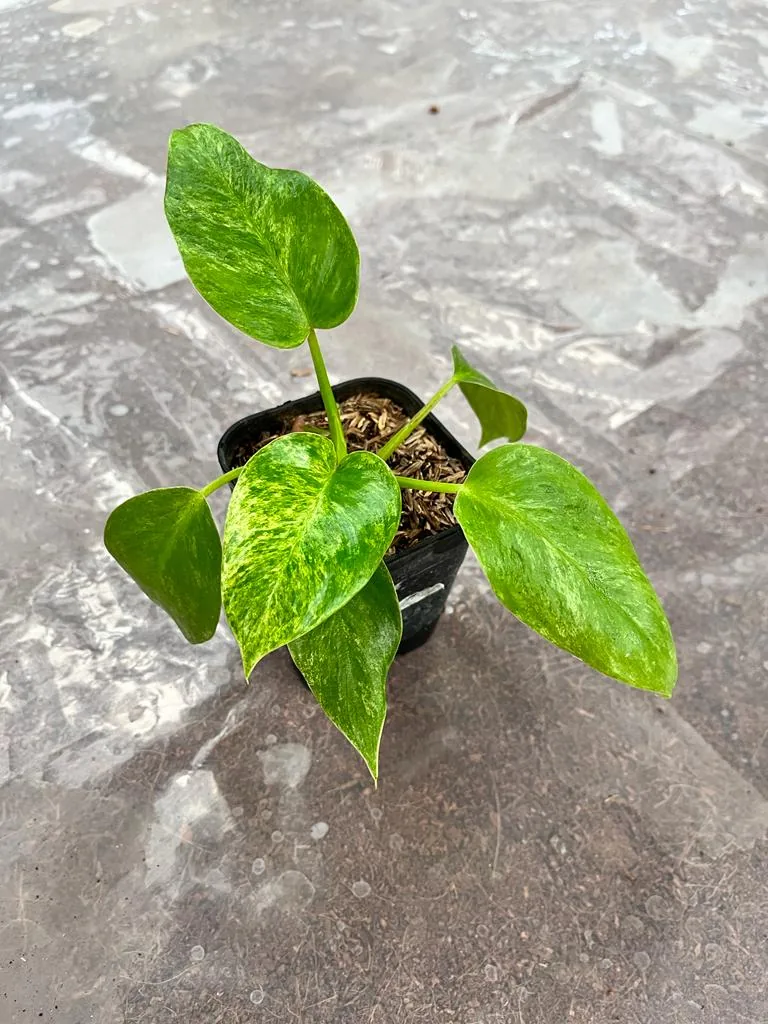
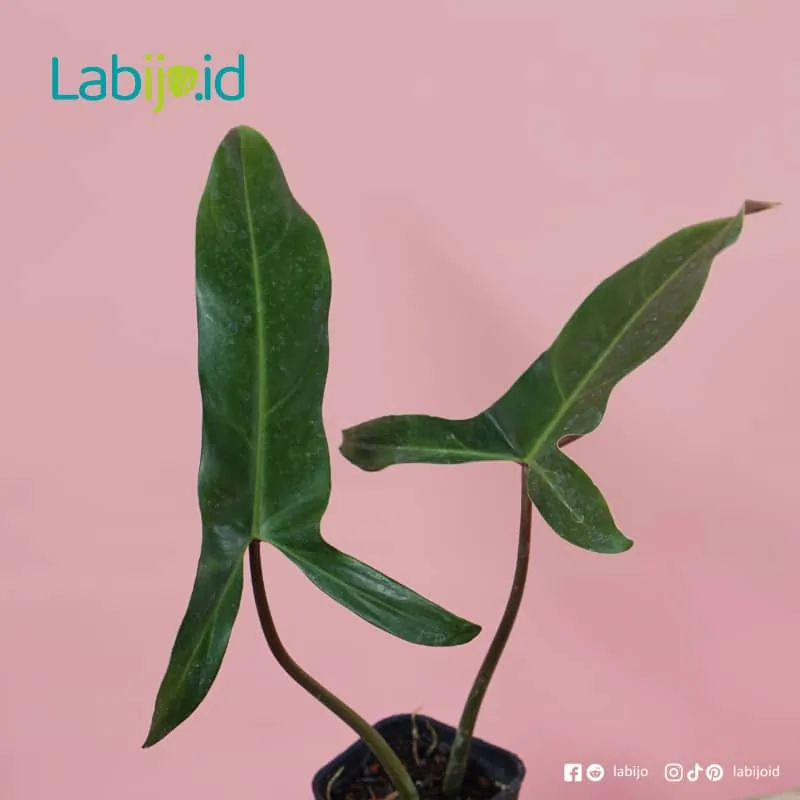
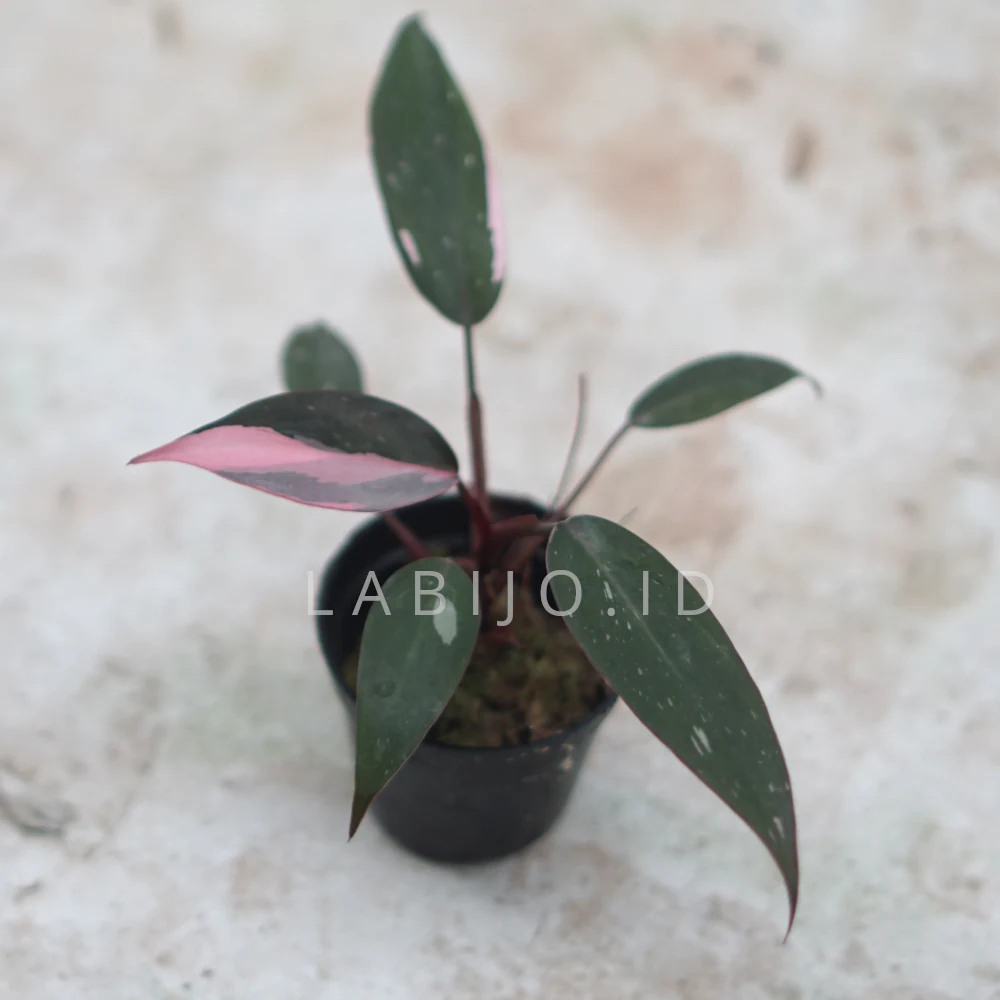
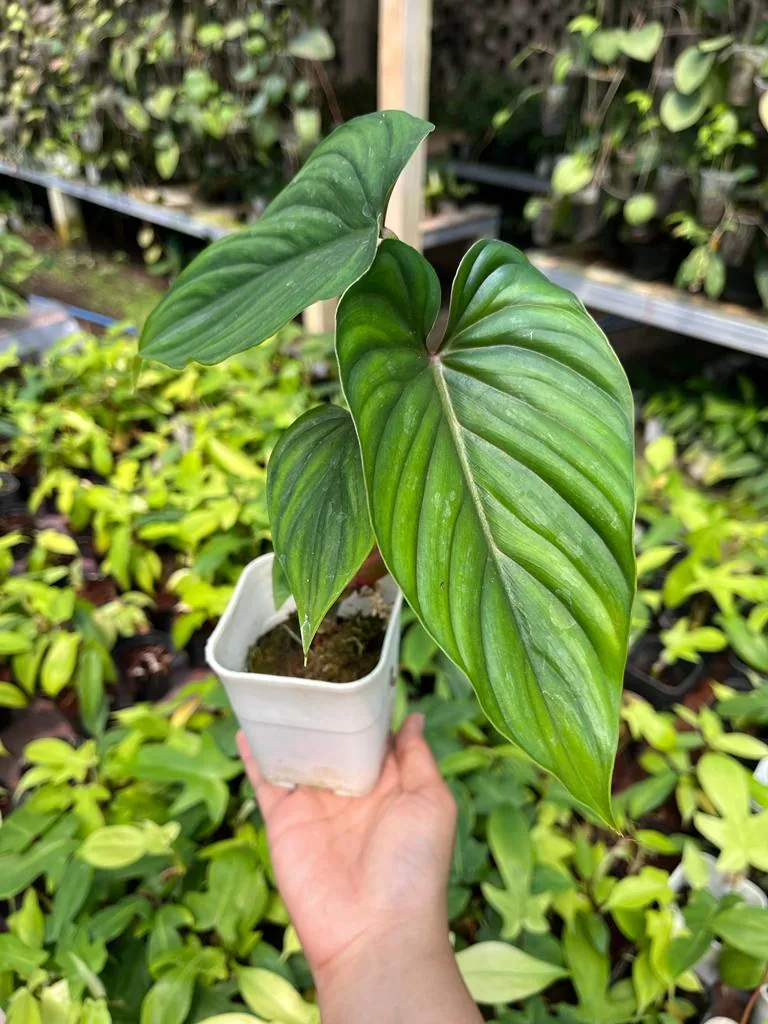
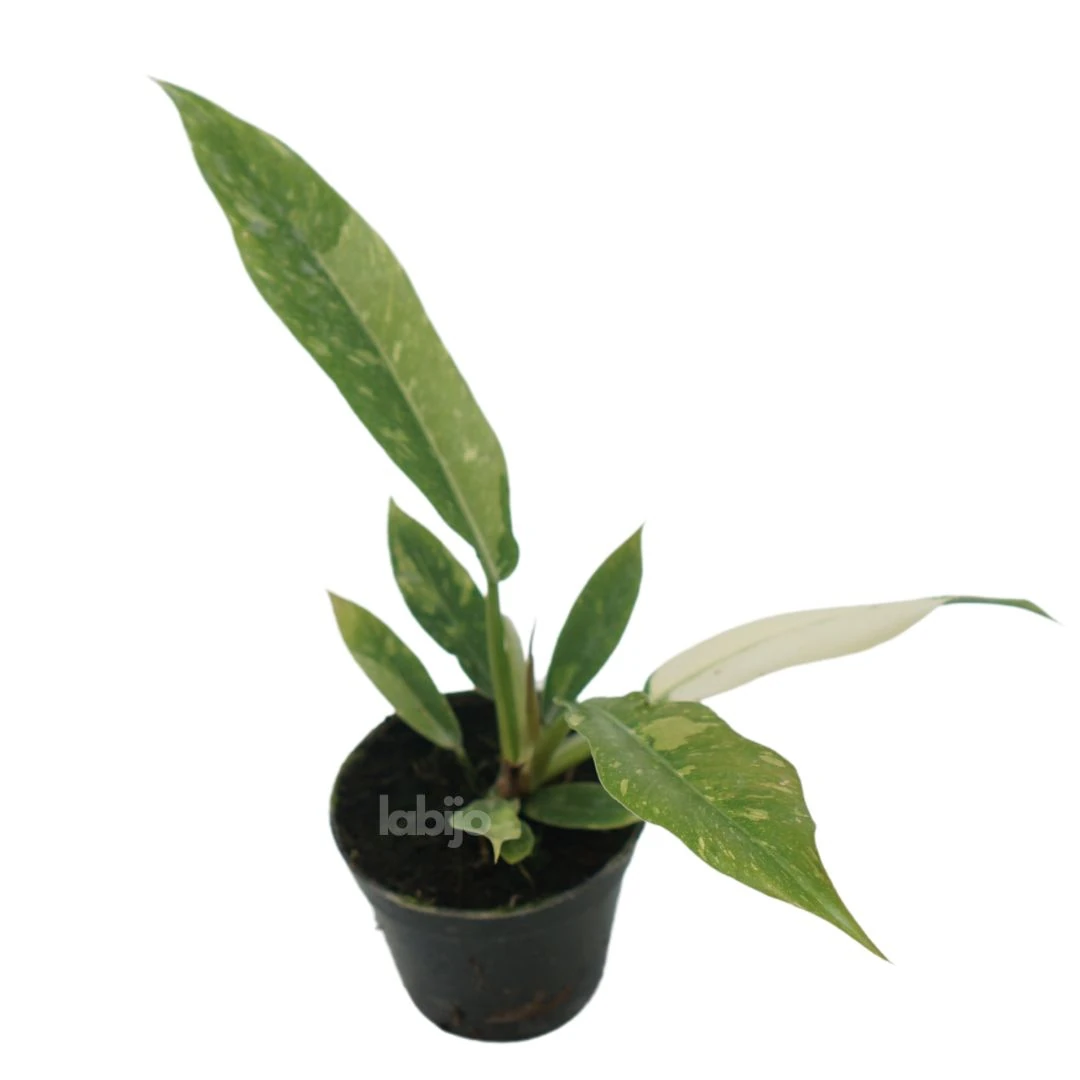
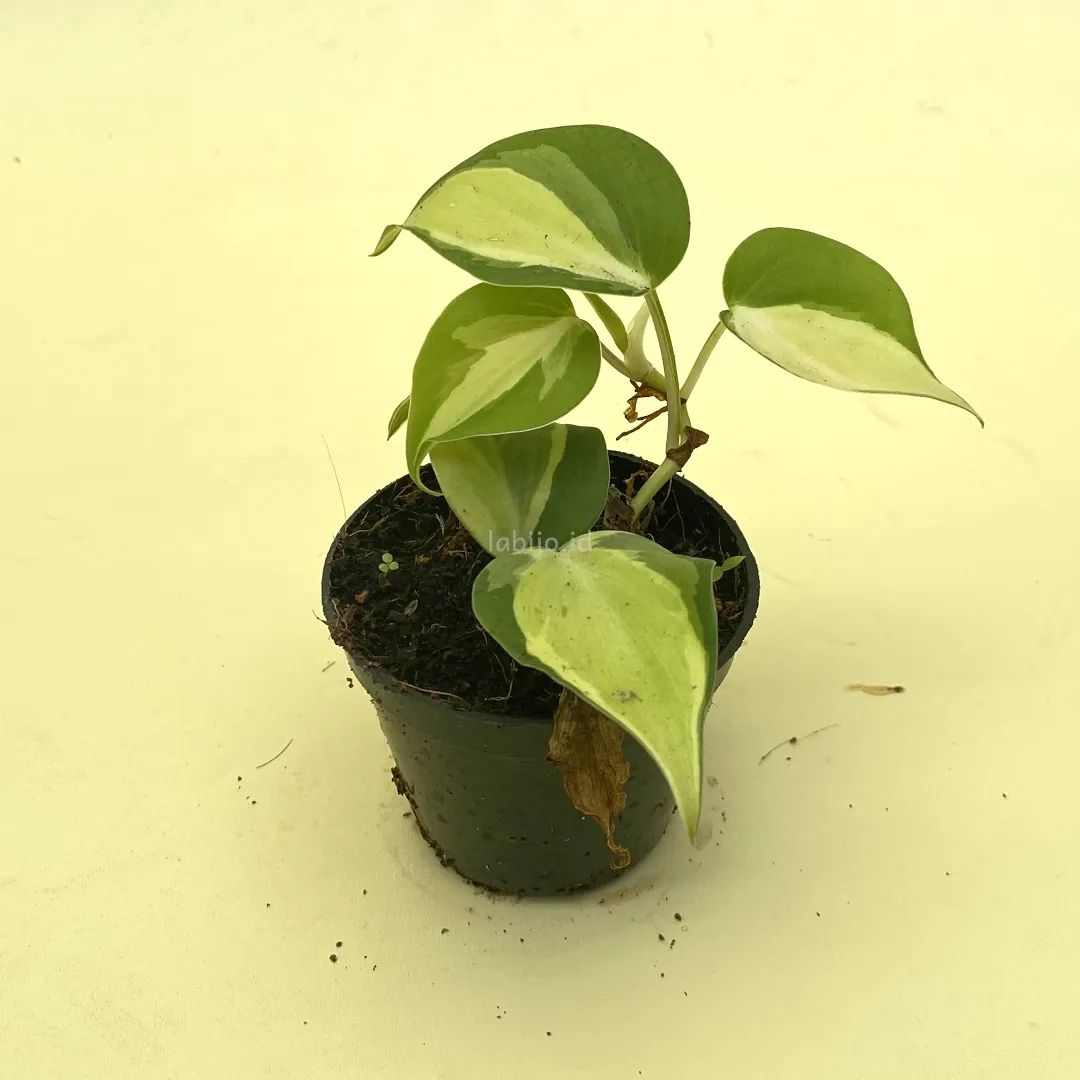
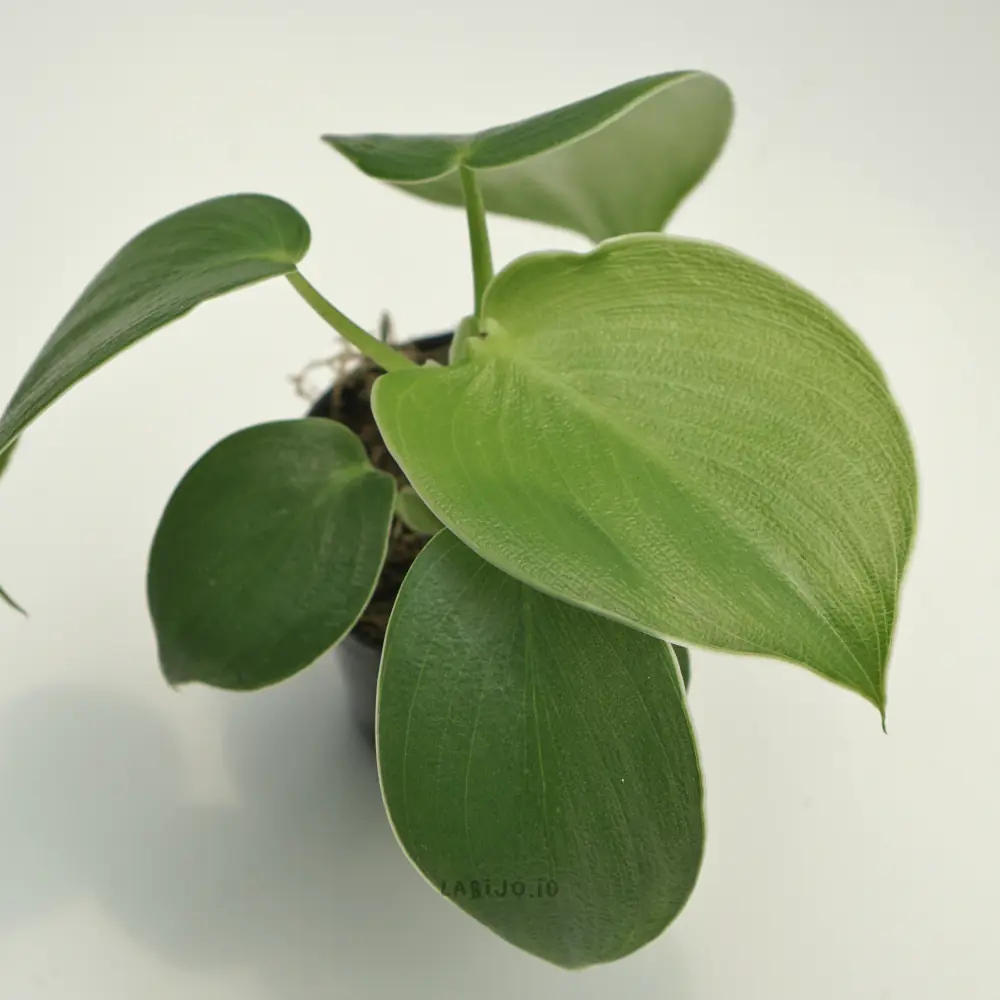
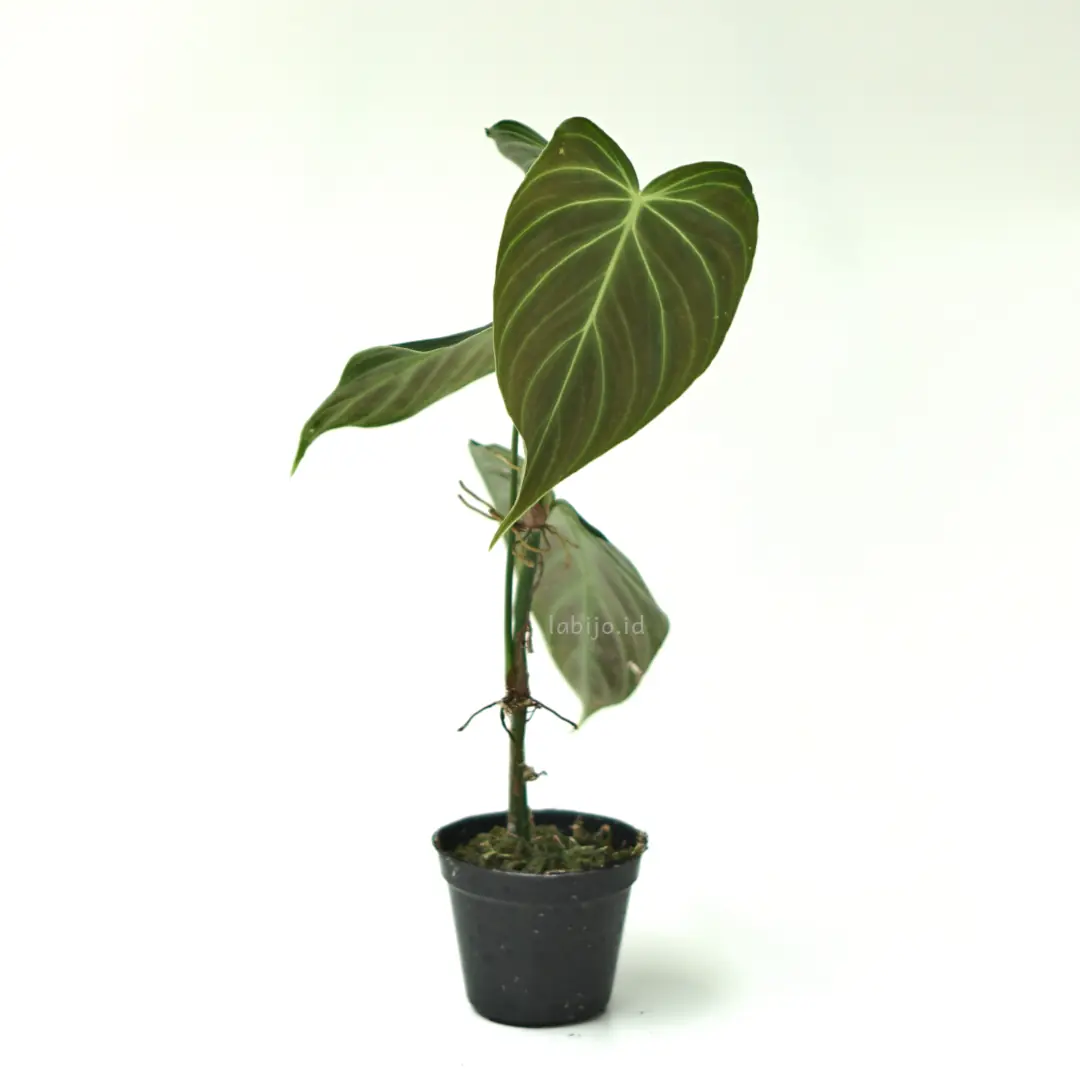
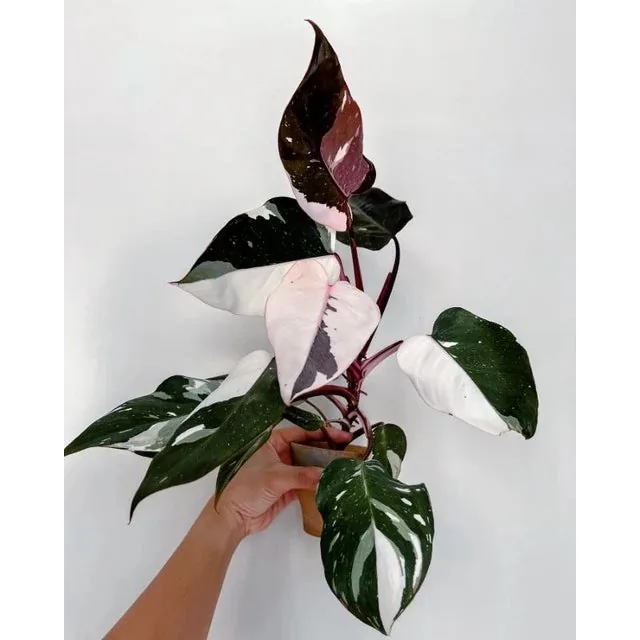
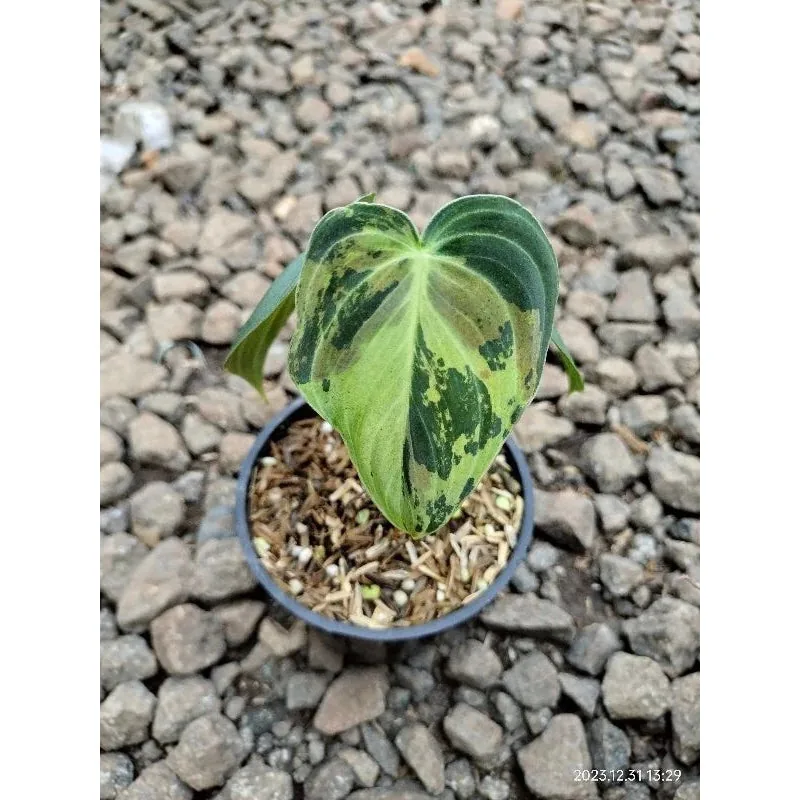
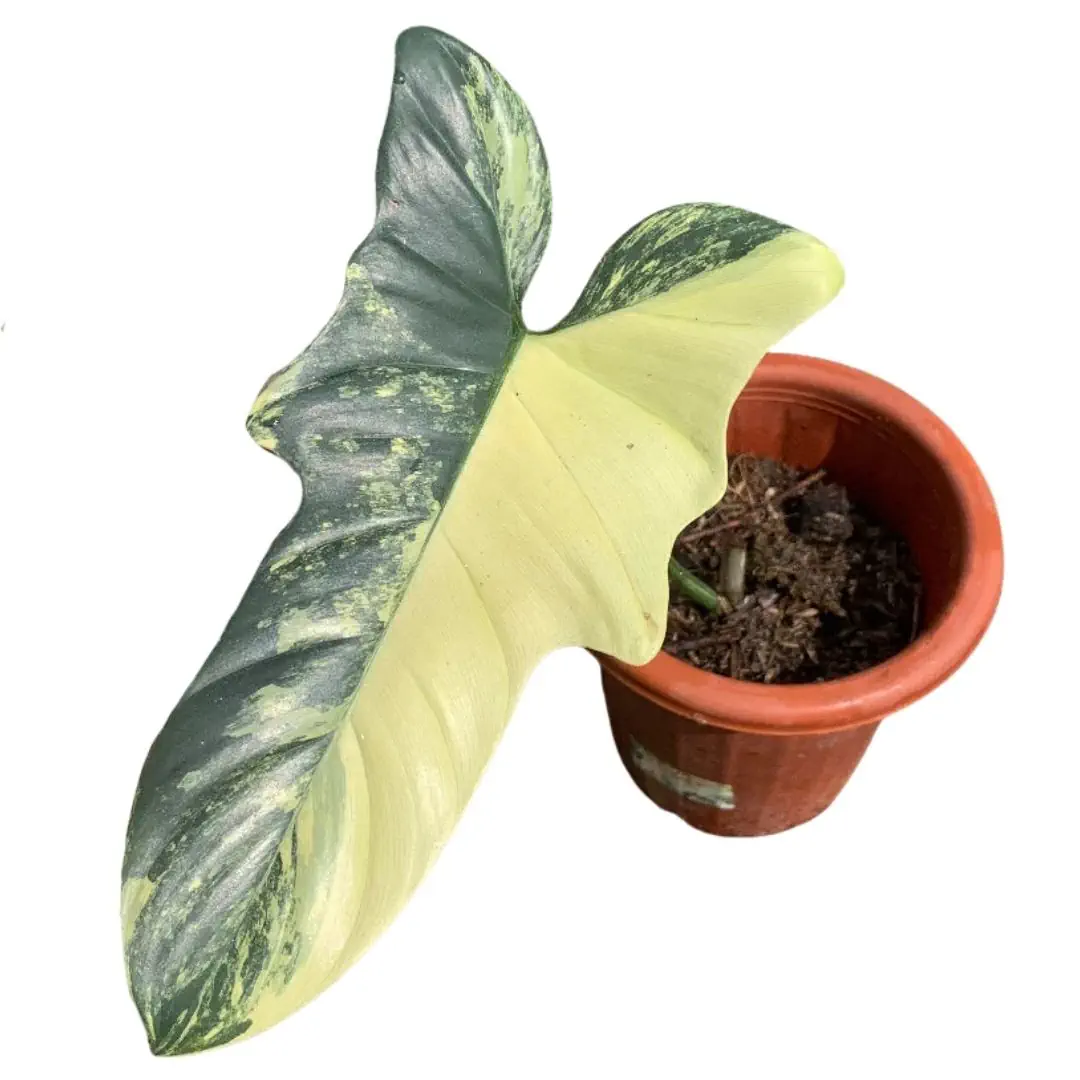
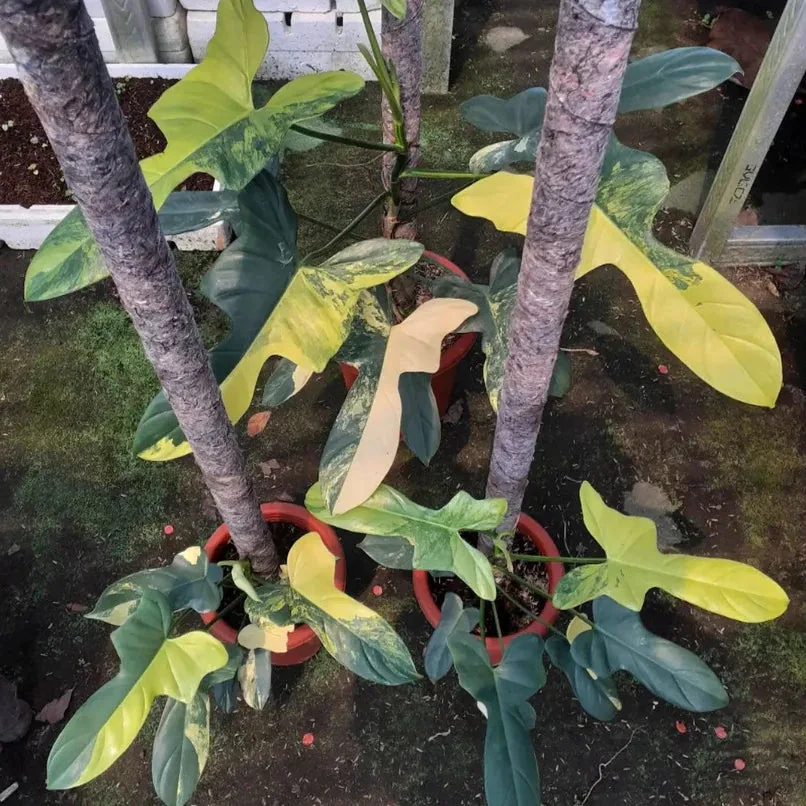
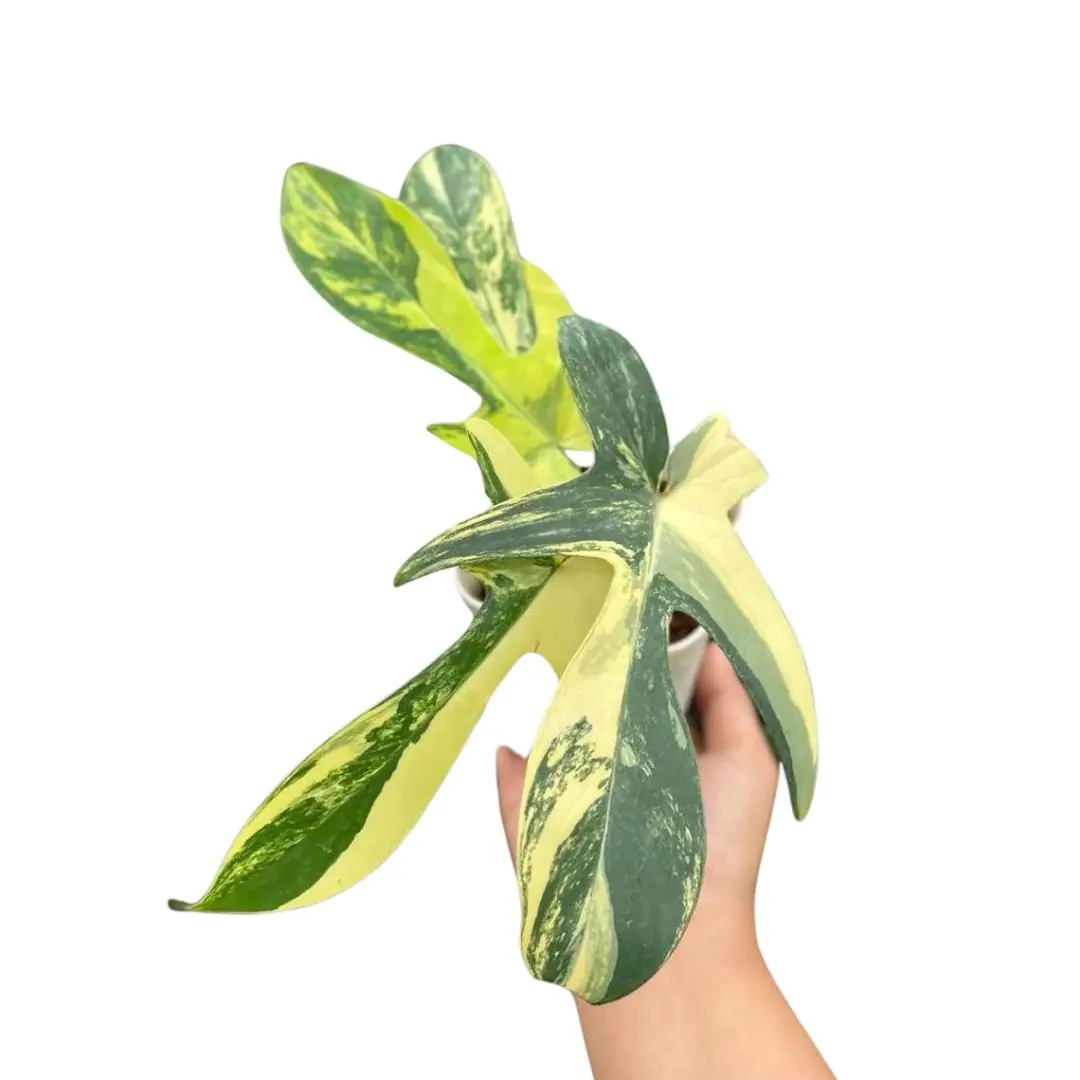
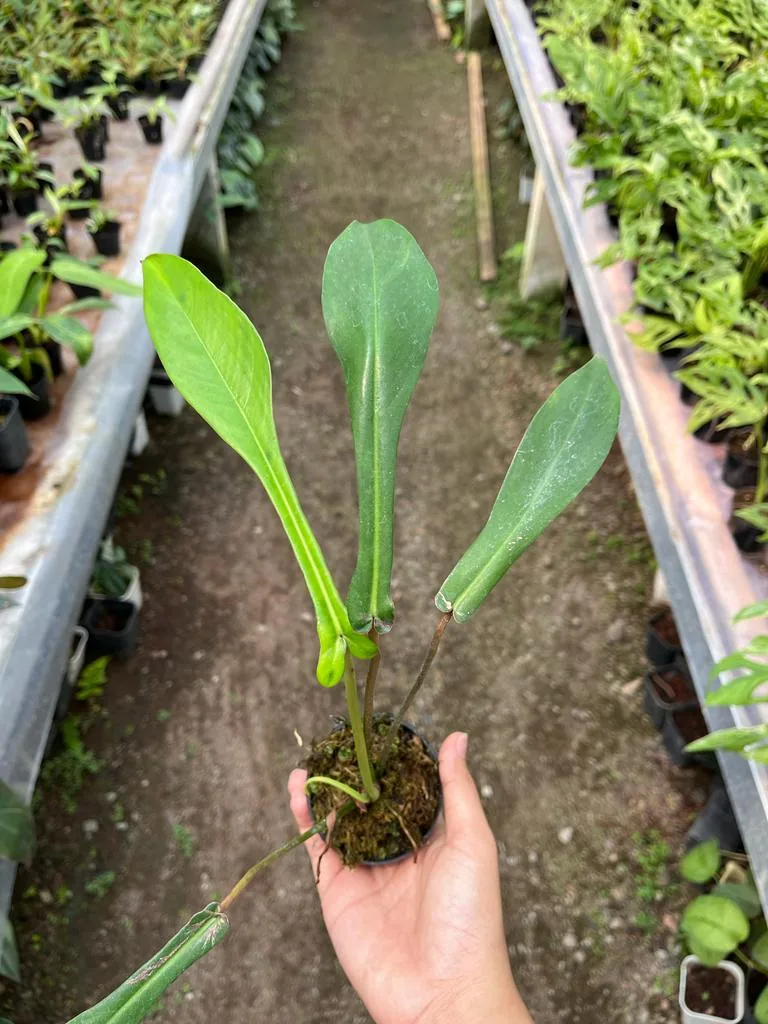
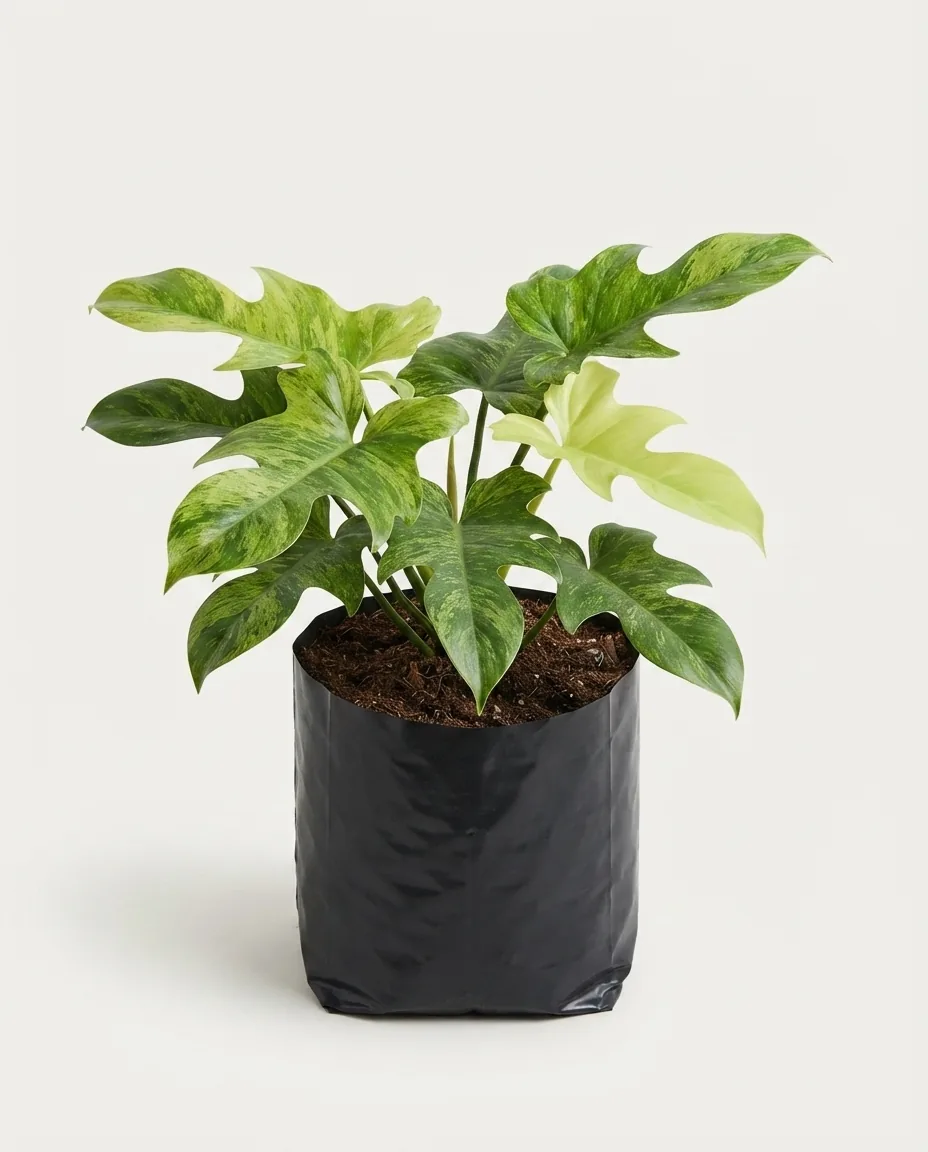
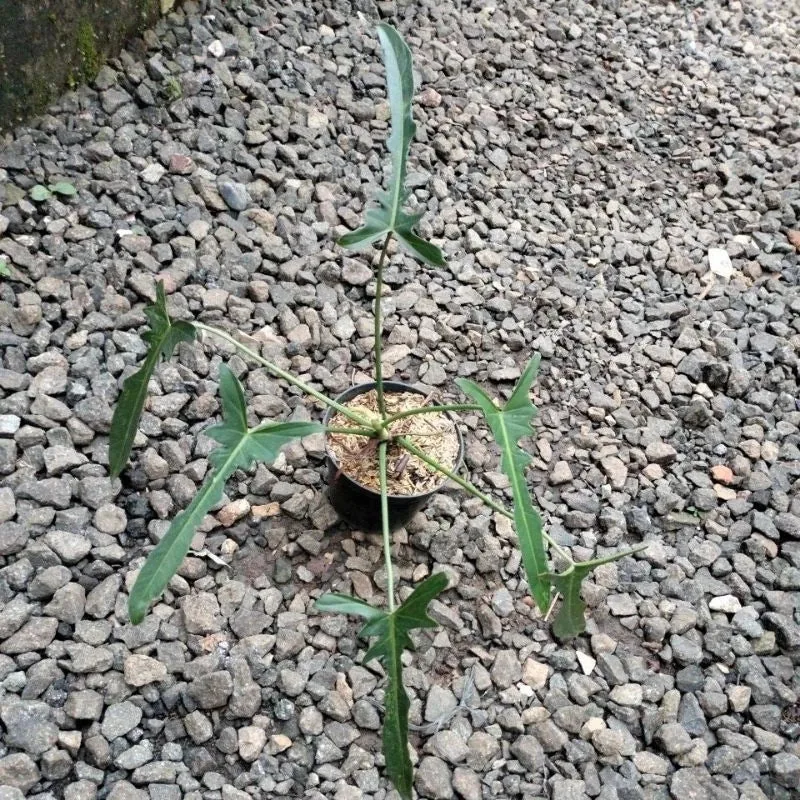
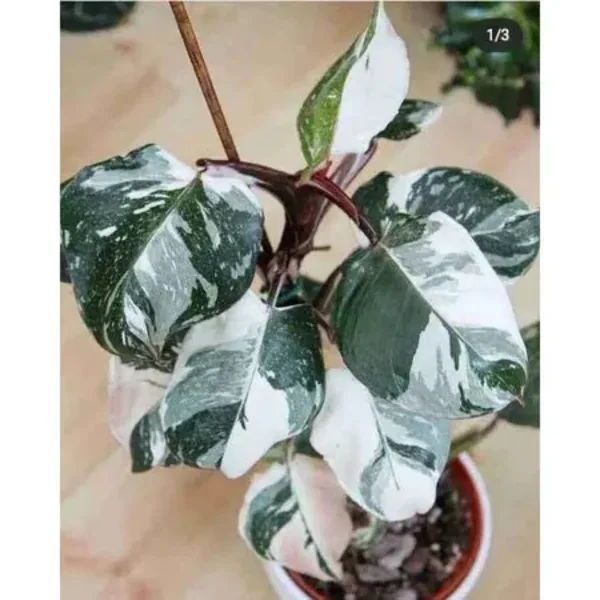
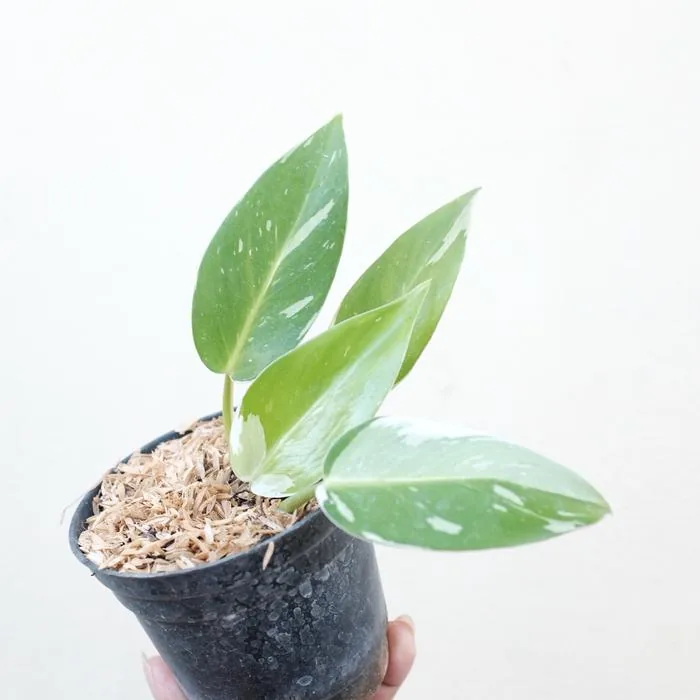
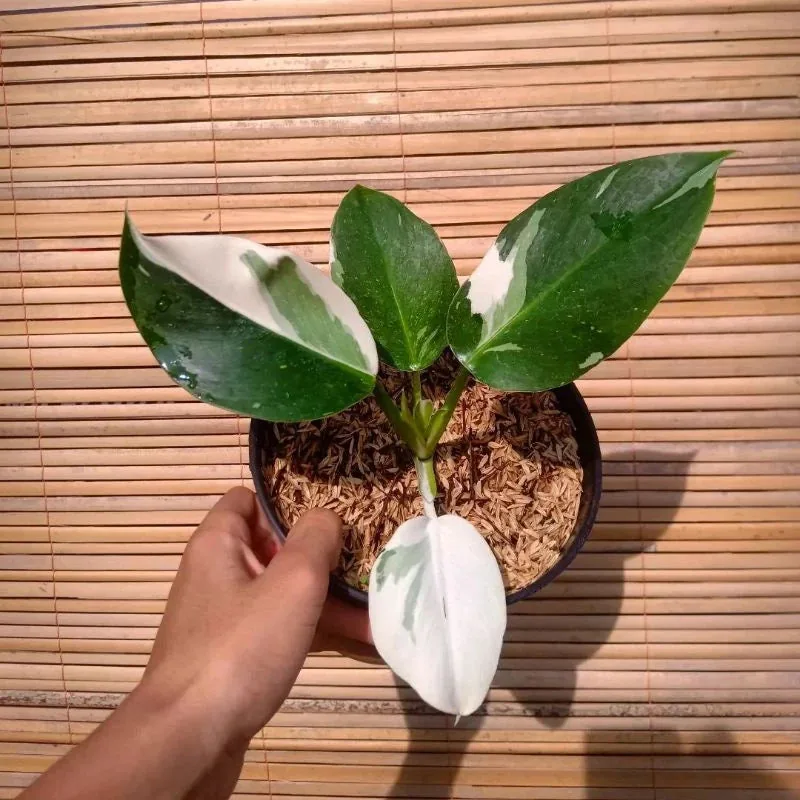
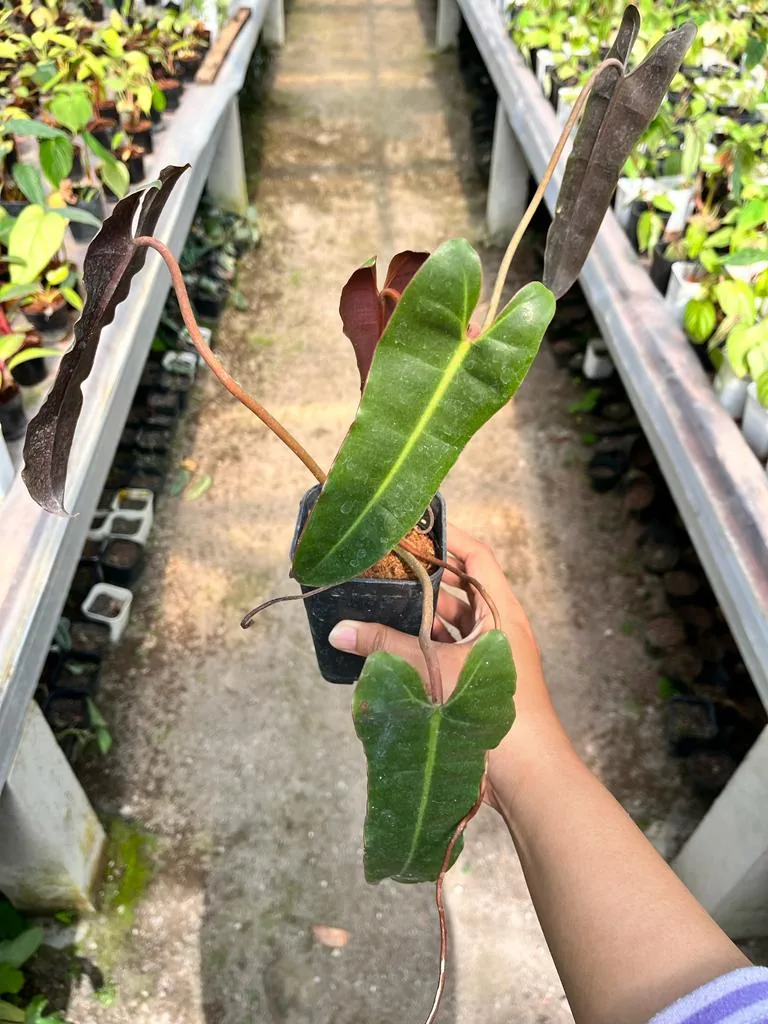
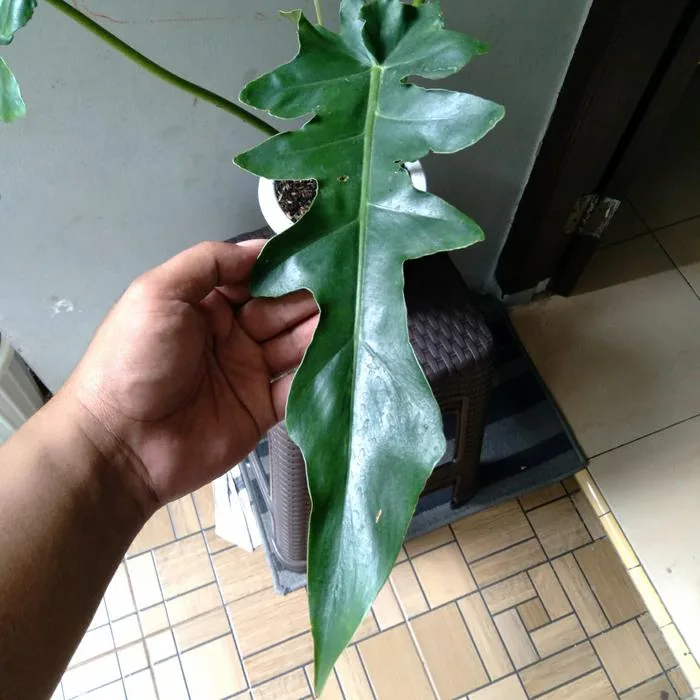
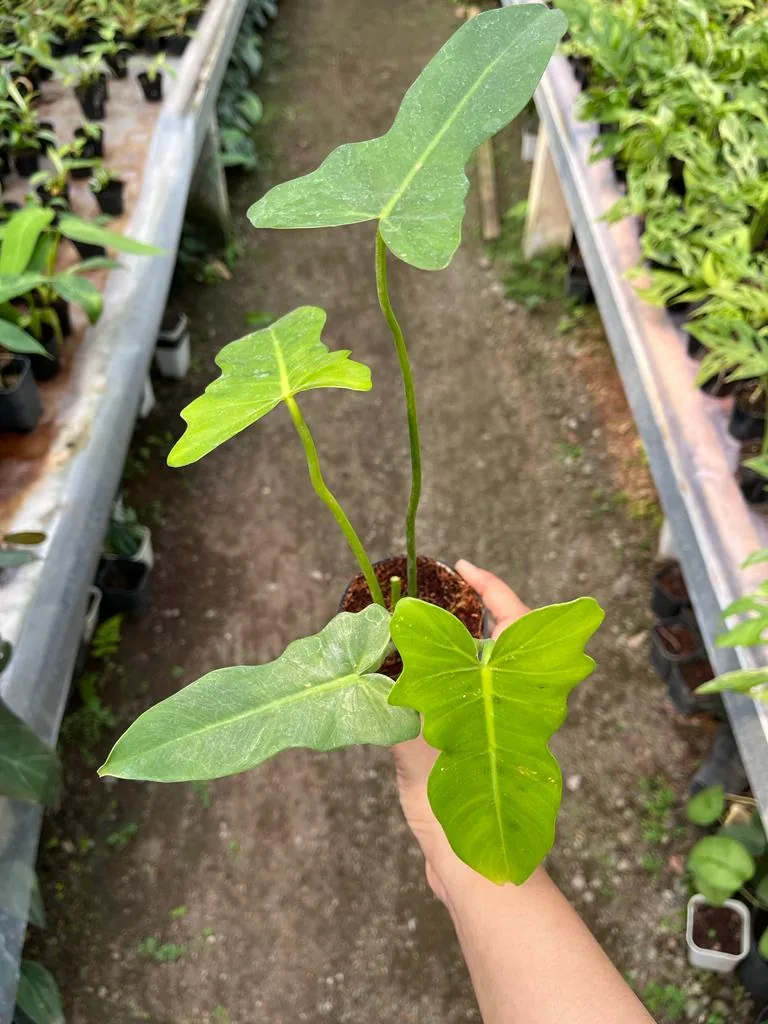
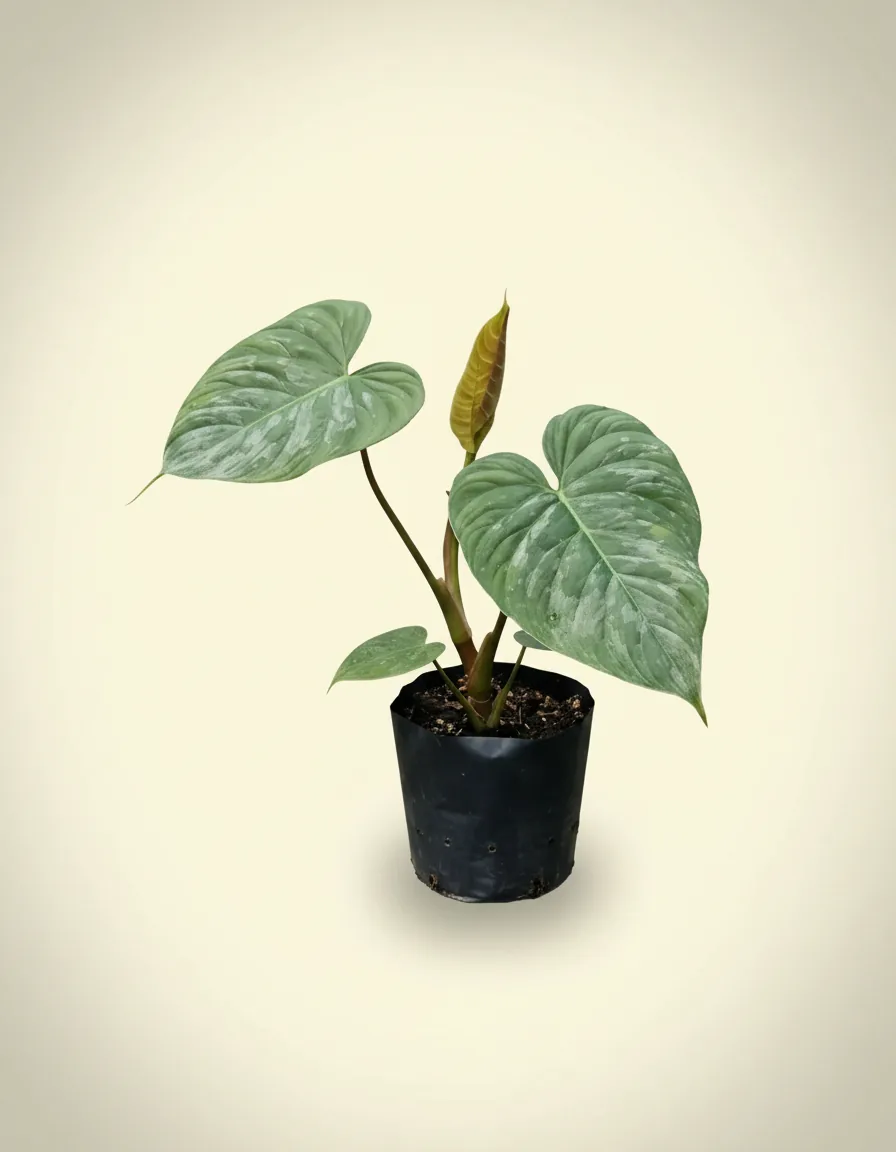
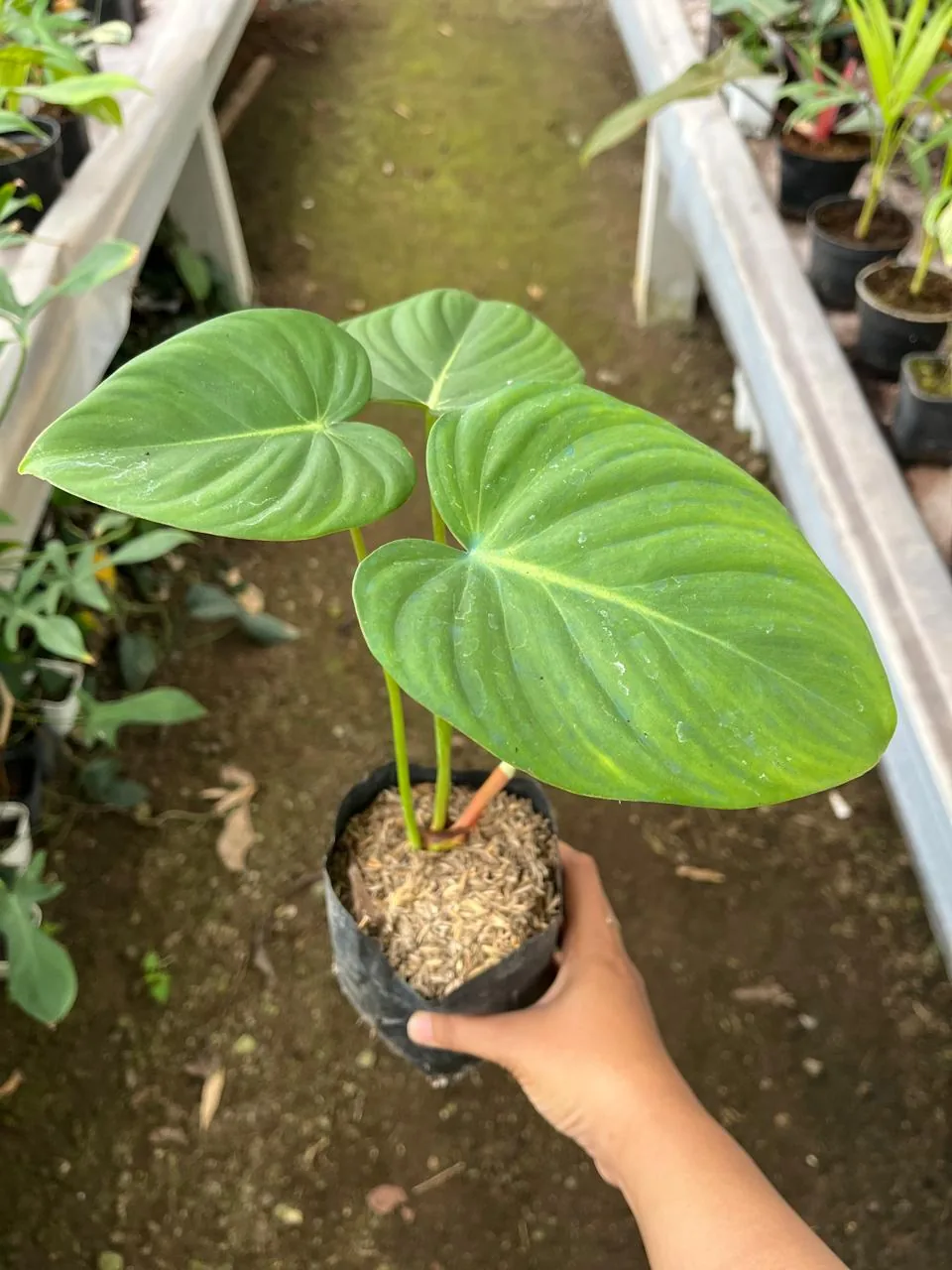
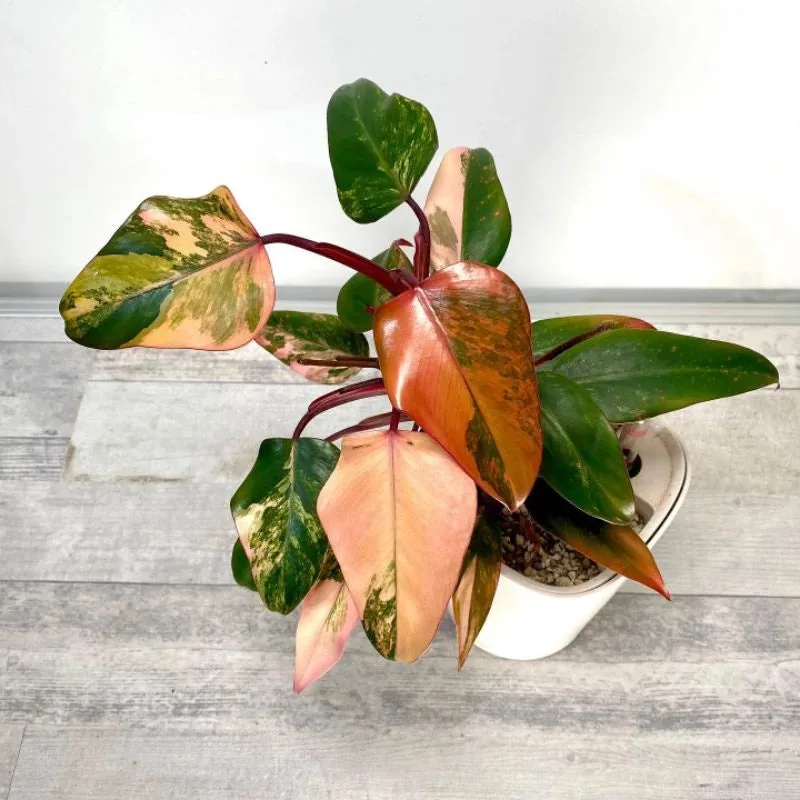
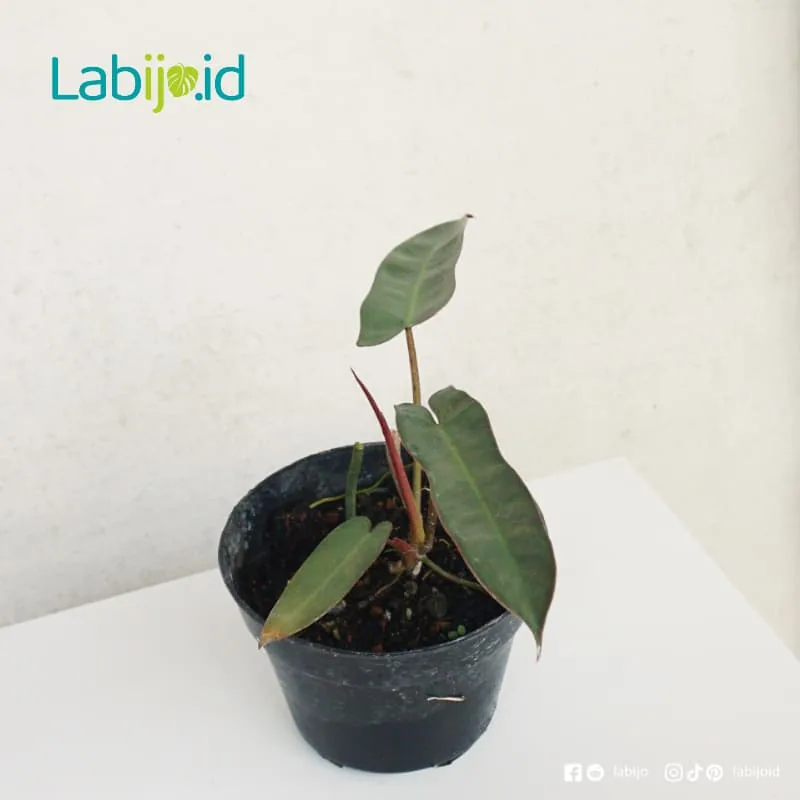
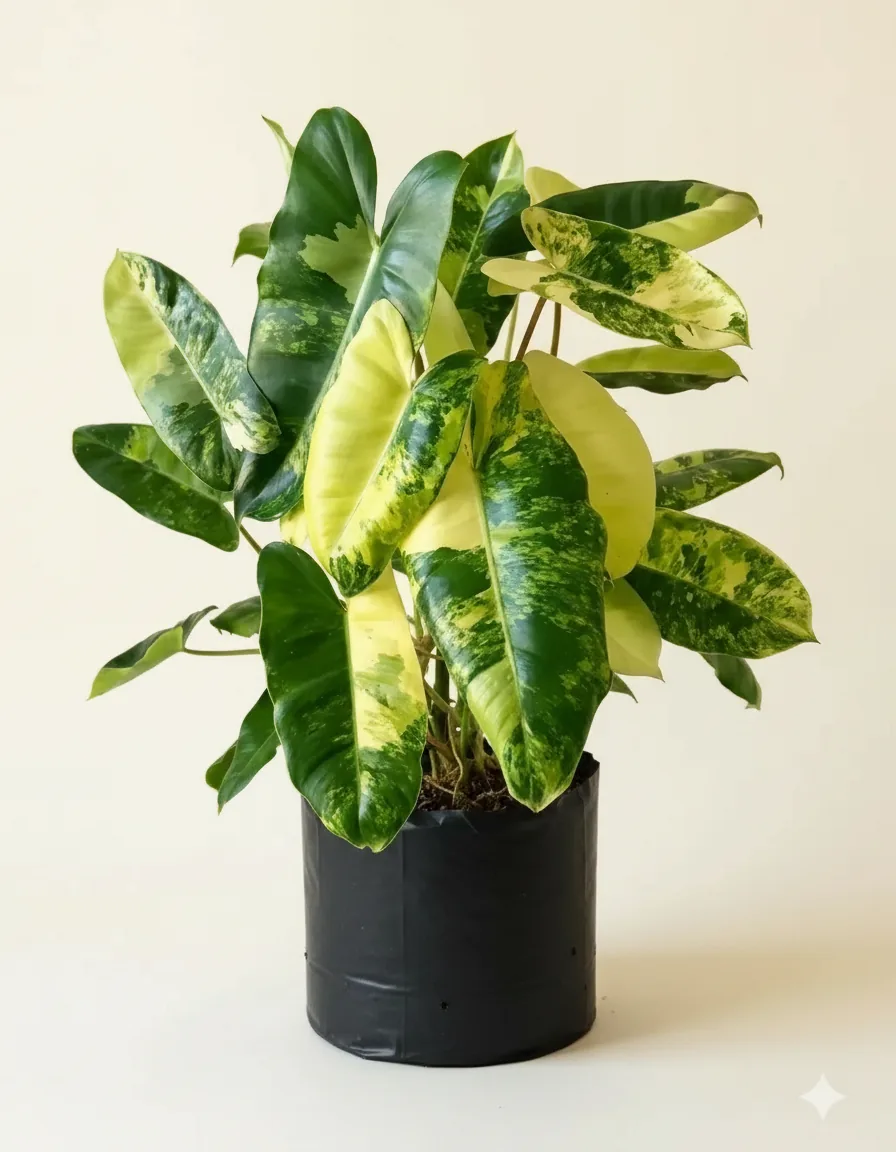
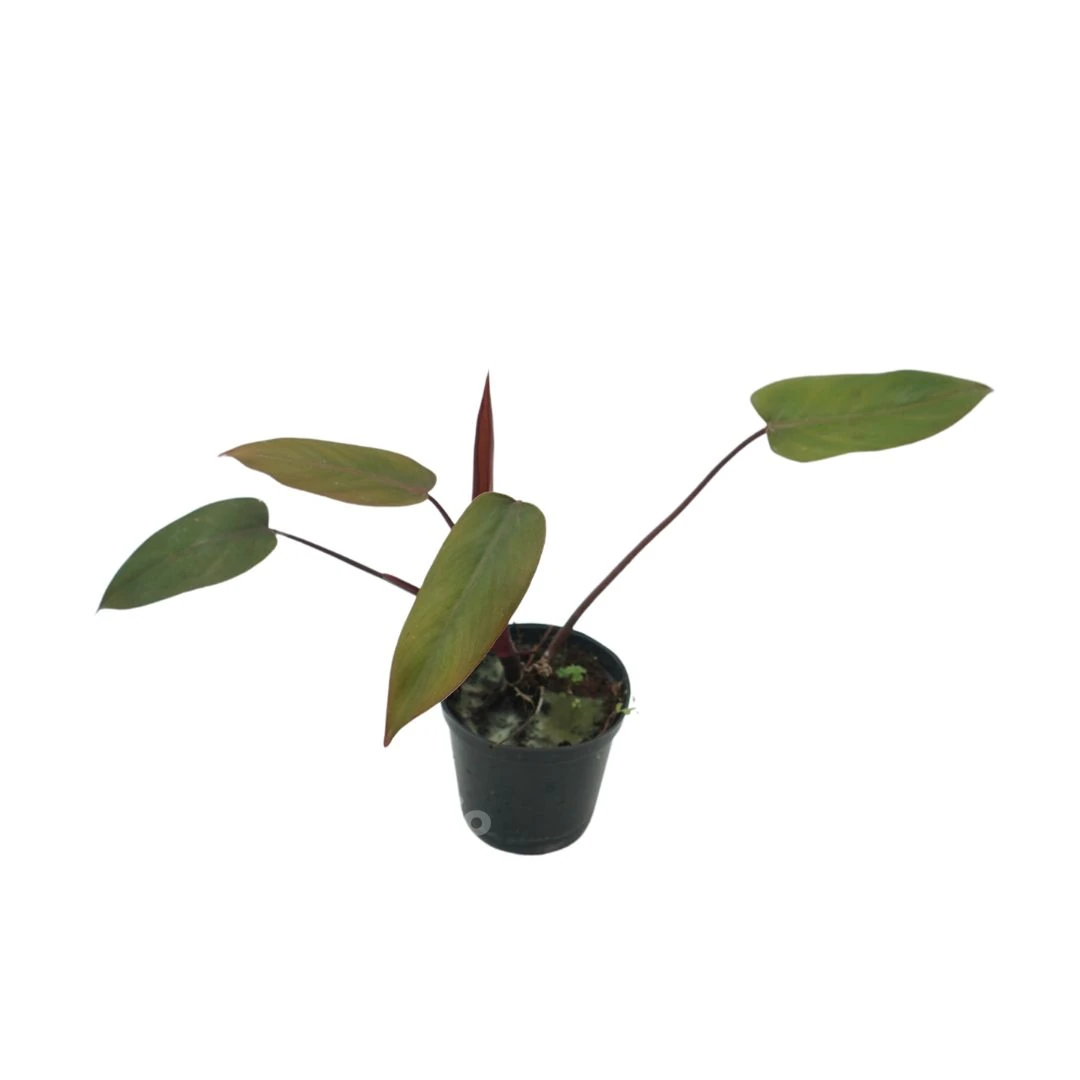
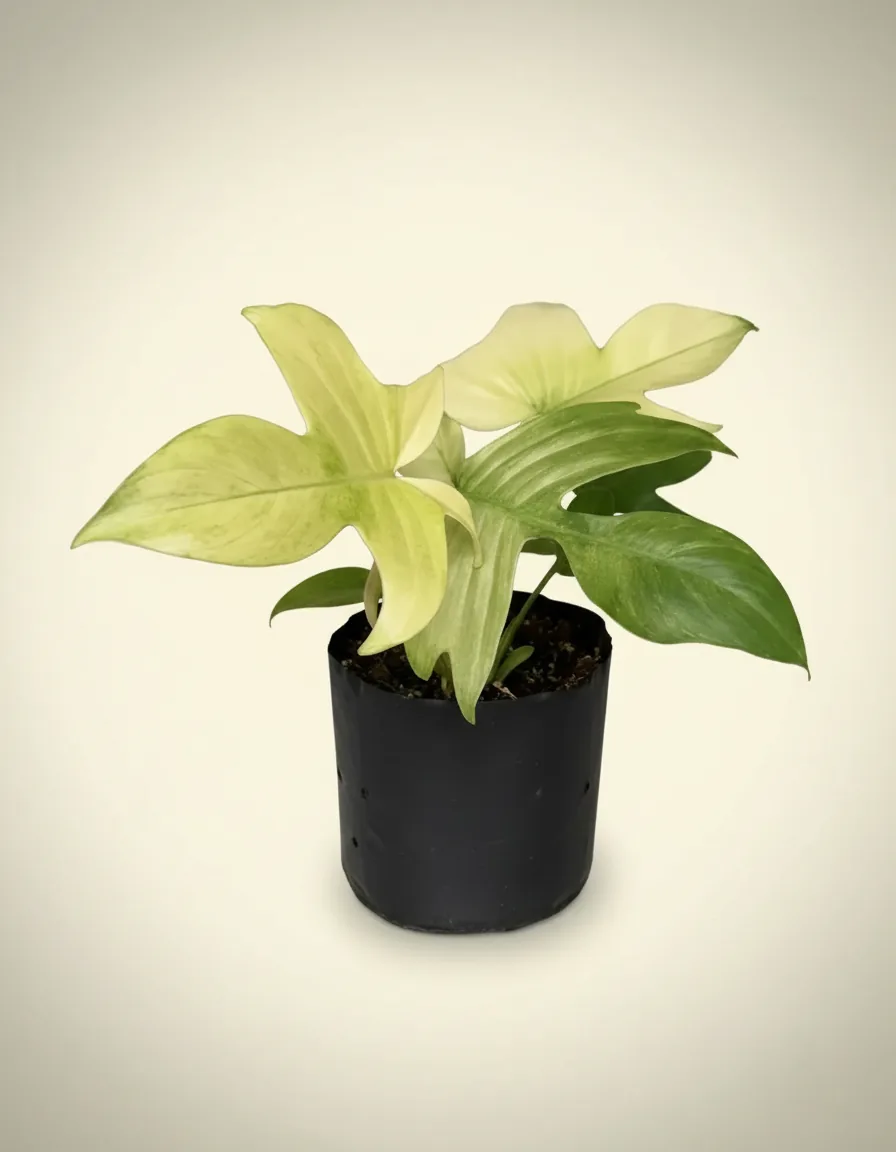
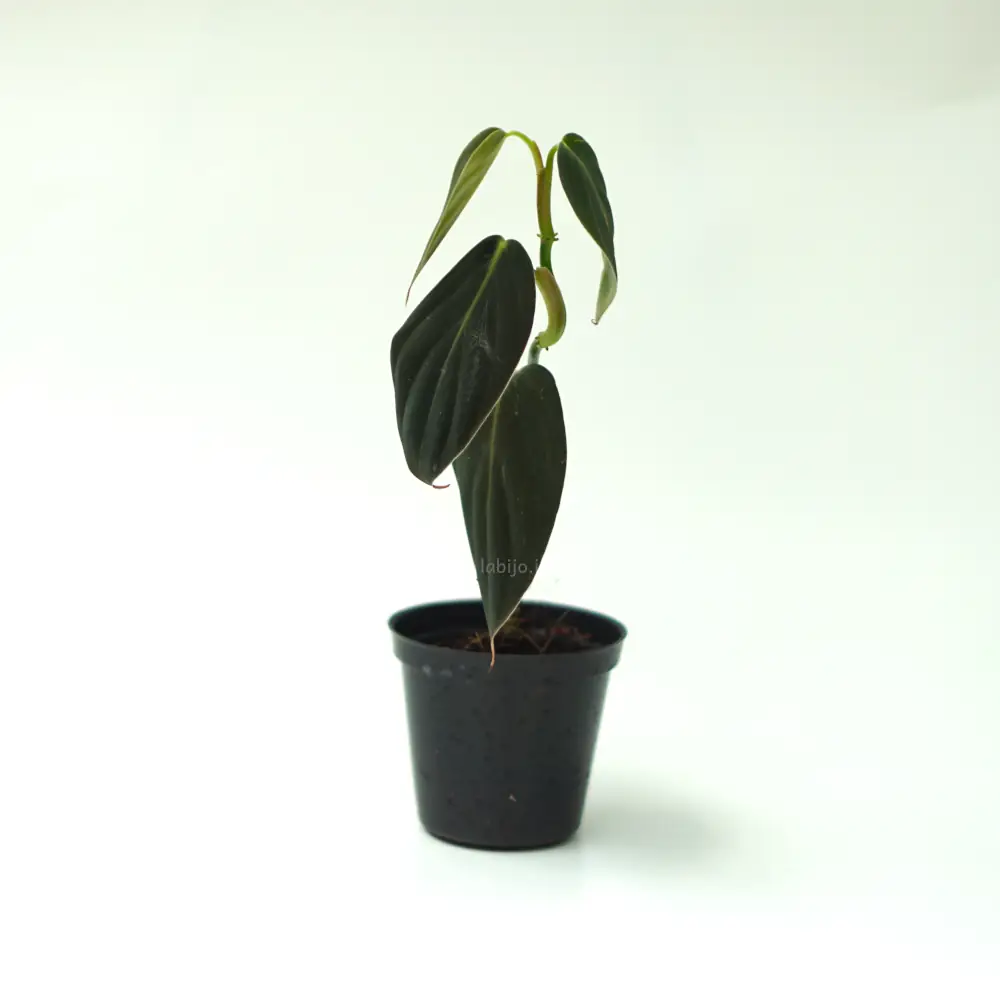
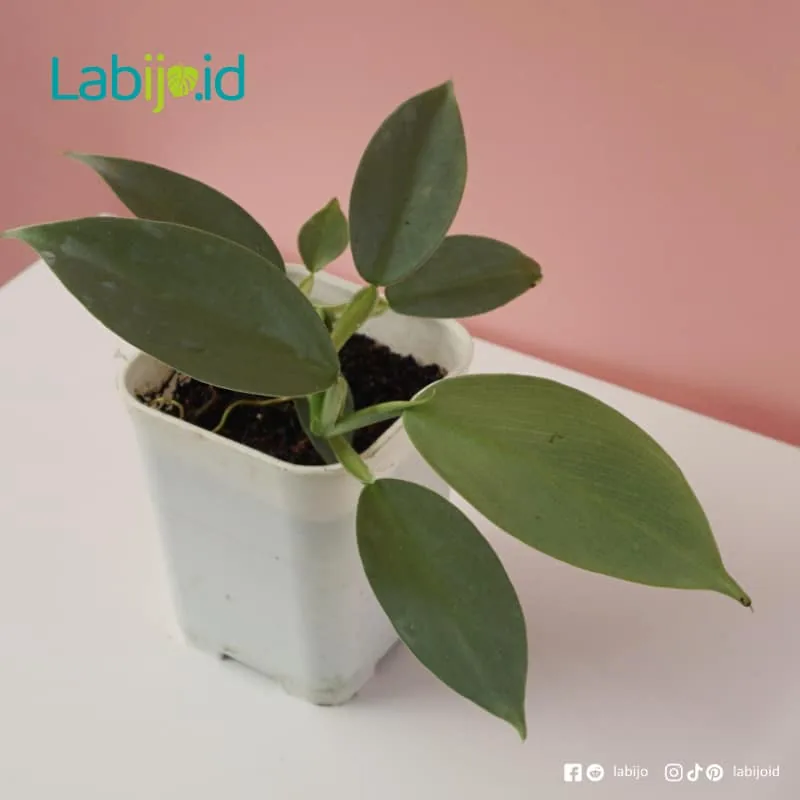
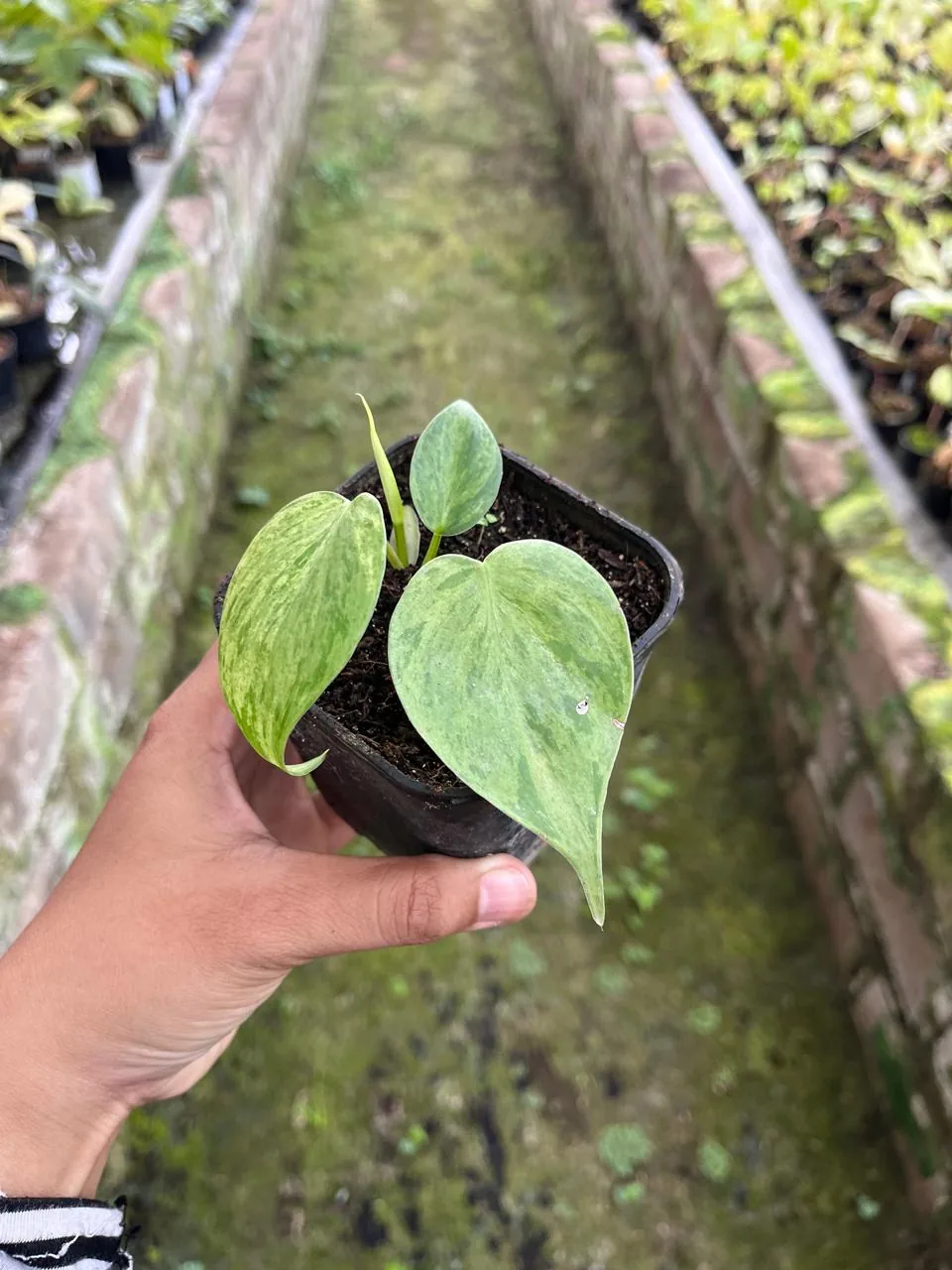
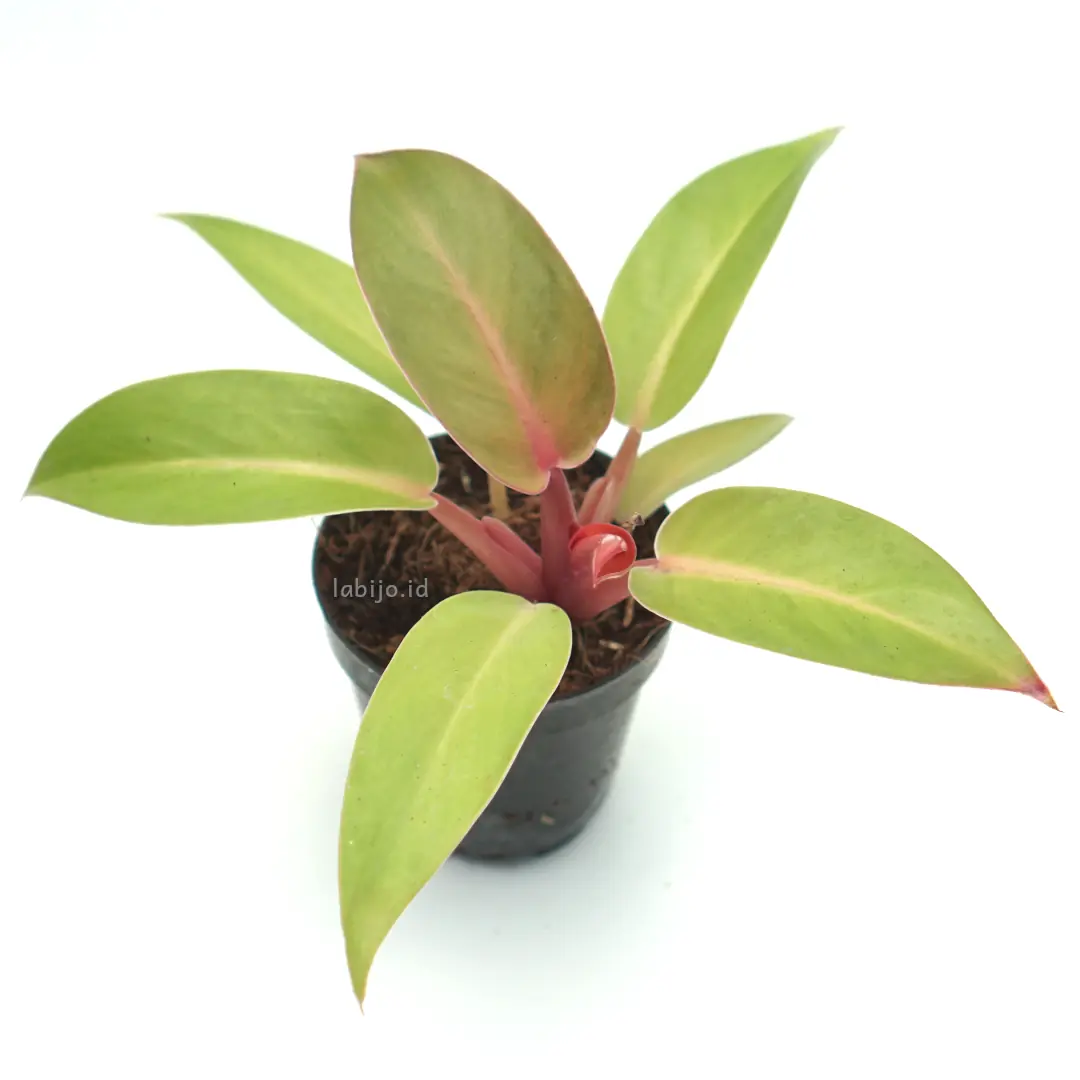
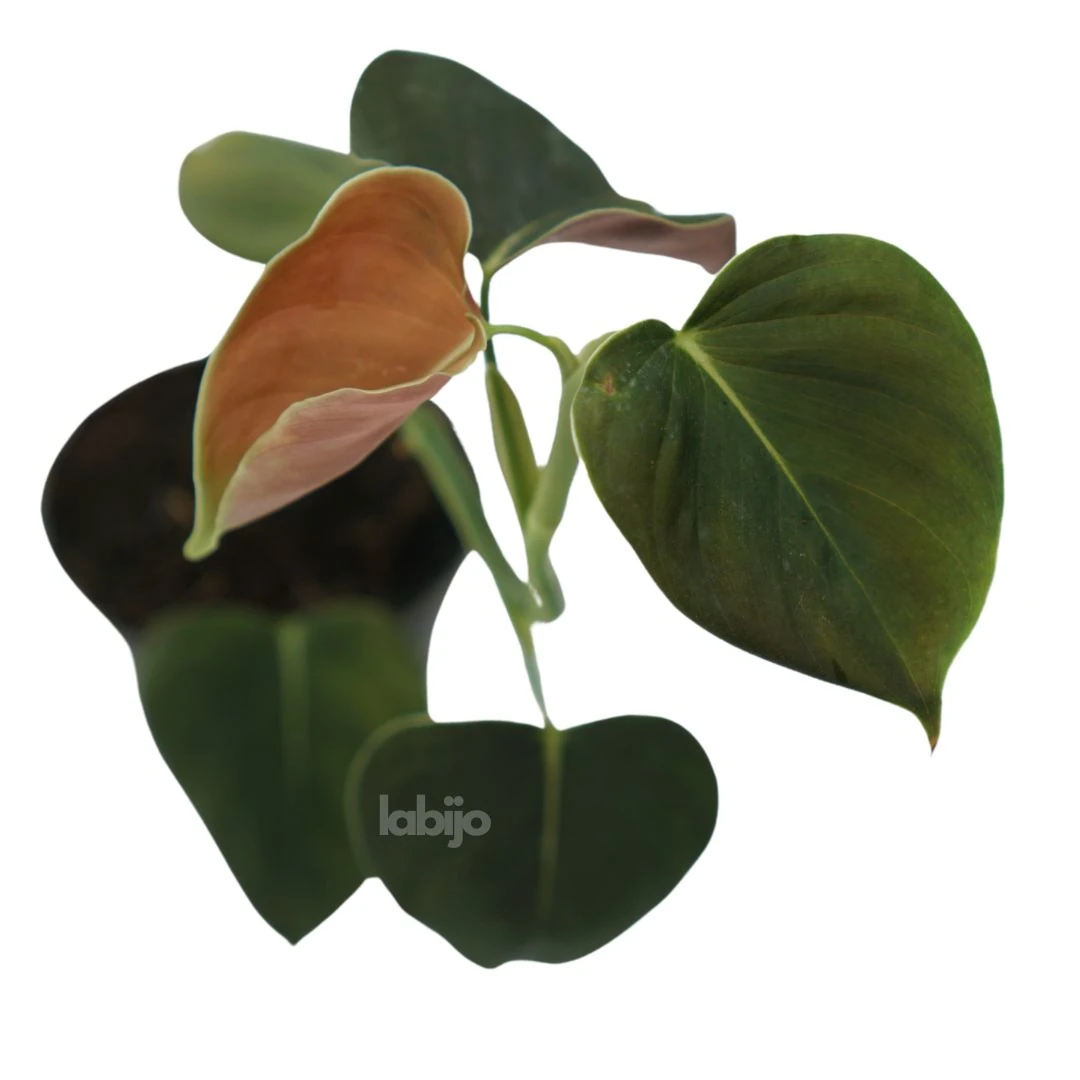
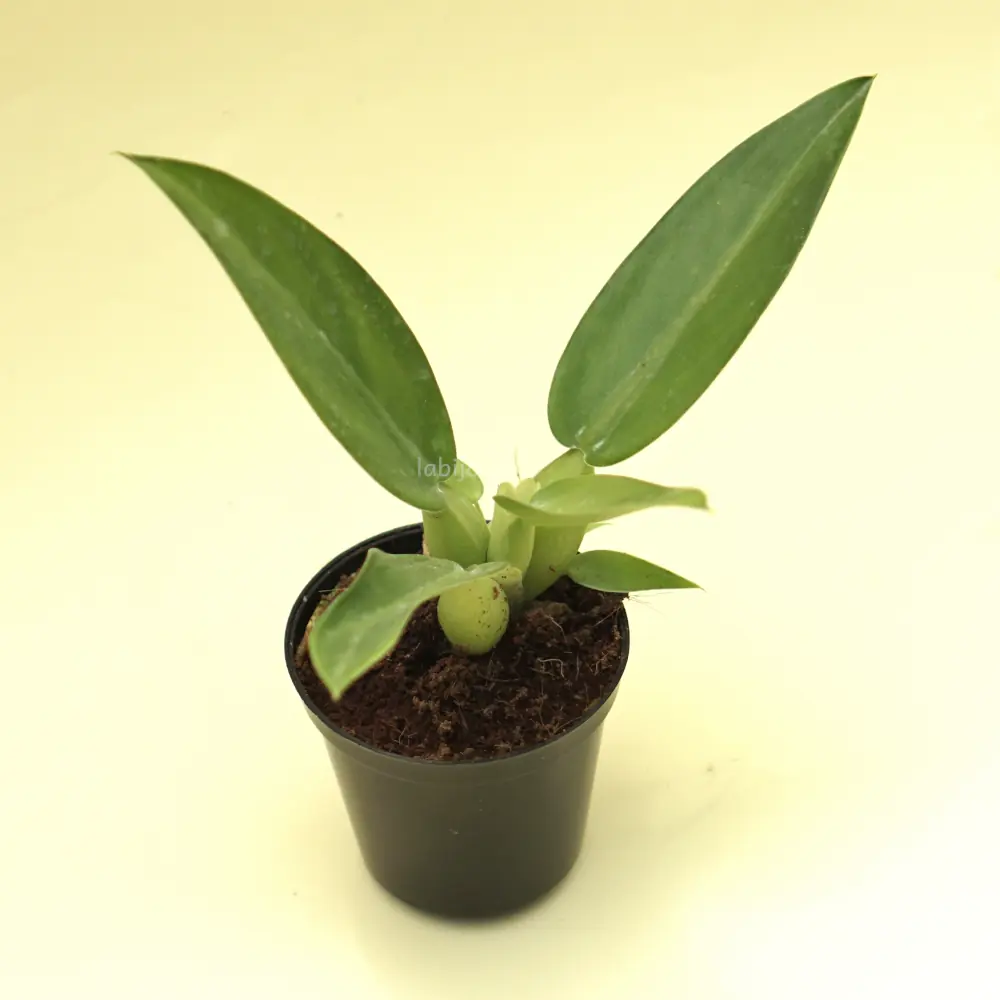
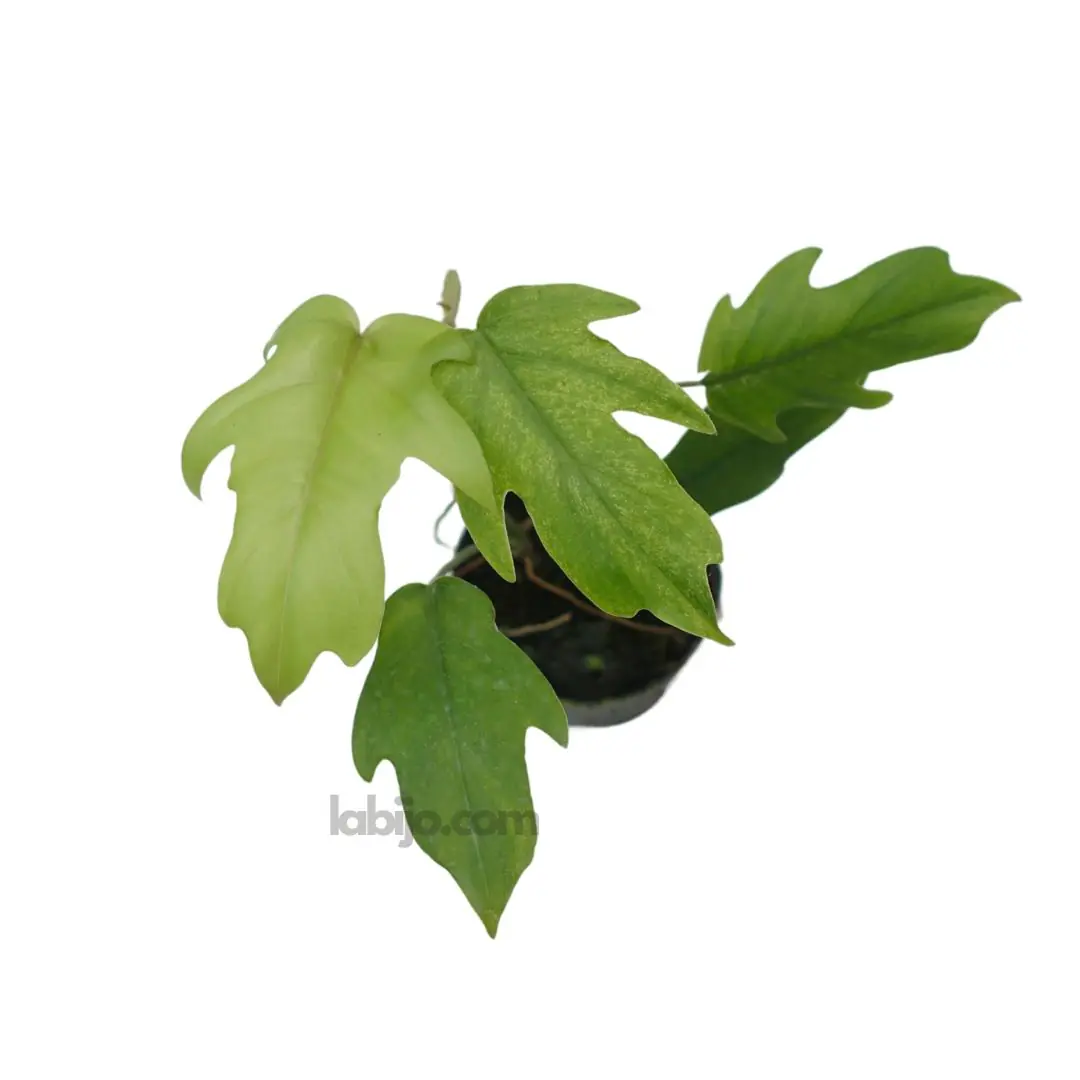
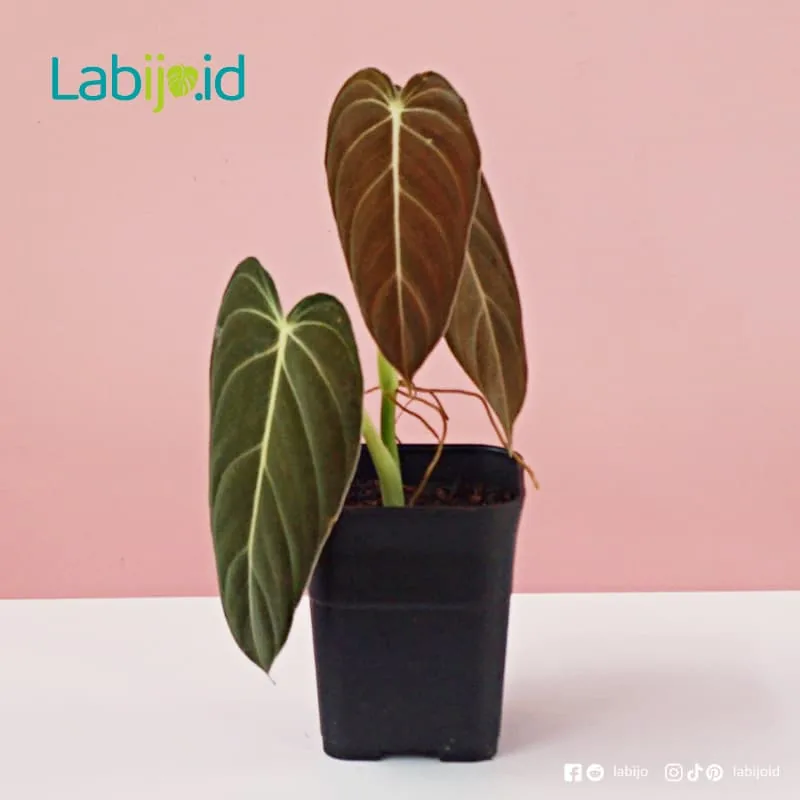
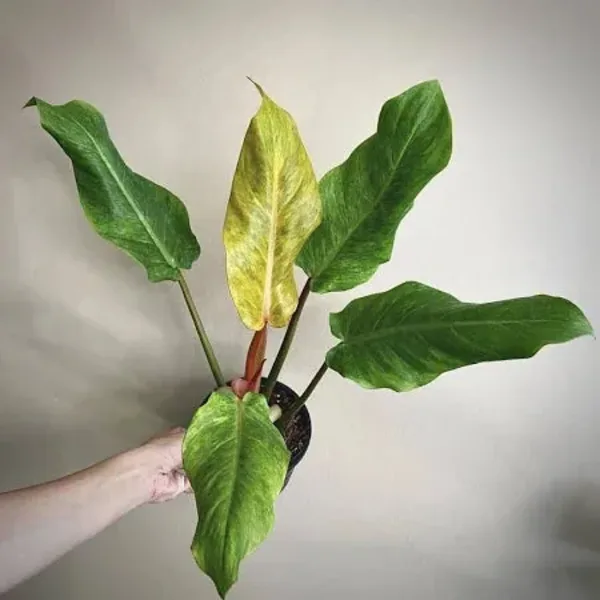
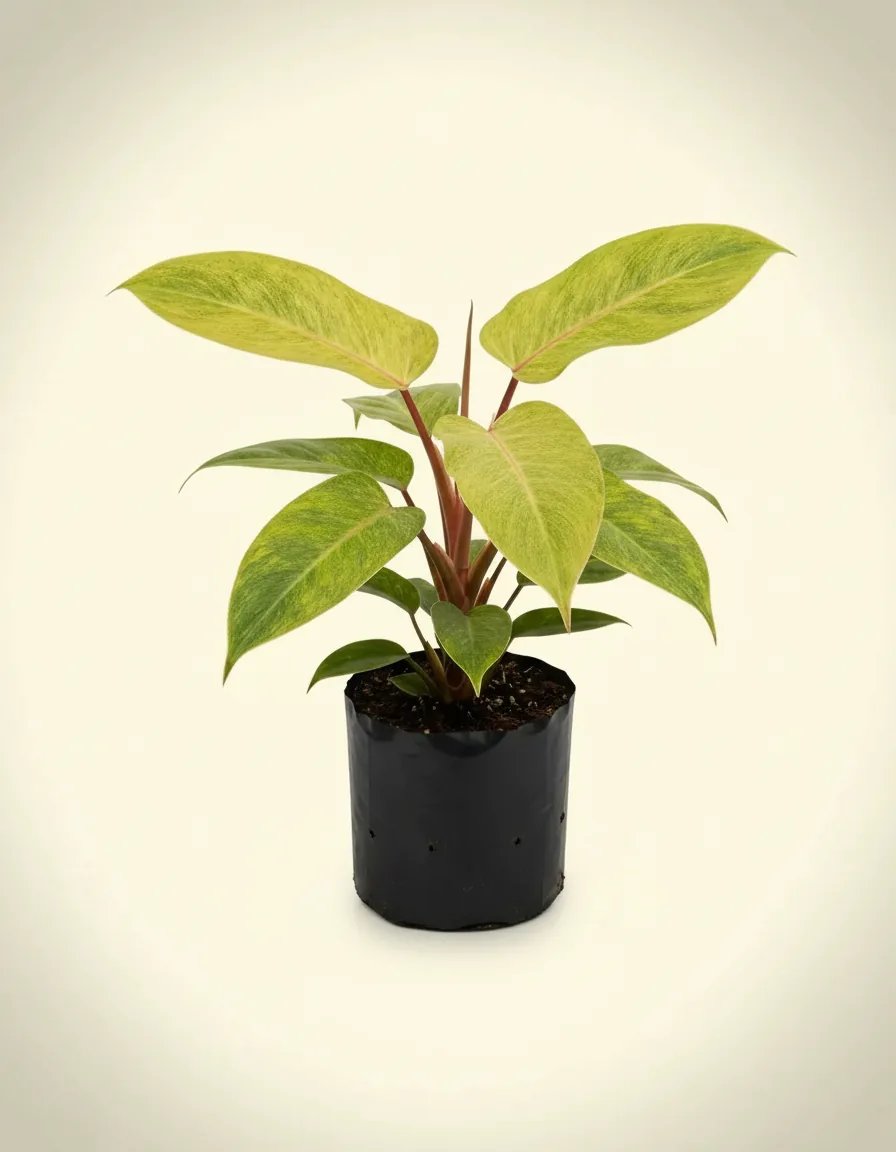
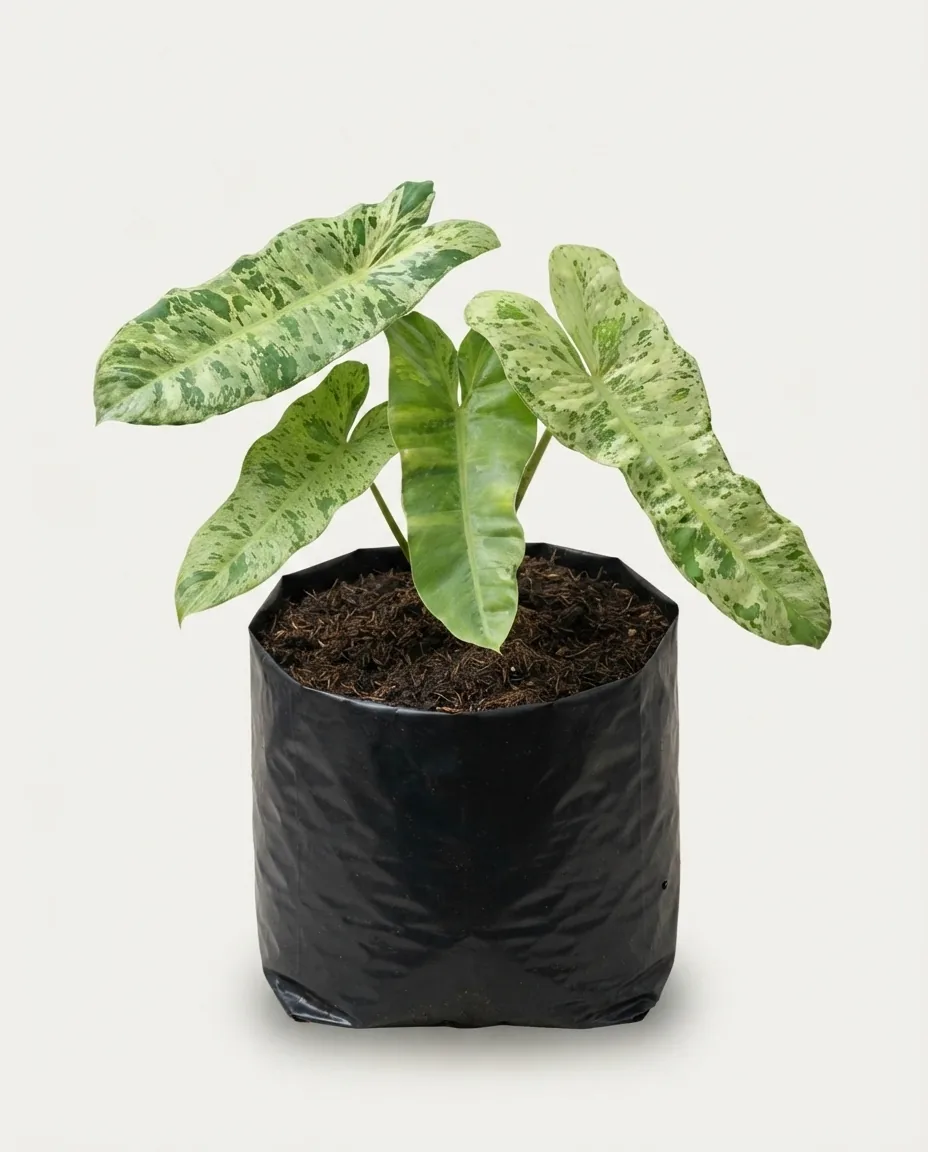
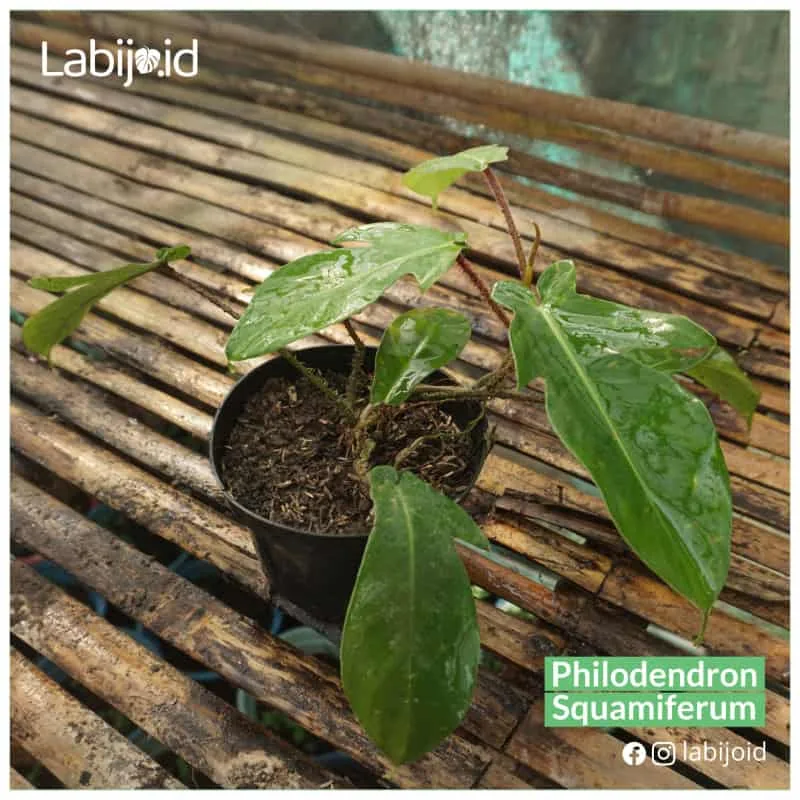
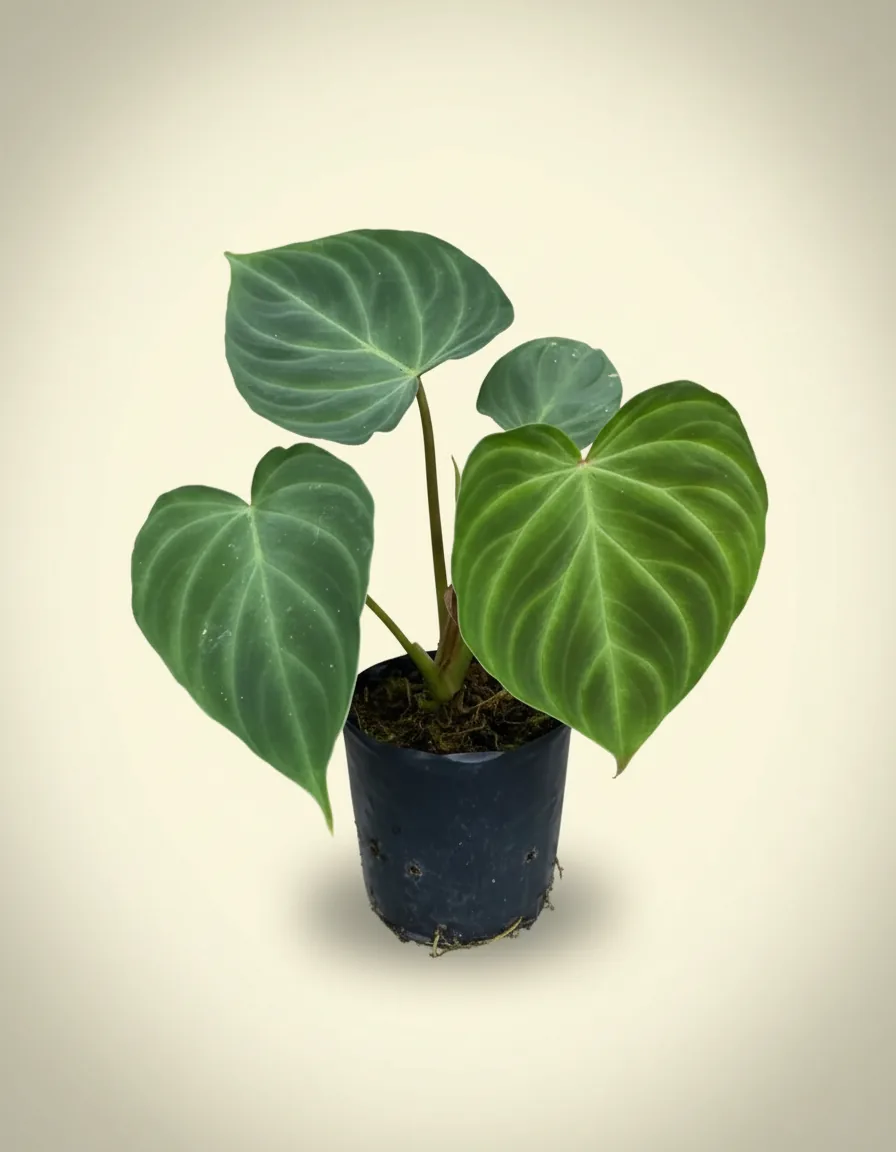
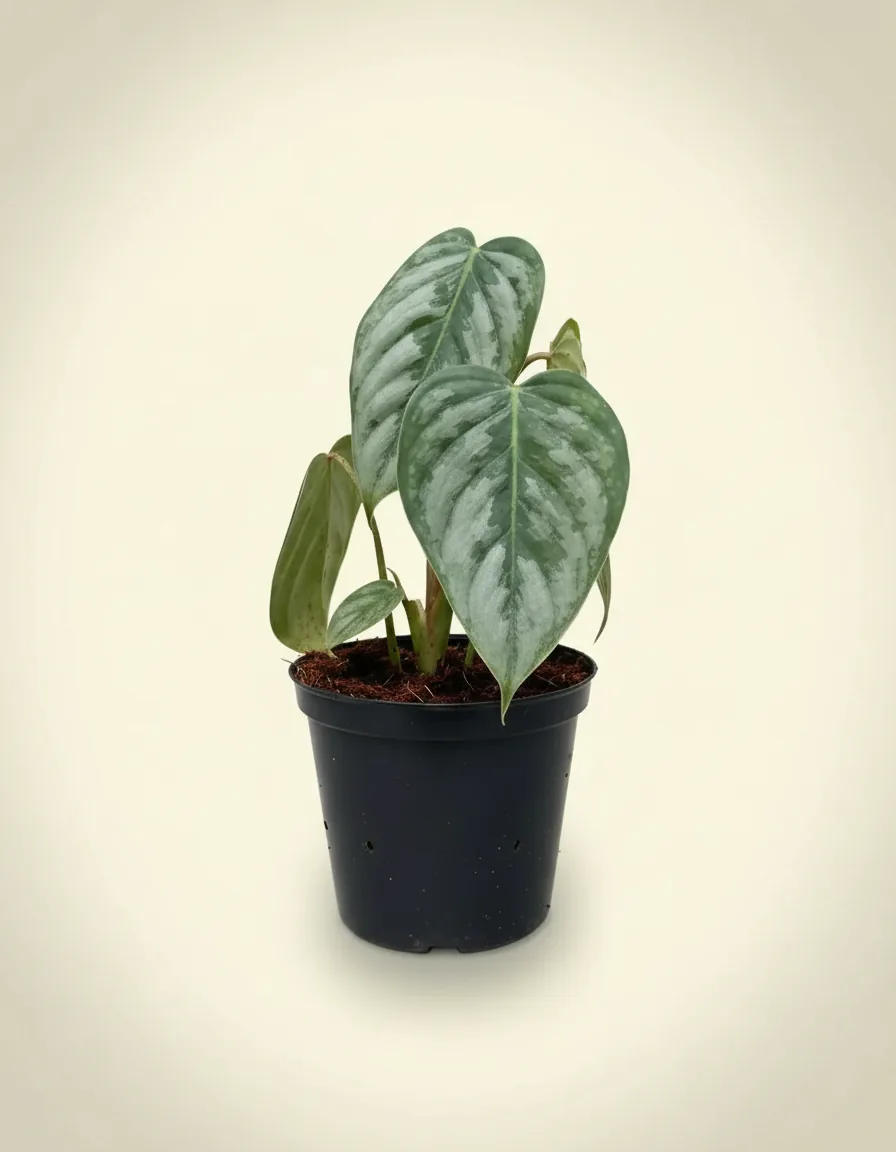
54 export-ready lines in the genus Philodendron (Araceae), dispatched bare-root from East Java with a Barantan Phytosanitary Certificate per consignment. Buyer profile: collector nurseries, rare-plant retailers, aroid specialists.
Lines Available
54 SKUs
Export-graded specimens
Price Band
$7.7 – $30
FOB Juanda Airport (SUB)
Documentation
Barantan PC
Issued after official inspection and approval
Dispatch Point
East Java
Acclimatised nursery stock
Philodendron Sourcing & Taxonomic Notes
Taxonomic Classification: Araceae
Philodendron is the second-largest genus here and the one most often misrepresented in the trade. The genus is native to the tropical Americas — not to Indonesia — and this is worth stating plainly because a buyer comparing suppliers will otherwise be told otherwise. What Indonesia offers is not native provenance but cultivation capacity: year-round equatorial growing conditions, low-cost skilled nursery labour, and the ability to bring a named cultivar to exportable size faster than a temperate grower.
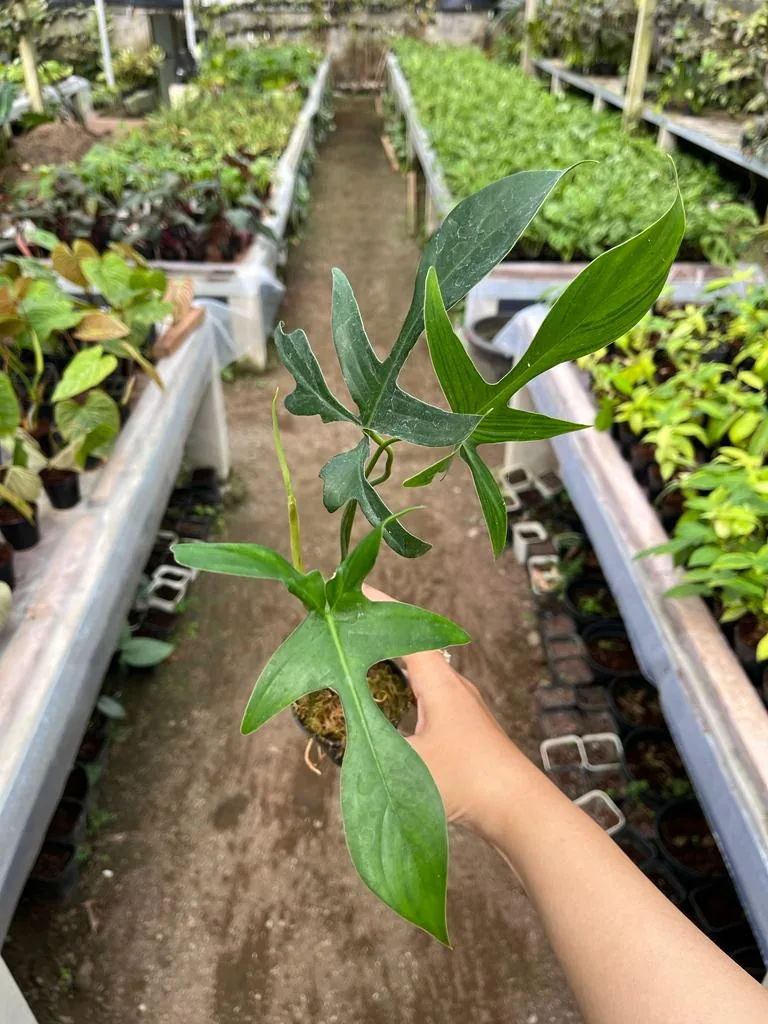
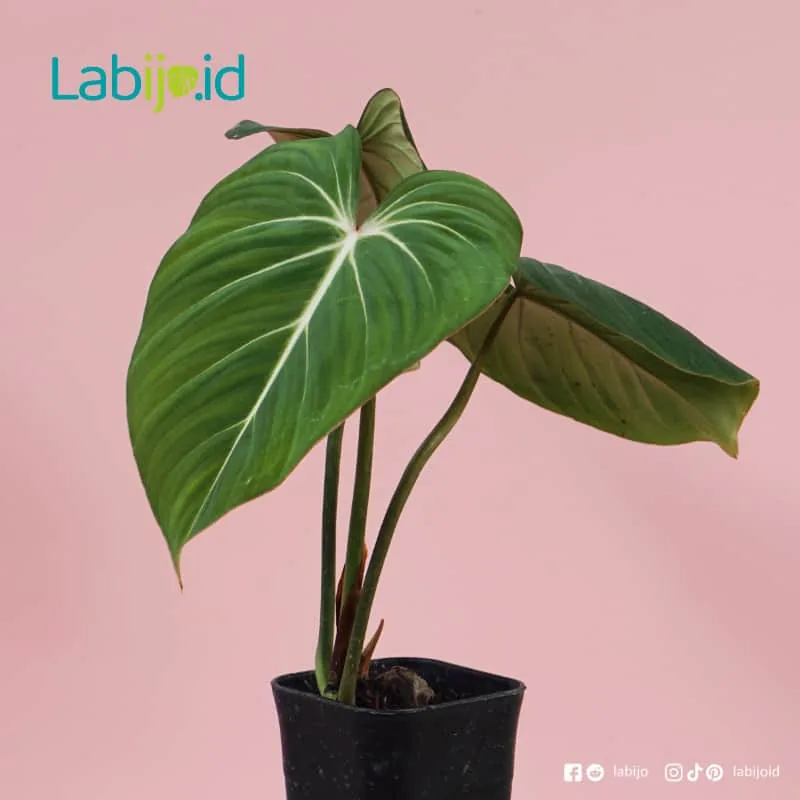
Morphologically the genus divides into two growth habits that behave very differently commercially. Climbers such as Philodendron melanochrysum and P. atabapoense produce long internodes and are typically sold by node count; self-heading and rosette forms such as P. gloriosum produce compact plants sold by specimen size. The two cannot be packed the same way, because with a climber the stem carries the value while with a rosette the leaf span does.
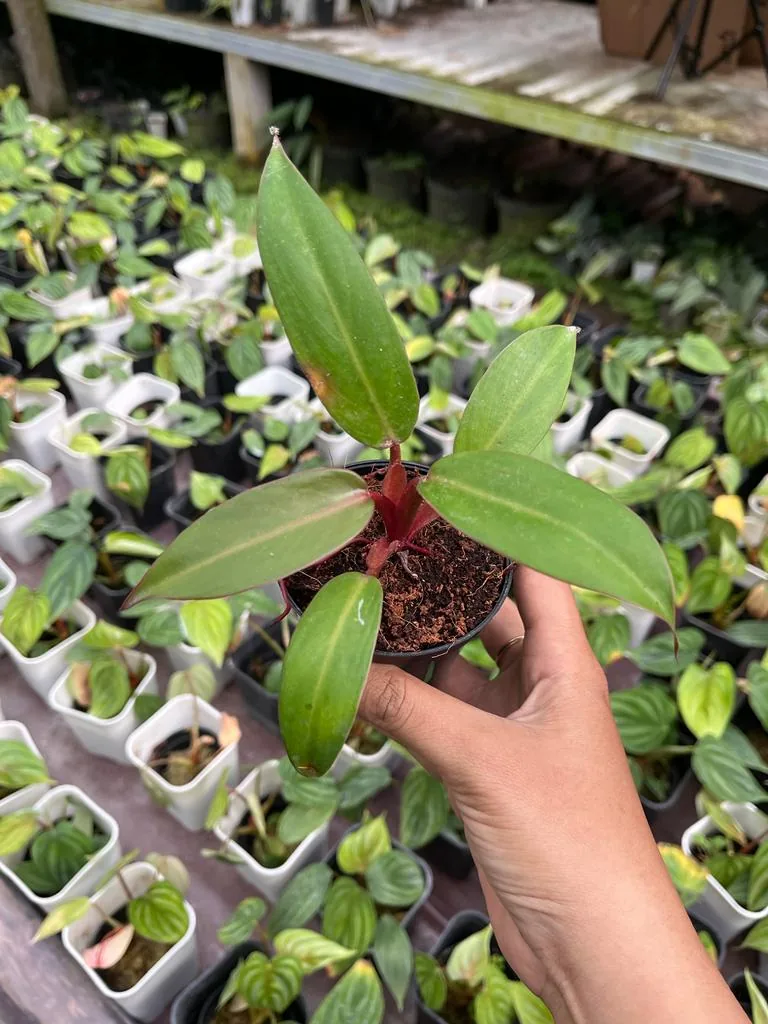
Transit behaviour is dominated by root thickness. Philodendron roots are comparatively thick and fleshy, which makes the genus one of the better performers under bare-root treatment — they tolerate the fungicide dip and sphagnum wrap well and re-establish quickly. The genus is nonetheless a collector category, so value concentrates in variegated and dark-form selections rather than in volume, and those lines are quoted per specimen.
Botanical Provenance & Regulatory Disclosure
Cultivated in Indonesia
Philodendron is native to tropical Central and South America. Plants offered here are cultivated in Indonesia, not wild-collected, and are supplied as nursery-propagated stock. No native Indonesian provenance is claimed for this genus.
Consignment Procurement Lead Time
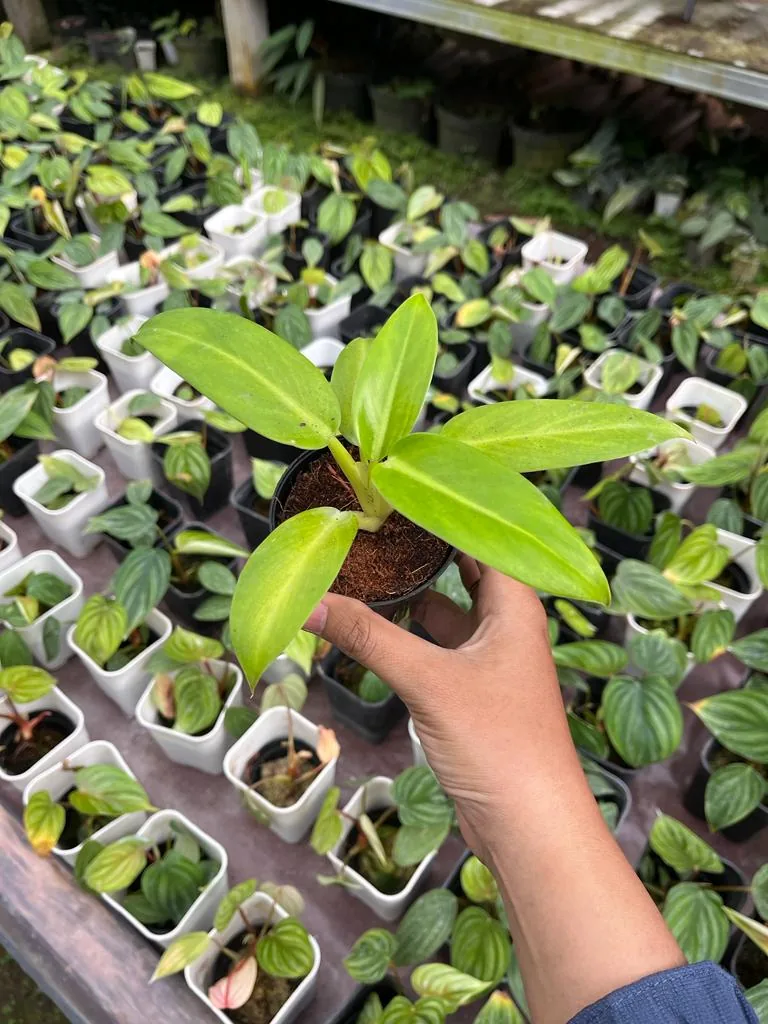
Climbers are quoted by node count; self-heading forms by specimen size. Variegated and dark-form selections are quoted per specimen because variegation grade dominates value. Ask for a batch photo and a variegation-stability note before committing volume.
How commercial buyers can distinguish between stable meristematic chimeras and temporary chemical variegation, and why authentic Indonesian sport variegations hold their value.
How Foliaria engineers export containers to maintain a 18°C–26°C interior microclimate even when ambient temperatures in transit hubs like Leipzig or Cincinnati plummet below freezing.
Why international agricultural inspectors have zero tolerance for organic soil particles, and how our 3-stage pressurized hydrodynamic cleaning process removes 100% of substrate before inspection.