Direct Indonesian Nursery Sourcing
Acclimatized under controlled shadehouse nursery facilities in Java & Sumatra, Indonesia. Zero unverified wild-poaching.
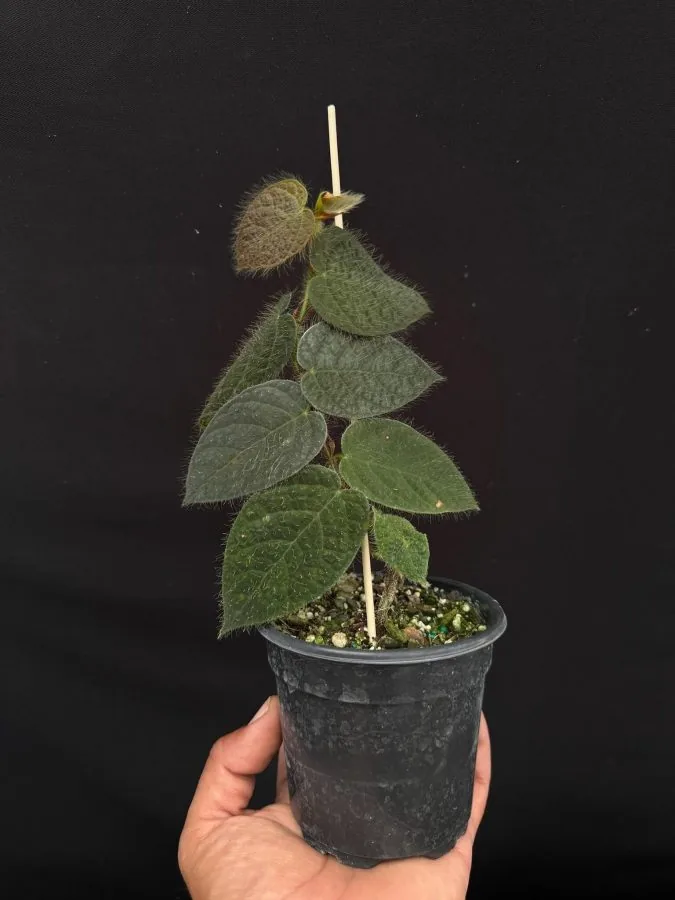
Ficus Villosa
Ficus villosa
Ficus Villosa (Ficus villosa) is catalogued under the Moraceae family in the genus Ficus, and ships from Java & Sumatra, Indonesia at $15.00 USD per plant FOB, export grade A+. Catalogue acclimatization difficulty is rated Intermediate.
Identification, research and what to check before buying ↓Care guide for Ficus Villosa →
Ficus villosa Blume · Moraceae
The accepted name in the GBIF Backbone Taxonomy, the plant taxonomic backbone.
Protologue citation: Blume. (1823). In: Bijdr. 441.
A protologue is the original description of a species. It provides the naming context and diagnostic characters to compare when checking a plant’s identity. Other studies address their own research questions; their findings need to be read in that context before applying them to cultivation or the offered stock.
- ANTIMICROBIAL POTENTIAL OF EXTRACT DERIVED FROM THE LEAVES OF FICUS VILLOSA BLUME AGAINST SOME FISH PATHOGENIC STRAINS — The Scientific and Technical Bulletin of the Institute of Animal Science NAAS of Ukraine (2023)
Taxonomy from the GBIF Backbone Taxonomy, retrieved 2026-10-22. Open the backbone record.
Rated Intermediate from the catalogue category and display name alone. Ask the supplier for the stock-specific acclimatization protocol for this consignment before ordering.
Understanding the climbing habit of Ficus villosa
Ficus villosa belongs among root-climbing figs. Its growth form and changing leaf texture help explain how to compare specimens and plan support. The antimicrobial paper linked in the species record addresses a separate laboratory question, which we explain below.
Ficus villosa · Reviewed on
Roots along the stem explain the need for support
Lok and colleagues illustrate Ficus villosa climbing a Shorea tree in Singapore’s Central Catchment Nature Reserve. Their botanical account describes roots produced at intervals along climbing stems, enabling attachment to trunks, walls and rocks. (Lok et al., 2013)
For buyers: Our interpretation for a growing plan is to assess the whole stem and choose space for a climber to extend against support. A photograph showing only one leaf cannot establish how much climbing growth is available.
Scope: This is a botanical and horticultural account of Singapore figs, rather than a trial comparing indoor mounts, support materials or shipping methods.
Compare leaf texture at a similar stage of growth
NParks describes young Ficus villosa leaves as soft and very hairy, with red to greenish-orange colouring. Mature blades are leathery and elliptical to ovate. It also records the plant’s root-climbing habit and hairy vegetative parts. (National Parks Board, Singapore, 2026)
For buyers: Compare several leaves and include a photograph of the growing tip. Differences between a soft young flush and older foliage need to be considered before treating appearance alone as an identification discrepancy.
Scope: These botanical features support a comparison, but do not authenticate an individual sale plant or specify its dispatch dimensions.
What the leaf-extract experiment actually tested
Tkaczenko and colleagues tested an ethanolic leaf extract against fish-associated bacterial strains using disc diffusion. Activity varied by strain, with the strongest reported response against Shewanella putrefaciens. The leaves came from glasshouse-grown material at a Ukrainian botanical garden. (Tkaczenko et al., 2023)
For buyers: An inhibition zone measures a bacterial response to an extract under assay conditions. It gives a reason for further chemical research, while plant buyers should assess rooting and condition directly rather than expecting disease resistance from this result.
Scope: The experiment does not test treatment of live plants, household use, export survival or the antimicrobial performance of the stock offered here.
Putting the research into practice
For a display, start by deciding where a climbing stem can develop, then compare whole-plant photographs with close views of young and mature foliage. A rooted plant’s stem length and attachment points are more useful for that plan than its sales category. The sources describe roots along stems that provide attachment, so our practical interpretation is to plan a supporting surface and space for extension. Keep that support decision separate from the condition of the roots being supplied. Likewise, leaf-extract research concerns substances removed from leaves and tested against bacteria; it adds no evidence that the living plant can treat its own root problems or disinfect a growing setup.
Supplier-reported facts
- Catalogue item
- Ficus Villosa
Still to confirm with the supplier
- Confirm measured stem length, current roots and whether the offered plant is already attached to support.
- Request current views of the whole plant, the growing tip and mature foliage. The A+ supplier grade supplies no measured dimensions or rooting specification.
References
- Native Fig Species as a Keystone Resource for the Singapore Urban Environment
Lok et al. (2013). Raffles Museum of Biodiversity Research, National University of Singapore — botanical monograph.
Reviewed from: Full text
- Ficus villosa — botanical description
National Parks Board, Singapore (2026). Flora & Fauna Web — species account, updated January 2026.
Reviewed from: Full text
- Antimicrobial potential of extract derived from the leaves of Ficus villosa Blume against some fish pathogenic strains
Tkaczenko et al. (2023). The Scientific and Technical Bulletin of Livestock Farming Institute of NAAS, 130: 244–258.
Reviewed from: Full text
“Full text” records the version our editors read. It does not mean the publisher offers free public access; some articles require a subscription.How we review and explain sources.
Botanical and ethnobotanical information on this page is provided for horticultural reference only. It is not medical advice and is not a substitute for professional medical guidance.
International Trade Compliance & Regulatory Guidance
Catalog regulatory tags represent informational screening indicators only and do not constitute an advance permit, clearance, or government certification. Import requirements vary by taxon, consignment volume, and destination authority; buyers should confirm requirements with their destination plant health agency or our export desk prior to order.
USDA APHIS Guidance (7 CFR 319.37)
Screening reflects general admissibility guidelines under USDA APHIS regulations. Actual entry requirements depend on current taxon manuals, port routing (such as PIS Miami, JFK, LAX), and permit category (PPQ 587). Buyer must verify applicable permit and labeling requirements with USDA APHIS or our export desk before ordering.
Indonesian Agricultural Quarantine (Barantan)
Consignments must be submitted for PPK (Pemeriksaan Karantina Tumbuhan) inspection by Badan Karantina Indonesia prior to export dispatch. Phytosanitary certificates are issued only upon successful official examination; catalog tags are screening indicators and do not constitute an advance certificate guarantee.
EU TRACES-NT & CHED-PP (Reg 2016/2031)
European Union plant health directives require CHED-PP pre-notification in TRACES-NT and arrival through designated Border Control Posts (such as AMS or FRA). Importers should confirm current high-risk lists, quarantine status, and member state rules before ordering.
Export Packaging & Root Preservation Standard
Growing guidance & dispatch checks
Singapore National Parks Board — Ficus villosa — Supports the root-climbing habit, hairy vegetative parts, leaf form, latex and native range. It does not establish indoor humidity targets, transit duration or recovery time.
Plants of the World Online — Ficus villosa — Supports the accepted name and taxonomic record. It does not authenticate the current offered specimen or its condition.
Source-backed care guidance; retain the source limits below. Nursery conditions must be confirmed for the offered stock and are not measured care tolerances. Inspect roots and foliage on arrival, document concerns, and ask the export desk for stock-specific watering and acclimatization advice.
Related Species in Tropical Fruit & Trees
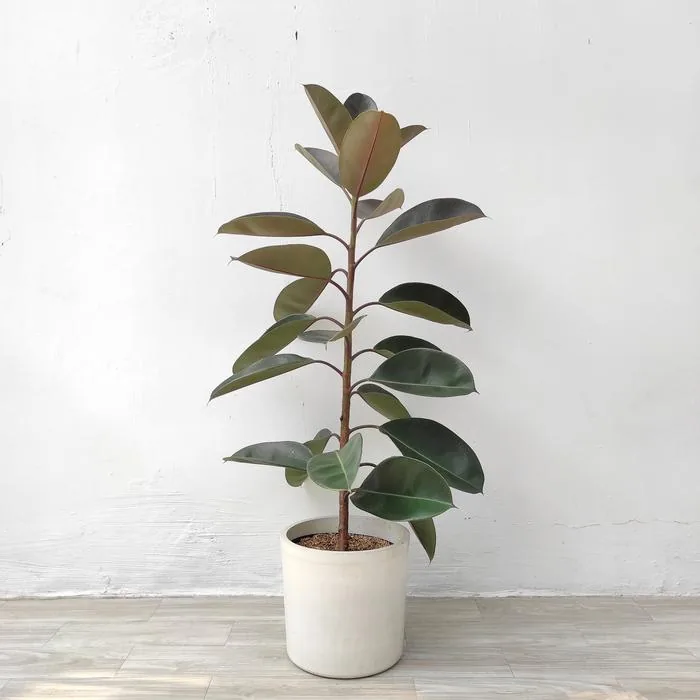
Ficus Elastica
Origin: Java & Sumatra, Indonesia
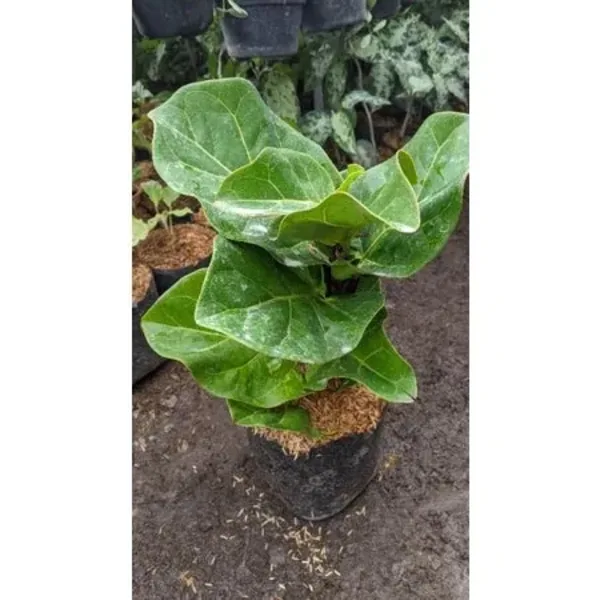
Ficus Lyrata
Origin: Java & Sumatra, Indonesia
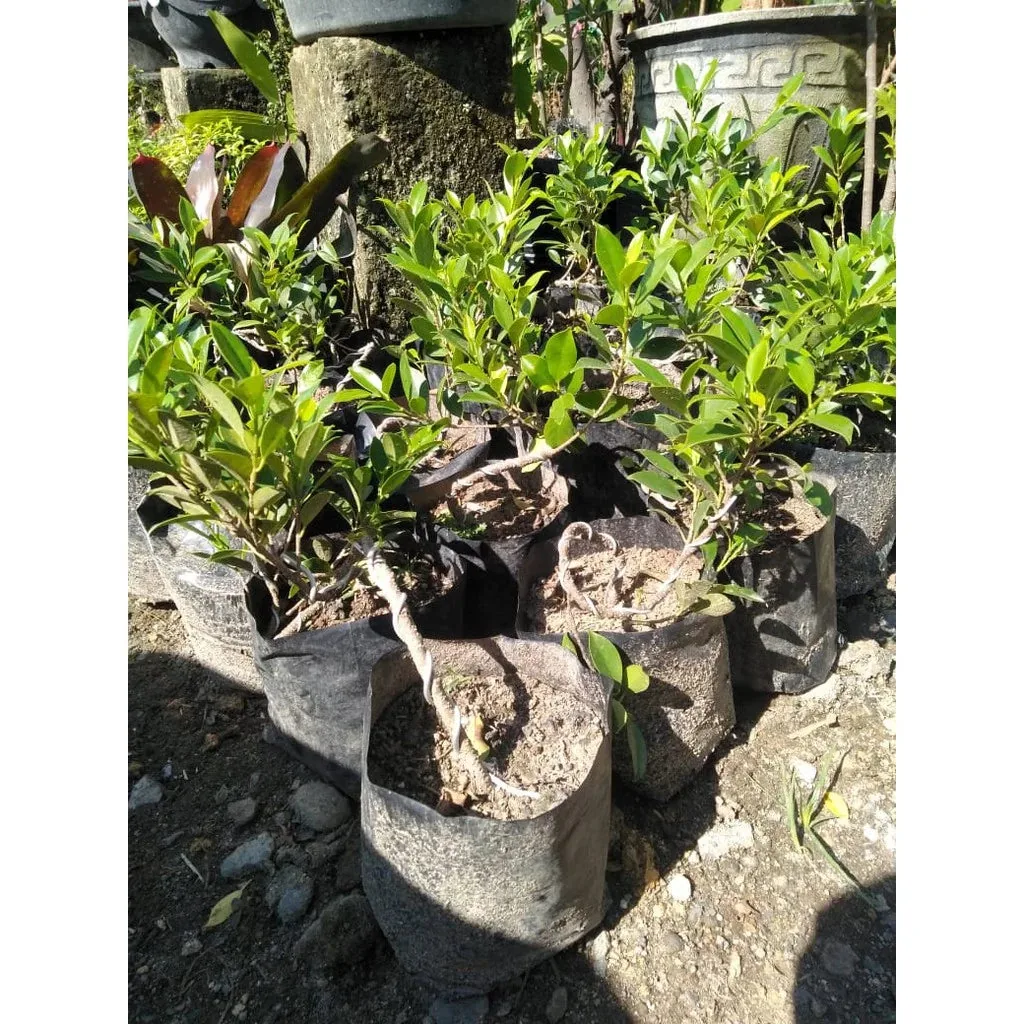
Ficus Microcarpa
Origin: Java & Sumatra, Indonesia
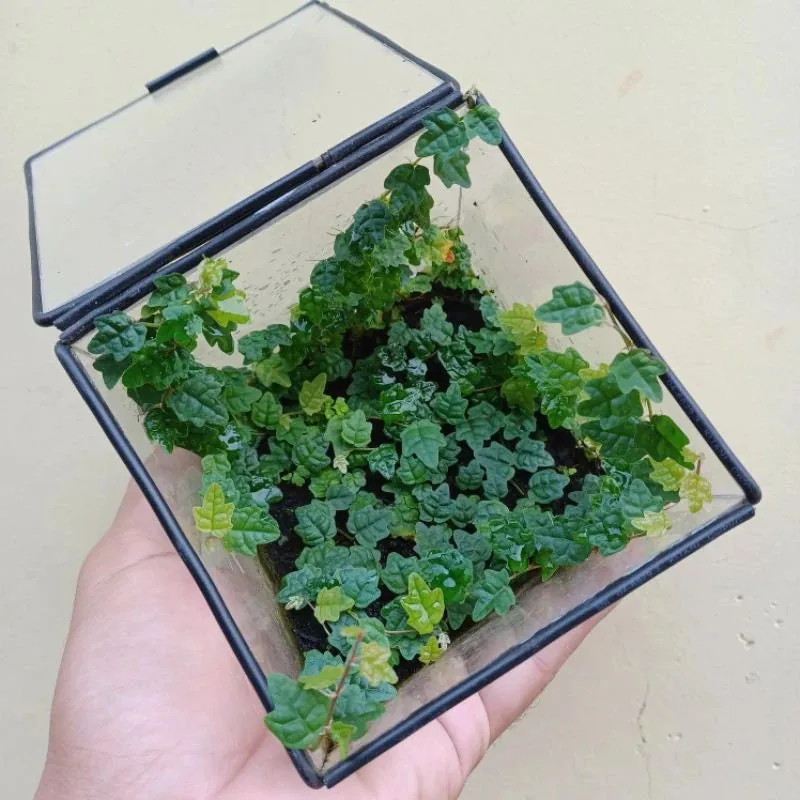
Ficus Pumila Quercifolia String Of Frog
Origin: Java & Sumatra, Indonesia
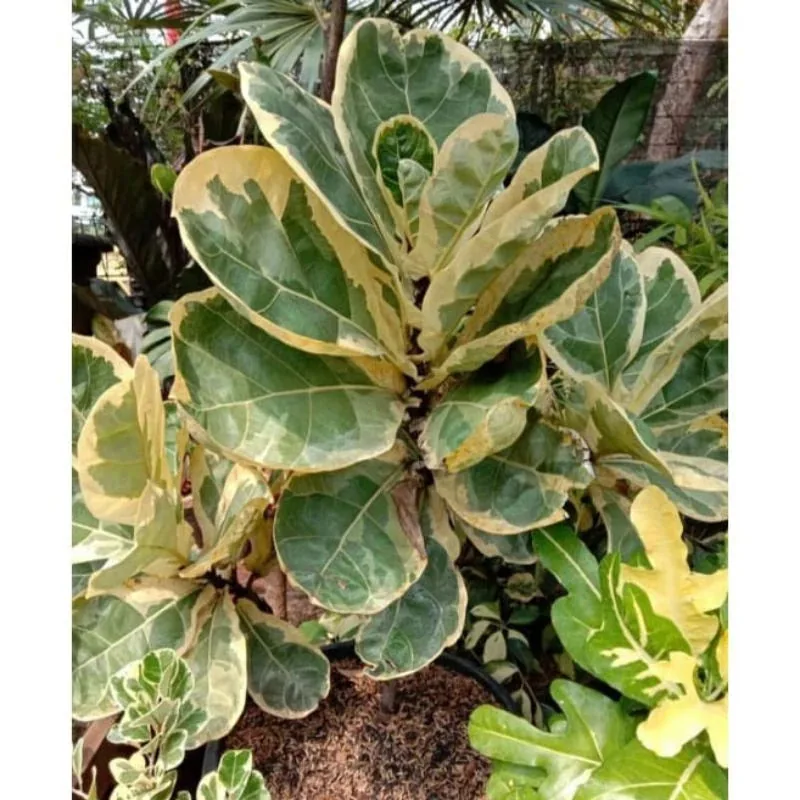
Ficus Lyrata Variegated
Origin: Java & Sumatra, Indonesia
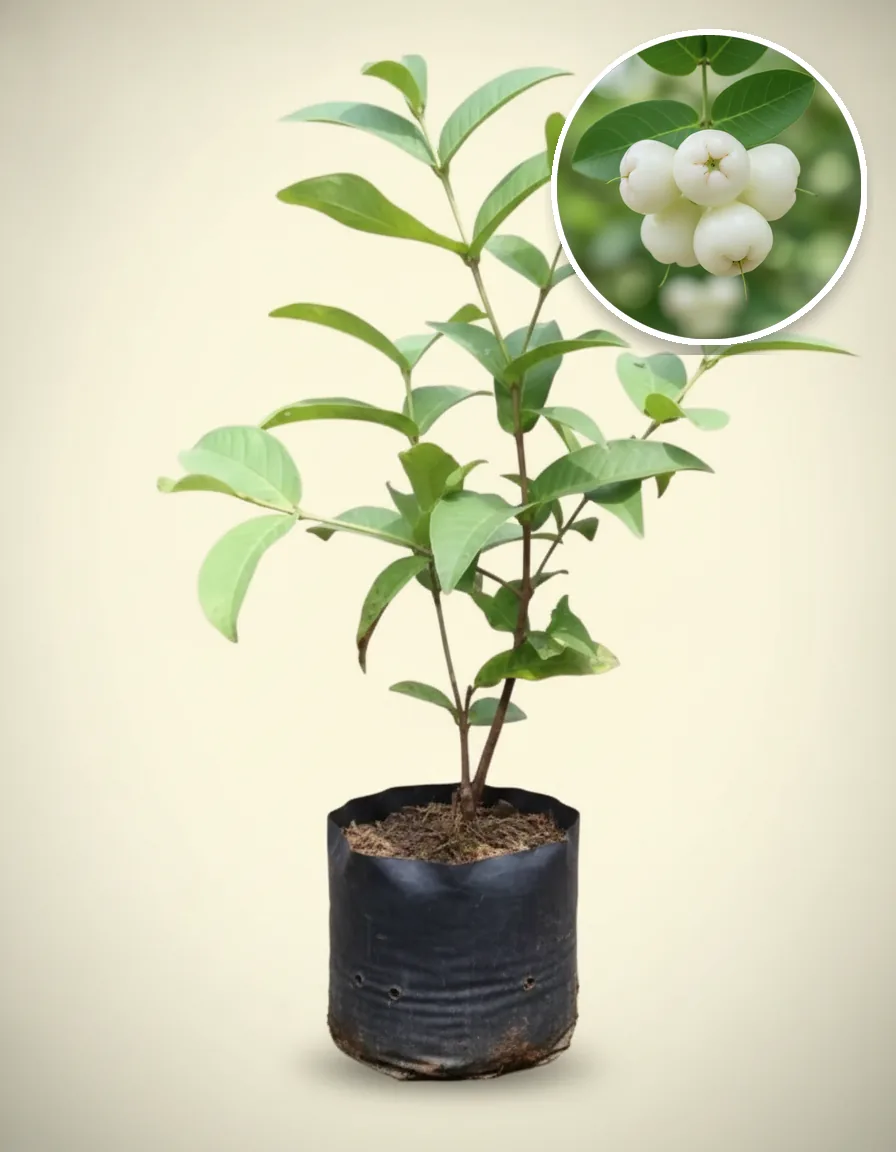
Jambos Mini White
Origin: Java & Sumatra, Indonesia