Direct Indonesian Nursery Sourcing
Acclimatized under controlled shadehouse nursery facilities in Java & Sumatra, Indonesia. Zero unverified wild-poaching.
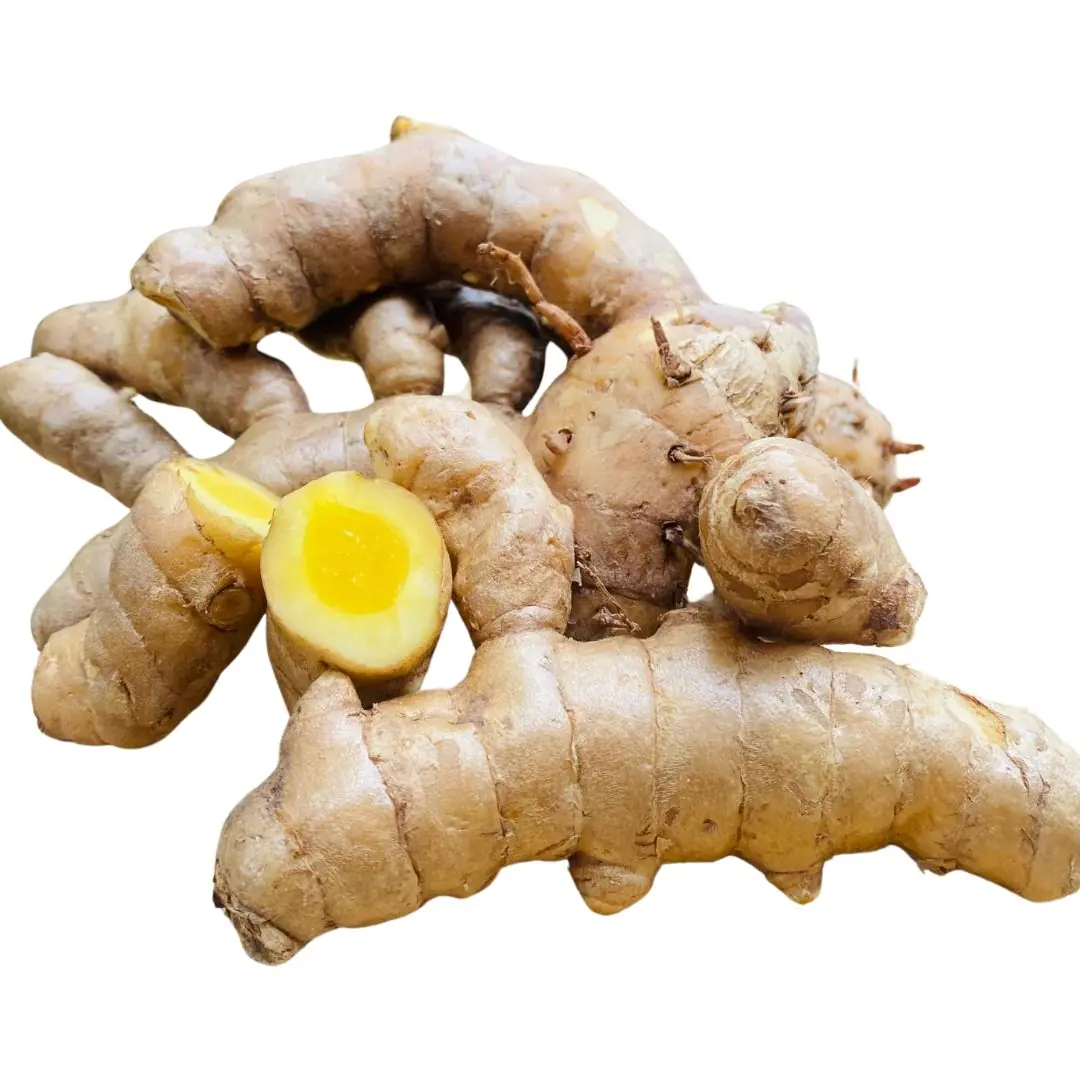
Mango Ginger
Mango Ginger is catalogued under the Zingiberaceae family, and ships from Java & Sumatra, Indonesia at $8.00 USD per plant FOB, export grade A+. Catalogue acclimatization difficulty is rated Beginner.
Identification, research and what to check before buying ↓Rated Beginner from the catalogue category and display name alone. Ask the supplier for the stock-specific acclimatization protocol for this consignment before ordering.
Rhizome morphology and storage physiology of Curcuma amada
Curcuma amada Roxb. (Mango Ginger) is a distinct Zingiberaceae geophyte named for the raw-mango aroma of its freshly cut rhizomes. Agronomic and phytochemical papers document its rhizome structure and seasonal dormancy cycles.
Curcuma amada · Reviewed on
Rhizome architecture and bud dormancy
Zingiberaceae monographs describe Curcuma amada rhizomes as fleshy, buff-colored internally, bearing scale leaves with axillary buds capable of generating new pseudostems. (Plants of the World Online, 2026) (Policegoudra, R. S., Aradhya, S. M., & Singh, L., 2011)
For buyers: Examine the rhizome cluster for firm flesh and active eye buds. Even if foliage drops during bare-root wash, intact rhizomes sprout readily under warm conditions (24–30°C).
Scope: Field harvest studies relate to field yield; greenhouse cultivation requires monitoring pot moisture to avoid anaerobic rhizome rot.
Putting the research into practice
Mango ginger develops fleshy cylindrical rhizomes with lateral branches bearing apical growth eyes. Consignments shipped as bare-root divisions or washed rhizomes can tolerate transit well because the storage organ buffers water loss. Buyers should bed rhizomes in warm, loose, well-draining soil to stimulate root emergence.
Supplier-reported facts
- Catalogue item
- Mango Ginger
Still to confirm with the supplier
- Gently scrape rhizome skin to verify characteristic mango-like scent, confirming botanical identity.
- Check rhizome firmness; soft or hollow rhizomes indicate transit moisture damage.
- Plant in warm, damp substrate (minimum 22°C) to break dormancy.
References
- Curcuma amada Roxb.
Plants of the World Online (2026). Royal Botanic Gardens, Kew.
Reviewed from: Full text
- Curcuma amada: A review on its botanical, phytochemical, and pharmacological profile
Policegoudra, R. S., Aradhya, S. M., & Singh, L. (2011). Fitoterapia, Vol. 82(8), pp. 1151–1163.
Reviewed from: Abstract only
“Full text” records the version our editors read. It does not mean the publisher offers free public access; some articles require a subscription.How we review and explain sources.
Botanical and ethnobotanical information on this page is provided for horticultural reference only. It is not medical advice and is not a substitute for professional medical guidance.
International Trade Compliance & Regulatory Guidance
Catalog regulatory tags represent informational screening indicators only and do not constitute an advance permit, clearance, or government certification. Import requirements vary by taxon, consignment volume, and destination authority; buyers should confirm requirements with their destination plant health agency or our export desk prior to order.
USDA APHIS Guidance (7 CFR 319.37)
Screening reflects general admissibility guidelines under USDA APHIS regulations. Actual entry requirements depend on current taxon manuals, port routing (such as PIS Miami, JFK, LAX), and permit category (PPQ 587). Buyer must verify applicable permit and labeling requirements with USDA APHIS or our export desk before ordering.
Indonesian Agricultural Quarantine (Barantan)
Consignments must be submitted for PPK (Pemeriksaan Karantina Tumbuhan) inspection by Badan Karantina Indonesia prior to export dispatch. Phytosanitary certificates are issued only upon successful official examination; catalog tags are screening indicators and do not constitute an advance certificate guarantee.
EU TRACES-NT & CHED-PP (Reg 2016/2031)
European Union plant health directives require CHED-PP pre-notification in TRACES-NT and arrival through designated Border Control Posts (such as AMS or FRA). Importers should confirm current high-risk lists, quarantine status, and member state rules before ordering.
Export Packaging & Root Preservation Standard
Growing guidance & dispatch checks
Stock enquiry: no source-backed care profile is available for this SKU. Nursery conditions describe the offered stock, not measured species tolerances. Inspect roots and foliage on arrival, document concerns, and ask the export desk for stock-specific watering and acclimatization advice.
Related Species in Spices & Medicinal Herbs
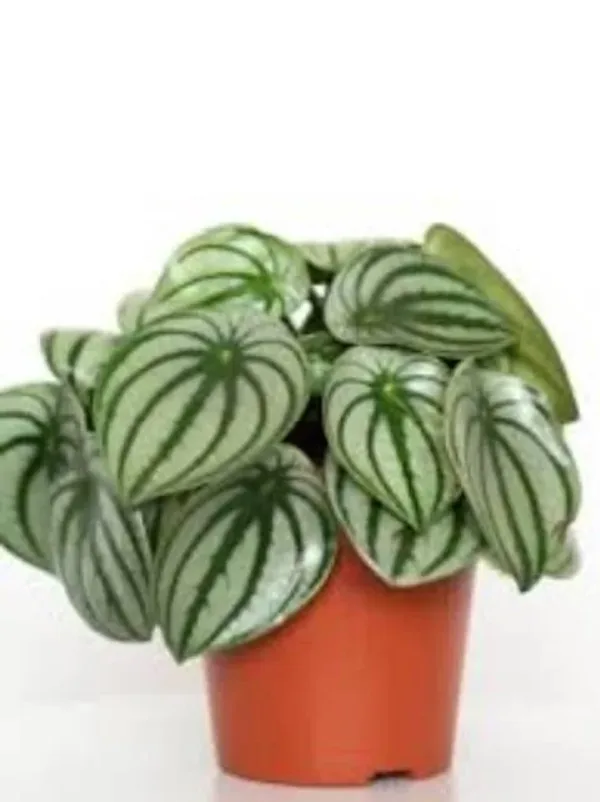
Pepperomia Argyreia 4 Leaves
Origin: Java & Sumatra, Indonesia
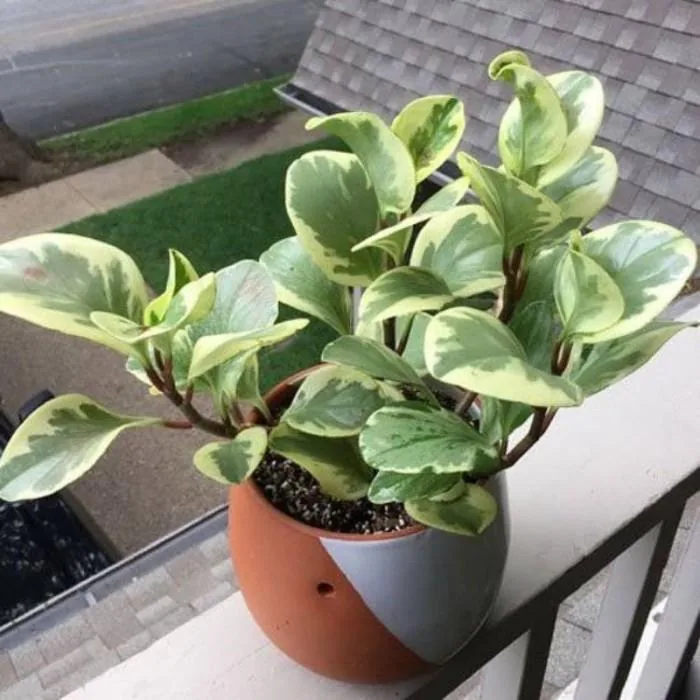
Pepperomia Obtusifolia Variegata 4 Leaves
Origin: Java & Sumatra, Indonesia
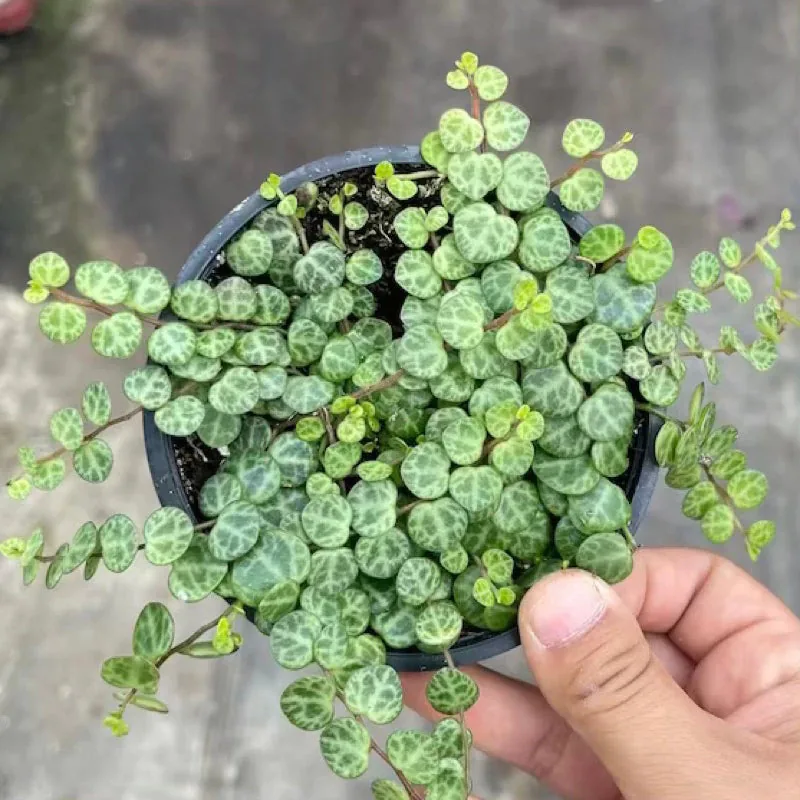
Pepperomia Prostrata String Of Turtle
Origin: Java & Sumatra, Indonesia
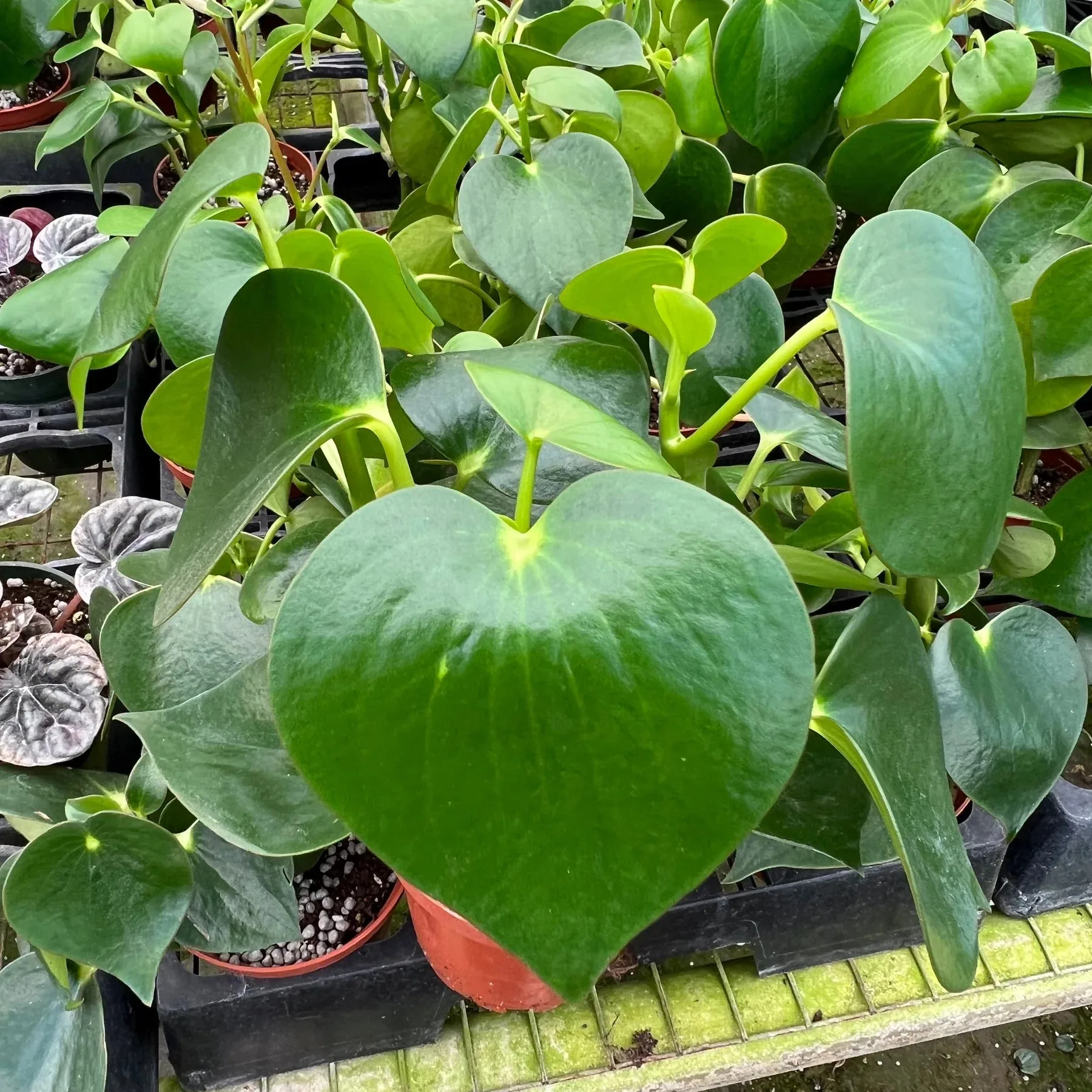
Pepperomia Arifolia
Origin: Java & Sumatra, Indonesia
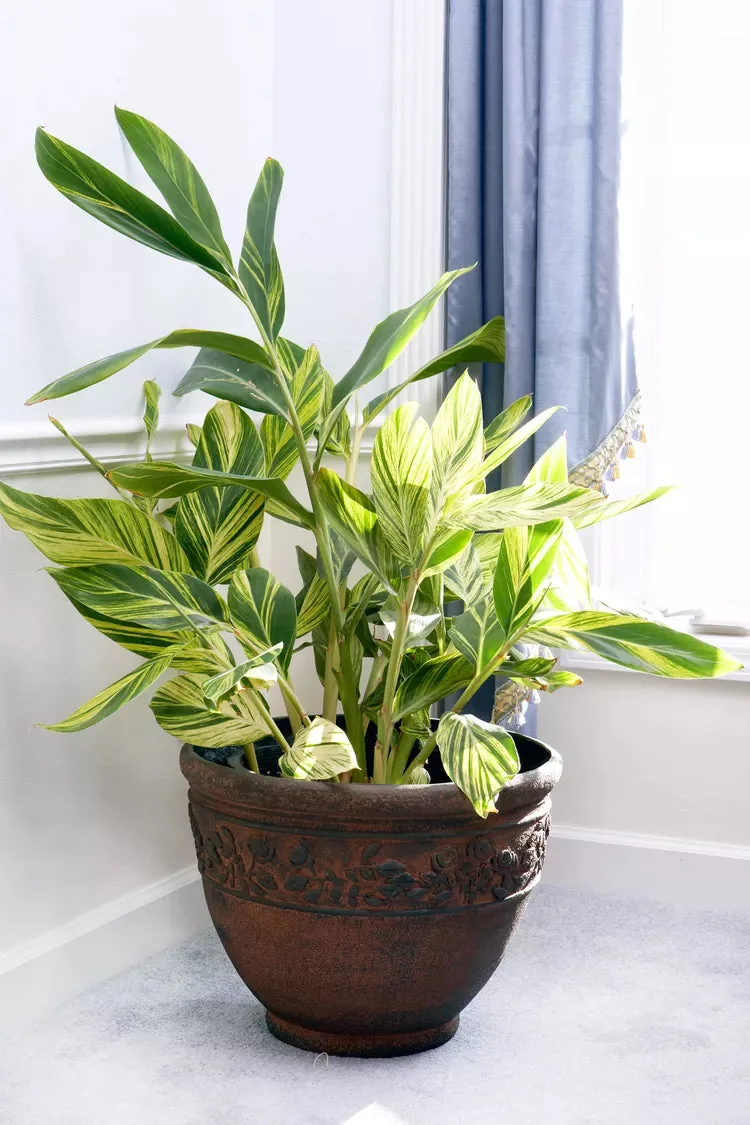
Alpinia Sanderae Yellow Variegated
Origin: Java & Sumatra, Indonesia
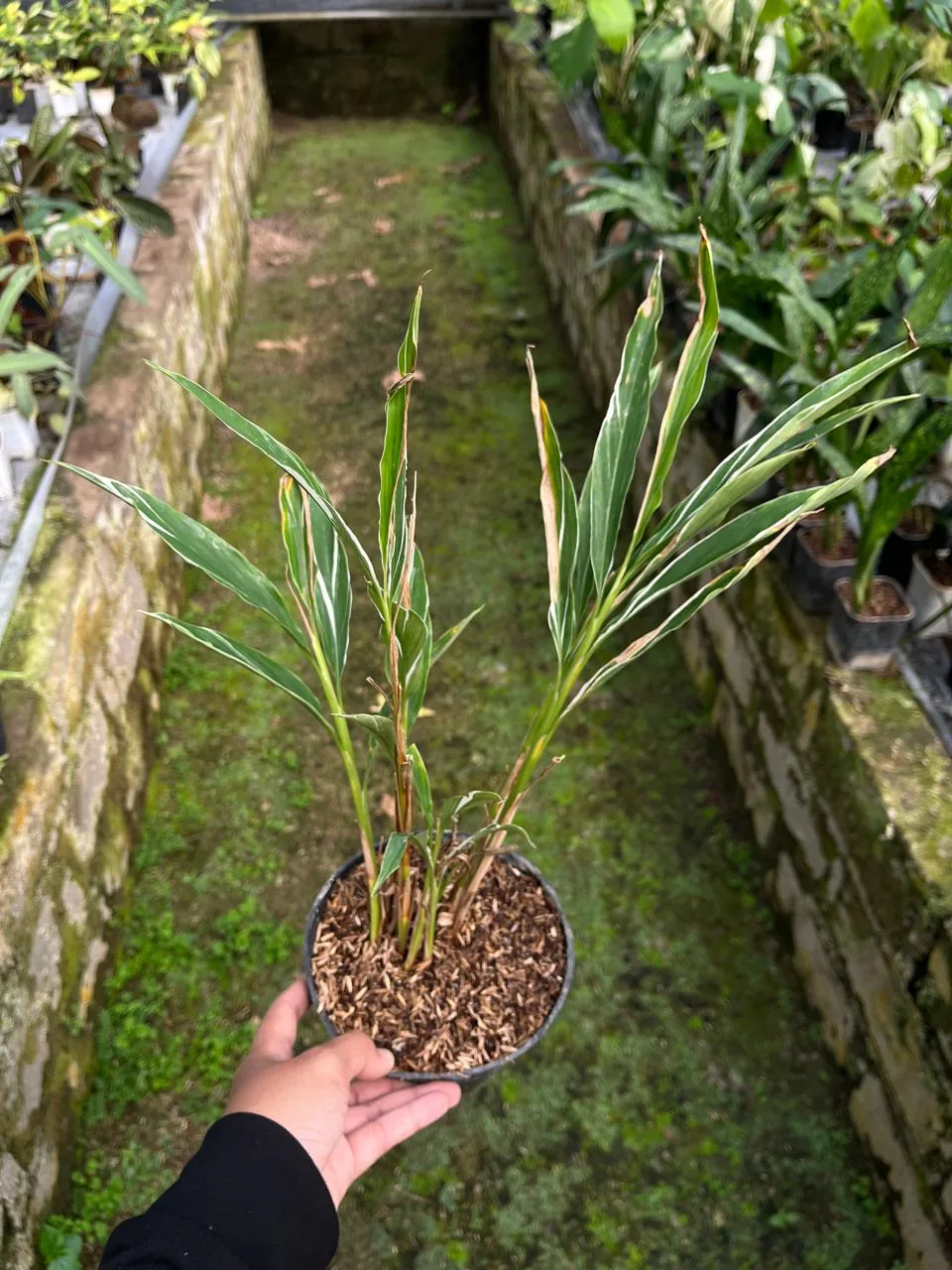
Zingiber Officinale Variegated
Origin: Java & Sumatra, Indonesia