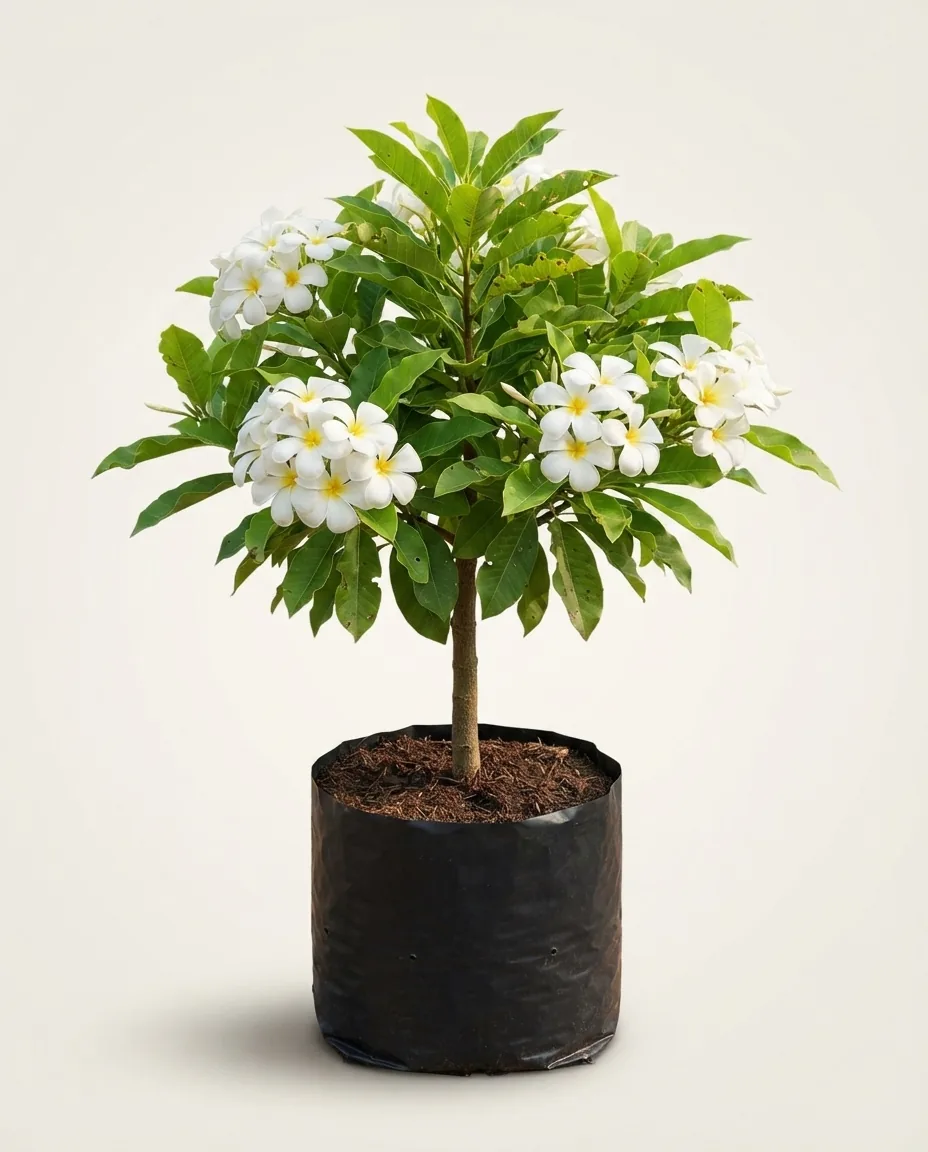
Direct Indonesian Nursery Sourcing
Acclimatized under controlled shadehouse nursery facilities in Java & Sumatra, Indonesia. Zero unverified wild-poaching.
Magnolia Champaca
Magnolia champaca
Magnolia Champaca (Magnolia champaca) is catalogued under the Magnoliaceae family in the genus Magnolia, and ships from Java & Sumatra, Indonesia at $12.00 USD per plant FOB, export grade A+. The supplier's listing records grade Champaca. Catalogue acclimatization difficulty is rated Beginner.
Identification, research and what to check before buying ↓Magnolia champaca (L.) Baill. ex Pierre · Magnoliaceae
The accepted name in the GBIF Backbone Taxonomy, the plant taxonomic backbone.
Protologue citation: Fl. Forest. Cochinch.: t. 3 (1880)
A protologue is the original description of a species. It provides the naming context and diagnostic characters to compare when checking a plant’s identity. Other studies address their own research questions; their findings need to be read in that context before applying them to cultivation or the offered stock.
- Anticancer potential of Magnolia champaca and Epipremnum aureum — Journal of Livestock Science (2026)
- Dendrochemical analysis of heavy metals in Magnolia champaca tree rings in Mizoram, Northeast India — Environmental Monitoring and Assessment (2025)
- Potential of patchouli (Pogostemon cablin) and champaca (Magnolia champaca) oils incorporated in facial wash formulation for effective anti-aging on human skin — Journal of Pharmacy & Pharmacognosy Research (2025)
Taxonomy from the GBIF Backbone Taxonomy, retrieved 2026-10-22. Open the backbone record.
Rated Beginner from the catalogue category and display name alone. Ask the supplier for the stock-specific acclimatization protocol for this consignment before ordering.
Recognising Magnolia champaca and planning sapling acclimatisation
Known historically as Michelia champaca, this Southeast Asian evergreen tree is prized for its intensely fragrant golden-yellow blossoms and fine timber. Published forestry and botanical studies highlight seedling morphology and post-transit establishment requirements.
Magnolia champaca · Reviewed on
Taxonomic boundaries and floral morphology
Flora of China and regional Malesian floras classify Champaca under Magnolia sect. Michelia. Flowers carry 12–20 narrow, fragrant tepals ranging from pale yellow to deep orange, produced axillary on short shoots. (Xia, N. H., Liu, Y. H., & Nooteboom, H. P., 2008) (Plants of the World Online, 2026)
For buyers: Differentiates true Magnolia champaca from white-flowered hybrids like Magnolia × alba. In young non-flowering saplings, compare petiole scar length and stipular attachment along the stem.
Scope: Taxonomic descriptions reflect mature wild and cultivated trees; juvenile saplings may not exhibit distinctive floral fragrance until mature canopy nodes establish.
Seedling root architecture and substrate transition
Tropical forestry trials show that Magnolia champaca seedlings develop an assertive taproot system that resents physical disturbance once lignified. Post-transplant vigor correlates with intact root collar tissue. (Luna, R. K., 1996)
For buyers: When receiving bare-root consignments, avoid aggressive root pruning. Rehydrate in shaded high humidity (75–85%) in a porous, well-draining potting medium.
Scope: Forestry establishment studies use in-ground nursery beds; containerized acclimation in climate-controlled nurseries may require tighter moisture management.
Putting the research into practice
Magnolia champaca produces substantial taproots and sensitive lateral fibrous roots. In wholesale export, bare-root preparation requires careful root collar protection and immediate post-arrival rehydration. Buyers should inspect root collar firmness and ensure high humidity during the initial 14-day recovery window before exposing saplings to direct solar radiation.
Supplier-reported facts
- Catalogue item
- Magnolia Champaca
- Supplier form / grade
- Champaca
Still to confirm with the supplier
- Examine the root collar to ensure the bark remains green and free from transit friction necrosis.
- Check lateral root hydration; fibrous rootlets should bend without snapping.
- Verify that sapling foliage shows typical alternate leaf arrangement with acute-acuminate tips.
References
- Magnoliaceae: Michelia champaca Linnaeus
Xia, N. H., Liu, Y. H., & Nooteboom, H. P. (2008). Flora of China, Vol. 7, pp. 78–82.
Reviewed from: Full text
- Magnolia champaca (L.) Baill. ex Pierre
Plants of the World Online (2026). Royal Botanic Gardens, Kew.
Reviewed from: Full text
- Silvicultural Characteristics of Michelia champaca L.
Luna, R. K. (1996). Plantation Trees, International Book Distributors, Dehra Dun.
Reviewed from: Abstract only
“Full text” records the version our editors read. It does not mean the publisher offers free public access; some articles require a subscription.How we review and explain sources.
Cultivation & Characteristics: Magnolia Champaca
Champaca is a fragrant tropical flowering tree with glossy leaves and golden-orange aromatic blooms, valued in perfumed gardens. grow in bright light to full sun depending on local climate, use fertile well-draining soil after arrival, water when the top layer begins to dry, and prune lightly to shape after flowering. Shipping &.
Botanical and ethnobotanical information on this page is provided for horticultural reference only. It is not medical advice and is not a substitute for professional medical guidance.
International Trade Compliance & Regulatory Guidance
Catalog regulatory tags represent informational screening indicators only and do not constitute an advance permit, clearance, or government certification. Import requirements vary by taxon, consignment volume, and destination authority; buyers should confirm requirements with their destination plant health agency or our export desk prior to order.
USDA APHIS Guidance (7 CFR 319.37)
Screening reflects general admissibility guidelines under USDA APHIS regulations. Actual entry requirements depend on current taxon manuals, port routing (such as PIS Miami, JFK, LAX), and permit category (PPQ 587). Buyer must verify applicable permit and labeling requirements with USDA APHIS or our export desk before ordering.
Indonesian Agricultural Quarantine (Barantan)
Consignments must be submitted for PPK (Pemeriksaan Karantina Tumbuhan) inspection by Badan Karantina Indonesia prior to export dispatch. Phytosanitary certificates are issued only upon successful official examination; catalog tags are screening indicators and do not constitute an advance certificate guarantee.
EU TRACES-NT & CHED-PP (Reg 2016/2031)
European Union plant health directives require CHED-PP pre-notification in TRACES-NT and arrival through designated Border Control Posts (such as AMS or FRA). Importers should confirm current high-risk lists, quarantine status, and member state rules before ordering.
Nursery grade source: Supplier classification at the nursery. The Champaca grade is the supplier's record for this SKU, quoted as published.
Export Packaging & Root Preservation Standard
Growing guidance & dispatch checks
Stock enquiry: no source-backed care profile is available for this SKU. Nursery conditions describe the offered stock, not measured species tolerances. Inspect roots and foliage on arrival, document concerns, and ask the export desk for stock-specific watering and acclimatization advice.
Related Species in Tropical Houseplants
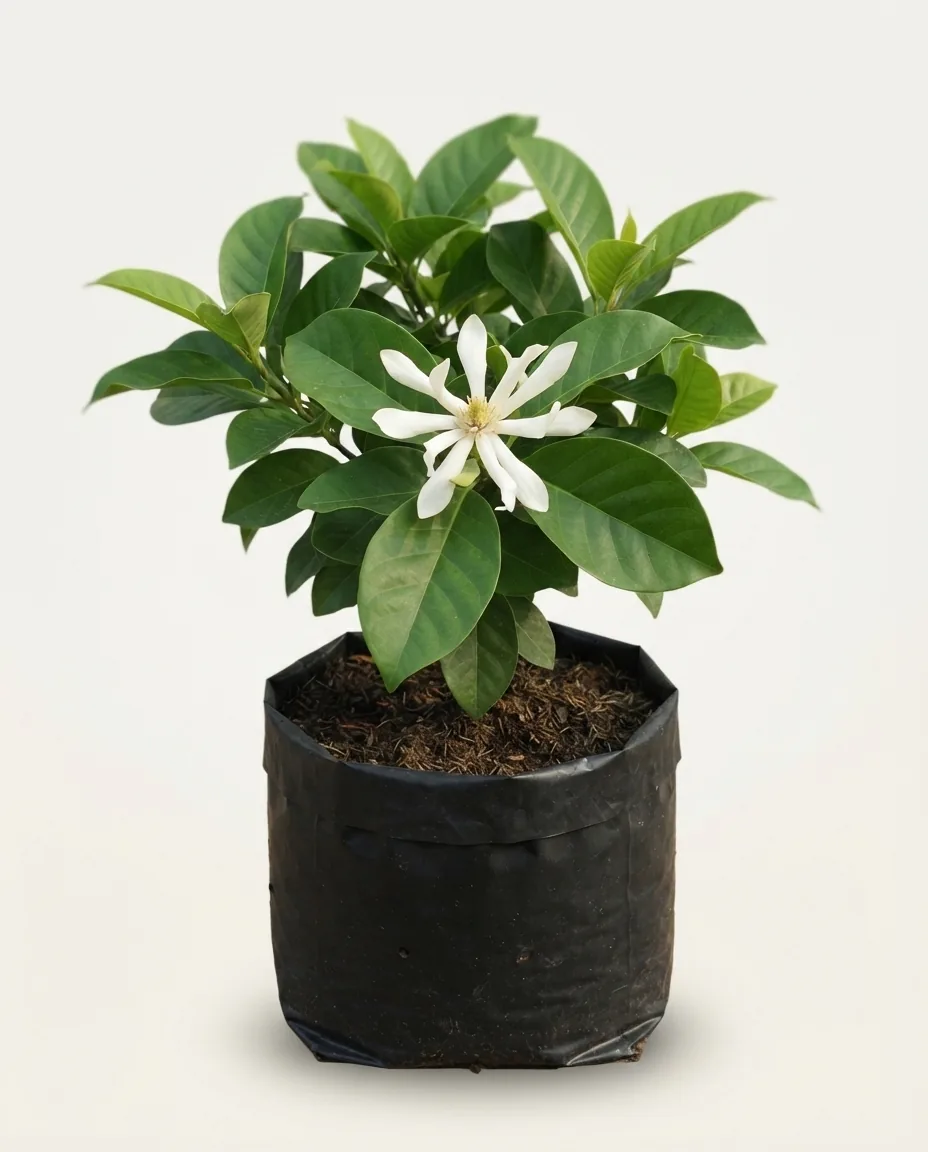
Magnolia X Alba
Origin: Java & Sumatra, Indonesia
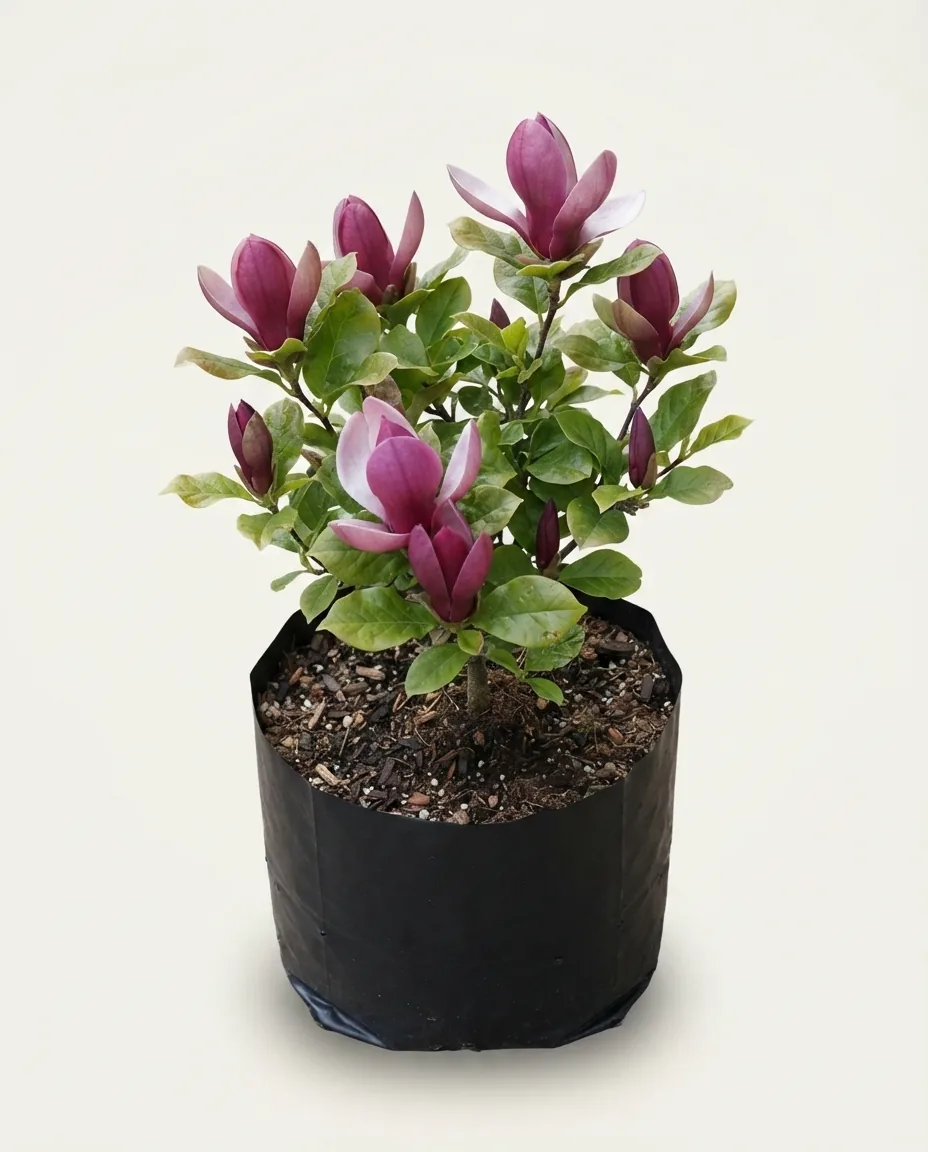
Magnolia Liliiflora
Origin: Java & Sumatra, Indonesia
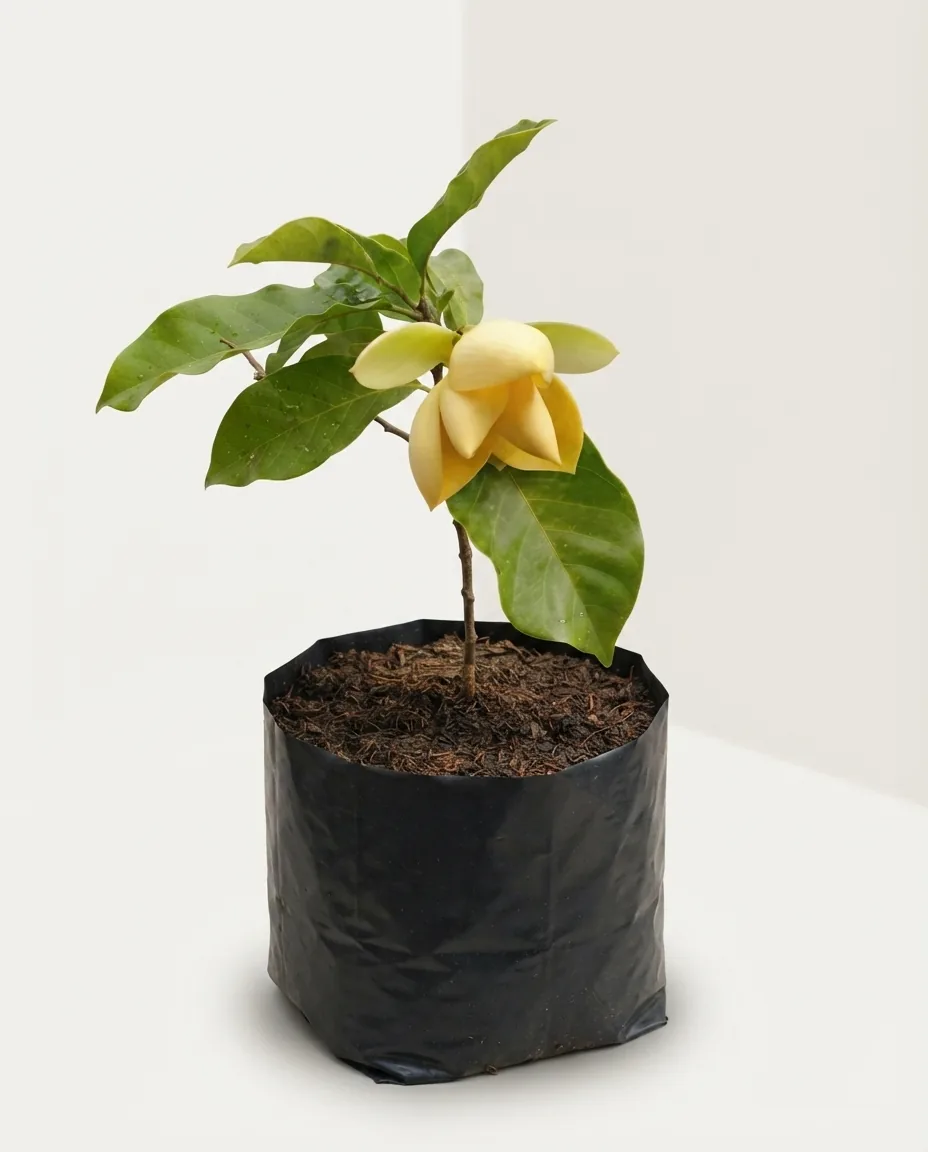
Magnolia Liliifera Yellow
Origin: Java & Sumatra, Indonesia
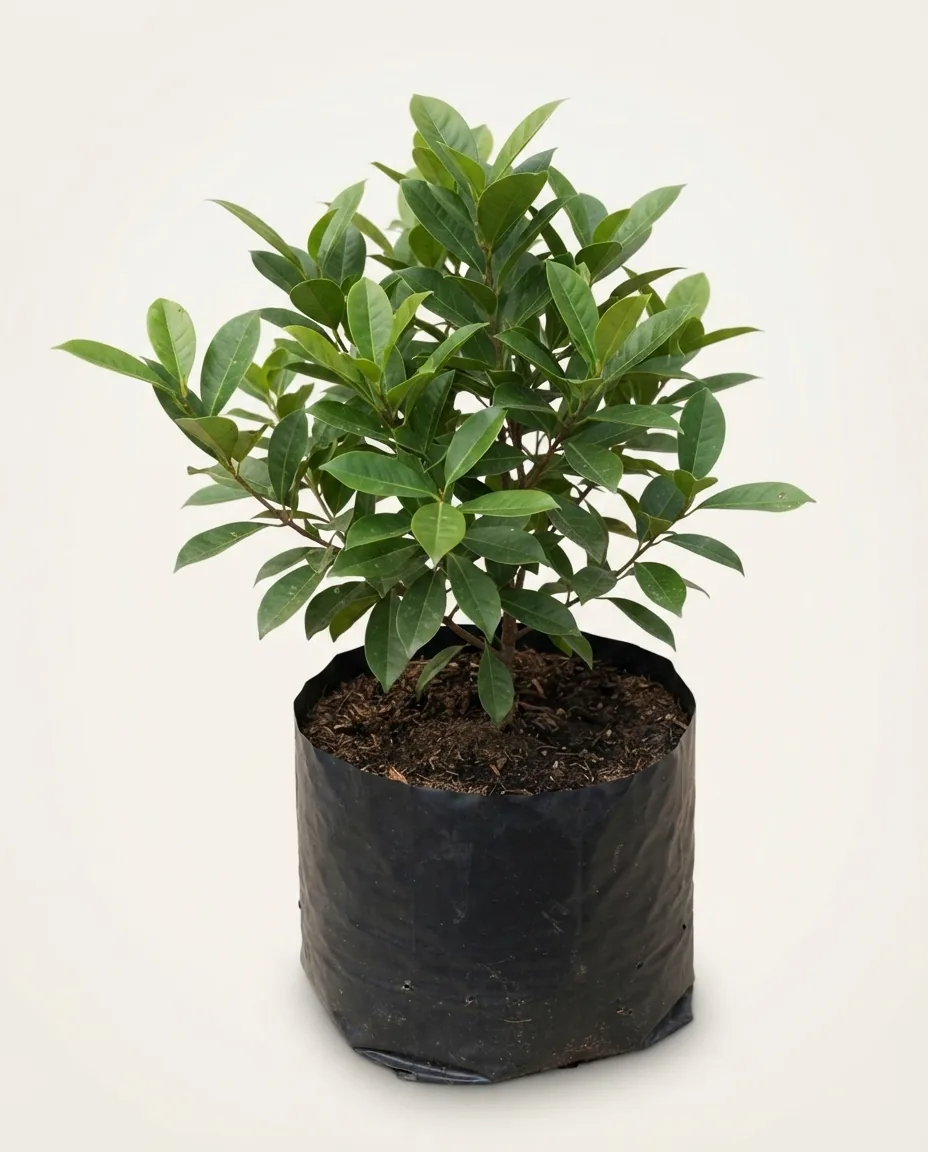
Magnolia Liliifera White
Origin: Java & Sumatra, Indonesia
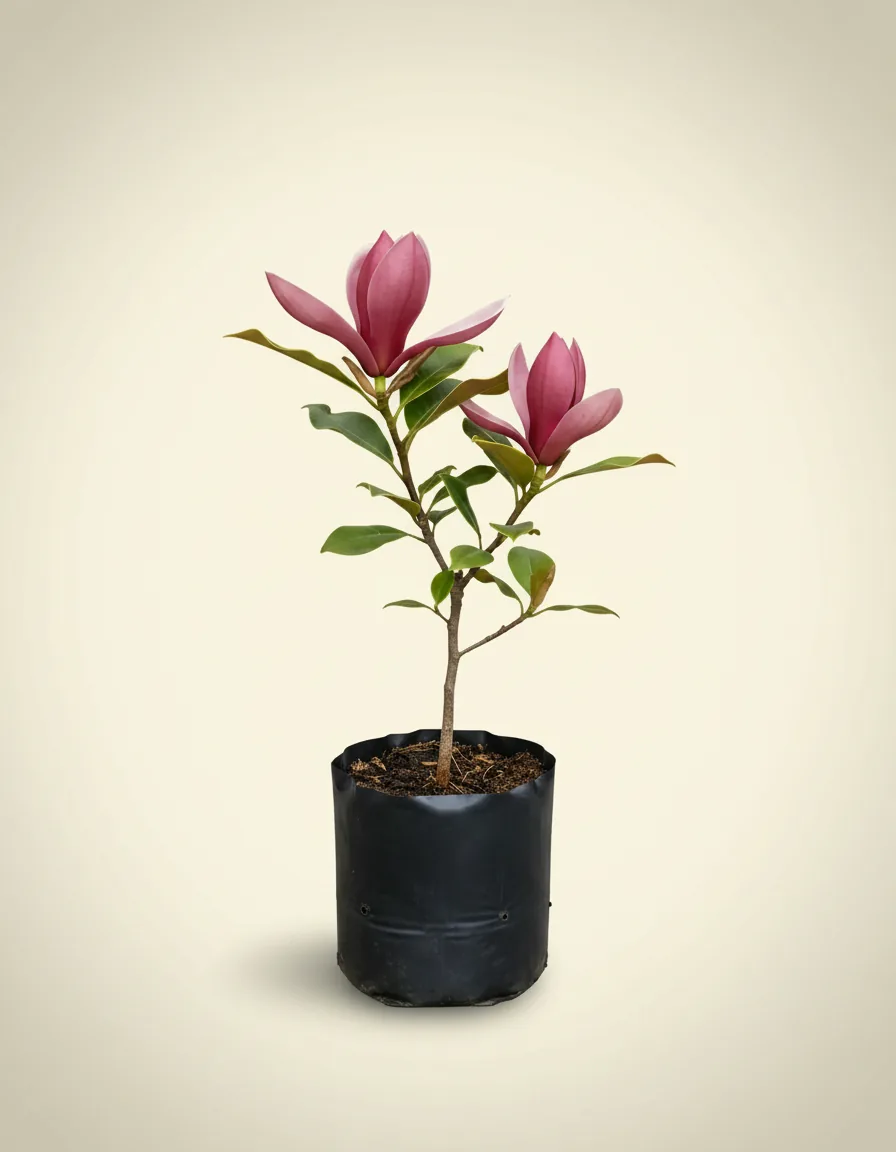
Magnolia Fordiana Var Forrestii
Origin: Java & Sumatra, Indonesia
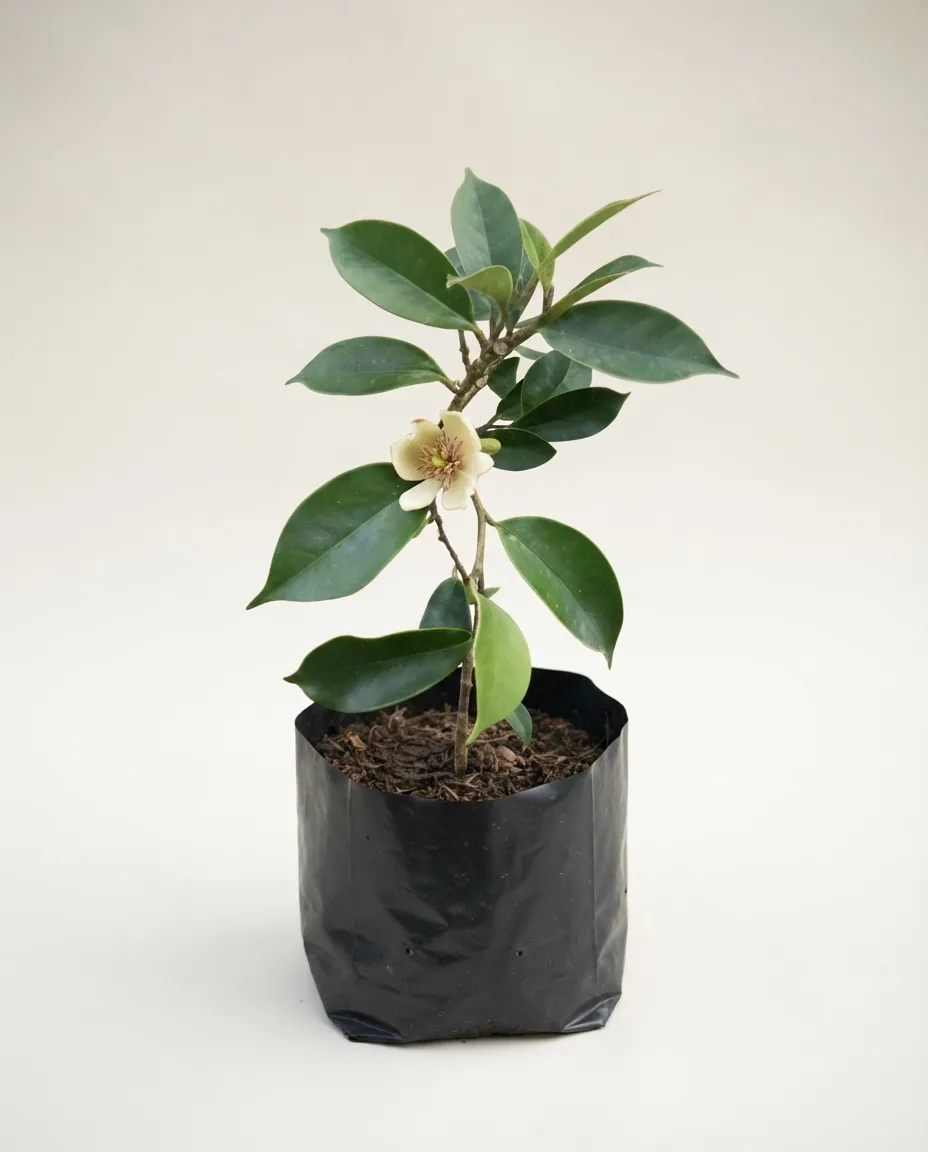
Magnolia Figo White
Origin: Java & Sumatra, Indonesia