Direct Indonesian Nursery Sourcing
Acclimatized under controlled shadehouse nursery facilities in Java & Sumatra, Indonesia. Zero unverified wild-poaching.
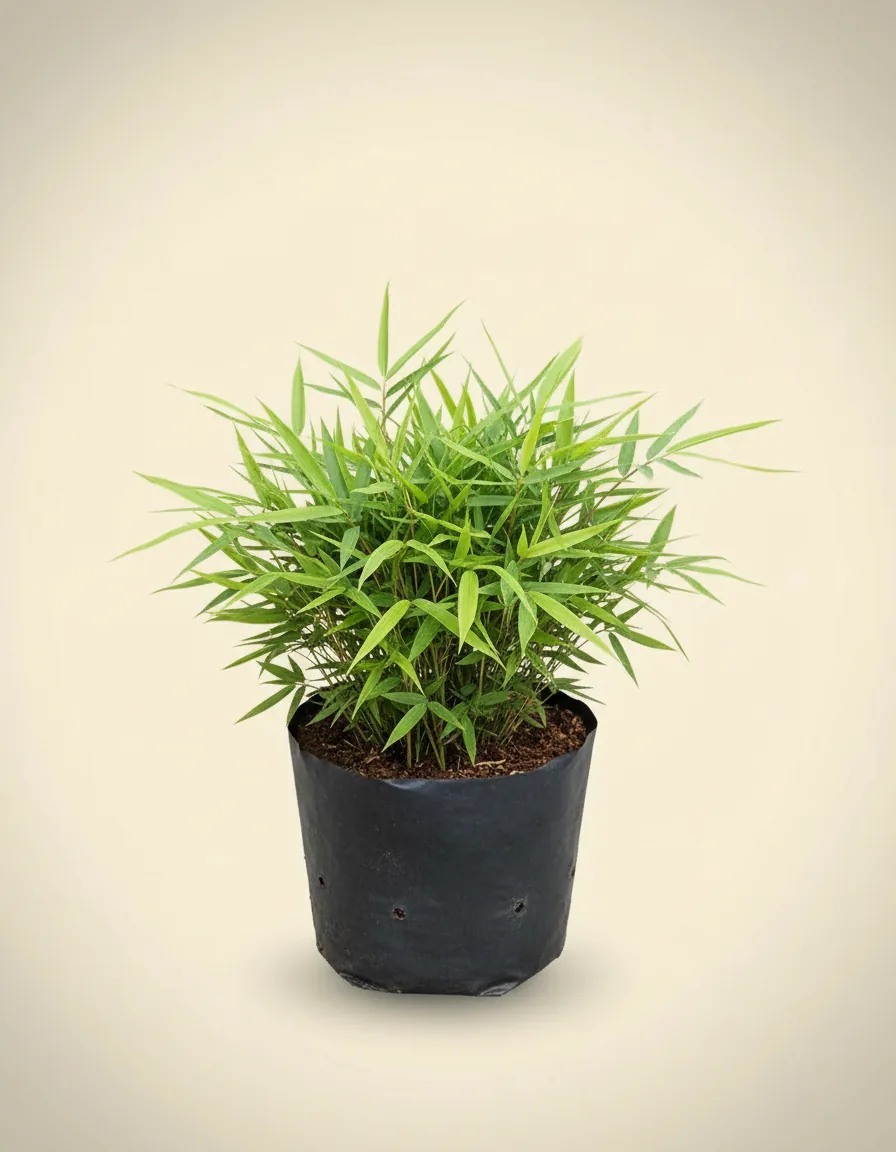
Dwarf Bamboo Pleioblastus Pygmaeus
Dwarf Bamboo Pleioblastus Pygmaeus is catalogued and ships from Java & Sumatra, Indonesia at $15.00 USD per plant FOB, export grade A+. Catalogue acclimatization difficulty is rated Beginner.
Identification, research and what to check before buying ↓Rated Beginner from the catalogue category and display name alone. Ask the supplier for the stock-specific acclimatization protocol for this consignment before ordering.
Rhizome architecture and growth dynamics of Dwarf Bamboo
Pleioblastus pygmaeus (syn. Arundinaria pygmaea) is a dwarf running bamboo endemic to Japan and widely cultivated across East Asia. Agrostological literature documents its leptomorph (monopodial) rhizome habit and aggressive groundcover density.
Pleioblastus pygmaeus · Reviewed on
Leptomorph rhizome spread and node regeneration
Bamboo morphologists document monopodial leptomorph rhizomes in Pleioblastus, where vegetative spread occurs horizontally through subterranean axes with lateral shoot emergence. (Plants of the World Online, 2026) (Ohrnberger, D., 1999)
For buyers: When evaluating bare-root divisions, inspect the rhizome integrity. A healthy division requires firm, pale-to-brown rhizome sections with intact buds to push fresh culms.
Scope: Morphological studies describe mature field stands; bare-root division viability depends on transit moisture and minimizing desiccation of fine root hairs.
Putting the research into practice
As a running bamboo, Pleioblastus pygmaeus spreads by underground horizontal rhizomes with buds at each node. For bare-root export, divisions must include viable rhizome segments with dormant nodes rather than just detached culms. Buyers should pot rhizome divisions horizontally at shallow depth and maintain steady moisture.
Supplier-reported facts
- Catalogue item
- Dwarf Bamboo Pleioblastus Pygmaeus
Still to confirm with the supplier
- Confirm the presence of firm subterranean rhizome pieces attached to the culm base.
- Check that culm foliage is pliable; dry, curled leaves should shed while rhizome buds remain turgid.
- Verify containment plan: running leptomorph rhizomes require container borders or root barriers in landscapes.
References
- Pleioblastus pygmaeus (Miq.) Nakai
Plants of the World Online (2026). Royal Botanic Gardens, Kew.
Reviewed from: Full text
- Rhizome system and growth patterns in dwarf temperate bamboos
Ohrnberger, D. (1999). The Bamboos of the World, Elsevier Science B.V..
Reviewed from: Abstract only
“Full text” records the version our editors read. It does not mean the publisher offers free public access; some articles require a subscription.How we review and explain sources.
Botanical and ethnobotanical information on this page is provided for horticultural reference only. It is not medical advice and is not a substitute for professional medical guidance.
International Trade Compliance & Regulatory Guidance
Catalog regulatory tags represent informational screening indicators only and do not constitute an advance permit, clearance, or government certification. Import requirements vary by taxon, consignment volume, and destination authority; buyers should confirm requirements with their destination plant health agency or our export desk prior to order.
USDA APHIS Guidance (7 CFR 319.37)
Screening reflects general admissibility guidelines under USDA APHIS regulations. Actual entry requirements depend on current taxon manuals, port routing (such as PIS Miami, JFK, LAX), and permit category (PPQ 587). Buyer must verify applicable permit and labeling requirements with USDA APHIS or our export desk before ordering.
Indonesian Agricultural Quarantine (Barantan)
Consignments must be submitted for PPK (Pemeriksaan Karantina Tumbuhan) inspection by Badan Karantina Indonesia prior to export dispatch. Phytosanitary certificates are issued only upon successful official examination; catalog tags are screening indicators and do not constitute an advance certificate guarantee.
EU TRACES-NT & CHED-PP (Reg 2016/2031)
European Union plant health directives require CHED-PP pre-notification in TRACES-NT and arrival through designated Border Control Posts (such as AMS or FRA). Importers should confirm current high-risk lists, quarantine status, and member state rules before ordering.
Export Packaging & Root Preservation Standard
Growing guidance & dispatch checks
Stock enquiry: no source-backed care profile is available for this SKU. Nursery conditions describe the offered stock, not measured species tolerances. Inspect roots and foliage on arrival, document concerns, and ask the export desk for stock-specific watering and acclimatization advice.
Related Species in Tropical Houseplants

Colocasia Black Spider
Origin: Java & Sumatra, Indonesia

Rosa Sericea Pteracantha
Origin: Java & Sumatra, Indonesia
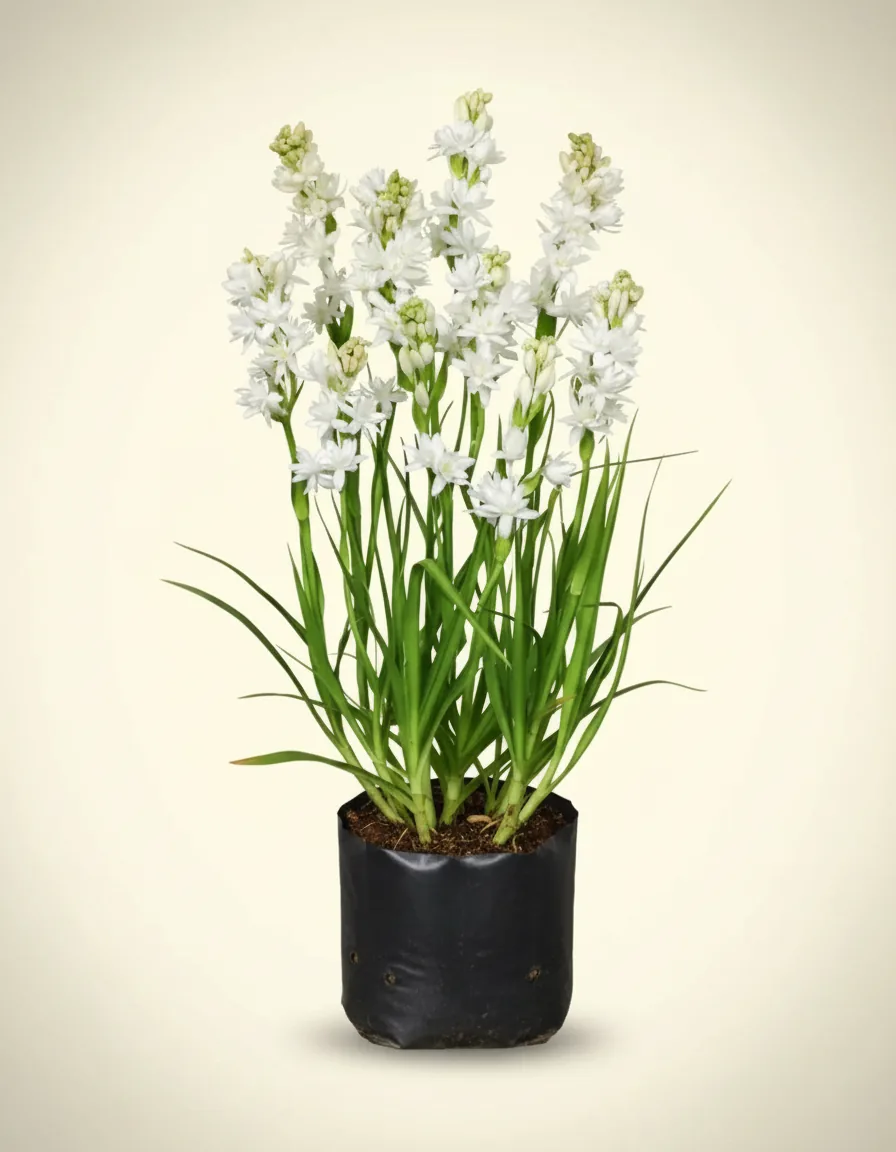
Polianthes Tuberosa
Origin: Java & Sumatra, Indonesia
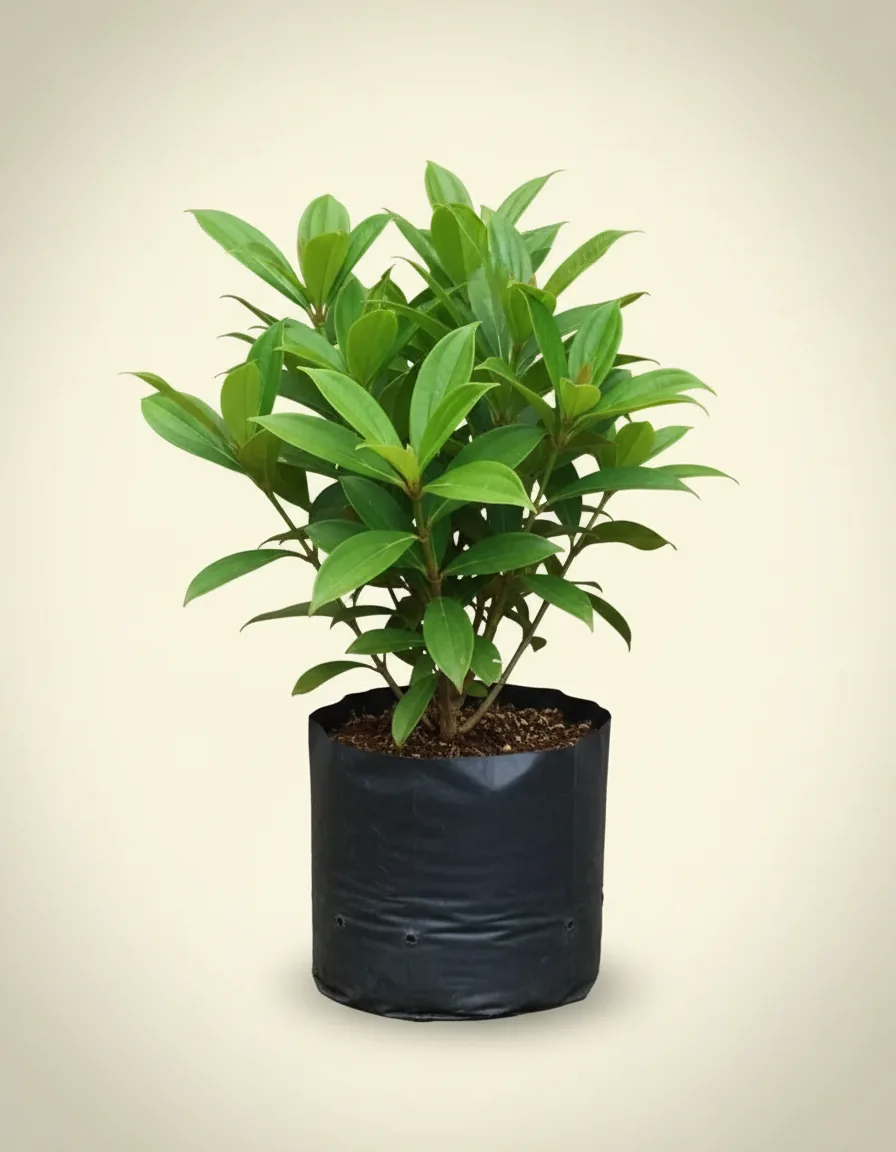
Medinilla Speciosa
Origin: Java & Sumatra, Indonesia
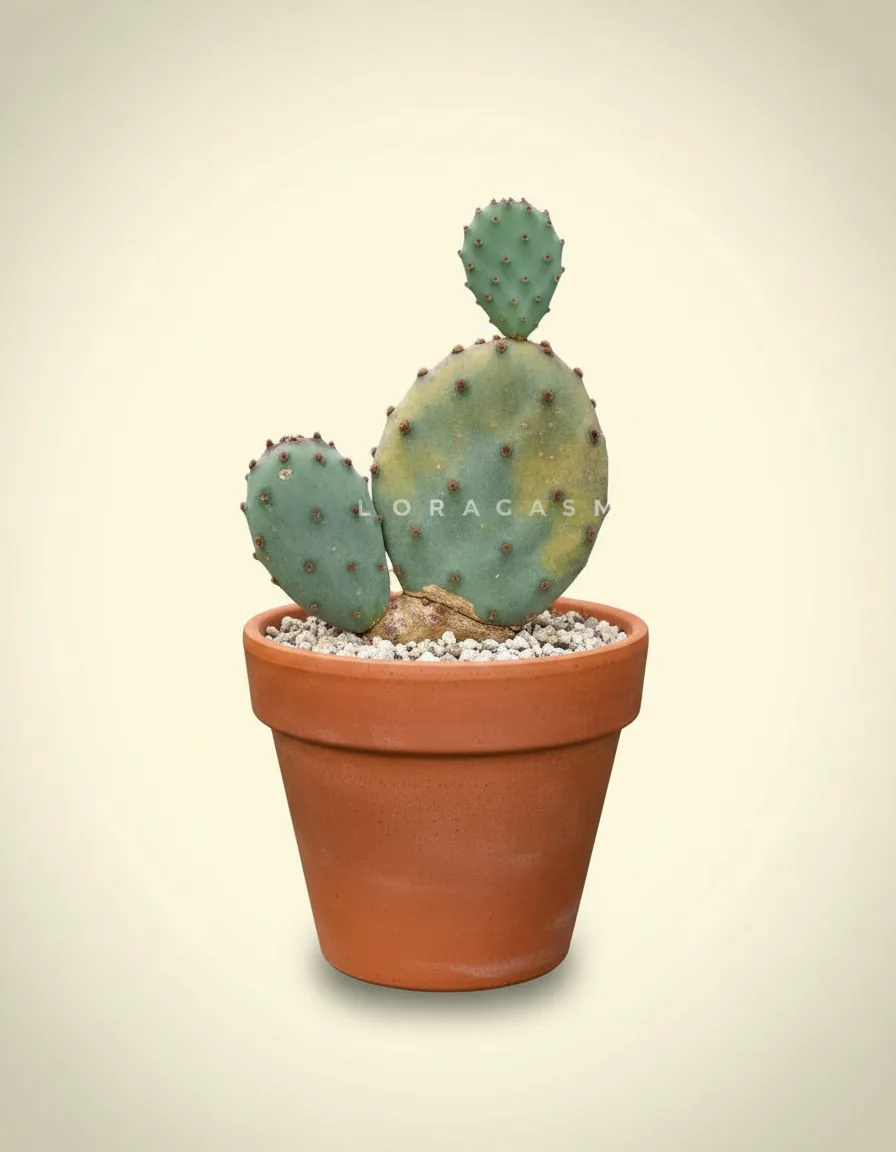
Opuntia Santa Rita Santa Rita Prickly Pear
Origin: Java & Sumatra, Indonesia

Opuntia Gomey Prickly Pear
Origin: Java & Sumatra, Indonesia